Exploring the Himalayan Kingdom: A Comprehensive Guide to Trekking the Druk Path and Trans Bhutan Trail


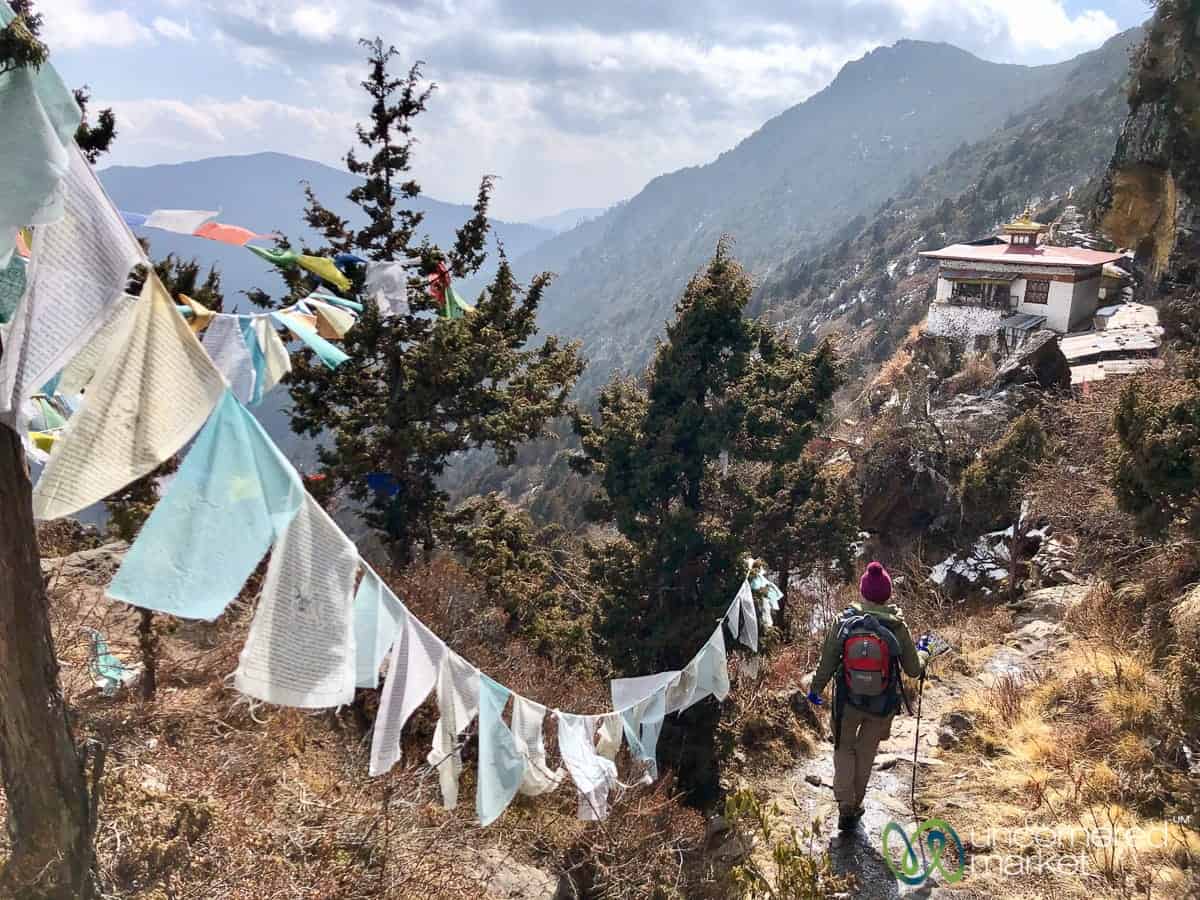
Bhutan, the sovereign Himalayan kingdom renowned internationally for its pioneering philosophy of Gross National Happiness and stringent environmental conservation policies, continues to captivate adventurous travelers seeking remote, pristine mountain landscapes. Characterized by snow-capped peaks, ancient Buddhist monasteries, fluttering prayer flags, and high-altitude alpine lakes, the nation offers some of the most exclusive and untouched trekking routes in the world. Following the country’s full reopening to international tourism without quarantine mandates, global interest in Bhutanese mountain adventures has surged, with a particular focus on traditional routes like the Druk Path Trek and the newly restored Trans Bhutan Trail.
Historical Context and Evolution of Bhutanese Trails
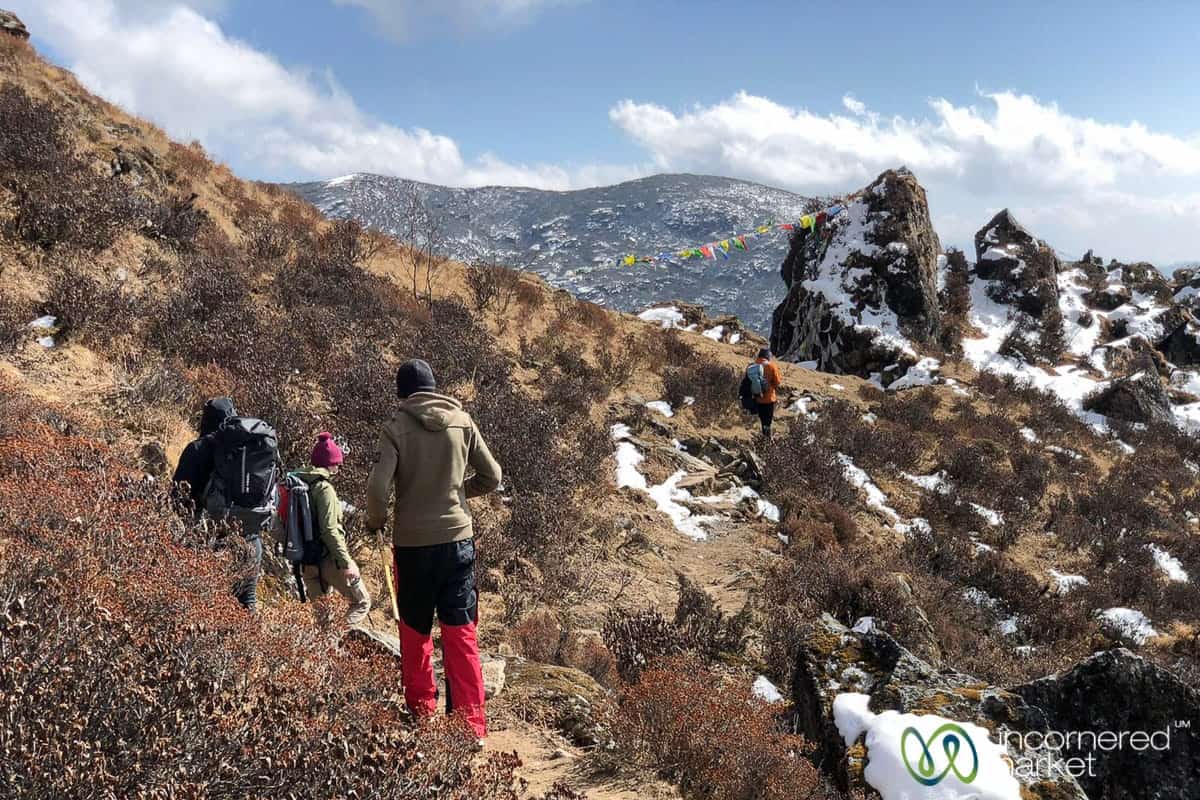
The history of trekking in Bhutan is deeply intertwined with ancient trans-Himalayan trade and pilgrimage networks that date back thousands of years. Historically, footpaths such as the Trans Bhutan Trail served as the primary arteries connecting remote fortresses—known as dzongs—across the rugged topography of the kingdom, while simultaneously facilitating sacred journeys for Buddhist pilgrims traveling between western Bhutan and Tibet.
However, with the modernization of transport infrastructure during the 20th century, many of these ancient pathways fell into severe disuse and disrepair by the 1960s. Recognizing the cultural and historical significance of these routes, the Bhutanese government initiated a massive restoration project in 2018. This effort was significantly accelerated during the COVID-19 pandemic, during which approximately 900 furloughed tourism workers were deployed to rebuild historical bridges, clear paths, and restore over 403 kilometers (250 miles) of historical footpaths spanning from Haa in the west to Trashigang in the east. The Trans Bhutan Trail officially reopened to the international public in April 2022, marking a historic milestone for global adventure tourism.

Public Health Protocols and Tourism Policy
Bhutan’s approach to managing global health crises has frequently been lauded by international public health organizations. Utilizing a strong sense of community solidarity and proactive leadership, the Royal Government of Bhutan achieved a vaccination rate of roughly 85% of its adult population for the first dose within a single week in April 2021, subsequently following up with comprehensive booster campaigns.
Travelers entering Bhutan are subject to the nation’s unique sustainable tourism framework, which includes a minimum daily package fee designed to protect local ecosystems, support free healthcare and education for citizens, and limit mass tourism. This policy ensures that visitor numbers remain exceptionally low, preserving both the natural environment and the authenticity of local cultural interactions. Major tour operators, including G Adventures, have aligned their itineraries with these conservation values, offering specialized trekking excursions that incorporate community-based homestays and adhere strictly to zero-plastic initiatives, such as providing filtered water systems and planting a tree for every international visitor.
The Druk Path Trek: A Day-by-Day Expedition Analysis
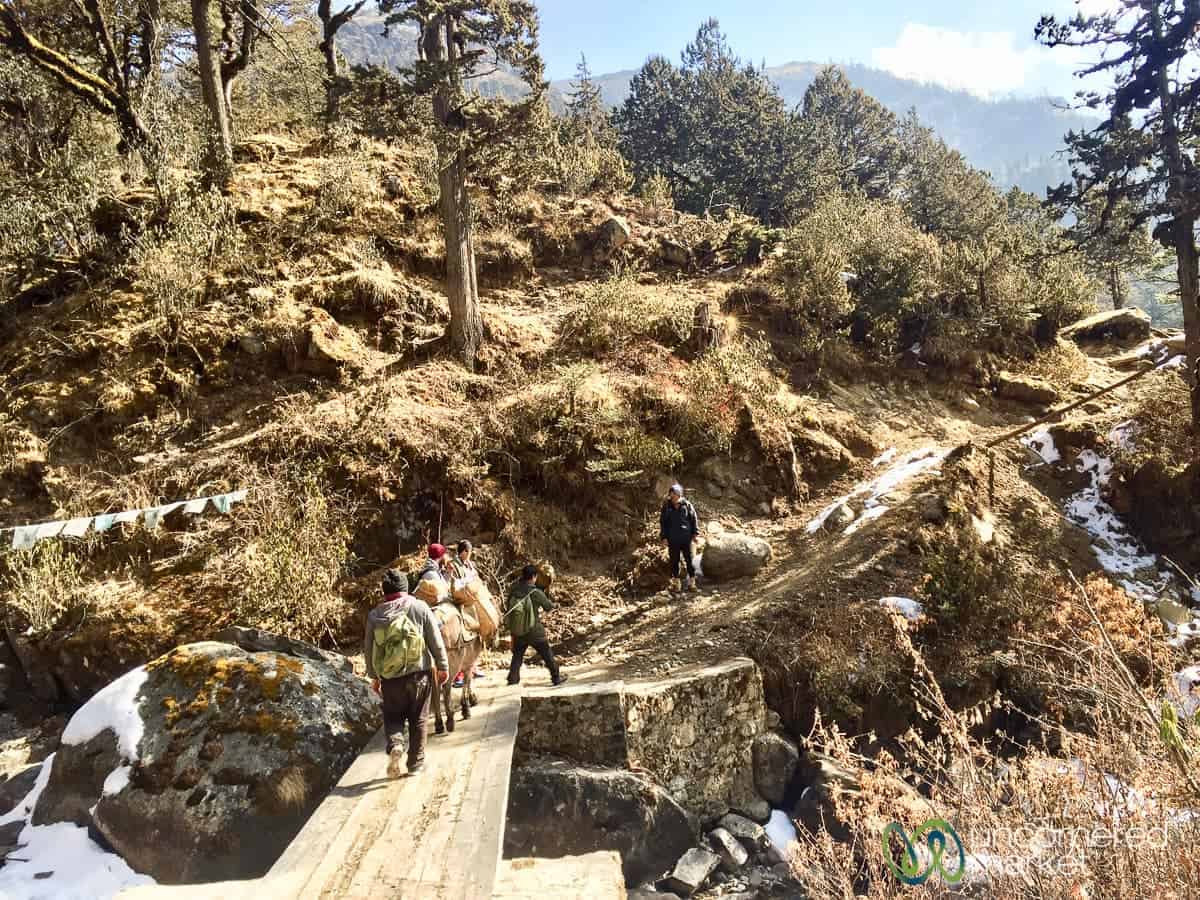
Among the medium-difficulty routes available in western Bhutan, the Druk Path Trek—frequently referred to as the Thunder Dragon Path—stands out as one of the most popular. Spanning approximately 36 to 45 kilometers (22 to 28 miles), the trail traces an ancient mule route connecting the valleys of Paro and Thimphu, traversing pine forests, rhododendron thickets, and high-altitude ridges. The apex of the trek is reached at Labana Pass, situated at 4,200 meters (13,800 feet).
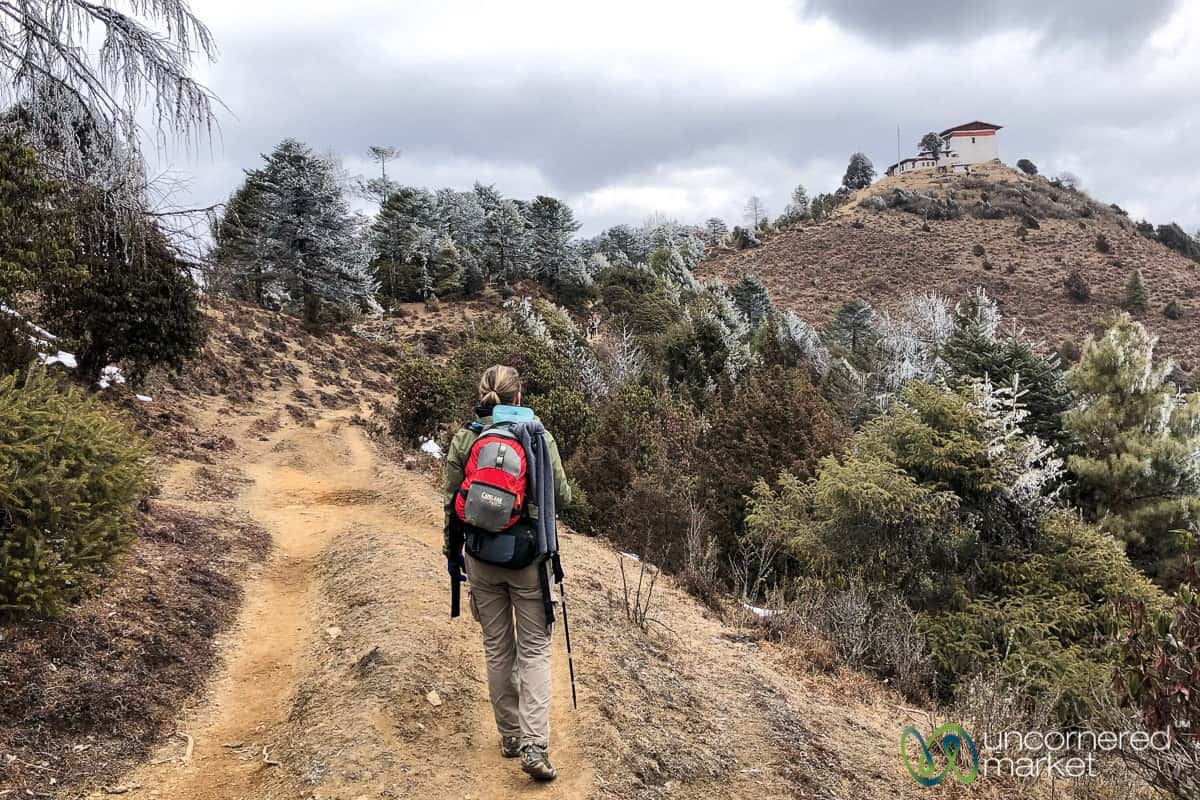
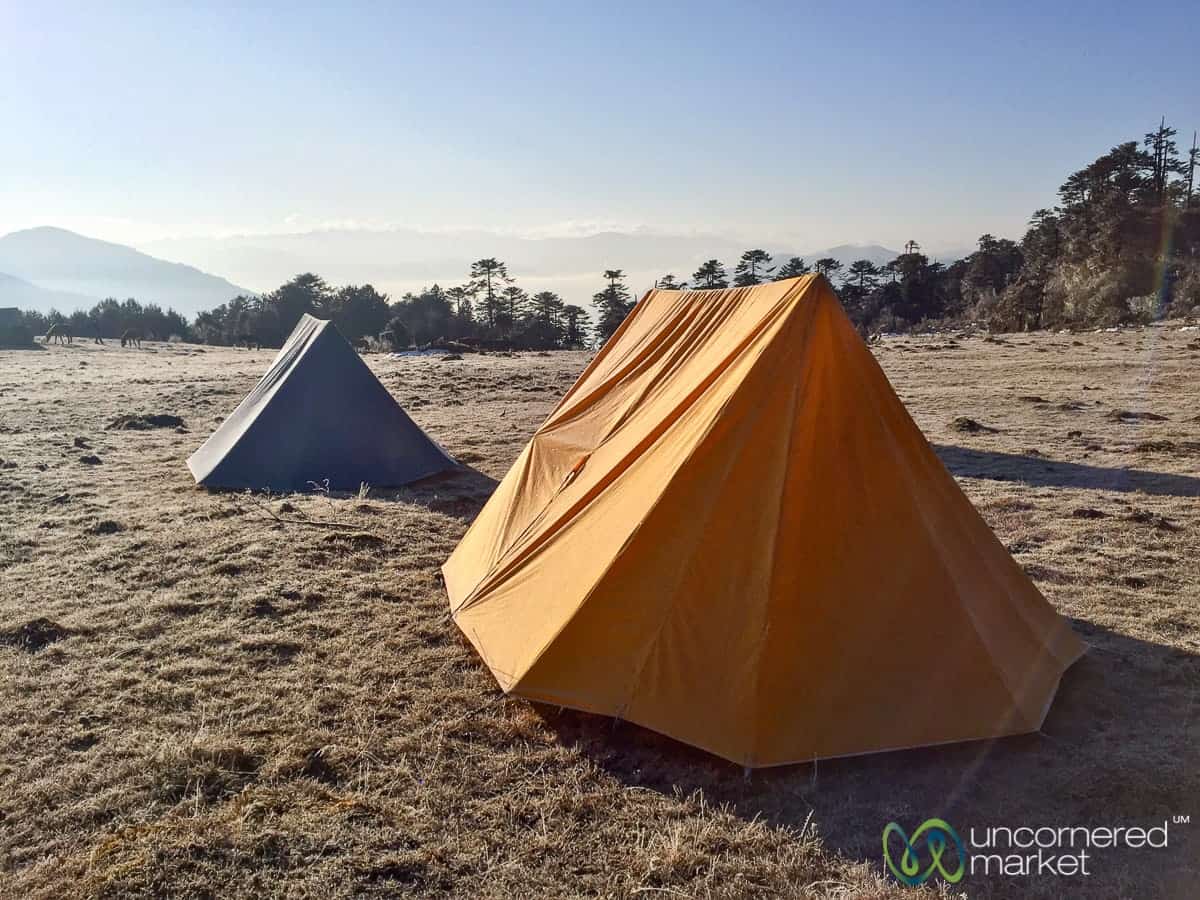
Day One sets off from Ta Dzong near Paro, transitioning from dirt vehicular tracks into mid-alpine woodlands and steep forest ascents. Trekkers typically encounter the 15th-century Jele Dzong temple before arriving at the Tshokam (Dry Lake) campsite at an elevation of 3,800 meters (12,500 feet).
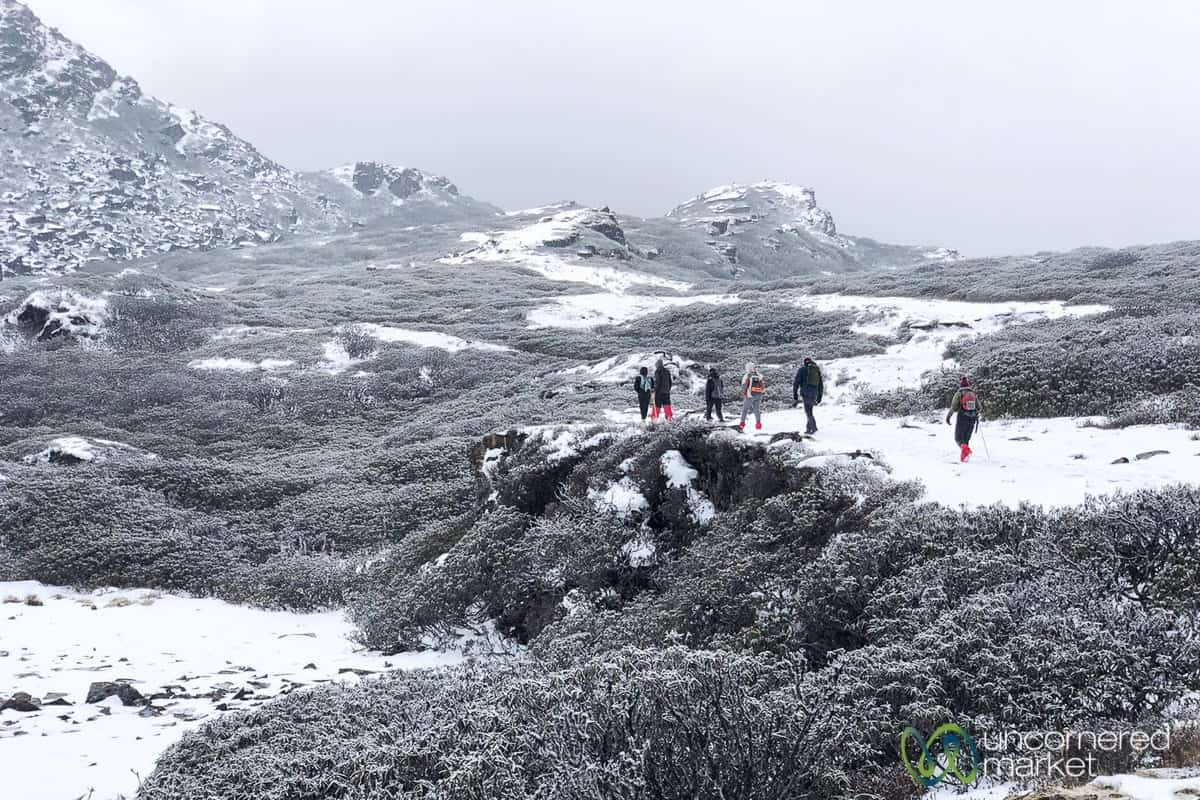
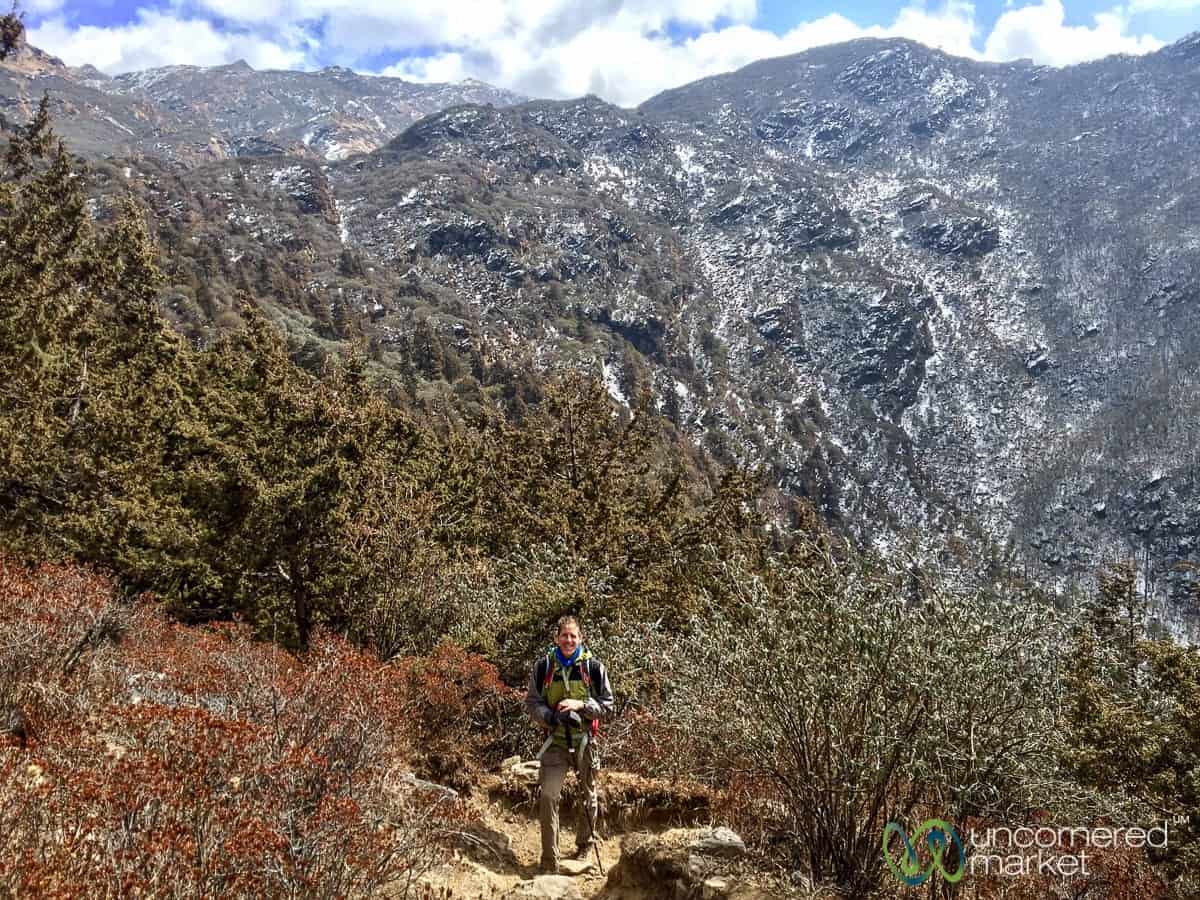
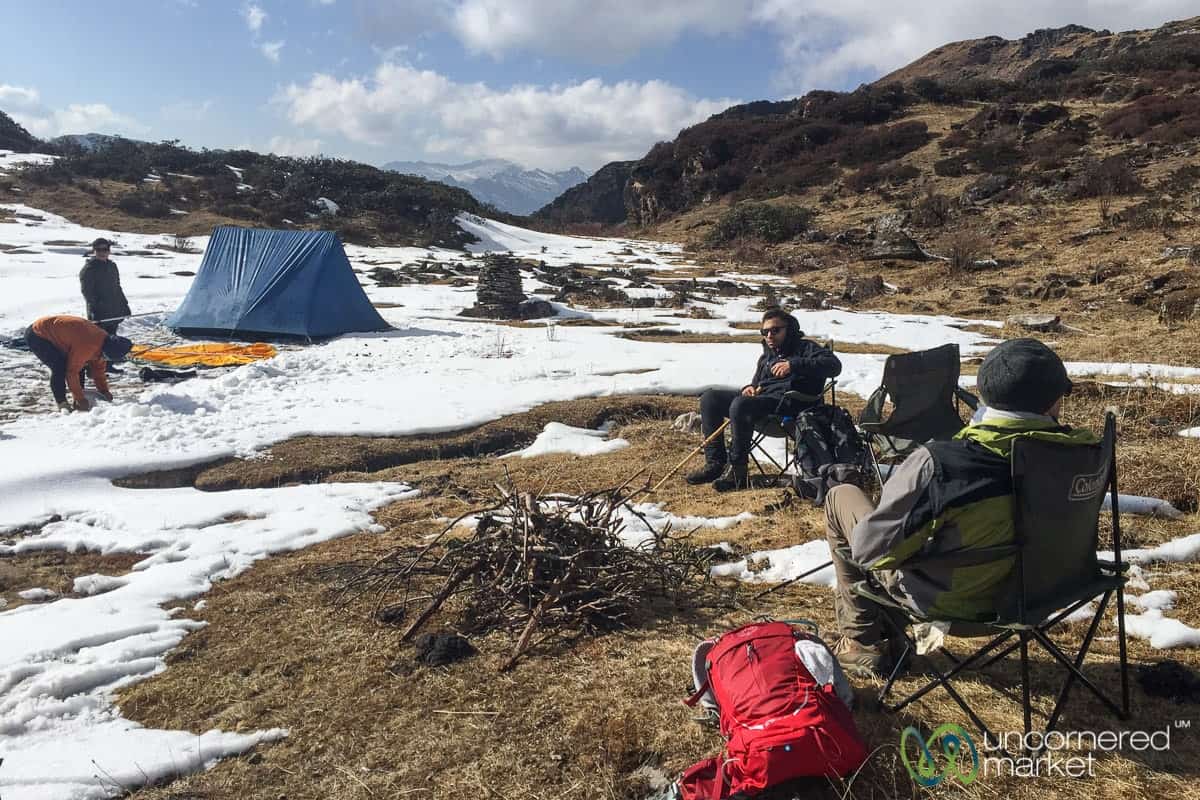
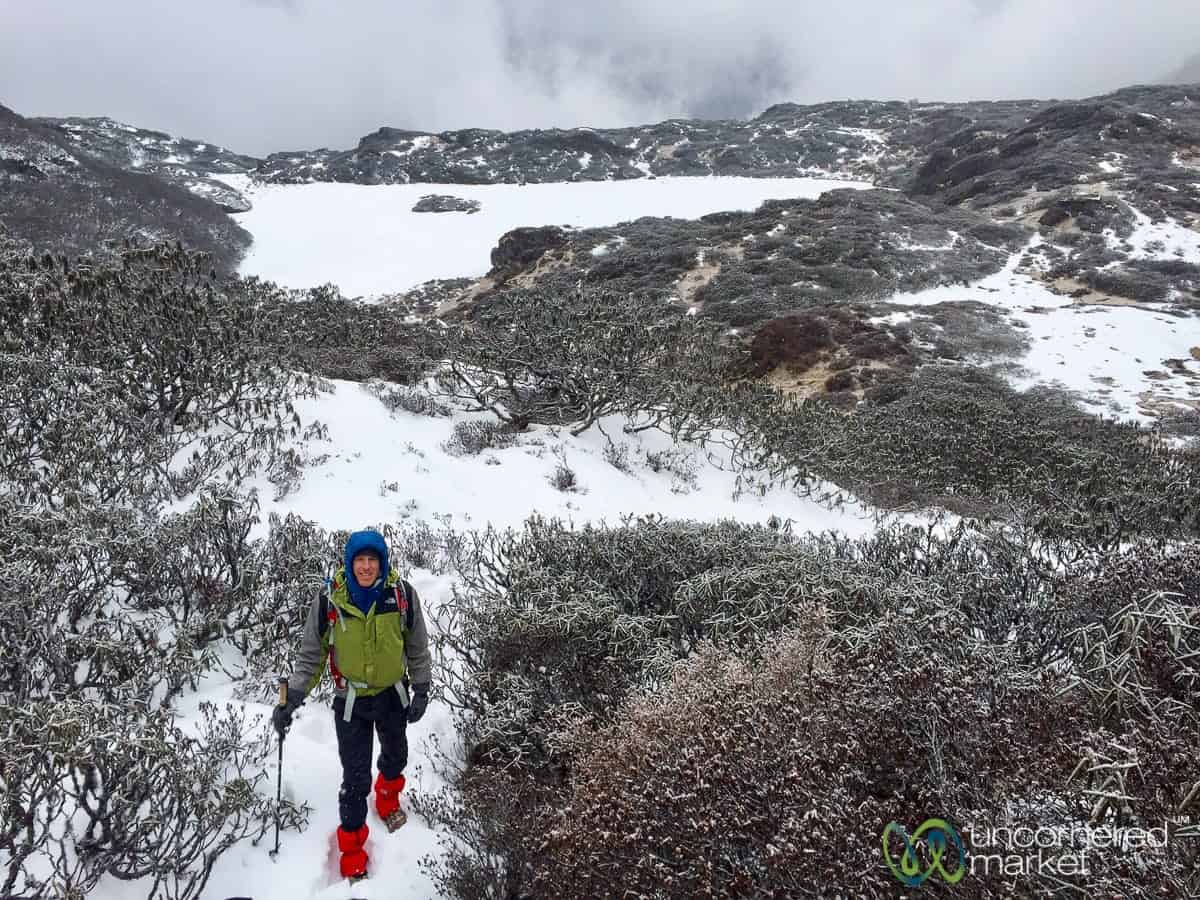
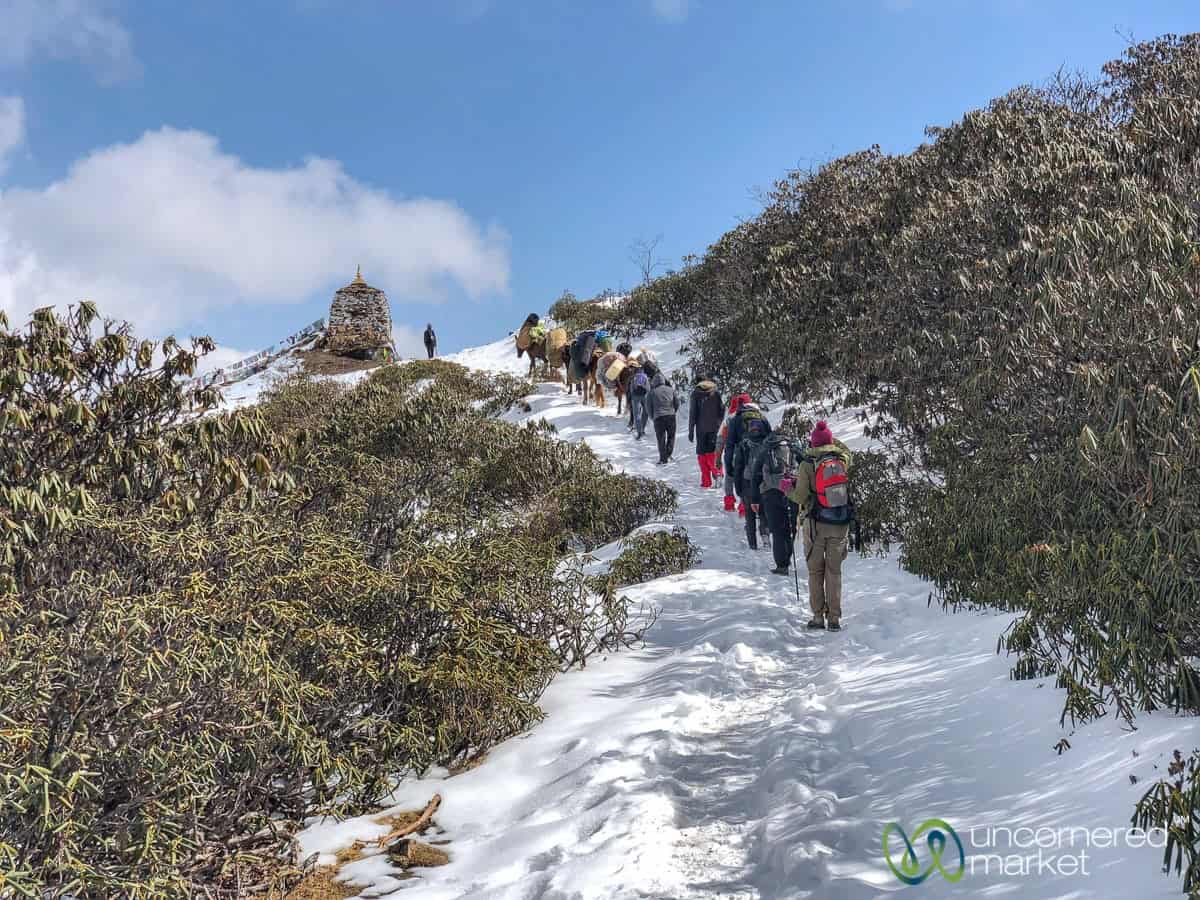
Day Two introduces longer, steeper inclines through rhododendron thickets and past frozen streams toward Narithang and Janye Tsho. Winter conditions on this route demand heightened caution due to potential ice and snow along the ridge trails, culminating at the Simkotra Lake campsite at 4,000 meters (13,100 feet), which typically records the coldest nighttime temperatures of the journey.
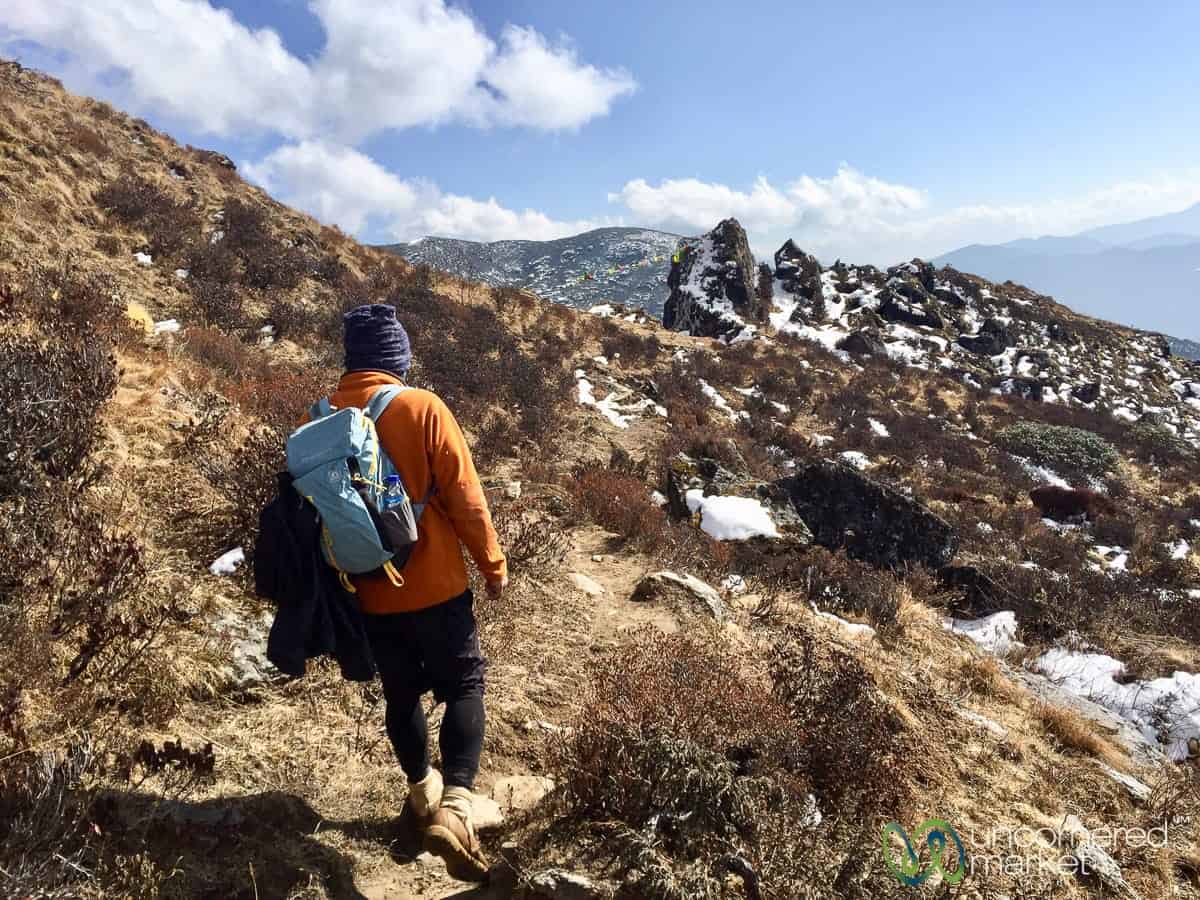
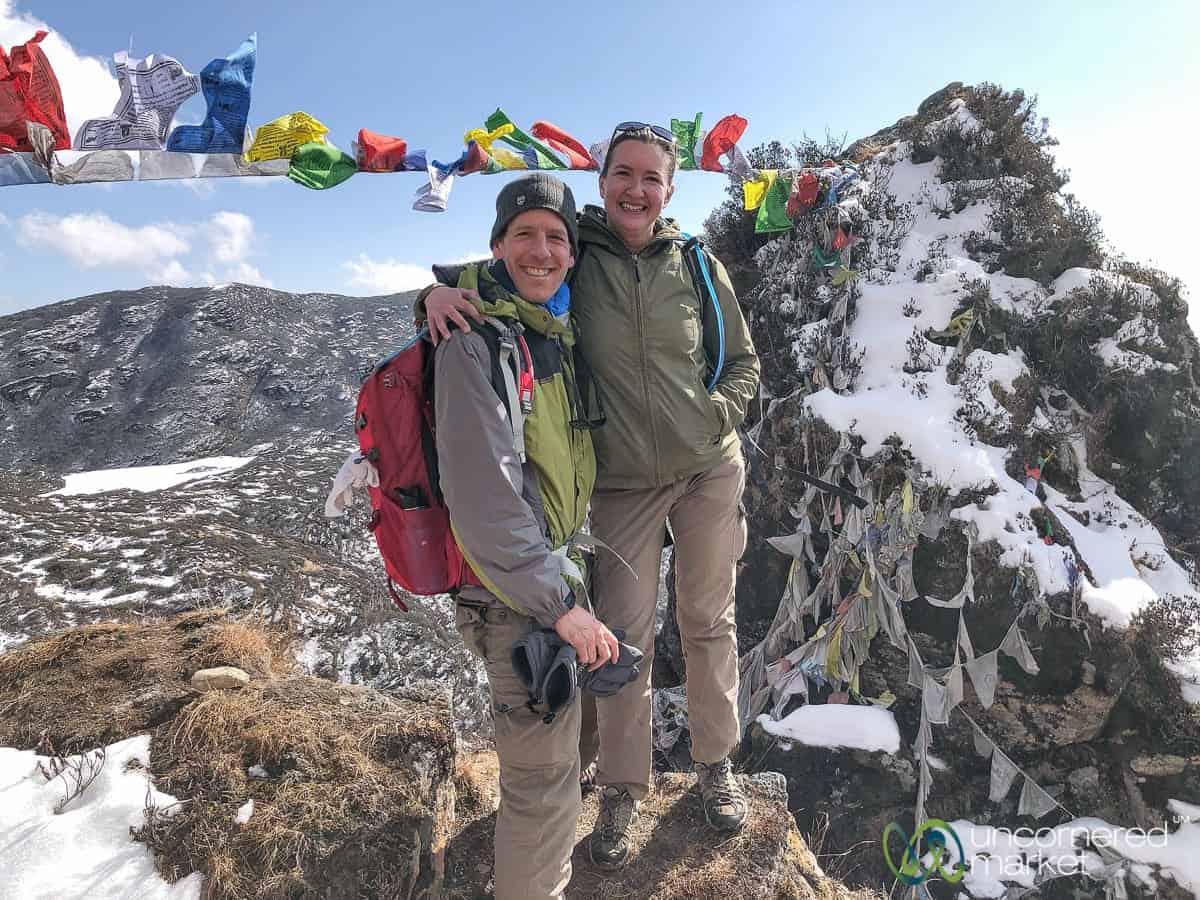
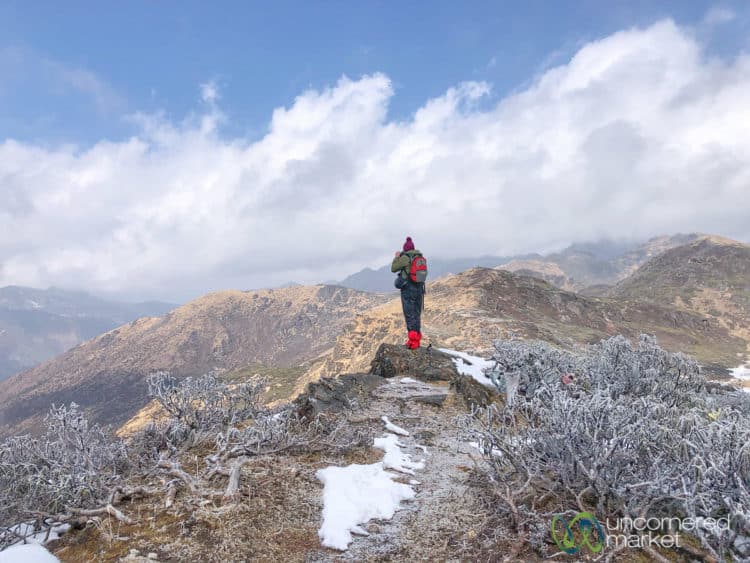
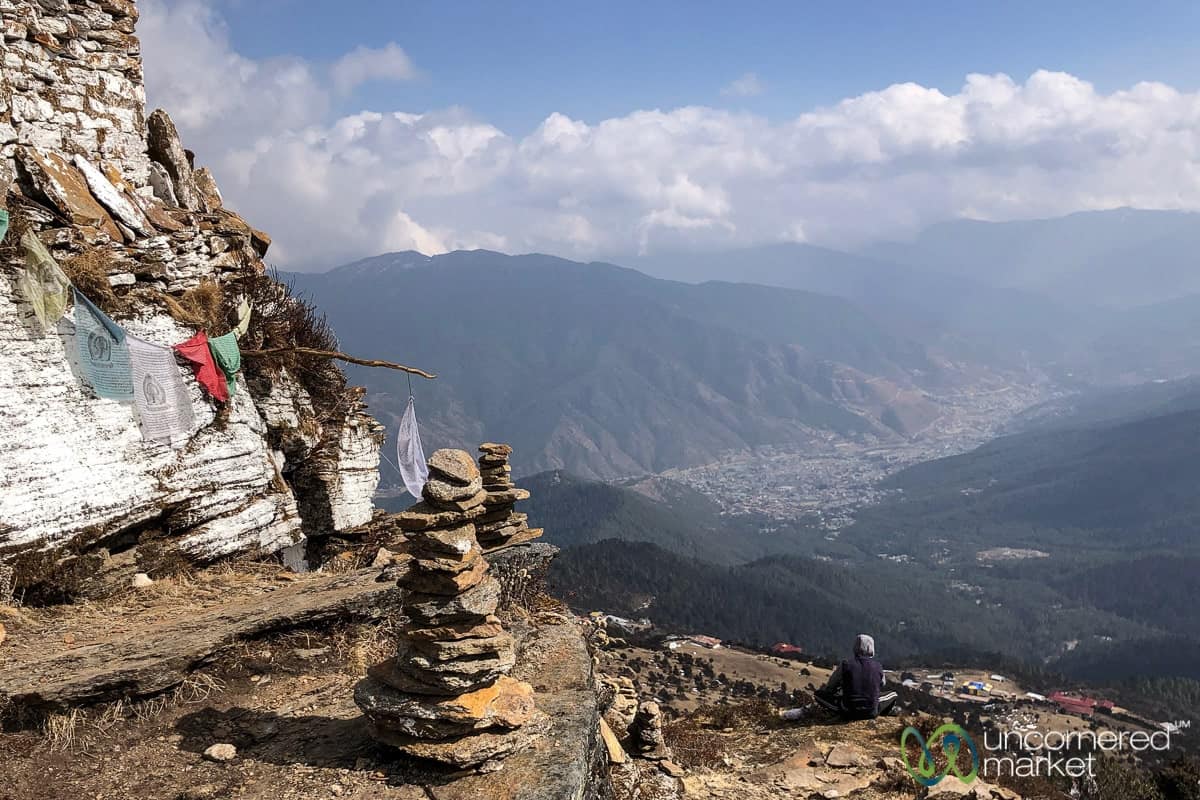
Day Three represents the geographical climax of the trek, ascending to Labana Pass at 4,200 meters. On clear days, the pass affords sweeping vistas of the Dochu La and Jhomolhari mountain ranges. The descent leads past the 14th-century Thujidrak Goemba meditation center before concluding near Phajoding Monastery and the Thimphu Valley.
Day Four comprises a relatively brief downhill hike through diminishing alpine flora, ultimately terminating near the capital city of Thimphu, where support teams, trekking guides, and mule handlers are traditionally bid farewell.
Logistical Requirements and Preparation for High-Altitude Hiking
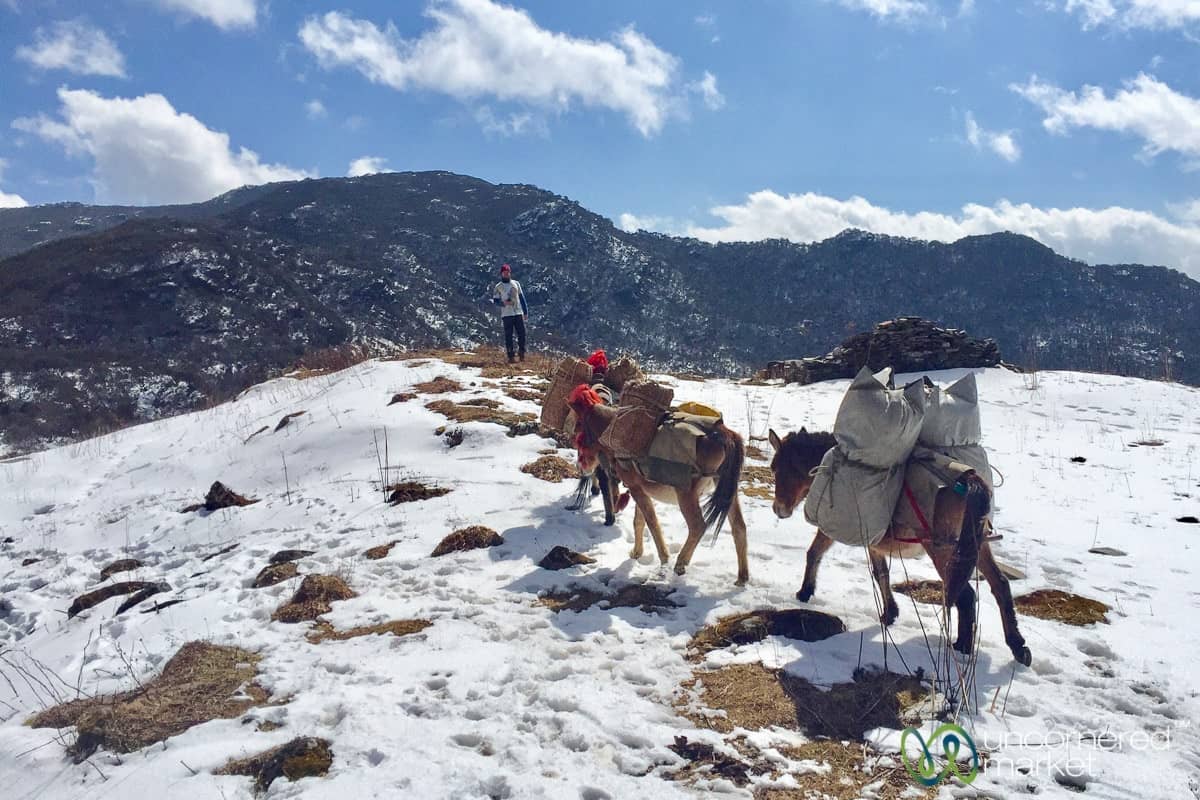
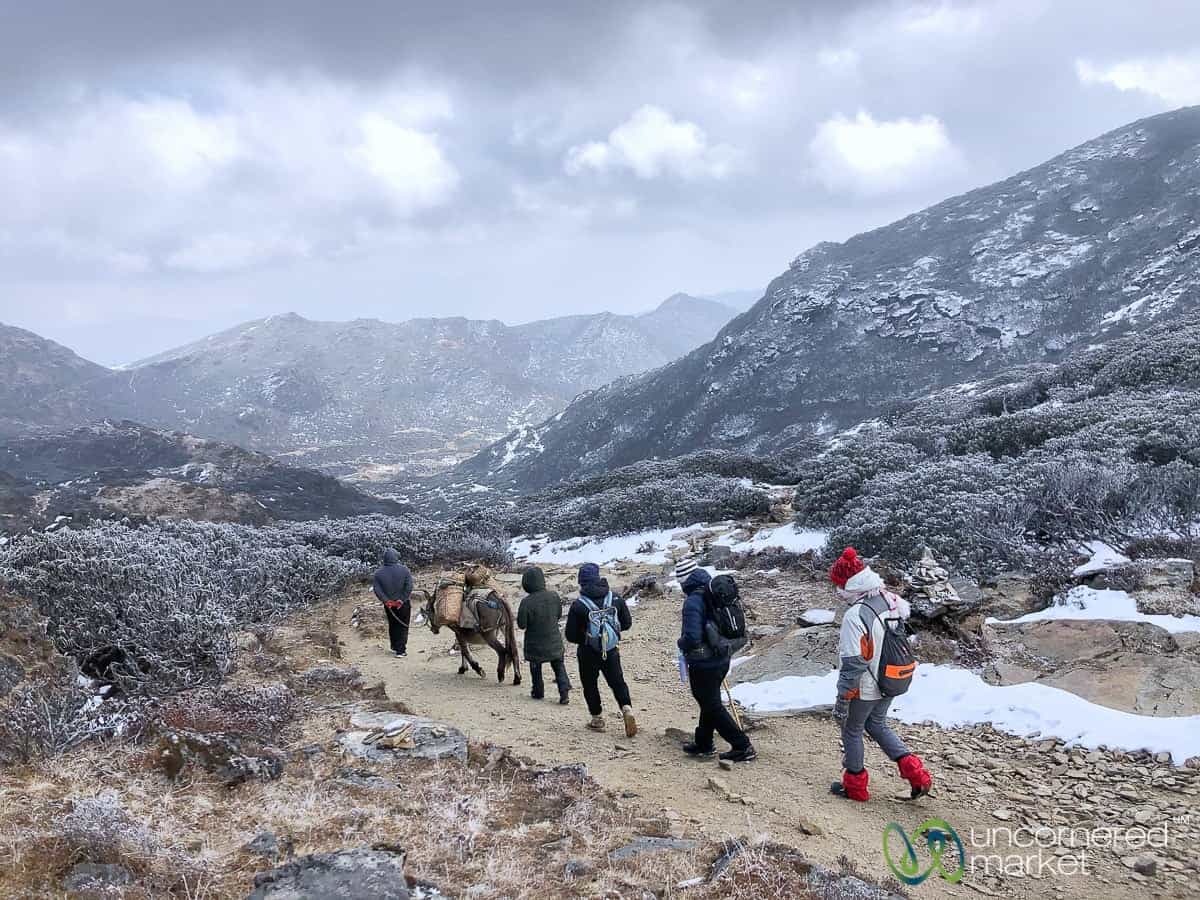
Trekking in Bhutan requires meticulous planning due to the logistical constraints imposed by the nation’s geography and regulations. Independent trekking is prohibited; all expeditions must be organized through authorized local tour operators. Consequently, treks are fully supported by professional teams comprising a licensed guide, a dedicated cook, kitchen assistants, and mule handlers responsible for transporting camping infrastructure, food supplies, and gear.
Physical Conditioning and Altitude Management
Because the Druk Path Trek routinely exceeds 4,000 meters in elevation, participants must prepare for the physiological impacts of high altitude. Medical professionals and experienced guides recommend adopting a slow, deliberate pace during ascents to facilitate natural acclimatization, alongside consuming substantial volumes of fluids—often multiple liters per day—to mitigate the onset of altitude sickness. Acclimatization hikes, such as visiting Kila Goempa prior to commencing the multi-day trek, are strongly advised to test individual physical reactions to reduced oxygen levels.
Seasonal Variations and Weather Conditions
The primary trekking seasons in Bhutan occur during the spring months of April and early May, when indigenous rhododendron flora blooms extensively, and the autumn window between September and early November, characterized by stable weather and clear skies. Conversely, the summer monsoon period spanning late May through July brings substantial rainfall, muddy trails, and obscured mountain vistas.
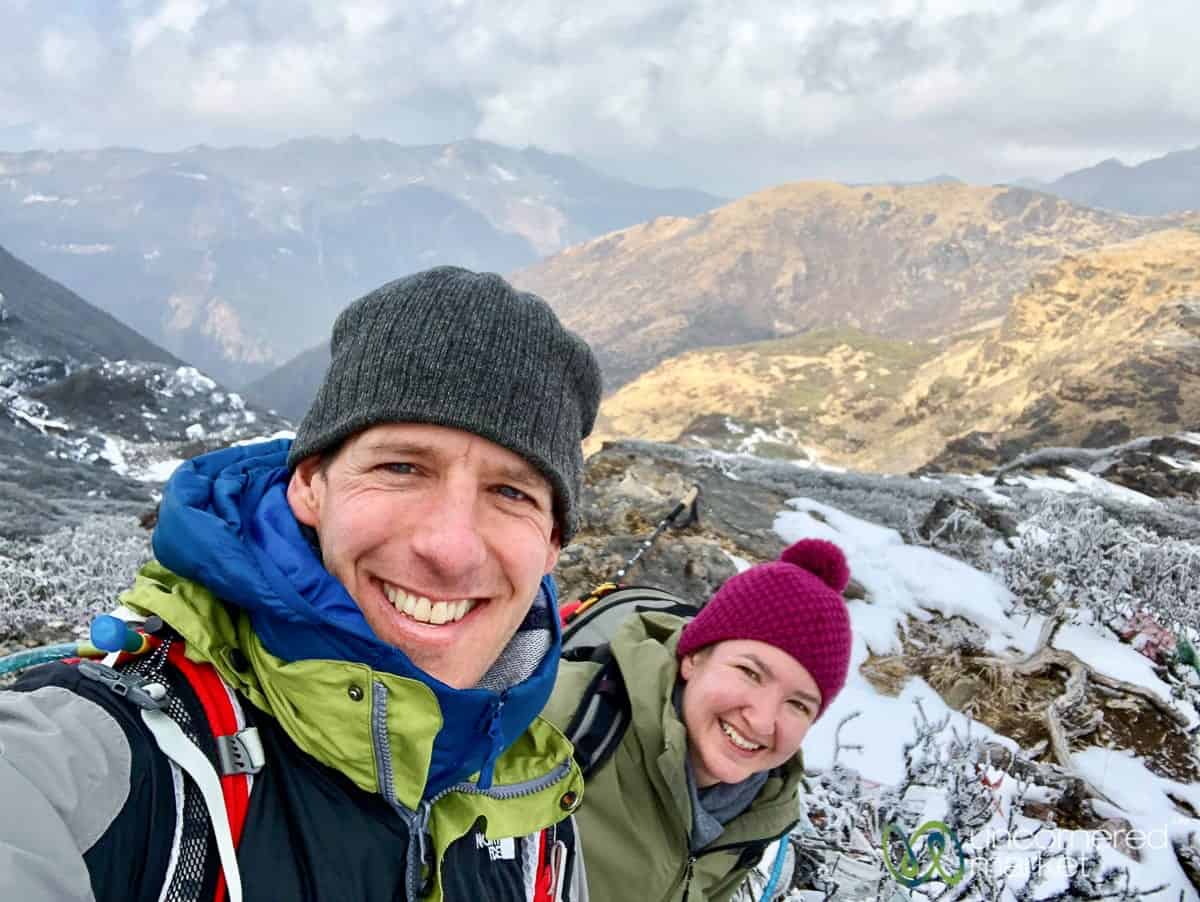
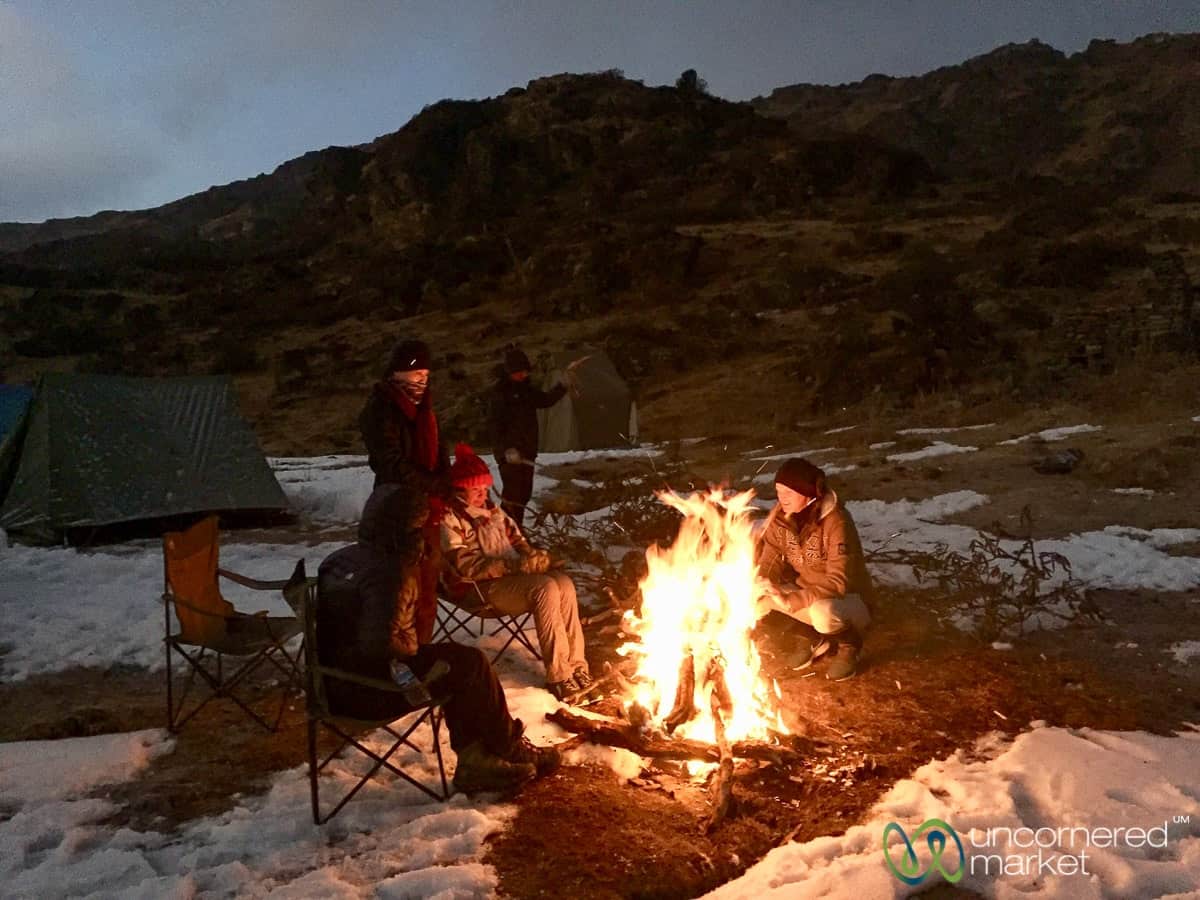
Winter trekking—undertaken during January and February—presents a distinct set of operational dynamics. While daytime temperatures can remain crisp and skies clear, nocturnal temperatures at high-altitude campsites frequently plummet to -10°C (14°F). Winter ascents necessitate specialized cold-weather gear, including a comfort-rated winter sleeping bag, thermal base layers, waterproof outer shells, and gaiters to manage snow cover. However, winter expeditions reward travelers with absolute solitude, unobstructed stillness, and empty trails.
Packing Specifications and Weight Limitations
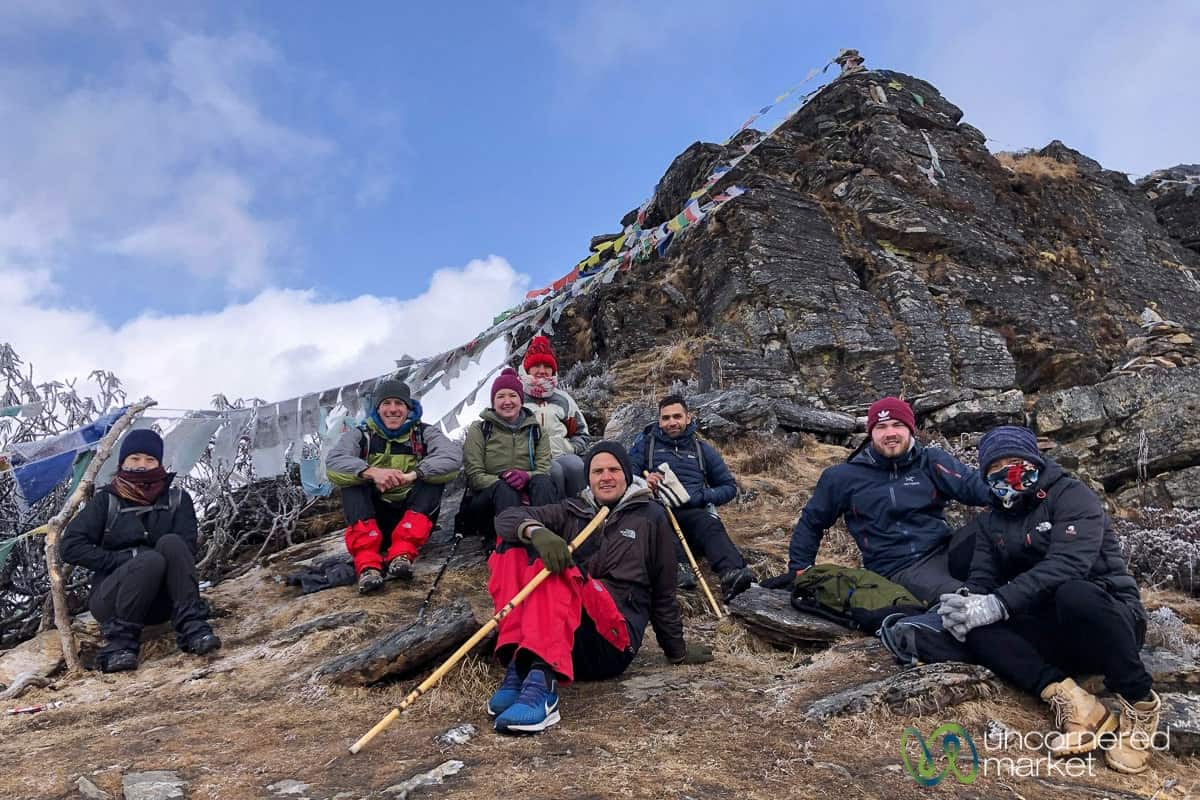
In accordance with standard Bhutanese trekking regulations and mule-load capacities, participants are typically restricted to a maximum of 7.5 kilograms (approx. 16.5 pounds) of personal equipment for the duration of the multi-day hike. This baggage allotment must contain sleeping bags, thermal garments, and nighttime necessities, which are transported independently by pack mules. Trekkers carry a lightweight daypack containing immediate essentials, including hydration systems, cameras, high-energy snacks, and rapidly deployable waterproof outerwear.
Broader Economic and Environmental Implications
The strategic expansion of trekking infrastructure in Bhutan, highlighted by the opening of the Trans Bhutan Trail and the systematic regulation of high-altitude routes, carries profound implications for the nation’s rural economy. By intentionally routing travelers through remote villages, supporting agricultural cooperatives, and utilizing community-based homestays, the tourism model distributes economic benefits beyond major urban centers like Thimphu and Paro. Furthermore, stringent environmental mandates—such as carbon-negative tourism targets, strict waste management protocols, and mandatory local guide employment—ensure that Bhutan remains a global benchmark for sustainable adventure tourism, balancing economic viability with the preservation of Himalayan cultural heritage.