Discover how Luxury Driving tours Blend Adventure, Comfort, and some of the Best Supercars on Earth

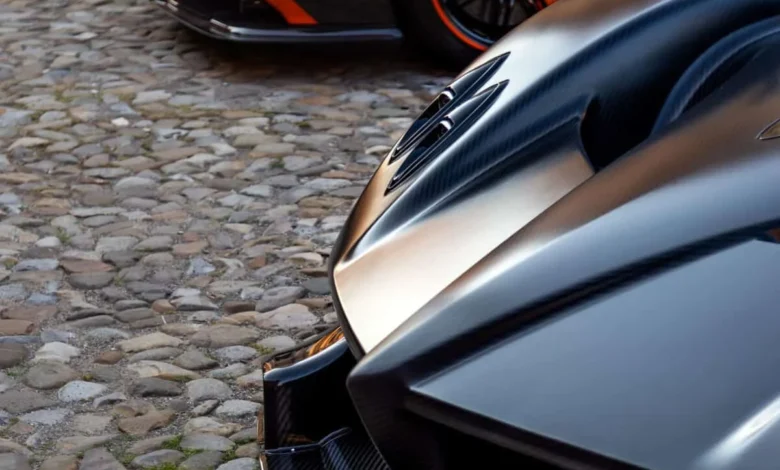
The modern luxury travel sector has undergone a profound evolution over the past decade, shifting away from passive forms of tourism toward active, highly curated experiential journeys. While traditional vacations have long relied on ocean liners, guided bus excursions, and stationary resort stays, a growing demographic of affluent travelers is turning toward the open road. At the intersection of high-performance automotive engineering and five-star hospitality lies the luxury supercar driving tour—a specialized travel segment that trades the cruise ship deck for the driver’s seat of some of the world’s most coveted exotic vehicles.
Far from being a simple car rental arrangement or a high-speed racetrack day, these multi-day itineraries offer an immersive way to experience global destinations. Travelers navigate meticulously researched routes through picturesque landscapes, alpine passes, and historic wine regions, while back-end logistics, luxury accommodations, and fine dining reservations are managed entirely by professional tour operators.
The Anatomy of a Supercar Journey
To understand the appeal of a luxury driving tour, one must first deconstruct the typical format. Unlike traditional group tours governed by strict timetables and large motorcoaches, supercar tours typically operate in intimate, small-group settings. This constraint is born out of practical necessity as much as exclusivity; managing a convoy of high-performance vehicles through winding country roads or historic towns requires precision and control.

The daily routine is designed to balance driving engagement with cultural and leisure exploration. Mornings generally begin with a driver briefing over breakfast, followed by an early departure to capitalize on quiet roads and optimal lighting conditions. The morning route might wind through terraced vineyards, agricultural valleys, or dense forests before culminating at a regionally renowned restaurant for lunch.
In the afternoon, participants might tackle more challenging terrain, such as sweeping coastal highways or technical mountain switchbacks. By evening, the convoy arrives at a hand-picked luxury hotel, historic chateau, or boutique estate. Here, participants have ample time to decompress, share stories of the day’s drive over dinner, and build camaraderie with fellow automotive enthusiasts.
Evolution of the Industry and Travel Styles
The concept of automotive tourism has deep roots, tracing back to the early days of motoring when wealthy adventurers first tested the limits of endurance vehicles across Europe. However, the contemporary luxury driving tour industry has professionalized rapidly over the last fifteen years. Specialized operators have transformed what was once a disorganized hobby for private car clubs into a sophisticated, turnkey travel product.
Today’s operators generally cater to three distinct travel styles, accommodating varying preferences for structure and independence:

-
Guided Small-Group Departures: This remains the classic and most popular format. Travelers drive in a convoy led by experienced tour managers and supported by a trailing vehicle that handles luggage transport, minor mechanical assistance, and parking logistics. Fixed itineraries ensure that participants experience the finest driving roads at optimal times of day. Furthermore, many operators—such as specialized firms like HunterMoss—maintain rotating fleets of latest-release supercars. This allows a single participant to experience several different high-performance machines, transitioning from a mid-engine Italian supercar to a British grand tourer over the course of a single multi-day journey.
-
Self-Guided Tours: For travelers seeking autonomy, self-guided packages offer a single designated vehicle and a pre-planned digital or physical route book. This format provides the freedom to deviate from the schedule, linger at a scenic overlook, or spend an extended afternoon exploring a local village without the pressure of keeping pace with a group.
-
Tailor-Made Custom Itineraries: Designed for private groups, corporate retreats, or individuals with specific travel ambitions, custom tours are built entirely from scratch. Operators consult with clients to select preferred vehicle makes and models, design bespoke routes tailored to specific driving skills, and secure private viewings, exclusive vineyard tours, or hard-to-book dining reservations along the way.
Global Routes and Iconic Destinations
The geography of luxury driving tours is defined by pavement that challenges both driver and machine while rewarding them with breathtaking scenery. While high-speed tracks like Germany’s 12.9-mile Nürburgring Nordschleife, Belgium’s Circuit de Spa-Francorchamps, and Italy’s Autodromo Nazionale Monza remain holy sites for automotive history, public road tours offer a vastly different, more panoramic experience.

In North America, routes frequently feature California’s legendary 17-Mile Drive through Pebble Beach, the sweeping curves of the Pacific Coast Highway, and the historic waterfront views of Ocean Drive in Newport, Rhode Island. Internationally, the European Alps and the Dolomites serve as the gold standard for mountain driving, offering dramatic elevation changes, hairpin turns, and postcard-worthy alpine vistas. Additionally, regions like the Scottish Highlands, the Amalfi Coast, and the undulating roads of the Isle of Man—famed for its rich racing heritage—draw enthusiasts seeking a seamless blend of heritage and high performance.
Demographics and Economic Impact
The appeal of supercar tours extends well beyond hardcore automotive purists. Industry data indicates a diverse demographic, ranging from couples celebrating milestone anniversaries and birthdays to solo travelers drawn to the social dynamics of small-group travel. Notably, many couples book these tours even when only one partner possesses a deep interest in driving, as the high-end accommodations, spa facilities, and culinary experiences provide broad appeal.
From an economic perspective, these tours generate significant revenue for the luxury hospitality and culinary sectors. By routing high-spending travelers through rural or off-the-beaten-path regions that traditional mass tourism often bypasses, operators provide a vital economic boost to independent hotels, boutique vineyards, and regional restaurateurs.
Logistics and Industry Challenges
Operating a fleet of exotic vehicles valued in the hundreds of thousands—or millions—of dollars across international borders presents complex logistical hurdles. Tour organizers must navigate rigorous insurance requirements, vehicle maintenance schedules, cross-border documentation, and real-time route monitoring to account for sudden weather shifts, road closures, or traffic accidents.

Because of the high-touch nature of these operations and the limited availability of elite supercars, capacity is strictly constrained. Industry analysts note that popular seasonal departures—particularly those coinciding with peak foliage in autumn or optimal weather in late spring—frequently book out six to twelve months in advance. Consequently, early planning has become a necessity for travelers looking to secure specific vehicle allocations and preferred dates.
Broader Implications and Future Outlook
The sustained growth of luxury driving tours reflects a broader cultural shift within the affluent travel market. Modern luxury consumers increasingly prioritize active participation and emotional resonance over passive observation. A traditional vacation offers relaxation, but a luxury driving tour delivers a narrative arc defined by shared challenges, sensory engagement, and personal accomplishment.
Industry observers suggest that the sector will continue to expand, driven in part by the evolving automotive landscape. As the industry transitions toward hybrid and high-performance electric powertrains, tour operators are beginning to integrate these advanced vehicles into their fleets, offering travelers an early glimpse into the future of automotive engineering.
Ultimately, the enduring appeal of these journeys lies beyond the sheer horsepower or carbon-fiber aerodynamics of the machines. The lasting memories forged on these tours are rooted in the human element: the quiet camaraderie of a morning drivers’ briefing, the unexpected charm of a roadside café discovered on a winding mountain pass, and the shared appreciation for a landscape best understood from behind the wheel.