Discovering Morocco: A Comprehensive 10-Day Itinerary From Marrakech to the Sahara and Fes

The pursuit of immersive cultural travel continues to drive global tourism trends, with North Africa emerging as a primary focal point for experiential itineraries. Travelers seeking a balanced blend of historical architecture, rugged topography, and nomadic traditions increasingly turn to routes connecting imperial cities with the expanse of the Sahara. A meticulously planned ten-day expedition across Morocco exemplifies this demand, offering participants a structured traverse from the bustling urban center of Marrakech through the High Atlas Mountains, into
the Erg Chebbi desert dunes, and concluding within the ancient medina of Fes.
Core Itinerary and Structural Overview
A standard, highly effective ten-day Moroccan itinerary requires careful geographical pacing to manage substantial transit distances. The route typically allocates three nights to Marrakech, two nights in the Dades Valley via the historical earthen village of Aït Benhaddou, two nights at a desert encampment near Merzouga, and three nights in Fes, concluding with a transfer to Casablanca for international departure.
Traversing this landscape involves significant road travel. The distance from Marrakech to Merzouga measures approximately 560 kilometers, translating to eight to nine hours of transit across mountain passes. Similarly, the subsequent leg from Merzouga to Fes spans roughly 587 kilometers, requiring approximately seven hours of driving. Consequently, travel logistics rely heavily on private transportation and professional drivers to ensure safety and regulatory compliance, such as mandatory rest periods and speed monitoring.
Phase One: Marrakech and the High Atlas Gateway (Days 1 to 3)
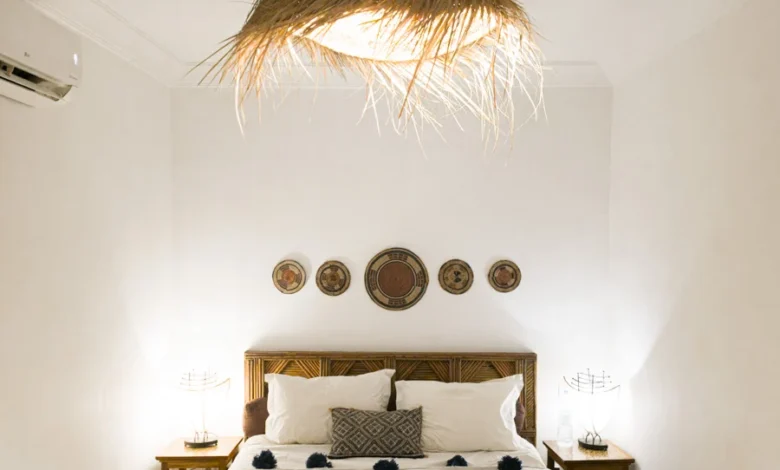
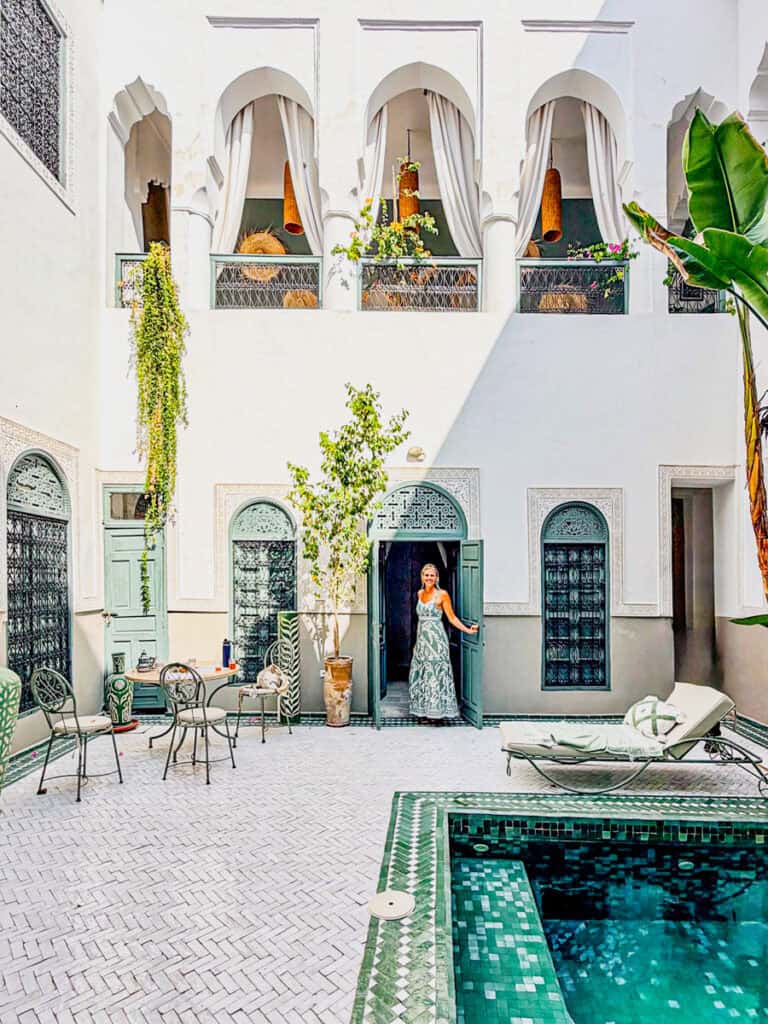
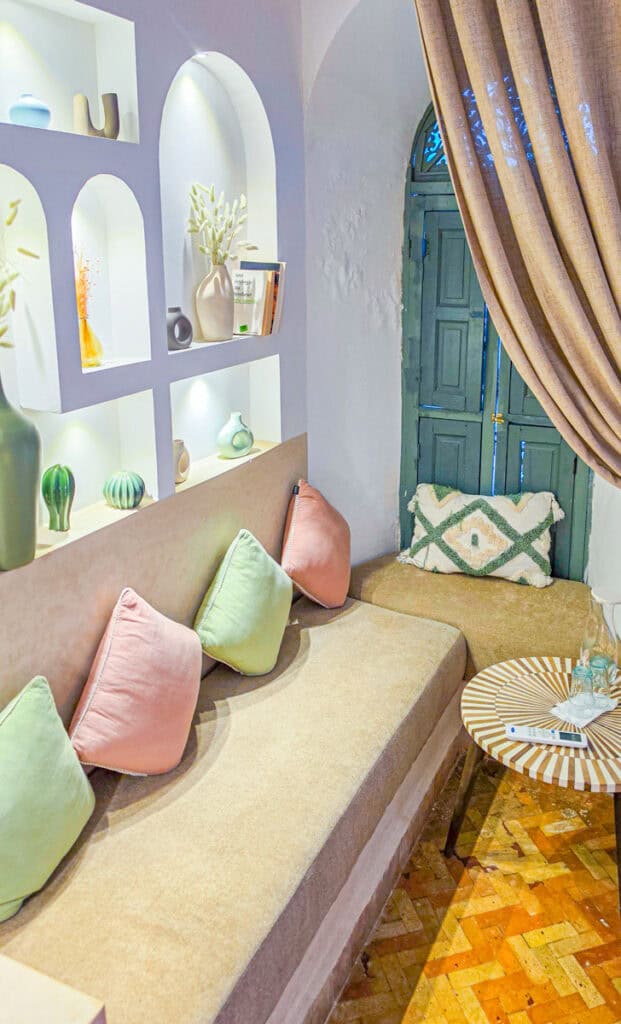
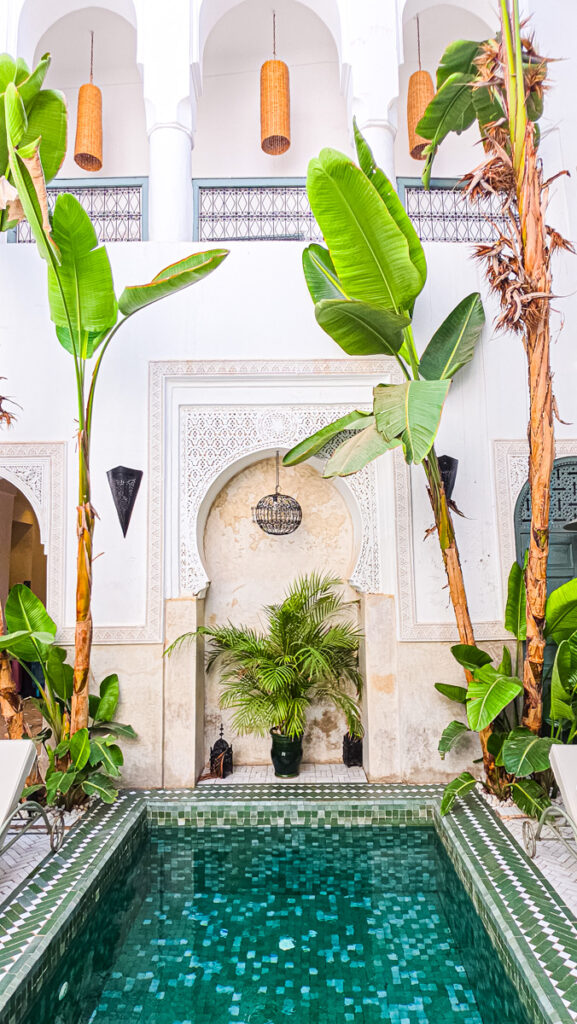
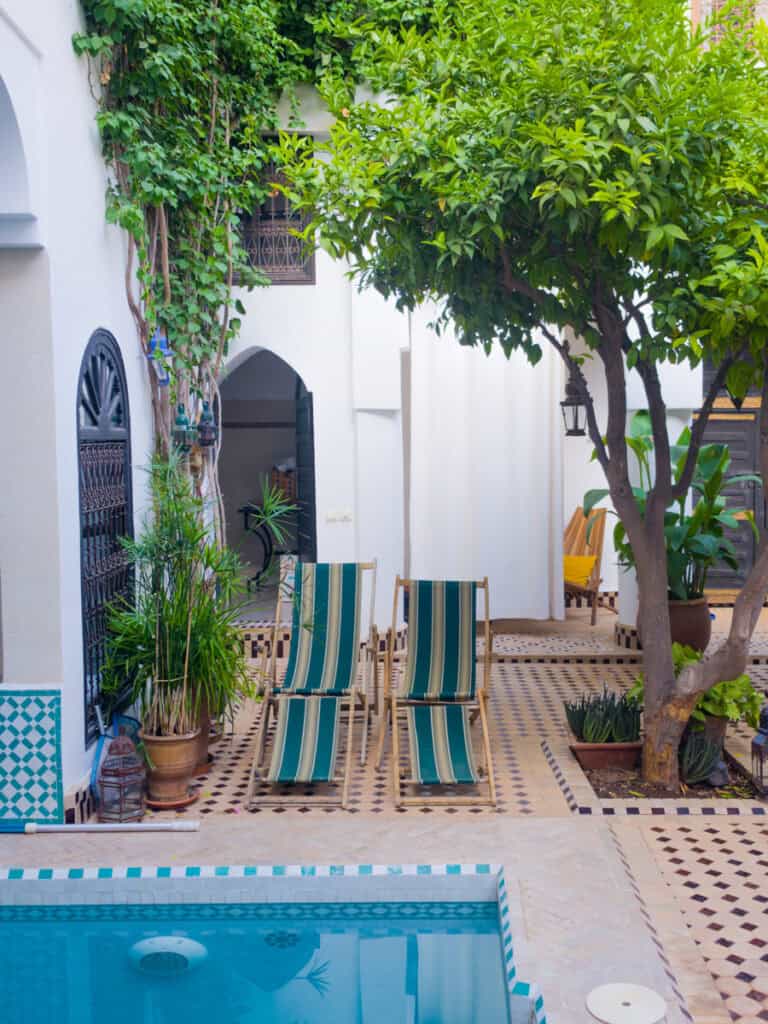
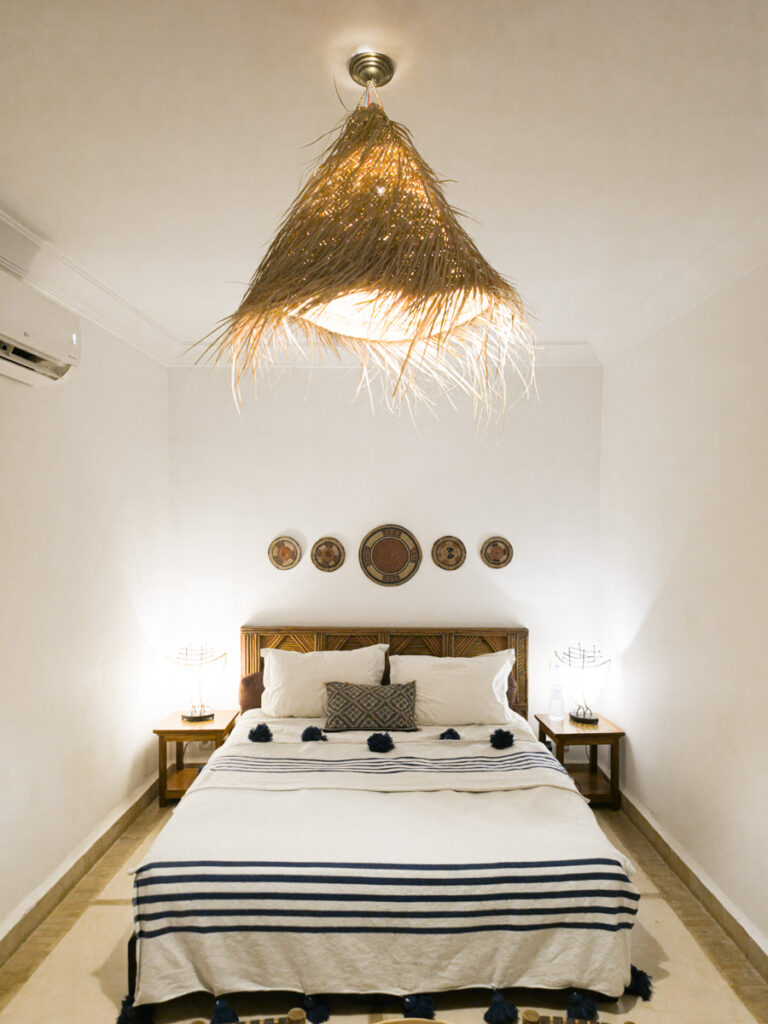
The journey initiates in Marrakech, a city globally renowned for its architectural heritage and vibrant public spaces. Accommodation within the medina typically centers on traditional riads—private courtyard homes featuring central fountains, geometric tilework, and rooftop terraces.
Key historical landmarks anchor the initial days of exploration:
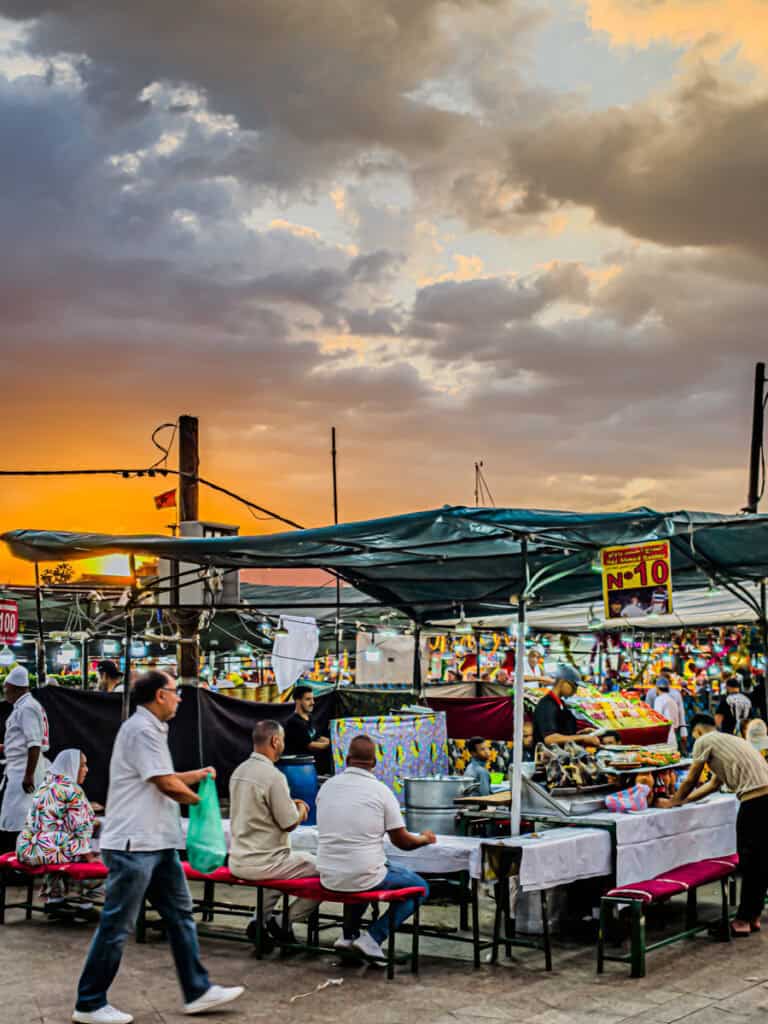
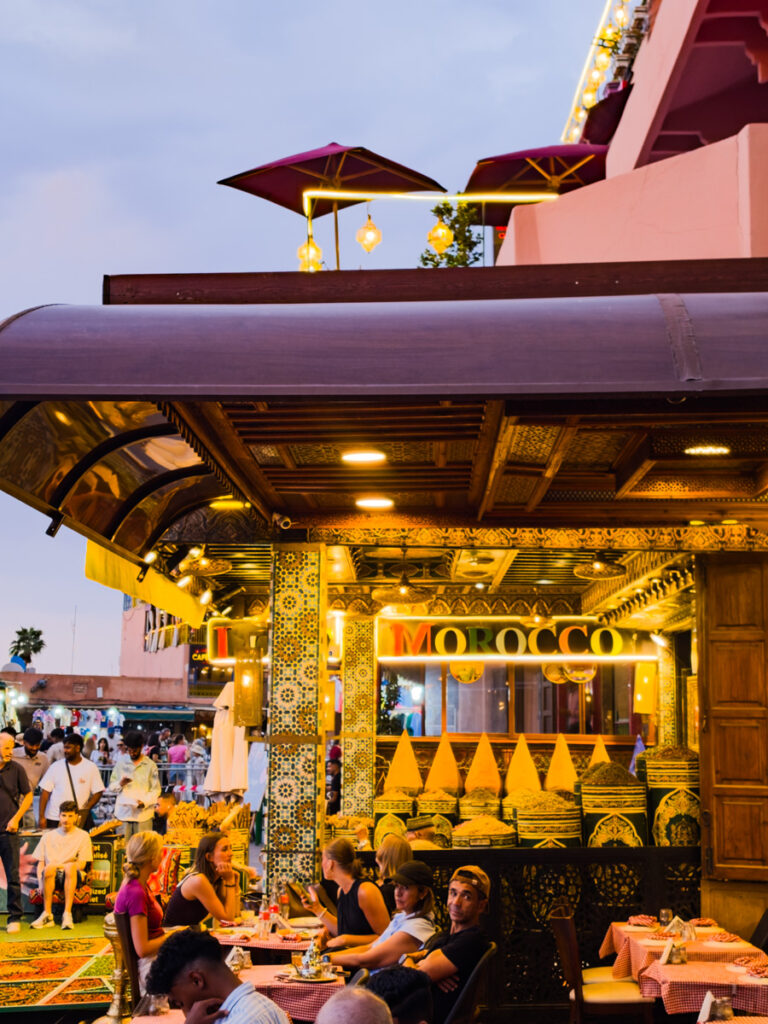
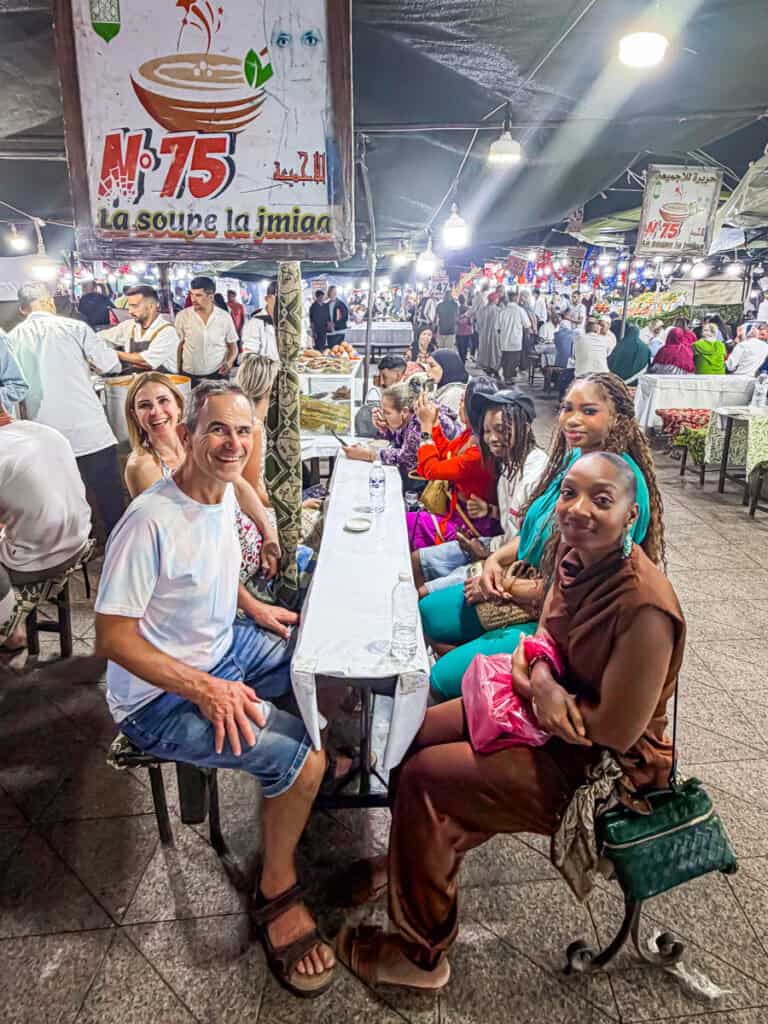
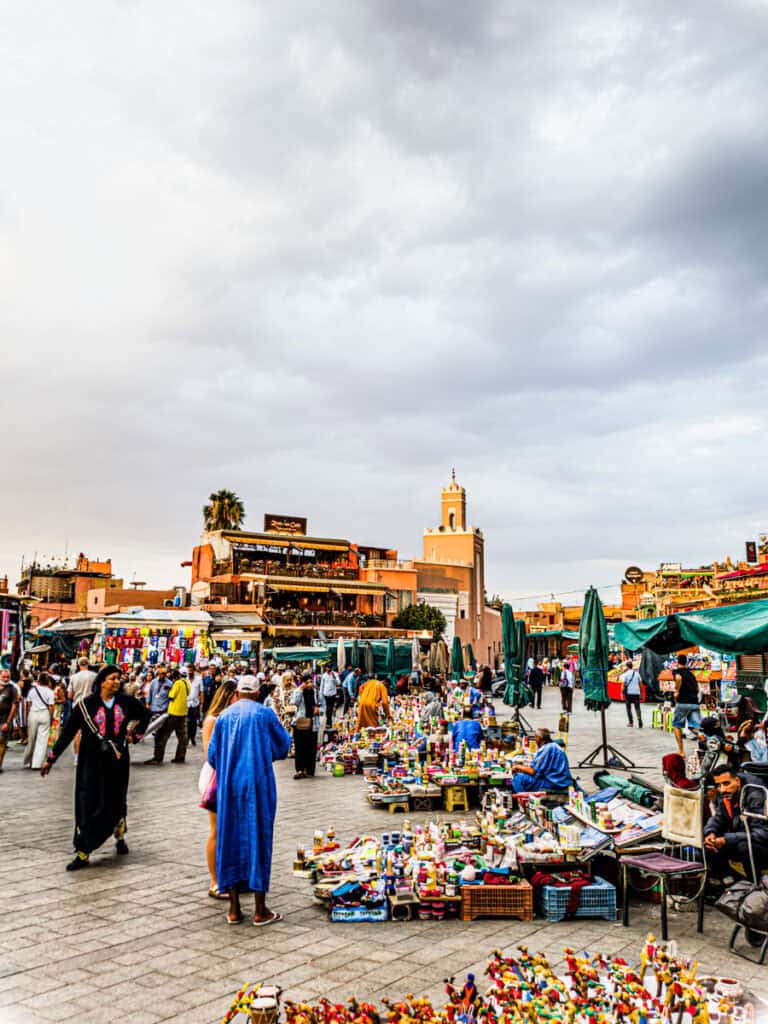
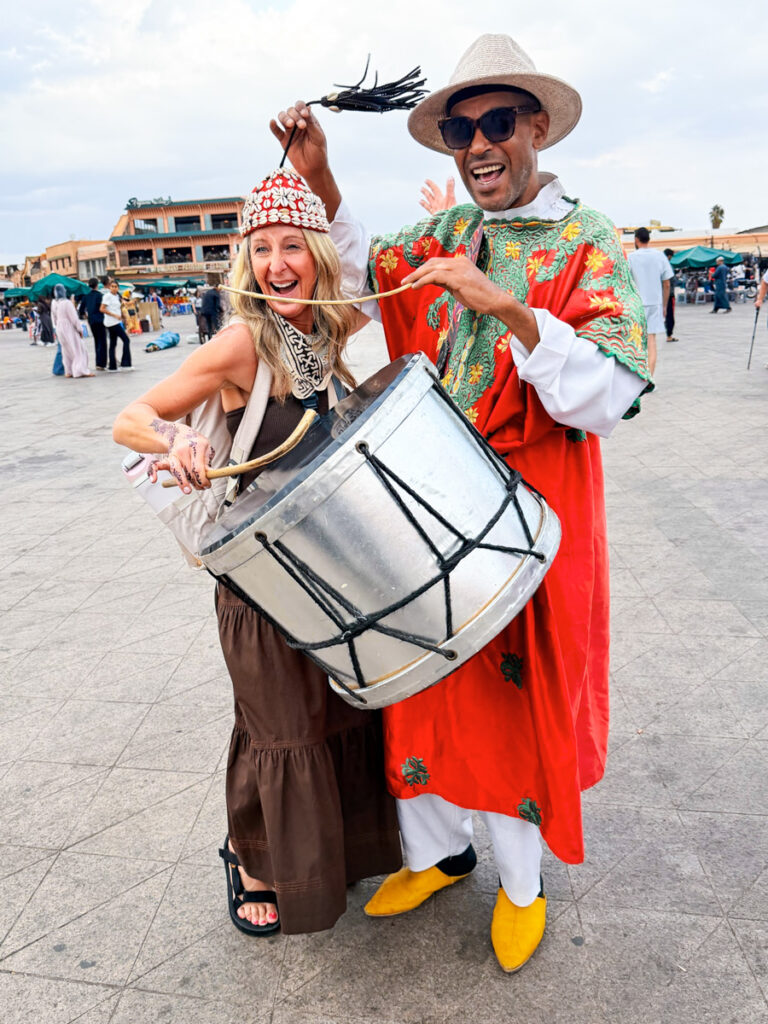
- Jemaa el-Fnaa Square: Recognized by UNESCO as an intangible cultural heritage site since 2001, the square transitions from a daytime gathering space for musicians and storytellers into a sprawling open-air food market by night.
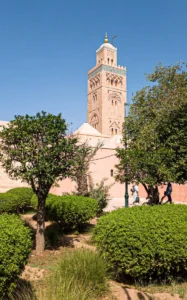
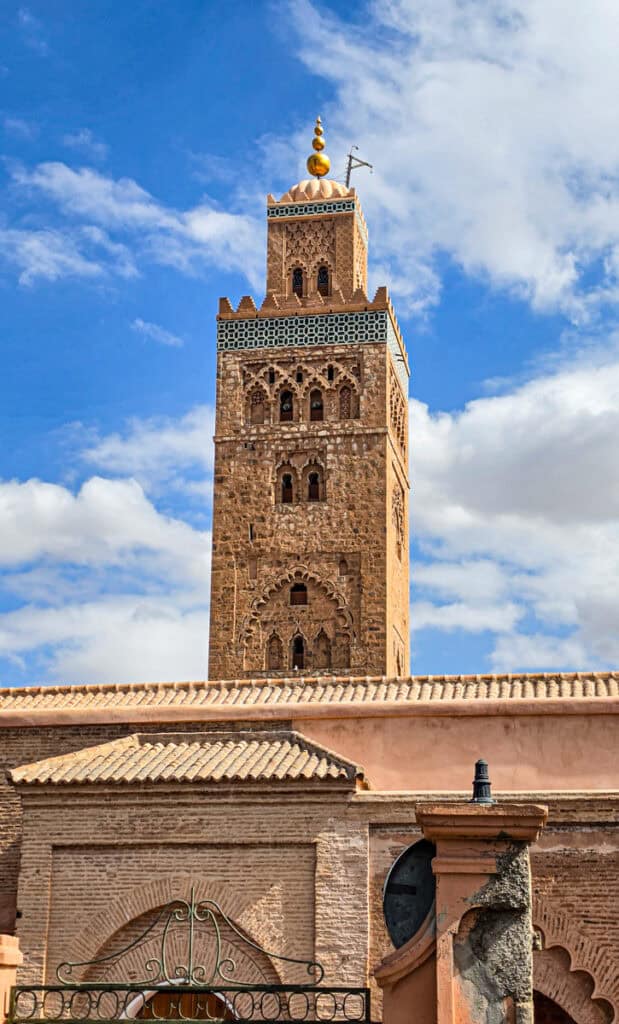
- The Koutoubia Mosque: Completed in the late 12th century under the Almohad dynasty, its 77-meter minaret serves as an essential navigational landmark for visitors traversing the surrounding rose gardens and municipal districts.
- Bahia Palace: Constructed in the late 19th century for the grand vizier Si Moussa, the complex showcases ornate cedarwood ceilings, verdant courtyards, and detailed zellige tilework, reflecting the opulence of the royal court of the era.
- Medersa Ben Youssef: Originally established as a preeminent Islamic educational institution in the mid-16th century, the structure accommodates intricate architectural styling and historic student quarters following extensive structural restoration.
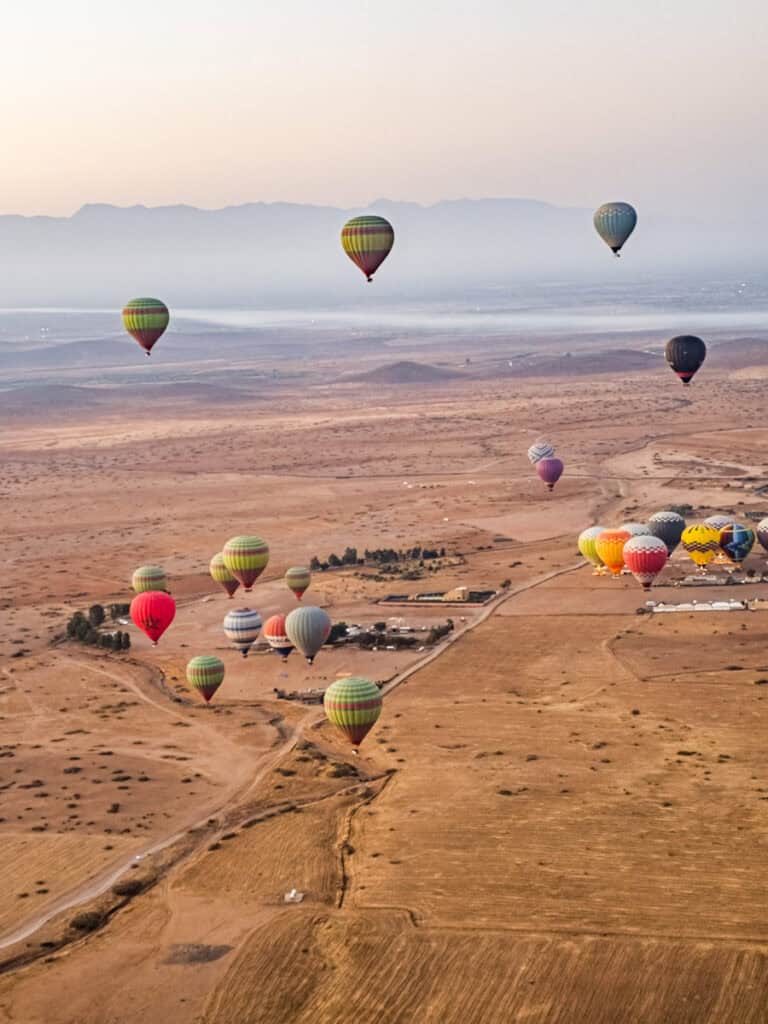
Beyond urban heritage, contemporary excursions incorporate aerial perspectives via hot air balloon launches over the Haouz plain at sunrise, offering panoramic vistas of the snow-capped Atlas Mountains. Wellness traditions are similarly integrated through structured hammam steam baths and therapeutic treatments utilizing regional argan and cactus oils.
Phase Two: Crossing the High Atlas to the Dades Valley (Days 4 and 5)
Leaving Marrakech, the route ascends northeast through the Tizi n’Tichka mountain pass, reaching elevations of 2,260 meters. This winding infrastructure leads directly to Aït Benhaddou, a celebrated ksar—or fortified tribal village—situated along the former caravan route between the Sahara and Marrakech. Constructed primarily from rammed earth and timber, the UNESCO-listed site has served as a prominent cinematic backdrop for numerous international film productions over the past several decades.
Further east lies the Dades Valley, characterized by dramatic rust-colored rock formations and deep gorges. Geological phenomena such as the "Monkey Fingers" rock towers provide terrain for structured trekking through sandstone slot canyons. Cultural immersion during this leg frequently includes visits with local nomadic families, providing insight into traditional pastoral lifestyles and regional hospitality centered around ceremonial mint tea preparation.
Phase Three: The Erg Chebbi Erg and Saharan Expeditions (Days 6 and 7)
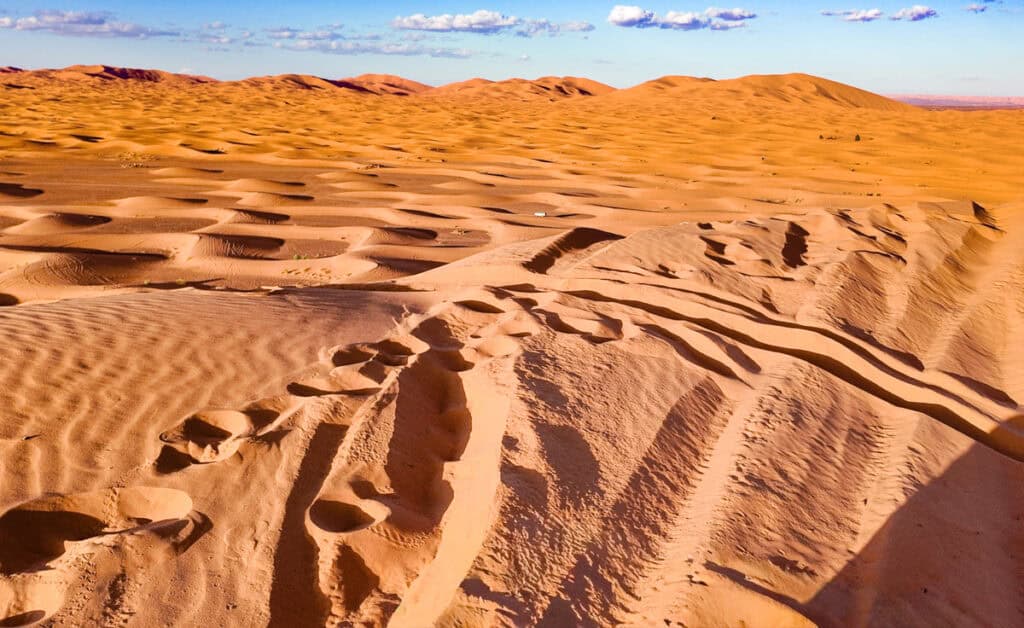
Transitioning deeper into the interior brings travelers to the Erg Chebbi sand dunes near Merzouga, marking the western fringe of the Sahara Desert. To minimize environmental impact and provide authentic transit, motor vehicle access is restricted at the perimeter, requiring travelers to complete the final approach via camel caravans.
Accommodations in this region have evolved to include luxury desert bivouacs, combining traditional canvas tent aesthetics with modern sanitary facilities and electricity. Daily itineraries in the Sahara feature:
- Community Engagement: 4×4 excursions to local villages, including Khamlia, where descendants of formerly enslaved sub-Saharan populations preserve traditional Gnawa music and percussive arts.
- Agricultural Innovation: Examination of desert irrigation systems, known locally as khettaras, which sustain small-scale agriculture in arid environments.
- Recreational Access: High-adrenaline activities such as quad biking across the dune crests and sandboarding down steep silica slopes.
Phase Four: The Imperial City of Fes (Days 8 to 10)
The final third of the itinerary centers on Fes el-Bali, the world’s largest contiguous car-free urban area, founded in the late 8th century during the Idrisid dynasty. Navigating its labyrinthine network of thousands of alleyways requires local navigational expertise.
Primary cultural sites within Fes include:
- The Chouara Tannery: Operating continuously for centuries, this historic leather-processing quarter utilizes traditional stone vats and natural dyes to treat animal hides.
- Al-Qarawiyyin University: Founded in 859 AD, historical documentation and international record-keeping bodies recognize it as the oldest continually operating university in the world.
- Bab Bou Jeloud: The iconic blue-and-green tiled gate marking the primary western entrance to the old medina.
Educational and artisan workshops constitute a major component of the Fes experience. Visitors engage in traditional ceramic and mosaic-tiling masterclasses, gaining firsthand appreciation for the geometric precision required to produce authentic zellige architectural elements. Culinary workshops further emphasize regional spice profiling, specifically the preparation of traditional tagines and vegetable-based Moroccan salads.
Economic and Logistical Implications
Tourism infrastructure in Morocco has experienced significant modernization, yet practical considerations remain vital for international visitors. Cash currency (Moroccan Dirham) is essential for transactions in rural cooperatives, smaller artisan shops, and traditional eateries, as credit card processing infrastructure is frequently limited outside major metropolitan hotels.
Furthermore, the expansion of guided small-group tours—particularly those tailored toward women’s adventure travel—highlights a shift toward safety, structured logistics, and community-supported economic models. By engaging certified local guides and purchasing directly from women’s cooperatives and artisan guilds, travelers contribute directly to the preservation of intangible cultural heritage and local economic sustainability.