Beyond the Monoliths: How Modern Travel Is Shifting Focus from Landmarks to Lived Experience in Osaka

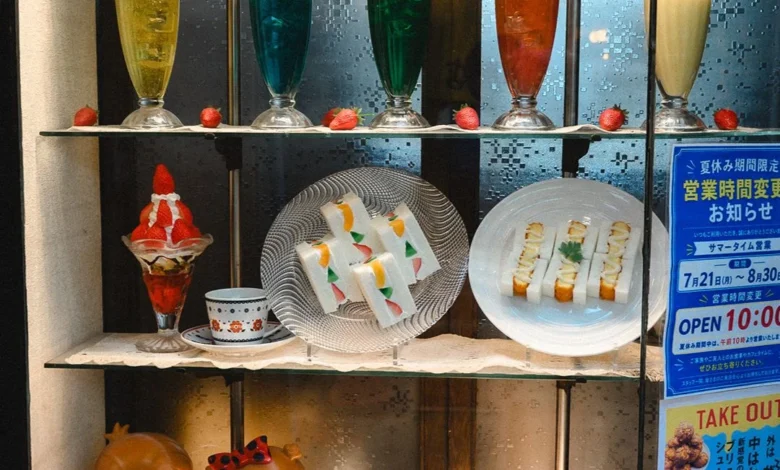
The paradigm of international tourism is undergoing a quiet yet profound transformation. Modern travellers are increasingly pivoting away from the checklist-style itineraries that once defined global mobility—such as ticking off uniform UNESCO World Heritage Sites or queuing for hours to photograph standardized monuments. Instead, contemporary tourism exhibits a growing appetite for vernacular culture, unscripted human interaction, and the atmospheric essence of everyday neighbourhoods. This evolution in traveller psychology is particularly evident in secondary and tertiary urban destinations that lack the monumental architecture of traditional tourism capitals, yet offer rich, immersive cultural subcultures.
A prime case study in this global shift is Osaka, Japan’s third-largest city. While neighboring Kyoto boasts thousands of classical Shinto shrines and temples, and Tokyo commands attention with its hyper-modern skyscrapers, Osaka stands out by defying conventional sightseeing metrics. Aside from Osaka Castle, the Kaiyukan Aquarium, and Universal Studios Japan, the city possesses relatively few globally recognized "must-see" architectural landmarks. Yet, Osaka consistently ranks among Japan’s most resilient and popular destinations for international and domestic visitors alike. To understand this paradox is to examine the changing motivations of the modern global tourist.
An Investigation into Osaka’s Cultural Undercurrents
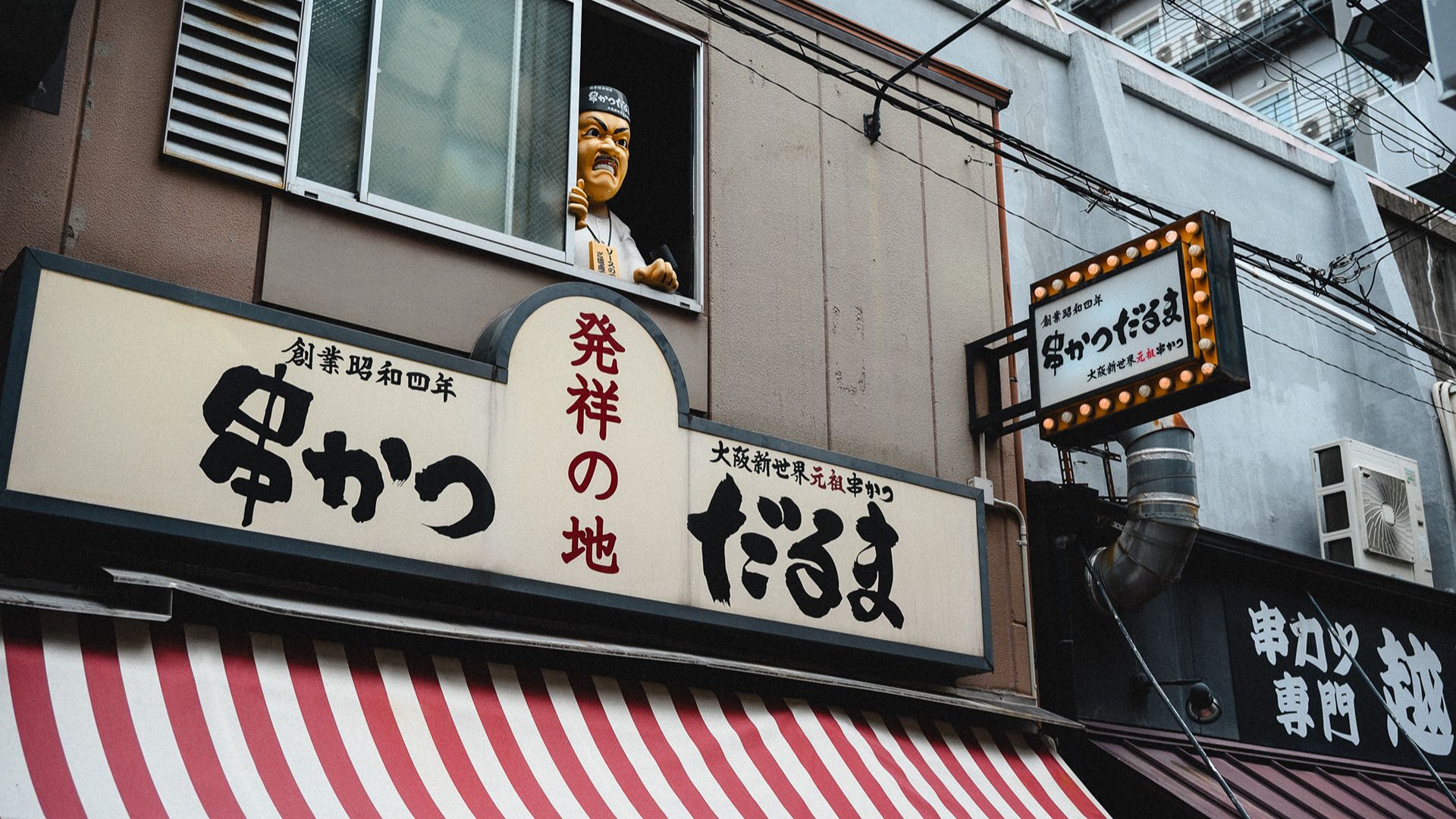
To explore this phenomenon, recent tourism initiatives have turned away from institutional monoliths and toward the granular, hyper-local fabric of the city. A half-day excursion through Osaka’s southern entertainment districts—specifically Shinsekai, Den Den Town, and the Kuromon Market—demonstrates how a city can market its intangible heritage. Guided by local experts from organizations such as Intrepid Urban Adventures, visitors are introduced to the socioeconomic history, post-war working-class cuisine, and retro subcultures that define the local identity, locally celebrated as tenka no daidokoro, or "the nation’s kitchen."
Historical Context and Urban Evolution
Osaka’s contemporary identity is deeply rooted in a complex, multi-layered history that spans over a millennium. Historical records indicate that Osaka served briefly as Japan’s imperial capital nearly 1,300 years ago, operating as Naniwa-kyo. Strategically positioned at the confluence of extensive waterways, the city evolved into a vital domestic and international trade port, eventually becoming a cornerstone of military and economic power during the feudal eras and the unification of Japan under the Shogunate.
The modern urban landscape, however, is heavily influenced by the developments of the 20th century. A focal point of local cultural tours is Shinsekai, translated literally as "The New World." Established in 1912, the district was initially conceived as a utopian urban model, drawing architectural inspiration from early-20th-century New York City and Paris. Featuring the iconic Tsutenkaku Tower and an early amusement park blueprint, Shinsekai was designed to project modern optimism.
However, the area’s trajectory shifted dramatically following the Second World War. Plagued by economic stagnation, Shinsekai devolved over subsequent decades into an impoverished and marginalized red-light district heavily influenced by organized crime syndicates.

Urban Regeneration and Nostalgia Tourism
In recent years, Shinsekai has undergone a calculated municipal and commercial revitalization. While shedding much of its illicit past, the district has carefully preserved its mid-20th-century architectural vernacular and retro atmosphere. Today, it functions as a vibrant amalgamation of neon-illuminated facades, traditional izakaya standing bars, pachinko parlors, and preserved Shawa-era gaming arcades.
This preservation of mid-century aesthetics appeals directly to contemporary tourists seeking authenticity over polished perfection. Urban planners note that districts like Shinsekai offer a tangible link to Japan’s post-war economic miracle—the Showa era—characterized by rapid industrialization, working-class resilience, and distinct regional fashion trends, such as leopard-print textiles and unpretentious street-side commerce.

Gastronomic Heritage as Cultural Diplomacy
At the core of Osaka’s enduring appeal is its culinary tradition, which developed distinctly from the refined, aristocratic kaiseki dining of Kyoto or the rapid, high-turnover corporate eateries of Tokyo. Osakan cuisine emerged from the needs of early 20th-century day laborers and factory workers who required inexpensive, high-calorie, and rapidly prepared meals.
This history birthed several staple dishes that now define the region:

- Kushikatsu: Skewered meats, seafood, and vegetables, battered in egg, wheat flour, and panko, then deep-fried and served with a communal savory tonkatsu sauce. Strict adherence to local etiquette prohibits double-dipping, with sliced cabbage utilized for supplemental sauce application.
- Takoyaki: Diced octopus encased within a savory wheat-flour batter ball, typically served piping hot and garnished with bonito flakes, seaweed, and specialized sauces.
- Okonomiyaki: A savory, customizable cabbage-based pancake cooked on a teppan griddle.
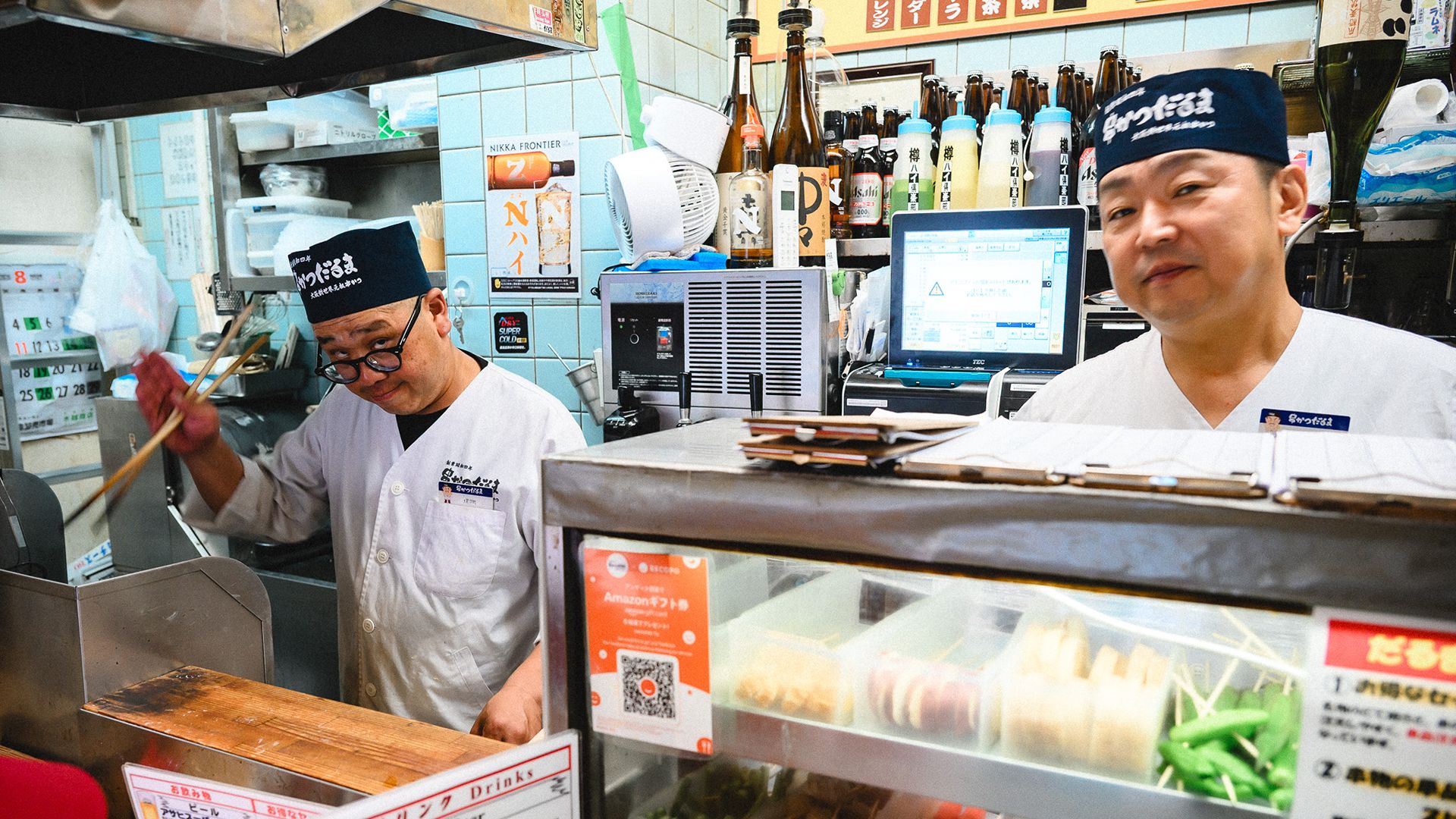
Food historians observe that these culinary items reflect the pragmatic, unpretentious nature of Osakans. Furthermore, the dining culture itself—typified by interactive, humorous exchanges between chefs and patrons—contrasts sharply with the more reserved, solitary dining experiences found in other major metropolitan centers.
Implications for the Global Tourism Industry
The popularity of experiential, neighborhood-based tours in Osaka highlights a broader macroeconomic and sociological trend within the global travel sector. According to tourism analysts, consumers are experiencing fatigue from over-tourism at iconic, highly Instagrammed global landmarks. This saturation has driven demand toward "second-city travel" and localized cultural immersion.

Data from municipal tourism boards indicate that visitors who engage in neighborhood-level culinary and historical tours report higher satisfaction levels and demonstrate a greater distribution of economic expenditure into local, independent businesses rather than multinational hospitality chains. By focusing on intangible cultural assets—such as humor, regional dialects, culinary history, and neighborhood subcultures—cities like Osaka are successfully insulating themselves against the fluctuations of traditional landmark-based tourism.
As international travel continues to recalibrate in the post-pandemic era, the model pioneered by cities leaning into their everyday identities offers a blueprint for sustainable, community-integrated tourism. For travelers weary of homogenized itineraries, the unvarnished streets, local markets, and communicative warmth of Osaka provide a compelling argument for the future of exploration: one where the destination is defined not by what you look at, but by how you experience the place and its people.