Beyond the Boardwalk: An In-Depth Look at Virginia Beach’s Evolution into a Soft Adventure Destination

Virginia Beach has long been recognized as a traditional East Coast summer retreat, but a recent surge in infrastructure investment and curated cultural programming has repositioned the municipality as a premier hub for "soft adventure" tourism. While the city remains a staple for beachgoers, the successful integration of the annual Super Girl Surf Festival—which recently featured performances by headliners CeeLo Green, Lupe Fiasco, and Switchfoot—highlights a broader strategic shift toward active, year-round tourism. For travelers seeking an itinerary that balances physical engagement with regional history and culinary exploration, the city now offers a sophisticated, multi-layered experience.
The Strategic Evolution of Virginia Beach Tourism
The transformation of Virginia Beach is rooted in a deliberate effort to diversify the city’s appeal beyond its sandy shoreline. City planners and private developers have focused on the "ViBe Creative District" and the development of the Atlantic Park project, a multi-million-dollar initiative that serves as a cornerstone for modern, accessible recreation.
The Super Girl Surf Festival serves as the annual barometer for this growth. Beyond the musical acts, the event acts as a platform for local vendors and fitness organizations, fostering an environment where visitors participate in free dance classes, yoga sessions, and recreational games like cornhole. This community-focused approach to event planning has proven effective in drawing a demographic that values wellness and experiential travel over passive sunbathing.
Chronology of Recreational Development
The recent expansion of soft adventure options in Virginia Beach follows a specific trajectory of urban development that began gaining momentum around 2024.
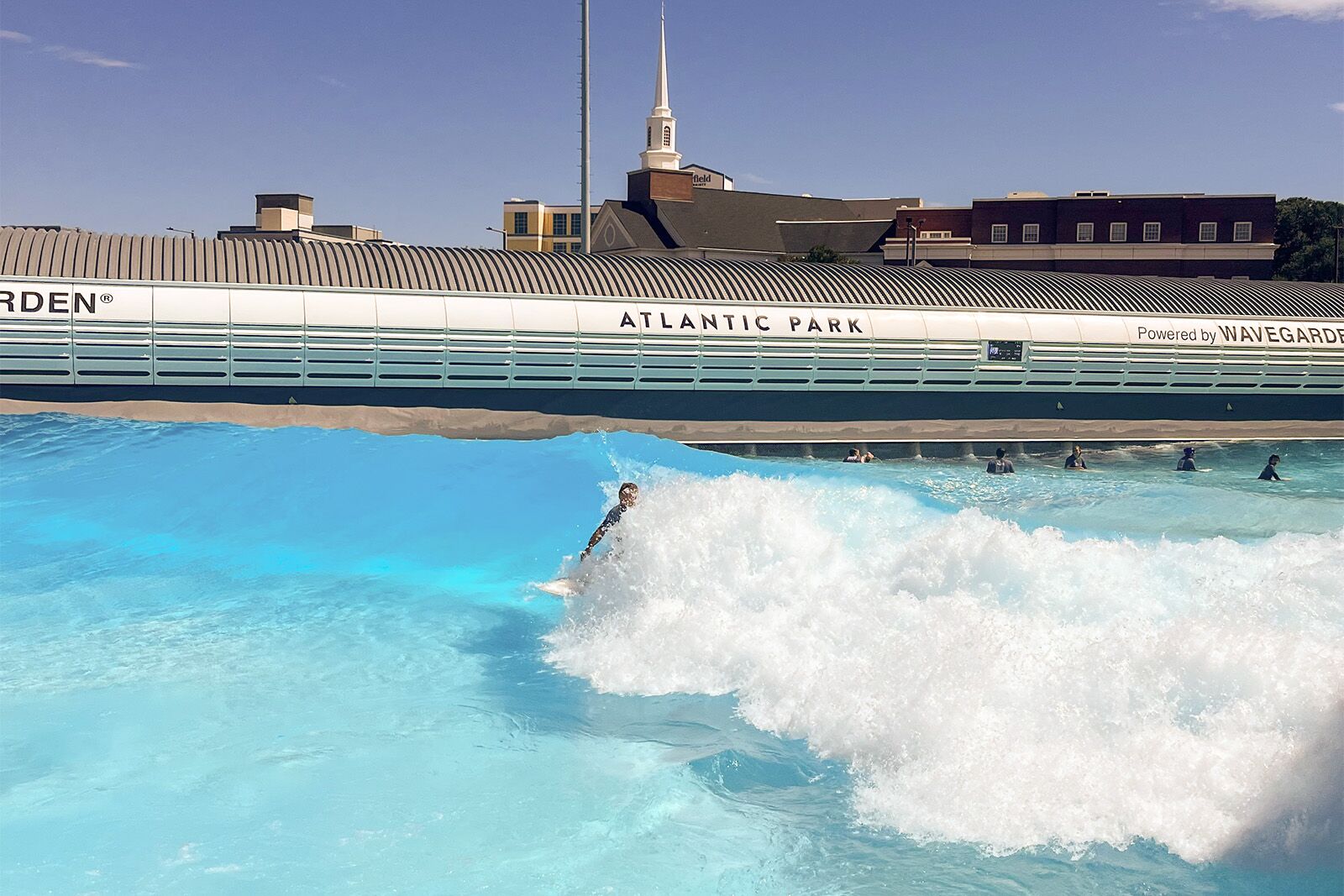
- Early 2025: The grand opening of Atlantic Park Surf, a flagship facility designed to offer year-round surfing in a controlled, manmade lagoon environment.
- Summer 2025: Expansion of the Virginia Beach Surf & Rescue Museum’s educational programming, emphasizing the cultural heritage of the Atlantic coastline.
- Labor Day Weekend 2026: The hosting of the latest Super Girl Surf Festival, which integrated high-profile musical performances with large-scale athletic activations.
- Ongoing: The continuous growth of the Lynnhaven River’s aquaculture sector, with local oyster farms transitioning from wholesale operations to boutique tourist destinations.
Analyzing the Soft Adventure Experience
Soft adventure, characterized by low-impact, high-accessibility activities, has become a primary driver for the city’s economic growth.
Aquatic Engagement and Wildlife
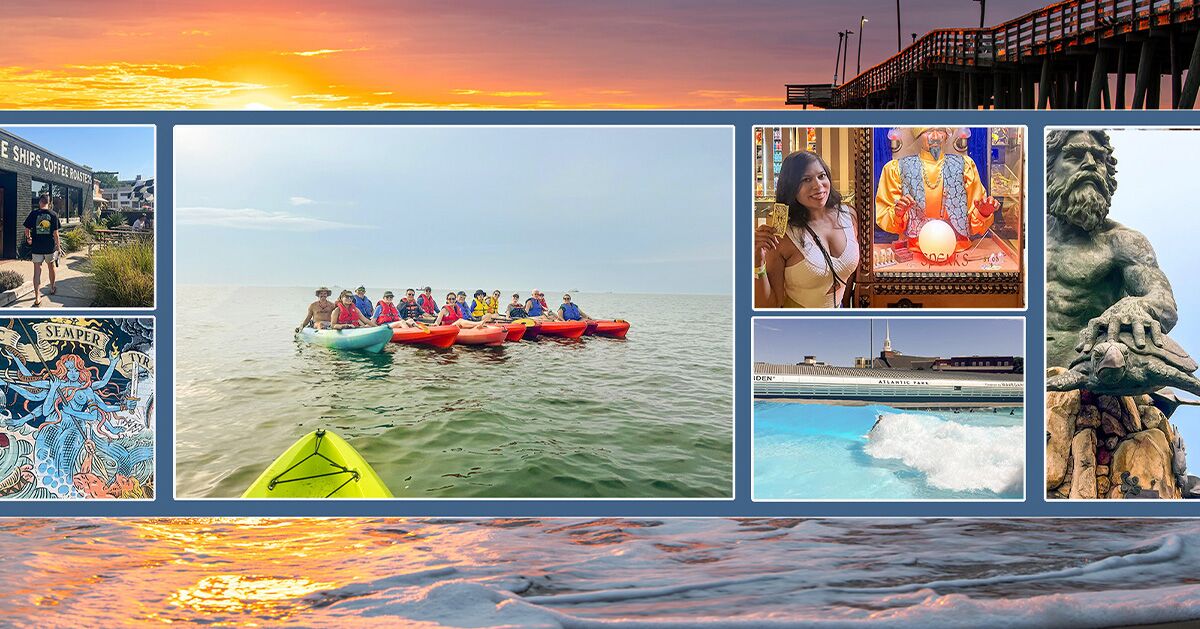
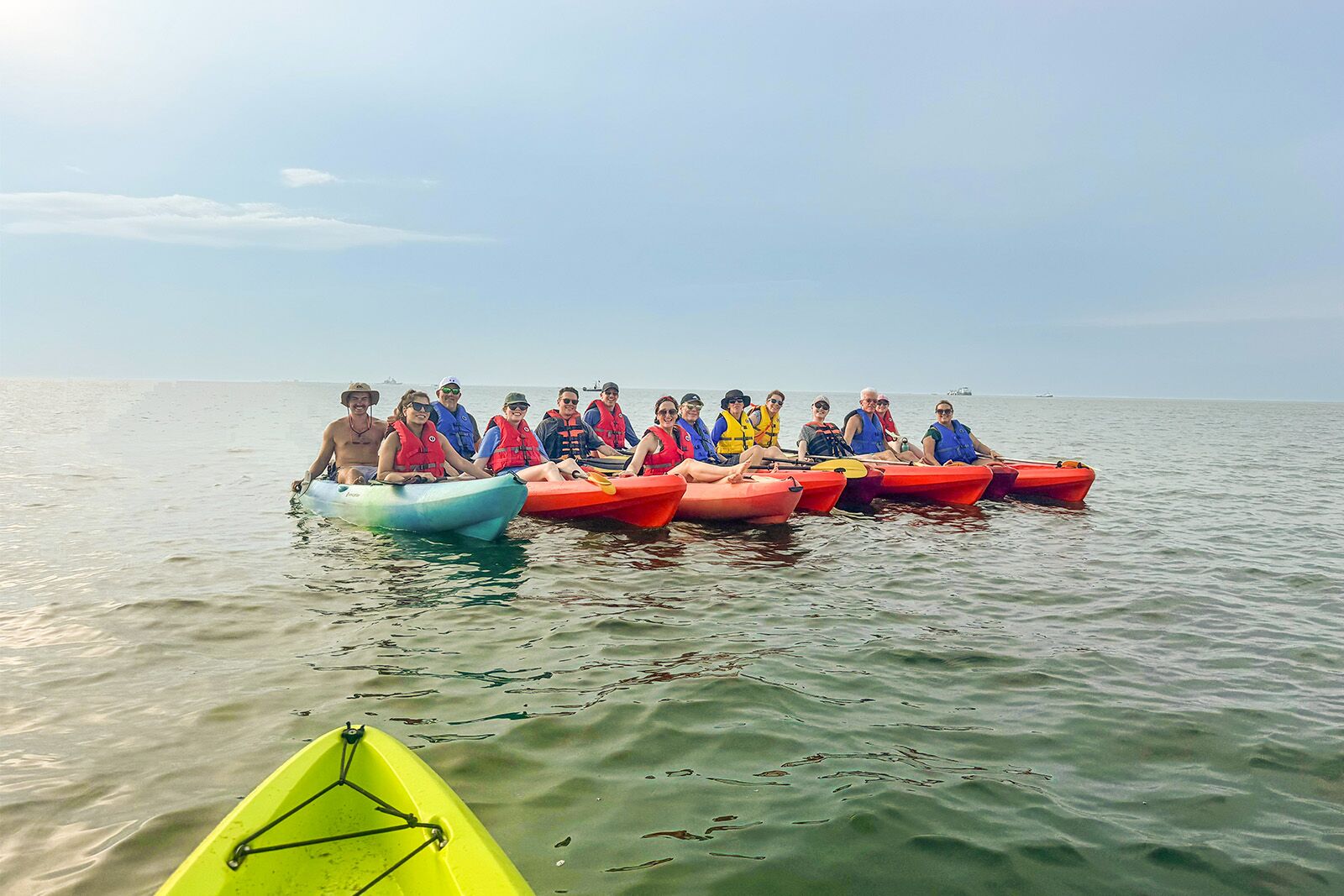
The Chesapeake Bay provides a natural laboratory for soft adventure. Chesapean Outdoors has formalized the dolphin-watching excursion, a two-hour experience that provides a unique view of marine life near the Bay’s mouth. By offering guided kayaking, the outfitter removes the barrier of entry for travelers with limited aquatic experience. Data from local environmental tourism reports suggest that such guided tours are instrumental in promoting marine conservation, as they provide visitors with direct education on local ecosystems.
The Atlantic Park Phenomenon
Perhaps the most significant addition to the local landscape is Atlantic Park Surf. The facility represents a shift toward "engineered recreation." By utilizing wave-pool technology to produce consistent, predictable swells, the park mitigates the risks associated with ocean currents. This allows beginners to practice in a controlled, safe environment while advanced surfers benefit from the predictability of the surf. The inclusion of The Sitio—a boutique 20-room hotel—within the development suggests a move toward high-end, integrated hospitality, where the recreation and accommodation are seamless.
Heritage and Historical Context
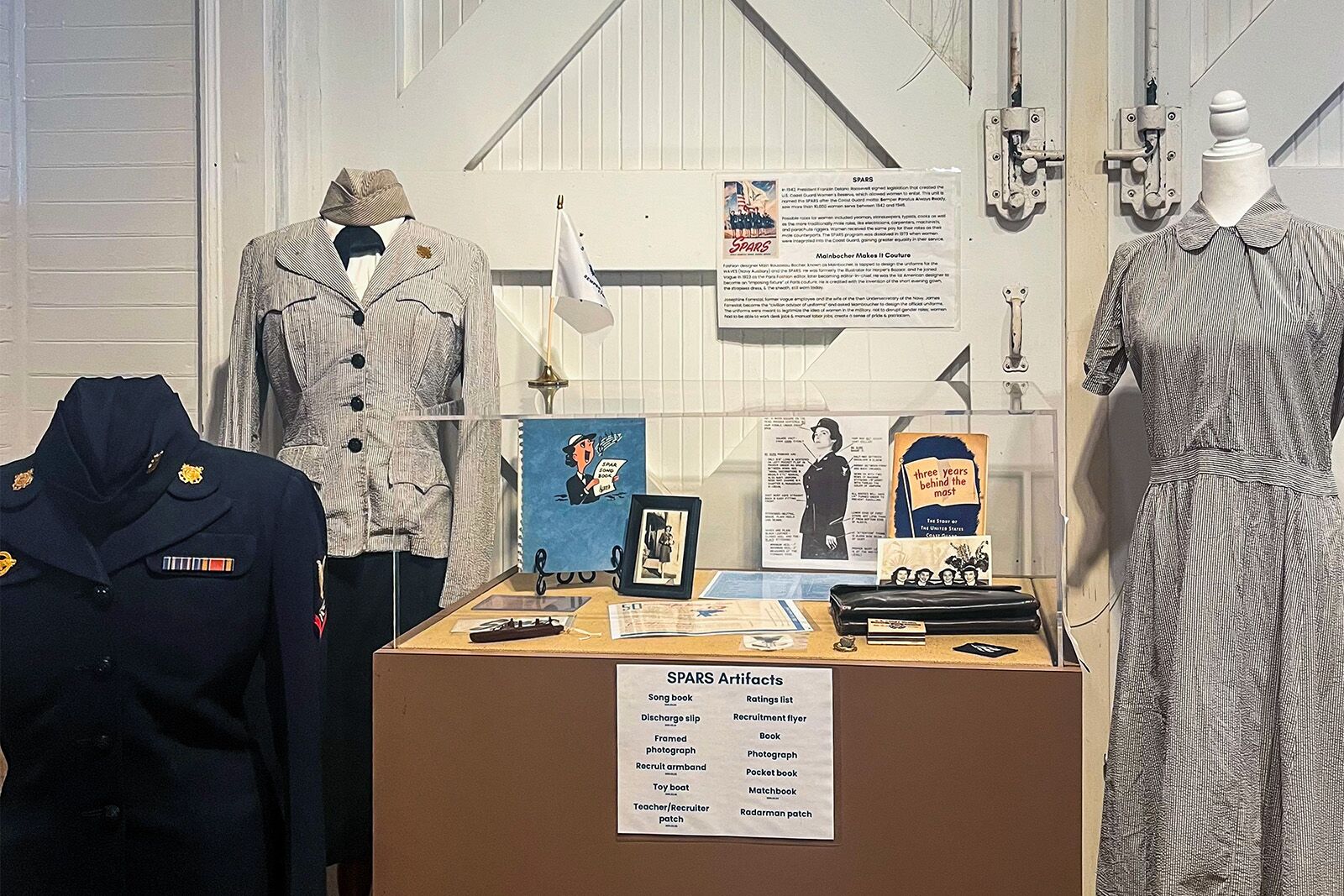
The Virginia Beach Surf & Rescue Museum, housed in a 1903 life-saving station, serves as the anchor for the city’s historical identity. Its exhibits, which detail the innovations of surf legends like Tom Blake, provide essential context for the city’s current surf-centric culture. The preservation of maritime artifacts, including remains from the 1891 wreck of the Dictator, underscores the city’s long-standing, often perilous relationship with the Atlantic Ocean.
Culinary and Economic Impacts
The hospitality landscape in Virginia Beach has seen a pivot toward "Modern Mid-Atlantic" cuisine, which emphasizes local sourcing and historical influence.
Establishments such as Chic’s Laundry and Waterman’s Surfside Grille demonstrate the city’s culinary evolution. The former focuses on elevated seasonal comfort food, while the latter represents the legacy of the boardwalk, having served the area since 1981. The economic impact of these businesses is significant; by focusing on local ingredients—such as Lynnhaven River oysters—restaurants are creating a symbiotic relationship with local producers.
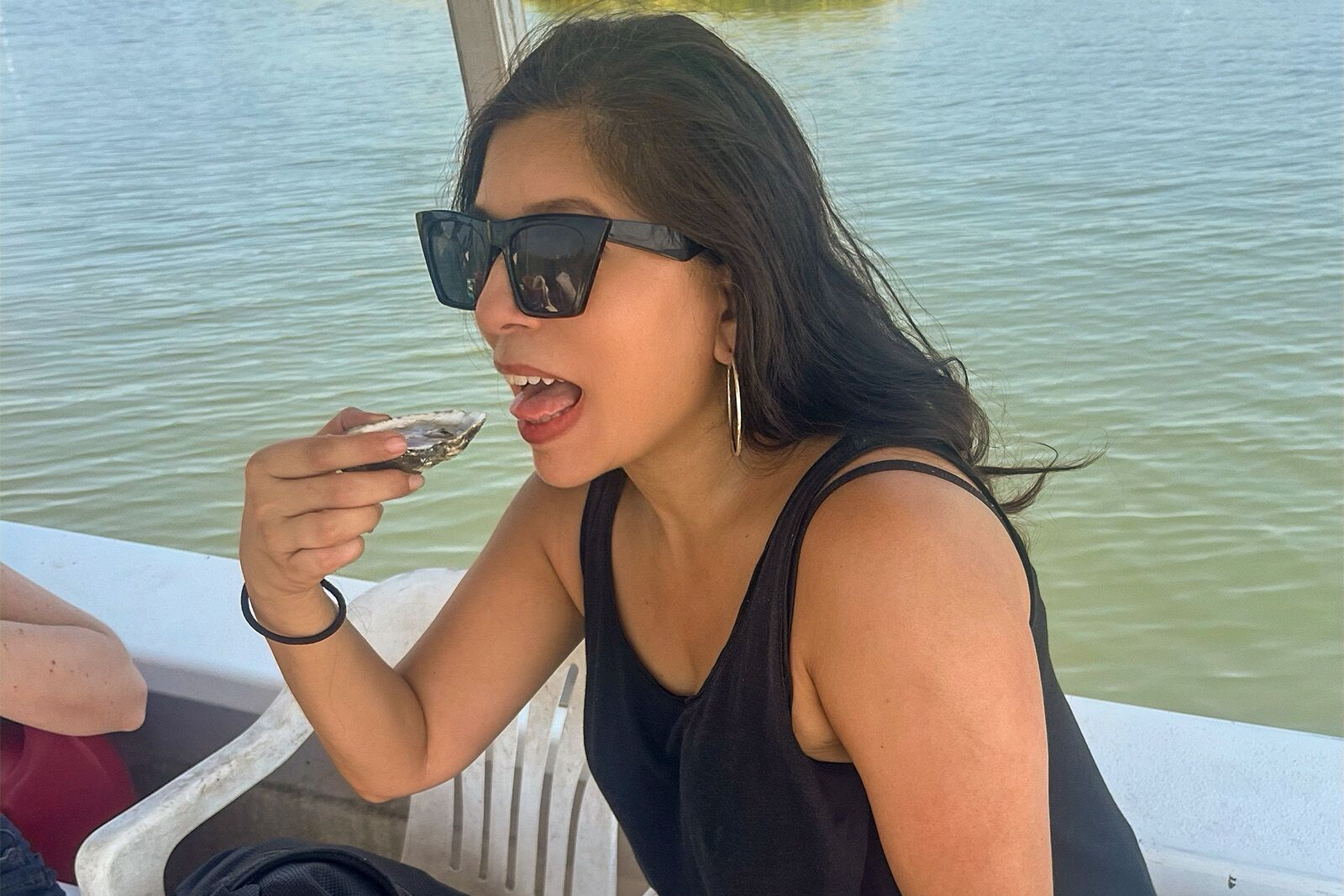
Captain Chris Ludford of Pleasure House Oysters notes that the growing interest in aquaculture tourism provides a necessary secondary income stream for farmers, while simultaneously educating the public on the delicate lifecycle of local oysters. This model of "tasting the landscape" is increasingly becoming a hallmark of Virginia Beach’s marketing strategy.
The ViBe Creative District and Urban Revitalization
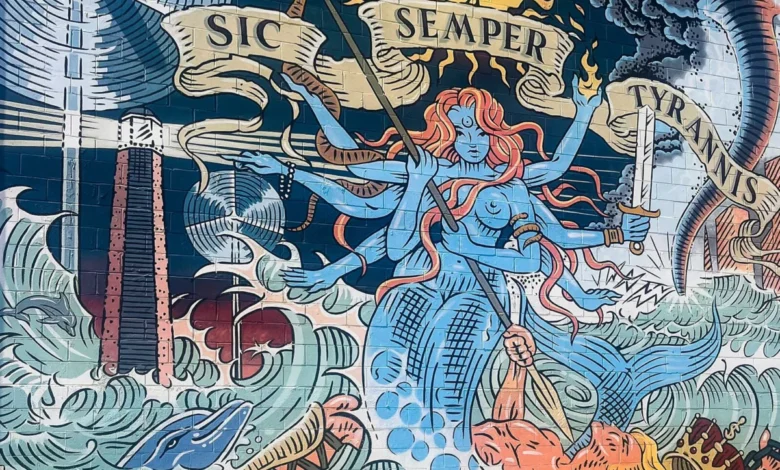
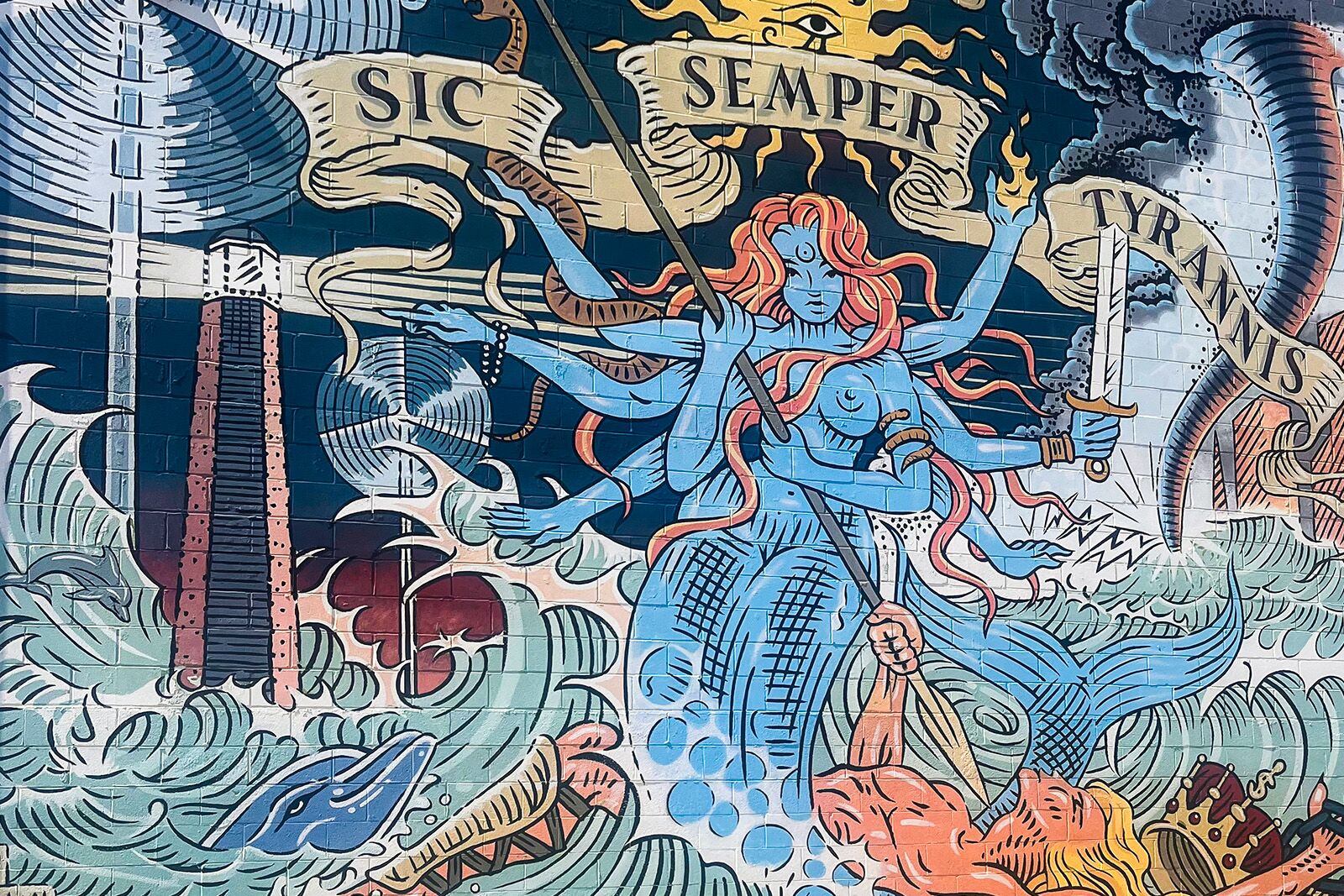
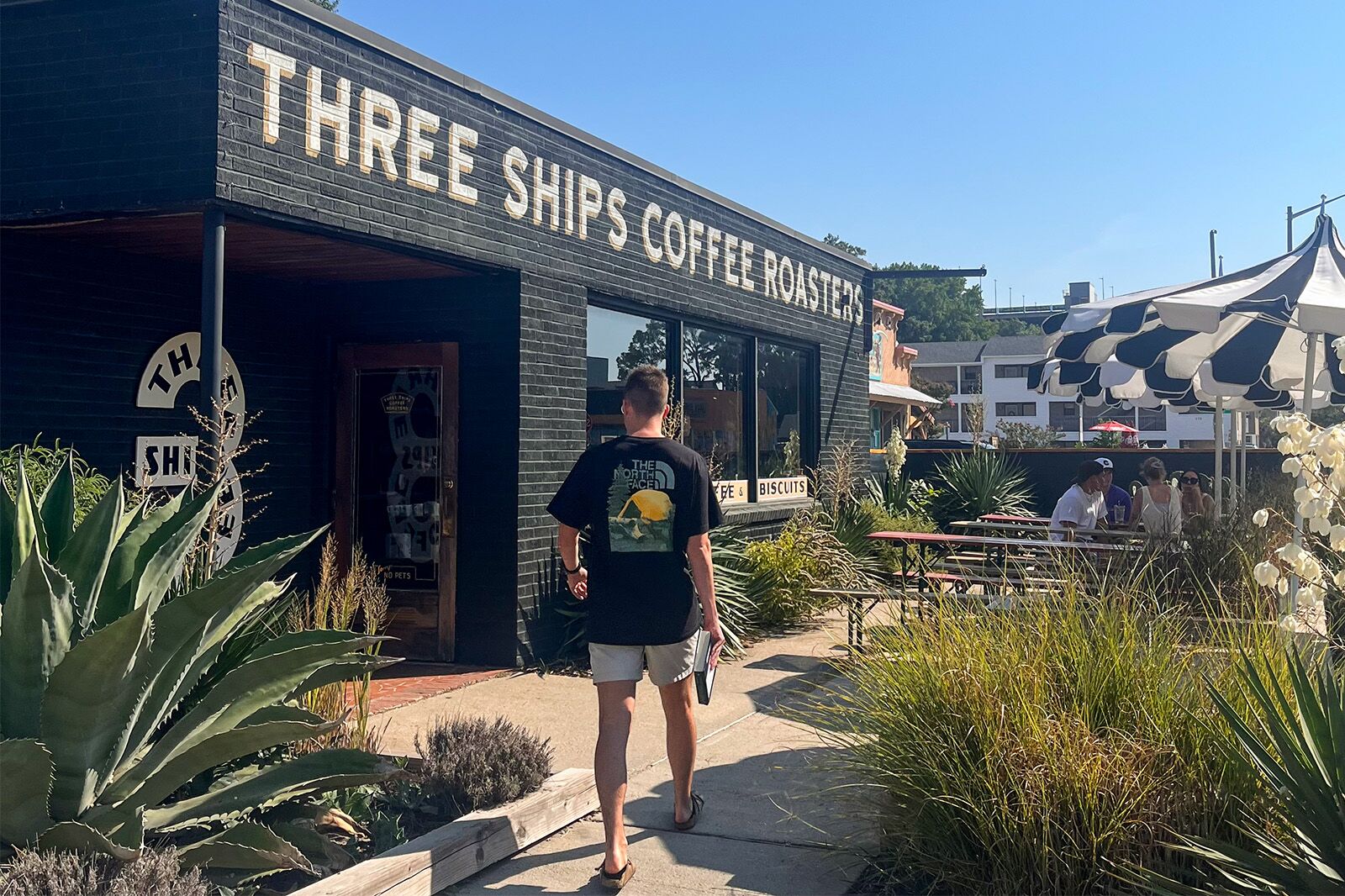
The ViBe Creative District has successfully transitioned from an underutilized industrial zone into a vibrant cultural hub. The presence of artisan retailers like Jars of Dust (pottery) and North End Bag Co. (leather goods) illustrates a local commitment to small-scale manufacturing. These businesses, alongside creative entities like Igor’s Custom, contribute to a high density of foot traffic, which in turn benefits neighboring businesses like Three Ships Coffee, an establishment that recently gained international recognition for its espresso quality at the 2025 Global Coffee Awards.
Logistical Infrastructure and Future Implications
The accessibility of Virginia Beach remains a key factor in its continued popularity. The proximity of Norfolk International Airport (ORF), located approximately 18.5 miles from the oceanfront, provides a critical transit point for domestic and international visitors. While the lack of a direct hotel shuttle service persists, the proliferation of rideshare services and the development of bike-friendly infrastructure have mitigated transportation concerns.
The city’s decision to prioritize bike-sharing and walkable districts—such as the connectivity between the oceanfront, the ViBe District, and the Atlantic Park development—suggests a long-term commitment to reducing carbon footprints and improving the quality of the visitor experience.
Broader Impact and Conclusion
The transformation of Virginia Beach from a seasonal beach town into a year-round destination for soft adventure indicates a broader trend in American tourism: the preference for activities that prioritize personal wellness, educational engagement, and cultural immersion. By leveraging its natural geography—the bay, the ocean, and the rivers—alongside massive investments in high-tech recreational facilities, Virginia Beach has created a resilient tourism model.
The implications for the regional economy are positive. By catering to the "active traveler," the city is no longer beholden to the volatility of summer-only beach weather. As infrastructure continues to develop around projects like Atlantic Park and the expansion of the ViBe District, the city is positioned to remain a competitive player in the mid-Atlantic travel market. Whether it is through the technical skill required to surf a manmade wave or the simple pleasure of biking between breweries, Virginia Beach now offers a comprehensive,, and increasingly sophisticated, approach to the modern vacation.
Related posts: