Settling in before setting out: A comprehensive guide to summer adventuring in the Vail Valley

The Vail Valley, a destination historically synonymous with winter sports and high-altitude skiing, has undergone a significant transformation in recent years, pivoting toward a robust year-round tourism model. Central to this evolution is the integration of premium, residential-style lodging that supports extended stays for outdoor enthusiasts. The Sheraton Mountain Vista Villas, located at the base of the Beaver Creek Resort, serves as a primary example of how hospitality infrastructure is adapting to the demands of summer travelers who prioritize accessibility to regional trail systems and river recreation.
The Evolution of Mountain Lodging
The Sheraton Mountain Vista Villas, operating as part of the Marriott Vacation Club portfolio, reflect a broader trend in the hospitality industry: the rise of "residential-style" vacationing. These properties provide a hybrid experience, offering the amenities of a traditional resort—such as fitness centers, steam rooms, and organized entertainment spaces—alongside the functional benefits of private residences, including full kitchens and modular suite designs.
This model is particularly relevant for the Vail Valley, where the average length of stay for summer visitors has seen a steady increase. Industry data suggests that travelers visiting mountain destinations during the shoulder and summer seasons are increasingly seeking "basecamp" environments that allow for the storage of specialized equipment, such as mountain bikes and trekking gear, which would otherwise be cumbersome in standard hotel configurations. The ability to pair adjacent suites, thereby doubling capacity, addresses the growing demand for multi-generational and group travel, a segment that has become a critical economic driver for Avon and the surrounding municipalities.
A Chronology of Alpine Exploration
For visitors to the region, the typical summer itinerary involves a progression from valley-floor activities to high-alpine excursions. A representative four-day itinerary provides insight into the logistical demands and recreational opportunities inherent to the landscape.
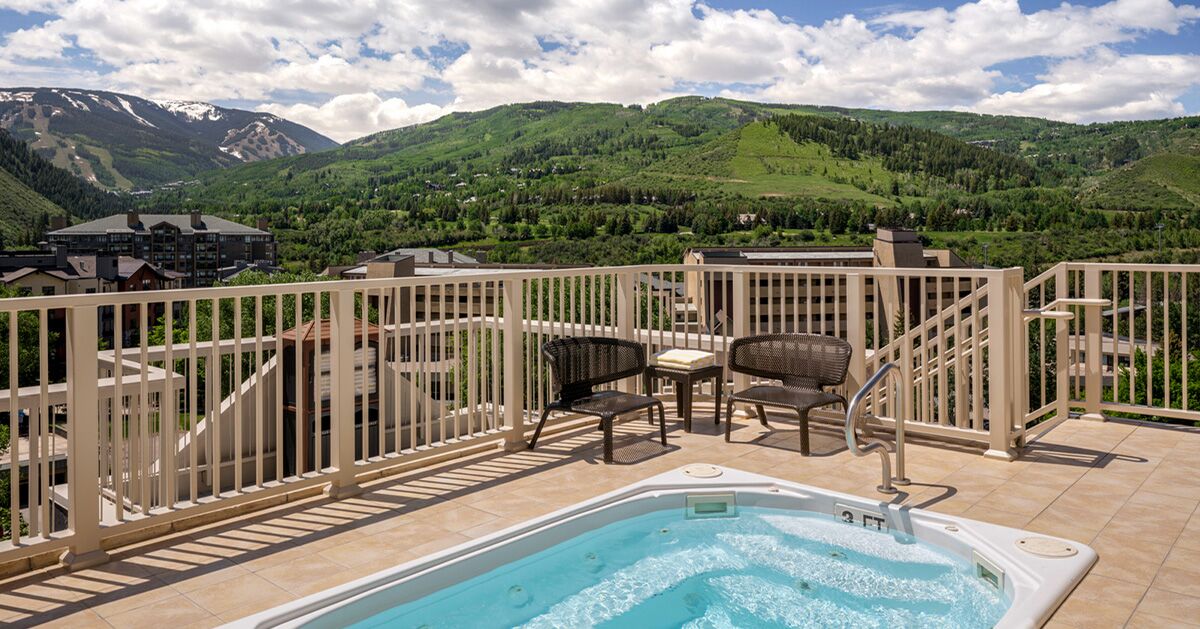
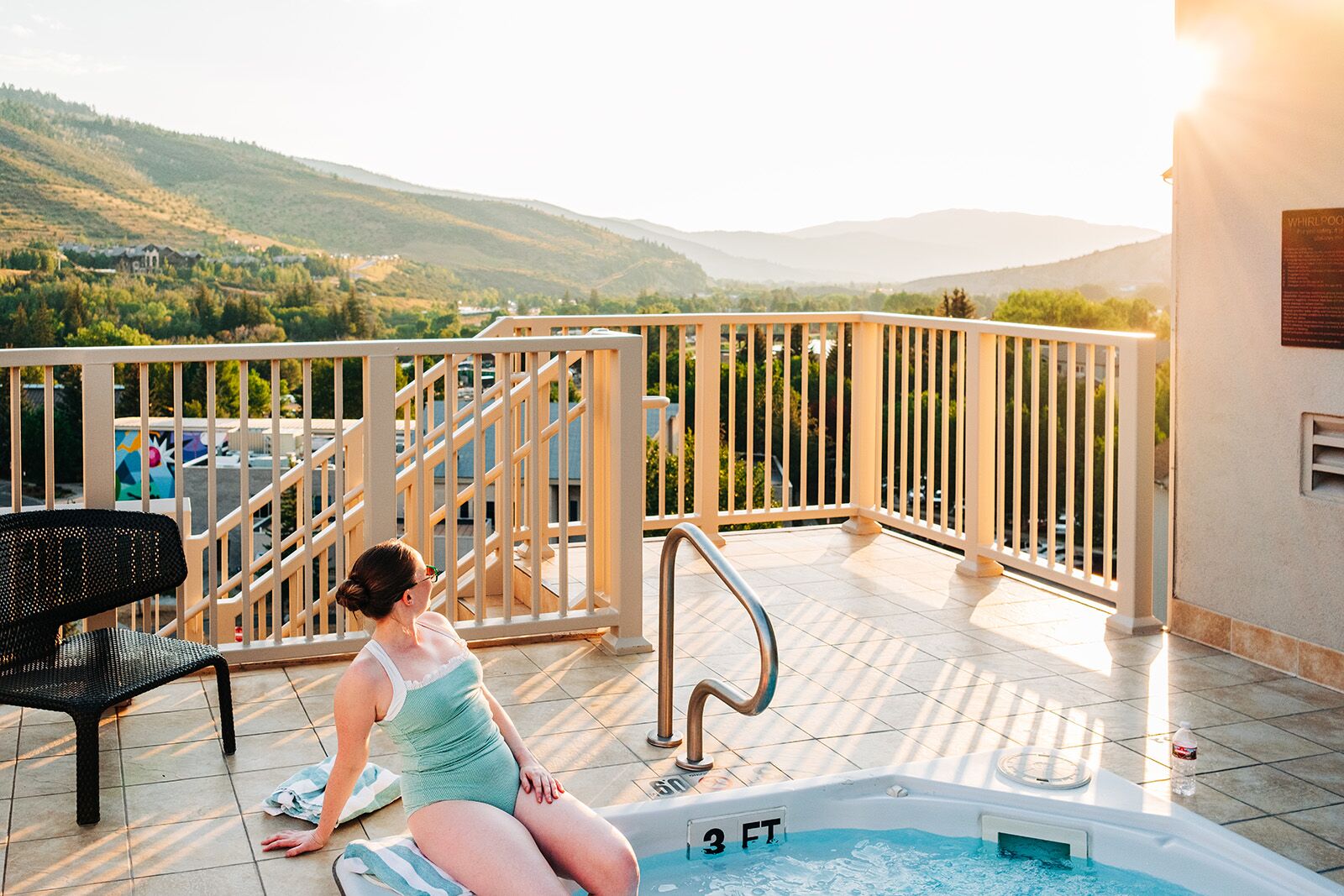
Day one is generally dedicated to acclimatization. The Sheraton Mountain Vista Villas, situated at an elevation of approximately 7,400 feet, necessitate a period of adjustment for those traveling from lower altitudes. Resort amenities, such as the rooftop hot tub and gaming facilities, are designed to facilitate this transition.
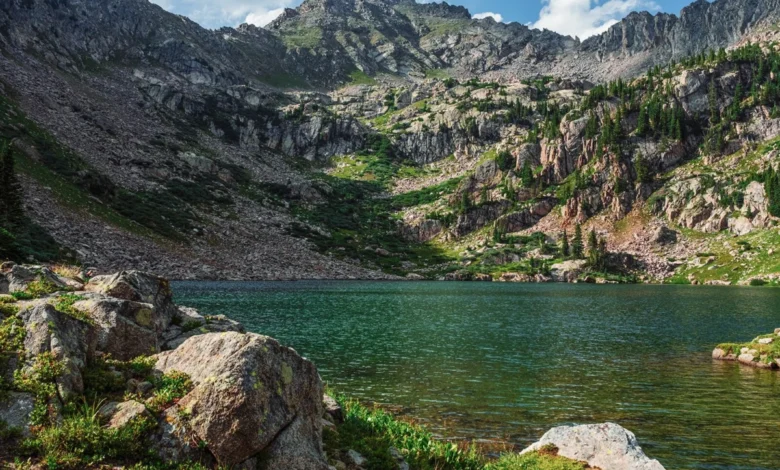
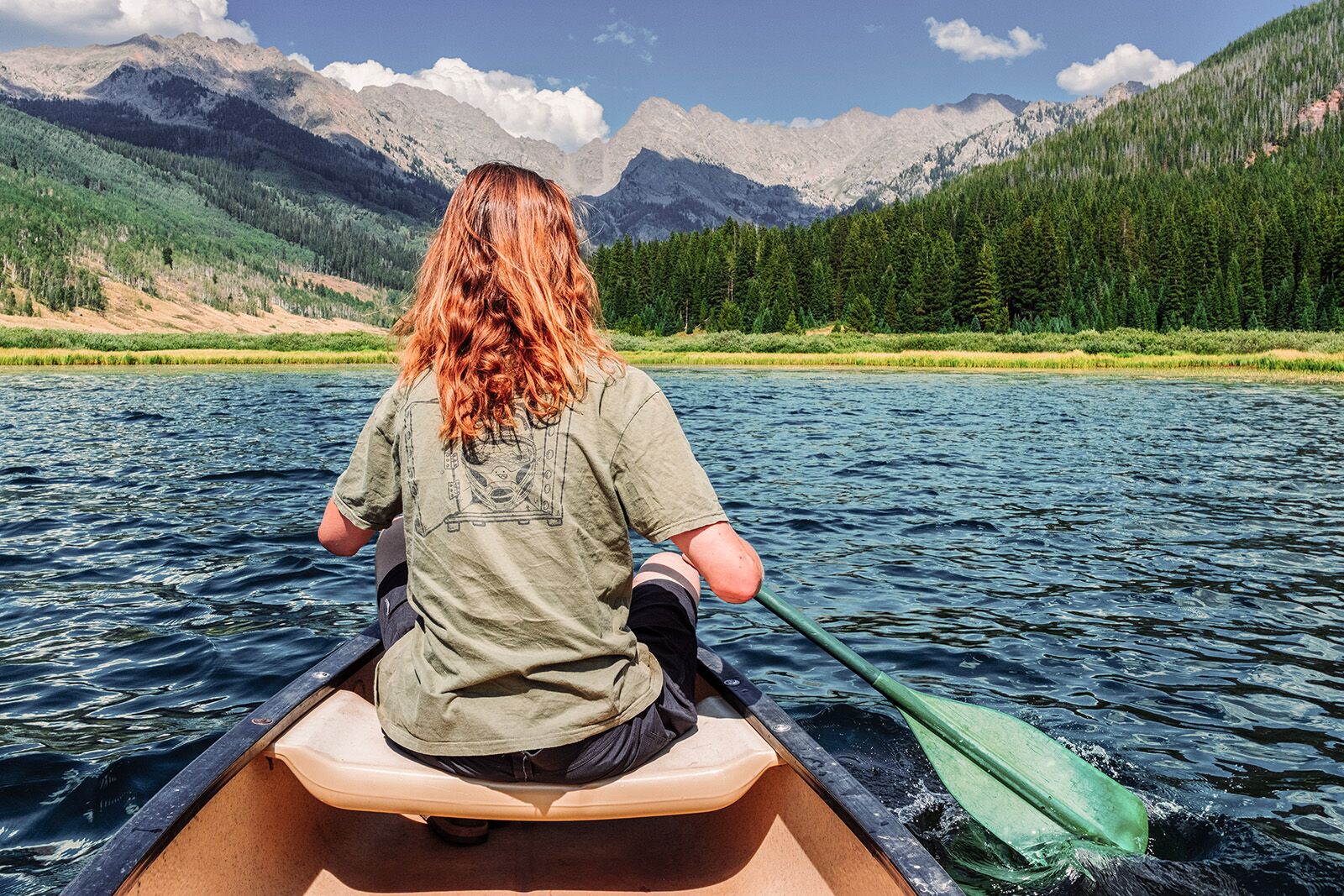
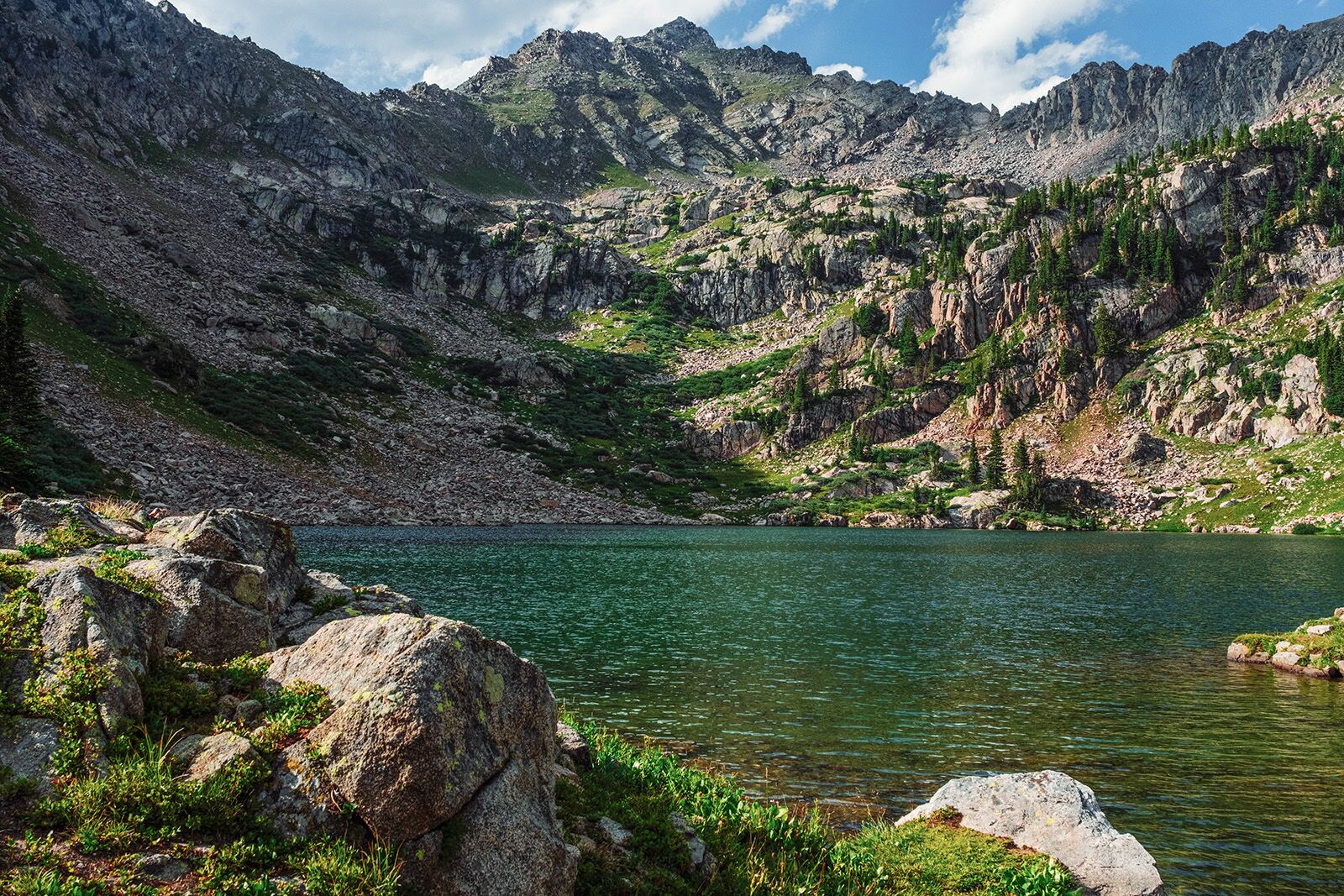
On day two, the focus shifts to the Piney Lake region, located north of Vail. The area, characterized by its granite peaks and proximity to the Gore Range, serves as a focal point for water-based recreation. The Upper Piney River Trail offers a gradient of difficulty, moving from accessible shoreline paths to challenging switchbacks that reach elevations exceeding 10,000 feet. This trail provides a microcosm of the region’s topography, transitioning from aspen groves to alpine tundra.
Day three involves high-intensity physical exertion, typically centered on trails such as the Pitkin Creek Trail. With a vertical gain of 3,000 feet over five miles, this route serves as an objective measure of the valley’s rugged terrain. The prevalence of such trails has necessitated a sophisticated local infrastructure of dining and support services, such as the Ticino Italian Restaurant, which cater to the caloric and recovery needs of active tourists.
Day four concludes with a transition to whitewater sports. The Colorado River, specifically the stretch through Glenwood Canyon, offers class-III rapids that require professional outfitting. The logistics of this excursion—involving transit to the river, gear safety briefings, and guided navigation—illustrate the collaborative nature of the Vail Valley tourism economy, where resorts, rental shops, and adventure outfitters operate in a symbiotic network.
Supporting Data: The Economic and Environmental Context
The shift toward summer tourism is not merely a preference for milder weather; it is an economic necessity for mountain resort towns. Data from the Vail Valley Partnership indicates that summer occupancy rates have become increasingly competitive with winter figures. This shift has significant implications for local land management and environmental stewardship.
The West Avon Preserve, for instance, serves as a critical buffer zone. By providing a managed trail system for mountain biking and hiking, such preserves mitigate the impact of recreational traffic on more sensitive wilderness areas. Furthermore, the availability of equipment rentals directly from locations like the Sheraton Mountain Vista Villas reduces the carbon footprint associated with individual vehicle trips to equipment retailers, consolidating transit and promoting a more efficient visitor experience.
Official Perspectives and Regional Implications
Representatives from local tourism boards emphasize that the success of the Vail Valley as a summer destination is contingent upon the availability of high-quality, long-term rental options. When visitors have access to full kitchens and dining spaces, they are more likely to participate in the local economy by purchasing groceries and supplies from regional vendors, thereby distributing tourism revenue beyond the resort gates.
Furthermore, the integration of technology—such as the digital accessibility of trail maps, real-time weather monitoring, and the ease of booking via platforms like the Marriott Vacation Club—has streamlined the visitor experience. However, this convenience brings the challenge of increased trail usage. Local trail associations frequently collaborate with hospitality providers to ensure that visitors are educated on "Leave No Trace" principles, a critical component of maintaining the ecological integrity of the Gore and Sawatch ranges.
The Logistical Framework for Future Travel
For those planning a trip to the Vail Valley, the logistics require careful consideration of the season. During the winter, the region is highly navigable via a public shuttle system that connects Avon to the various slopes of Beaver Creek and Vail. Conversely, the summer season requires a different approach. Because many of the most desirable trailheads are located in remote areas accessible only by dirt roads, the rental of a vehicle remains a standard requirement for most travelers.
Transportation infrastructure remains a point of focus for regional planners. As Denver International Airport (DEN) continues to function as the primary hub for the region, the two-hour transit along the I-70 corridor serves as a bottleneck during peak weekends. Efforts to encourage mid-week travel and the expansion of private shuttle services are ongoing, aimed at alleviating the pressure on the interstate and ensuring that the influx of summer visitors does not compromise the quality of the mountain experience.
Conclusion: The Sustainability of the Mountain Model
The Vail Valley’s transition from a seasonal ski destination to a year-round recreation hub is a testament to the adaptability of modern hospitality. By centering the visitor experience around "home-base" accommodations like the Sheraton Mountain Vista Villas, the region provides the necessary foundation for sustained, high-intensity physical activity.
As the demographic profile of the alpine traveler continues to evolve—favoring longer stays, group outings, and a mix of adventure and leisure—the valley’s success will rely on its ability to balance this growth with environmental and infrastructure sustainability. The integration of bike-friendly amenities, professional guiding services, and accessible residential-style lodging has created a robust framework that, if managed correctly, ensures the Vail Valley remains a premier destination for those seeking to engage with the Colorado high country well beyond the final snowfall of the season. The synergy between the comfort of the resort and the challenge of the surrounding peaks defines the current era of mountain travel, offering a template that other high-altitude destinations are increasingly looking to emulate.