The Ultimate Hiking and Trekking Essentials Guide: Expert Strategies for Day Hikes and Multi-Day Expeditions

Outdoor recreation and nature-based tourism have experienced a significant surge in global participation over the past decade. As more travelers trade urban itineraries for remote mountain passes, alpine valleys, and dense jungles, the demand for precise, reliable packing methodologies has grown exponentially. Navigating the logistics of equipment acquisition, weight distribution, and climate adaptation remains one of the most critical challenges for both novice and experienced hikers. Seasoned adventurers Audrey and Dan Scott, who have documented trekking expeditions across every continent over a fifteen-year period, have synthesized their extensive field experience into an authoritative framework designed to maximize safety and efficiency on the trail.
The evolution of modern outdoor gear has often fostered a consumer culture centered on acquiring the latest technological innovations. However, field research and historical trekking data suggest that over-reliance on bleeding-edge equipment is frequently unnecessary and counterproductive. Industry veterans emphasize that fundamental principles—such as strategic layering, weight management, and local gear sourcing—supersede the need for expensive brand-name inventories.
The Core Philosophy of Efficient Trail Packing
Packing for a multi-day trek or a strenuous day hike requires balancing two opposing objectives: maintaining complete preparedness for sudden environmental shifts and minimizing the physical burden carried on the back. Climatic conditions in elevated terrain are notoriously volatile; ambient temperatures can fluctuate by more than twenty degrees Celsius within a single afternoon, and clear skies can transition into severe alpine blizzards with little warning.

Experienced mountaineers advocate for a layered clothing system rather than relying on single, heavy garments. This approach typically comprises a moisture-wicking base layer, an insulating mid-layer, and a protective weather-resistant outer shell. Furthermore, establishing a strict boundary between active hiking apparel and designated sleeping attire is vital for long-term comfort and hygiene. Maintaining a clean, dry set of garments exclusively for camp use prevents skin irritation, hypothermia caused by trapped sweat, and psychological fatigue during extended expeditions.

Strategic Sourcing and Cost-Benefit Analysis
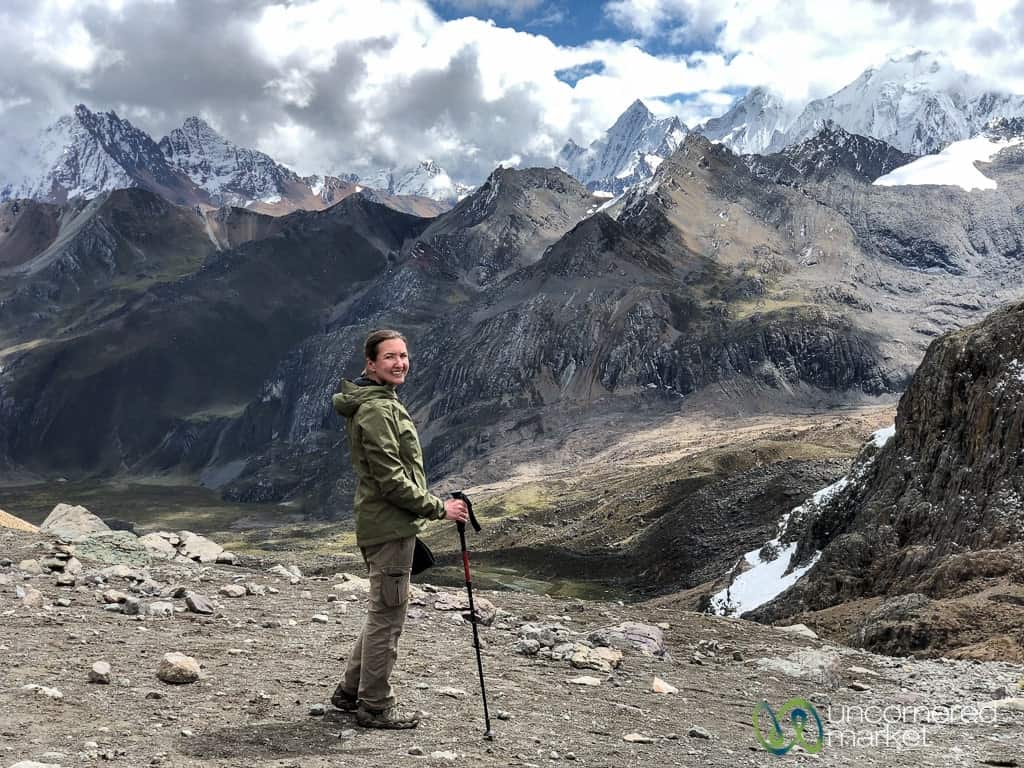
A pervasive myth within the outdoor adventure community is that participants must purchase an entirely new suite of equipment prior to departure. Data from international trekking routes—ranging from the Annapurna Circuit in Nepal to the Huayhuash Trek in Peru—demonstrate that local rental infrastructure can provide heavy or specialized items at a fraction of retail cost.

For instance, items such as high-altitude sleeping bags, specialized gaiters, and heavy waterproof shells are frequently underutilized during standard global travel itineraries. Renting these assets locally upon arrival in trekking hubs not only reduces international baggage weight and transit costs but also stimulates regional economies by supporting local outfitters. Industry analysts note that rental markets in established trekking destinations have matured significantly, offering rigorous quality control and modern safety gear that meets international standards.
Equipment Selection: Backpacks, Footwear, and Shelter
Selecting the appropriate load-bearing infrastructure is foundational to preventing injury and physical exhaustion. Modern hiking backpacks incorporate ergonomic suspension systems designed to transfer weight directly to the hips, thereby reducing strain on the lumbar spine and shoulders. Studies in sports medicine indicate that carrying more than twenty percent of one’s body weight over steep inclines significantly increases the risk of musculoskeletal strain. Consequently, capacity selection should be strictly calibrated to the duration of the trek and the availability of support infrastructure, such as porter services or staffed teahouses.
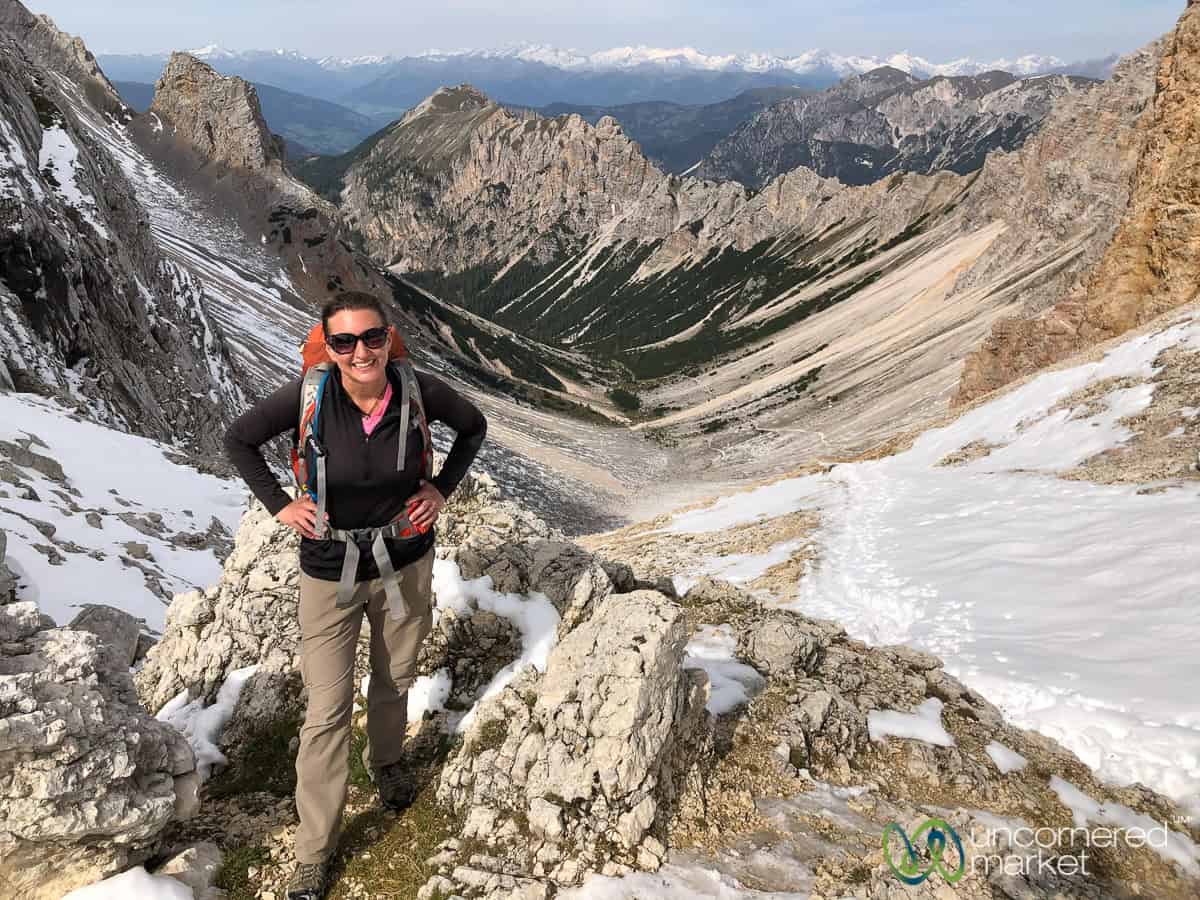
Footwear remains the single most critical investment for any outdoor expedition. While high-top mountaineering boots are essential for technical climbing and heavy-load expeditions, modern low- or mid-cut hiking shoes featuring advanced lug patterns and waterproof membranes are increasingly favored for standard trekking routes. Proper footwear break-in periods—typically spanning several weeks prior to departure—are mandatory to mitigate the formation of debilitating friction blisters.

Environmental Responsibility and Sustainable Trail Management
The exponential growth of backcountry tourism has introduced significant ecological pressures to fragile alpine and jungle ecosystems. Land management agencies and environmental organizations have repeatedly highlighted the crisis of single-use plastic accumulation in remote villages and high-altitude passes.

Modern trekking protocols strongly discourage the purchase of bottled water in favor of reusable vessels paired with advanced filtration technologies. Ultraviolet purification devices, chemical sterilization drops, and hollow-fiber membrane filters allow travelers to safely consume local water sources while drastically reducing plastic waste. Additionally, adherence to Leave No Trace principles ensures that organic waste, packaging materials, and human waste are managed responsibly to preserve the structural integrity of natural habitats for future generations.
Comprehensive Checklist and Implementation
Preparation for an extended trek requires systematic verification of all safety, navigation, and survival components. Industry standards dictate that a complete preparedness kit must encompass four primary categories:
- Load Management: Ergonomically fitted backpacks ranging from 24 to 48 liters, accompanied by high-durability waterproof covers and internal dry sacks.
- Apparel and Weather Protection: Quick-drying synthetic or merino wool base layers, insulated down jackets rated for specific regional temperatures, and certified waterproof outer shells.
- Health and Safety: Comprehensive first-aid supplies, blister prevention agents, broad-spectrum sun protection rated SPF 50 or higher, and emergency illumination tools such as high-lumen headlamps.
- Nutrition and Hydration: High-density caloric snacks, reliable water purification systems, and electrolyte supplementation to prevent hyponatremia during sustained exertion.
By adhering to data-driven packing principles, prioritizing multi-use functionality, and leveraging local resources, outdoor enthusiasts can successfully execute complex trekking itineraries while maintaining optimal physical conditioning and environmental stewardship.
Related posts: