Navigating Pandemic Travel: A Comprehensive Guide to Risk Management, Mindful Itineraries, and Adaptive Planning in the COVID-19 Era

The resurgence of global mobility amid the ongoing COVID-19 pandemic has forced travelers, tourism boards, and governments to reevaluate the mechanics of international and domestic journeys. When experienced travel advocates and writers Audrey Scott and Dan Scott planned a trip from Berlin, Germany, to the Italian Dolomites to commemorate their 20th wedding anniversary, their decision-making process mirrored the broader anxieties of a world attempting to balance public health directives with a pent-up demand for exploration. Their experience highlights a paradigm shift in modern tourism: travel is no longer just about logistics and destination appeal, but about calculated risk assessment, civic responsibility, and psychological adaptability.
Background Context and Evolution of Pandemic Travel Restrictions
In the early phases of the pandemic, international travel ground to an unprecedented halt, resulting in a devastating economic contraction for the global tourism sector. According to data from the United Nations World Tourism Organization (UNWTO), international tourist arrivals plummeted by over 70% in 2020, costing the global economy trillions of dollars in lost export revenues. Small and medium-sized enterprises—hotels, family-run guesthouses, local restaurants, and independent tour operators—bore the heaviest burden.
As global vaccination campaigns rolled out and countries implemented standardized health credentials, such as the EU Digital COVID Certificate, travel guidelines evolved from absolute border closures to conditional entry requirements. Travelers faced a complex matrix of mandates: mandatory pre-departure testing, vaccination verifications, passenger locator forms, and localized quarantine rules. Navigating this dynamic regulatory environment required a shift from spontaneous travel planning to meticulous, data-driven research.
Methodology for Risk Assessment and Destination Selection

For travelers operating in a pandemic environment, risk management begins long before departure. Public health agencies, including the World Health Organization (WHO) and the Centers for Disease Control and Prevention (CDC), consistently emphasize that the risk of COVID-19 transmission correlates directly with population density, ventilation, and the duration of close contact. Consequently, effective trip planning requires monitoring infection rates, hospital capacity, and vaccination coverage in target destinations.
When the Scotts planned their itinerary, they established a rigorous set of criteria to govern their choices:
- Destination Health Metrics: Selecting regions with stable or declining case numbers and high regional vaccination rates.
- Regulatory Compliance: Ensuring seamless re-entry into Germany without mandatory institutional quarantines, verified through official government channels.
- Contingency Planning: Identifying secondary and tertiary alternative destinations in the event of sudden policy shifts, localized lockdowns, or adverse weather conditions.
Industry analysts note that this level of contingency planning has become a permanent fixture for corporate and leisure travelers alike. The mantra of modern travel planning is simple: plan thoroughly, but remain psychologically prepared to cancel or pivot at a moment’s notice.
The Shift Toward Outdoor Recreation and Secondary Destinations
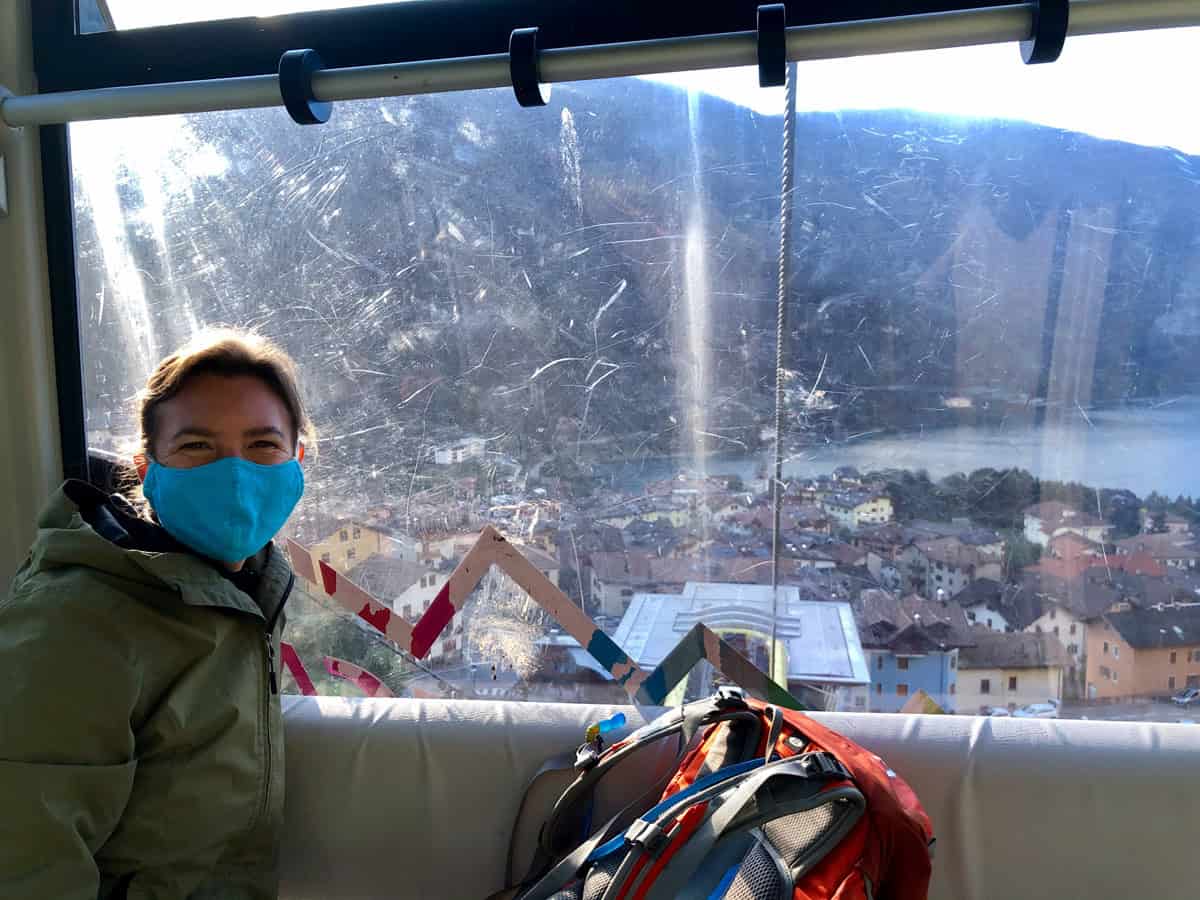
One of the most notable structural changes in tourism trends during the pandemic has been the exponential rise in nature-based, outdoor recreation. Epidemiological studies consistently demonstrate that outdoor transmission rates are significantly lower than indoor equivalents due to natural air circulation.
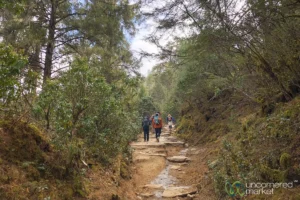
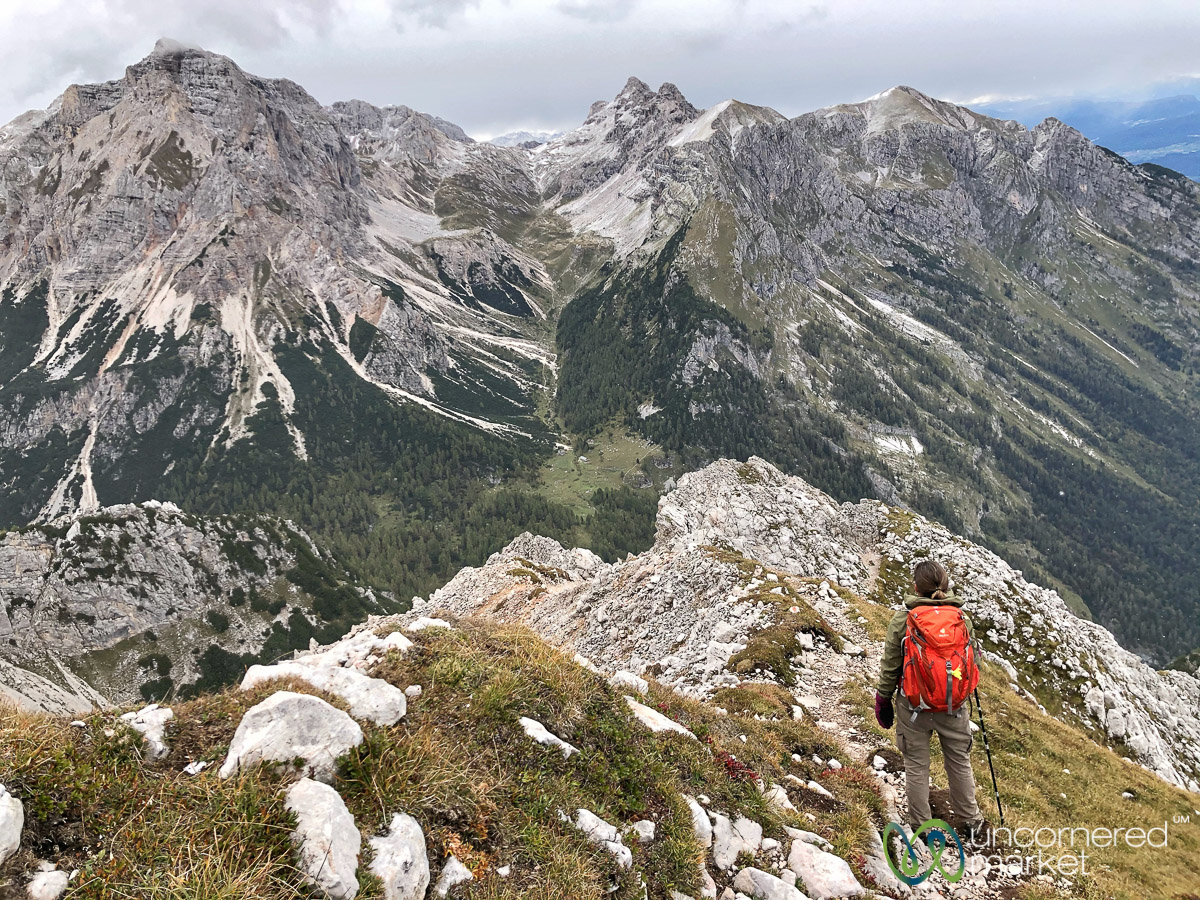
Rather than visiting densely packed urban centers or heavily commercialized tourist hotspots, the Scotts and many contemporary travelers redirected their itineraries toward remote wilderness areas, long-distance hiking trails, and secondary cities. By choosing challenging, lesser-known routes—such as the Piz Galin trail in the Dolomiti Paganella region rather than heavily photographed marquee peaks—travelers successfully minimized interpersonal contact while enhancing their physical and mental well-being.

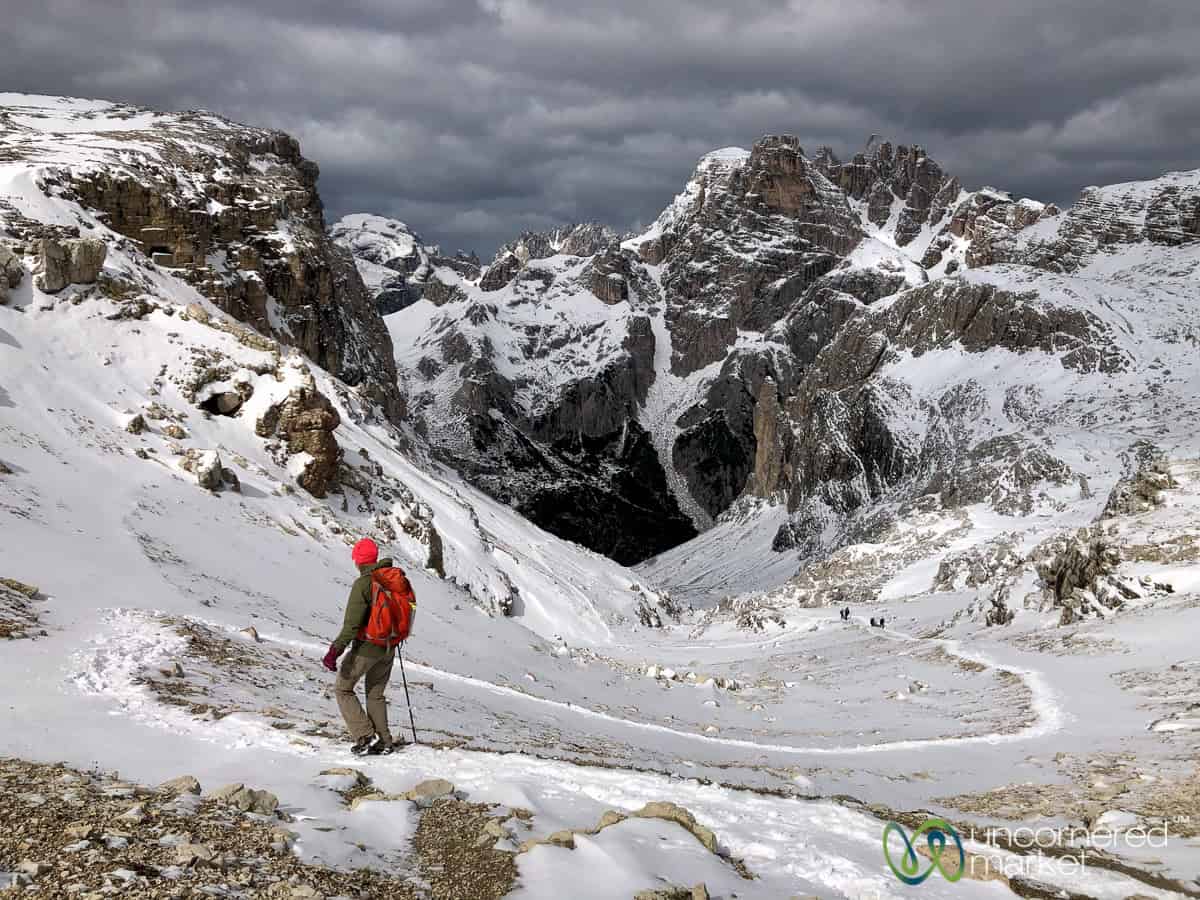
This decentralization of tourism offers a dual benefit: it protects individual health by facilitating natural social distancing, and it distributes economic benefits away from over-touristed hubs to struggling rural communities. Furthermore, traveling during shoulder and off-seasons—such as late September and early October—amplifies these benefits by ensuring lower visitor numbers, reduced congestion on public infrastructure, and fairer pricing structures.
Logistical Adaptation: Transportation, Accommodation, and Dining
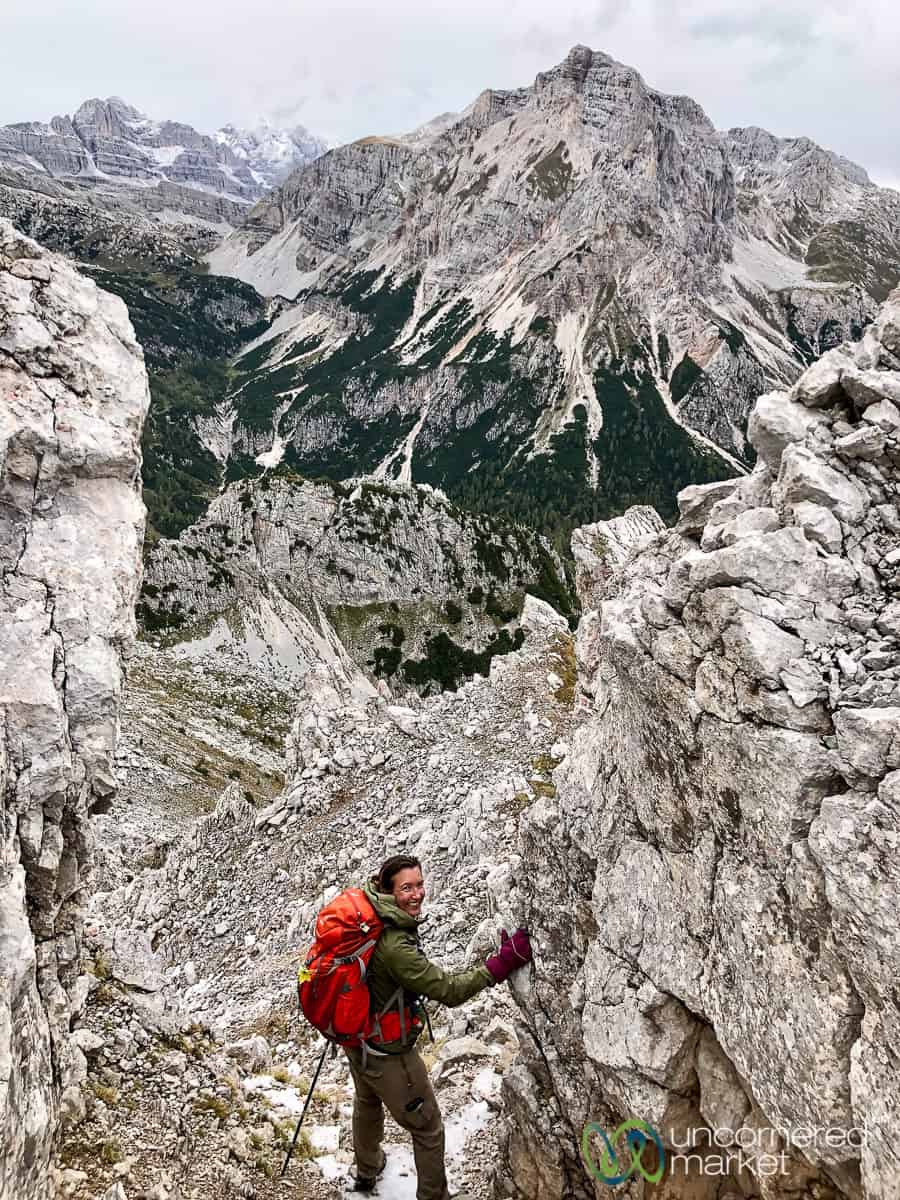
The mechanics of transit during a pandemic require strict adherence to public health protocols. While public transportation networks remain vital arteries for global mobility, private transport—such as rental vehicles—gained favor among risk-conscious travelers seeking to limit exposure in enclosed, shared spaces.
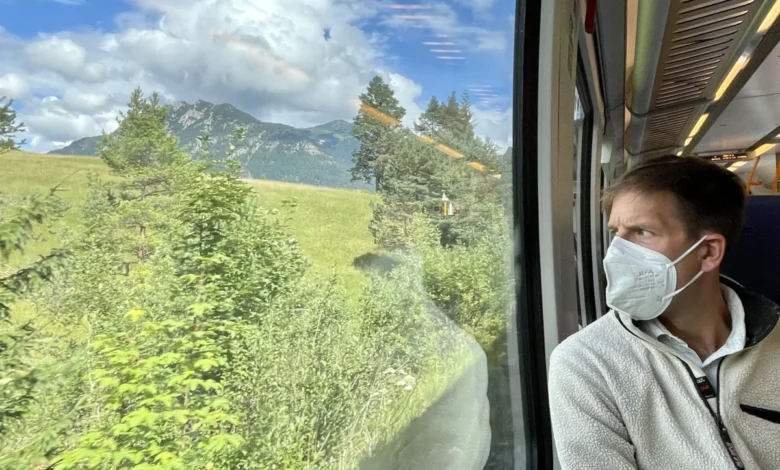
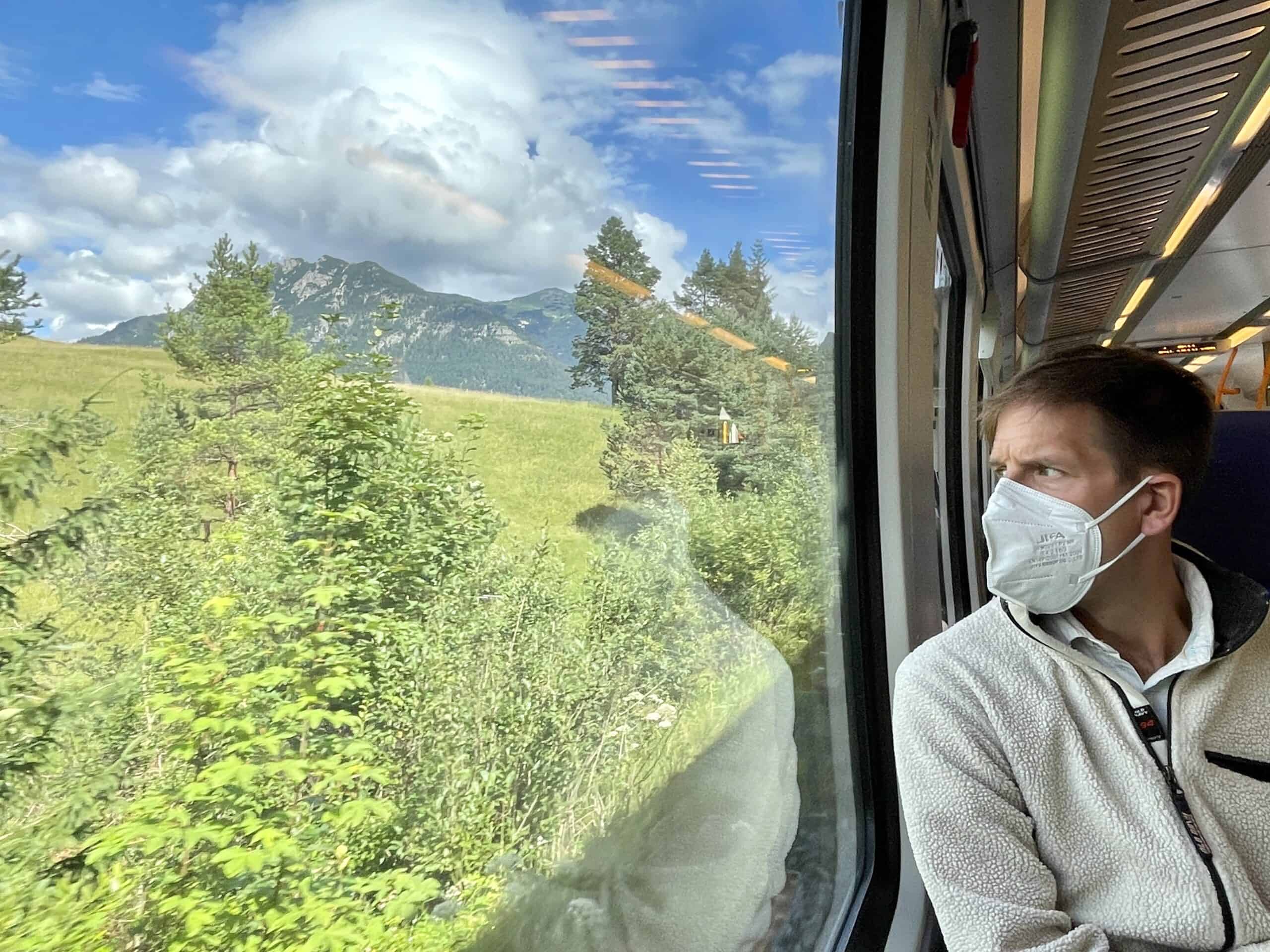
When public or shared transit is unavoidable, compliance with mask mandates is paramount. Public health data underscores the efficacy of high-filtration respirators, such as KN95 or FFP2 masks, over standard cloth face coverings, particularly during long-duration journeys in confined cabins like trains or aircraft.

In the hospitality and culinary sectors, structural adaptations have transformed daily operations:
- Direct Booking: Encouraging travelers to book accommodations directly with local providers rather than through third-party platforms preserves profit margins for small businesses struggling to recover operational capital.
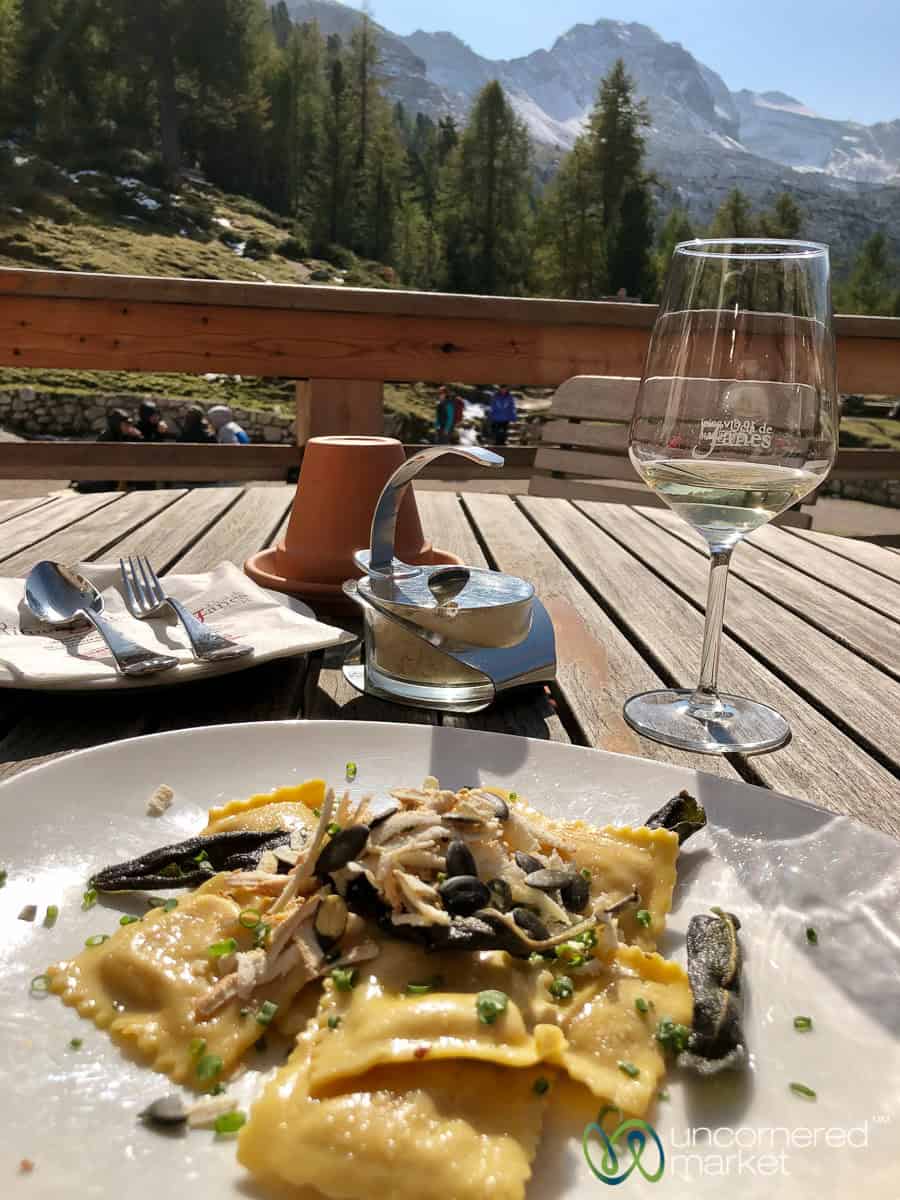
- Self-Catering and Open-Air Dining: Prioritizing accommodations with self-catering facilities and choosing outdoor restaurant seating—or dining during off-peak hours—drastically reduces indoor exposure risks.
- De-escalating "Hygiene Theater": Public health experts caution against relying solely on intensive chemical disinfection regimens ("hygiene theater"), noting that while cleanliness is important, mitigating airborne transmission through ventilation, masking, and crowd control remains the primary line of defense.
Psychological Resilience, Expectations, and the Mindset of Modern Tourism
Beyond logistical and health protocols, navigating travel during a global health crisis tests psychological resilience. Unpredictable weather, sudden regulatory adjustments, and altered service standards can easily induce frustration. Behavioral analysts suggest that traveler satisfaction is directly proportional to expectation management.
When adverse conditions arise—whether unexpected rainstorms in mountain passes, transit delays due to border checks, or sudden policy updates—travelers who maintain cognitive flexibility report higher levels of fulfillment. Conversely, rigid adherence to idealized pre-pandemic itineraries frequently leads to acute disappointment.

The integration of post-trip protocols, such as voluntary self-quarantine or rapid antigen testing upon return, further illustrates a mature approach to modern mobility. By taking proactive steps to protect their local communities from asymptomatic transmission, travelers demonstrate a commitment to collective well-being that extends beyond the duration of the trip itself.
Broader Implications for the Future of Global Tourism
The lessons learned during the acute phases of the COVID-19 pandemic have left an indelible mark on the travel industry. The emphasis on sustainability, support for local economies, transparent cancellation policies, and health-conscious itineraries is expected to endure long after the pandemic subsides.
Ultimately, responsible travel in the modern era requires a delicate equilibrium: honoring the deep human desire for exploration and cultural connection while exercising rigorous responsibility toward oneself and the communities visited. By replacing entitlement with gratitude, and rigidity with adaptability, travelers can navigate uncertainty without sacrificing the transformative joy of discovery.