Cyprus Beyond the Beach: A Comprehensive Guide to the Island’s Emerging Status as a Premier Hiking Destination

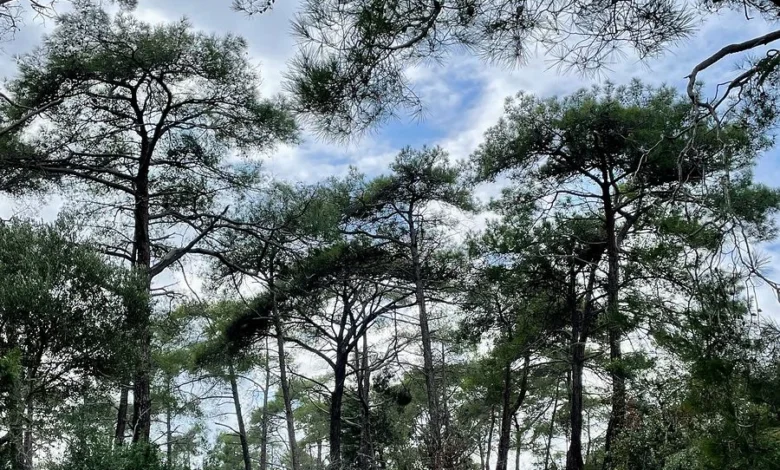
For decades, the Mediterranean island of Cyprus has been synonymous with mass-market tourism, defined largely by its coastal resorts, sun-drenched beaches, and seasonal party culture. However, recent shifts in travel demographics and a growing interest in active, nature-based tourism have prompted a re-evaluation of the island’s geographical potential. Beyond the sand and surf lies a complex topography characterized by the rugged Troodos Mountain range, deep limestone gorges, and protected forest parks that offer a sophisticated, year-round network of hiking trails.
The Shift Toward Active Tourism
Data from the Deputy Ministry of Tourism in Cyprus indicates a strategic pivot toward promoting the island as an all-season destination. This initiative focuses on the “interior” experience, utilizing the island’s geological diversity to attract hikers, cyclists, and eco-tourists. The island’s unique geology—featuring the Troodos ophiolite, a rare exposure of oceanic crust—provides a scientific and aesthetic draw for international trekkers.
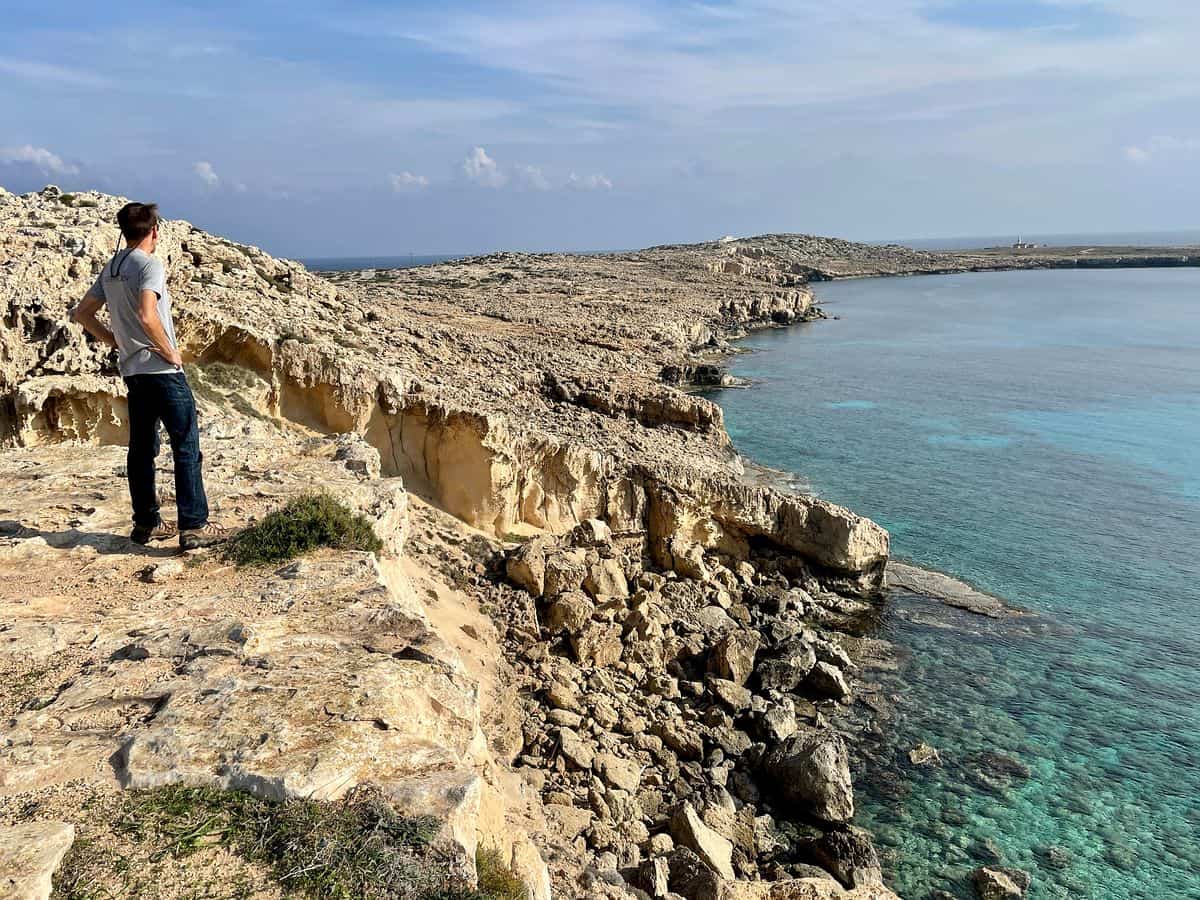
The movement toward hiking is not merely a branding exercise but a response to changing consumer behaviors. Post-2020, travel trends have shifted toward outdoor, low-density activities. Consequently, the government has invested in the maintenance of European Long Distance Path E4, which traverses the island, connecting the Akamas Peninsula in the west to Cape Greco in the east.
Chronology of Trail Development and Accessibility
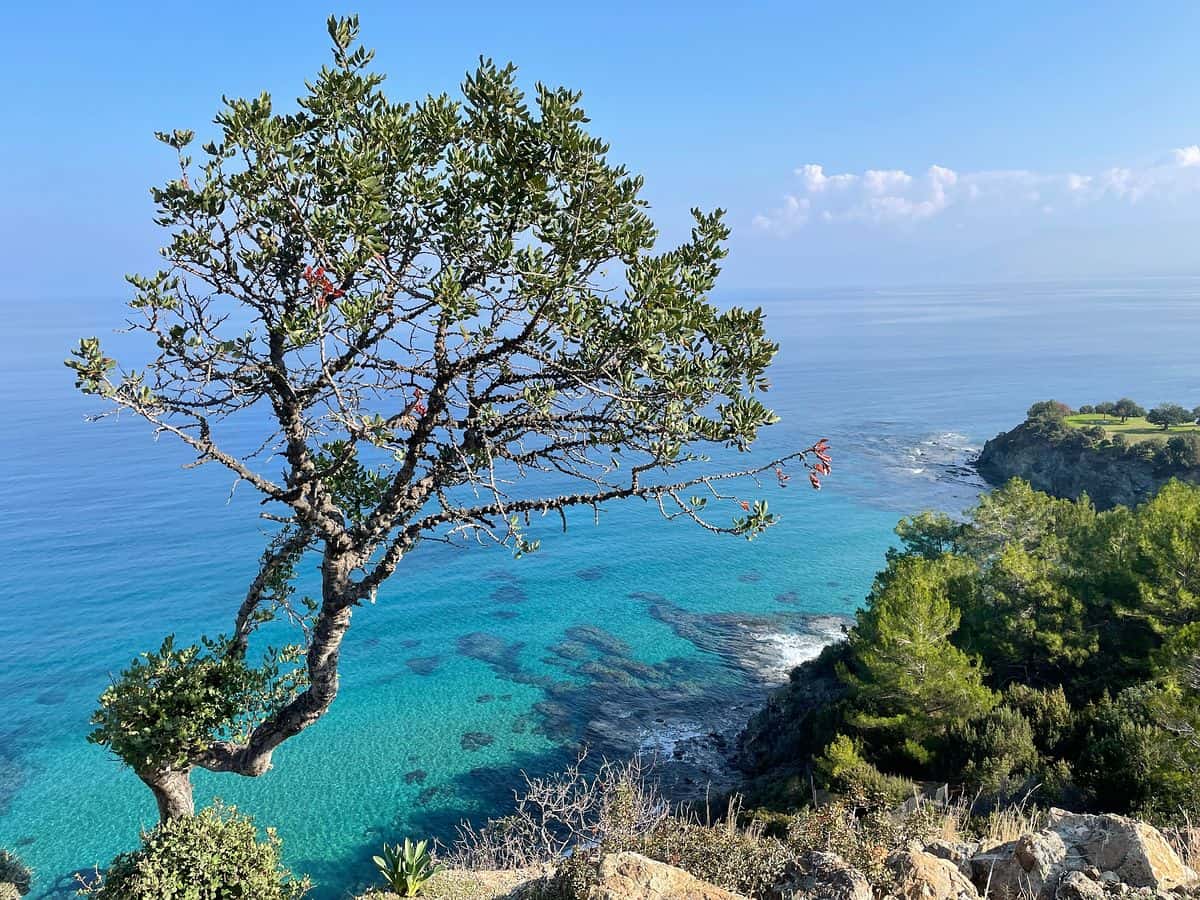
The development of formal hiking infrastructure in the Republic of Cyprus began in earnest in the early 2000s, driven by the Department of Forests. The strategy was to delineate paths that could showcase endemic flora, such as the Cyprus Cedar and the endemic Golden Oak.
- 2005-2010: Establishment of the core signage network in the Troodos National Forest Park.
- 2015: Expansion of coastal trail markers in the Akamas Peninsula to manage foot traffic and protect fragile ecosystems.
- 2020-Present: Integration of digital mapping resources, with the Ministry providing GPX coordinates for major routes to improve safety and accessibility for independent travelers.
Key Geographical Highlights
The diversity of the Cypriot landscape allows for a multi-faceted hiking itinerary that can be completed within a single week.
The Akamas Peninsula and the Aphrodite Loop
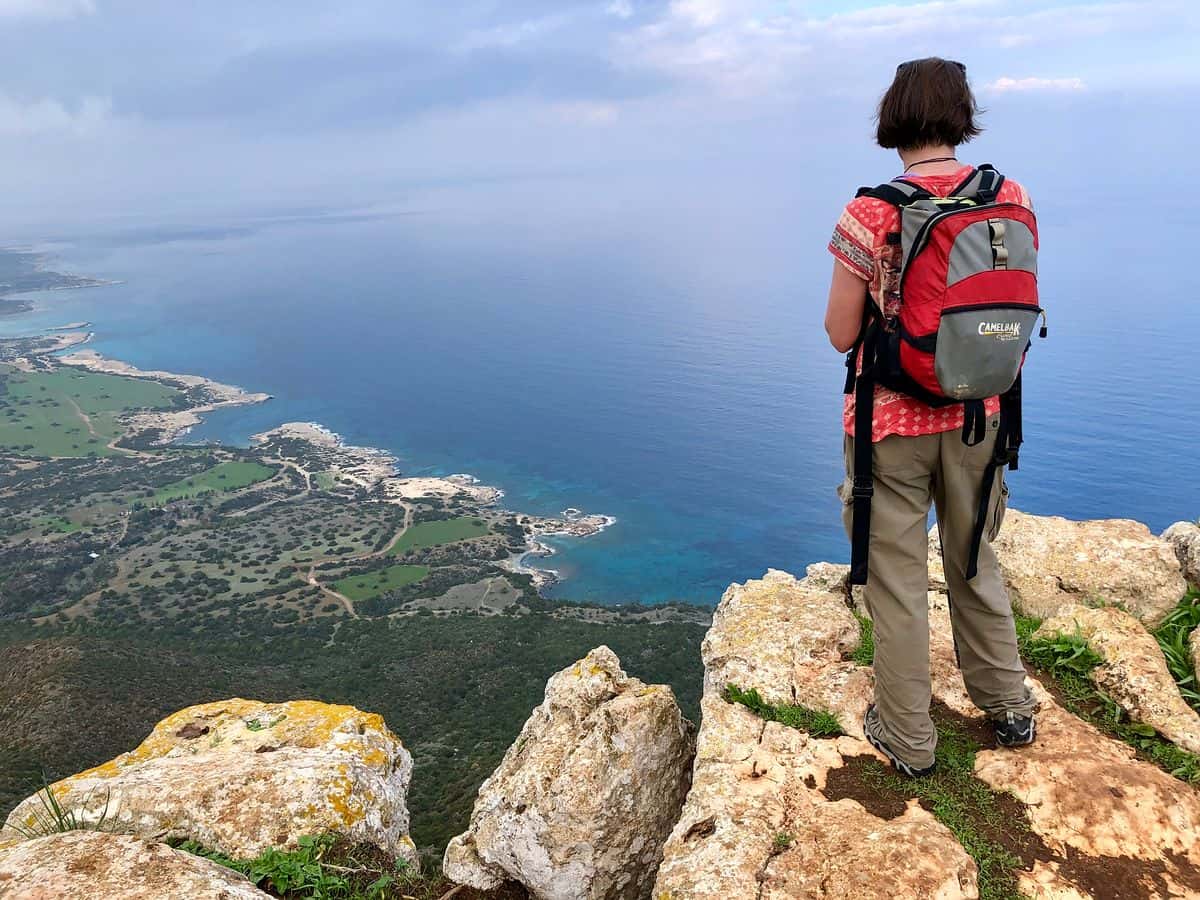
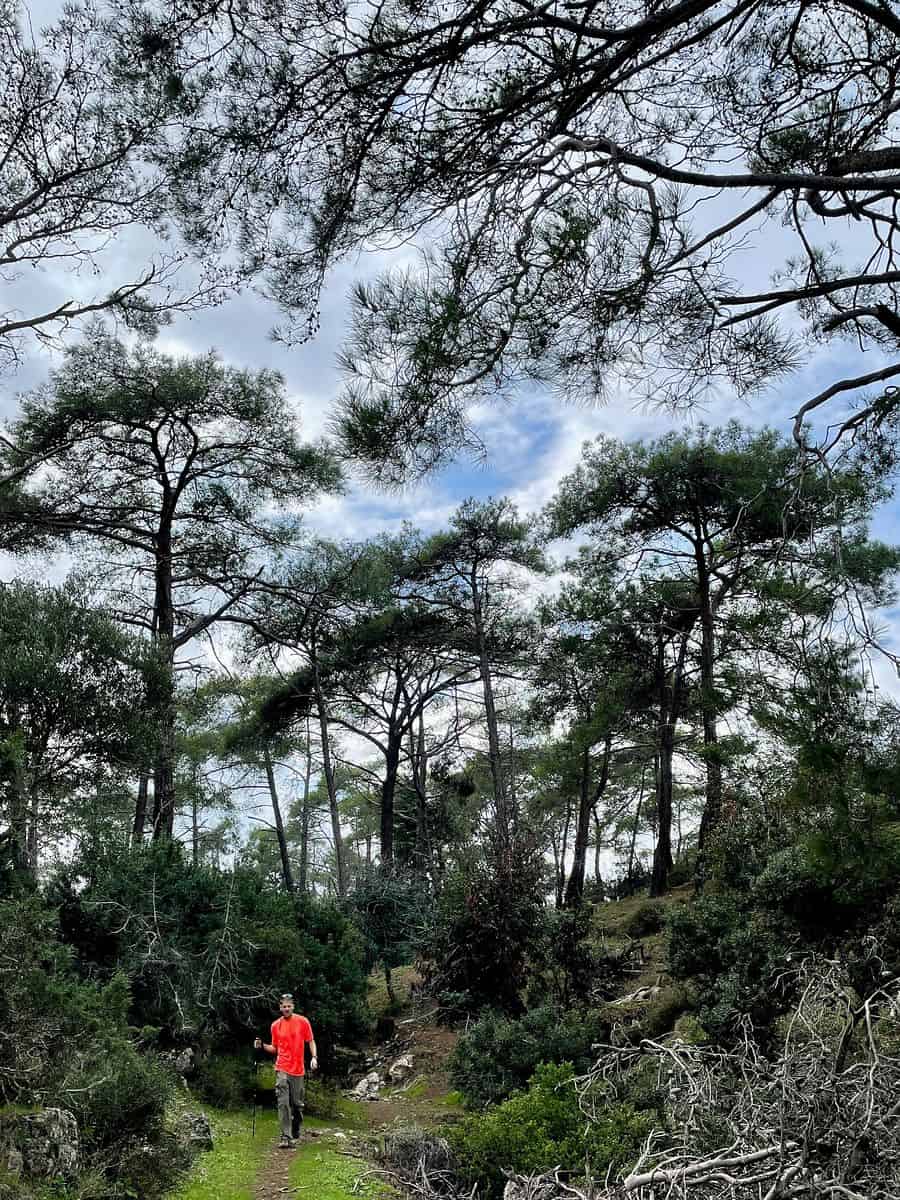
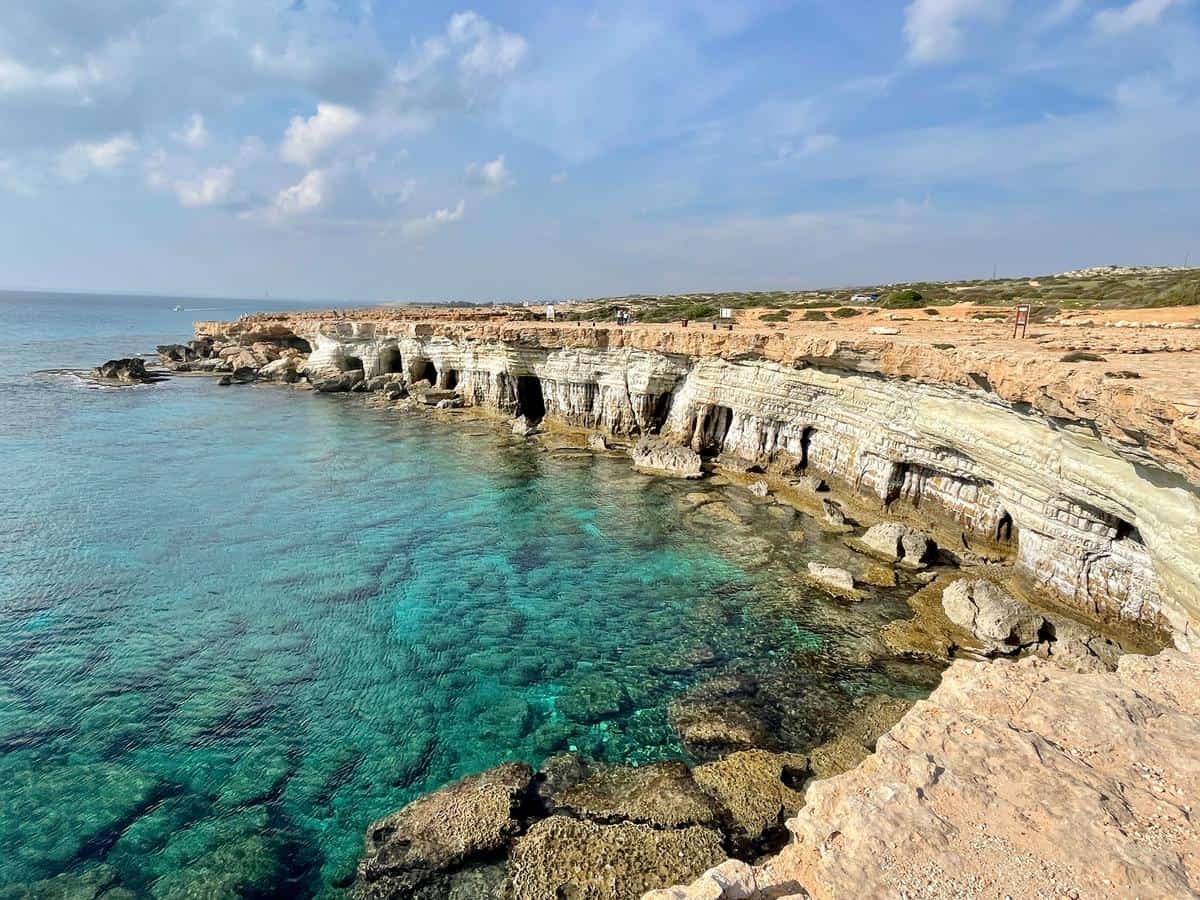
Located on the northwestern tip of the island, the Akamas Peninsula remains one of the few undeveloped coastal regions. The Aphrodite Loop, a 7.5-kilometer trail, serves as the primary route here. It offers significant elevation changes, providing panoramic views of the Chrysochou Bay. The geological importance of this area cannot be overstated; it is a protected Natura 2000 site, housing rare species of reptiles and migratory birds.
The Avakas Gorge
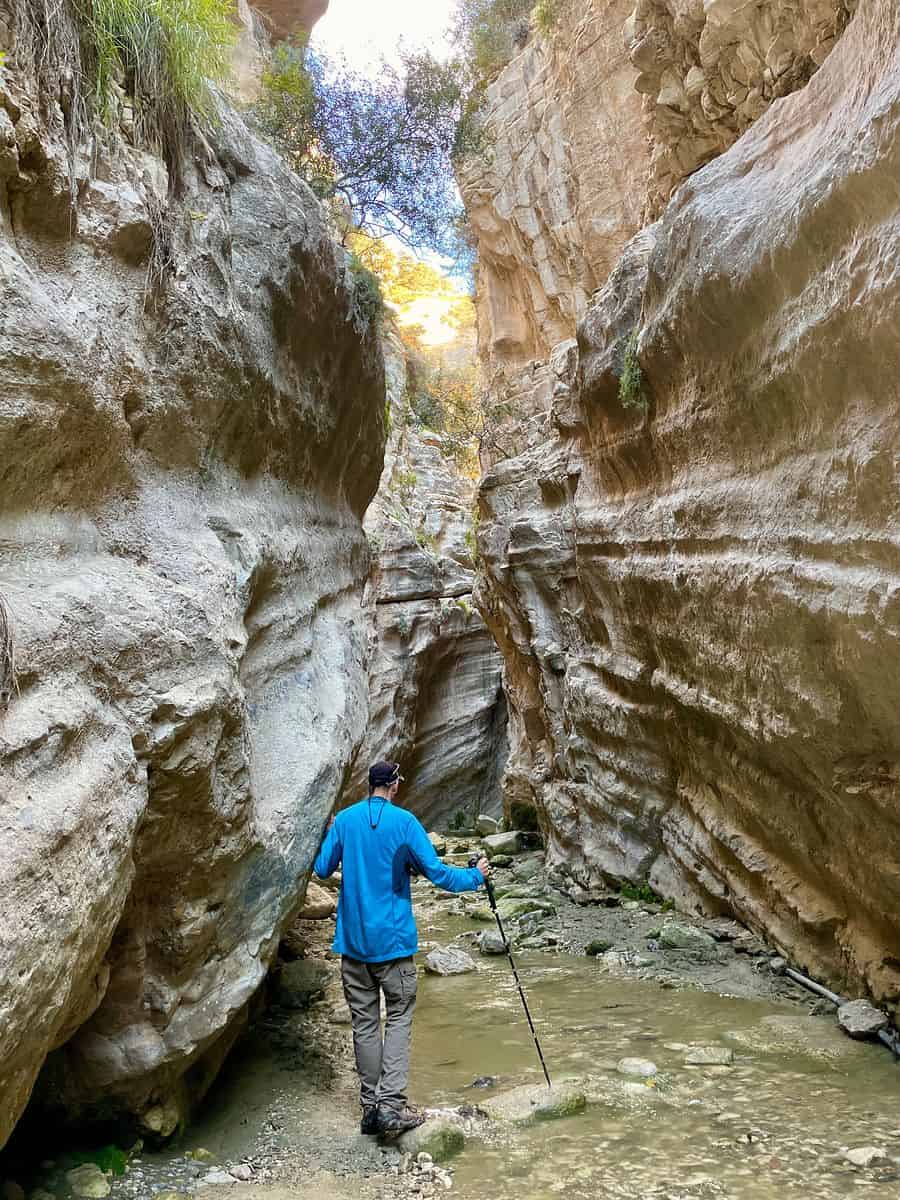
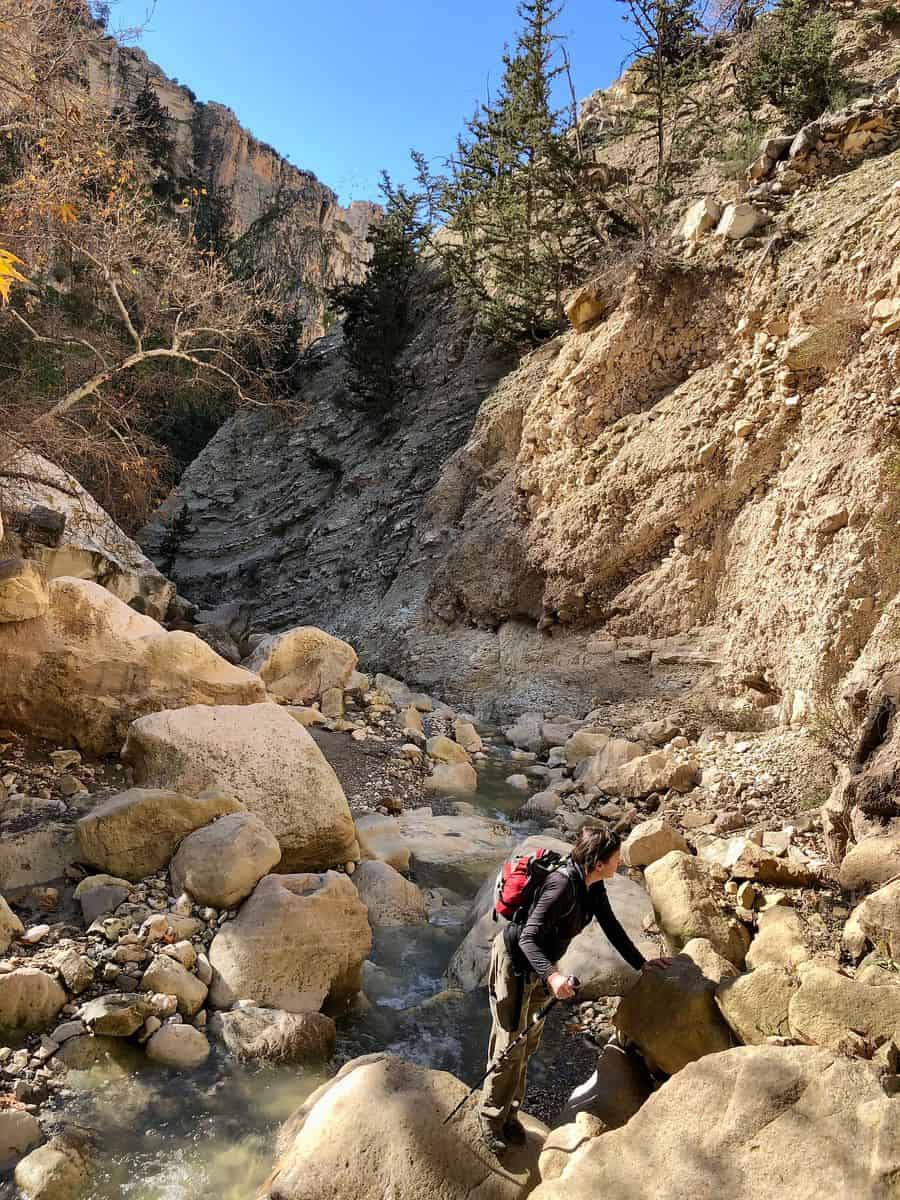
For those seeking a more technical challenge, the Avakas Gorge represents the most dramatic geological feature on the western coast. The gorge, carved by the Avgas River through limestone, creates a natural tunnel with walls reaching heights of up to 30 meters. Hydrological reports suggest that seasonal flash flooding is the primary architect of this landscape, necessitating strict warnings for hikers during winter months.
The Troodos Massif: Mount Olympus
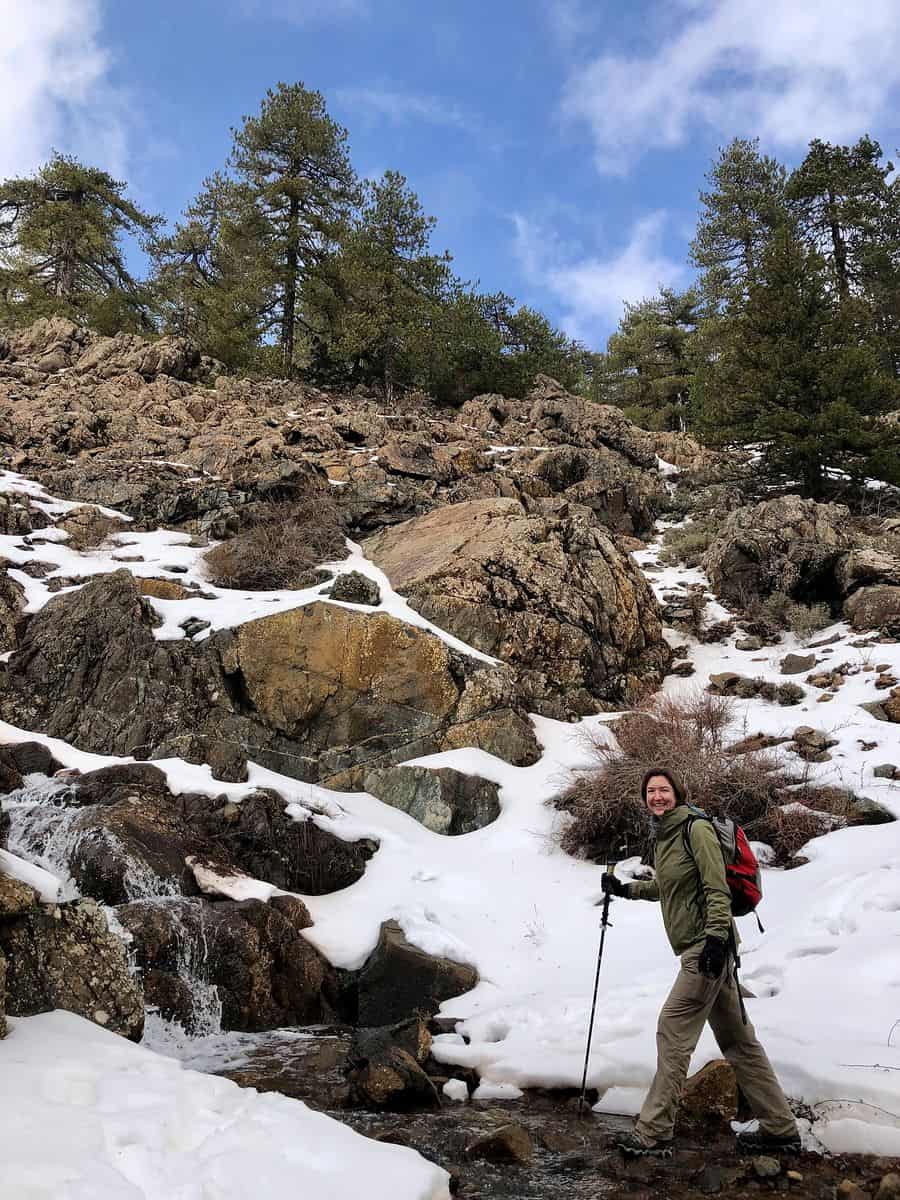
The Troodos Mountains represent the "spine" of the island. Unlike the coastal trails, this region features alpine conditions. During the winter months—typically from December to March—the summit of Mount Olympus receives significant snowfall, turning the area into a dual-purpose destination for both skiing and winter hiking. The Atalante Trail, an 8-kilometer circular route, is the preferred path for experienced trekkers, offering a high-altitude forest experience that contrasts sharply with the Mediterranean climate of the lowlands.

Infrastructure and Logistics: A Practical Assessment
The viability of a hiking-focused trip to Cyprus relies heavily on logistical planning. While the public bus network provides access to major hubs like Nicosia, Limassol, and Paphos, access to specific trailheads often requires a private vehicle.

The rental car industry in Cyprus remains highly competitive, with a well-maintained road network connecting the urban centers to the rural highlands. However, authorities advise that drivers exercise caution. Traffic in Cyprus moves on the left, a legacy of the British colonial period, which can pose a challenge to visitors from mainland Europe or the United States. Furthermore, the reliance on GPS navigation in rural areas like the Akamas Peninsula can be misleading; outdated map data often directs vehicles onto unpaved, restricted forest tracks. Local authorities recommend using designated forestry roads and adhering strictly to marked trailheads.
Seasonal Impacts and Environmental Sustainability
The timing of a hiking expedition is critical to both safety and enjoyment.

- Spring (March to May): Regarded as the optimal season for hiking. Temperatures are moderate, and the island’s flora—including over 1,900 species of plants, roughly 10% of which are endemic—is in full bloom.
- Summer (June to September): Often discouraged for strenuous hiking due to temperatures frequently exceeding 35°C (95°F). Heat exhaustion is a documented risk for unprepared tourists.
- Winter (December to February): Ideal for coastal hikes, though mountain routes require specialized gear. The variability of the weather in the Troodos region can lead to sudden temperature drops and visibility issues.
Economic and Environmental Implications
The transition of Cyprus toward a "hiking destination" has significant socio-economic implications. By dispersing tourists away from the coastal "resort strip," the tourism sector aims to support rural village economies. Villages such as Kakopetria and Omodos have seen a resurgence in interest as they serve as base camps for hikers exploring the Troodos region.
From an environmental standpoint, the increased foot traffic necessitates a rigorous "Leave No Trace" policy. The fragility of the island’s ecosystem, particularly in the Akamas Peninsula, has led to ongoing debates regarding the construction of roads and tourism infrastructure. Environmental advocacy groups, such as the Friends of the Earth Cyprus, have consistently lobbied for the preservation of these trails, emphasizing that the economic value of the island’s natural capital far outweighs the short-term gains of intensive development.

Conclusion
Cyprus offers a unique proposition in the Mediterranean travel market. It provides a rare combination of accessible alpine hiking and rugged coastal exploration within a confined geographic space. For the modern traveler, the island’s value no longer rests solely on its beaches but on its ability to provide a diverse, year-round, and physically engaging experience. As the infrastructure continues to mature, Cyprus is effectively rebranding itself from a seasonal sun-destination to a robust, year-round hub for international hiking and outdoor exploration. Travelers planning an excursion should prioritize environmental stewardship and thorough preparation, ensuring that the island’s natural landscapes remain as preserved as its ancient history.