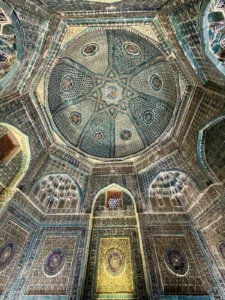
Navigating Uzbekistan: Essential Guidelines and Observations for Modern Travelers


Uzbekistan has emerged as one of Central Asia’s most sought-after cultural destinations, drawing global interest for its pristine Silk Road architecture, intricate turquoise mosaics, and centuries-old handicraft traditions. Following an extensive solo expedition across Tashkent, Samarkand, Bukhara, and Khiva—supplemented by regional excursions into Kazakhstan and Tajikistan—travel authorities and tourism analysts have compiled a comprehensive operational guide designed to optimize the visitor experience, dismantle prevailing misconceptions, and streamline logistical execution within the republic.

Logistical Infrastructure and Transportation Mechanics
A primary misconception among international travelers is that Uzbekistan remains an intimidating frontier destination requiring advanced expeditionary experience. In contrast to more saturated tourism hubs, visitors routinely report a seamless operational environment characterized by negligible violent crime and minimal street harassment. The country’s infrastructure successfully accommodates varying budget tiers, with mid-range hotel accommodations averaging $50 per night, urban taxi fares via ride-hailing applications ranging from $2 to $3, and restaurant dining costs between $6 and $8 per meal.

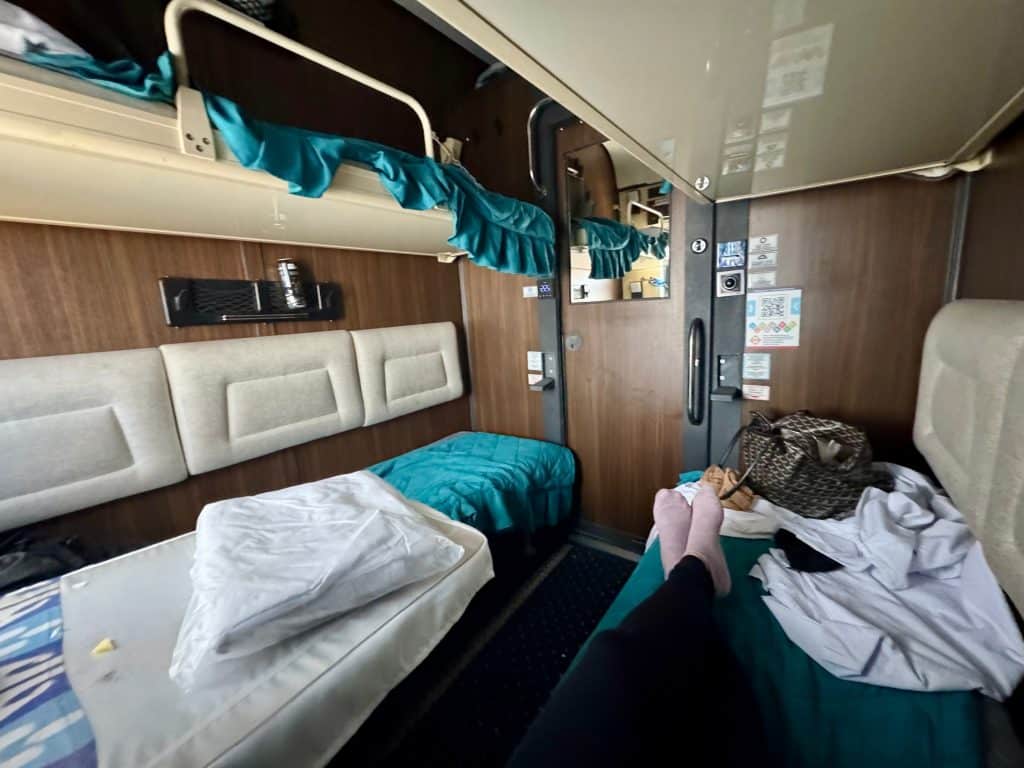
Despite the widespread affordability, punctuality and advanced planning are critical regarding domestic transit. Rail travel serves as the backbone of Uzbek transit networks, particularly the high-speed Afrosiyab trains connecting Tashkent, Samarkand, and Bukhara. Official data indicates that tickets for these high-speed corridors frequently sell out within hours of release, which typically occurs 45 to 60 days prior to departure. Travelers who fail to secure tickets through the state railway portal (railway.uz) often rely on licensed local travel agencies, though third-party markups can significantly elevate ticket costs.
For intra-city transit, the Yandex Go application functions as the dominant ride-hailing service, operating efficiently across major urban centers. Analysts strongly advise securing a local or regional eSIM prior to arrival to guarantee uninterrupted data connectivity for ride-hailing, digital navigation, and translation services. Furthermore, international visitors frequently encounter unexpected nuances regarding vehicular safety standards; standard taxi fleets rarely feature functional rear seatbelts, a cultural artifact reflecting regional driving norms where seatbelt usage is occasionally perceived as an implicit critique of the driver’s competence. Solo travelers often mitigate this by occupying the front passenger seat, where operational restraints are more commonly available.
Cultural Etiquette, Dress Codes, and Linguistic Realities
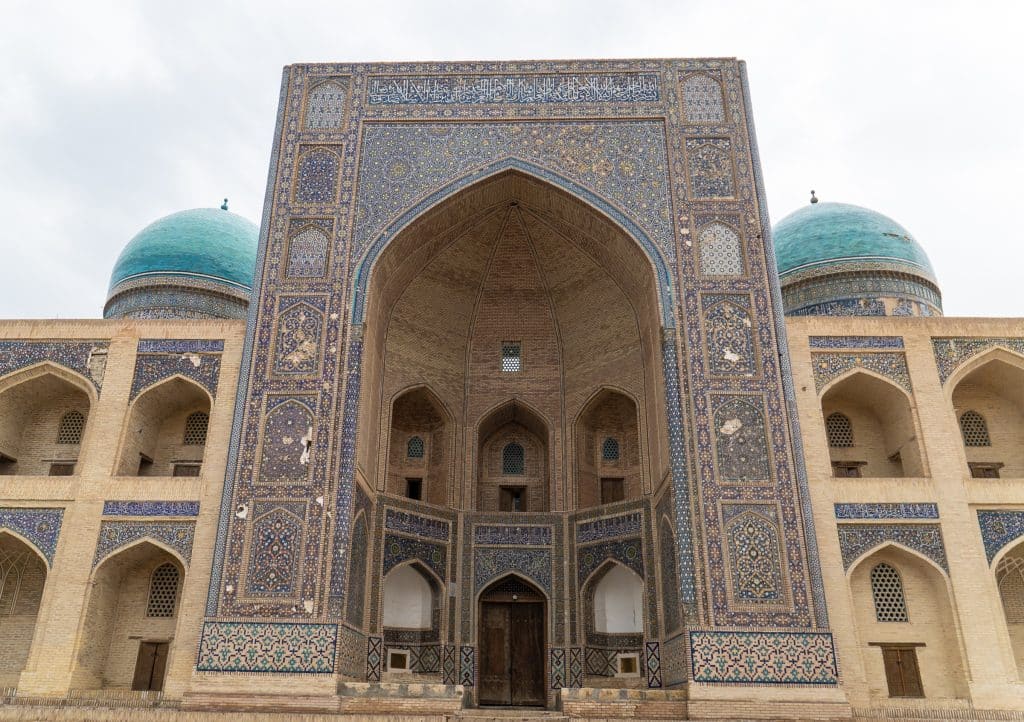
As a predominantly Muslim nation, Uzbekistan exhibits distinct social and cultural norms regarding public presentation. While mandatory head coverings are restricted to active religious sites, conservative dress standards are strongly observed. Local populations—ranging from traditional women in hijabs to professionals in modern Western attire—consistently avoid overly revealing garments, such as short shorts, crop tops, or plunging necklines. Observers note that foreign tourists who disregard these cultural sensitivities frequently isolate themselves from the local population.
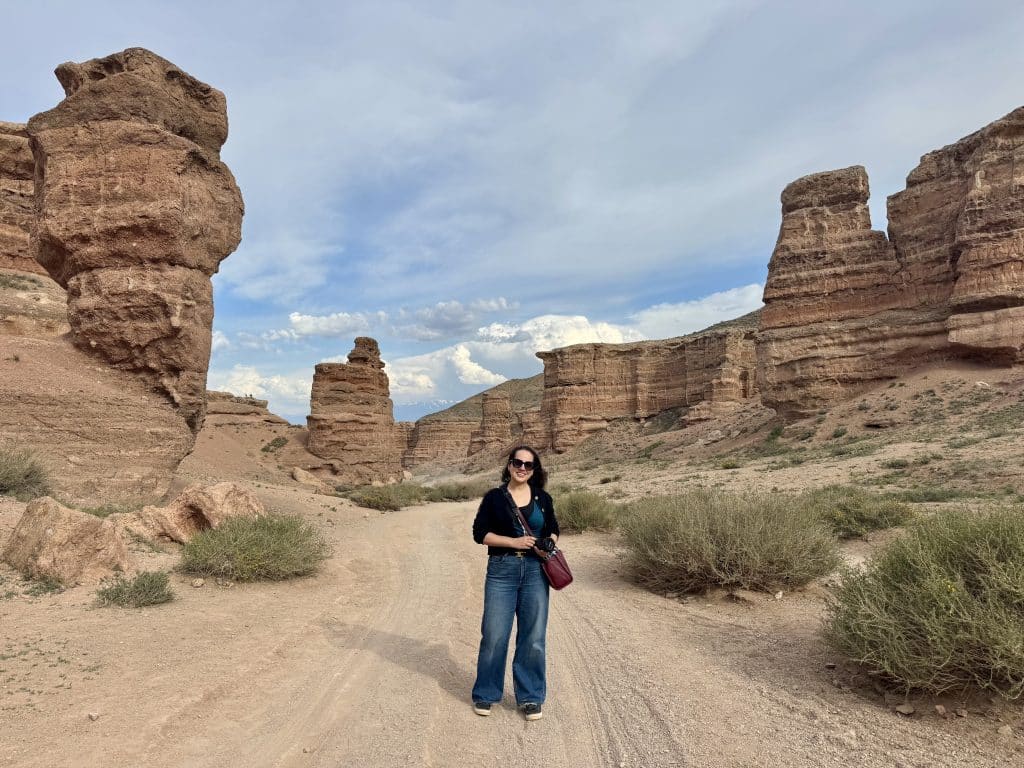
Linguistically, visitors should not anticipate widespread English proficiency outside of major hospitality establishments. Russian functions as the primary lingua franca, particularly among individuals over the age of forty and within rural sectors. Acquiring a foundational lexicon of Russian or utilizing digital translation software is strongly recommended for independent navigation.
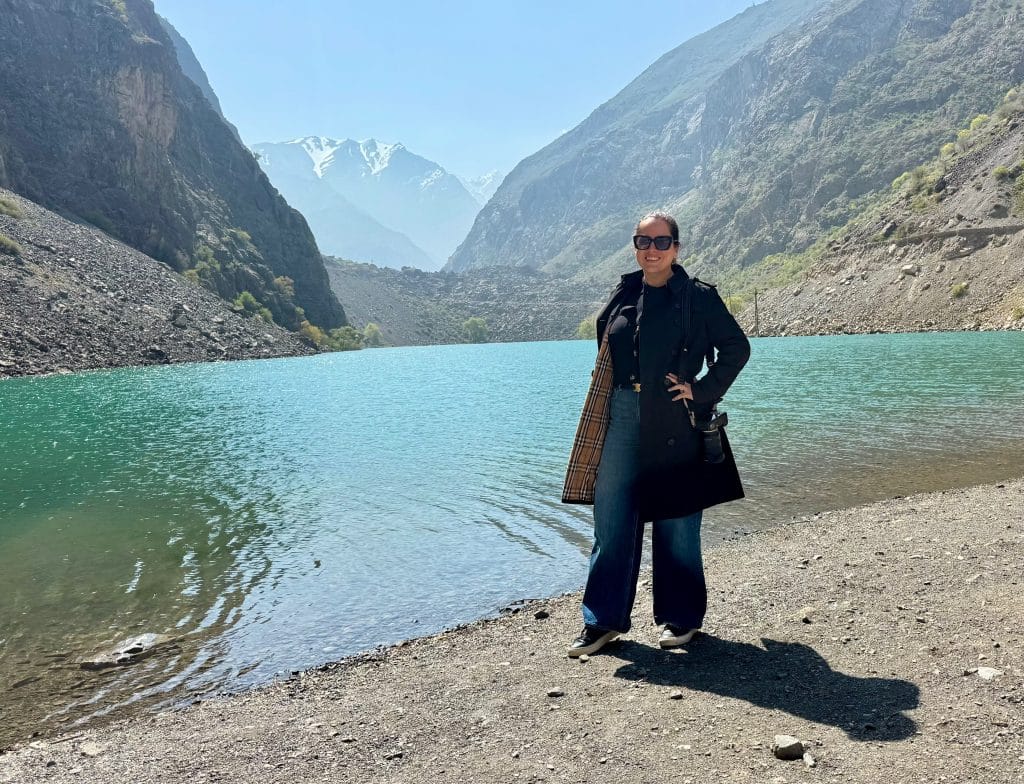
Financial Management and Connectivity Constraints
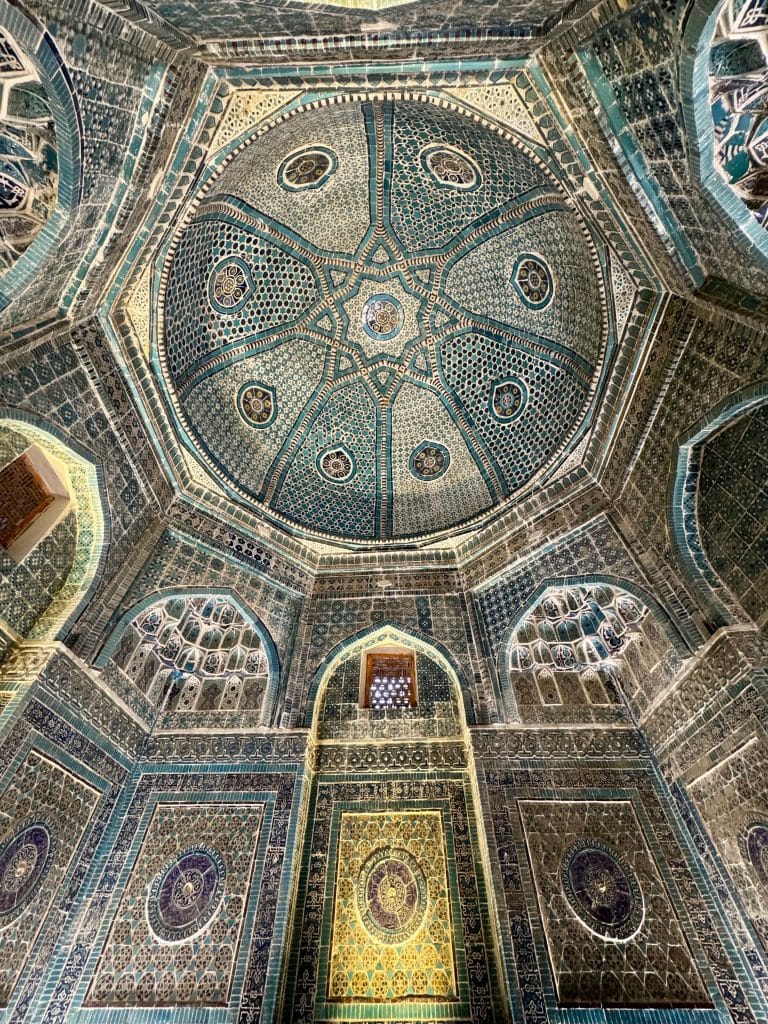
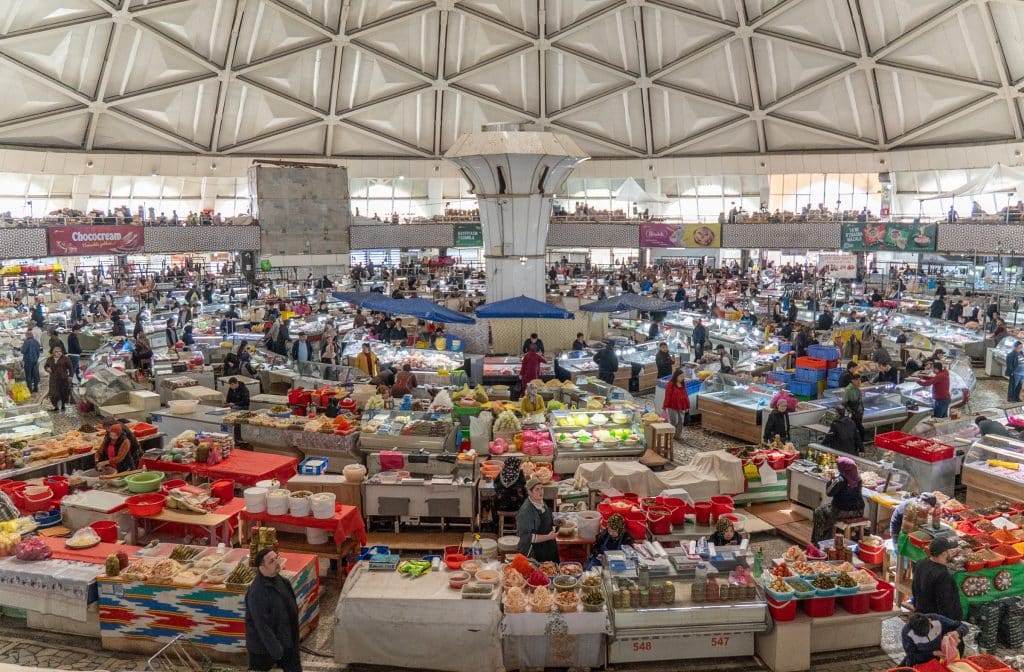
Financial transactions in Uzbekistan remain heavily dependent on physical currency, despite the growing presence of automated teller machines (ATMs) such as those operated by Kapitalbank. International credit cards are frequently incompatible with domestic services, most notably Uzbekistan Airways, which often rejects foreign-issued payment cards during direct online booking processes. Consequently, many travelers utilize authorized online travel agencies (OTAs) or secure physical currency upon arrival to manage local transactions, including accommodations and marketplace purchases.

Regional Itinerary Planning and Seasonal Considerations

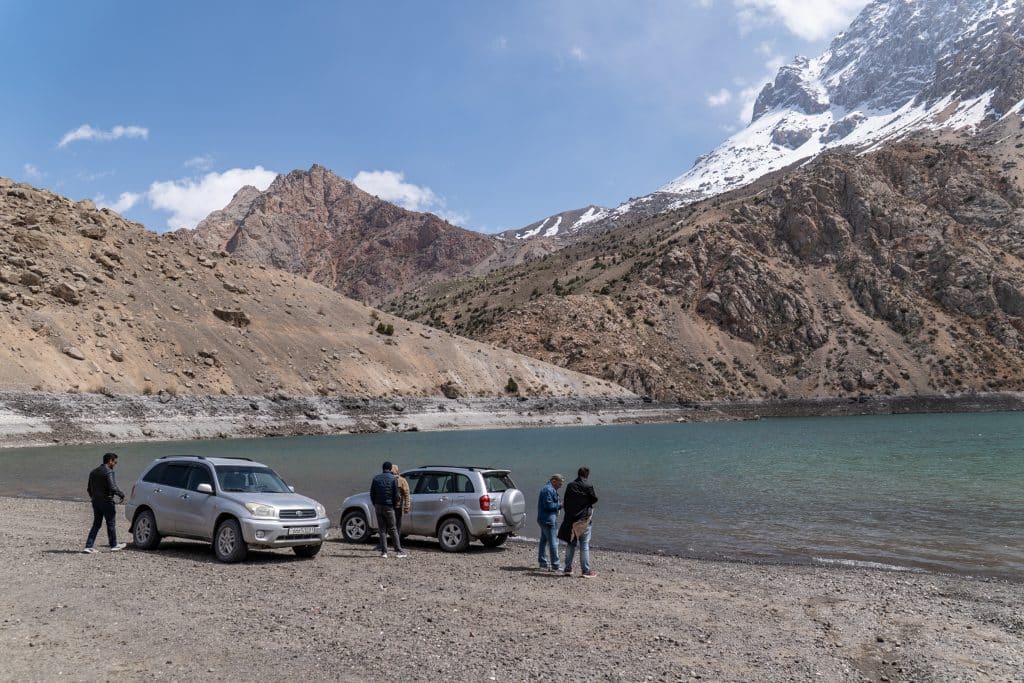
Tourism boards and experienced travel organizers advise against overly ambitious itineraries, such as the popular "Five Stans" multi-nation tours, which often compress extensive geographic regions into rushed three-week schedules. Instead, analysts recommend pairing Uzbekistan with one adjacent country, such as Kazakhstan or Tajikistan, to allow for a more immersive cultural exploration.
Climatic factors heavily influence regional travel viability. The optimal tourism windows occur during the spring (April to May) and autumn months. Summer temperatures, particularly within desert-adjacent regions like Khiva and the Kyzylkum Desert, frequently exceed 90°F (32°C), necessitating adjusted daily schedules with indoor recesses during peak afternoon hours. Conversely, high-altitude neighboring regions in Tajikistan and Kyrgyzstan are best explored during the summer months when mountain passes are fully accessible.
Implications for the Regional Tourism Sector
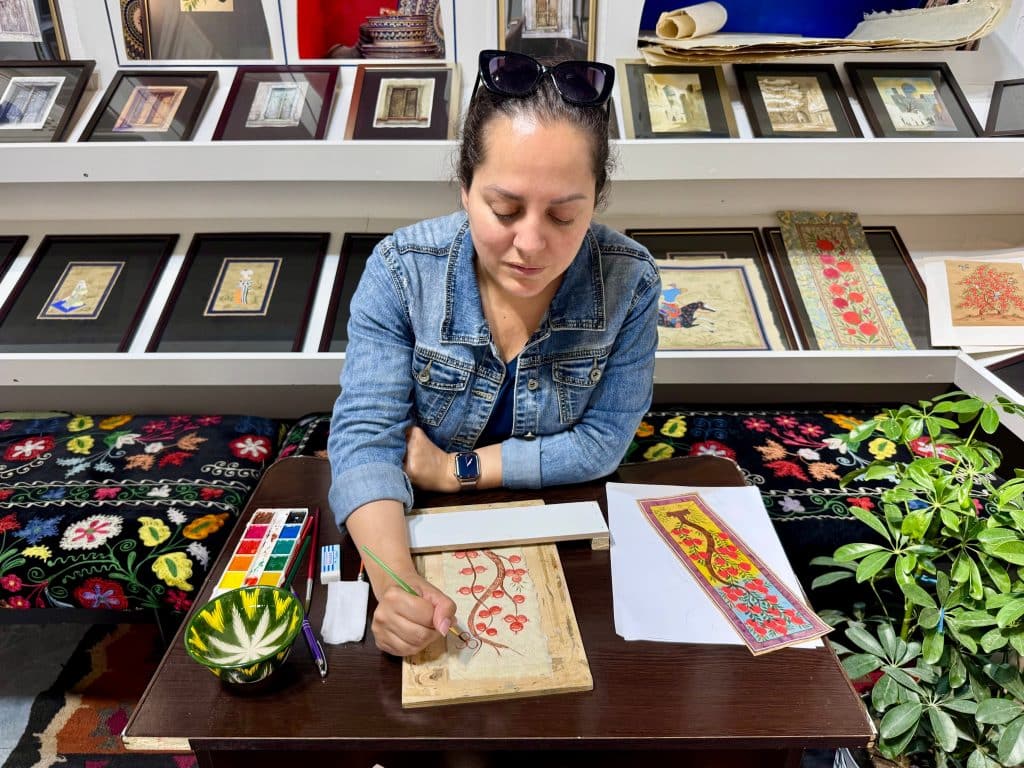
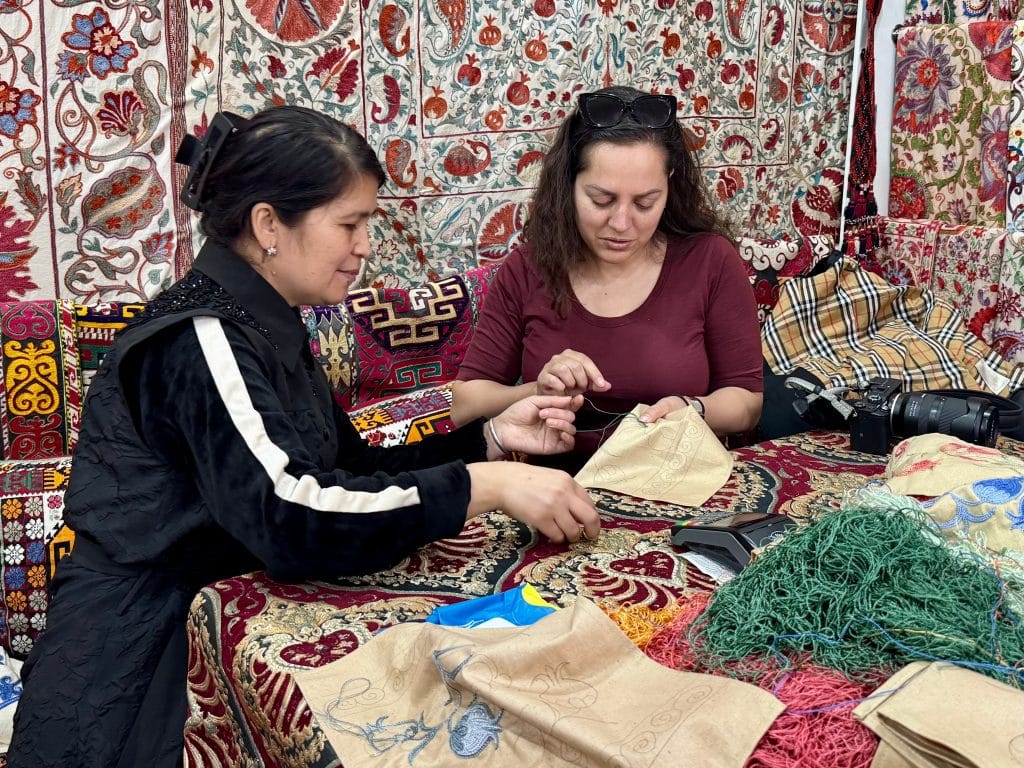
The surge in international arrivals to Uzbekistan highlights a broader economic transition across Central Asia, where governments are actively modernizing visa policies—granting visa-free entry to citizens of numerous nations—and expanding hospitality infrastructure. Cultural preservation initiatives, exemplified by specialized artisan workshops in Bukhara and Samarkand focusing on Persian miniature painting and suzani embroidery, further demonstrate a commitment to sustainable, heritage-based tourism. As air connectivity expands through international carriers like Turkish Airlines serving regional airports such as Urgench, Uzbekistan continues to solidify its position as a cornerstone of modern Central Asian tourism.