Empowering Change: How the Global Tourism Sector Can Inspire Inclusion and Drive Sustainable Economic Growth

The global tourism industry stands at a critical juncture regarding gender equality and workforce dynamics, facing renewed calls to transform its operational models to foster genuine inclusion. Aligning with the International Women’s Day campaign theme, "Inspire Inclusion," industry stakeholders, policymakers, and community leaders are increasingly examining the structural barriers that prevent women from achieving parity in the workplace. While travel is theoretically framed as a vehicle for celebrating diversity and breaking down cultural barriers, the practical reality within the sector reveals deep-seated disparities. Addressing these inequalities is no longer viewed merely as a corporate social responsibility initiative, but as an economic imperative that bolsters sector resilience and drives broader community development.
The Landscape of Gender Disparity in Global Tourism
To understand the current state of gender inclusion in travel, analysts must examine pre-pandemic data juxtaposed with ongoing structural challenges. According to landmark metrics compiled by the World Travel & Tourism Council (WTTC) in 2019, women accounted for approximately 54 percent of the global tourism workforce. At first glance, this statistic suggests a highly inclusive sector that offers broad access to employment and economic participation for women across various demographics.
However, a deeper dive into the data—particularly research conducted by the United Nations World Tourism Organization (UNWTO)—reveals a stark occupational stratification. The vast majority of female tourism workers are concentrated in the lowest-skilled, lowest-paying, and least secure positions. Roles such as housekeeping, food service, and administrative support dominate female employment figures within hospitality and travel. Conversely, executive leadership, board positions, and C-suite roles remain heavily male-dominated, with women holding only 19 to 25 percent of these positions globally.
This occupational pyramid leaves women disproportionately vulnerable to economic shocks. During the COVID-19 pandemic, female workers—particularly those engaged in the informal tourism economy—faced higher rates of job displacement and income loss. Industry experts argue that the primary challenge for the modern tourism sector is not simply recruiting women into entry-level positions, but creating clear pathways for them to ascend into management, ownership, and strategic leadership roles.
Historical Context and the Evolution of Inclusive Tourism
The dialogue surrounding gender equity in travel has evolved significantly over the past two decades. Historically, tourism development models focused primarily on macroeconomic growth, foreign exchange earnings, and infrastructure development, often overlooking the distribution of economic benefits at the local community level.
By the early 2010s, international development agencies and grassroots non-governmental organizations (NGOs) began shifting attention toward sustainable and community-based tourism. Initiatives linking microfinance with tourism enterprises emerged as a viable method for poverty reduction. Organizations like Kiva and various regional social enterprises demonstrated that providing small-scale loans and business training to women yielded high returns for local stability.
Over the years, industry coalitions such as Women in Travel (CIC) and global advocacy groups have pushed for systemic changes within mainstream travel companies. These efforts have transitioned the conversation from corporate philanthropy to core operational strategy, emphasizing that travel itineraries should actively support women-owned enterprises, local artisans, and female guides.
The Multiplier Effect: Why Investing in Women Matters
The argument for investing in women in the tourism sector extends far beyond workplace fairness; it is rooted in empirical economic data demonstrating the high social return on investment associated with female economic empowerment.
Microfinance data collected by organizations such as Kiva indicates that female entrepreneurs reinvest approximately 80 percent of their earnings directly into the health, nutrition, and education of their children and broader households. This behavioral trend creates a powerful multiplier effect within local communities. Research published by UN Women supports these findings, showing that women-led economic development correlates directly with accelerated community growth, higher literacy rates, and enhanced social welfare indicators.

Industry leaders frequently highlight this dynamic. Alessandra Alonso, founder of Women in Travel, has emphasized that economic empowerment serves as the foundation for broader societal advancement. When a woman secures a reliable income through tourism, the benefits cascade through her extended family and immediate community, lifting living standards and fostering resilience against future economic downturns.
Practical Mechanisms for Industry Transformation
Achieving genuine inclusion requires deliberate, measurable actions from corporations, tour operators, and destination management organizations. Industry analysts have identified several key mechanisms through which the travel sector can operationalize the "Inspire Inclusion" mandate:
- Procurement and Supply Chain Inclusion: Tour operators can audit their supply chains to ensure a significant percentage of accommodations, transport providers, and excursion partners are owned or managed by women.
- Targeted Skills and Leadership Training: Establishing mentorship programs, technical training workshops, and management tracks helps bridge the gap between entry-level hospitality work and executive governance.
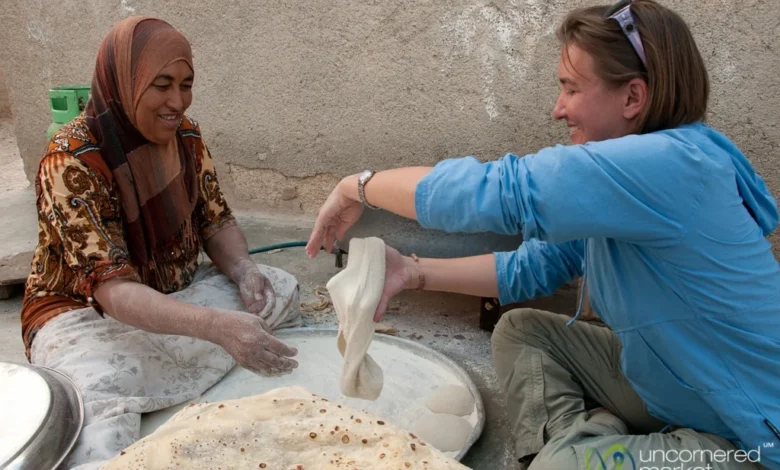
- Inclusive Itinerary Design: Designing travel products that directly engage women-led social enterprises—such as cooperative bakeries, artisan collectives, and heritage guiding services—ensures that tourism revenue remains within the local economy.
- Flexible Workplace Policies: Implementing equitable parental leave, safe transportation options for night shifts, and anti-harassment protocols protects vulnerable workers and encourages long-term retention.
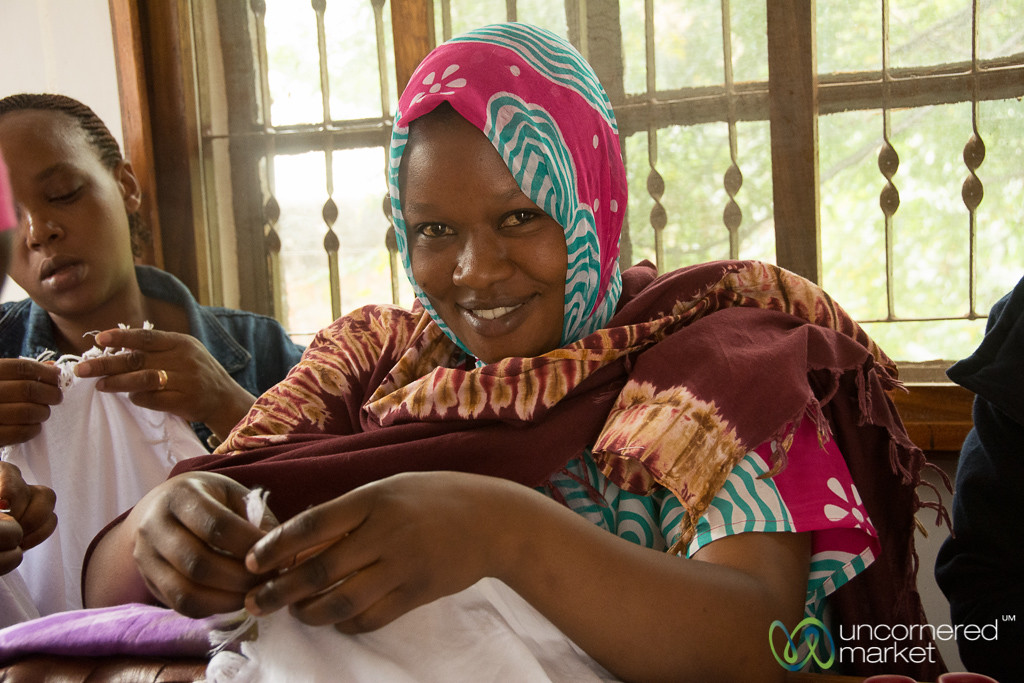
Case studies from various regions illustrate the success of these approaches. For instance, wildlife lodges in southern Africa have successfully integrated all-women guiding teams, challenging traditional safari norms while providing sustainable, high-wage employment for local women. Similarly, community-based tourism projects in the Middle East and East Africa have demonstrated that pairing business training with market access empowers women to become primary economic contributors in traditionally patriarchal societies.
The Business Case for Gender Diversity
Beyond ethical considerations, a robust economic rationale supports gender diversity in the tourism workforce. Extensive research by firms such as McKinsey & Company consistently demonstrates that corporations exhibiting high levels of gender diversity at the executive level financially outperform their less diverse industry peers.
Diverse leadership teams bring varied perspectives and cognitive styles to corporate problem-solving, enhancing innovation and strategic adaptability. In a rapidly changing global market, this collective intelligence is invaluable for navigating crises and seizing emerging opportunities.

Furthermore, consumer demographics heavily favor inclusive business practices. Industry estimates indicate that women drive between 70 and 80 percent of all consumer travel decisions. As female travelers continue to represent a growing segment of the global tourism market, companies that reflect this diversity internally are better positioned to understand, anticipate, and cater to the nuanced needs of their clientele.
Broader Implications and Future Outlook
The trajectory of the global tourism industry will depend heavily on how stakeholders respond to demands for systemic equity. Moving past symbolic gestures and annual awareness campaigns, the sector faces the challenge of embedding inclusion into its foundational business models.
If tourism organizations successfully adopt the principles of inclusion, women will no longer be restricted to the periphery of the workforce. Instead, they will occupy decision-making roles that shape the future of travel. Such a transformation promises to build a more resilient, equitable, and economically viable sector—one that truly delivers on the transformative potential of global mobility.