Beyond the Monuments: Discovering the Living Cultural Tapestry of India

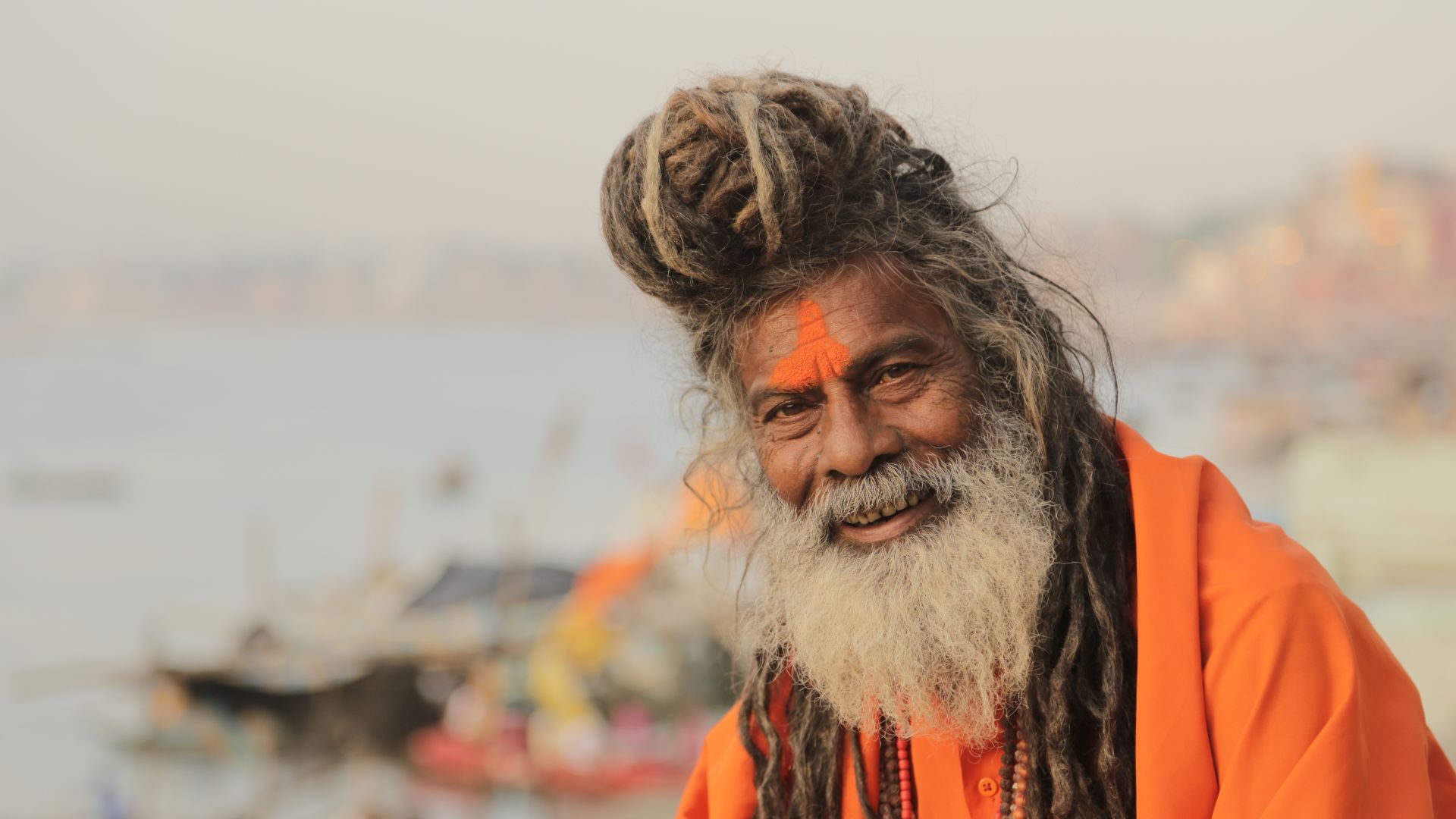
For decades, international tourism to India has been defined by a familiar visual lexicon: the pristine marble of the Taj Mahal, the chaotic congestion of metropolitan thoroughfares, the cinematic pageantry of Bollywood, and the ascetic figures of sadhus smeared in ash along the banks of the Ganges. While these iconic symbols remain powerful cornerstones of the nation’s global identity, they represent merely the surface of a deeply complex cultural ecosystem. Beneath these widely photographed landmarks lies a diverse societal fabric defined by hyper-regionalism, intricate daily rituals, and a profound emphasis on human connection.
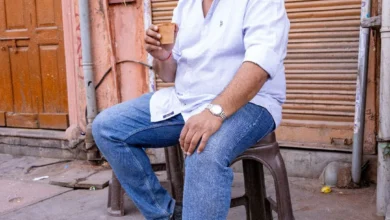
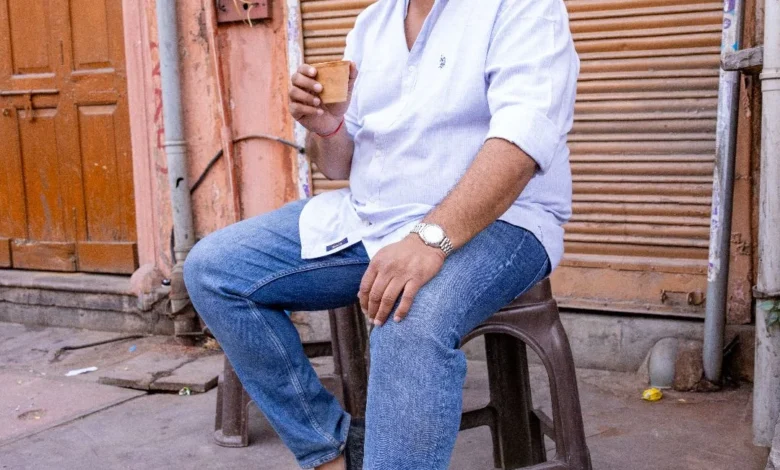
Travel industry analysts note a distinct shift in contemporary travel patterns. Modern explorers are increasingly moving away from passive sightseeing toward experiential, slow travel. This evolution highlights a growing desire to understand destinations through the nuances of everyday life rather than static architectural wonders. According to regional guides and cultural experts, the true essence of India is rarely captured in the grand scale of a historical fort; instead, it reveals itself in the quiet pauses between major destinations—in the steam rising from a clay cup of chai, the rhythmic hum of a riverside market, and the inherited traditions passed down through generations of artisans.
The Mechanics of Regional Identity and Slow Travel
India’s cultural landscape is characterized by its staggering diversity in language, culinary arts, traditional attire, and social customs. A traveler moving just a few hundred kilometers across state lines will encounter entirely new scripts, distinct architectural styles, and radically different regional cuisines. This hyper-regionality is rooted in historical trade routes, ancient kingdoms, and geographical diversity that spans from Himalayan peaks to tropical southern backwaters.
Local Intrepid group leaders, who manage small-group expeditions across the subcontinent, emphasize that meaningful cultural exchange requires stepping off the beaten tourist path. Madan Singh, a veteran tour leader, notes that the real India is found in the pauses between major monuments. This philosophy underpins a new wave of tourism itineraries designed to immerse visitors in local rituals, such as the meticulous drawing of rangoli patterns outside doorsteps during festivals—a practice rich in geometric symbolism and spiritual hospitality.
Evening Rituals on the Sacred Ganges
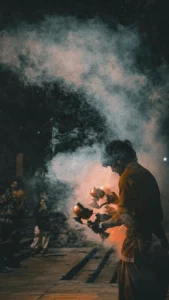
One of the most profound immersions into this traditional lifestyle occurs along the ghats of Varanasi, widely regarded as the spiritual capital of Hinduism. While photographers have long flocked to the riverbanks to capture the daily dusk ritual of the Ganga Aarti—a mesmerizing ceremony featuring synchronized lamp-lighting, chanting, and incense—the true cultural weight of the city is best experienced on foot.
Guided walking tours through the labyrinthine alleys of the old city offer a stark contrast to the monumental scale of India’s historical sites. Ankita Jaiswal, a local Intrepid leader who grew up in Varanasi, points to the sensory details of the evening transition as a critical cultural anchor. As temple bells begin to chime and the scent of sandalwood incense fills the evening air, shopkeepers routinely pause to wave prayers at their doorsteps. This micro-ritual, performed to invite prosperity and peace, momentarily slows the frantic pace of the market streets, offering travelers a firsthand look at how spirituality intertwines with daily commerce.
Navigating Urban Centers via Rickshaw Networks
Urban mobility in India offers another lens through which to examine social structures. While western tourists often default to private cars or ride-hailing apps, and public buses remain crowded options for daily commuters, the auto rickshaw—frequently and incorrectly referred to by foreign visitors as a "tuk-tuk"—serves as the economic backbone of urban transit.
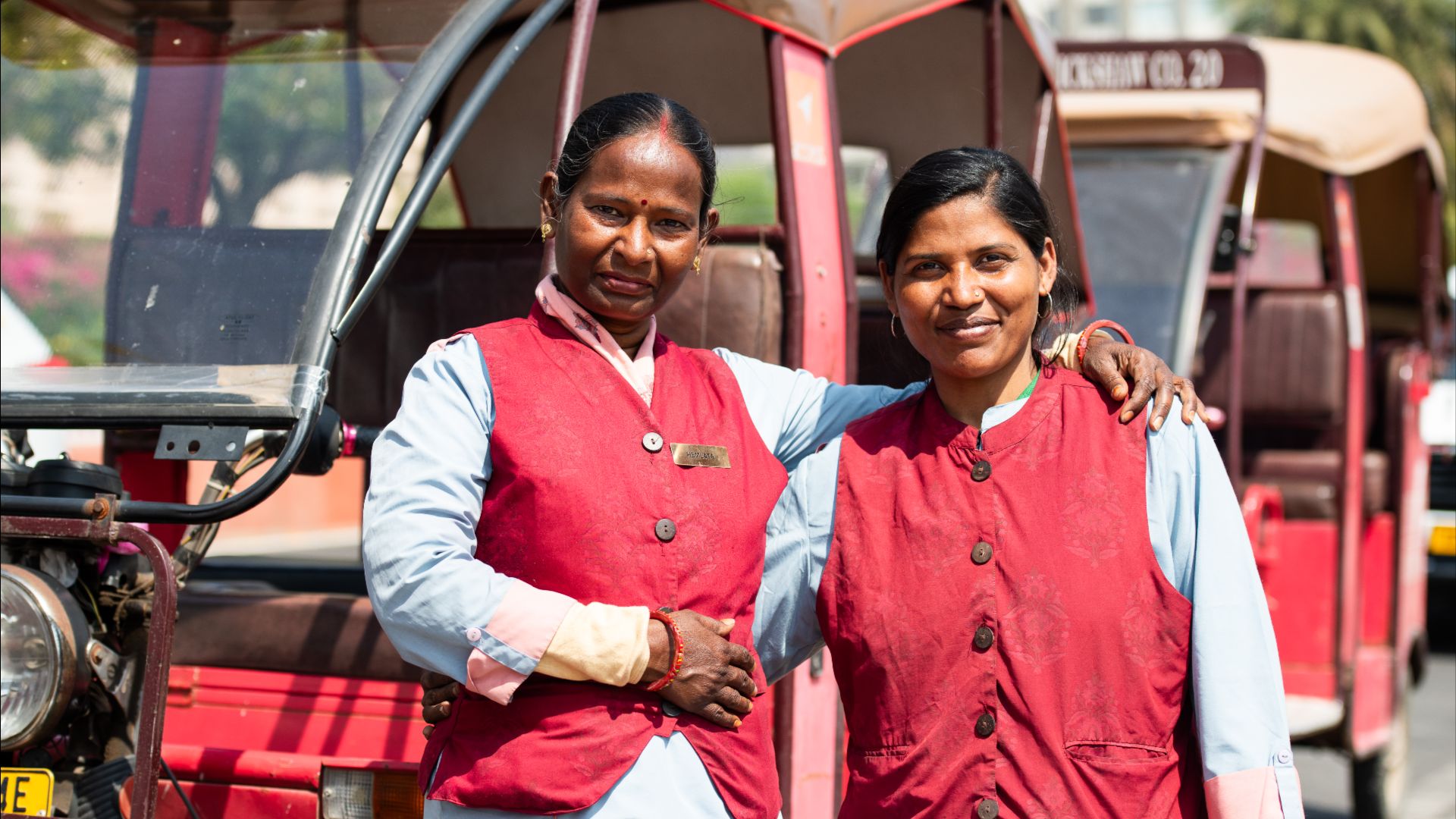
In recent years, progressive tourism initiatives have sought to transform this everyday mode of transport into a vehicle for social empowerment. In Jaipur, partnerships with organizations such as the Pink City Rickshaw Company have introduced female-operated fleets. These not-for-profit enterprises create sustainable employment opportunities for women from low-income households, allowing travelers to navigate the pink-hued streets of Rajasthan while supporting grassroots economic development. These journeys transform a standard transit ride into a narrative exchange, offering passengers direct insight into the changing socioeconomic dynamics of modern Indian women.

Cinematic Immersion: The Timeless Appeal of Bollywood
No exploration of modern Indian culture is complete without examining the omnipresent influence of cinema. While Bollywood dance classes at destination weddings have become popular tourist activities, experiencing a film in its native environment provides a deeper sociological lesson.
The Raj Mandir Cinema in Jaipur stands as an architectural monument to the 1970s golden era of Indian cinema. Featuring an Art-Deco exterior and pastel-toned, auditorium-style interiors, the theater offers an authentic window into how entertainment is consumed collectively. Unlike the quiet, reverent atmosphere typical of Western cinemas, screenings at Raj Mandir are participatory events. Audiences frequently engage with the narrative through synchronized applause, cheering during hero entrances, and even minor musical outbursts. This communal energy reflects the deep emotional resonance of storytelling within Indian society.
From Plantations to Terracotta Cups: The Journey of Masala Chai

Food and beverage production in India carry cultural weight that extends far beyond mere sustenance. National staples such as masala chai—a complex brew of black tea simmered with fresh ginger, cardamom, cloves, and cinnamon—represent centuries of agricultural tradition. While chai stalls are ubiquitous across every street corner, understanding the beverage requires tracing its supply chain back to its geographic source.
In the rolling green hills of Munnar, located in the southern state of Kerala, vast terraced tea plantations stretch across the landscape. Local agricultural experts, such as guide Kuldeep Pujari, emphasize the educational value of experiential farming tourism. During harvest seasons, visitors are invited to participate in tea-plucking activities, tracing the journey of the leaf from high-altitude terraces to the local terracotta cups where the spiced brew is traditionally served. This agricultural immersion highlights the immense human labor required to sustain one of the world’s largest tea markets.
Culinary Traditions and the Sacred First Transaction
Street food culture across northern and southern India provides a direct entry point into regional flavors, featuring delicacies such as chaat, crispy samosas, kachoris, and cooling lassis. However, culinary tourism in India is equally defined by commercial etiquette and spiritual gratitude.
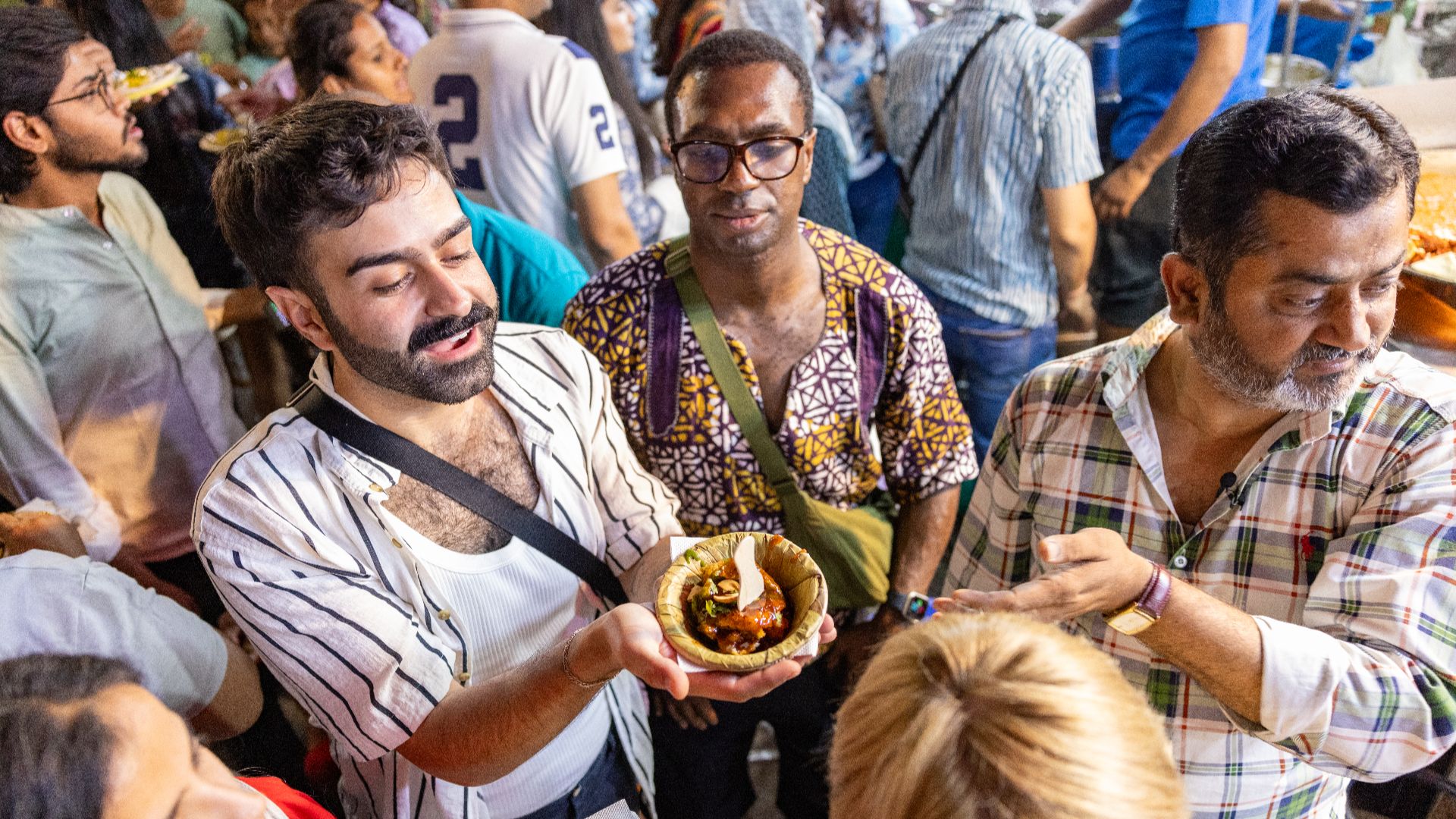
Local culinary guides note a deeply ingrained belief regarding commerce: the first financial transaction of the business day is viewed as highly auspicious. Known locally as bhaat or the first sale, merchants often treat this initial exchange as a blessing for future prosperity. Visitors participating in guided street food tours frequently witness stallholders gently touching cash or digital payment devices to their foreheads or goods as a gesture of thanksgiving. Recognizing this tradition fosters a profound respect for the spiritual underpinnings of daily economic life.
Holistic Wellness and the Heritage of Yoga
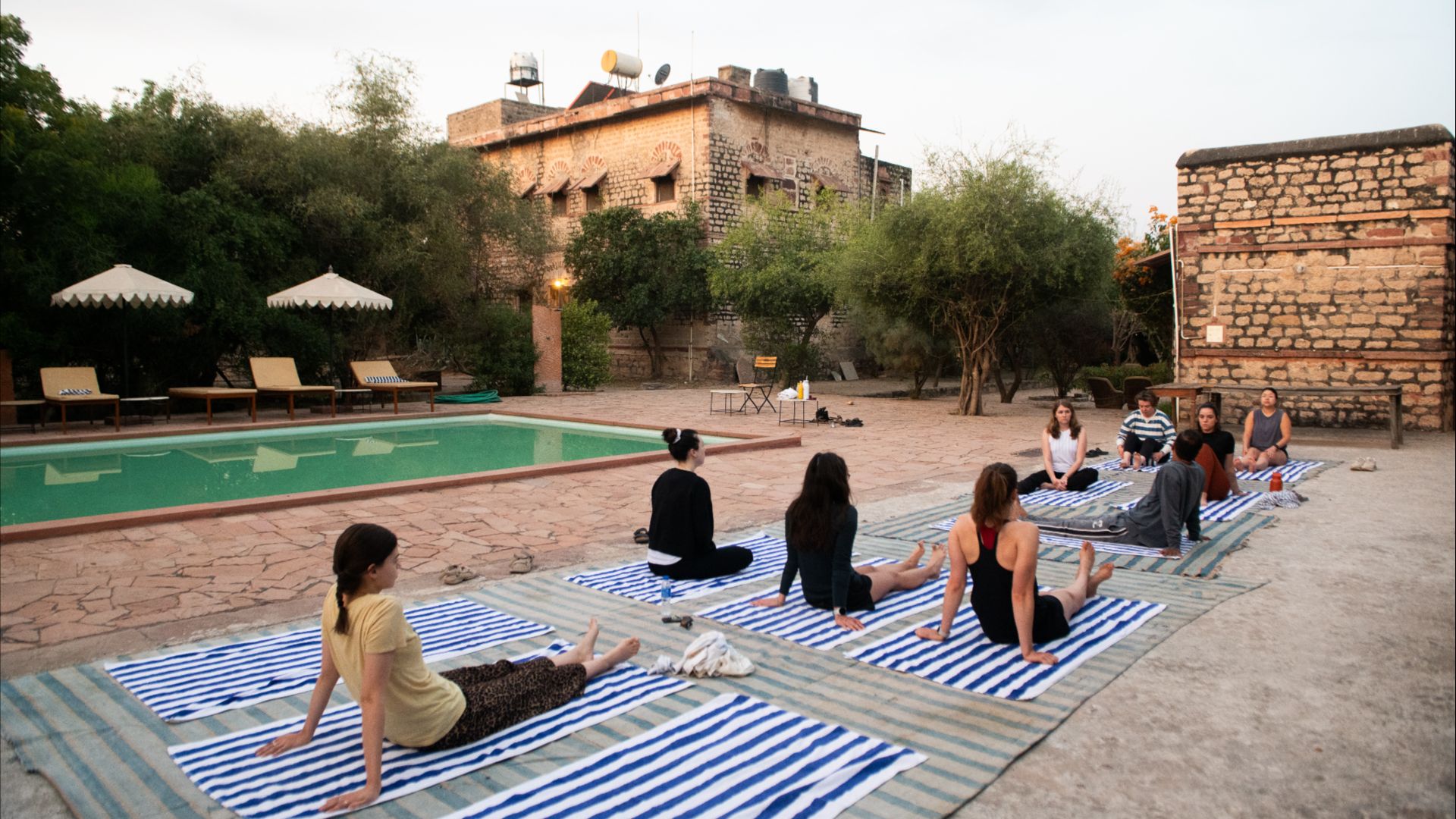
While yoga has experienced a massive commercial boom across Western wellness markets—frequently prioritized for its physical flexibility and cardiovascular benefits—its roots in India remain fundamentally tied to holistic philosophy and spiritual discipline.
In Rishikesh, nestled in the foothills of the Himalayas, yoga is practiced not merely as an exercise regime, but as a comprehensive lifestyle framework aimed at achieving mental clarity and inner resilience. Expert-led meditation and asana sessions set against the backdrop of the sacred mountain range offer travelers an opportunity to engage with the practice in its historical context, bridging the gap between physical movement and spiritual introspection.
Preserving Indigenous Craftsmanship and Textile Heritage
Textiles in India serve as visual archives of regional history. A single garment encapsulates centuries of inherited skill, from the delicate chikankari needlework of Lucknow to the intricate double-ikat handwoven patola saris of Gujarat.
In rural settlements such as Chandelao, community-based tourism projects like Sunder Rang actively work to preserve these endangered craft forms. By providing local artisans with platforms to showcase traditional weaving, block printing, and pottery, these initiatives ensure that generational knowledge survives modernization. Furthermore, participatory workshops allow travelers to engage directly with traditional arts, including the precise geometry of rangoli courtyard drawings and the application of celebratory henna (mehndi).
Slow Travel and Ecosystems of the Keralan Backwaters
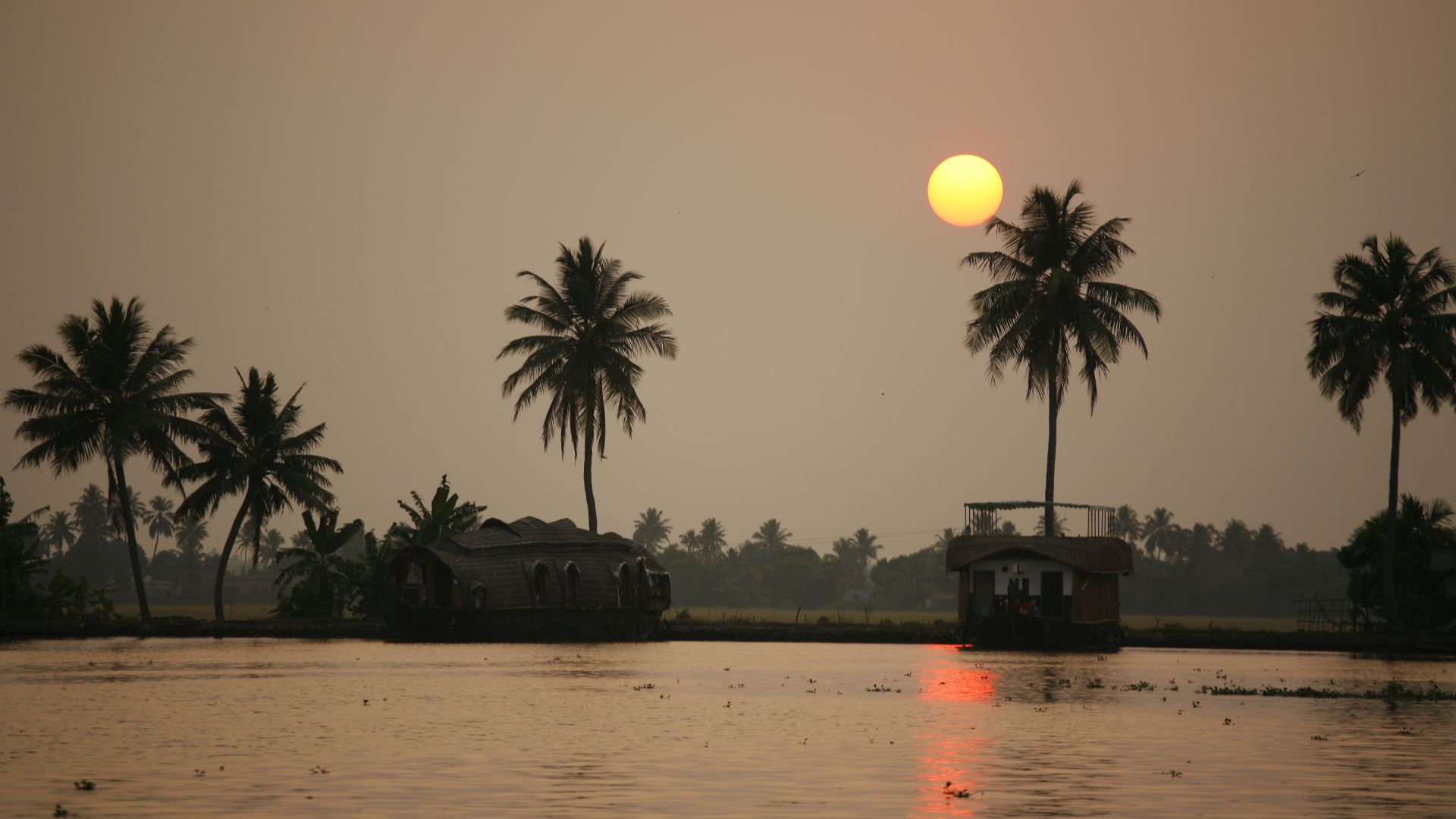
As hyper-connectivity increasingly dominates modern existence, regions offering deliberate disconnects have gained considerable traction among international travelers. The network of tranquil lagoons, canals, and lakes forming the Keralan backwaters provides an ideal setting for slow travel.
Cruising aboard traditional Keralan houseboats—historically used for transporting rice and spices—forces a departure from digital distractions. Visitors glide past emerald paddy fields, coconut groves, and local fishermen maneuvering sleek vallam canoes. Walking tours through riverside villages facilitate direct engagement with local families, offering insights into coastal lifestyles and the distinct culinary traditions of southern India, characterized by the heavy use of coconut, curry leaves, and freshly caught seafood.
Aligning with Seasonal Festivals and Community Rhythms
India’s calendar is punctuated by an extraordinary array of seasonal festivals. While internationally renowned celebrations like Diwali (the Festival of Lights) and Holi (the Festival of Colors) draw millions of participants, smaller, localized events offer equally compelling cultural insights.
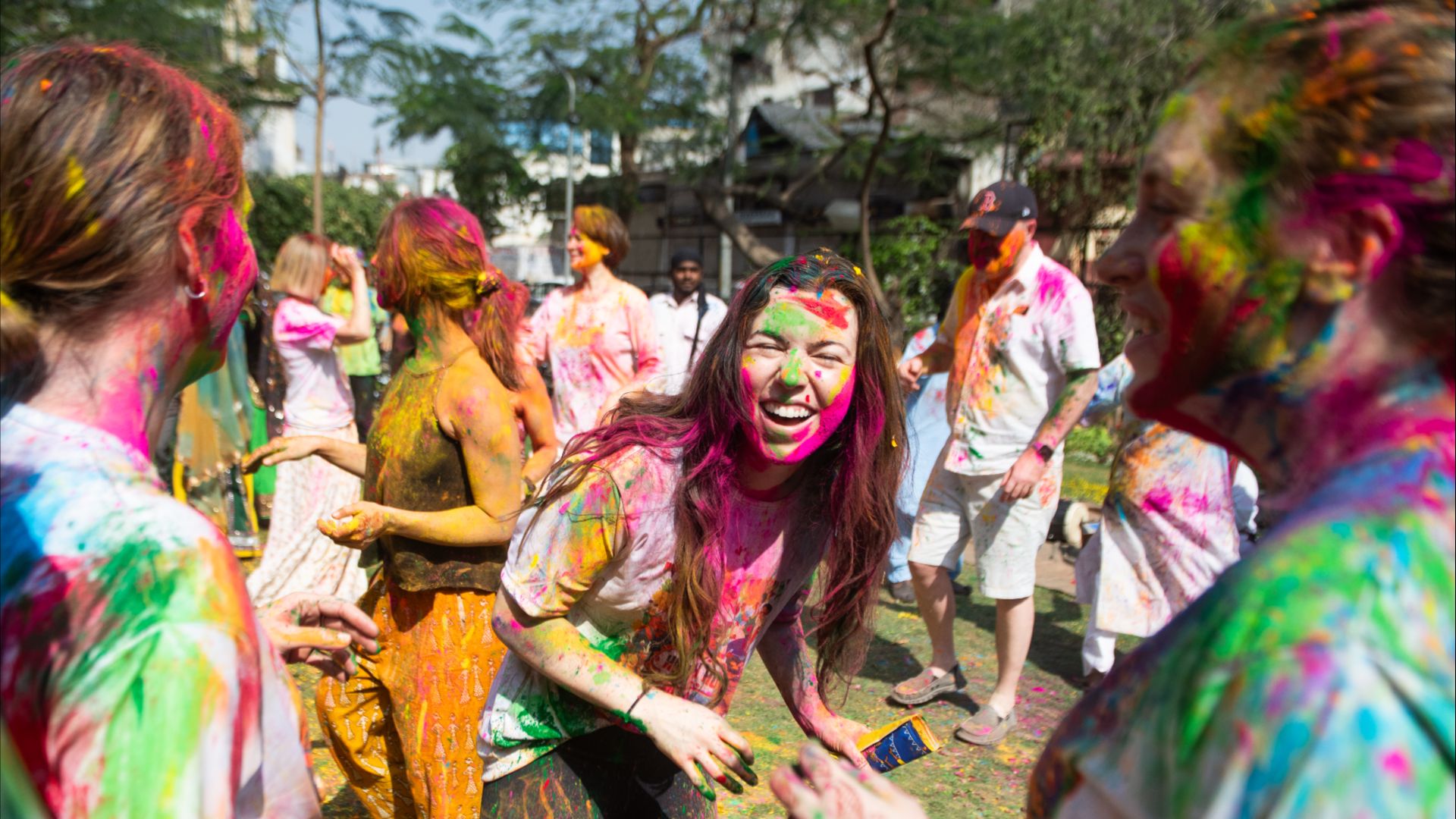
Festivals such as Basant Panchami, which marks the arrival of the spring season, transform urban landscapes in regions like Jaipur. Rooftops become social hubs where families gather to fly intricate paper kites, share regional sweets, and engage in communal celebrations. According to local guides, these unscripted, seasonal moments offer travelers an authentic glimpse into community life that remains largely untouched by mass tourism staging.
The Role of Local Leadership in Sustainable Tourism
As global tourism continues to evolve toward more responsible and culturally sensitive models, industry experts emphasize the critical importance of local leadership. Navigating India’s complex social landscape requires cultural fluency, linguistic competence, and deep community relationships.
Small-group travel operators increasingly rely on native guides who act as cultural intermediaries, facilitating respectful interactions and addressing the nuances of local customs. As Intrepid leaders frequently observe, it is often the unplanned, spontaneous encounters—a shared smile in a marketplace, a conversation over a cup of chai, or an invitation to a family celebration—that leave the most enduring impression on travelers. By prioritizing human connection over monumental checklists, visitors gain a richer, more accurate understanding of a dynamic nation whose true heartbeat lies in its people.
Related posts: