Exploring the Sun-Drenched Shores: A Comprehensive Guide to Family Travel Along Florida’s Gulf Coast

For generations of travelers seeking refuge from the biting winters of the American Northeast, Florida’s western shoreline has served as a premier seasonal escape. Bolstered by robust, direct commercial airline routes connecting regional transit hubs such as Boston’s Logan International Airport and Rhode Island’s T.F. Green International Airport to multiple Sunshine State destinations, the journey south is both swift and accessible. Spanning two time zones and characterized by a distinct geography of barrier islands, estuaries, and white-sand beaches, Florida’s Gulf Coast offers a multifaceted tourism landscape that diverges significantly from the high-octane theme parks of the state’s interior or the bustling Atlantic seaboard.
In recent years, tourism boards and hospitality analysts have noted a pronounced shift in consumer preferences toward multi-destination regional travel. Rather than anchoring a vacation to a single resort, families increasingly favor flexible itineraries that allow for the exploration of contiguous coastal ecosystems. From the cultural enclaves of Sarasota to the wildlife sanctuaries of Sanibel Island, the Gulf Coast presents a study in varied coastal development, balancing high-end luxury resorts with preserved natural habitats.
Sarasota: Where Culture Meets Coastal Geography
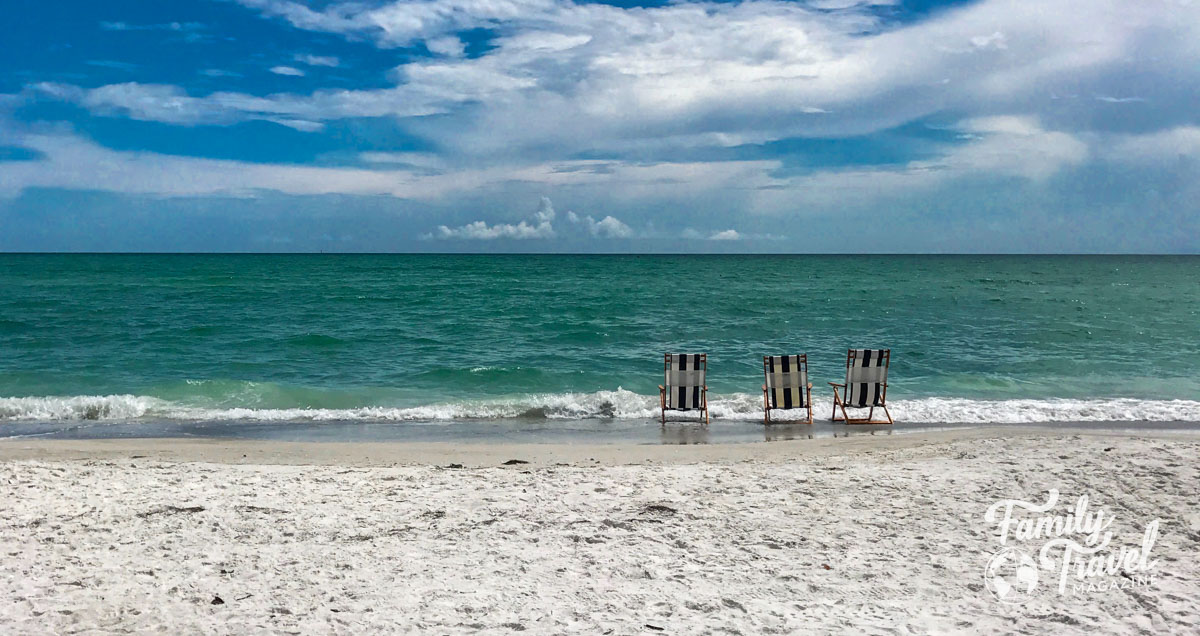
Located approximately an hour south of Tampa, Sarasota has evolved into a cultural anchor for the central Gulf Coast. Accessible via Sarasota-Bradenton International Airport, the region encompasses a series of barrier islands—most notably Longboat Key and Siesta Key, the latter of which has frequently garnered national acclaim for its quartz-crystal sand composition.
Beyond its shorelines, Sarasota’s economic and cultural identity is deeply intertwined with its history as the historical winter quarters of the Ringling Brothers Circus. The John and Mable Ringling Museum of Art complex, situated on expansive bayfront grounds, remains a cornerstone of regional tourism. Comprising an art museum, the historic Ringling mansion (Ca’ d’Zan), and a dedicated circus museum featuring an intricate miniature circus layout, the institution provides a vital educational and cultural alternative to outdoor beach activities.
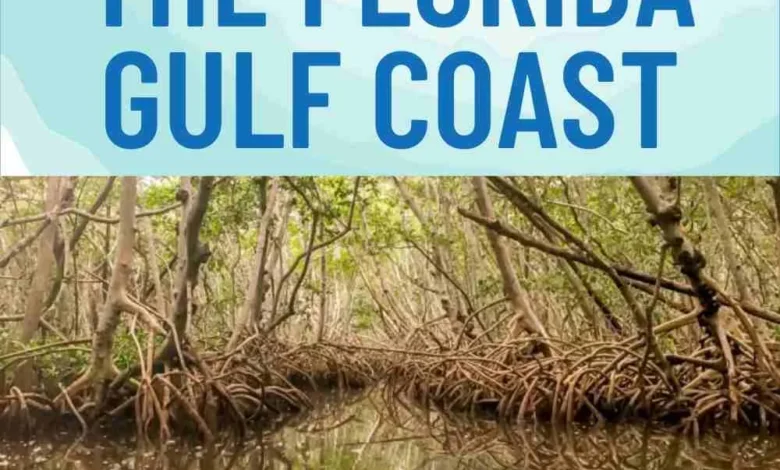
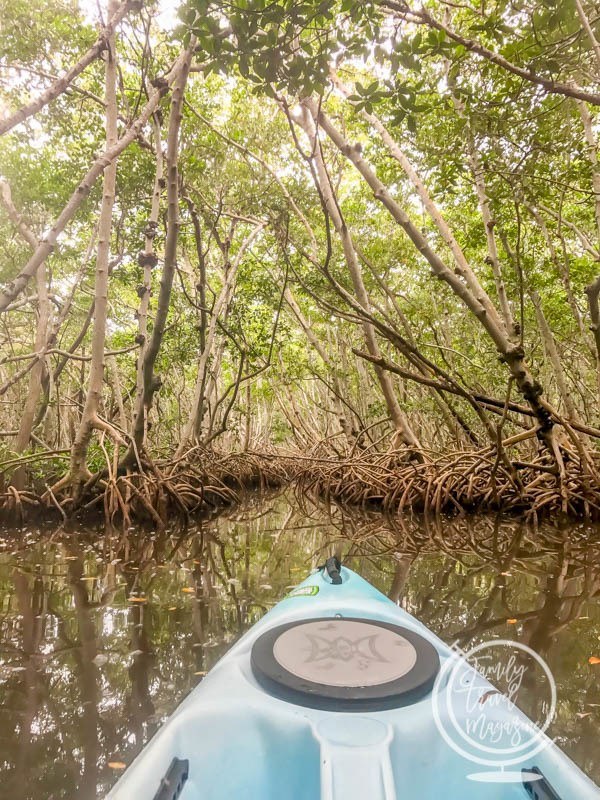
For outdoor enthusiasts, the region features extensive mangrove networks. Conservation areas such as the Ted Sperling Nature Park at South Lido Beach offer managed access points for eco-tourism, allowing visitors to navigate protected tidal tunnels via kayak. Furthermore, the expansion of regional marine research institutions, including the Mote Marine Laboratory and Aquarium, underscores the local municipality’s emphasis on combining family-friendly recreation with environmental education. Major regional hospitality stakeholders, including the Lido Beach Resort and the Resort at Longboat Key Club, report steady year-round occupancy rates driven by this blend of cultural and natural amenities.

Fort Myers and the Southern Gateway
Serving as a primary transit and logistical hub for Southwest Florida, Fort Myers facilitates access to the southern barrier islands while maintaining its own distinct economic and recreational identity. The city’s International Airport (RSW) handles millions of passengers annually, funneling travelers toward Lee and Collier counties.
Economically, Fort Myers plays a significant role in Florida’s spring tourism calendar as a traditional host for Major League Baseball’s Grapefruit League spring training. Teams such as the Boston Red Sox draw substantial seasonal economic activity to the area through sports tourism. In addition to athletics, the municipality oversees conservation-focused public installations, including Manatee Park—a heated waterway refuge that attracts significant populations of the endangered West Indian manatee during cooler winter months—and the IMAG History & Science Center, which integrates local ecology with interactive STEM exhibits.
Urban planners and regional transit authorities frequently utilize Fort Myers as a foundational case study in decentralized tourism management, noting how a central municipal airport effectively distributes incoming travelers to satellite destinations such as Marco Island, Sanibel, and Naples.
Marco Island and Sanibel: Eco-Tourism and Barrier Island Conservation
Situated at the southern tip of the Gulf Coast chain, Marco Island represents the intersection of luxury resort tourism and protected subtropical wilderness. Located roughly 75 minutes southwest of Fort Myers, Marco Island relies heavily on high-end coastal hospitality and marine-based recreation. Water sports, ranging from parasailing to guided sportfishing, form a major component of the local tourism economy.
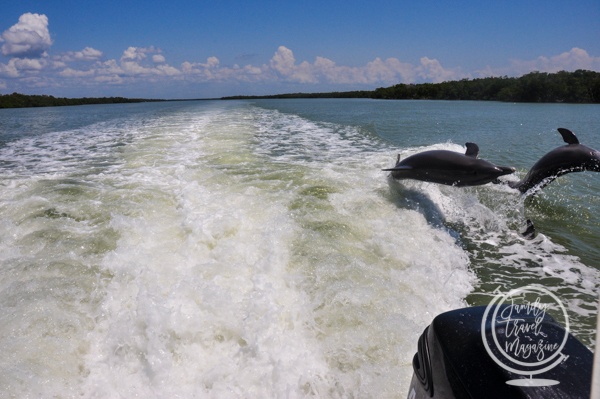
A notable driver of eco-tourism in the area is the Dolphin Explorer program, a long-running research-based eco-tour that monitors local Atlantic bottlenose dolphin populations. Marine biologists and tourism economists have observed a rising consumer demand for participatory conservation experiences, wherein vacationers contribute to citizen-science data collection while engaging in leisure travel.
Conversely, neighboring Sanibel Island—connected to the mainland via a historic causeway—prioritizes strict environmental preservation and low-impact tourism. Famed internationally for its east-west orientation, which acts as a natural catch basin for Atlantic and Gulf seashells, Sanibel enforces municipal ordinances designed to protect its unique coastal ecology. Institutions such as the J.N. “Ding” Darling National Wildlife Refuge, a massive protected wetland complex within the greater Everglades ecosystem, draw ornithologists, naturalists, and families alike. The coexistence of the Bailey-Matthews National Shell Museum further reinforces Sanibel’s commitment to marine education, establishing the island as a specialized destination distinct from the commercial boardwalks found elsewhere in the state.
Clearwater and the Tampa Bay Urban Corridor
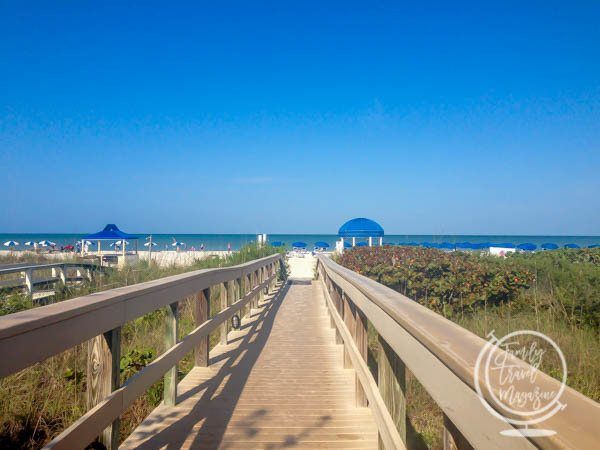
At the northern terminus of the primary Gulf Coast tourism corridor lies Clearwater, situated approximately 35 minutes west of Tampa International Airport. Clearwater Beach is internationally recognized for its fine, powdery quartz sand, a geological feature so prominent that the city hosts the annual Pier 60 Sugar Sand Festival, drawing master sculptors and tens of thousands of visitors each spring.
The region’s tourism appeal is heavily bolstered by the Clearwater Marine Aquarium. Operating as a working marine hospital rather than a traditional entertainment facility, the aquarium gained global prominence through its rehabilitation of Winter, an Atlantic bottlenose dolphin fitted with a prosthetic tail. The facility’s public education model reflects a broader industry trend toward ethical wildlife interaction and animal rescue transparency.
In addition to marine attractions, Clearwater’s proximity to the broader Tampa Bay metropolitan area allows travelers to easily integrate theme park tourism—specifically Busch Gardens Tampa Bay—with traditional coastal itineraries. Urban planners note that this geographic versatility makes the Clearwater-St. Petersburg market one of the most economically resilient tourism zones in the Southeast United States.
Regional Economic Implications and Tourism Trends
According to data compiled by state tourism marketing corporation VISIT FLORIDA, domestic travel to the Gulf Coast has experienced steady post-pandemic readjustment, with visitors increasingly prioritizing outdoor recreation, multi-generational family bookings, and environmental sustainability.
Local hospitality associations across Sarasota, Lee, and Pinellas counties report that diversified marketing strategies—highlighting not only beaches, but also cultural museums, marine research facilities, and wildlife refuges—have successfully mitigated seasonal tourism dips. As infrastructure improvements continue to modernize regional airports and coastal causeways, the Florida Gulf Coast remains a vital economic engine for the state, offering a structured yet diverse environment for family-oriented exploration.