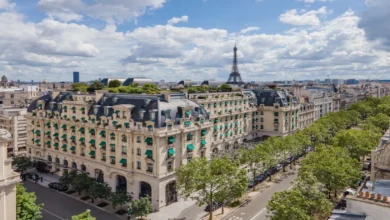
Since the Gilded Age of the late 19th century, the Upper East Side of Manhattan has functioned as the definitive epicenter of American aristocracy, wealth, and social influence. At the intersection of Fifth Avenue and East 61st Street, overlooking the verdant canopy of Central Park, stands a 41-story structure that has served as the physical manifestation of this prestige for nearly 100 years: The Pierre, A Taj Hotel. While New York City has undergone radical transformations in architecture, demographics, and economic focus, The Pierre has remained a constant, serving as a sanctuary for the world’s most discerning travelers and a silent witness to the evolution of Manhattan’s elite society.
A Legacy Born from the Jazz Age
The inception of The Pierre was driven by the ambition of Charles Pierre Casalasco, a visionary restaurateur who sought to create a hotel that would transcend the typical offerings of the era. By the late 1920s, as the Roaring Twenties neared their conclusion, the demand for a residence that combined the privacy of a manor with the service of a grand hotel reached its zenith. Construction began in 1928, and the hotel officially opened its doors in 1930.
Casalasco famously envisioned the property as a "monument to simplicity, beauty and refinement." His design philosophy prioritized an understated elegance—a departure from the ostentatious displays of the Gilded Age that preceded it. The building was designed by the renowned architectural firm Schultze & Weaver, the architects responsible for some of the most iconic luxury hotels in North America, including the Waldorf-Astoria. Their design for The Pierre, featuring a distinct limestone facade and a soaring, tapered silhouette, immediately established it as a landmark at the gateway to the Upper East Side.
Chronology of an Icon
The history of The Pierre is punctuated by significant milestones that reflect the changing landscape of New York luxury:

- 1930: The Pierre opens, immediately becoming the premier venue for Manhattan’s elite social calendar.
- 1938: Following the financial pressures of the Great Depression, the hotel underwent a significant reorganization, eventually coming under the ownership of a consortium of prominent socialites and financiers.
- 1959: The Pierre was converted into a cooperative apartment hotel, allowing for a unique dual-model operation that remains a hallmark of its structure today.
- 1967: The rotunda, a central architectural feature of the hotel, was enhanced with a grand trompe l’oeil fresco, a work that remains one of the most photographed interiors in the city.
- 2005: The hotel joined the Taj Hotels Resorts and Palaces portfolio, ushering in a new era of international hospitality standards while preserving its classic New York identity.
Architectural Significance and Interior Artistry
The enduring appeal of The Pierre lies in its commitment to the aesthetic standards of the 1930s. Upon entering the lobby, guests are greeted by a signature black-and-white checkerboard floor—a design choice that has been emulated by countless luxury establishments but rarely matched in its authenticity. The sweeping staircase serves as a focal point for the property, leading guests toward the Rotunda, which functions as the hotel’s social hub.
The 1967 fresco in the Rotunda remains a masterpiece of design, creating an illusion of depth and architectural grandeur that defines the hotel’s character. Despite extensive renovations to integrate modern technology and sustainability measures—such as high-efficiency climate control and updated telecommunications—the structural integrity and the "Jazz Age" glamour of the property remain intact. The hotel currently houses 189 guest rooms, including 49 suites, each designed to evoke the spirit of a private Manhattan residence rather than a transient hotel room.
The Evolution of the Suite Experience
The Pierre has consistently adapted its offerings to meet the requirements of its contemporary clientele, who demand a fusion of historical charm and modern utility. The hotel’s suite collection is stratified to serve different needs, from the intimate to the grand.
The Tata Presidential Suite stands as the hotel’s most significant accommodation. Occupying the entire 39th floor, the suite provides a range of configurations that can accommodate up to six bedrooms, encompassing a total area of 4,786 square feet. Its neutral, sophisticated palette and panoramic views of Central Park and the Manhattan skyline serve to underscore its position as a primary choice for heads of state and international business leaders.
For those seeking residential-style functionality, the Charles Pierre Suite, named for the hotel’s founder, offers 2,759 square feet of space. Designed with a modern aesthetic, it features a dining room capable of seating six and a dedicated kitchen with a separate service entrance, facilitating discreet, high-end entertaining. Conversely, the 1,100-square-foot Park Suite offers a more localized, romantic experience, complete with a fireplace and an oversized soaking tub, catering to guests who prioritize privacy and relaxation.

Culinary Evolution and The Modern Gastronomic Landscape
The culinary identity of The Pierre has evolved from the traditional formal dining halls of the early 20th century to the more versatile and immersive experiences required by today’s luxury travelers. Perrine, the hotel’s signature corner restaurant, serves as the centerpiece of this evolution. By focusing on a seasonal, French-influenced menu, the restaurant maintains a link to the hotel’s European heritage while embracing the farm-to-table trends that have become mandatory in the competitive New York dining scene.
In an effort to diversify its offerings, the hotel has also leaned into experiential dining. The collaboration with The Clairvoyants to host the "Magic Table" is a departure from traditional hotel catering, providing an immersive, multisensory experience that blends fine dining with performance art. Furthermore, the Two E Bar maintains the hotel’s historical connection to the jazz era, providing a space for bespoke cocktails and live music that preserves the "Upper East Side" archetype of social sophistication.
Economic and Cultural Implications
The Pierre functions as more than a hotel; it is an economic anchor for the 61st Street corridor. Its proximity to "Billionaires’ Row"—a stretch of ultra-luxury residential supertalls—and the nearby high-end boutiques of Fifth and Madison Avenues, positions it as a critical node in the global luxury market.
Industry analysts often point to The Pierre as a case study in the longevity of the "landmark" business model. By maintaining its status as a co-op-hotel hybrid, the property ensures a level of community stability that purely transient hotels often lack. This structure also incentivizes consistent reinvestment in the property’s physical plant. According to data on historical hospitality performance, hotels that successfully balance landmark status with modern luxury amenities—a strategy known as "heritage branding"—consistently command higher RevPAR (Revenue Per Available Room) than newer, purely modern competitors.
Official Perspectives and Future Outlook
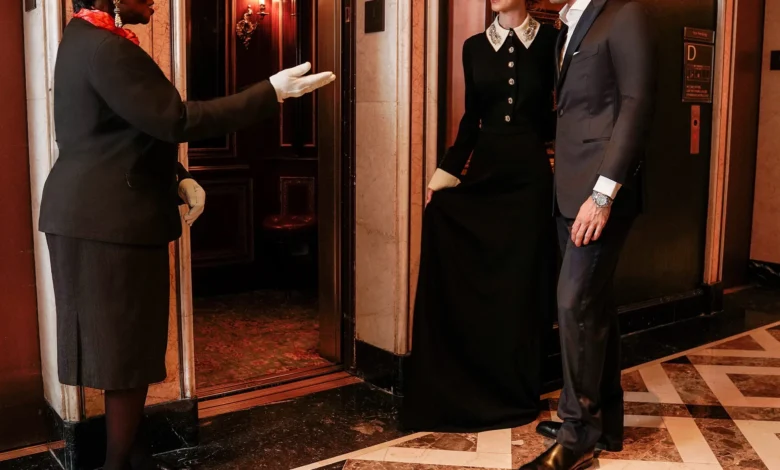
While management at The Pierre rarely releases specific data regarding its high-profile clientele, statements from the hotel leadership consistently emphasize a commitment to "discreet, personalized service." This ethos is reflected in the hotel’s staffing ratios, which are designed to anticipate guest needs before they are articulated—a service model that was perfected in the early 20th century and remains the gold standard for five-star operations today.

As New York City faces an increasingly competitive hospitality market, The Pierre’s strategy remains clear: leverage the uniqueness of its history to offer an experience that cannot be replicated. The hotel does not compete on the basis of being the "newest" or the "tallest" building in the city; rather, it competes on the basis of being the most authentic.
Looking forward, the challenges for the property involve the ongoing navigation of environmental regulations and the necessity of keeping the "Jazz Age" experience relevant to a younger generation of luxury consumers who prioritize digital integration and sustainability alongside opulence. If the first 94 years are any indication, the hotel is well-positioned to maintain its status as the "jewel in the crown" of the Upper East Side. The Pierre serves as a reminder that in a city defined by the relentless pace of change, there remains a place where the doors—and the history—continue to revolve with unchanging elegance.