A Decade in the Alpine Shadow: How Wānaka Evolved from a Sleepy Mountain Haven into New Zealand’s Economic and Cultural Crossroads

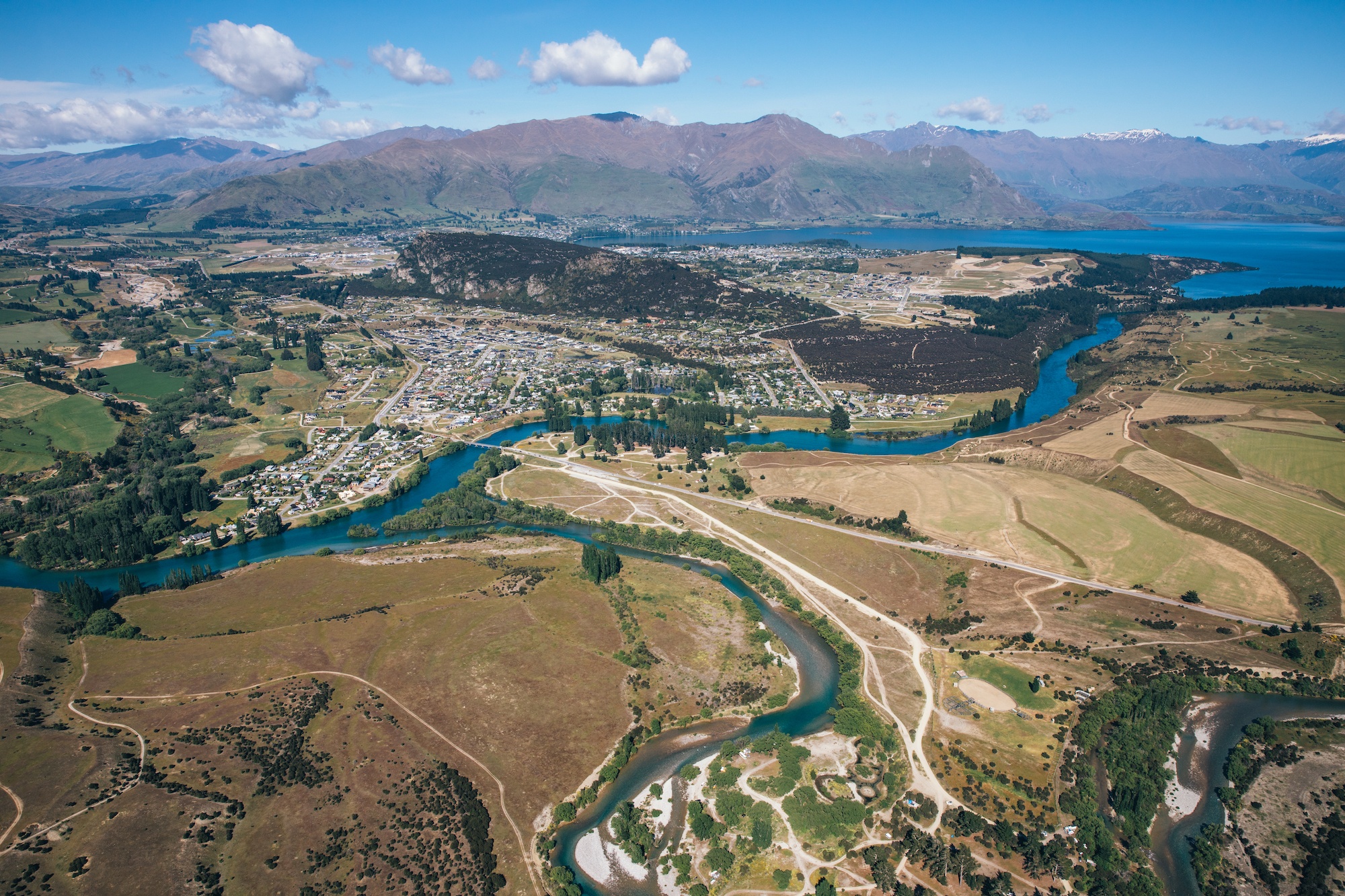
Ten years ago, a modest red vehicle arrived in the South Island of New Zealand, carrying the entirety of a traveler’s worldly possessions. The destination was Wānaka, a quiet lakeside settlement characterized by its low profile, sparse digital footprint, and an unhurried mountain lifestyle. Instagram culture had not yet commodified the local landscape, and the iconic willow tree standing alone in the lake enjoyed relative anonymity. Today, marking a full decade of residency in the region, the milestone prompts a deeper reflection not only on personal longevity in one place, but on the sweeping socioeconomic transformations that have reshaped New Zealand’s premier alpine destinations.

During the initial relocation a decade ago, remote digital work was gaining traction, allowing independent professionals geographic mobility. After a lease expired in Wellington, a conscious choice was made to head south, bypassing the busier, more commercialized hub of Queenstown in favor of Wānaka’s understated charm. This pattern of migration—visiting for a brief period and remaining indefinitely—is a defining characteristic of the demographic shifts seen in Central Otago over the last twenty years.
The Evolution and Economic Pressures of a Resort Town
While Wānaka retains its geographic allure, the lived experience of its residents has grown increasingly complex. Like many high-amenity resort communities worldwide, the town has experienced exponential growth, commercial expansion, and a dramatic shift in its cost of living.
At the forefront of these challenges is the surging cost of real estate and daily essentials. With the average cost of a residential home hovering around $1.5 million NZD, homeownership has become an increasingly distant prospect for long-term residents and younger generations who fuel the local service and tourism economies. Consumer costs reflect this inflationary pressure: filling a standard automobile tank now approaches $175 NZD, routine grocery expenditures for a single bag regularly reach $100 NZD, and casual dining averages $30 NZD per meal. Economic analyses indicate that living costs in parts of rural Central Otago have occasionally eclipsed those in major metropolitan centers like Melbourne, exacerbated by New Zealand entering a broader economic recession.
Despite these economic headwinds, the town maintains a magnetic pull. Even a brief relocation to Lyttelton near Christchurch during the COVID-19 pandemic underscored the enduring pull of the community, prompting a swift return to Wānaka once restrictions subsided. The town’s trajectory mirrors a global phenomenon: beautiful natural landscapes inevitably attract capital, leading to rapid development, rising valuations, and a fundamental restructuring of local demographics.
Ten Definitive Pillars of the Wānaka Experience

To understand the enduring appeal of Wānaka despite its modern financial hurdles, one must examine the defining geographic, cultural, and environmental elements that established its reputation as a world-class destination.
- Unmatched Alpine Topography
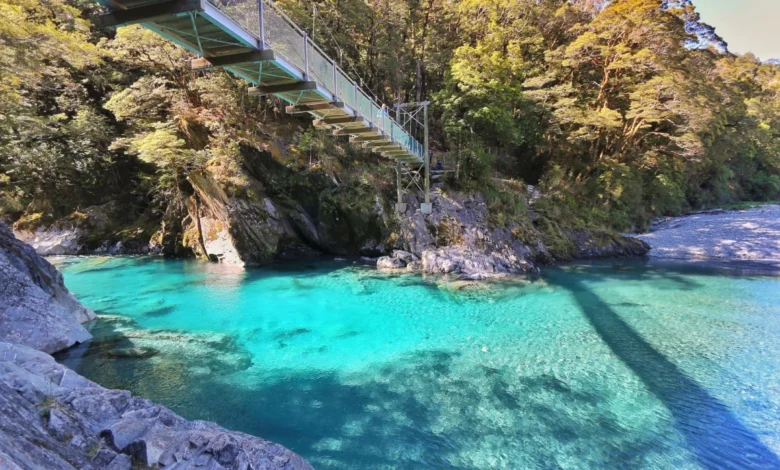
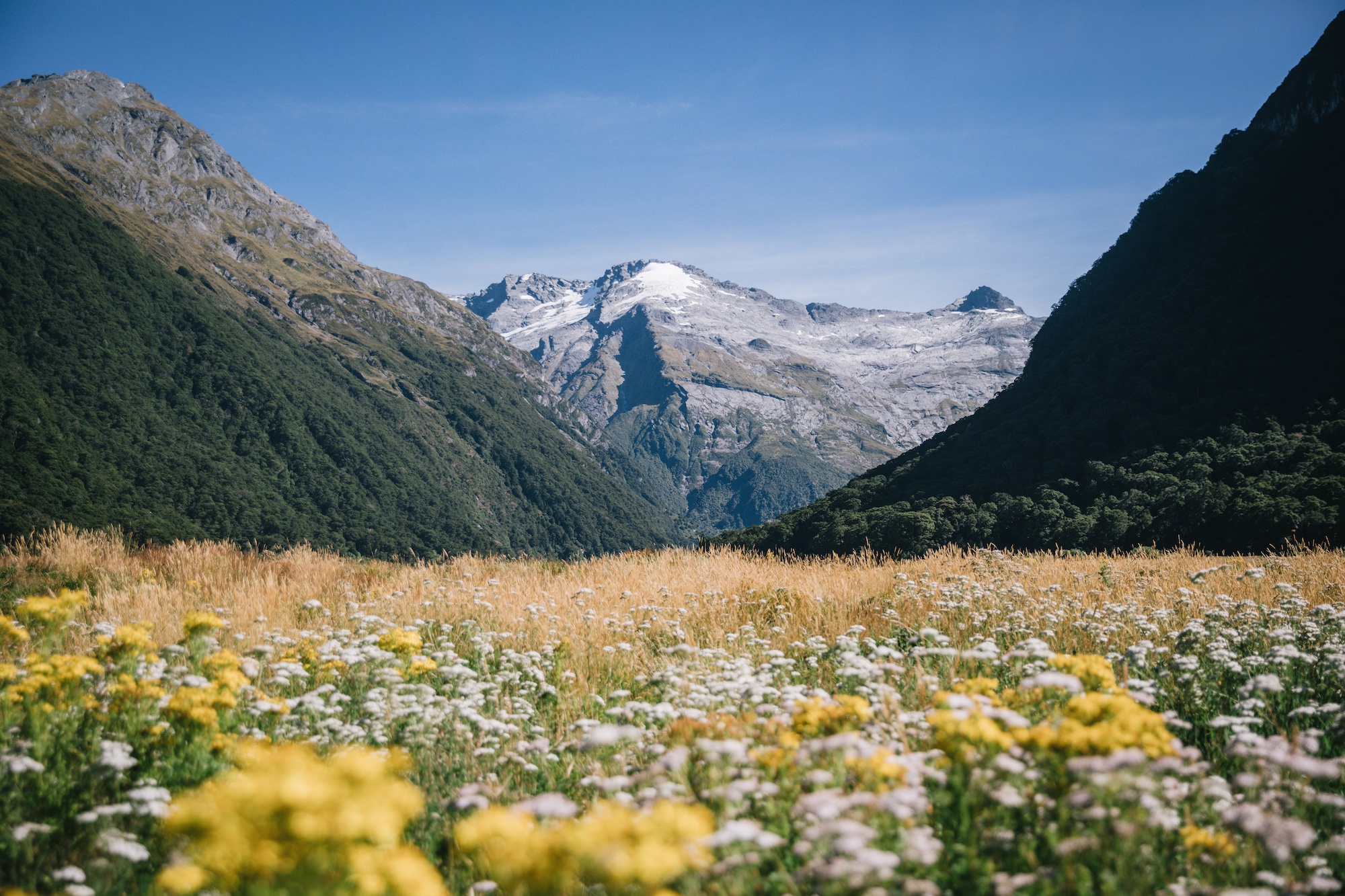
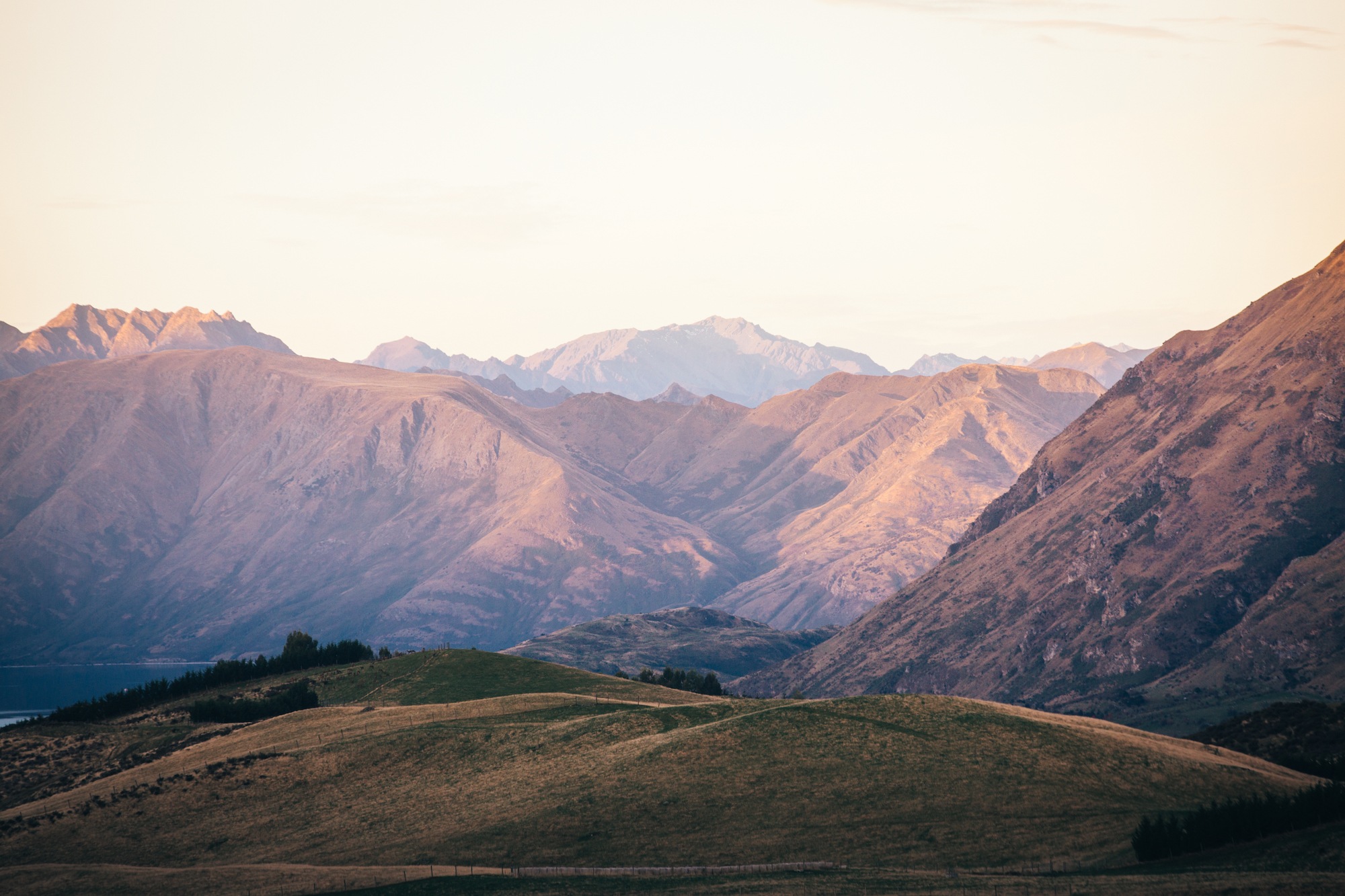
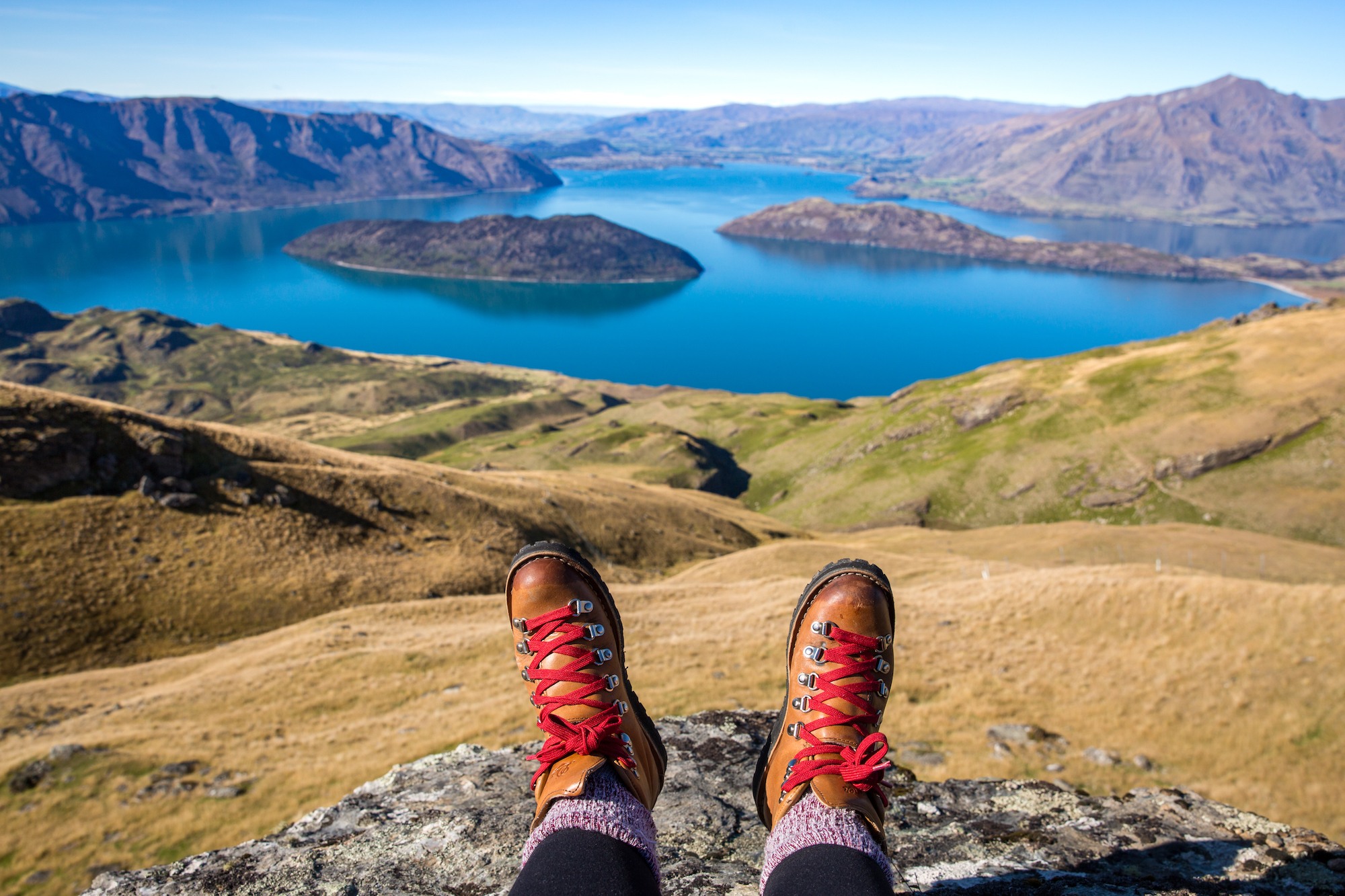
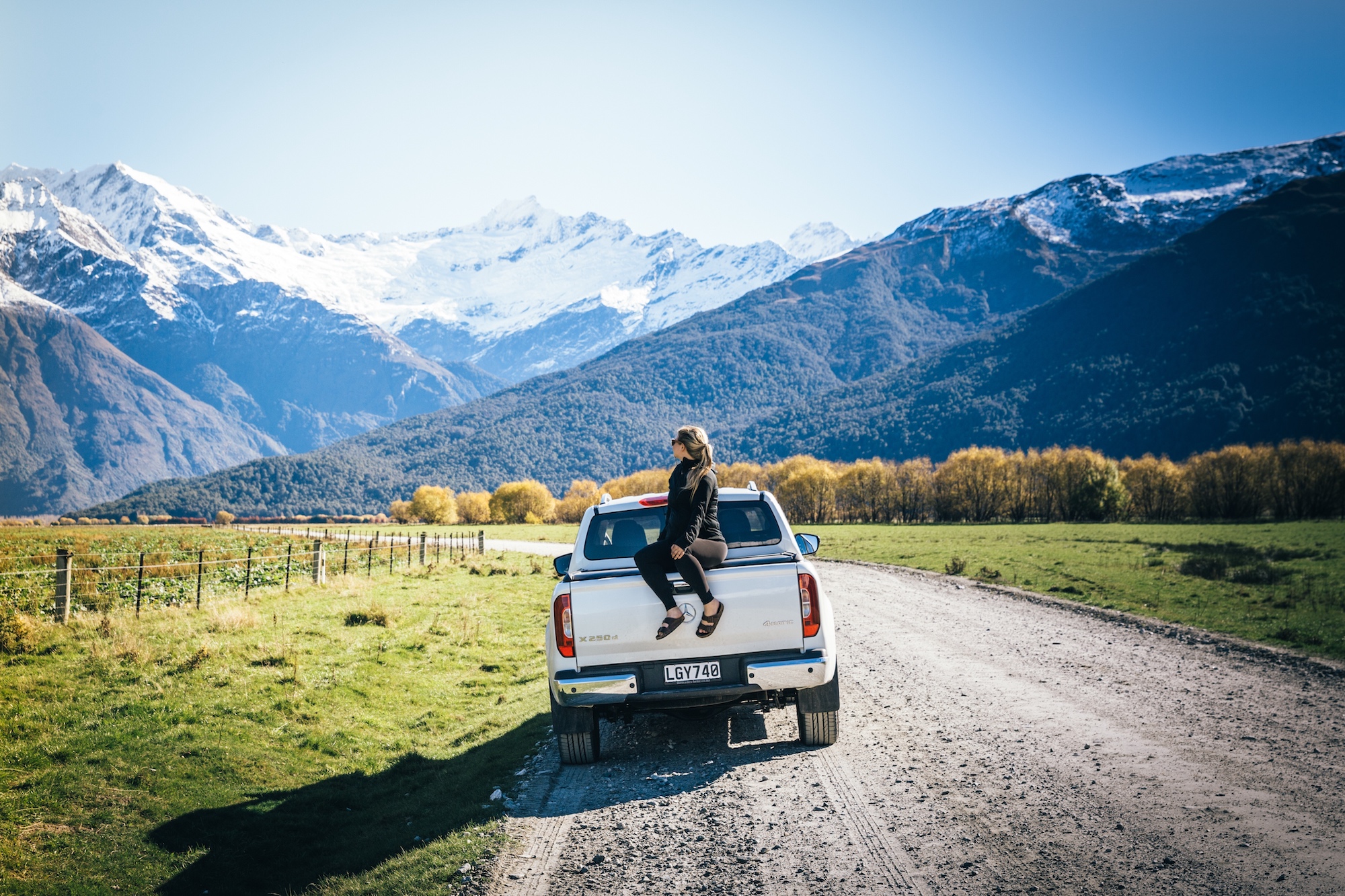
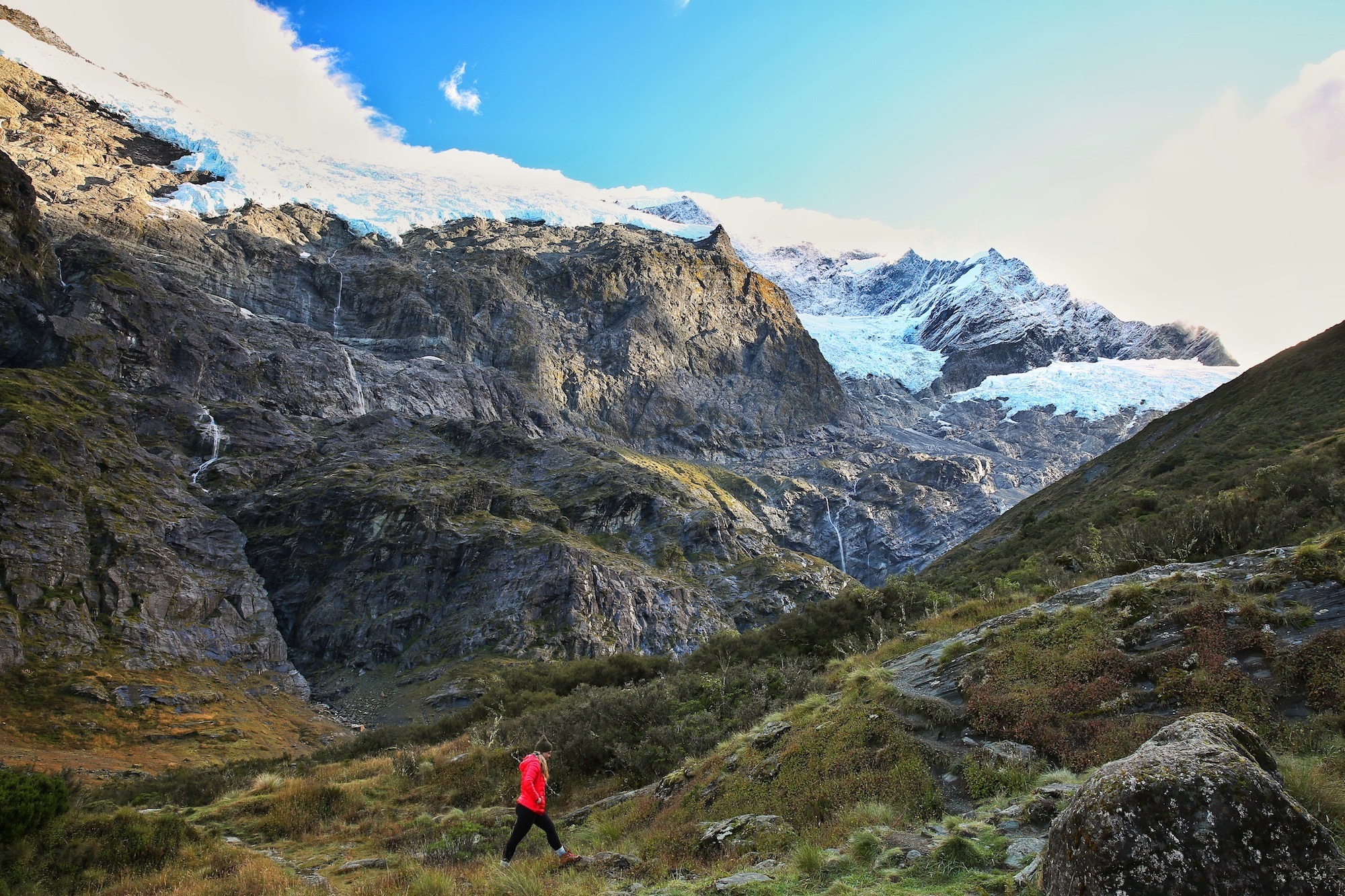
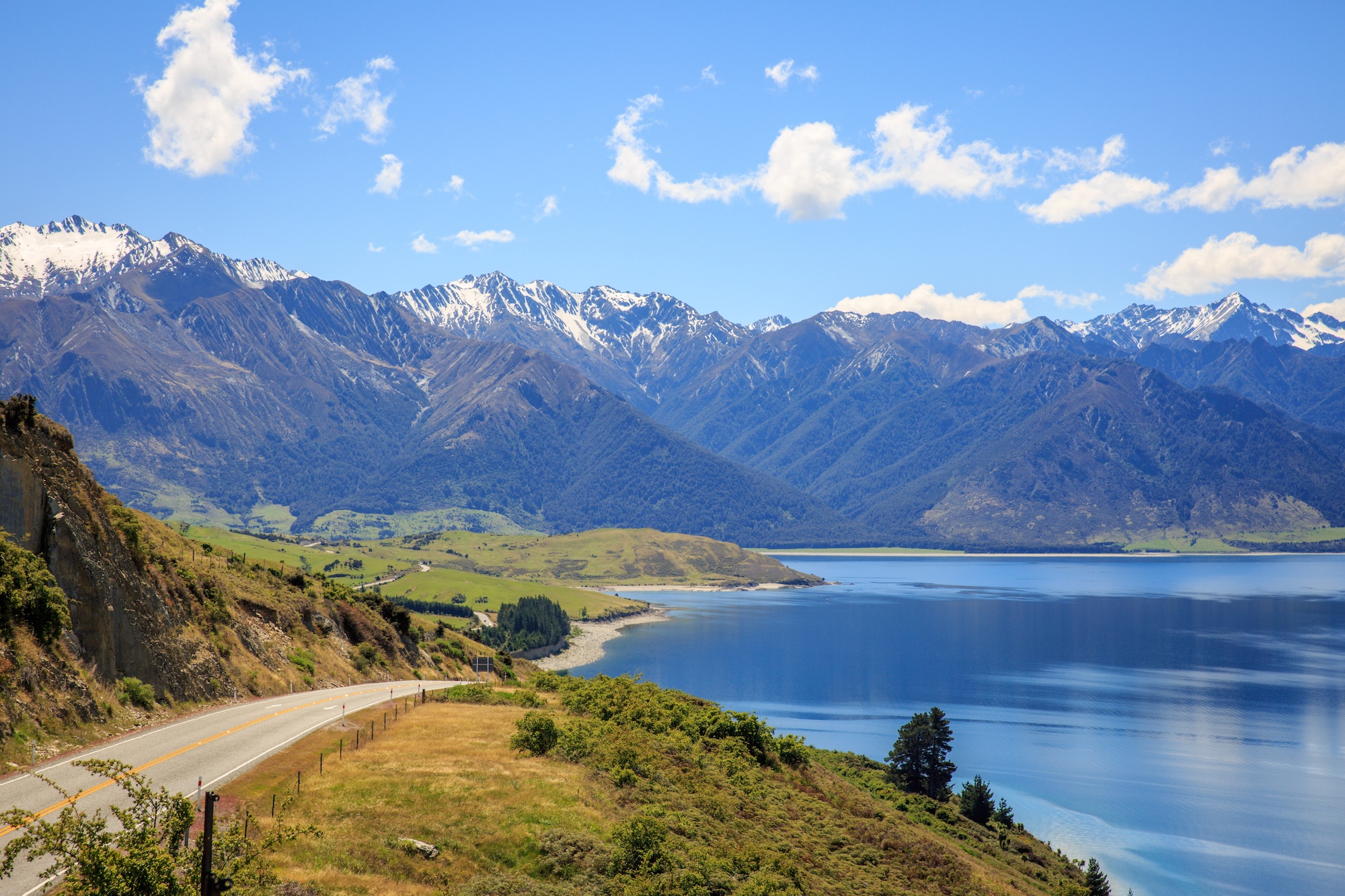
Wānaka’s primary draw remains its extraordinary geography. Situated adjacent to Mount Aspiring National Park and stretching along the pristine, glacier-fed expanse of Lake Wānaka, the landscape functions as a natural amphitheater of the Southern Alps. The convergence of national park wilderness, alpine peaks, and deep-water lakes creates a visual standard that continues to attract international visitors, outdoor athletes, and residents willing to endure financial sacrifices for access to the environment.
- Authentic Small-Town Community Dynamics
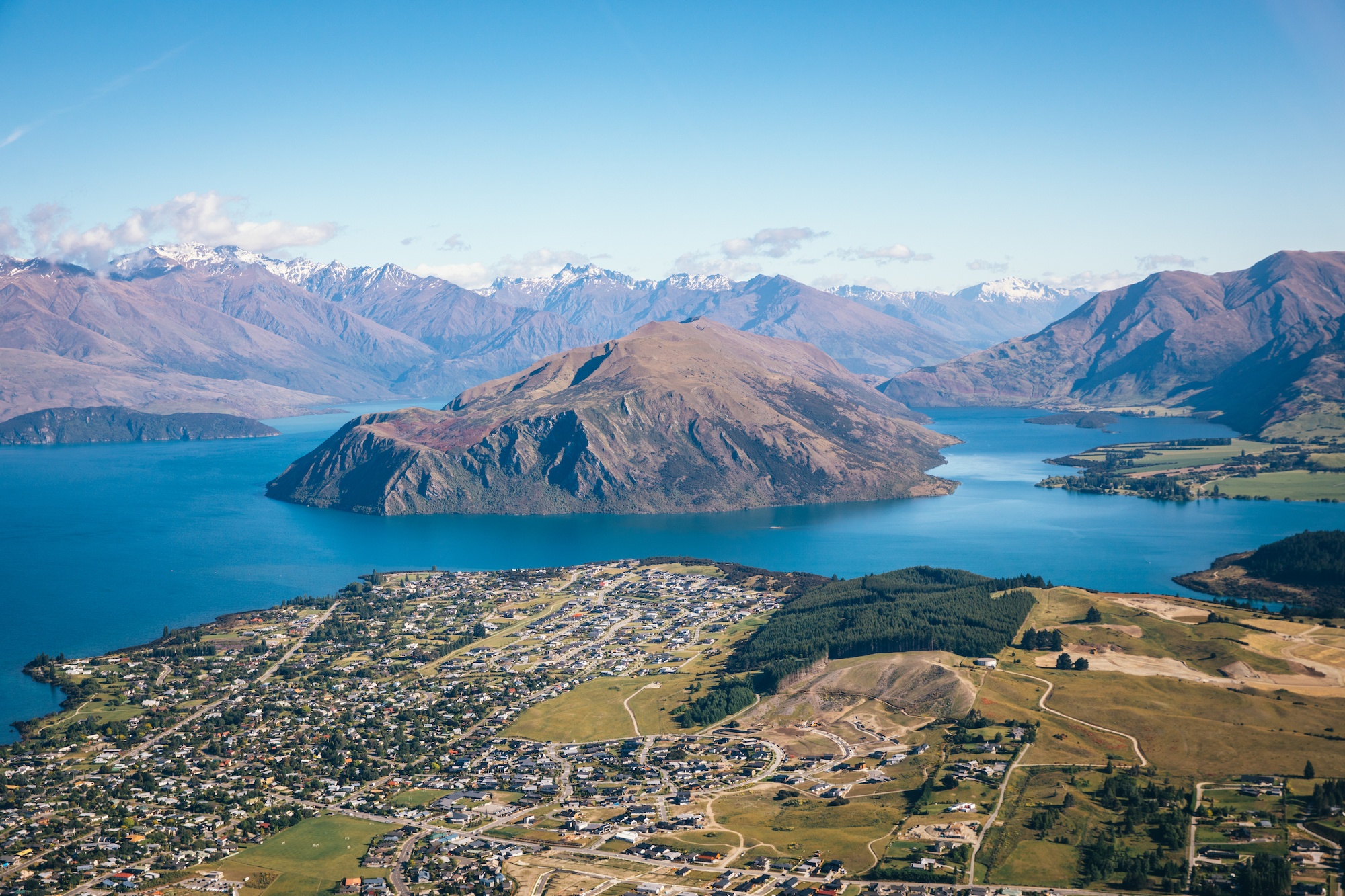
Even as the local population has doubled over the past decade, Wānaka preserves a distinct small-town fabric. The community remains tight-knit, characterized by high levels of social familiarity among residents, local business owners, and municipal workers. This high-trust environment is famously highlighted by local community bulletins, such as The Messenger’s lighthearted Crimestoppers column, which often reports minimal local infractions with deadpan humor. However, the compact social circle also presents challenges, contributing to a hyper-localized dating market and insular community dynamics.
- A Gateway to Wilderness and Adventure
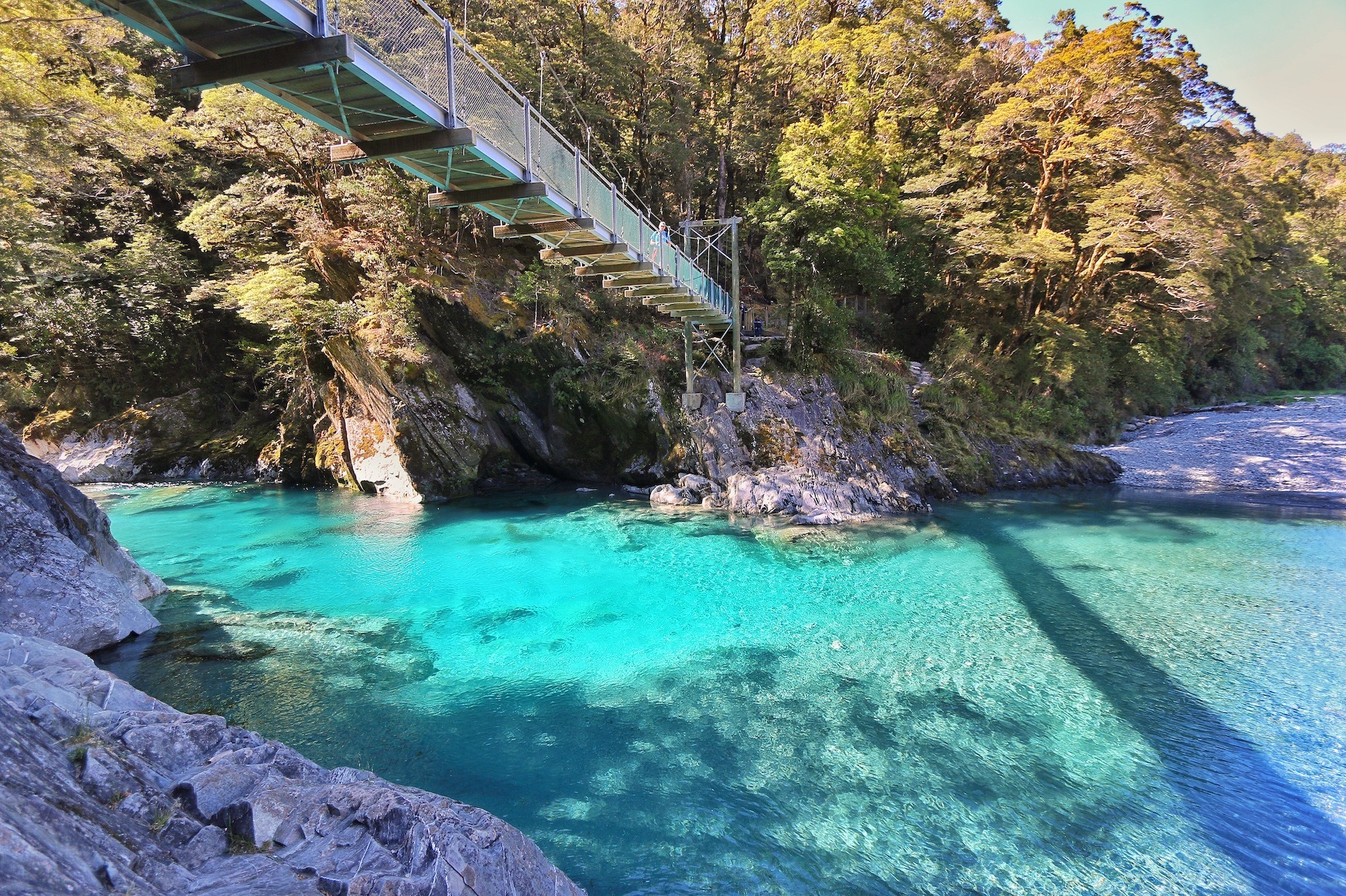
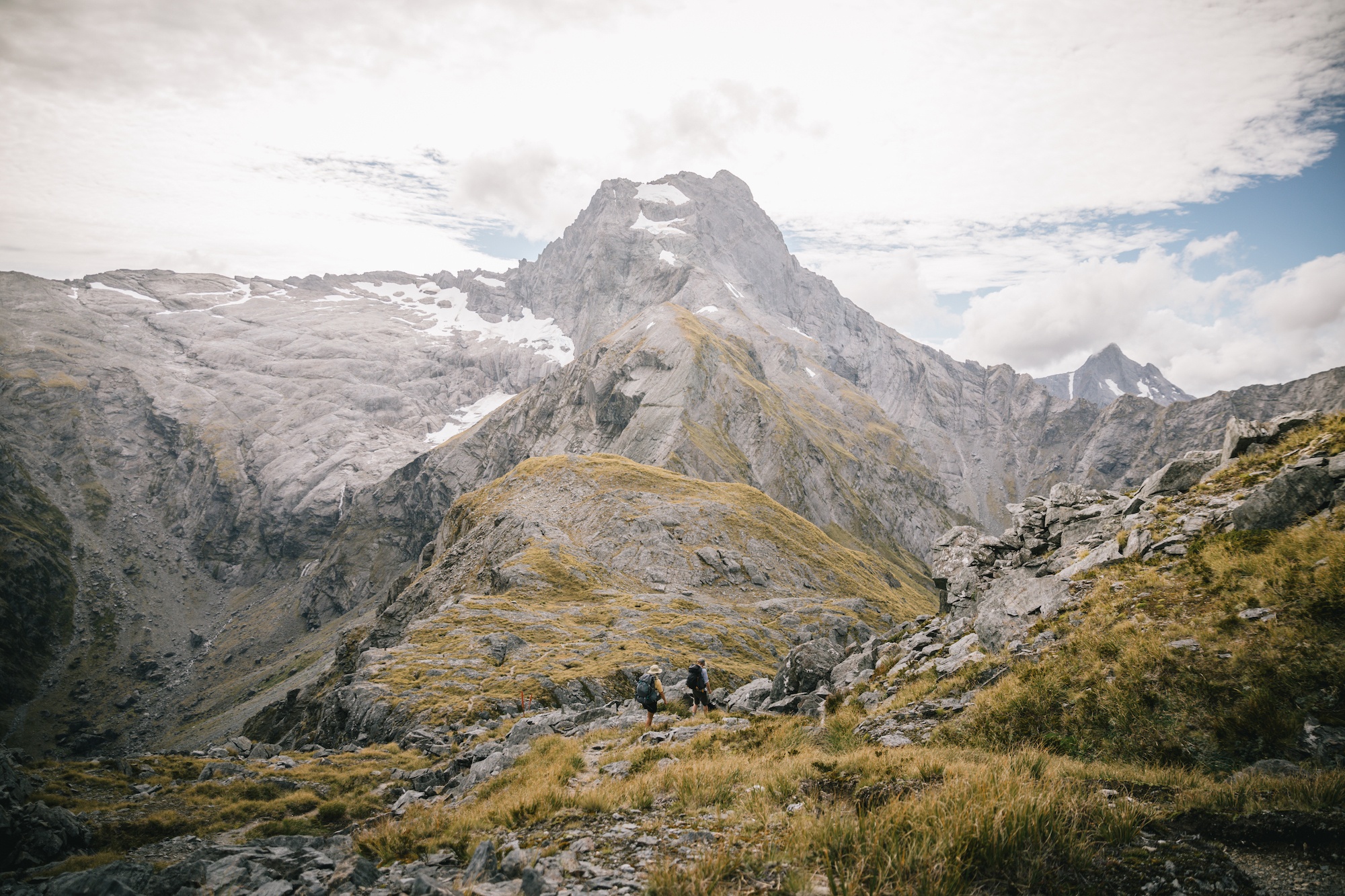
Serving as the primary eastern threshold to Mount Aspiring National Park—established in 1964 and spanning over 3,500 square kilometers—Wānaka is a recognized hub for alpine recreation. Unlike the more mechanized, fast-paced tourism infrastructure of neighboring Queenstown, recreation in Wānaka typically requires physical exertion, demanding that outdoor enthusiasts navigate rugged terrain, glacial valleys, and technical tramping routes on foot.
- Distinct Four-Season Climate
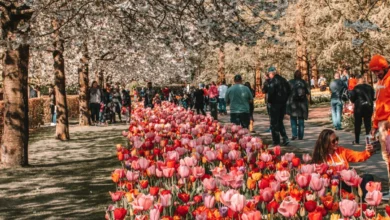
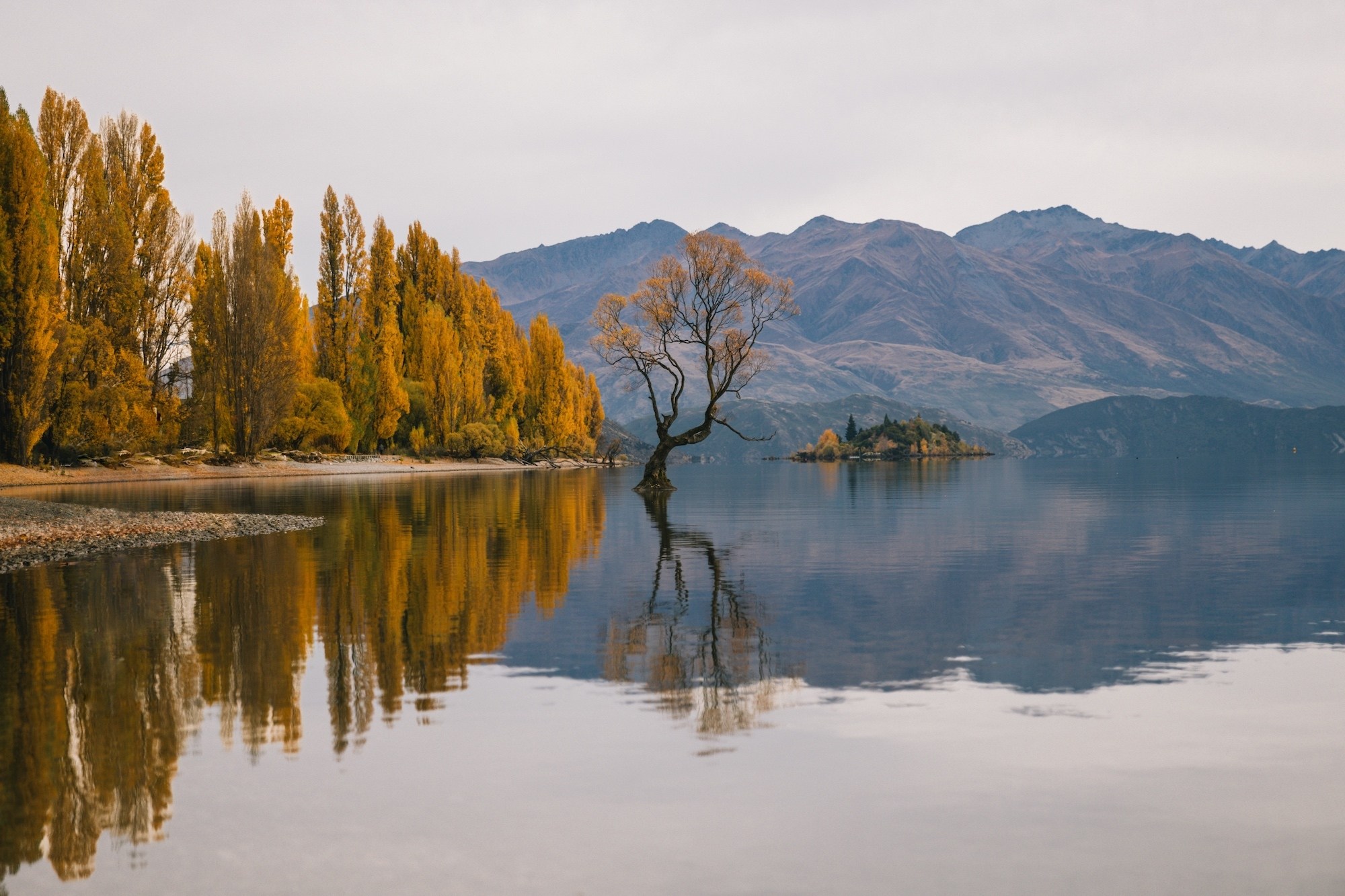
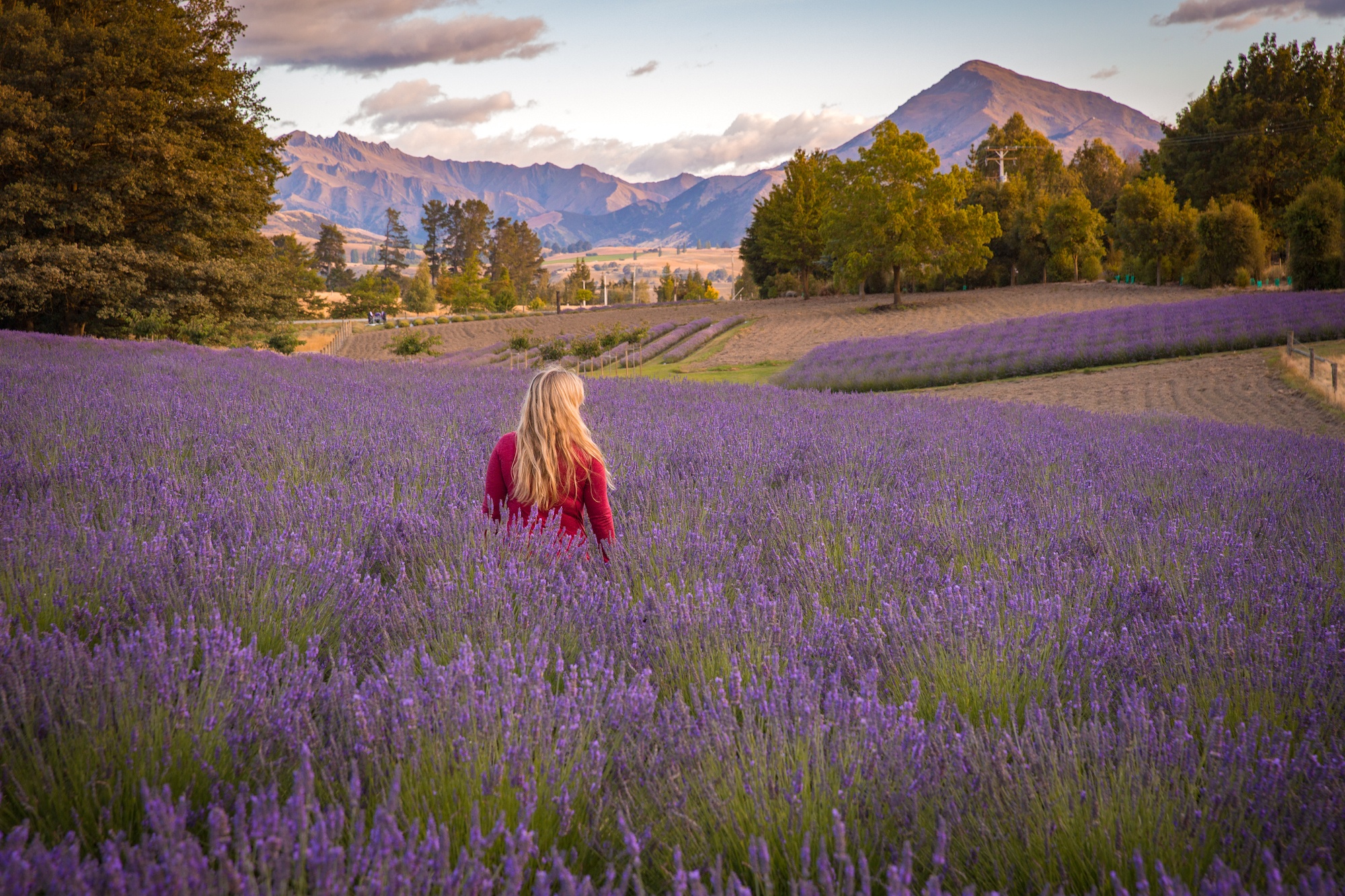
Unlike regions with static tropical climates or muted seasonal shifts, Wānaka experiences four distinct meteorological seasons. Autumn introduces vibrant reds and golds across introduced European tree species and regional vineyards; winter brings snowy peaks and ski access; spring offers diverse floral blooms; and summer delivers warm, arid conditions centered around water-based recreation on the lakes.
- The Ascendance of Lake Hāwea
Located a short fifteen-minute drive northeast toward the West Coast, Lake Hāwea has increasingly emerged as a preferred alternative to Lake Wānaka for residents seeking tranquility. Historically a quiet enclave for holiday baches and creative subcultures, Hāwea has experienced its own wave of residential development. Nevertheless, its colder, clearer waters and expansive, uncrowded beaches maintain a serene atmosphere that many locals argue surpasses the busier shores of Wānaka proper.
- De-emphasized Corporate Status and Career Culture
In Wānaka, social hierarchy is rarely anchored to professional titles or corporate status. Because the local economy lacks the diversified corporate infrastructure of major cities, residents routinely accept flexible or seasonal employment simply to sustain their residency. Consequently, individual identity is measured by outdoor pursuits, creative endeavors, and community involvement rather than career progression. Integrating into this community requires overcoming initial local skepticism toward transient visitors, but genuine engagement yields enduring social networks.

- Iconic, Unspoiled Ski Infrastructure
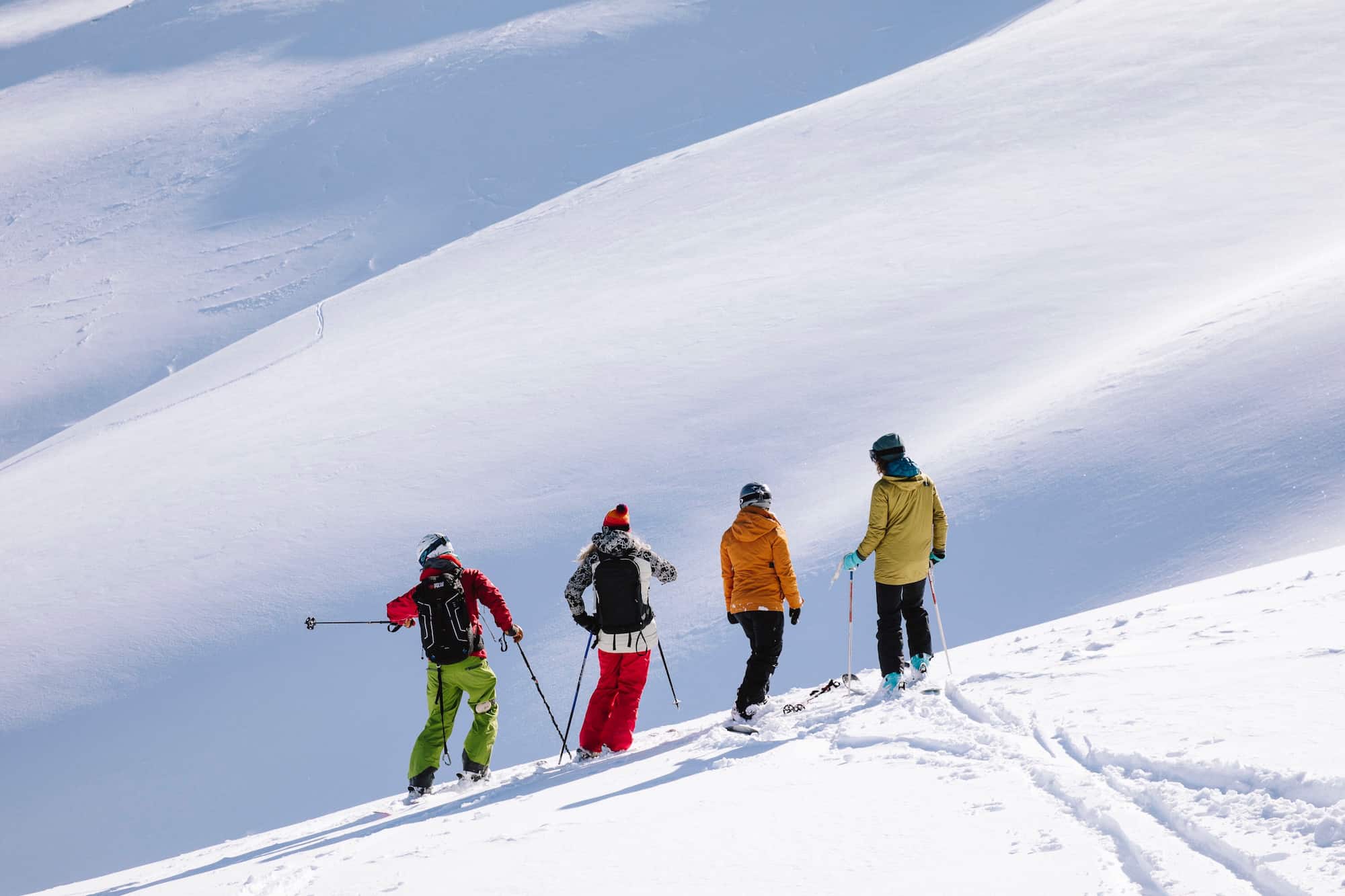
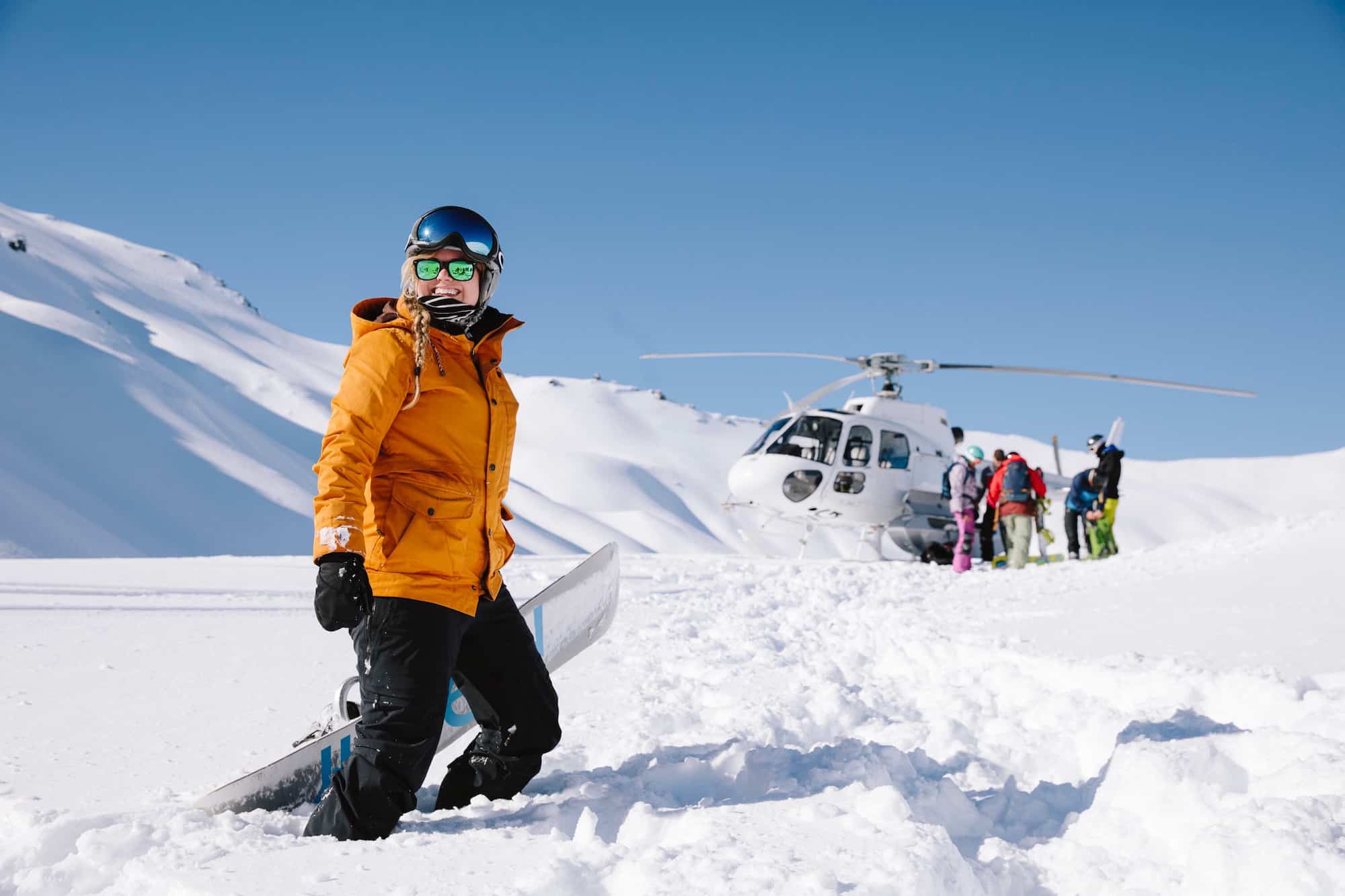
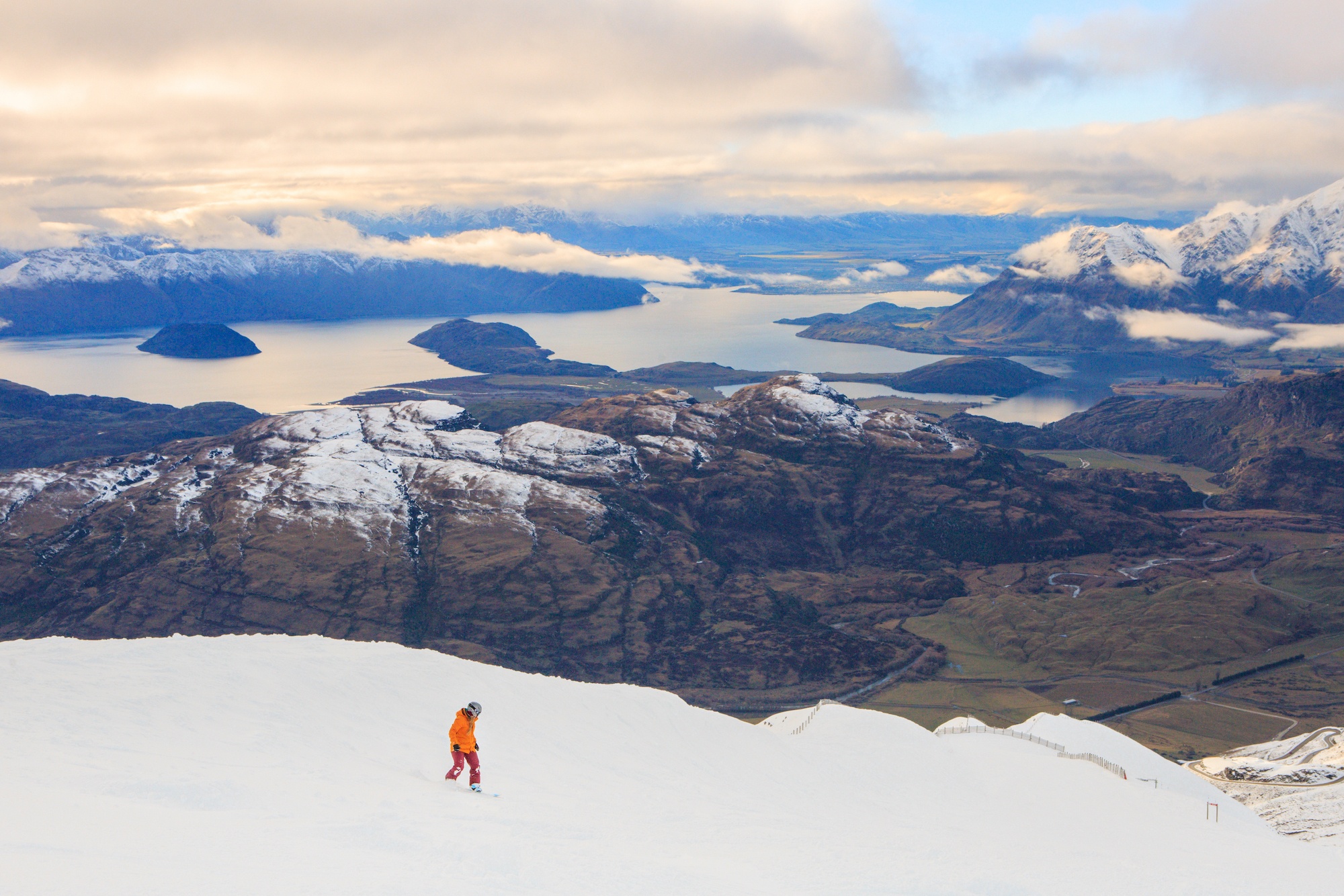
Winter transforms the region into a premier snow-sports destination anchored by Cardrona Alpine Resort and Treble Cone. Eschewing the heavily commercialized, high-speed gondola infrastructure of mega-resorts in North America or Europe, Wānaka’s ski fields maintain an old-school character. Access requires navigating winding alpine roads, and the lack of native timber above the tree line yields expansive, unobstructed views across the Southern Alps during calm, clear winter weather windows.
- Central Geographic Connectivity
Wānaka functions as an ideal operational base due to its proximity to the broader Otago and Southland regions. Central Otago’s renowned wine-producing subregions—including Cromwell, Clyde, and Alexandra, celebrated for their Pinot Noir—lie within a one-hour radius. Furthermore, proximity to Queenstown International Airport provides global connectivity, while coastal environments such as the Catlins and Riverton remain accessible via a half-day drive.
- Eccentric Local Institutions
The town’s cultural identity is anchored by enduring, idiosyncratic local landmarks. These include the historic Cardrona Bra Fence, a charitable fundraising installation that has persisted through decades of community debate; Cinema Paradiso, an independent cinema featuring vintage couches, a working Morris Minor car, and freshly baked intermission cookies; and Puzzling World, a long-standing attraction dedicated to optical illusions and maze design.

- Exceptional Dark Sky Visibility
Due to strict regional lighting controls and relative geographic isolation, Wānaka benefits from minimal light pollution. This environmental management preserves exceptional night-sky clarity, enabling residents to view the Milky Way directly from urban areas and frequently observe the dynamic displays of the Southern Lights (Aurora Australis) along the southern horizon.
Sociological Implications of Resort Town Growth

The trajectory of Wānaka over the past ten years offers a compelling case study for municipal planners and sociologists studying modern amenity migration. As remote work and lifestyle mobility continue to drive populations toward high-amenity natural environments, secondary cities and towns face acute pressures regarding infrastructure development, affordable housing, and socioeconomic stratification.
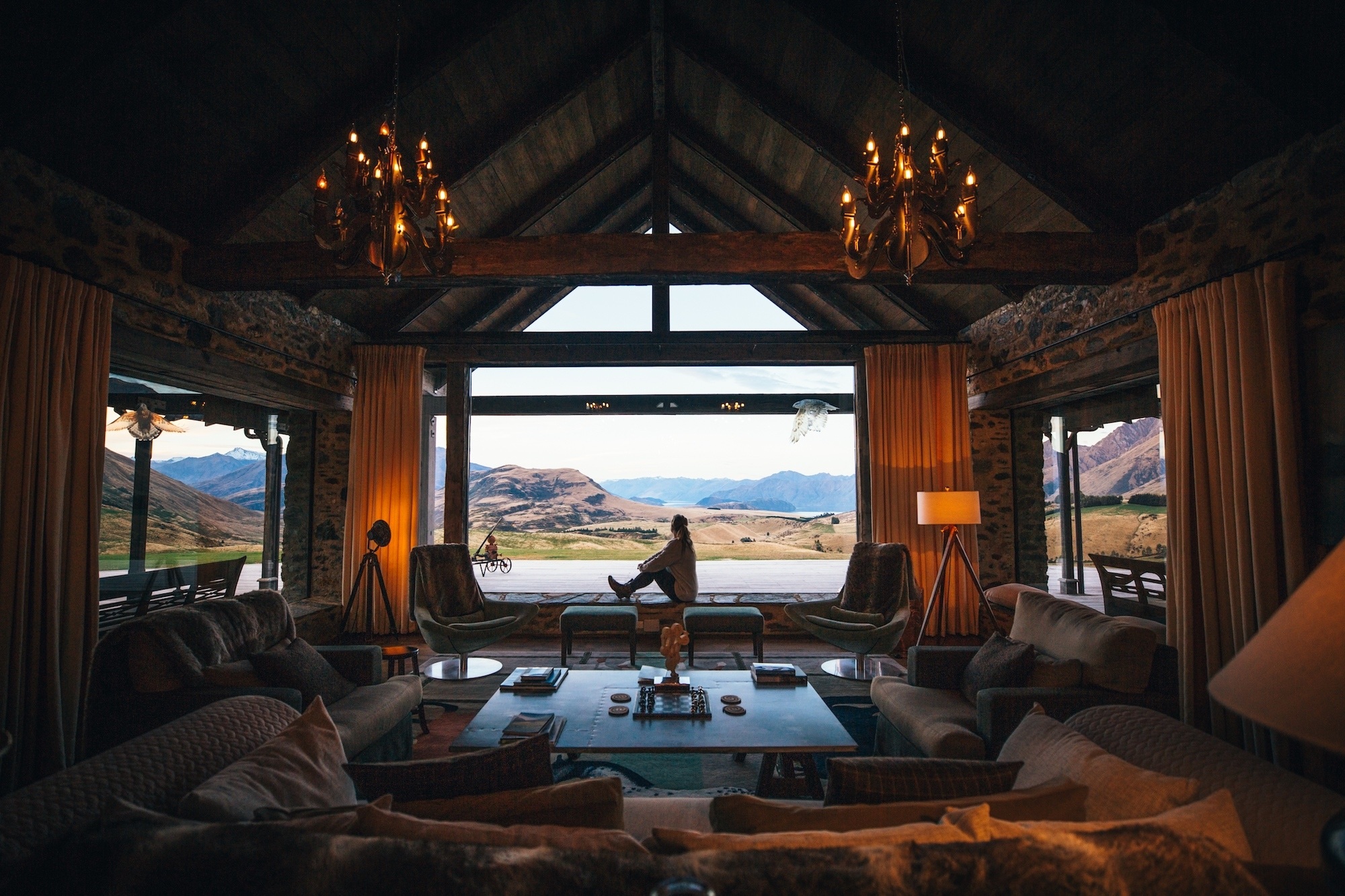
Local governance bodies in the Queenstown-Lakes District face ongoing debates regarding how to balance tourism-driven economic development with the preservation of local livability. The influx of high-net-worth investors has successfully stimulated commercial growth and high-end service sectors, yet it simultaneously threatens the socio-cultural diversity that originally drew artists, adventurers, and working-class residents to the region.

Conclusion: A Complex Enduring Legacy
Reflecting upon a decade spent within the borders of Wānaka reveals a narrative familiar to many of the world’s prized alpine sanctuaries. The juxtaposition between breathtaking natural beauty and challenging economic realities creates a complex psychological landscape for long-term residents. While the feasibility of permanent residency remains an ongoing question amid fluctuating national economic cycles, the town’s geographic splendor, tight-knit community networks, and distinctive character ensure that Wānaka retains a profound, permanent influence on all who choose to call it home.