Stepping Back In Time: Exploring Secluded American West Trails with Ancient Ruins and Rich Cultural Heritage

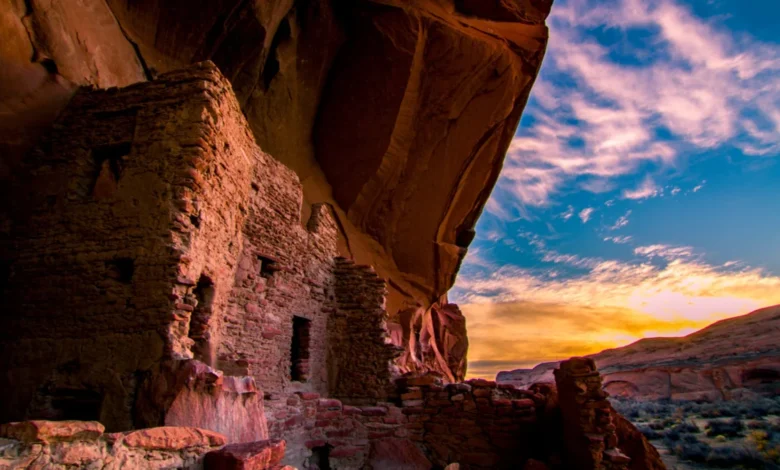
The intersection of outdoor recreation and historical preservation has increasingly drawn backpackers and cultural heritage enthusiasts toward remote backcountry trails in the American West. While iconic national parks such as Mesa Verde and Chaco Culture continue to attract millions of visitors annually, their high accessibility often leads to congestion, detracting from the contemplative nature of historical exploration. In response to this overcrowding, outdoor adventurers and conservationists are turning their attention toward lesser-known, secluded trails that offer intimate encounters with Ancestral Puebloan dwellings, historic granaries, and exceptionally well-preserved rock art.
These remote archaeological routes transform a standard wilderness hike into a profound journey through time. However, this surge in backcountry historical tourism has also heightened concerns among federal land managers, tribal nations, and conservation groups regarding site protection, artifact preservation, and the respectful treatment of ancestral lands.
The Significance and Sensitivity of Cultural Heritage Hiking
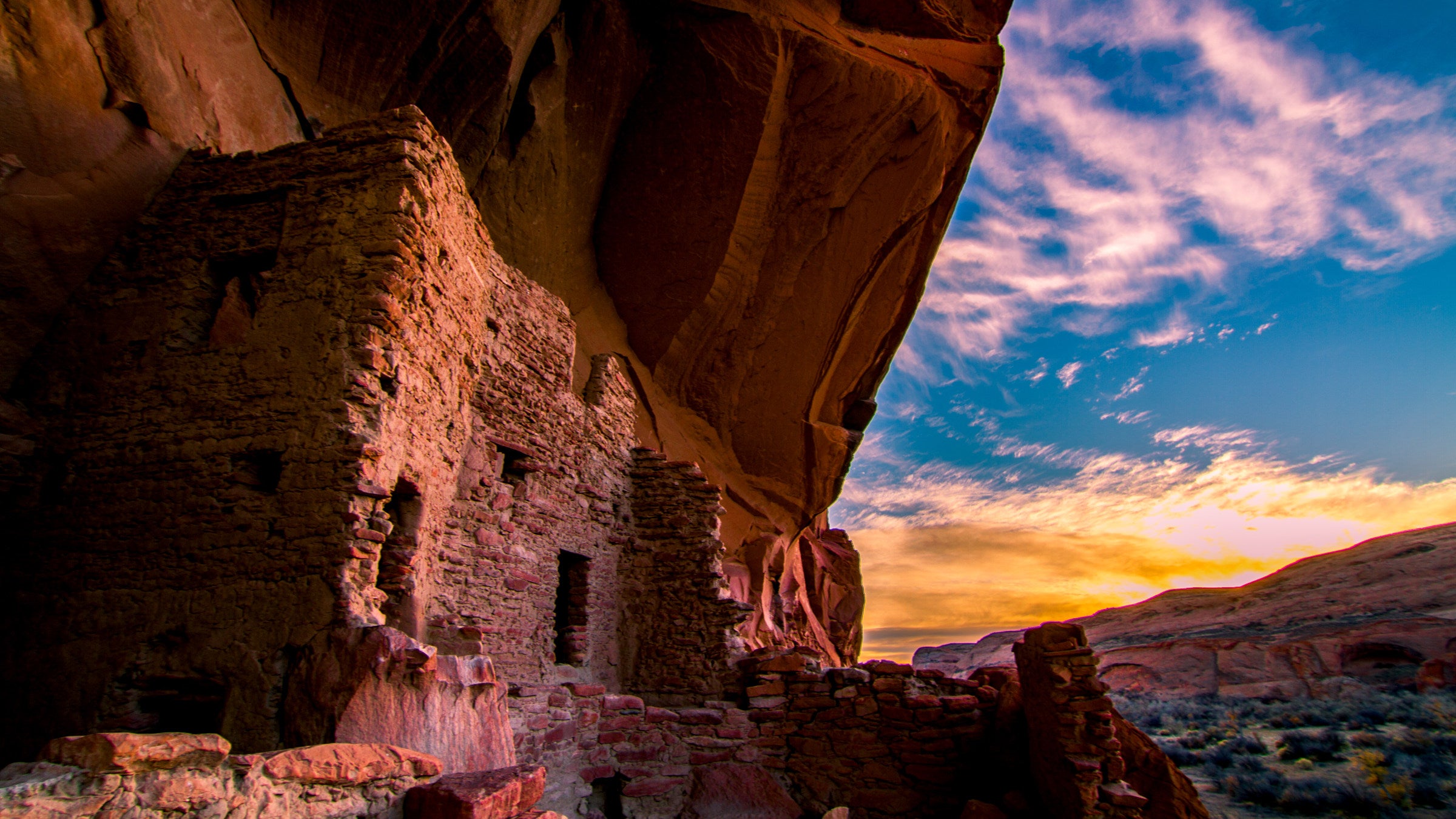
Navigating the archaeological landscapes of the American West requires an acute awareness of historical sensitivity. Unlike conventional nature trails, paths winding through ancient ruins traverse areas that hold deep religious and cultural significance for contemporary Indigenous communities. Representatives from organizations such as the Bears Ears Inter-Tribal Coalition emphasize that rock art panels, cliff dwellings, and ceremonial structures are not merely static relics of the past, but living connections to ancestral heritage. Federal rangers and tribal historians routinely urge visitors to approach these sites with the same reverence afforded to traditional places of worship.
Conservation science underscores the fragility of these environments. Decades of foot traffic, unauthorized artifact collection, and physical contact have accelerated the degradation of sandstone structures and pictographs. Natural weathering processes, combined with human impact—such as touching stone surfaces or disturbing prehistoric potsherds—threaten the structural integrity of these fragile ecosystems. Consequently, land management agencies including the Bureau of Land Management (BLM) and the National Park Service (NPS) enforce strict regulatory frameworks, mandating adherence to "Leave No Trace" principles, restricted group sizes, and specialized permit systems.
Canyonlands National Park: Salt Creek Canyon Trail
Located in the rugged southeastern sector of Canyonlands National Park in Utah, the Salt Creek Canyon Trail offers a demanding yet rewarding 22.5-mile one-way route through a landscape rich in geological and historical wonders. The trail showcases numerous natural arches, towering sandstone walls, and extensive Ancestral Puebloan and Ute cultural sites. Along the canyon floor, hikers frequently encounter historical granaries once utilized by Indigenous populations to store essential provisions such as corn and masa flour.
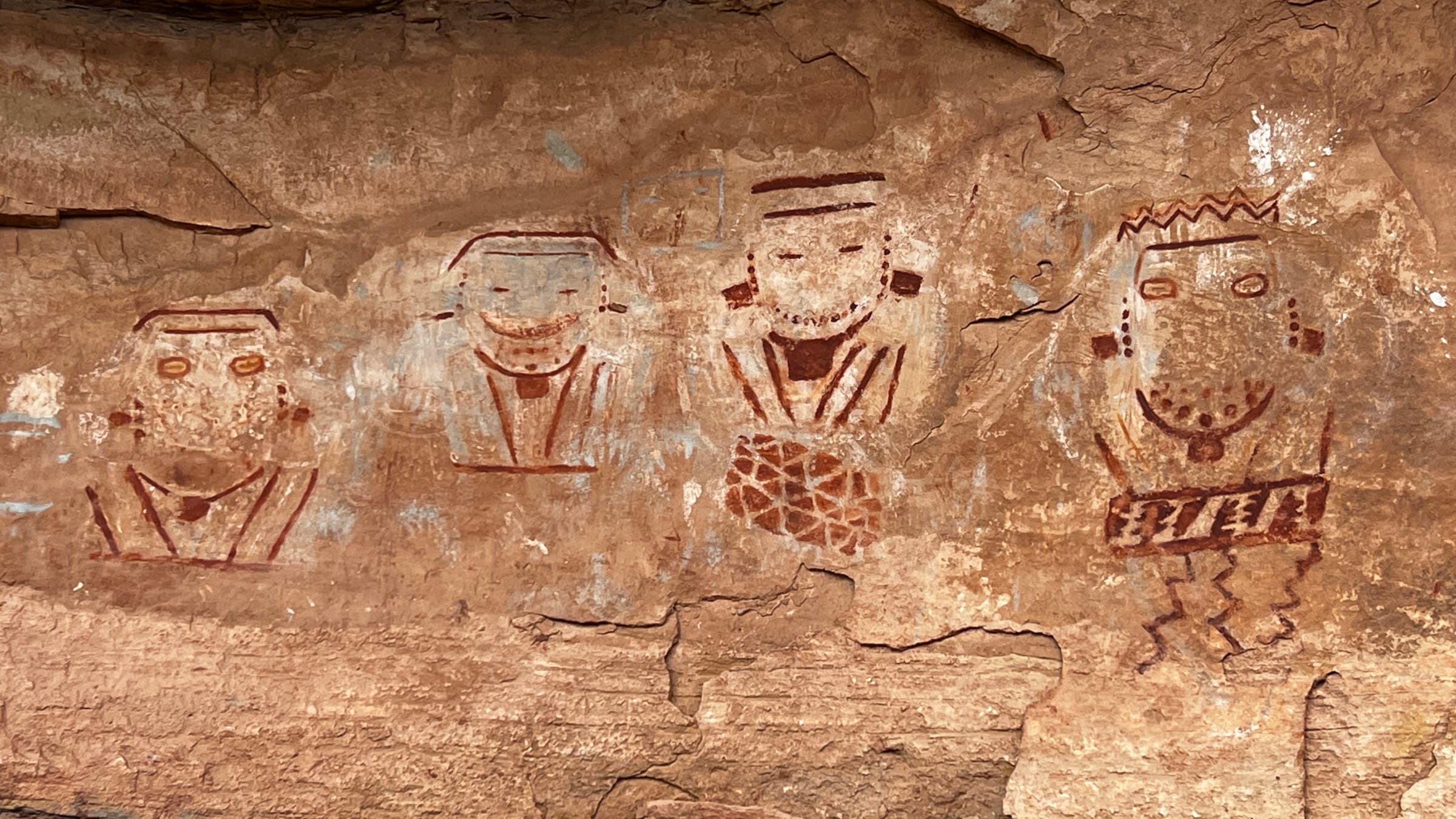
Further exploration along connected spur trails reveals prominent cliff dwellings and exceptionally preserved petroglyphs, including regionally famous motifs such as the "America Man" and the "Five Faces." Prehistoric pottery fragments, or potsherds, remain visible along various stretches of the trail, serving as a reminder of the area’s deep human history.
Logistical planning for Salt Creek Canyon requires careful consideration of seasonal water availability, prompting most experienced backpackers to schedule expeditions during early spring. Overnight stays within the canyon necessitate backcountry permits, which must be secured via recreation.gov four months in advance of each seasonal block. Visitors are also subject to standard park entrance fees, and domestic pets are strictly prohibited to protect local wildlife and archaeological resources.
Bears Ears National Monument: House on Fire Ruin and Moon House Ruins
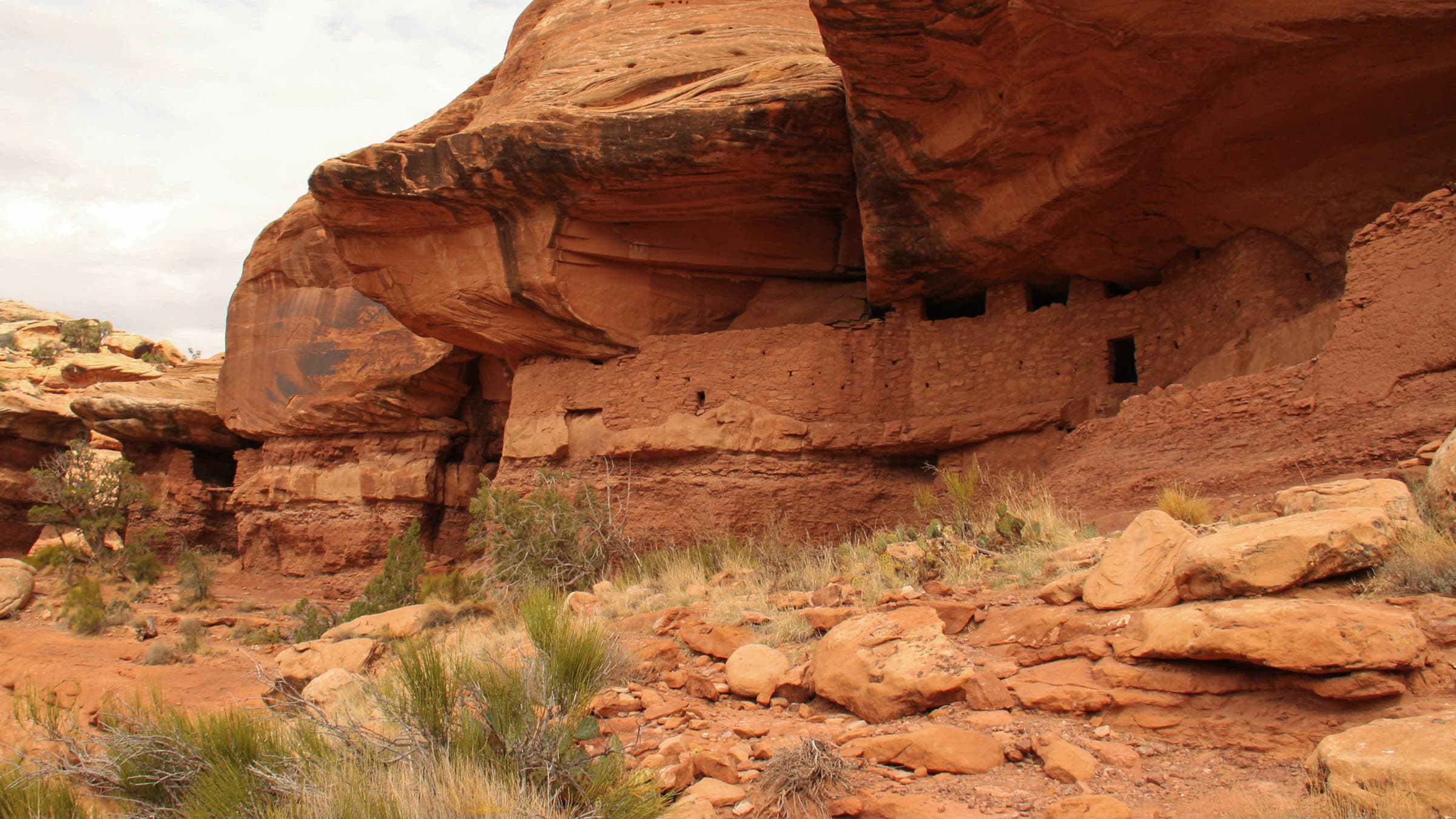
Designated as a national monument to protect its vast concentration of cultural and natural resources—estimated at over 100,000 archaeological sites—Bears Ears National Monument in southeastern Utah contains some of the most visually striking ancestral architecture in North America.
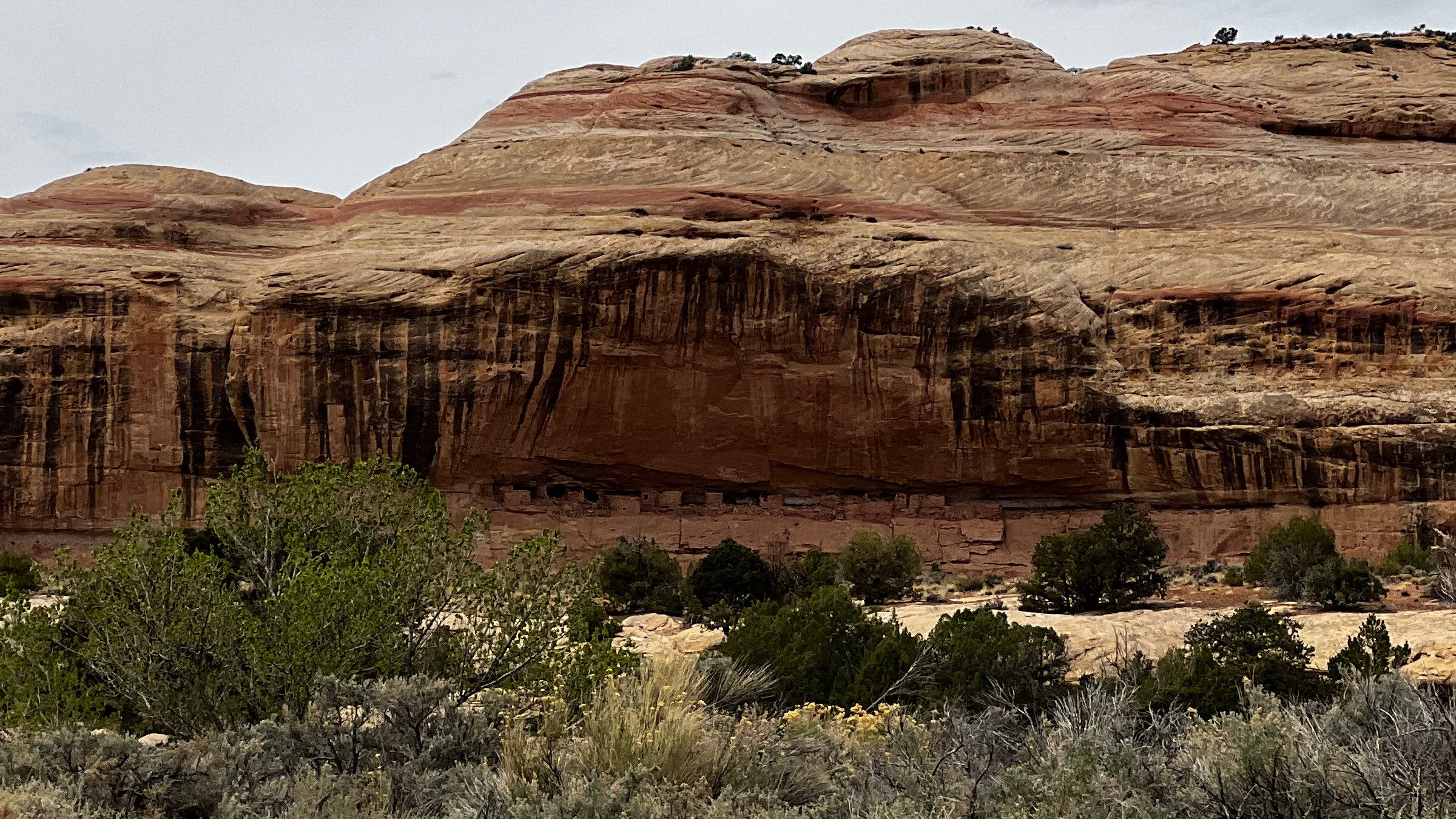
The hike to the House on Fire Ruin provides a relatively accessible introduction to the monument’s heritage. Spanning approximately 2.1 miles round-trip, the trail leads visitors to a cliff alcove where a masonry structure sits beneath a swirling, flame-patterned sandstone overhang. For hikers seeking a more extended journey, the route can be expanded along Mule Creek for a 6.4-mile out-and-back trek. Nearby, Arch Canyon offers an alternative 17.3-mile backcountry option featuring flowing water, natural arches, and additional cultural sites, all accessible under a unified permit structure.
A short distance to the south lies the Moon House Ruins in McCloyd Canyon, a complex perched high on a canyon wall. Named for an interior wall mural depicting the phases of the moon, this site functions as an ancient astronomical and architectural marvel. Access to Moon House is tightly controlled to mitigate human impact, capping visitation at 20 individuals per day. The 4.5-mile round-trip hike includes moderate elevation changes, rock scrambling, and fixed rope handlines. Permits require advance reservation through recreation.gov, and dogs are not allowed on this specific trail.
Canyons of the Ancients National Monument: Sand Canyon Loop
Spanning thousands of acres of archaeological richness in southwestern Colorado, Canyons of the Ancients National Monument preserves the highest-known archaeological site density in the United States. The Sand Canyon to East Rock Creek Trail to Rock Creek Trail Loop provides an 11.8-mile circuit that immerses travelers in a landscape dominated by deep sandstone canyons, panoramic mountain views, and unexcavated Puebloan ruins.
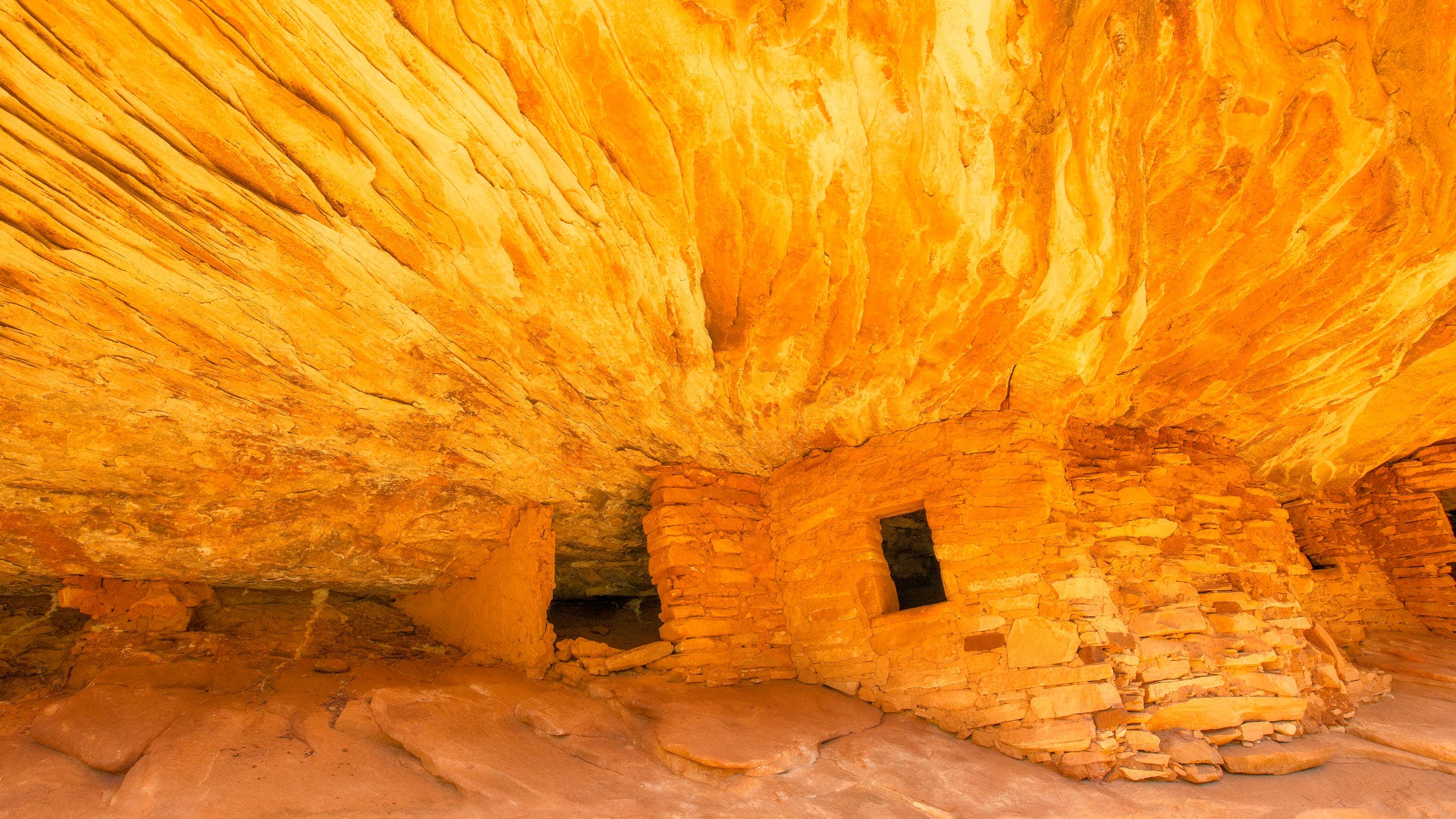
Unlike heavily regulated national park units, Canyons of the Ancients allows dispersed camping under specific low-impact guidelines, making it an attractive destination for self-sufficient backpackers. The trail integrates three distinct routes, offering a shorter distance and lower cumulative elevation gain than a standard out-and-back trek to Sand Canyon alone. Because many cultural sites along the loop remain unmarked, visitors must exercise heightened vigilance and restraint to avoid inadvertently damaging sensitive stone structures or disturbing archaeological artifacts.
Hovenweep National Monument: The Pueblo Trail System
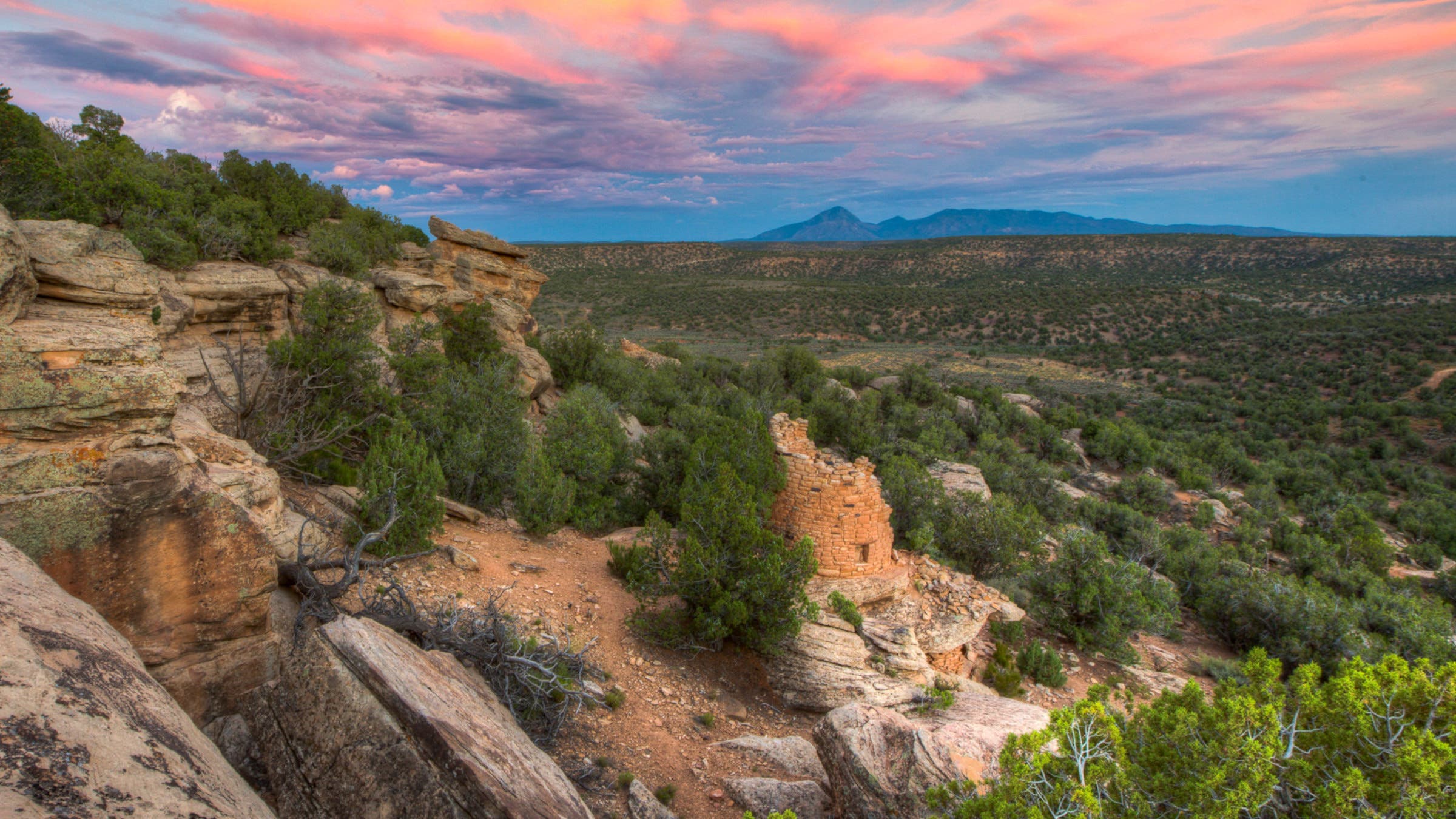
Spaddling the border between Utah and Colorado, Hovenweep National Monument preserves remarkable multi-story towers built by Ancestral Puebloans between 1200 and 1300 CE. The 12.4-mile out-and-back trail connecting Holly Pueblo, Horseshoe Pueblo, and Hackberry Pueblo guides hikers across undulating terrain, offering sweeping vistas of distinctive geologic formations and architectural landmarks such as the Twin Towers and Hovenweep Castle.
The trail traverses sensitive ecological zones, passing near designated study areas for rare reptiles on the Colorado side of the monument. While Hovenweep National Monument prohibits dispersed camping within its immediate boundaries, a 31-site campground is situated near the trailhead. Additionally, hikers can seamlessly connect their route into adjacent Bureau of Land Management lands in Colorado, where legal dispersed camping is permitted. Entrance fees apply, but advanced wilderness permits are not required for day use.
Navajo National Monument: Keet Seel Guided Expeditions
Representing the largest Ancestral Puebloan cliff dwelling in Arizona, Keet Seel within Navajo National Monument stands as a benchmark of prehistoric Southwestern architecture. Due to the extreme vulnerability of the site and its immense cultural significance, unsupervised visitation is strictly prohibited.
The National Park Service regulates access by offering seasonal guided overnight backpacking trips during the spring (April and May) and fall (September and October) months. The journey is exceptionally strenuous, covering a 17.2-mile round-trip route that requires deep canyon descents and arduous ascents in both directions. Daily participation is capped at 20 visitors, and tours operate contingent upon adequate staffing availability.
Implications for Future Backcountry Management
As public interest in the cultural heritage of the American West continues to expand, federal agencies, tribal governments, and outdoor advocacy groups face ongoing challenges in balancing public access with resource preservation. Land managers increasingly rely on dynamic permit quotas, educational outreach, and heightened ranger patrols to curb vandalism and unauthorized artifact removal.
For the modern outdoor enthusiast, exploring these remote historical corridors requires a shift in mindset: moving away from casual sightseeing and toward responsible stewardship. By adhering to established regulations, respecting sacred spaces, and minimizing physical impact, visitors help ensure that these fragile windows into the ancient past endure for future generations.
Related posts: