The High-Stakes Grocery Run: Putting Extreme High-Protein Foods to the Outdoor Endurance Test

The American dietary landscape has undergone a profound transformation over the past decade, driven largely by an unyielding cultural obsession with protein. Once confined to the niche realms of bodybuilding gym lockers and specialized fitness stores, high-protein supplements and fortified functional foods have colonized mainstream grocery store aisles and gas station checkout counters alike. Today, the commercial protein supplements and fortified foods sector represents a staggering $9.4 billion industry, having expanded by roughly 50 percent over the last ten years. Food manufacturers, eager to capitalize on this wellness-driven consumer demand, have injected concentrated protein isolates into virtually every conceivable category of supermarket goods, ranging from everyday sandwich bread and frozen desserts to carbonated soft drinks and snack chips.
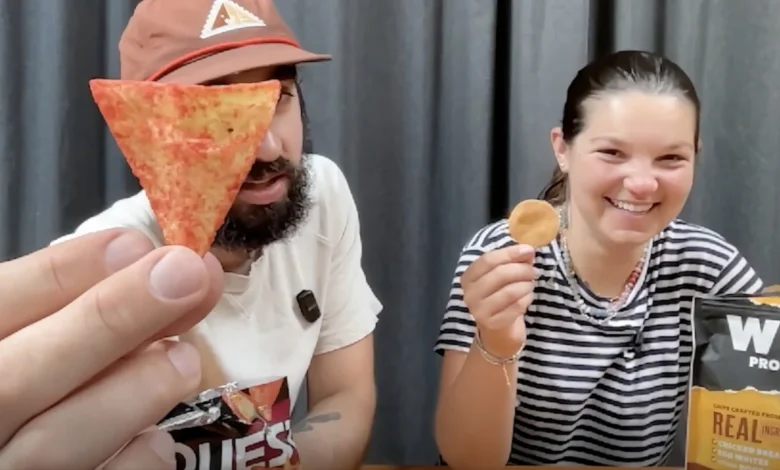
This macro-trend carries a distinct utility for outdoor athletes, backpackers, thru-hikers, and winter sports enthusiasts who require lightweight, calorie-dense, shelf-stable nutritional provisions that can withstand the rigors of multi-day expeditions. However, while nutrition facts labels frequently highlight impressive macronutrient profiles—boasting upwards of 20 to 30 grams of protein per serving—they often fail to account for critical sensory realities. For outdoor recreationists operating under physical duress, palatability, texture, and digestive tolerance remain paramount. To evaluate whether these heavily marketed products genuinely deserve space in a backcountry pack or roadside gas station resupply kit, Backpacker Editor-in-Chief Adam Roy and SKI Senior Editor Jamie Aranoff embarked on a rigorous, on-camera supermarket taste test. Purchasing seven of the market’s most unusual and heavily fortified protein-infused products, the editorial team put modern food science to the empirical test.
The Evolution of the Protein Market and Nutritional Science
The exponential growth of the protein-fortified food sector reflects shifting consumer perceptions regarding macronutrients and daily dietary requirements. Historically, populations obtained the vast majority of their dietary protein from whole-food sources, including lean meats, poultry, fish, dairy, legumes, and traditional grains. However, the modern convenience economy has accelerated the demand for portable, highly concentrated alternatives.
Nutritional science confirms that protein is an essential macronutrient responsible for repairing micro-tears in muscle tissue, facilitating cellular recovery, and supporting overall musculoskeletal health—functions of vital importance to endurance athletes and outdoor adventurers. Yet, the rush to artificially elevate protein content through industrial processing frequently introduces complex chemical additives, sugar alcohols, artificial sweeteners like sucralose, and dense isolate blends derived from milk, whey, soy, peas, and bovine collagen peptides. These alterations can fundamentally alter the molecular structure of familiar foods, resulting in distinct textural anomalies, lingering aftertastes, and gastrointestinal challenges that are magnified during strenuous physical exertion.
The Taste Test: Evaluating Seven Extreme Protein Products
During their curated grocery run, Roy and Aranoff evaluated a diverse cross-section of bizarrely fortified goods, assessing each item on flavor, texture, ingredient transparency, and practical utility in outdoor scenarios.
Protein Pints: Frozen Desserts Get an Upgrade
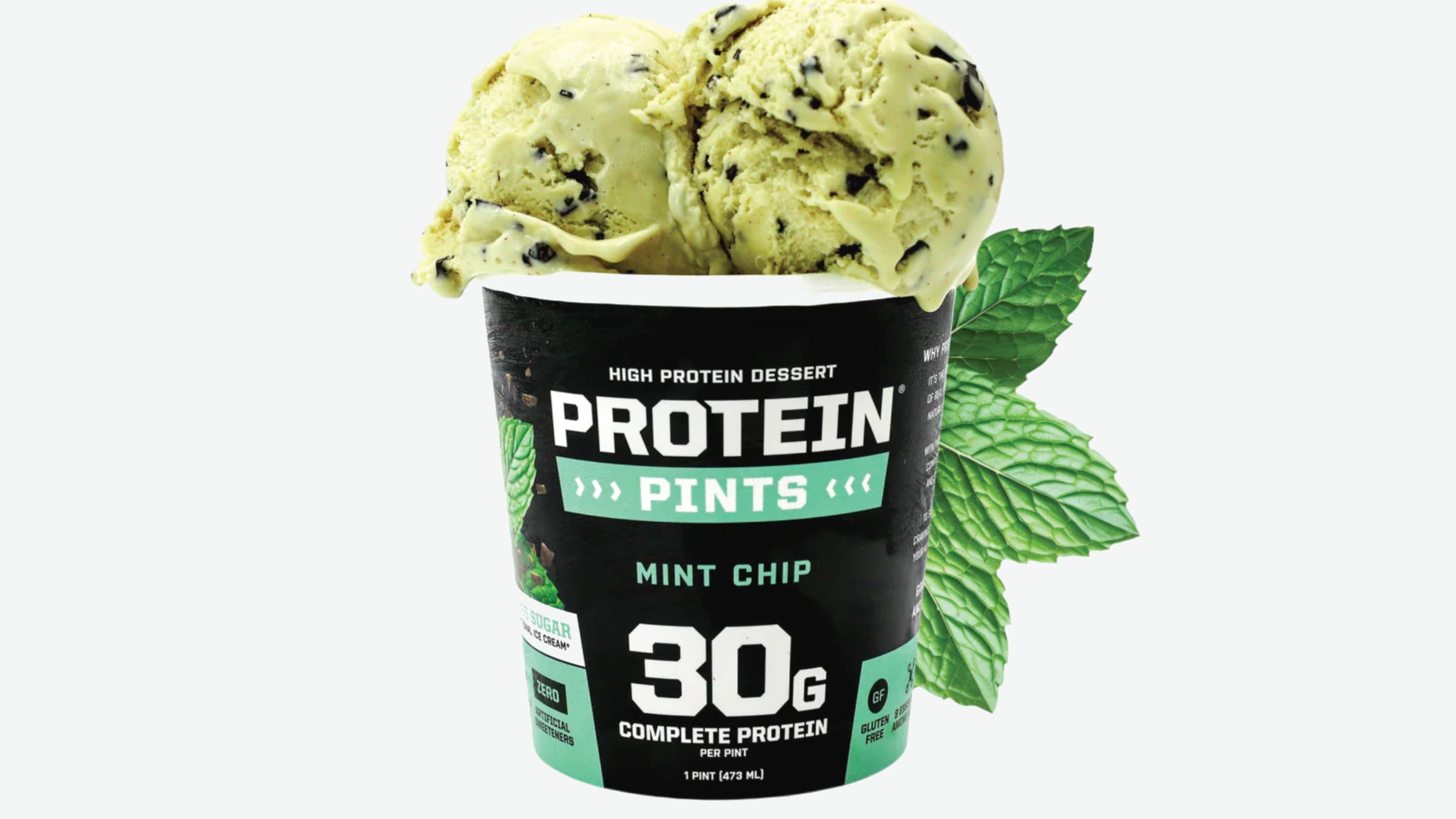
Opening the tasting session with Protein Pints, a high-protein frozen dessert marketed at 30 grams of protein and just 5 grams of sugar per container, the editors found a surprisingly serviceable product. Unlike many chalky or excessively dense diet ice creams, the pint delivered a relatively standard flavor profile. While lacking the ultra-luxurious creaminess of traditional full-fat ice cream, the dessert avoided a grainy mouthfeel. Roy awarded the product a solid 3 out of 5, noting that it functioned well as standard grocery store fare, though it fell short of a culinary triumph.
Protein Chips: Quest vs. Wilde
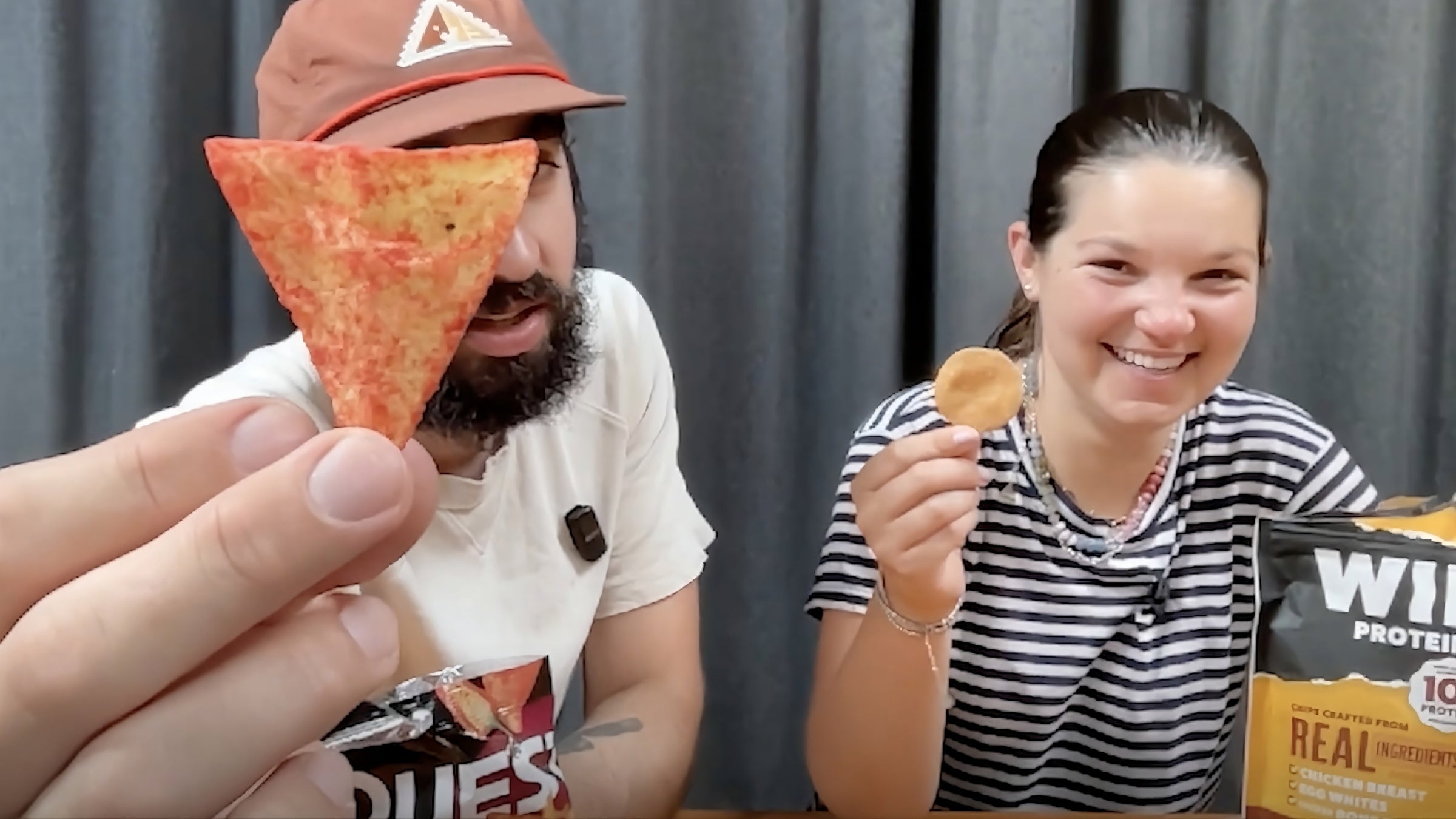
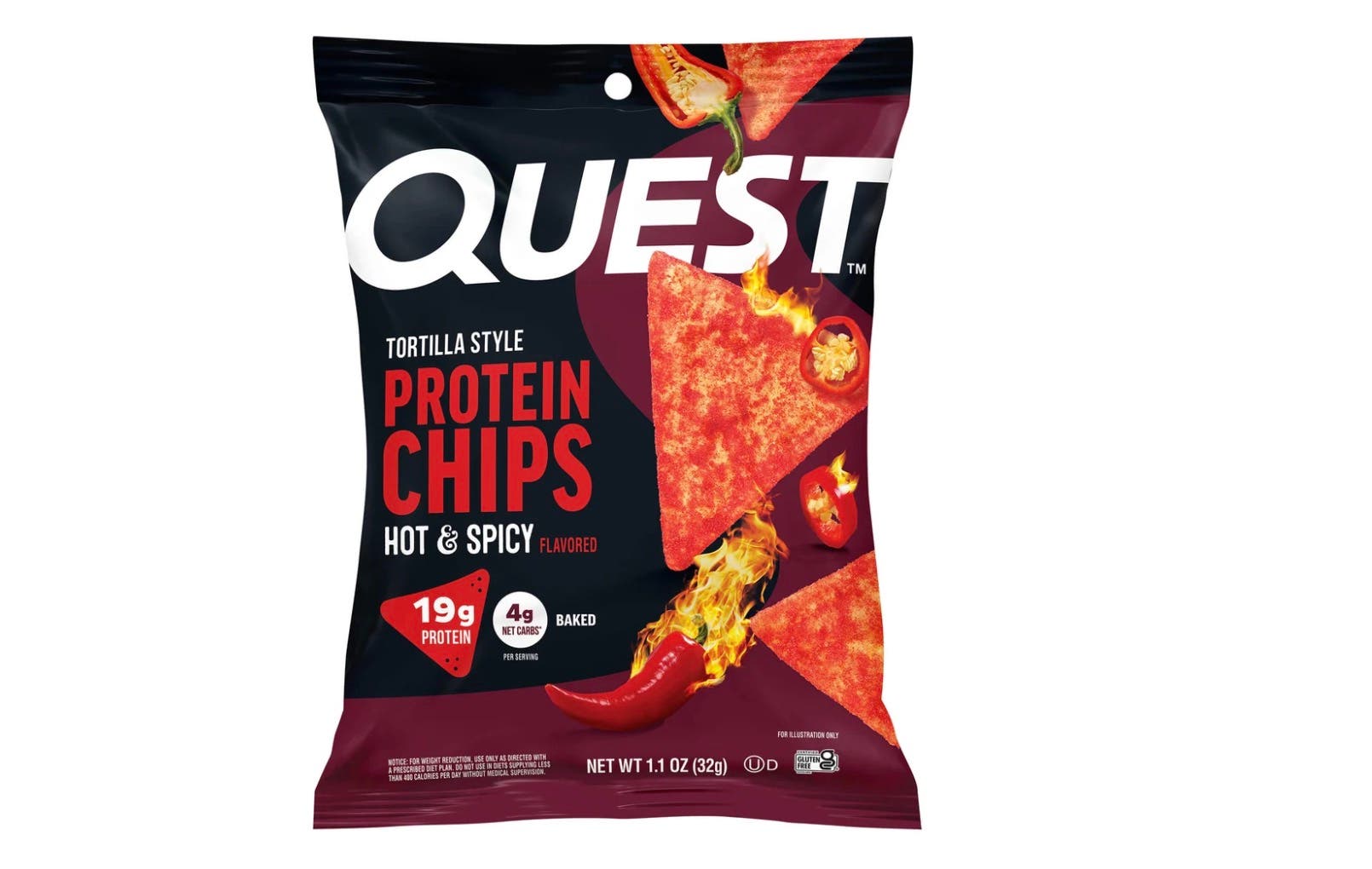
The evaluation of snack options highlighted divergent approaches to engineering high-protein chips. Testing Quest Tortilla Style Protein Chips (Hot and Spicy flavor, delivering 19 grams of protein per bag primarily from milk and whey protein isolates) alongside Wilde Protein Chips (crafted primarily from antibiotic-free chicken breast, egg whites, and bone broth at 10 grams of protein per serving), the editors encountered stark contrasts in visual presentation and formulation.
The Quest chips featured a hyper-pigmented, artificial red seasoning reminiscent of laboratory-synthesized snack dust. Despite their unnatural appearance, the texture was commended for delivering an authentic, crispy crunch. However, the artificial flavor profile drew harsh criticism, with Roy likening the taste to an extreme chemical experiment. Conversely, the Wilde chips utilized more natural, whole-food foundational ingredients like chicken breast, yet suffered from an unusual flavor imbalance that leaned heavily toward an unexpected combination of chicken and maple syrup. The chips ultimately received low marks, scoring between 2 and 2.5 out of 5 due to polarizing flavor profiles despite acceptable structural crunch.
Sparkling Protein Beverages: Genius Gourmet and SkyPop
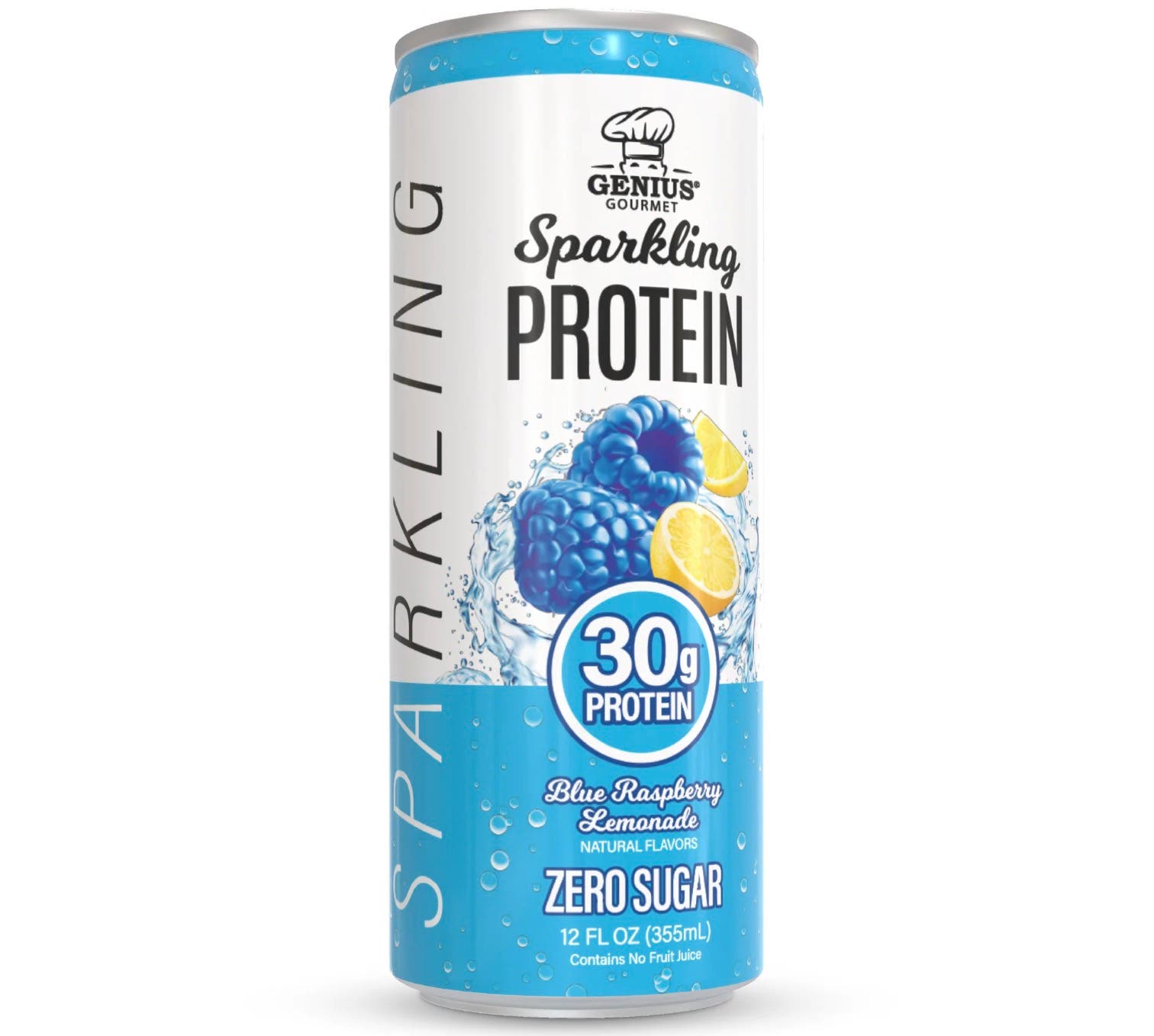
Beverages designed to deliver carbonation alongside macronutrient fortification proved to be the most contentious category of the tasting session. Aranoff tested Genius Gourmet Sparkling Protein in Blue Raspberry Lemonade, which packs 30 grams of protein—derived from whey isolate and bovine collagen peptides—with zero sugar. Roy sampled SkyPop Protein Soda in root beer flavor, formulated with whey protein isolate and sweetened with sucralose.
Both drinks exhibited unsettling physical characteristics, including cloudy suspension liquids that lacked the clear appearance of traditional sodas. Upon tasting, the beverages were heavily criticized for their lingering chemical aftertastes and unnatural mouthcoats. The high concentration of artificial sweeteners failed to properly mask the underlying protein notes, leaving a persistent film on the tongue. Aranoff rated her beverage 1.5 out of 5, acknowledging that while 30 grams of protein could theoretically rescue a depleted thru-hiker in an absolute emergency, the sensory experience precluded regular consumption. Roy similarly assigned a 1 out of 5 to the root beer variant, joking that desperate field conditions would prompt him to forage for wild alternatives before willingly opening another can.
Legendary Cinnamon-Flavored Protein Sweet Rolls
Offering a more favorable reception, the Legendary Cinnamon-Flavored Protein Sweet Roll presented an individually wrapped pastry containing 20 grams of protein derived from micellar casein and collagen peptides. As a portable, pocket-friendly snack easily stashed in a ski jacket or hiking pack, the sweet roll offered high functional utility.
Unlike the vibrantly colored chips and cloudy sodas, the pastry displayed a subdued, realistic appearance suggesting the presence of actual cinnamon. While acknowledging that the product remained an ultra-processed item rather than a whole-food substitute, both editors praised its balance and palatability. Scoring a favorable 3.5 out of 5, the sweet roll emerged as one of the highest-rated items of the day, offering a dense, packable structure that resisted crumbling while delivering an acceptable flavor profile.
Oroweat Honey Oat Protein Bread
Concluding the test with a staple carbohydrate, the editors examined Oroweat Honey Oat Protein Bread. Fortified through an intricate blend of soy protein isolate, pea protein isolate, canola protein isolate, whey protein concentrate, and vital wheat gluten, the bread achieved its elevated protein metrics through industrial biochemistry.
Upon inspection, the bread demonstrated extreme elasticity, springing back aggressively when compressed—a direct mechanical consequence of high gluten concentrations. When consumed, the bread required prolonged mastication, providing what Roy humorously described as an intense "jaw workout." While noting that the dense, chewy structure would likely survive the crushing weight of a fully loaded backpack and hold up well in a backcountry peanut butter and jelly sandwich, the gummy texture limited its culinary appeal. Roy awarded the product a 3 out of 5.
Broader Implications and Expert Nutritional Consensus
The conclusions drawn from the Backpacker and SKI editorial taste test underscore a broader debate within modern sports nutrition and dietetics. While food science has successfully engineered ways to pack staggering amounts of protein into virtually any edible medium, the resulting products often compromise on sensory quality, digestive comfort, and overall nutritional integrity.
Certified dietitians and sports nutrition experts consistently emphasize that the human body does not require artificially enriched, hyper-processed functional foods to achieve optimal athletic performance. Whole-food sources—such as lean meats, poultry, eggs, dairy, fish, tofu, tempeh, beans, and whole grains—remain the gold standard for supporting muscular repair, glycogen replenishment, and sustained energy metabolism without the burden of synthetic additives, excessive sodium, or artificial sweeteners.
Nevertheless, the commercial reality of modern outdoor recreation dictates that convenience and shelf stability frequently override culinary idealism. For athletes undertaking arduous thru-hikes, alpine ski traverses, or remote expeditions where refrigeration is impossible and weight is rigorously restricted, shelf-stable fortified foods can serve as a viable auxiliary lifeline to prevent severe caloric deficits and physical exhaustion, known colloquially among hikers as "bonking."
Ultimately, while the modern $9.4 billion protein market will undoubtedly continue churning out increasingly creative formulations—from protein-infused sodas to high-tech sandwich breads—outdoor athletes are advised to approach these products with a discerning eye. Fortified snacks and beverages can serve a functional purpose in extreme backcountry scenarios, but they are best utilized as occasional tactical tools rather than daily dietary staples. For comprehensive guidance on fueling strategies, sports nutrition, and evidence-based dietary planning, outdoor enthusiasts are encouraged to consult expert resources across the Outside Network, including Backpacker, SKI, and Outside Online.