Wyndham Hotels & Resorts unveils Dolce Nova as the company’s first organic upper-upscale brand expansion in the EMEA region

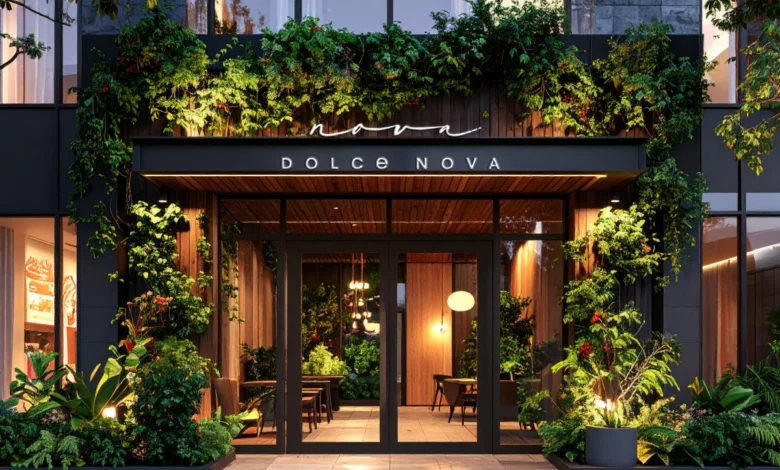
Wyndham Hotels & Resorts has officially signaled a strategic pivot in its portfolio development, announcing the launch of Dolce Nova, a boutique upper-upscale brand extension designed to capture the growing demand for lifestyle-oriented travel. Revealed at the Annual Hospitality Conference in Manchester, this development marks a significant departure from Wyndham’s historical reliance on mergers and acquisitions to bolster its brand ladder. By evolving its existing Dolce Hotels & Resorts footprint, the company is attempting to prove it can cultivate a premium, design-forward experience that resonates with a demographic far removed from its traditional economy-focused roots.
A Departure from the Acquisition Playbook
Historically, Wyndham has been defined by its aggressive acquisition strategy. Since its inception as a standalone public company following its spinoff from Wyndham Worldwide in 2018, the hotel giant has largely grown by absorbing existing banners. According to company leadership, 20 of its 25 current brands were acquired rather than created from the ground up.
The launch of Dolce Nova represents the first brand concept to originate internally from the EMEA (Europe, the Middle East, Eurasia, and Africa) team. Dimitris Manikis, president of Wyndham for the EMEA region, framed the decision as a shift in capital allocation and creative strategy. Speaking in Manchester, Manikis posed a rhetorical challenge to the traditional M&A model, noting that the company’s internal teams possess the expertise to build value without the high costs associated with external acquisitions. The strategy is to leverage the equity of the Dolce name—a brand acquired in 2015 for its strength in the meetings and events sector—and translate it into a modern, boutique hospitality experience.
The Evolution of the Dolce Brand
To understand the positioning of Dolce Nova, one must look at the legacy of Dolce Hotels & Resorts. Since its 2015 acquisition, the Dolce brand has functioned as a workhorse for corporate retreats, large-scale conferences, and business-centric hospitality. Its properties typically range between 200 and 400 rooms, prioritizing functionality, high-speed connectivity, and expansive meeting facilities.
Dolce Nova, by contrast, is being positioned as a "lifestyle" evolution. While the original Dolce brand focuses on the professional utility of a property, Dolce Nova is intended to cater to the "bleisure" traveler—a segment that blends business obligations with leisure, exploration, and experiential luxury. This requires a fundamental shift in interior design, service philosophy, and property footprint. The new brand is expected to prioritize smaller, more intimate settings, sophisticated aesthetic choices, and a hospitality experience that emphasizes "restraint" over the volume-driven approach typical of budget-tier hotels.
Strategic Timeline and Market Context
Wyndham’s expansion into the upper-upscale lifestyle category follows a period of intense activity within the hospitality sector. The following timeline outlines the evolution of Wyndham’s portfolio strategy:
- 2015: Wyndham acquires Dolce Hotels & Resorts, adding a premier meetings-focused brand to its portfolio.
- 2018: Wyndham Worldwide completes the spinoff of its hotel business into Wyndham Hotels & Resorts, a pure-play franchising company.
- 2019-2022: The company focuses on the expansion of its core brands (Days Inn, Super 8, Ramada) and navigates the global pandemic, which accelerated the need for diversified revenue streams.
- 2023: Wyndham explores further consolidation opportunities, including a high-profile pursuit of rival Choice Hotels, which was ultimately abandoned in early 2024.
- 2024: Wyndham shifts its focus toward organic growth and brand extensions, culminating in the launch of Dolce Nova.
This move comes at a time when major hotel chains—including Marriott with its Autograph Collection and Hilton with its Curio and Tapestry brands—have spent the better part of a decade capturing the boutique market. Wyndham’s entry into this space suggests it is finally ready to compete for the upscale guest who typically favors independent boutiques or lifestyle-focused hotel groups.
Data-Driven Market Justification
The decision to launch Dolce Nova is supported by broader industry trends regarding the "upper-upscale" and "lifestyle" sectors. According to data from STR and industry analysts, the lifestyle segment has consistently outperformed traditional luxury and midscale categories in terms of RevPAR (Revenue Per Available Room) growth over the past three years.
Travelers in the current economic climate are increasingly prioritizing "experiential value." While budget brands remain a staple of the Wyndham portfolio, the company’s ability to capture the "upper-upscale" traveler is essential for its long-term valuation. With thousands of properties already under its umbrella, Wyndham has the scale to manage operations efficiently, but Dolce Nova will test whether that scale can translate into the personalized, high-touch service required for a lifestyle brand.
Implications for the EMEA Portfolio
Dimitris Manikis has emphasized that the EMEA region is the ideal testing ground for this new concept. The European market, in particular, is highly fragmented, with a vast number of independent boutique hotels that could benefit from the distribution power of a global brand like Wyndham. Dolce Nova provides a "soft brand" or a "conversion-friendly" opportunity, allowing independent hoteliers to retain their unique identity while tapping into the Wyndham Rewards loyalty program, which boasts over 100 million members.
By creating a brand that sits at the intersection of business and boutique, Wyndham is aiming to mitigate the risks associated with the cyclical nature of corporate conferencing. If a Dolce Nova property can function effectively as a weekend getaway destination while maintaining professional standards during the work week, it creates a more resilient asset for franchise partners.
Challenges and Future Outlook
Despite the optimism surrounding the launch, the challenge for Wyndham remains execution. Translating a meetings-focused brand into a boutique experience requires a shift in organizational DNA. Industry analysts have noted that "restraint" in design—one of the core pillars of the new Dolce Nova vision—is often at odds with the high-density model that has fueled Wyndham’s success in the economy sector.
Furthermore, the brand will face stiff competition. The upper-upscale boutique sector is crowded. Wyndham will need to ensure that Dolce Nova provides a differentiated value proposition that justifies a higher price point. This includes investing in local culinary programs, wellness initiatives, and hyper-local guest experiences that cannot be replicated across thousands of units.
The success of Dolce Nova will be measured by the speed of its adoption among independent owners and its ability to maintain a consistent brand identity across different geographies. For a company that has spent years buying its way to growth, the launch of Dolce Nova is a definitive statement that the future of Wyndham lies in its ability to innovate from within. As the industry watches, the performance of the first Dolce Nova properties will likely determine whether this is a one-off experiment or the beginning of a broader, more creative chapter for the hotel giant.
In conclusion, the introduction of Dolce Nova is a calculated strategic maneuver. It allows Wyndham to leverage its existing infrastructure and loyalty base to enter a lucrative market segment without the risks associated with acquiring a new, potentially distressed brand. If successful, it will transform the company’s perception among investors and guests alike, proving that a giant in the budget space can, in fact, master the art of the boutique experience.