A Grand Stay at Sorrento’s Hotel Mediterraneo: A Deep Dive into Clifftop Luxury and Italian Heritage on the Amalfi Coast

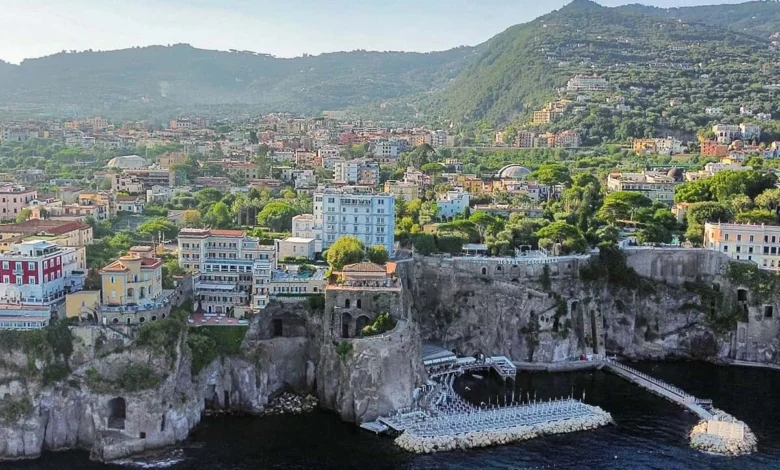
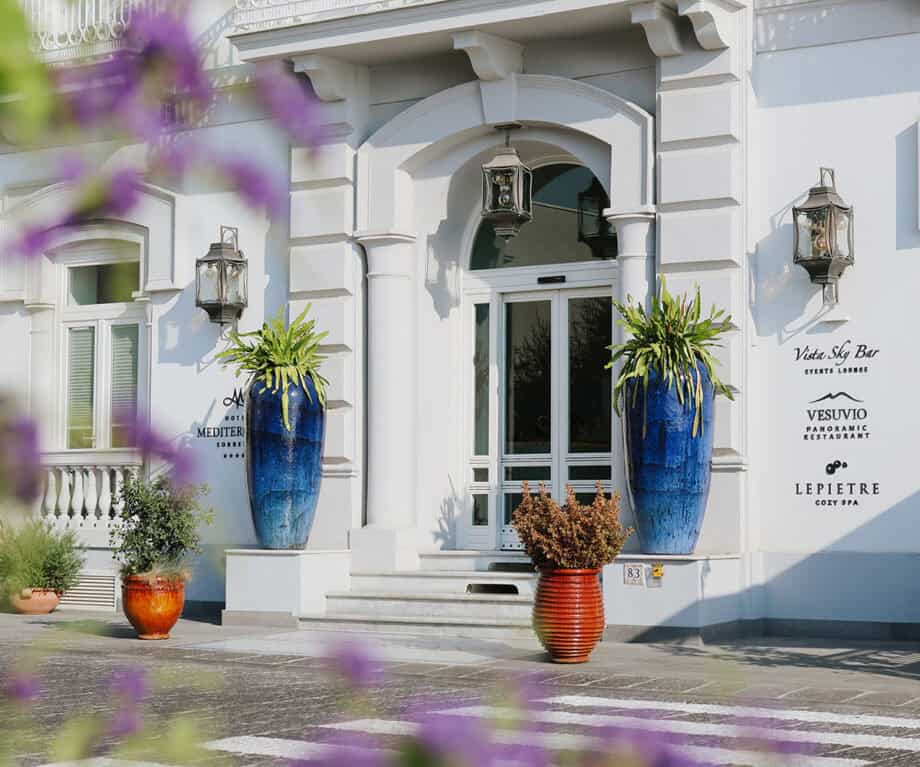
Perched precariously atop the dramatic tufa cliffs of the Sorrentine Peninsula, Hotel Mediterraneo stands as an enduring monument to classic Italian hospitality. Serving as the geographical and architectural gateway to the legendary Amalfi Coast, Sorrento has long captured the imagination of travelers seeking azure waters, fragrant lemon groves, and an uncompromising standard of Mediterranean elegance. Among the stately palazzi that define the town’s skyline, this six-story landmark commands sweeping views of the Bay of Naples, anchoring a legacy of hospitality managed by the Maresca-Monti family since its transition from a private 1912 family residence into a premier destination for international travelers.
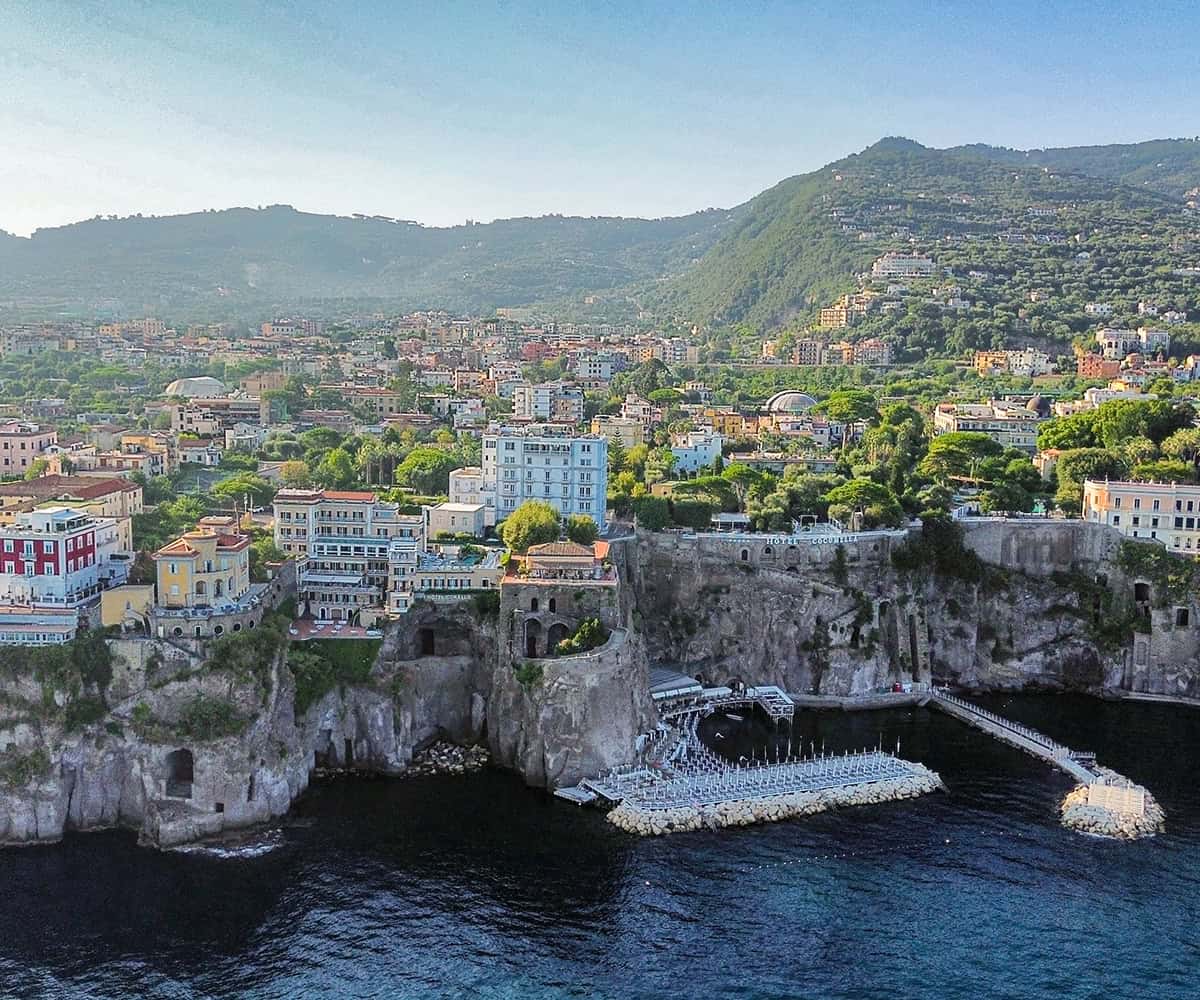
Architectural Heritage and Structural Evolution
The history of Hotel Mediterraneo reflects the broader evolution of tourism along the southern Italian coastline during the early 20th century. Originally constructed in 1912 as a grand family home, the building was later expanded upward to accommodate the burgeoning influx of European and transatlantic travelers discovering the Campanian coast. Despite the addition of upper tiers to maximize the sweeping vistas, the property has retained its intimate architectural character.
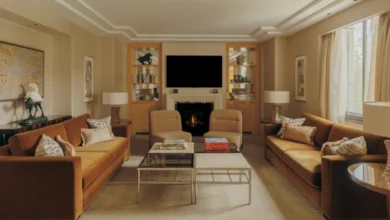
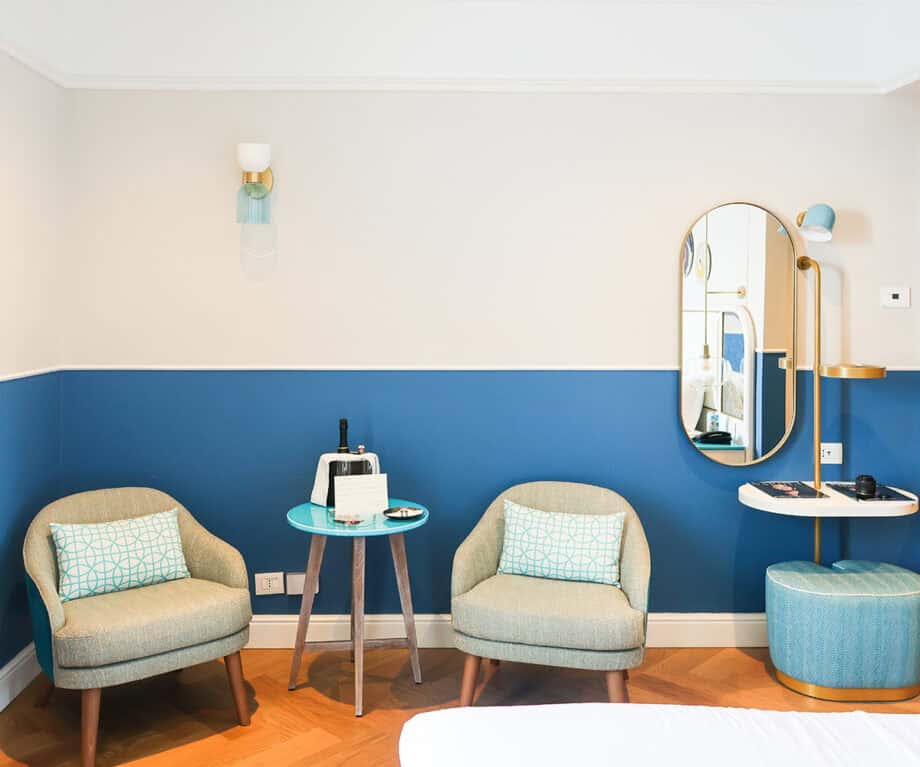
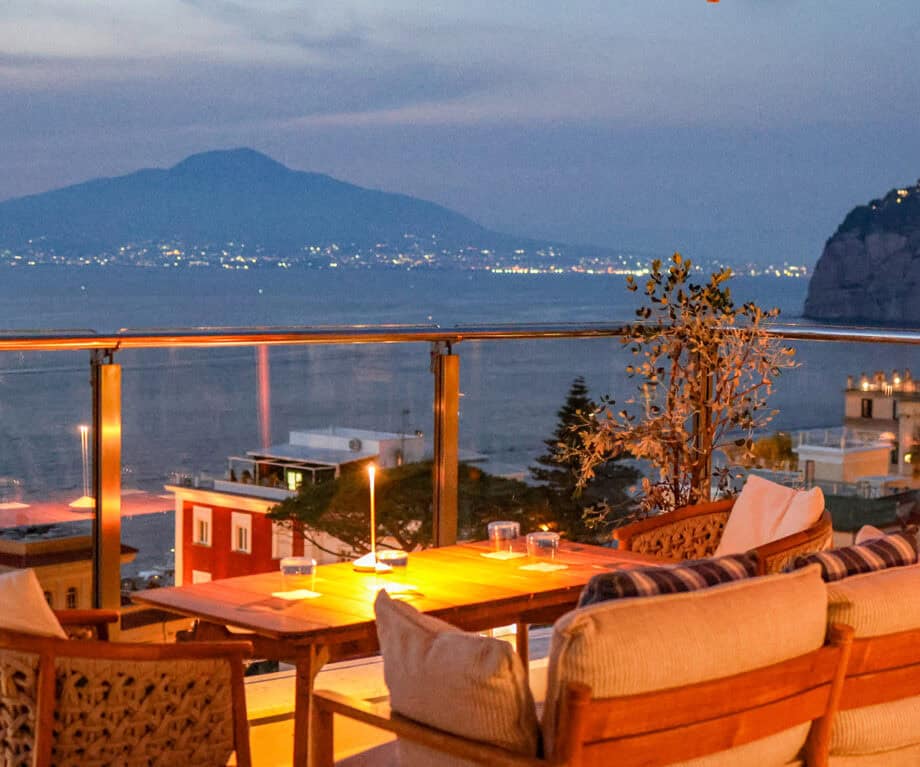
Guests navigating the interior are greeted by a central glass lift and a grand spiral marble staircase that connects the property’s sixty rooms and suites. Interior design choices throughout the establishment prioritize understated luxury, blending striking azure wall accents with crisp whites and brushed gold finishes. In a deliberate departure from conventional hotel styling, guest rooms integrate advanced technology seamlessly; entertainment units such as Samsung Frame televisions are cleverly disguised as geometric stairwell artwork, maintaining a minimalist aesthetic that draws the eye naturally toward the floor-to-ceiling windows framing Mount Vesuvius and the sparkling gulf.
Chronology of Arrival and Guest Experience
A typical journey to the property begins with a transit from Naples Capodichino Airport, followed by a scenic regional rail transit or private transfer across the Sorrentine Peninsula. Upon arrival in the air-conditioned atrium, visitors are traditionally welcomed with regional Prosecco and introduced to the property’s ethos of bespoke care.
The fourth-floor sea-view accommodations provide a baseline for the sensory experience curated by the management. Welcome amenities extend beyond standard hospitality norms, featuring bottles of regional sparkling wine, freshly squeezed orange juice harvested directly from the hotel’s private citrus groves, and artisanal patisserie. Bathrooms finished in light Italian marble and brass hardware feature proprietary toiletries infused with the essence of authentic Amalfi lemons, a localized touch that reinforces the agricultural identity of the region.
Culinary Excellence and Regional Gastronomy
Dining at Hotel Mediterraneo is structured around a multi-venue culinary program that emphasizes hyper-regional sourcing and traditional Campanian recipes.
Breakfast and Daytime Dining
The morning service features an expansive buffet highlighting local artisanal cold cuts, regional cheeses, fresh seasonal fruits, and pastries. Among the standout items is the traditional sfogliatella—layers of paper-thin, crisp pastry enveloping a rich ricotta filling. A mobile cheese trolley offers curated pairings of local cheeses and specialty biscuits, guided by knowledgeable floor staff.
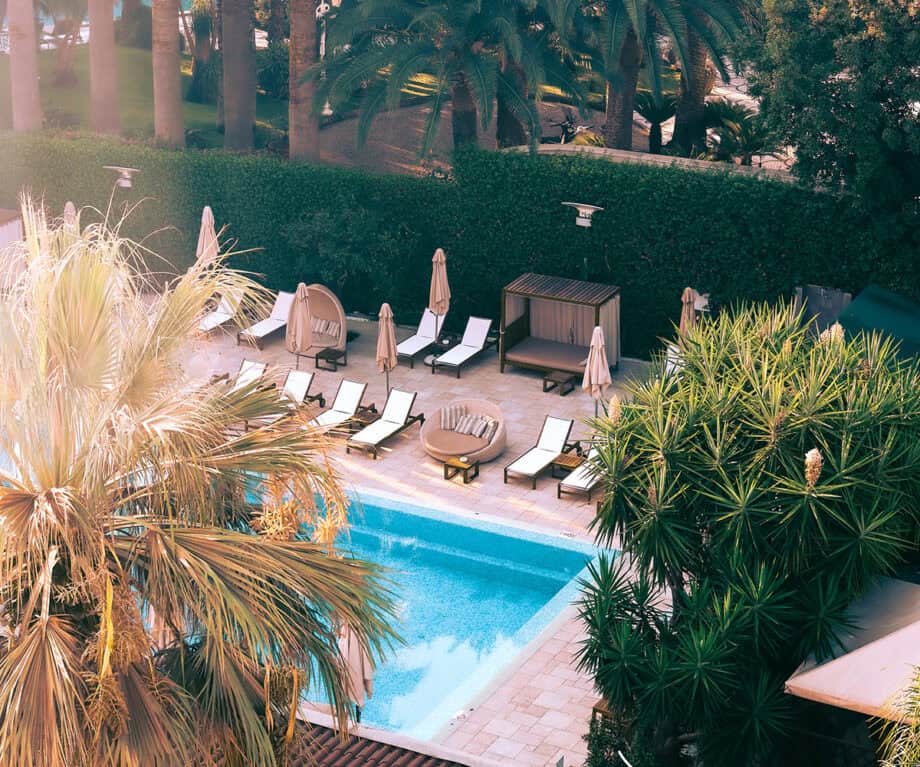
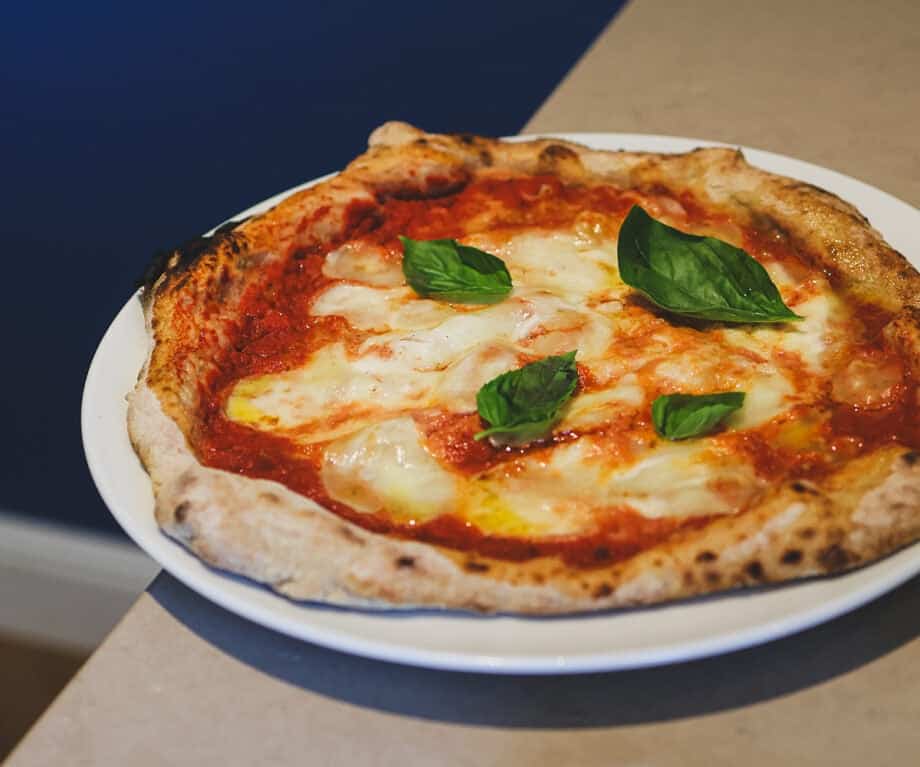
For daytime dining, the Aqua Pool Lounge provides relaxed Mediterranean fare, serving Neapolitan pizzas and gourmet burgers either in the dining room or directly to poolside loungers. Adjacent to the main structure, Terrazza Mediterraneo offers a cliffside dining experience focused on iconic local seafood and pasta dishes served against the backdrop of the bay.
Evening Fine Dining and Mixology
As evening descends, guests choose between two distinct culinary venues. The Vista Skybar, occupying the rooftop on the sixth floor, offers panoramic sunset views over the Gulf of Naples, pairing craft cocktails with curated small plates.

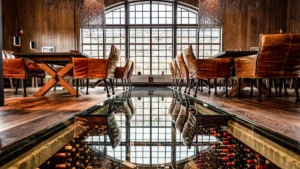
For a more formal gastronomic journey, the acclaimed Vesuvio Restaurant serves as the property’s fine dining flagship. Operating under a three-hour tasting format, the restaurant offers distinct "Land" and "Sea" menus that showcase foundational Campanian ingredients without excessive tableside theatrics, relying instead on the inherent quality of the produce. Wine pairings are curated by resident sommelier Luigi, whose cellar selections feature notable regional bottles, including exceptional vintage Franciacorta.
Wellness, Subterranean Spas, and Coastal Access
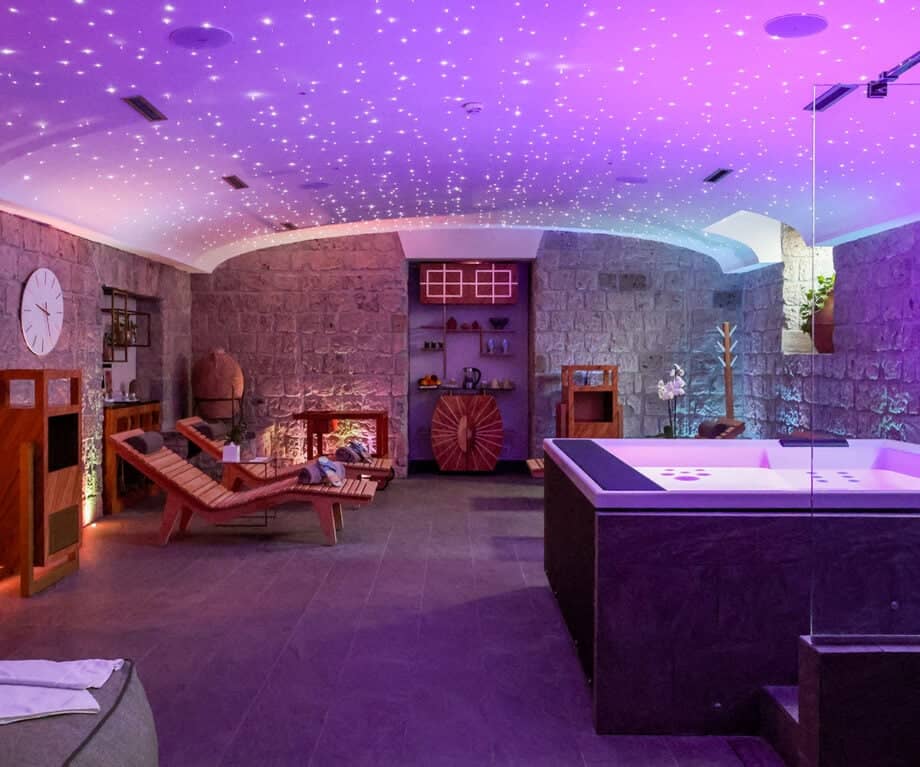
Wellness facilities at Hotel Mediterraneo are anchored by the Lepietre Cozy Spa, a subterranean sanctuary carved directly into the volcanic rock upon which the hotel is built. The spa integrates local elements into its therapeutic treatments, utilizing Luce di Sorrento products formulated with lemon essence alongside extra virgin olive oil produced on the peninsula. The facility includes hydrotherapy areas, a star-strewn ceiling in the relaxation zone, and exposed sections of the original tufa stone foundation.
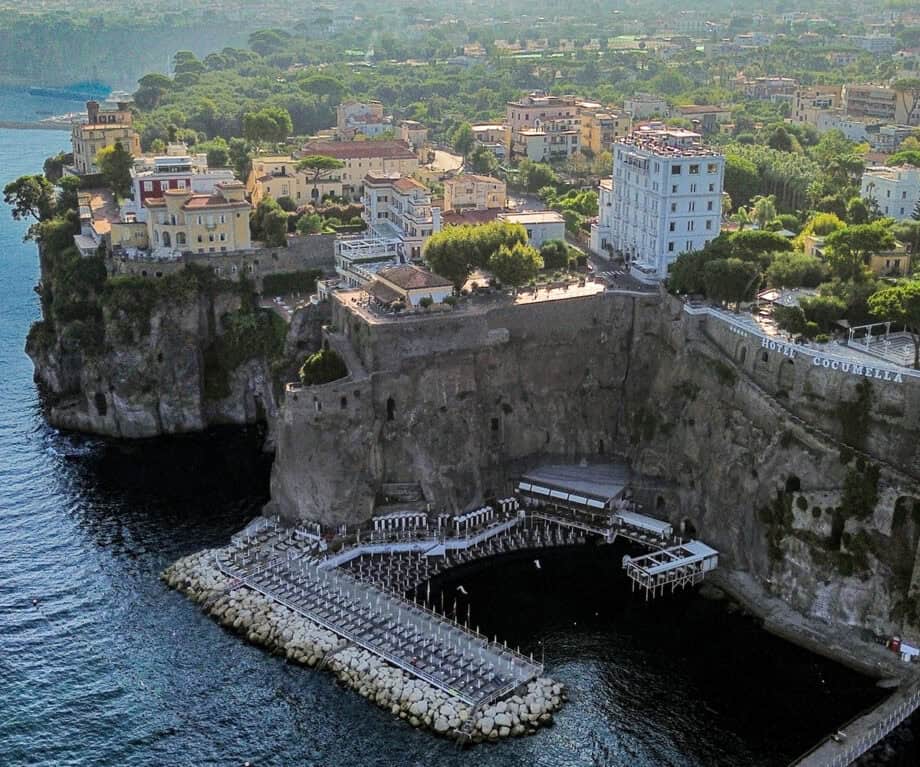
One of the property’s most notable engineering features is its direct access to the coastline. Eschewing the steep cliffside descents common to the region, a private elevator descends from the spa level through the interior of the cliff, connecting to a historic tunnel that leads directly to La Marinella Beach. This private access grants guests immediate entry to private beach clubs, sun loungers, and calm swimming harbors along the water’s edge.
Strategic Location and Regional Exploration
Situated directly across the bay from Naples, Sorrento occupies a strategic logistical hub for travelers exploring southern Italy. The town serves as a departure point for excursions to the archaeological ruins of Pompeii and Herculaneum, as well as the summit of Mount Vesuvius.
Furthermore, the hotel facilitates maritime exploration of the wider Amalfi Coast. While commercial ferry ports operate nearby, Hotel Mediterraneo offers private yacht charters for excursions to neighboring destinations such as the town of Amalfi, the quiet fishing village of Atrani, and the island of Capri, where visitors frequently explore historic villas and sample local culinary exports like Torte Caprese.
Market Positioning and Economic Considerations
As a luxury four-star property, Hotel Mediterraneo maintains competitive positioning within the Campanian hospitality market. Standard classic room rates generally range from £260 to £380 per night, while Superior and Double accommodations command between £440 and £600 per night. These tariffs typically include bed and breakfast service, beach club access, and a curated collection of branded departure gifts—such as custom beach bags, sandals, and commemorative literature, including copies of F. Marion Crawford’s novel The Children of the King.
Industry analysts note that properties of this caliber play a crucial role in sustaining high-end regional tourism, balancing heritage preservation with modern traveler expectations. Through strategic direct-booking incentives and partnerships with international tour operators, the hotel maintains high occupancy rates across both peak summer seasons and shoulder periods.
Broader Implications for Sustainable Regional Tourism
The enduring success of multi-generational family-run establishments like Hotel Mediterraneo highlights a broader trend in Italian tourism: the demand for authentic, place-based hospitality over standardized global chains. By maintaining close ties to local agricultural producers, utilizing regional cosmetic formulations, and preserving historical architecture, the property contributes to the economic resilience of the Sorrentine Peninsula.
As regional authorities grapple with the infrastructural challenges of overtourism along the Amalfi Coast, properties that emphasize integrated private infrastructure—such as cliffside lifts and private beach access—offer a model for managing visitor flow while preserving the natural and cultural integrity of the landscape. Hotel Mediterraneo remains a definitive case study in how historic preservation and modern luxury can coalesce to offer an authentic, immersive coastal experience.