Syria Beyond the Headlines: An Analysis of the Evolving Landscape for International Tourism

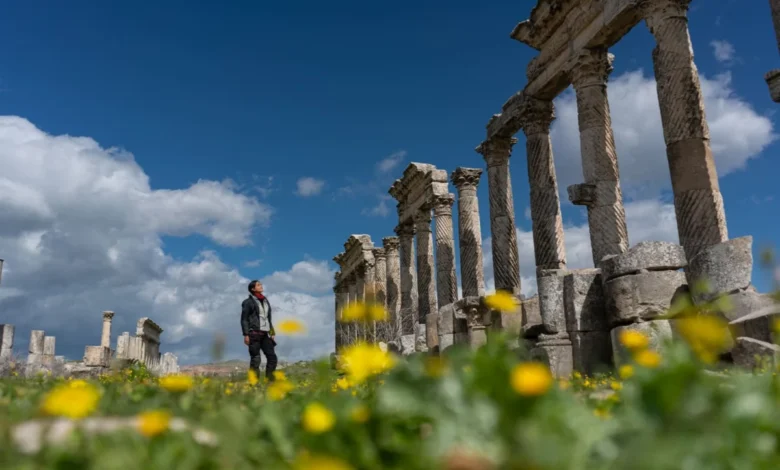
The Syrian Arab Republic, a nation historically synonymous with the cradle of civilization, remains one of the most complex destinations for international travelers in the 21st century. Following more than a decade of civil conflict that began in 2011, the country is currently navigating a fragile transition period. While large swaths of the nation remain under strict travel advisories issued by most Western governments, a small but growing segment of the international tourism industry is attempting to facilitate controlled access to the country’s archaeological and cultural sites.
Historical Context and the Impact of Conflict
The conflict in Syria, which escalated into a multifaceted proxy war involving regional and international powers, resulted in a catastrophic humanitarian crisis and the widespread destruction of urban and historical infrastructure. Before 2011, the tourism sector was a significant pillar of the Syrian economy, contributing approximately 12 percent to the national GDP and attracting millions of visitors annually to sites such as the Umayyad Mosque in Damascus, the ancient city of Aleppo, and the Roman-era ruins of Palmyra.
The subsequent years saw a near-total collapse of these sectors. According to data from the United Nations World Tourism Organization (UNWTO), international arrivals to Syria plummeted by over 95 percent at the height of the conflict. The physical damage to UNESCO World Heritage sites—notably in the Old City of Aleppo and Palmyra—prompted international outcry and ongoing efforts by organizations like UNESCO and the Aga Khan Trust for Culture to document and restore what could be salvaged.
Current Regulatory Framework for Foreign Visitors
Access to Syria for foreign nationals is currently tightly regulated by the Ministry of Tourism. Unlike many regional neighbors where independent travel is encouraged, entry to Syria for Western passport holders is generally contingent upon pre-arranged, government-sanctioned tours. This system requires visitors to be accompanied by authorized local guides for the duration of their stay.
This regulatory environment is designed to ensure both the security of the visitor and the oversight of the state. Travel companies operating in the region, such as Damascus-based agencies, have begun to market "adventure tourism" packages that focus on the juxtaposition of ancient history and the remnants of the recent conflict. These operators argue that tourism provides a necessary influx of foreign currency and signals a return to normalcy for local communities.
Chronology of Recent Developments
The trajectory of Syrian tourism has been marked by several distinct phases since the onset of the conflict:
- 2011–2015: The period of maximum instability. Tourism was non-existent as the state lost control of significant portions of territory.
- 2016–2019: Gradual stabilization in core government-controlled urban centers, such as Damascus and the coastal regions. Limited, high-security tourism began to emerge.
- 2020–2022: The COVID-19 pandemic caused a global freeze on travel, further stalling the nascent recovery of the Syrian tourism sector.
- 2023–2024: A period of renewed interest from "niche" travel markets. Despite ongoing geopolitical tensions, including regional spillover from the conflict in Gaza and continued airstrikes targeting military infrastructure, agencies have reported an uptick in inquiries from European and North American travelers interested in history and geopolitical observation.
Economic and Geopolitical Implications
The decision to visit Syria carries significant ethical and practical weight. The Syrian economy is currently suffering from hyperinflation, the impact of international sanctions, and a severe fuel crisis. The U.S. and European Union sanctions regimes, while intended to target the government and its affiliates, have inadvertently complicated the logistics of travel, including the inability to use international credit cards and the instability of the local currency, the Syrian Pound.
Furthermore, the "defending democracy" narrative often cited in international discourse regarding Syria’s oil fields highlights the ongoing geopolitical friction. The presence of foreign military forces in northern and eastern Syria continues to complicate the security landscape. Travelers in the country often report a stark contrast: bustling, relatively stable city centers in Damascus and Latakia exist in close proximity to regions experiencing active economic hardship or sporadic military activity.
The Debate Over Dark Tourism
The rise of what is sometimes termed "dark tourism"—travel to sites associated with death, tragedy, or conflict—has sparked debate within the tourism industry. Some analysts argue that tourism to Syria serves as a form of "conflict normalization," where visitors might prioritize aesthetic experiences over the harsh realities of the displaced population. Conversely, others argue that isolating Syria further only exacerbates the humanitarian situation and that personal, human-to-human contact is essential for bridge-building and economic relief.
Tourism experts note that the responsibility lies with the traveler to engage with the destination with "radical empathy." This involves prioritizing the stories of local residents over the pursuit of sensationalized photography or "war-zone" content for social media platforms.
Official Safety Assessments and Risks
Most Western governments, including the United States, United Kingdom, and Canada, maintain "Do Not Travel" advisories for Syria. These warnings are based on the high risk of arbitrary detention, kidnapping, and the unpredictable nature of military strikes.
While proponents of tourism in Syria point out that tourist itineraries are carefully curated to avoid active front lines, the unpredictable nature of regional proxy conflicts remains a factor. Travelers who choose to visit are often required to sign waivers and navigate complex visa processes, and they must remain cognizant that their home countries have very limited consular capabilities to assist them should a crisis occur.
The Role of Local Tourism Providers
Local tour guides and agencies play a critical role in this ecosystem. By acting as intermediaries between the state and the visitor, these operators provide the necessary logistics to ensure safety. Many of these professionals emphasize that their work is not merely commercial but an attempt to showcase a version of Syrian identity that exists beyond the binary of war or peace.
"The goal," notes one Damascus-based tour organizer, "is to show that our history is not just the conflict of the last decade. It is the history of the Phoenicians, the Romans, and the Umayyads. We are a resilient people who want to reconnect with the world."
Conclusion: A Complex Decision
The question of whether one should visit Syria is not one that can be answered with a simple affirmative or negative. It requires a nuanced understanding of the country’s past, its current geopolitical status, and the individual traveler’s own ethical framework.
For the historian, the archaeologist, and the seasoned traveler, Syria offers an unparalleled glimpse into human history. For the humanitarian, it offers a sobering look at the cost of geopolitical failure. Ultimately, those who choose to visit must weigh the desire for cultural exploration against the significant risks and the moral complexities of participating in an economy that is still deeply scarred by a decade of internal and external conflict. As the nation attempts to rebuild, the international community continues to watch with both concern and curiosity, waiting to see if the fragile return of tourism will lead to broader stability or remain a niche, precarious endeavor.
Related posts: