When booking long-haul international flights with Delta Air Lines, travelers navigating the space between standard economy and the ultra-luxurious, lie-flat Delta One business class are often met with two distinct mid-tier options: Delta Premium Select and Delta Comfort (frequently marketed as Comfort+). While both cabins offer significant enhancements over a standard Main Cabin ticket, they cater to distinctly different traveler priorities, budgets, and comfort expectations. Understanding the mechanical, spatial, and service-oriented differences between these two products is essential for optimizing long-haul travel investments, particularly as airlines continue to segment their fleets to maximize ancillary revenue.

Understanding the Evolution of Delta’s Cabin Segmentation
Over the past decade, major network legacy carriers have aggressively restructured their aircraft configurations to introduce a distinct premium economy cabin, sitting squarely between domestic-style extra-legroom economy and international business class. Historically, airlines offered only economy and business, with minor variations like exit rows. However, changing consumer demands—driven by corporate travel budget tightening and an increasing willingness among leisure travelers to pay for enhanced personal space on flights exceeding six hours—prompted the rapid global deployment of premium economy.
Delta Air Lines introduced Delta Premium Select (DPS) to capture this high-yield demographic. Unlike Delta Comfort, which relies on the existing economy seat frame with augmented pitch, DPS features a custom-built, wide-body physical hard product installed in a physically separated, intimate cabin on wide-body aircraft such as the Airbus A330, A350, and Boeing 767. Conversely, Delta Comfort evolved from the airline’s legacy "Economy Comfort" product, designed to provide modest physical upgrades across a broader network spanning both domestic and international operations.
Analyzing the Hard Product: Delta Premium Select
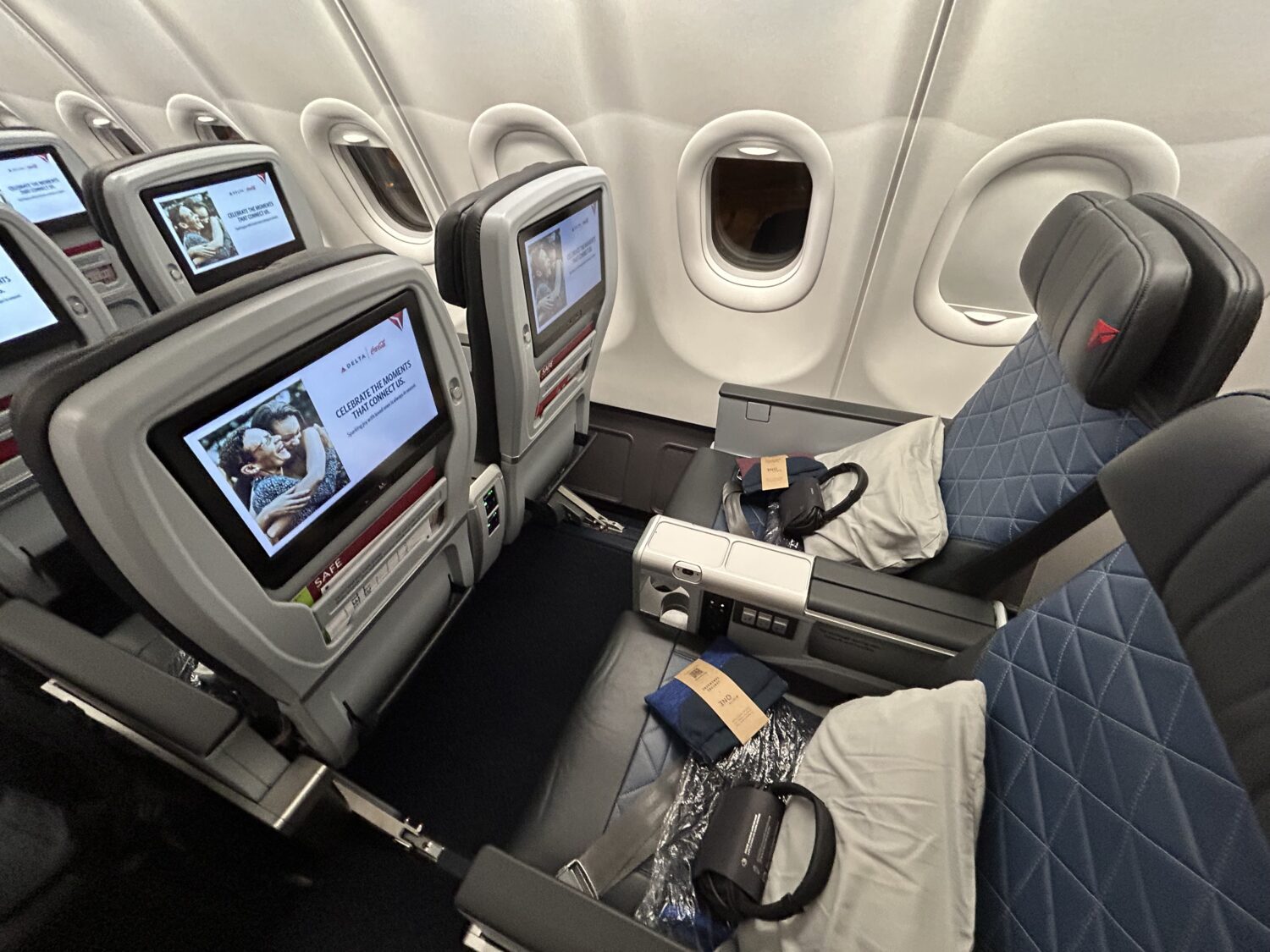
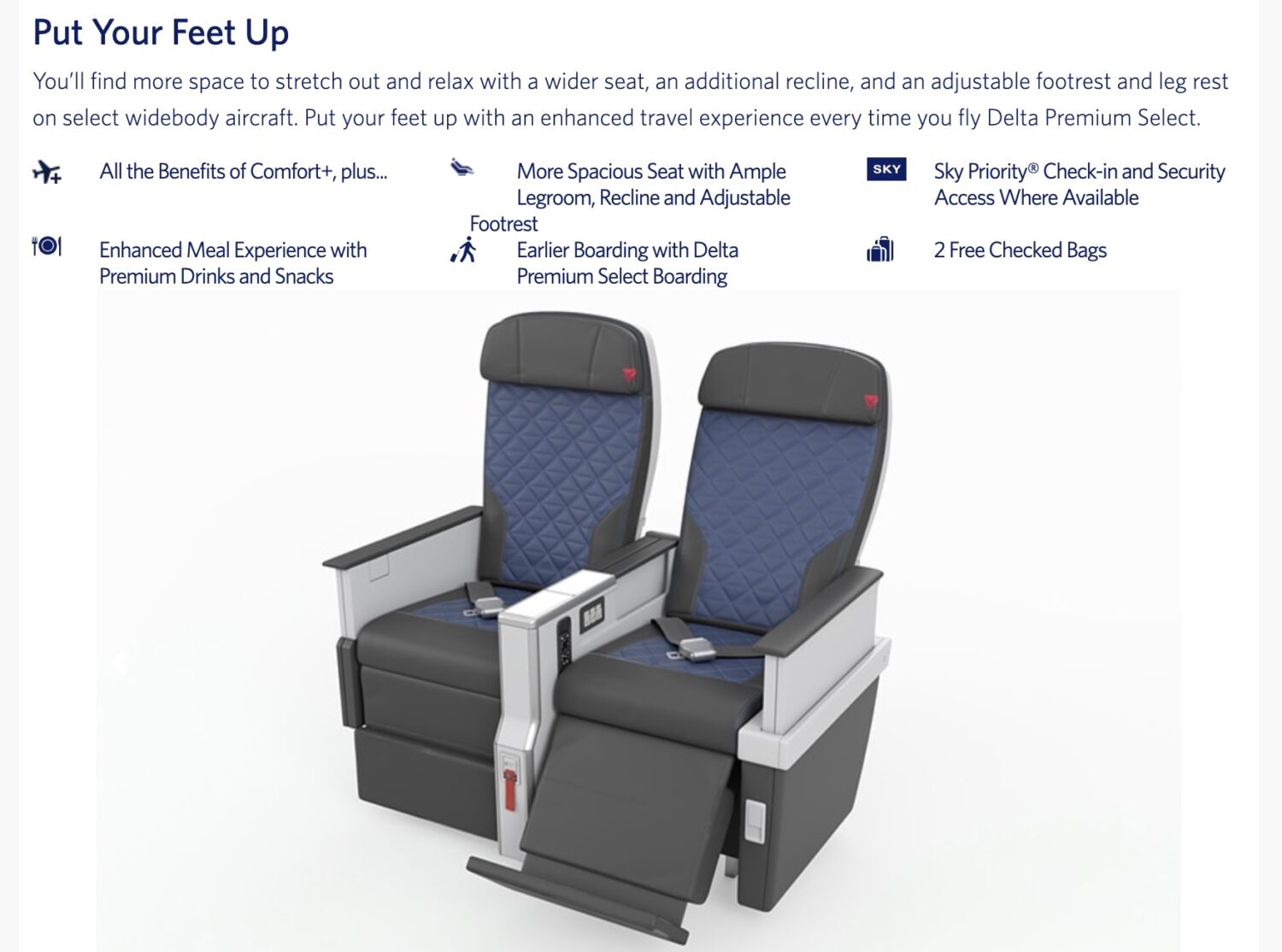
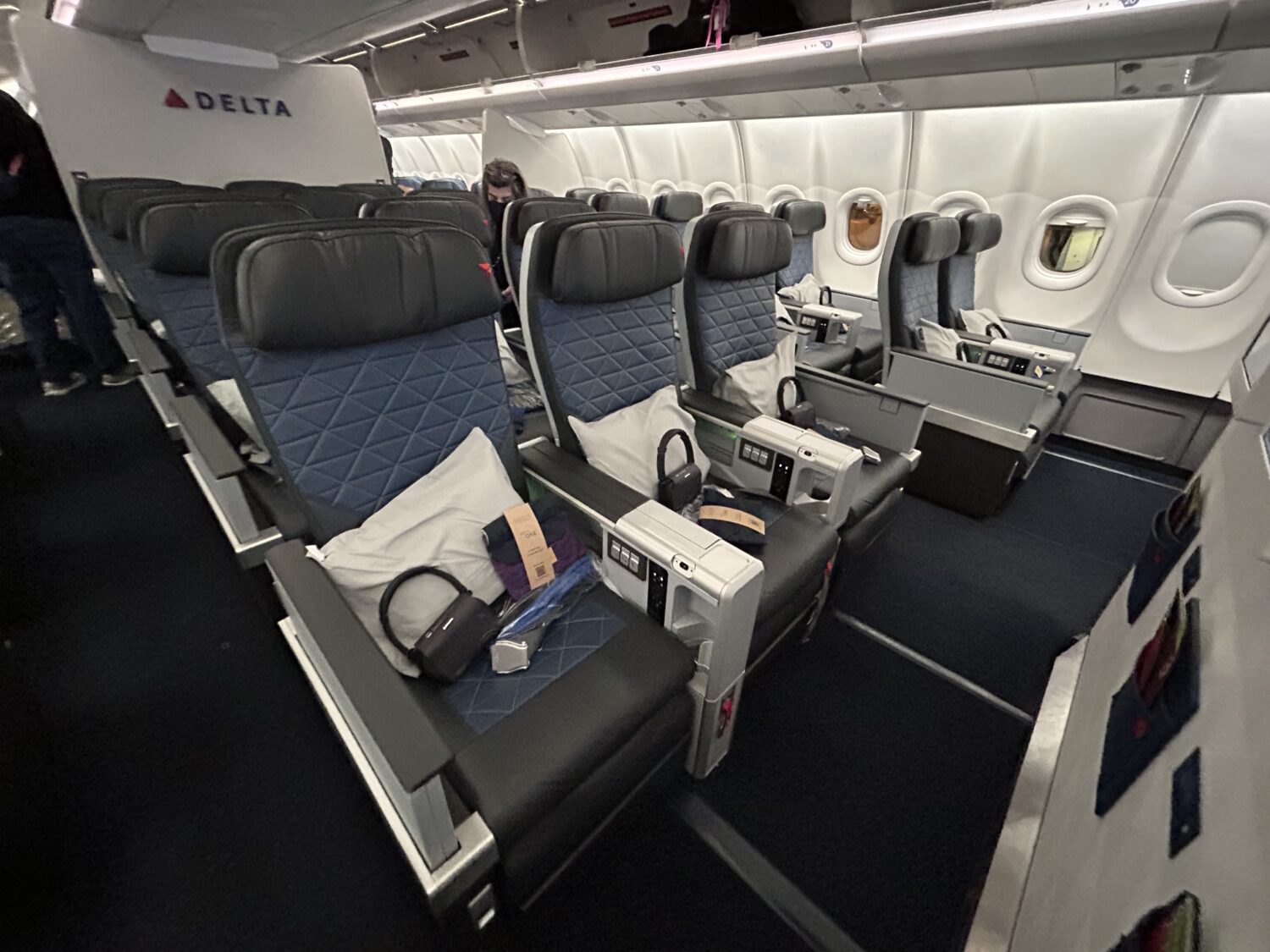
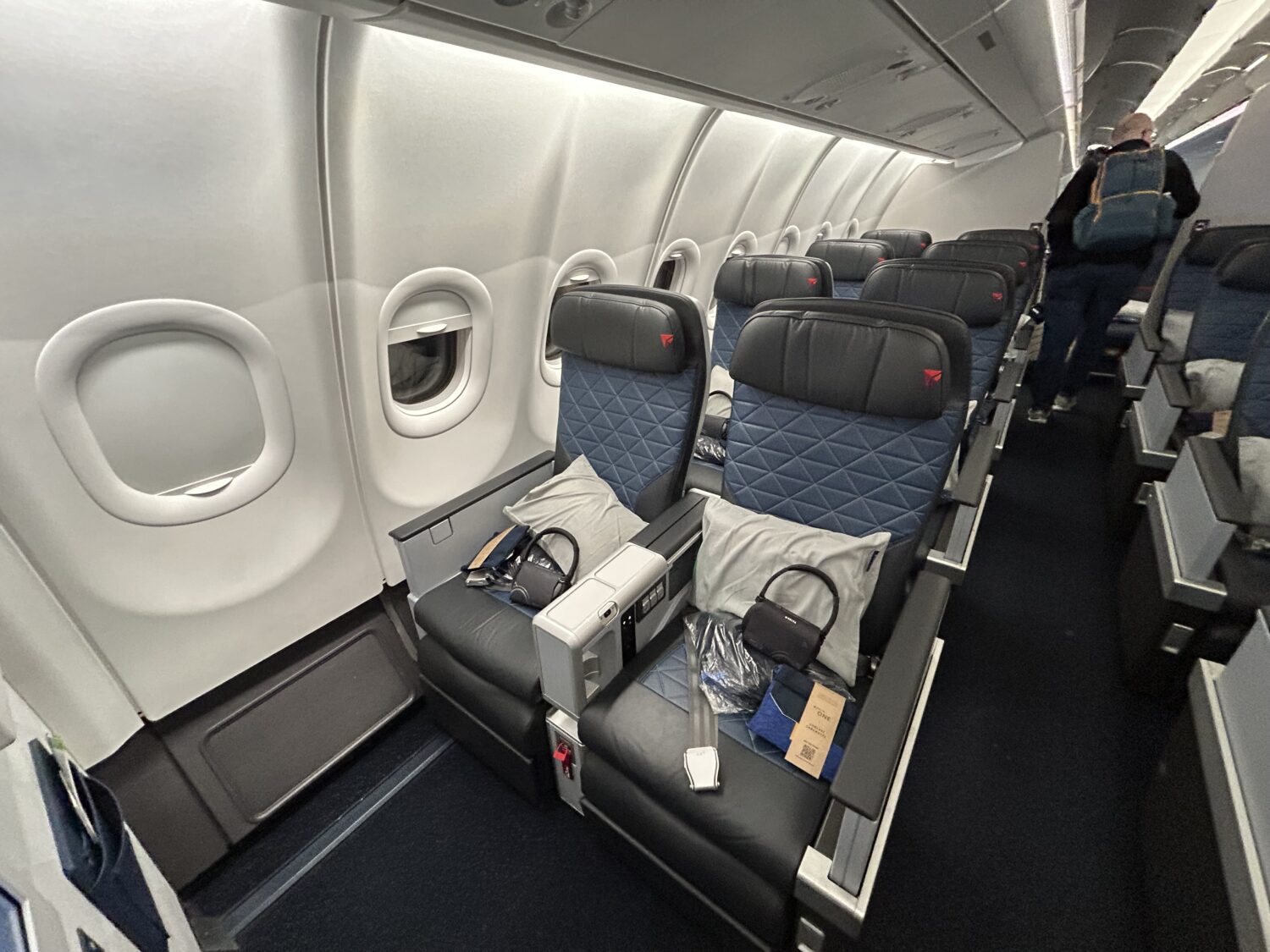
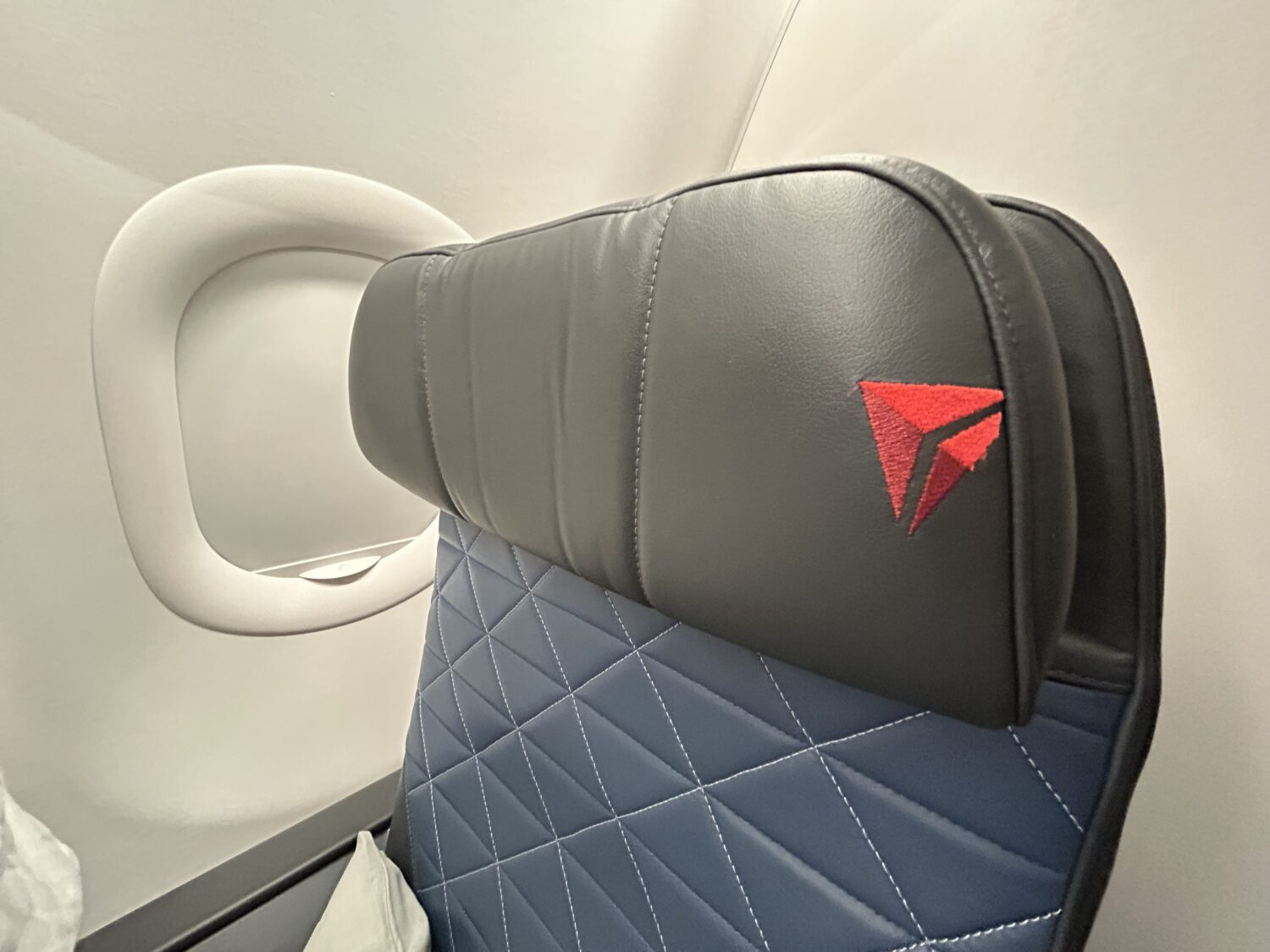
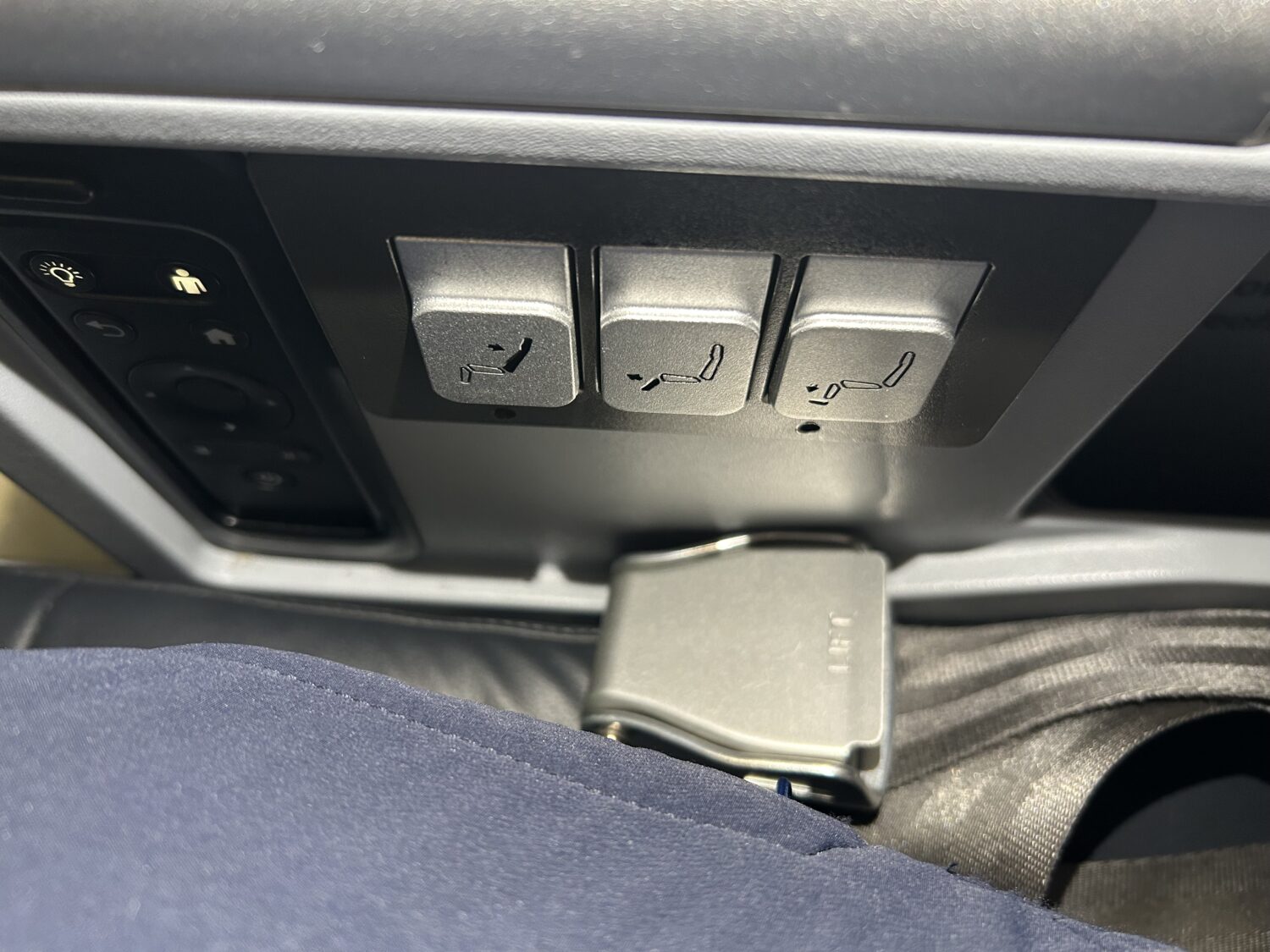
Delta Premium Select represents a true premium economy experience. The physical architecture of the seat offers substantially more personal space than anything found in the main cabin. On wide-body aircraft like the Airbus A350, the configuration is arranged in a 2-4-2 layout, while Airbus A330s utilize a 2-3-2 format, and Boeing 767s offer an intimate 2-2-2 configuration. This reduction in density per row allows for wider seats—averaging 18.5 inches, roughly a half-inch wider than standard economy—alongside enhanced padding and ergonomic headrests.
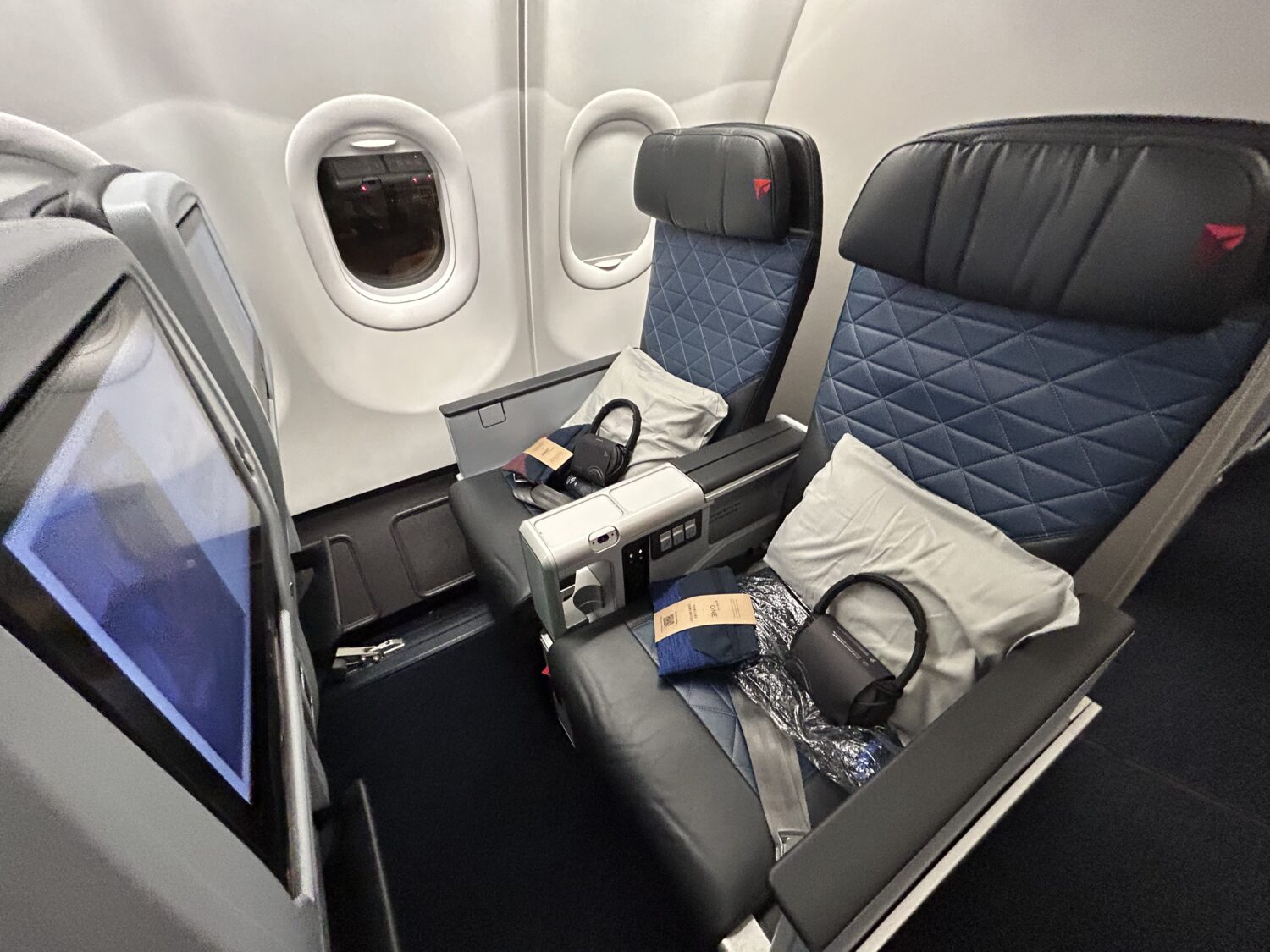
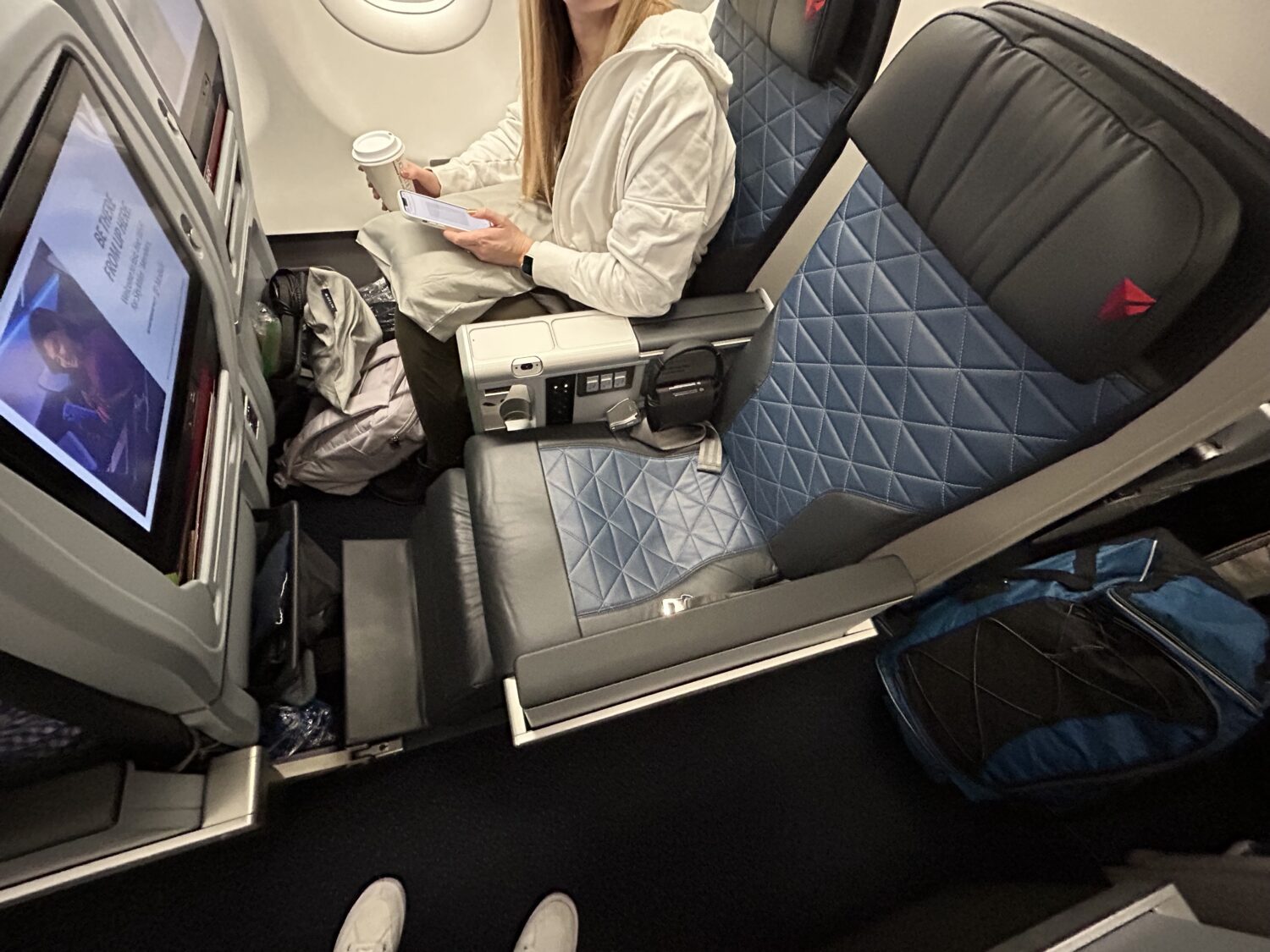
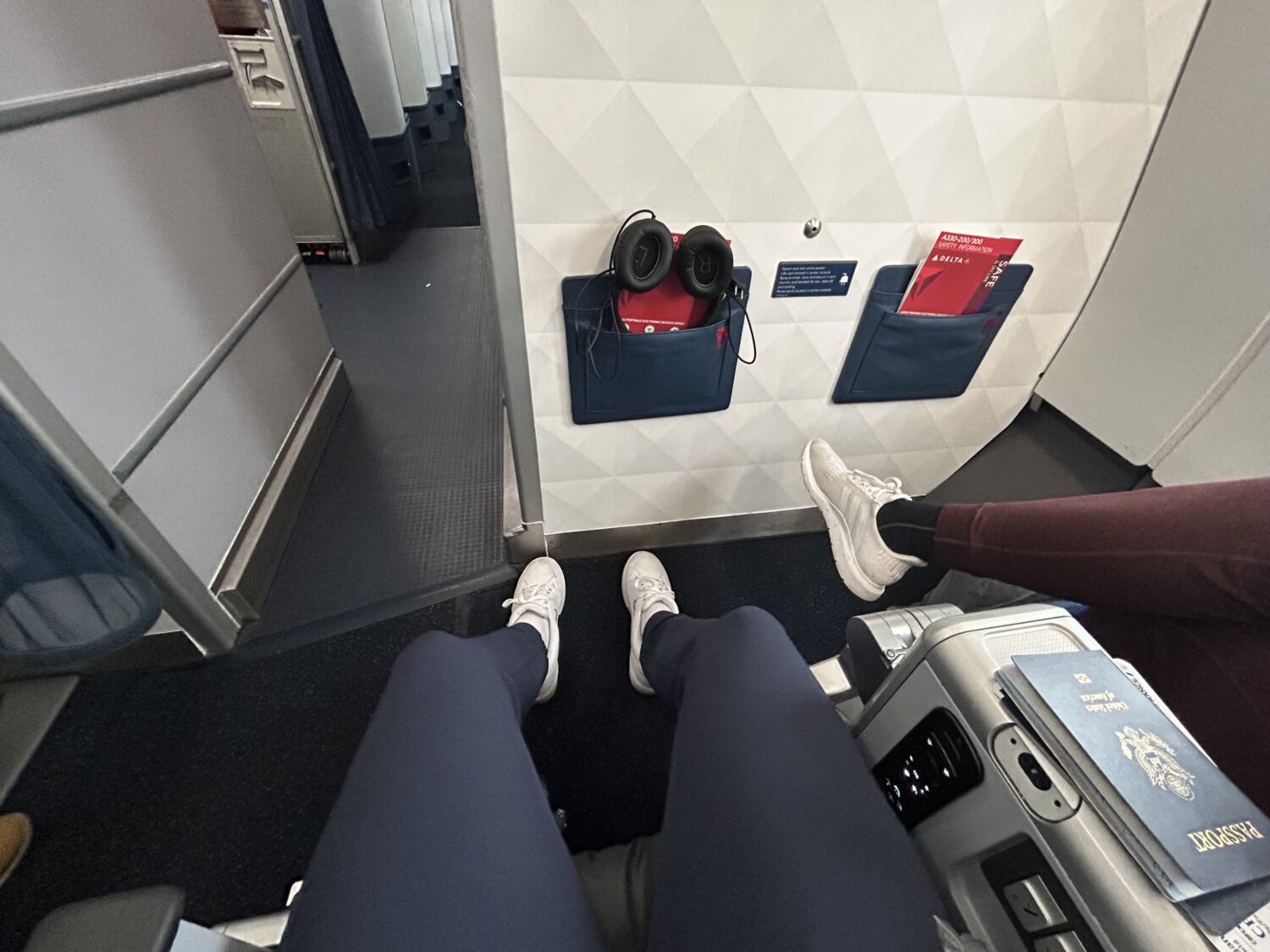
Seat pitch in Premium Select typically ranges from 38 inches, providing an additional six inches of legroom compared to the 32 inches standard in Delta’s economy cabins. Furthermore, DPS seats feature integrated analog footrests and leg rests, designed to alleviate lower-body fatigue during multi-hour intercontinental journeys. The recline is noticeably deeper than in economy, supported by a hard-shell seat design that ensures a reclining passenger does not encroach directly into the face of the traveler behind them, although seatback entertainment screens do move relative to the frame.
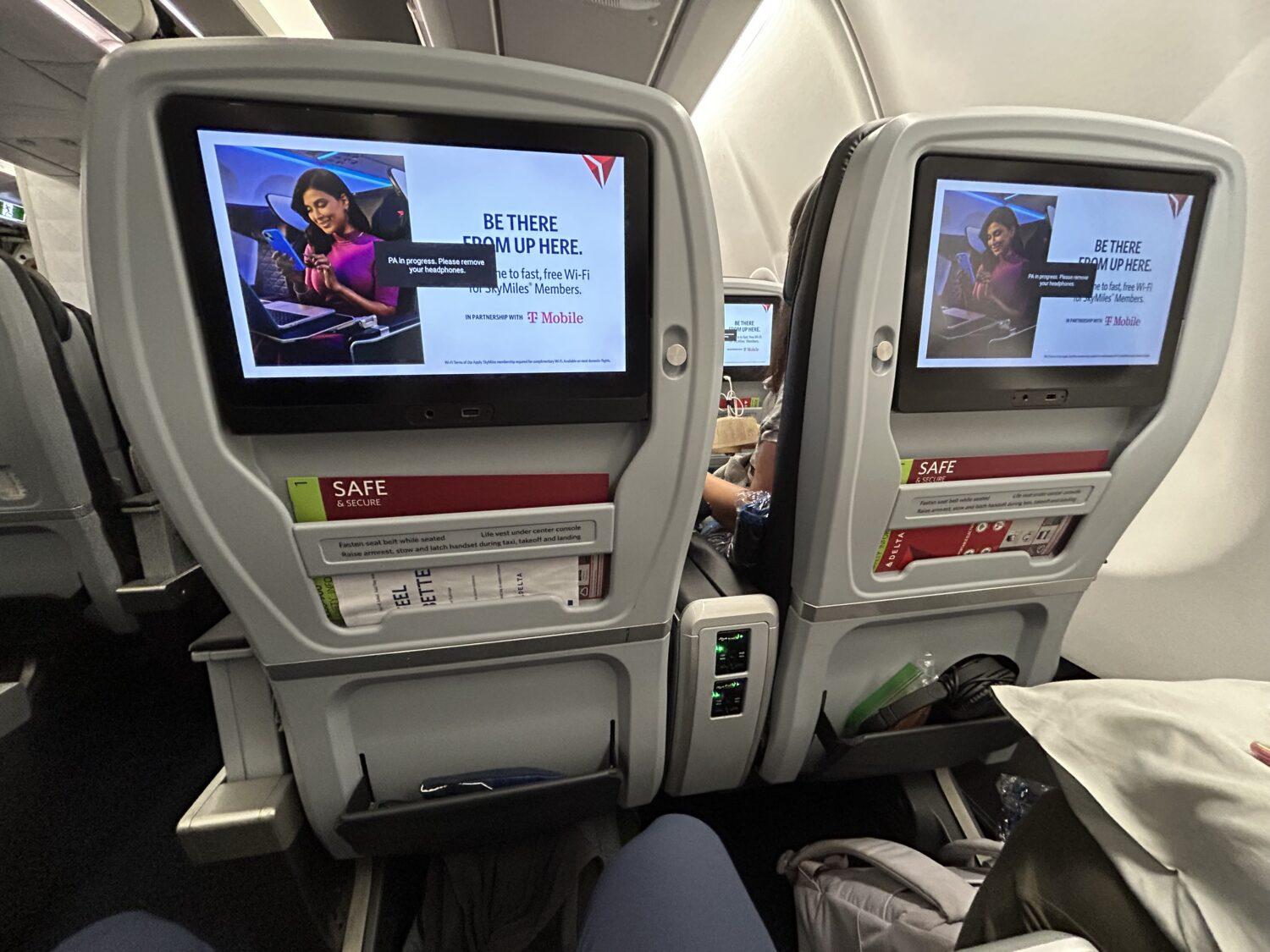
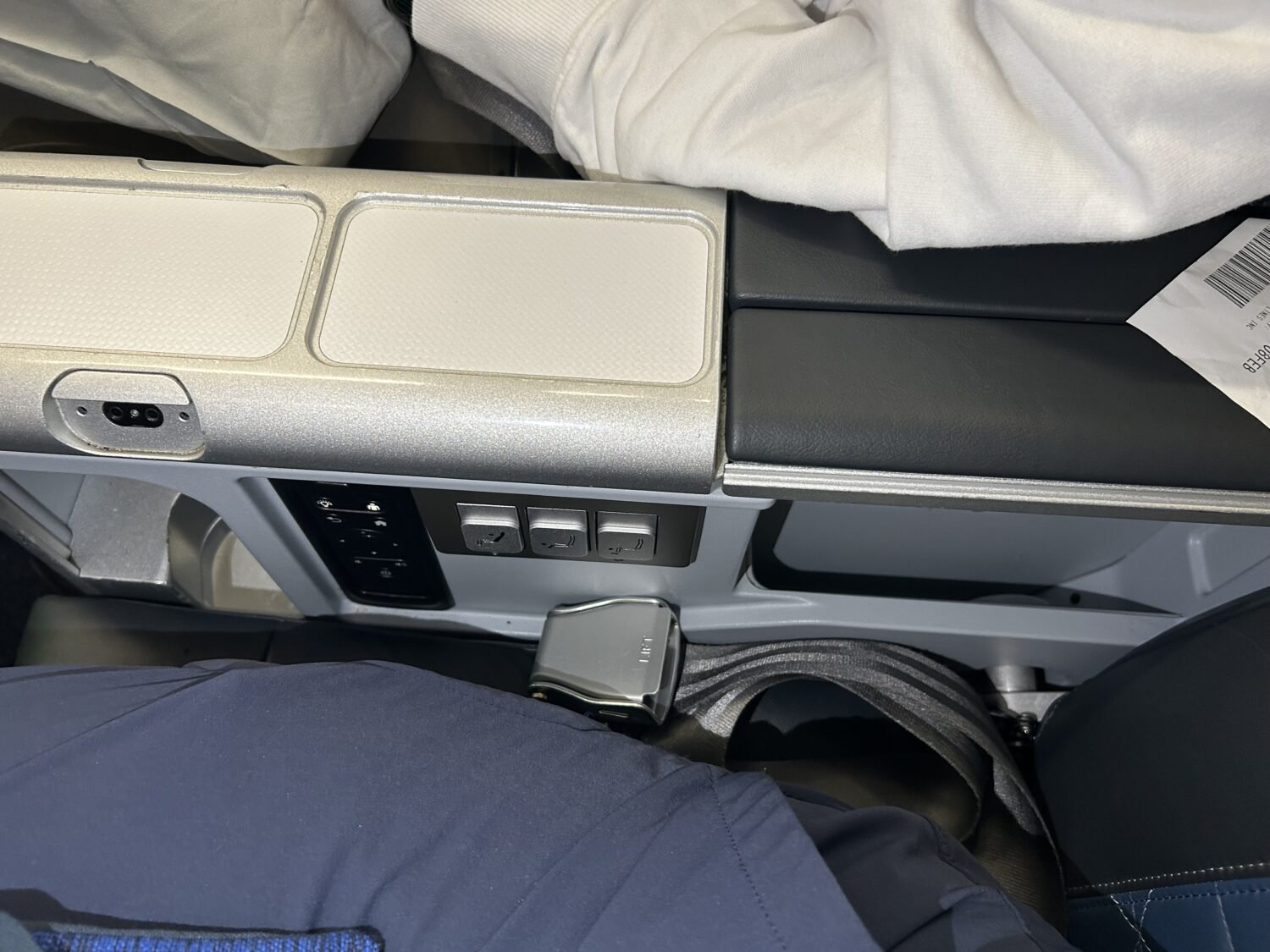
Entertainment and connectivity standards in Premium Select are top-tier. Passengers enjoy oversized seatback touchscreens—measuring up to 13.3 inches diagonally—accompanied by dedicated universal power outlets, USB-A, and USB-C charging ports. Storage is also improved through wider shared armrests and dedicated console space.
Analyzing the Hard Product: Delta Comfort
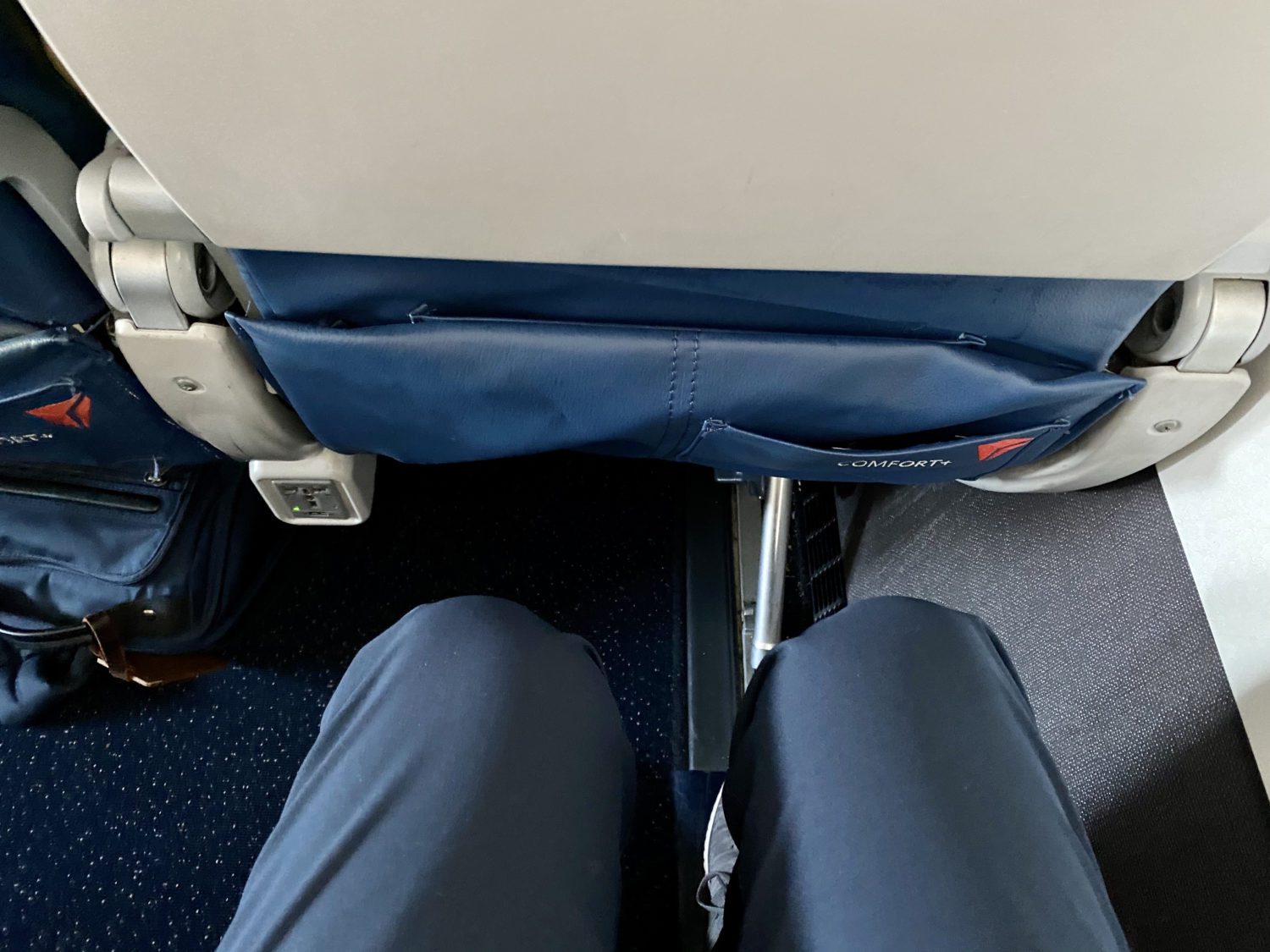
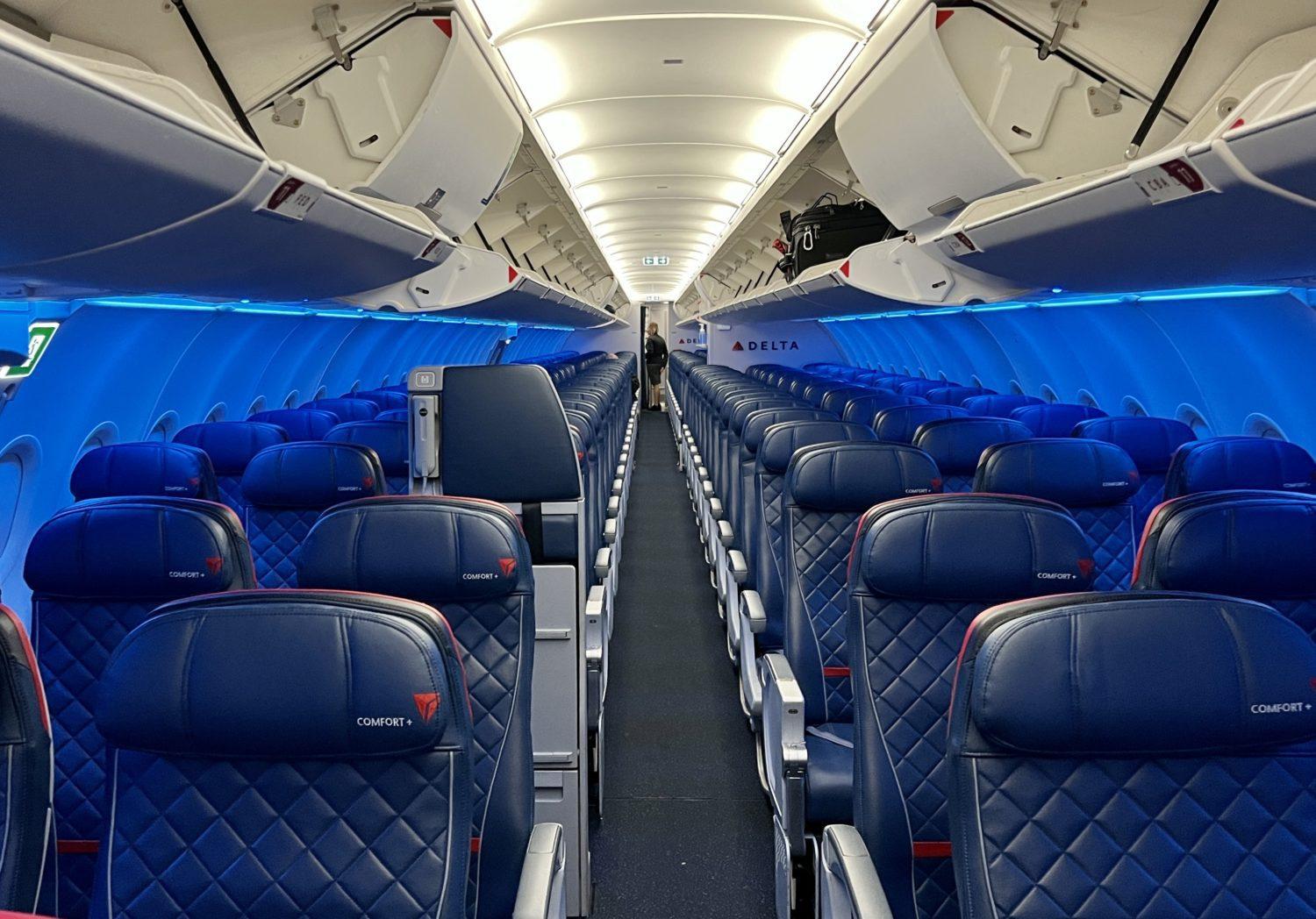
Delta Comfort occupies an entirely different tier of the aircraft hierarchy. On domestic and short-haul international routes, a Delta Comfort seat is fundamentally a standard economy seat shell enhanced primarily by increased pitch. Passengers in this section typically receive an additional two to four inches of legroom, bringing the pitch to roughly 34 to 35 inches depending on the specific aircraft variant.
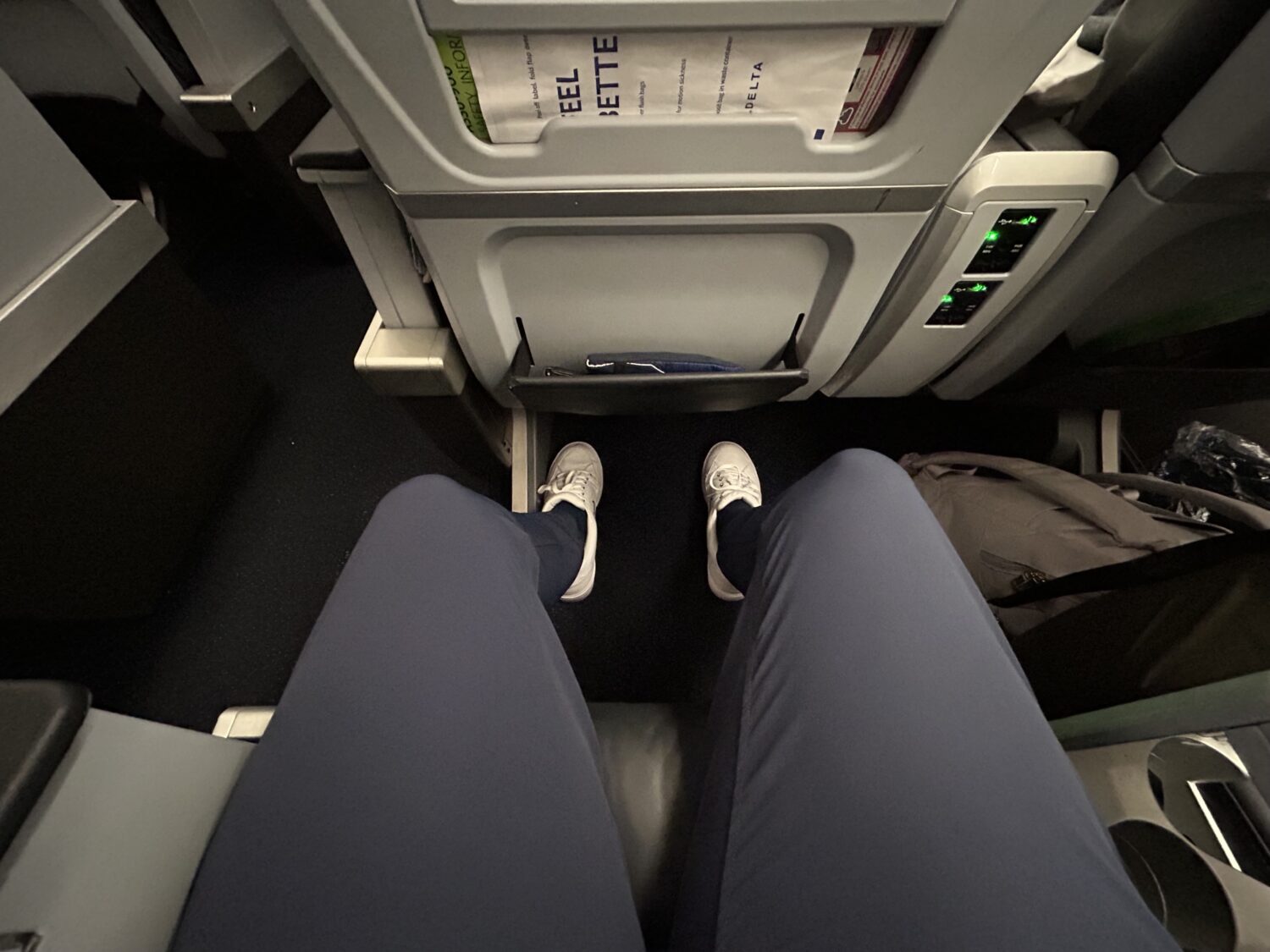
Unlike Premium Select, Comfort seats do not offer increased seat width, deeper physical recline mechanisms beyond the standard economy capability, or dedicated footrests. However, Delta has introduced minor design accommodations in Comfort cabins, such as an extra storage pouch built into the seatback pocket for small electronics, wallets, or passports. On long-haul international routes, Comfort passengers are seated forward of the main economy cabin, which facilitates quicker deplaning upon arrival.
Soft Product and Airport Privileges: A Comparative Overview
The disparity between Delta Premium Select and Delta Comfort extends well beyond the physical seat, encompassing ground services, amenity distributions, and culinary offerings.
Airport Experience and Ground Priority
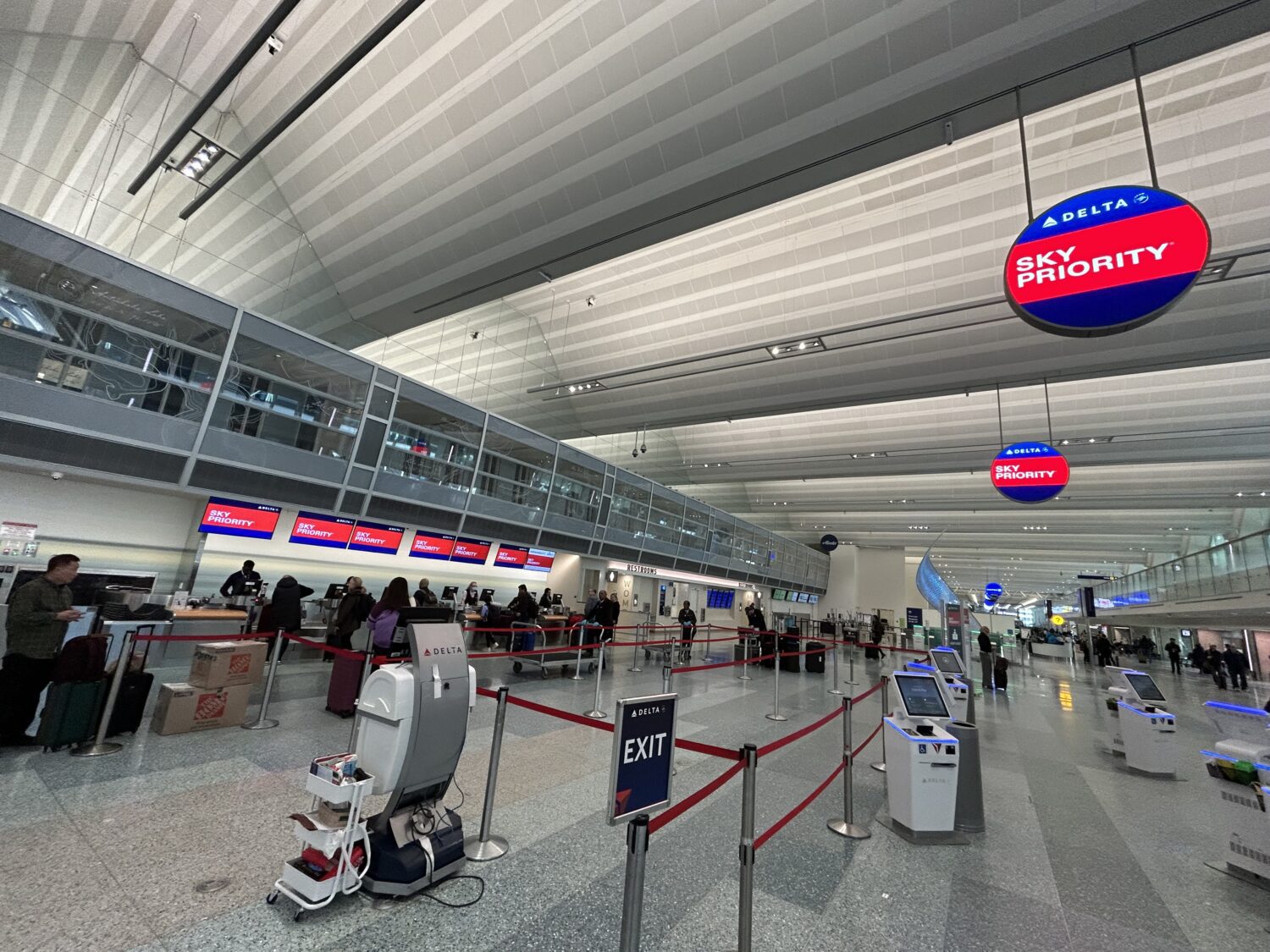
Delta Premium Select tickets include access to Sky Priority services. This grants passengers expedited check-in counters, priority security screening lanes where available, and prioritized baggage handling, ensuring checked bags emerge among the first on the carousel at the destination. Crucially, DPS tickets also grant expedited immigration and customs clearance access at participating international partner hubs, such as Paris-Charles de Gaulle (CDG) and Amsterdam Airport Schiphol (AMS).
Delta Comfort tickets do not include Sky Priority ground benefits unless the traveler holds elite status within the SkyMiles Medallion program or maintains a qualifying co-branded American Express credit card. Comfort passengers board in an early zone (Sky Priority boarding is reserved for higher tiers, but Comfort typically boards immediately following First Class/Delta One and Medallion members), but they clear security and customs alongside standard economy travelers.
Amenity Kits and Comfort Items
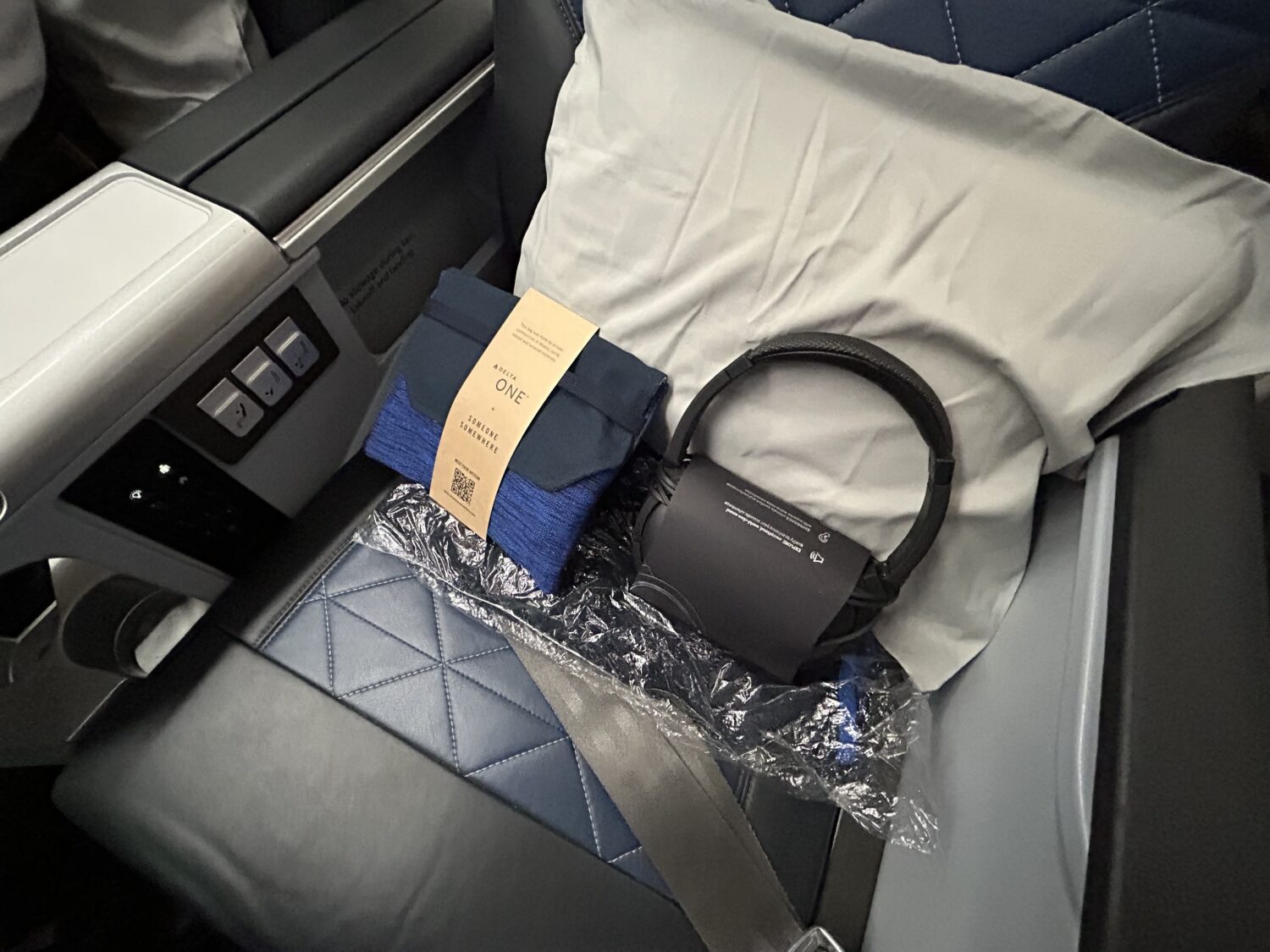
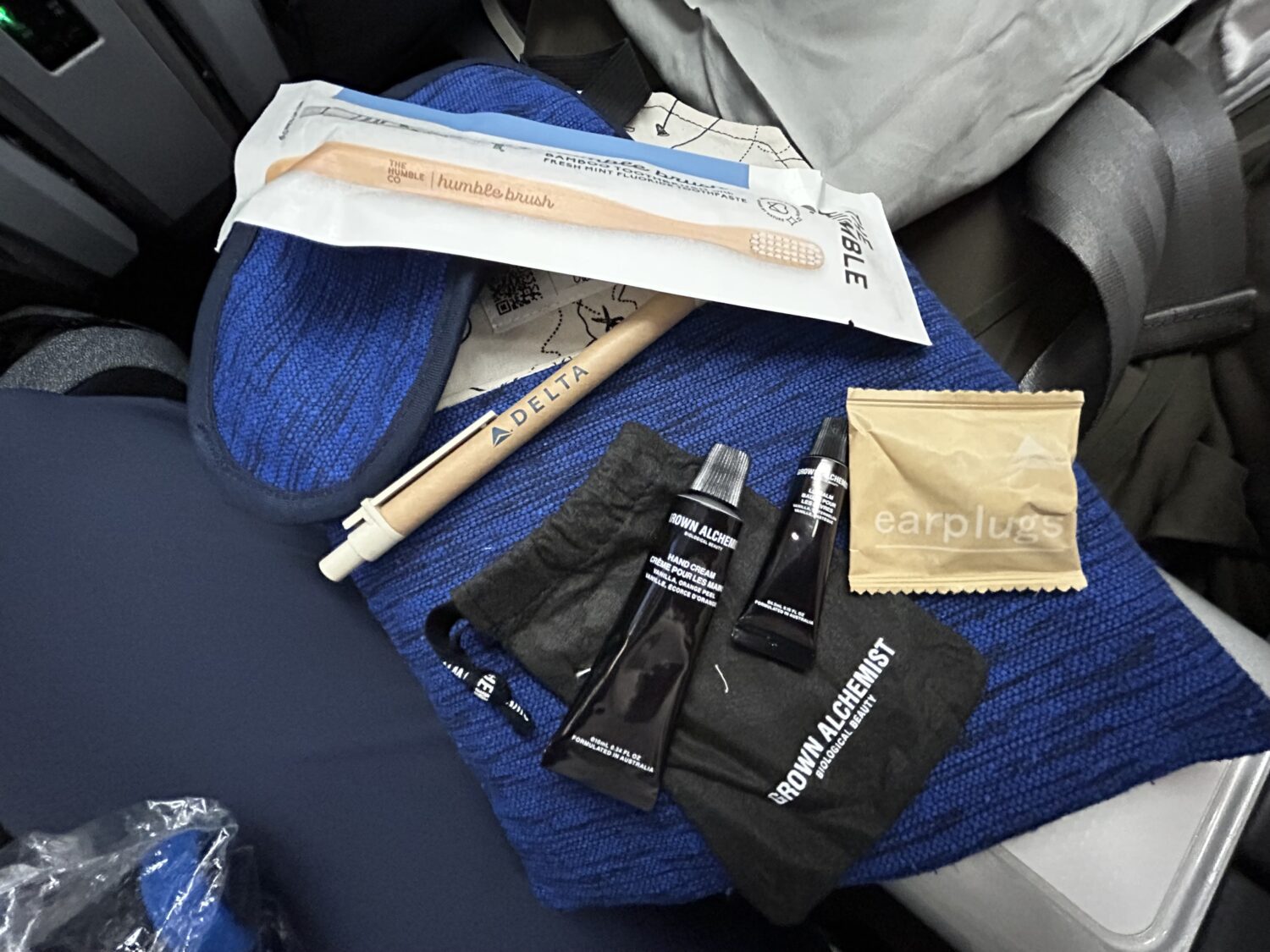
Upon settling into Delta Premium Select, passengers receive a structured amenity kit. Manufactured in partnership with the ethical brand Someone Somewhere, these kits contain sustainably sourced travel essentials, including a toothbrush, toothpaste, eye mask, earplugs, and premium skincare items from Grown Alchemist. DPS passengers are also provided with memory-foam pillows, thicker plush blankets, and noise-reducing headphones.
Delta Comfort international passengers receive a scaled-down amenity kit, along with a standard pillow and blanket set. On domestic routes, these soft amenities are absent, though Comfort passengers benefit from complimentary alcoholic beverages (beer and wine on flights over 250 miles; spirits on flights over 500 miles) and an upgraded selection of snack options, including premium brand-name chips and protein bars, whereas standard economy passengers are limited to basic pretzels, peanuts, or biscoff cookies.
Dining Service Enhancements
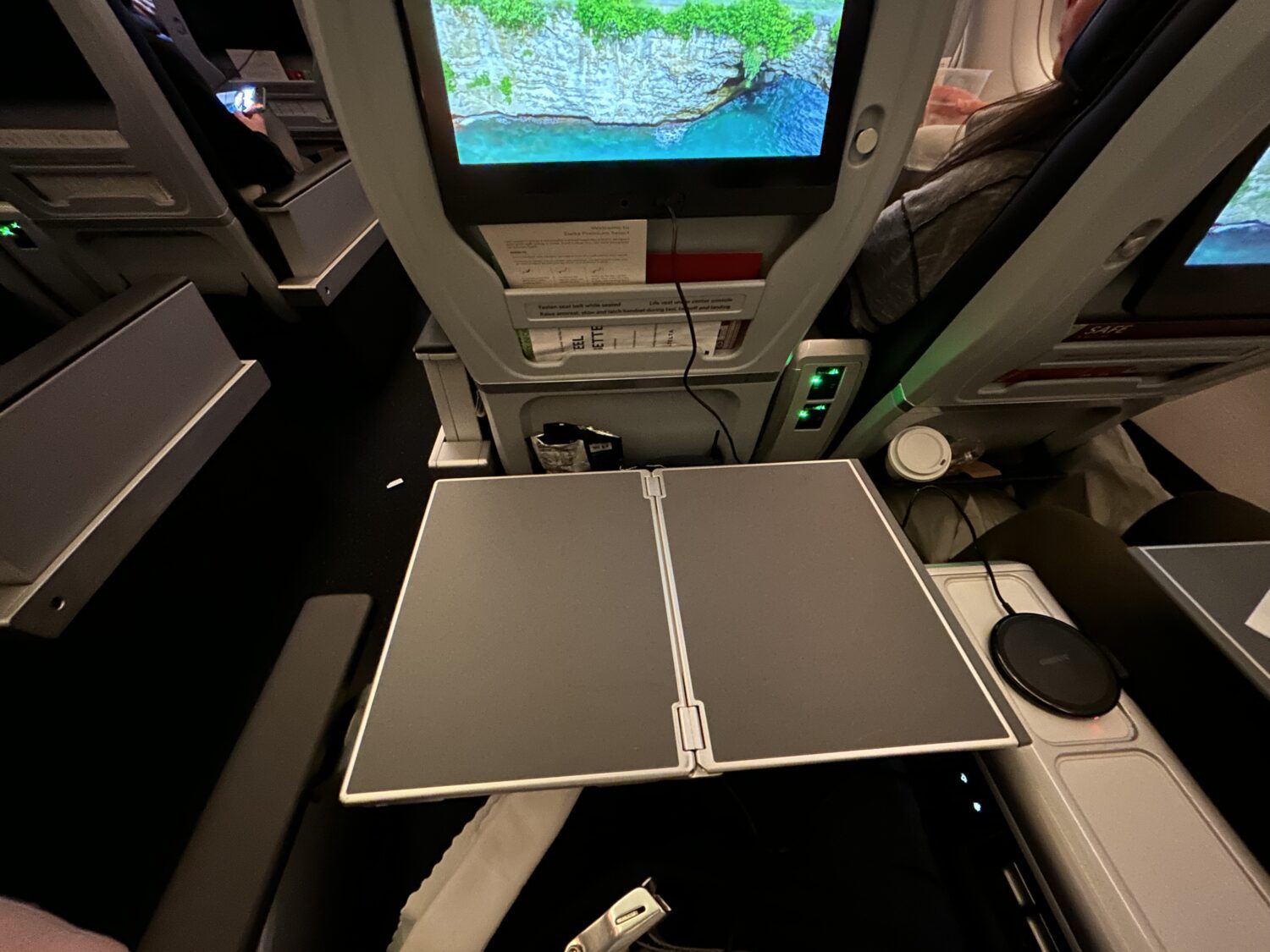
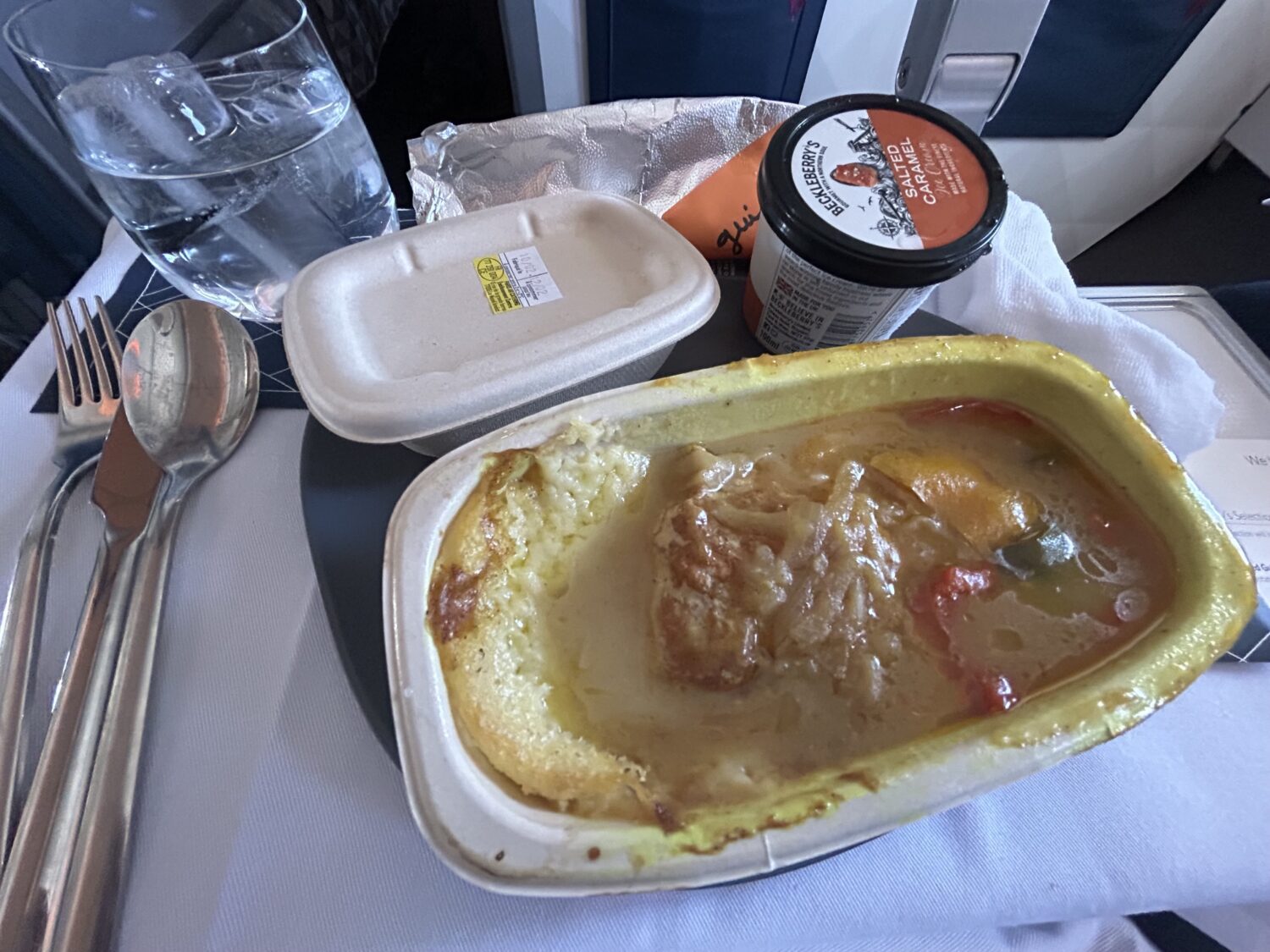
The culinary experience in Delta Premium Select features multi-course meals served with real silverware and cloth linens, often presented on upgraded, wider tray tables. While the core meal options may share similarities with those served in the main cabin, the presentation and service flow are modeled after business-class standards. Delta Comfort dining, by contrast, mirrors the standard economy meal service, with the sole exception of complimentary alcohol and expanded snack choices.
Financial Implications and Valuation Analysis

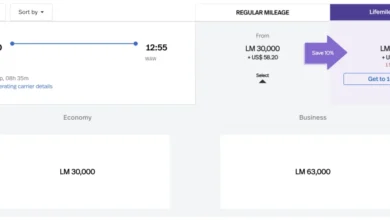
The decision to purchase Delta Premium Select versus Delta Comfort often hinges on cost economics. Delta Comfort upgrades are frequently priced aggressively—sometimes commanding only a nominal cash or SkyMiles surcharge over a Main Cabin fare, and occasionally matching or undercutting economy during promotional fare sales. For frequent flyers holding Medallion status, Delta Comfort upgrades can often be secured automatically and at no additional cost following ticketing, based on availability and status tier (Diamond and Platinum members clearing immediately; Gold clearing 72 hours out; Silver clearing 24 hours out).
Conversely, Delta Premium Select commands a significantly higher market valuation. Because DPS is sold as an independent cabin class rather than an upgradeable seat subset, cash fares typically trend closer to business class than economy. However, strategic travelers often utilize dynamic SkyMiles redemption promotions or targeted cash-upgrade offers post-booking to secure DPS seats at a fraction of standard retail rates.
Strategic Guidance for Travelers

Choosing between the two products requires evaluating the duration of the flight and personal tolerance for physical confinement. For transcontinental or short international segments (such as U.S. to the Caribbean or northern South America), Delta Comfort provides sufficient relief for a modest financial outlay. For true intercontinental long-haul flights—such as trans-Pacific or trans-Atlantic journeys exceeding seven hours—Delta Premium Select offers critical ergonomic advantages, including a wider seat, deep recline, dedicated foot support, and expedited airport processing, making it a compelling middle ground for travelers seeking elevated comfort without paying full business class fares.