The Ultimate Backpacking Europe Packing List: Essential Gear, Lightweight Strategies, and Expert Tips for 2024


Packing for an extended journey across the European continent remains one of the most formidable challenges for novice travelers and seasoned wanderers alike. The reality of modern travel—characterized by stringent budget airline baggage restrictions, historic cobblestone streets, and the sheer physical toll of transit—demands a calculated, minimalist approach. Overpacking not only burdens the traveler physically but also increases vulnerability to theft, as cumbersome bags complicate situational awareness and personal security.
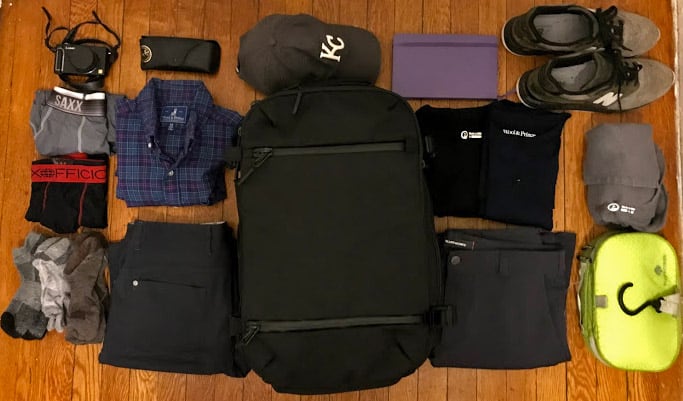
To address these logistical hurdles, travel experts and long-term budget researchers have refined comprehensive packing methodologies. Emphasizing a strict weight threshold of 20 to 22 pounds (approximately 9 to 10 kilograms) total, this framework ensures compliance with strict carry-on policies enforced by European low-cost carriers like Ryanair and EasyJet. Adhering to this limit prevents costly gate fees and safeguards travelers against chronic back strain during navigation through train stations, metros, and historical city centers.

Strategic Minimization of Wardrobe and Toiletries

The foundation of efficient travel packing relies on aggressive reduction in three primary categories: clothing, toiletries, and footwear. Apparel invariably constitutes the greatest percentage of dead weight in any rucksack. Experienced logistics planners note that the logistical difference between packing for a two-week vacation and a two-month expedition is negligible, given the universal availability of laundromats, hotel hand-washing facilities, and local dry-cleaning services.
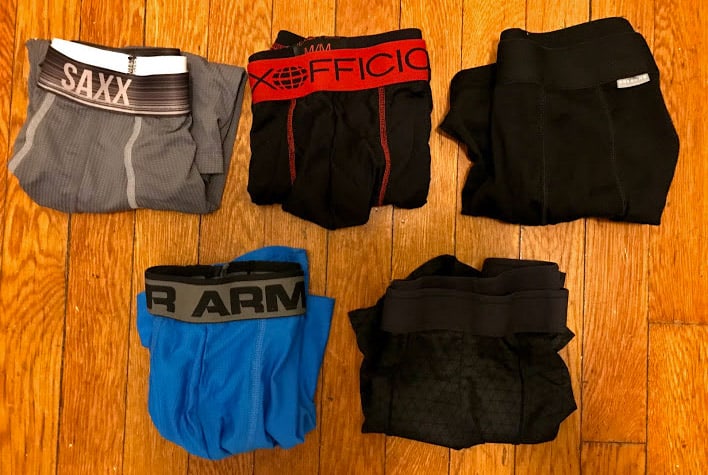
Rather than doubling up on outfits, travelers are advised to leverage technical, quick-drying fabrics and employ a capsule wardrobe strategy centered on layering. Merino wool and advanced synthetic blends dominate the recommendations for socks and undergarments due to their natural moisture-wicking and antimicrobial properties. Quality merino wool socks, though initially expensive, allow for multiple wear cycles without significant odor retention, drastically reducing the required volume. Similarly, synthetic underwear dries within hours of washing, allowing travelers to maintain a lean rotation of five to seven pairs.
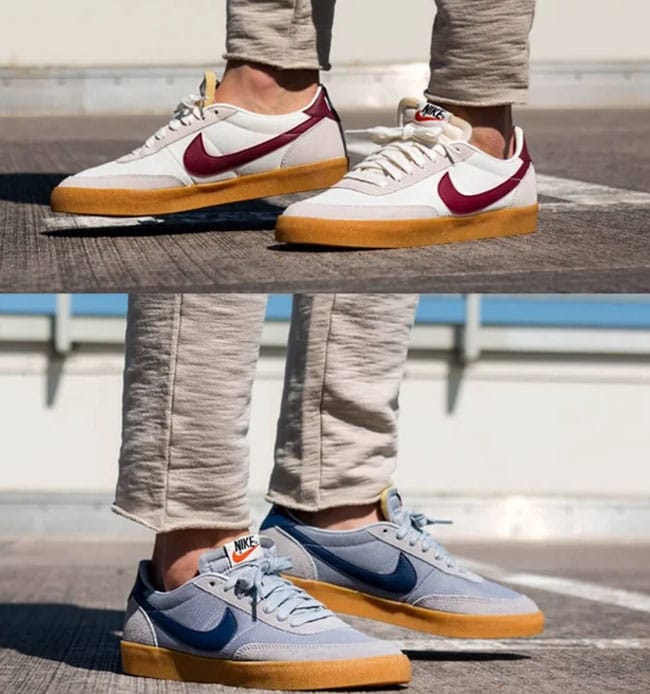
Toiletries represent another deceptive weight trap. Standard-size containers of shampoo, conditioner, and body wash quickly add unnecessary pounds to a pack. Analysts recommend transitioning to travel-sized containers, relying on local European pharmacies for replenishment upon arrival, or utilizing accommodations that supply basic toiletries. Footwear should likewise be strictly rationed; the ideal setup limits footwear to a single pair of versatile, supportive walking sneakers—such as leather lifestyle trainers or high-performance walking shoes—paired with a secondary, lightweight option like rubber sandals for hostel showers or casual transit.

Chronological Evolution of European Travel Gear

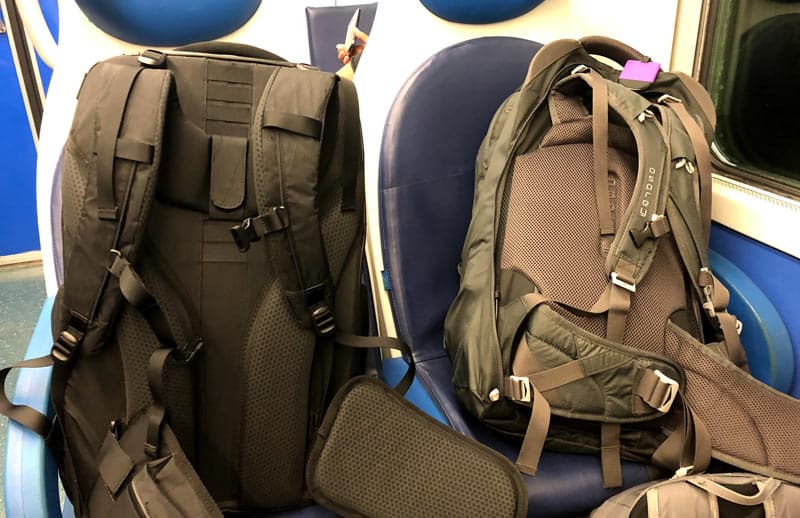
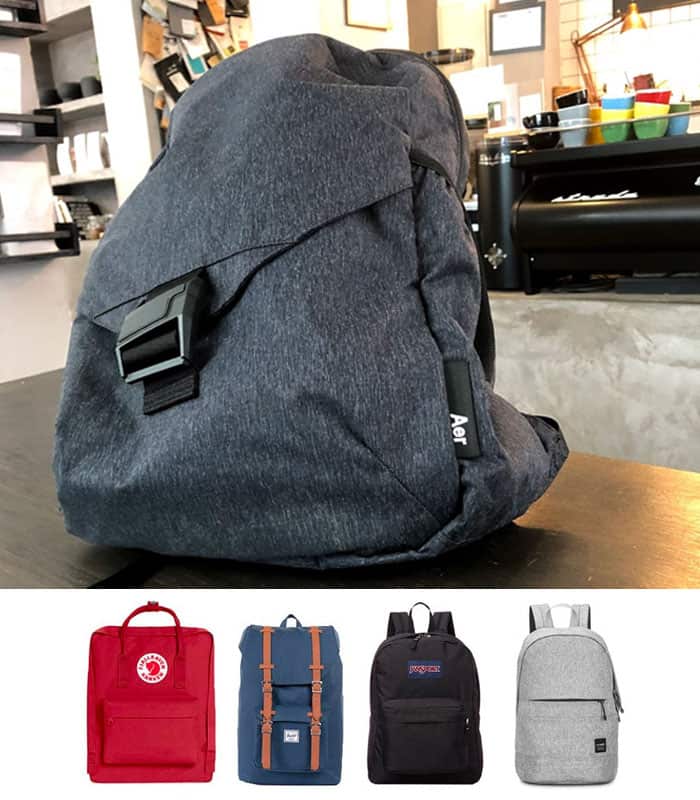
The advent of budget airlines and high-speed rail networks over the past two decades has fundamentally transformed how North American and international tourists prepare for European excursions. Historically, travelers relied on massive, internal-frame trekking backpacks equipped for remote wilderness camping. However, contemporary urban backpacking has shifted toward carry-on-compliant travel backpacks and specialized daypacks.

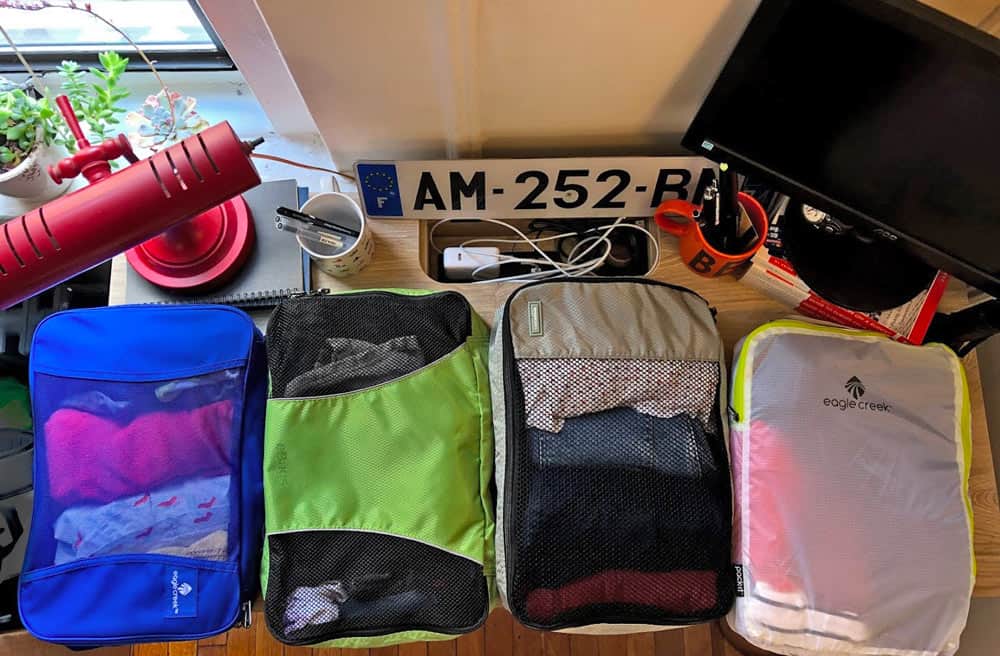
Brands such as Osprey, Tortuga, and Patagonia have pioneered modular packs designed specifically to fit within overhead bins and under train seats, eliminating baggage carousel wait times and the risk of lost checked luggage. Concurrently, the introduction of packing cubes has revolutionized internal organization. These zippered mesh compartments segregate garments by type—separating undergarments from outerwear and compressing fabrics to maximize spatial efficiency.
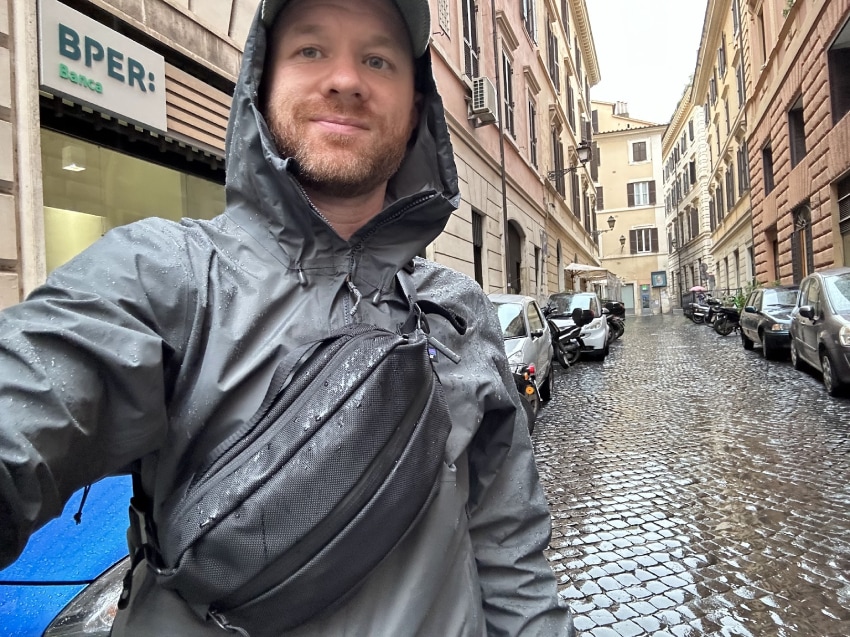
In the digital sphere, the transition from physical SIM cards to embedded SIM (eSIM) technology has streamlined connectivity. Rather than paying home telecommunication carriers upwards of $10 to $15 daily for international roaming packages, modern travelers utilize regional eSIM data providers like Holafly and SimOptions. This technological shift reduces communication overhead to approximately $3 per day, granting immediate access to navigation, translation, and transit applications upon landing.
Data-Driven Analysis of Travel Efficiency and Security
Industry data indicates that luggage weight directly correlates with physical fatigue and susceptibility to opportunistic crime. Navigating dense European transit hubs—such as Rome’s Termini station or Paris’s Gare du Nord—requires high mobility. Travelers burdened by oversized luggage become distinct targets for distraction thefts and pickpocketing rings.
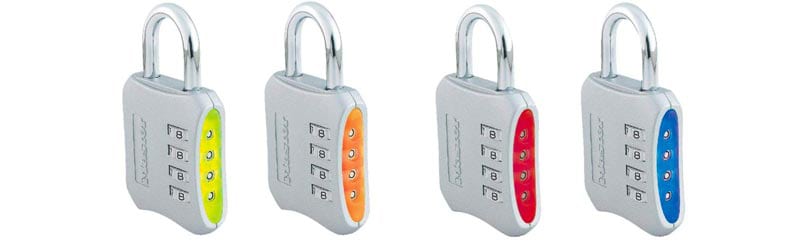
To mitigate security risks, specialized anti-theft accessories have become standard components of the modern packing list. While traditional money belts remain a polarizing topic among seasoned travelers, master lock combinations, retractable cable locks for securing bags to hostel bunks, and digital backups of vital identification documents are universally endorsed. Storing encrypted digital copies of passports, rail passes, and insurance policies in cloud storage platforms—such as Google Drive or encrypted email accounts—ensures immediate recovery in the event of theft or loss.

Furthermore, financial planning must account for unforeseen medical emergencies and transit disruptions. Travel insurance policies provided by established providers like World Nomads or Allianz offer critical safety nets covering emergency medical evacuation, trip cancellation, and gear loss. Statistics from consumer protection agencies indicate that medical incidents abroad account for the highest percentage of catastrophic travel expenses, making comprehensive coverage an essential non-tangible asset for any packing manifest.

Official Industry Guidance and Recommendations

Travel authorities and consumer advocacy groups consistently emphasize preparation over improvisation when embarking on a multi-destination European tour. The overarching consensus from logistics experts underscores the principle of redundancy elimination. Bringing duplicates "just in case" invariably results in unused gear and unnecessary physical fatigue.
When selecting electronic accessories, consumer electronics reviews advise checking voltage compatibility. While modern smart devices, tablets, and laptops feature dual-voltage capabilities (supporting both 110V and 220V), older heating appliances like hair dryers or straighteners will fail or pose fire hazards without heavy-duty voltage converters. Consequently, standard continental European plug adapters (Type C, E, and F) alongside localized UK adapters (Type G) are sufficient for powering modern USB-centric travel ecosystems.
Broader Economic and Environmental Implications

The minimalist packing movement aligns with broader shifts toward sustainable tourism and economic efficiency. By adhering strictly to carry-on dimensions, travelers reduce the collective weight load of commercial aircraft, marginally decreasing fuel consumption per passenger mile. Furthermore, purchasing consumables—such as toiletries, groceries, and over-the-counter medications—locally within European host communities directly supports local economies rather than funneling revenue through multinational export supply chains.

As European infrastructure continues to digitize and transportation networks prioritize seamless, touchless boarding, the requirement for physical documentation and excessive hardware diminishes. Ultimately, the modern backpacking packing list serves as a psychological and physical exercise in intentionality, empowering travelers to navigate complex international itineraries with confidence, agility, and minimal environmental footprint.