The Classroom Without Walls: How International Travel and Cultural Immersion Shape Childhood Development and Resilience


When children are exposed to environments far removed from their everyday routines, the resulting psychological and cognitive shifts extend far beyond the traditional boundaries of the school day. While standard academic curricula build foundational literacy and numeracy, empirical observations and educational experts suggest that real-world navigation—such as deciphering foreign transit systems, adjusting to new culinary landscapes, and managing unexpected disruptions—fosters an entirely different caliber of life skills. These immersive experiences transform abstract concepts into tangible realities, cultivating high levels of adaptability, emotional regulation, and self-efficacy in developing minds.

Educational specialists and family development researchers have increasingly turned their attention to the structural benefits of experiential learning outside the classroom. According to L’Taundra Everhart, an education expert holding an M.Ed with over two decades of experience in public education, traditional scholastic environments intentionally cultivate problem-solving and emotional resilience, yet these exercises frequently occur within predictable, low-stakes frameworks. Travel, by contrast, challenges young people to apply these cognitive toolkits within authentic, unpredictable environments.
This perspective is reinforced by broad demographic data regarding family travel habits. Findings from the Family Travel Association’s comprehensive U.S. Family Travel Survey indicate a profound parental consensus regarding the developmental value of excursions. Approximately 71 percent of surveyed parents with children aged seven and older reported that travel directly broadened their children’s world perspective. Furthermore, 61 percent observed a marked increase in their children’s interest in foreign cultures, while 58 percent noted significant gains in personal confidence. These outcomes illustrate that international and domestic exploration serves as a powerful catalyst for personal growth without requiring families to replicate formal classroom structures during holiday periods.
Chronology and Evolution of Experiential Learning
The integration of travel into childhood development is not a modern phenomenon, yet the nature of family mobility has evolved substantially over the past century. Historically restricted to affluent socioeconomic strata, long-distance family travel became increasingly democratized in the latter half of the twentieth century with the expansion of commercial aviation and the proliferation of accessible infrastructure.
By the early 2000s, educational theorists began systematically studying the correlation between geographic mobility, cultural exchange, and cognitive flexibility. Longitudinal observations of expatriate families and frequent travelers revealed that early exposure to foreign languages, alternative social norms, and variable climates accelerated executive function development. Children forced to routinely reorganize their physical surroundings demonstrated heightened abilities in spatial reasoning, working memory, and cognitive shifting compared to peers with static residential histories.
In recent years, travel has transitioned from a leisure-centric activity to a recognized component of holistic youth development. Educational institutions and child psychologists now frequently cite cultural literacy and adaptability as core competencies for the twenty-first-century workforce, cementing the value of real-world geographic exploration.
Core Developmental Domains Enhanced by Travel
1. Adaptive Problem-Solving and Navigating Disruption
The operational friction inherent in any journey—ranging from delayed rail departures and missed connections to altered itineraries—creates natural laboratories for crisis management. When travel plans disintegrate, children witness firsthand the process of structural readjustment. Everhart notes that while these friction points frequently induce temporary frustration, they ultimately provide youths with supervised exposure to adversity. By actively participating in finding alternative routes or modifying daily schedules, children experience the cognitive relief of working through discomfort and arriving at viable solutions. Consequently, the psychological weight of everyday disappointments diminishes, replaced by a resilient mindset that views setbacks as manageable variables rather than terminal failures.

2. Normalizing the Unfamiliar and Expanding Cultural Literacy
Domestic routines provide a predictable baseline regarding dietary habits, architectural styles, sleeping arrangements, and linguistic patterns. Travel systematically disrupts these baseline assumptions. Navigating environments where foreign languages are spoken, unfamiliar foods are served, and social customs diverge from domestic norms teaches children that their immediate cultural reality is not a universal standard.
Brian Rooney, founder of GetCruiseInfo.com and a father of five, emphasizes this paradigm shift. Observing vast geographical and cultural landscapes allows children to conceptualize the sheer scale and diversity of human society. This exposure fosters deep-seated empathy and cross-cultural competence, moving young minds past ethnocentric viewpoints and laying the groundwork for inclusive global citizenship.
3. Cultivating Self-Efficacy and Independence
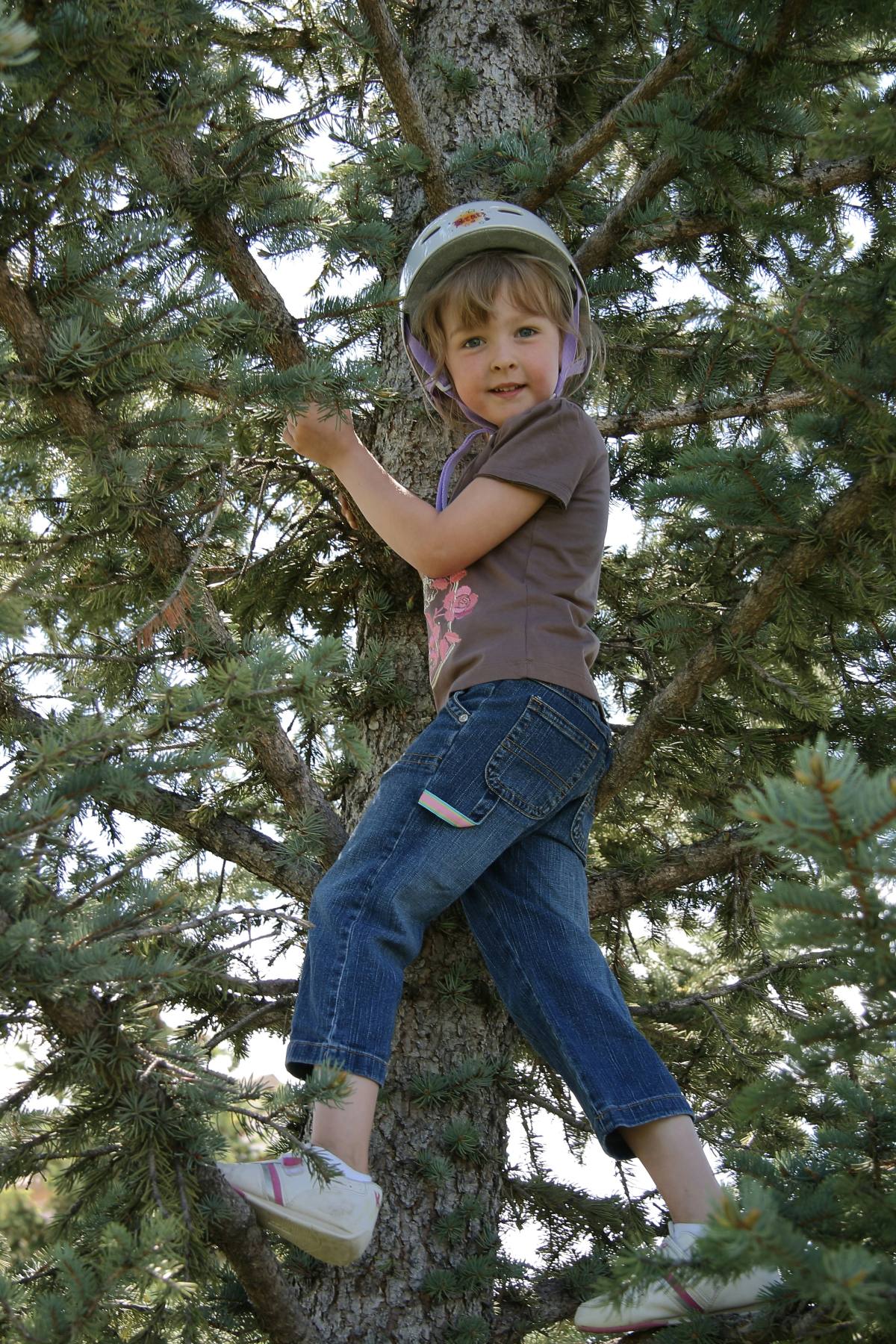
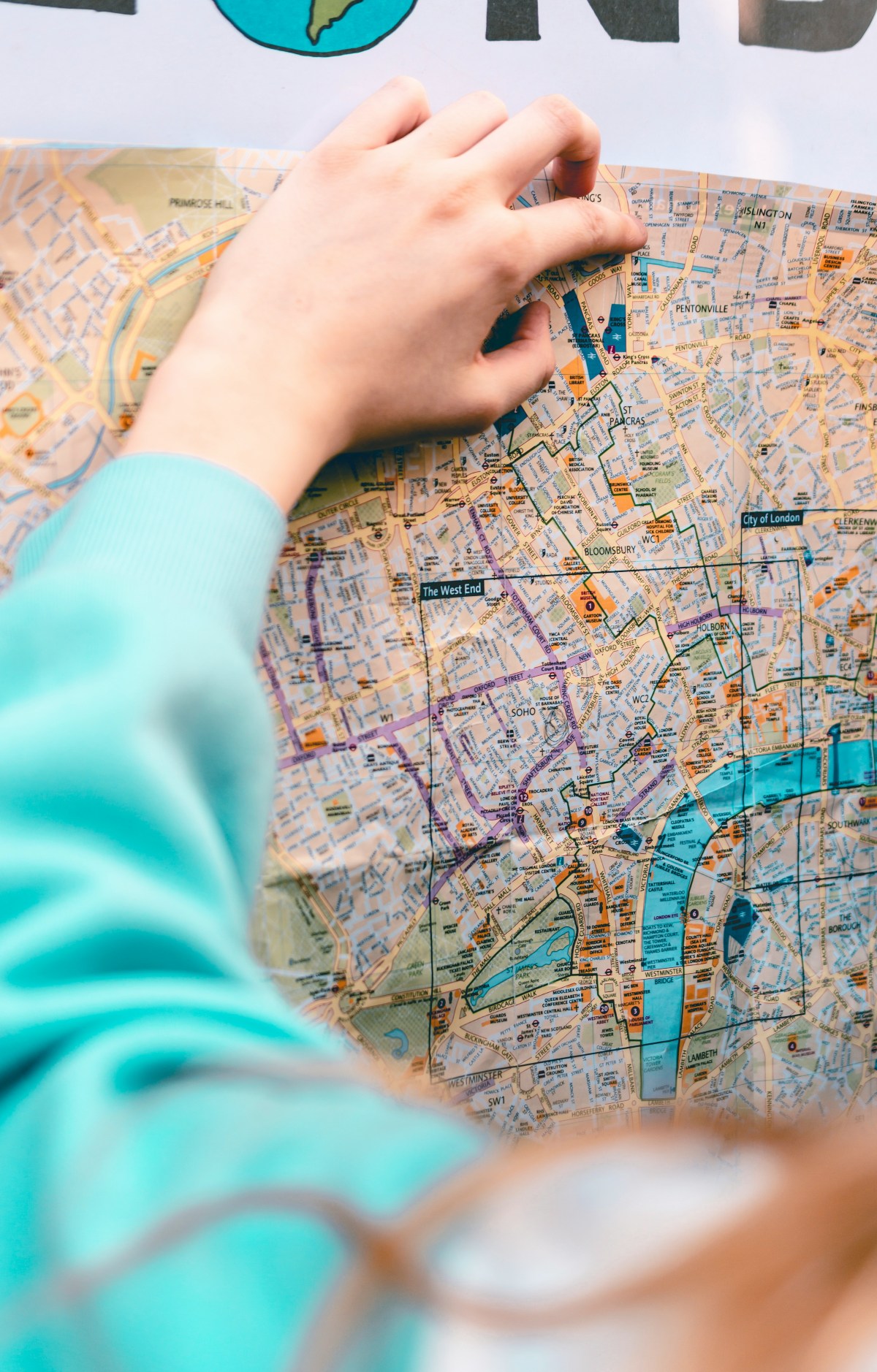
The transition from passive observation to active participation serves as a cornerstone of youth confidence development. Jeanine Bobenmoyer, founder and CEO of theCityMoms, highlights the transformative impact of placing minor administrative and navigational responsibilities into the hands of children. Whether managing bicycle logistics on car-free islands like Mackinac Island, Michigan, or decoding subway maps in major metropolitan centers such as New York City, youth gain tangible proof of their own competence.
By delegating tasks such as purchasing goods, ordering meals, asking for directions, or monitoring departure boards, parents communicate trust. The resulting internal monologue shifts from "My parents will handle this" to "I can figure this out," permanently expanding the child’s perception of their own capabilities.
4. Experiential Education and Organic Curiosity
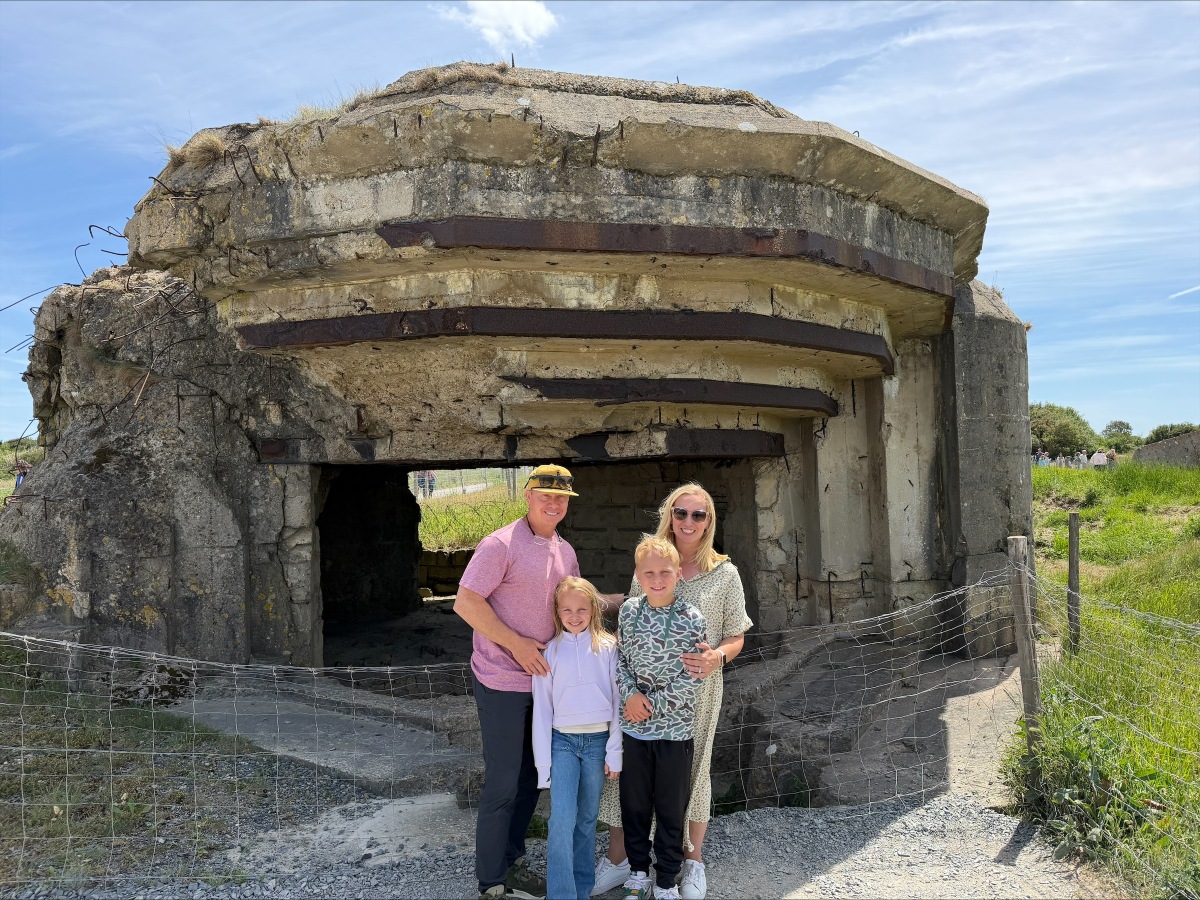
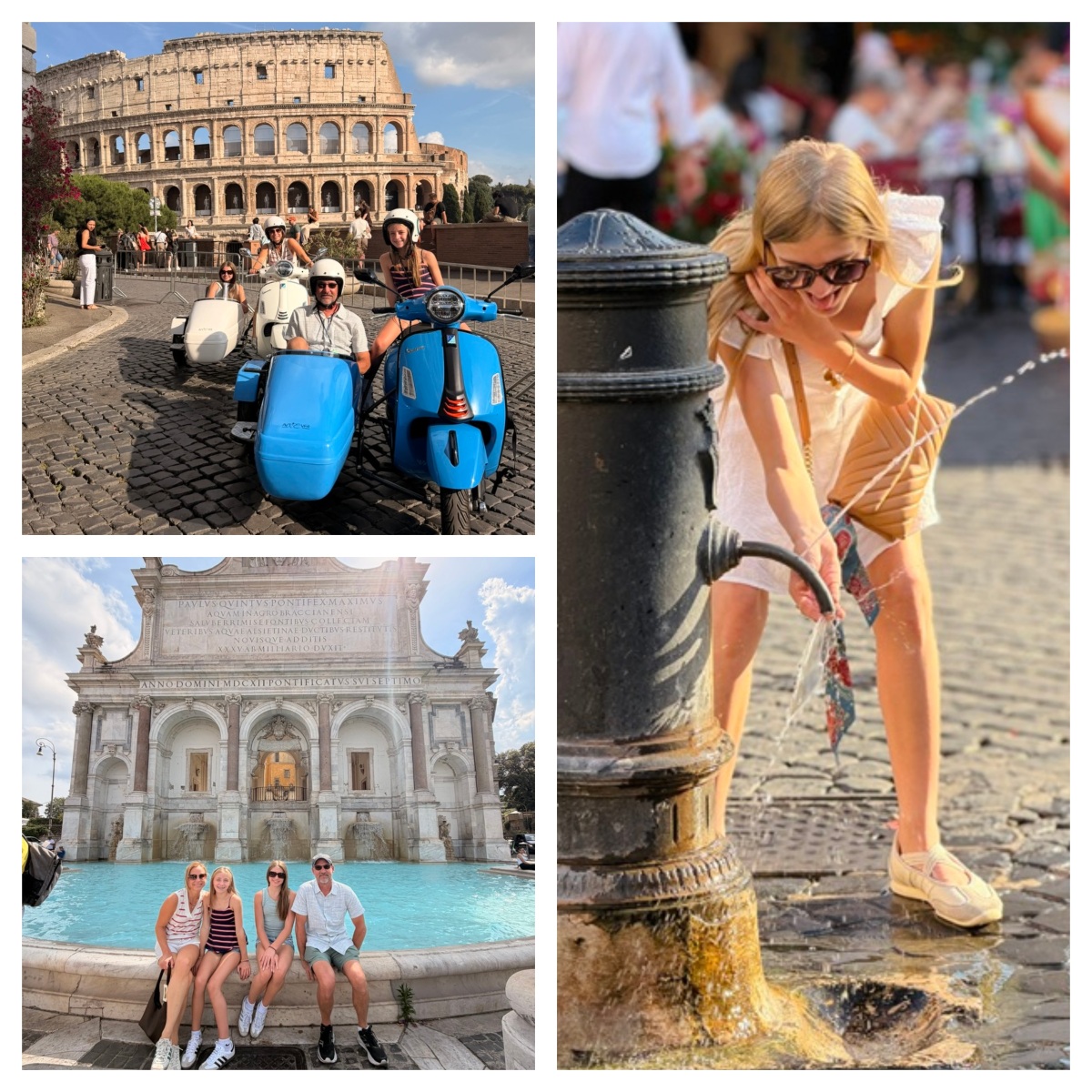
Classroom instruction relies heavily on textual or digital representations of historical sites, biological ecosystems, and geographical formations. While effective for baseline knowledge, physical presence creates a multi-sensory anchor for information. Standing within the perimeter of the Roman Colosseum, examining WWII bunkers in Normandy, or observing marine life during snorkeling excursions transforms history and science from academic obligations into visceral realities. Learning becomes organic, driven by spontaneous inquiry rather than standardized testing requirements.
Quantitative Analysis and Socioeconomic Implications
The broader implications of experiential travel extend into sociological and economic domains. Market research consistently demonstrates that consumer spending on experiential education and family travel remains robust, driven by parents prioritizing developmental enrichment over material accumulation.
Data compiled by family travel organizations highlights a distinct generational shift in parenting philosophies. Modern parents increasingly view vacation time not merely as an escape from labor, but as a strategic investment in cognitive flexibility and emotional intelligence. This shift has catalyzed the growth of specialized family travel advisory services, custom immersive itineraries, and educational tourism sectors designed to maximize cultural engagement.
Economists and educational analysts suggest that children who develop high adaptability and cross-cultural awareness early in life are better positioned for future academic and professional environments characterized by globalization and rapid technological disruption. The ability to pivot smoothly when faced with unfamiliar variables is a prized asset in modern labor markets, suggesting that the benefits of early travel compound over a lifetime.
Expert Perspectives and Methodological Approaches
Educational professionals advocate for intentional, balanced approaches to family excursions. Rather than maintaining rigid, minute-by-minute itineraries, experts recommend building unstructured downtime into travel schedules. Unstructured periods encourage organic introspection, meaningful family dialogue, and spontaneous exploration. Furthermore, minimizing digital distractions during travel allows the physical environment to command the child’s attention, facilitating deeper engagement with local architecture, natural phenomena, and interpersonal interactions.
Parents are encouraged to gradually scale responsibilities according to developmental stages:

- Early Childhood (Ages 3–6): Focus on sensory adaptation, trying new foods, and maintaining patience during transit transitions.
- Middle Childhood (Ages 7–11): Introduce navigational tasks, such as tracking boarding passes, reading simple maps, and managing small amounts of currency.
- Adolescence (Ages 12+): Empower teens to lead itinerary planning for specific days, manage public transit routes independently, and engage critically with historical or socio-political contexts of visited regions.
Broader Impact and Future Outlook
Ultimately, the developmental dividend of travel lies in its ability to permanently alter a young person’s worldview. By dismantling the illusion that the domestic status quo is the definitive standard of human existence, travel instills a durable curiosity about the wider world. The synthesis of logistical problem-solving, cultural humility, and independent navigation equips children with an internal compass that remains functional long after the suitcases are unpacked and the academic year resumes. As global interconnectedness continues to accelerate, the foundational resilience forged on foreign transit platforms, museum floors, and market squares will remain an invaluable asset for the rising generation.