The contemporary luxury travel landscape is undergoing a profound structural shift, characterized by a decisive consumer preference for experiential depth over material acquisition. As digital connectivity permeates nearly every facet of modern daily life, travelers are increasingly seeking out human-centric, highly personalized services to curate their vacations. This macroeconomic and cultural trend is underscored by the latest annual review of client testimonials released by Ciao Bambino, a premier global family and luxury travel planning firm with over 22 years of industry experience. The firm’s comprehensive performance data and client feedback from the 2026 travel cycle reveal a growing demand for complex, multi-destination itineraries, seamless logistical execution, and tailored journeys that cater not only to multi-generational families but also to a surging demographic of empty-nesters and solo adventurers.
The Evolution of Modern Travel Preferences and Consumer Psychology
Industry analysts have observed a steady departure from traditional, passive tourism toward active, immersive engagement. Consumers are dedicating larger portions of their discretionary income to transformative life experiences—such as private guided history tours in Normandy, culinary explorations in Paris, and complex multi-country railway transits through Europe—rather than luxury goods.

This behavioral pivot has placed a heavy burden on travel advisors to deliver meticulous organization. According to Ciao Bambino Founder and CEO Amie, the saturation of technology in everyday routines has paradoxically amplified the value of human connection. Travelers are no longer content with automated booking engines or generic algorithmic recommendations. Instead, they require sophisticated, empathetic professionals who can navigate complex geopolitical borders, secure exclusive accommodations, and anticipate logistical bottlenecks before they materialize.
The firm’s proprietary client data for 2026 illustrates that travelers across all age brackets—from families managing toddlers and teenagers to older adults embarking on solo excursions—place the highest premium on three core pillars: stress-free logistics, bespoke pacing that balances high-impact activities with adequate downtime, and access to deeply knowledgeable local guides.
Chronology and Expansion of Specialized Travel Sectors
Established over two decades ago with a singular focus on luxury family travel, Ciao Bambino has chronologically expanded its operational portfolio to meet the shifting life stages of its core clientele. The past several years have marked a significant uptick in empty-nest travel and independent solo voyages, as long-term family clients transition away from parenting responsibilities and toward personal exploration.

To accommodate this demographic evolution, the firm instituted an extensive internal training regimen for its network of advisors ahead of the 2026 travel season. This professional development initiative focused heavily on uncovering the underlying fulfillment goals of individual travelers. By identifying specific psychological and emotional motivations—whether a solo traveler seeking a healing, restorative journey through the Benelux region, or a mother-son duo desiring a historically profound pilgrimage across France and England—advisors are equipped to construct itineraries that transcend standard tourism.
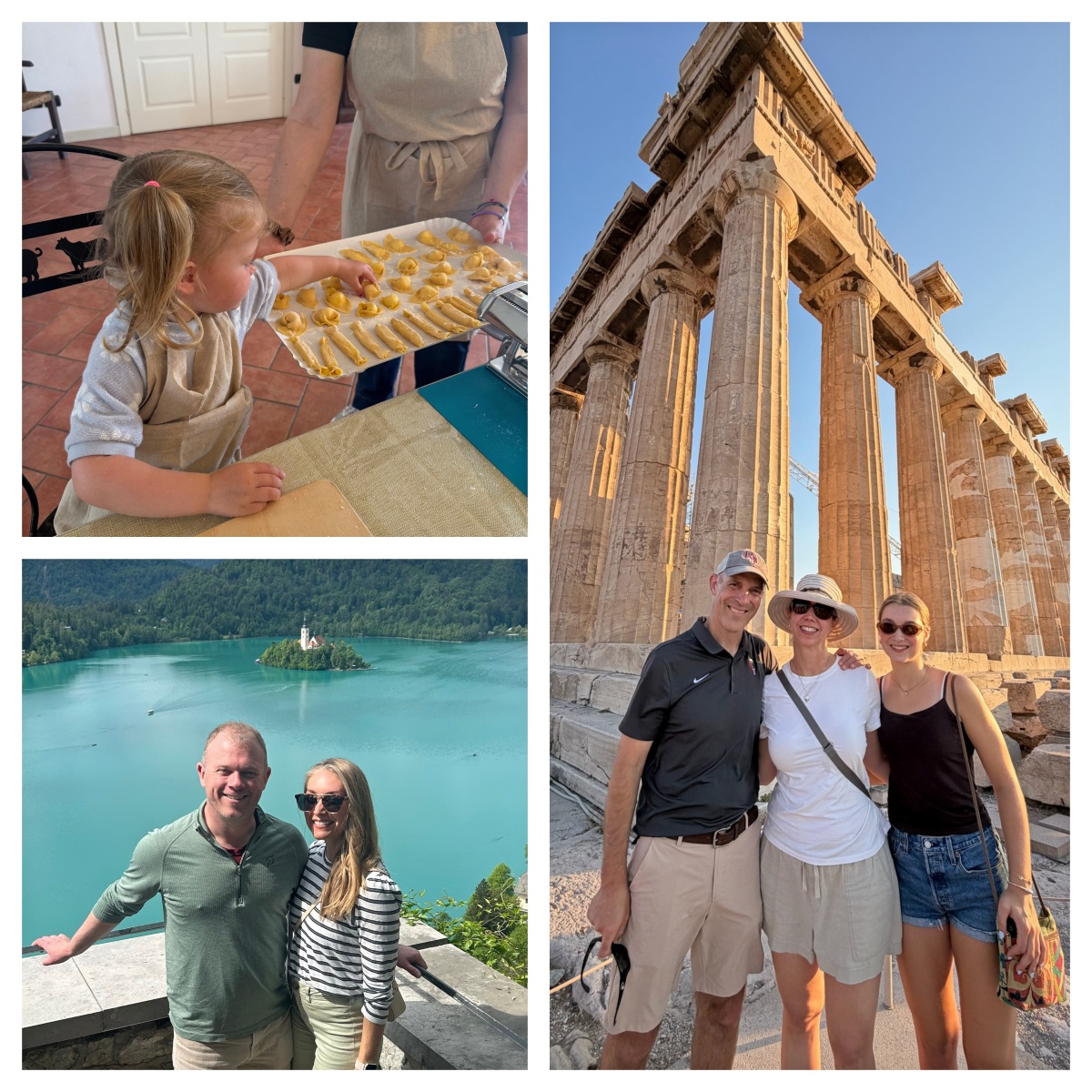
The structural complexity of modern itineraries has likewise accelerated. Rather than single-destination vacations, contemporary travelers frequently request multi-jurisdictional routes. For instance, recent itineraries designed by the firm’s advisory team successfully bridged diverse cultures and transportation networks, such as a combined wedding and exploration trip spanning Venice, Italy, and Lake Bled, Slovenia, executed under challenging weather conditions including torrential seasonal rains.
Detailed Client Feedback and Itinerary Execution
The empirical success of these complex routings is reflected in an extensive body of qualitative feedback compiled from travelers returning from diverse global regions throughout 2026.

In Southern Europe, families navigating high-traffic destinations praised the ability of advisors to mitigate crowds through strategic timing. A family trip to Greece, designed by advisor Loren Braunohler, was lauded for eliminating the friction typically associated with coordinating hotels, inter-island transportation, and private dining reservations. Similarly, a month-long driving itinerary across Italy crafted by Lucinda Kemmet for an adult couple demonstrated the value of professional routing, enabling travelers to explore both primary cultural centers and off-the-beaten-path backroads without administrative anxiety.
In Western Europe, itineraries featuring major metropolitan hubs alongside historical regions highlighted the necessity of localized expertise. A family expedition to Paris, Normandy, and historical battlefields, managed by Kristen Avini, successfully balanced the educational demands of history-loving children with the practicalities of managing trains, museums, and dietary preferences. Another prominent example includes a multi-generational journey through England and France orchestrated by Helen Buckner, which balanced the distinct recreational interests of participants ranging from teenage boys to college-aged adults and their parents.
Beyond Europe, long-haul and remote adventures presented unique logistical challenges that underscored the necessity of expert oversight. A family expedition to Alaska, designed by Amy Annis, elicited high praise for opening access to remote wilderness areas while maintaining high standards of comfort. In Asia, a complex multi-country tour spanning Singapore, Cambodia, and Thailand, coordinated by Melissa Rosdahl, achieved rare praise for maintaining uniform service quality across disparate local operating environments. Meanwhile, an ambitious journey through Morocco and Turkiye, planned by Cary Walker, provided adolescent travelers with a sensory-rich environment while safely navigating unfamiliar cultural landscapes.
Operational Methodology and the Role of the Travel Advisor
The mechanics of executing these high-end journeys rely heavily on internal collaboration among the firm’s advisory team. As clients demand increasingly specialized access—such as private viewings, vetted boutique properties, and licensed local experts who can engage younger travelers—individual advisors routinely leverage collective institutional knowledge.
Data compiled from post-trip surveys indicates that professional intervention directly mitigates common travel stressors. Key performance indicators highlighted by clients include:
- Logistical Seamlessness: Zero-failure execution of airport transfers, private limo services, water taxis, and cross-border rail tickets.
- Pacing Optimization: The precise calibration of scheduled activities against unscheduled downtime to prevent travel fatigue, particularly among family units containing minors or multi-generational groups.
- Local Insider Access: Utilization of vetted guides who possess not only historical and cultural expertise but also the interpersonal skills required to dynamically adjust tours for diverse age groups.
- Crisis Management: The ability of local operators and remote advisors to swiftly adapt itineraries when faced with environmental anomalies, such as severe weather events or sudden schedule changes.
Broader Economic and Industry Implications
The trends highlighted by Ciao Bambino’s 2026 review point toward broader structural transformations within the global tourism economy. As disposable income increasingly favors experiential spending over physical assets, the market valuation of high-touch, consultative travel planning is projected to expand.
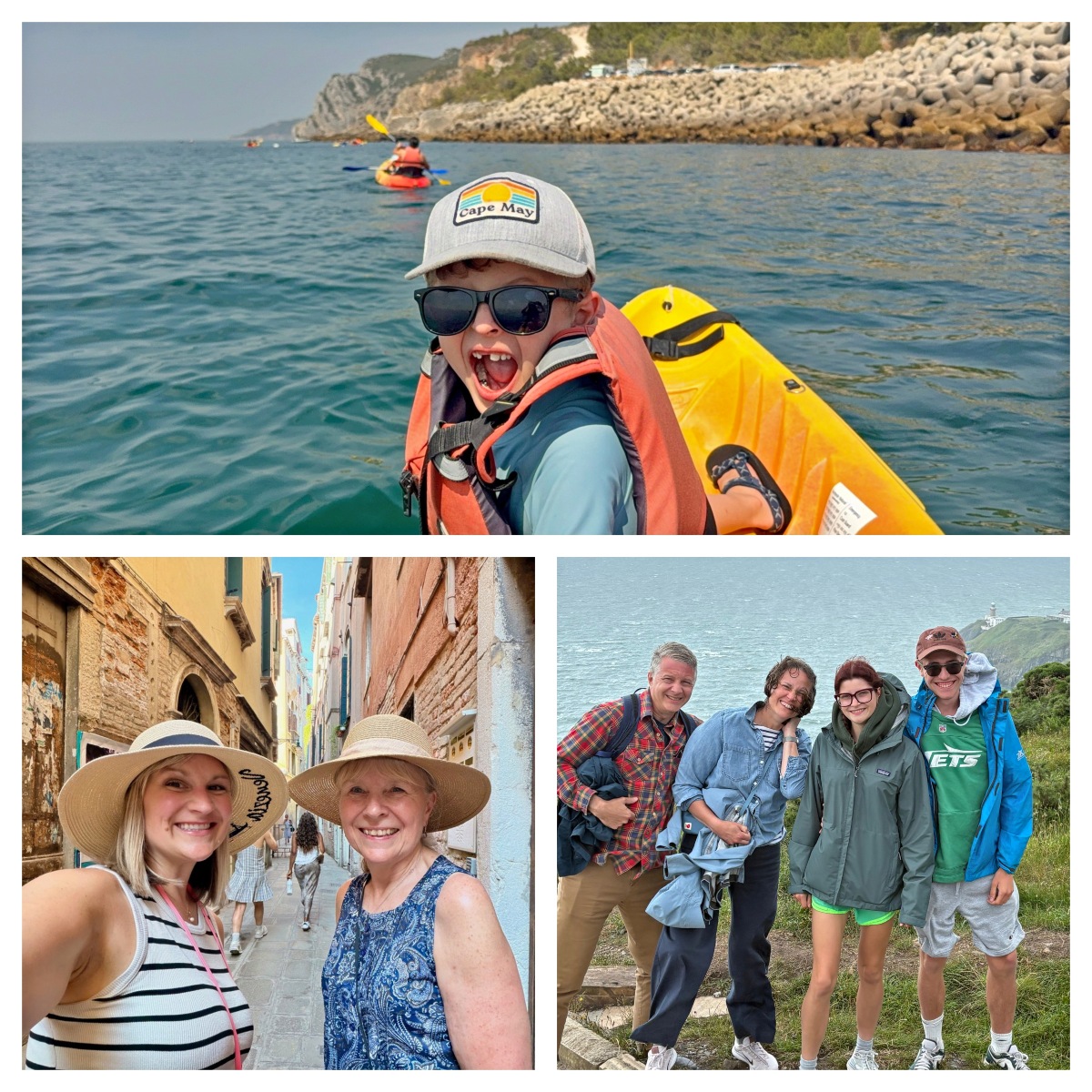
Consumer reliance on do-it-yourself online booking platforms is facing diminishing returns, particularly as post-pandemic travel volumes strain global infrastructure, popular heritage sites implement strict capacity caps, and international logistics grow more intricate. The willingness of travelers to invest in premium planning fees—frequently noted by clients as being "worth every penny and more"—validates a business model predicated on risk mitigation, time recovery, and personalization.
Furthermore, the data suggests that travel agencies capable of aging alongside their client base—successfully transitioning households from stroller-bound family vacations to sophisticated teen travel, empty-nest explorations, and solo journeys—secure higher long-term client retention rates. By treating travel design as an ongoing relationship rather than a transactional booking, firms can better capture shifting consumer intent across the human life cycle.
As the industry looks toward upcoming travel cycles, the primary competitive advantage for travel firms will continue to reside in their ability to combine advanced logistical coordination with genuine human empathy. The overwhelming consensus from the 2026 client cohort demonstrates that when the friction of travel is absorbed by professionals, the inherent value of exploration—measured in strengthened familial bonds, historical education, and personal rejuvenation—is fully realized.