Mallorca, an island renowned globally for its sun-drenched beaches and vibrant coastal resorts, often conceals a richer, more profound experience within its rugged northwest mountain range: the Serra de Tramuntana. This UNESCO World Heritage site offers a stark contrast to the island’s popular seaside attractions, presenting a landscape of ancient stone villages, dramatic mountain vistas, and a cultural heritage that predates the mass tourism era. For discerning travelers seeking authenticity and a connection to the island’s soul, the Tramuntana beckons with promises of tranquility, history, and a slower pace of life. However, unlocking the full potential of this enchanting region requires a strategic approach, particularly concerning accommodation and the timing of visits.
The villages nestled within the Tramuntana are not merely picturesque; they are living testaments to centuries of history and tradition. Unlike the transient nature of many beach destinations, these mountain hamlets have largely retained their architectural integrity and cultural essence. Their allure lies in their ability to transport visitors back in time, offering a glimpse into a Mallorca that existed long before the advent of package holidays. This distinct appeal draws a different kind of traveler – one who prioritizes exploration, immersion, and a deeper understanding of a destination’s heritage. The key to maximizing this experience, as seasoned travelers and local experts emphasize, lies in choosing the right base and understanding the subtle rhythms of these ancient settlements.
The Strategic Advantage of a Tramuntana Base
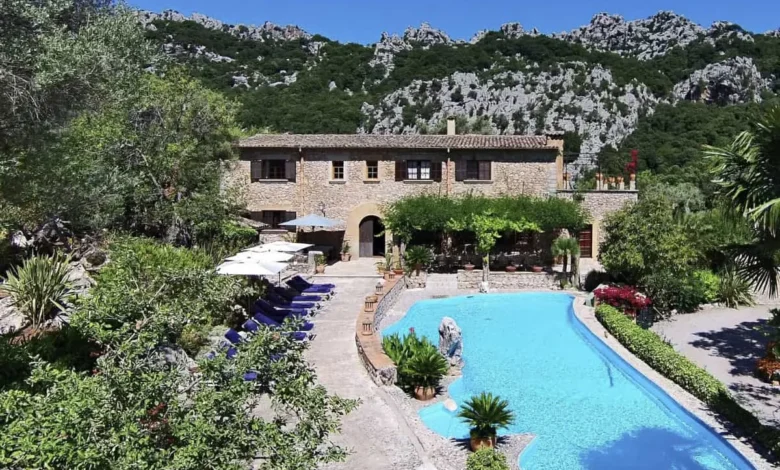
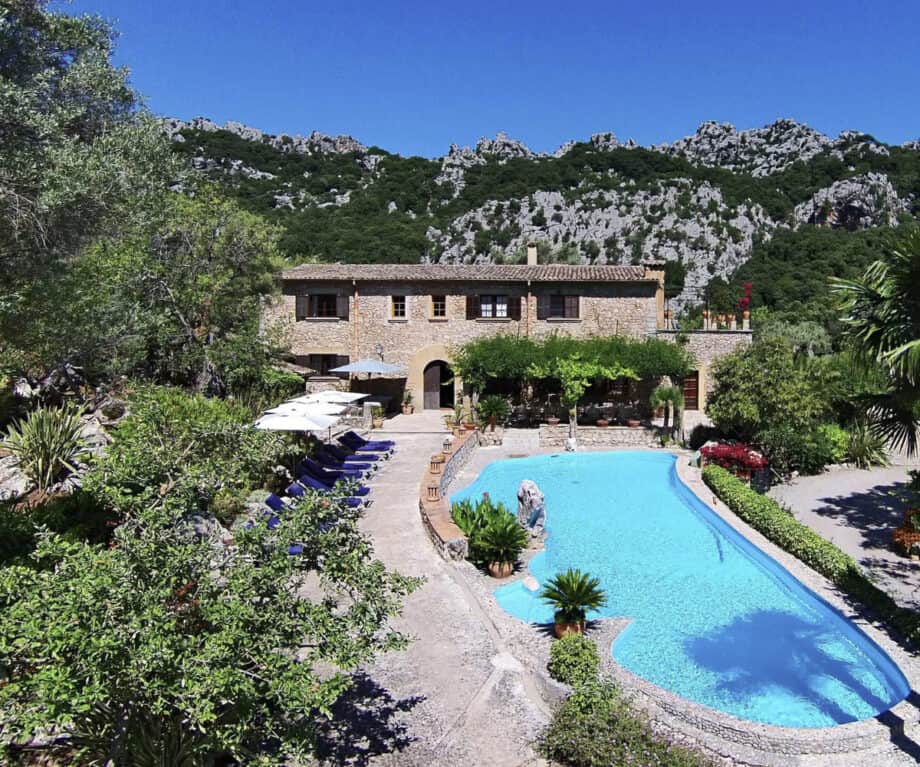
For those aiming to truly experience the Tramuntana, basing oneself within the mountain range itself is paramount. Commuting from coastal hotels or the bustling capital of Palma can significantly diminish the quality of the visit. The time spent on the winding mountain roads, often exceeding an hour each way, detracts from precious exploration hours. This is where luxury villa providers like Privadia play a crucial role. Their portfolio, featuring meticulously selected luxury villas, traditional fincas, and countryside estates scattered throughout the Tramuntana, offers an immersive lodging solution.
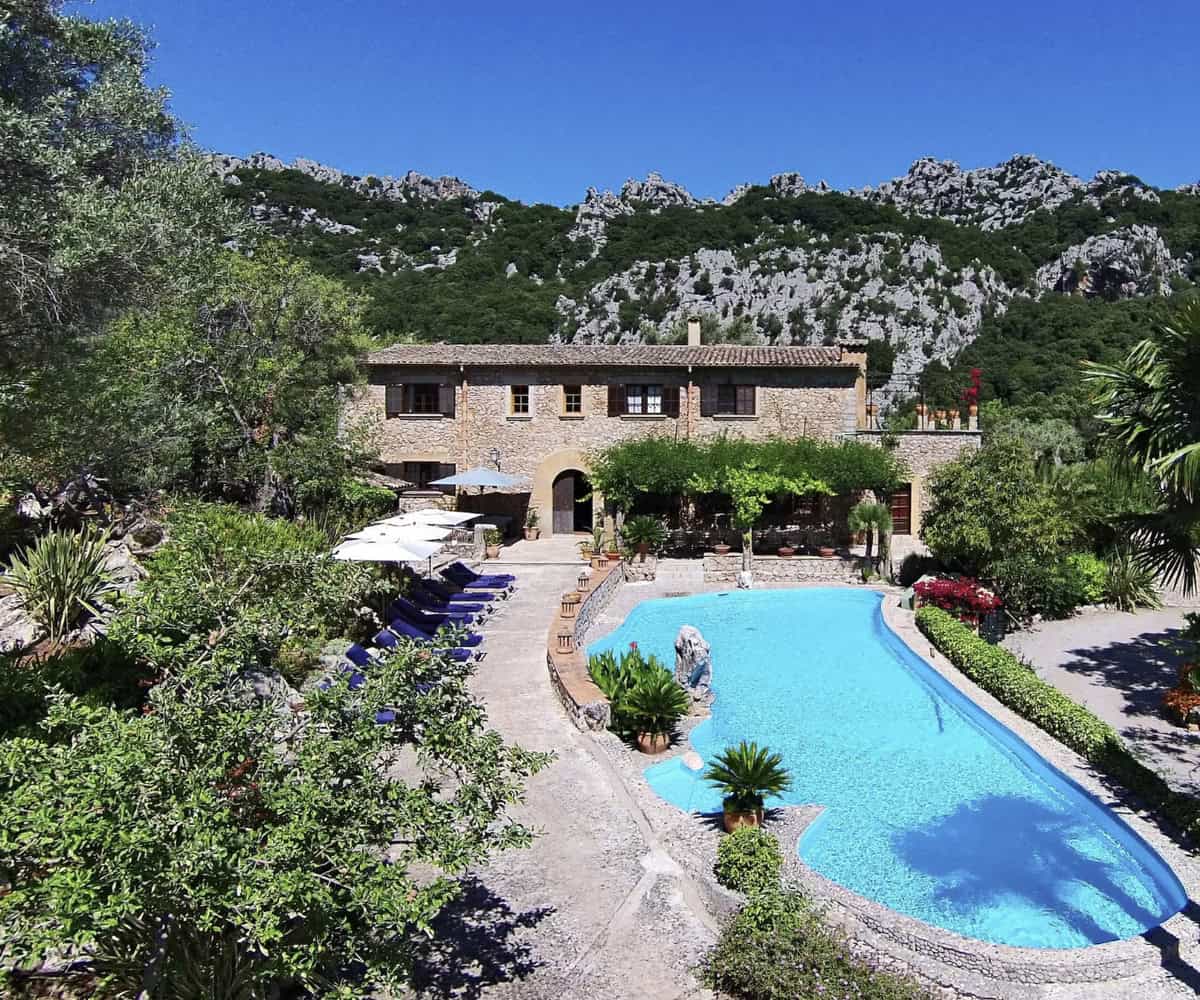
A rural villa or finca within the Tramuntana positions visitors at the heart of the region, transforming the entire trip. Instead of day trips that feel rushed and superficial, guests gain the freedom to explore at their own pace, to witness the villages in their quiet morning serenity and their twilight glow, unburdened by the constraints of travel time. This strategic advantage allows for a more profound connection with the landscape and its inhabitants, enabling a genuine appreciation for the unique character of each village.
Deià: A Haven for Artists and Intellectuals
Deià, a village perched dramatically on a hillside overlooking the Mediterranean, has long been a magnet for artists, writers, and intellectuals. Its reputation was significantly shaped by the English poet Robert Graves, who settled here in 1929 and remained until his death. Graves found inspiration in the tranquil, dramatic setting, and his former home, located on the village outskirts, is now a museum open to visitors on weekdays. The poignant final resting place of Graves, in the hilltop cemetery beside Sant Joan church, offers a contemplative experience that many visitors overlook but is profoundly rewarding.
Navigating Deià: Practicalities and Pleasures
A significant practical consideration in Deià is parking. The village, built on a steep incline, offers limited parking spaces, and it becomes particularly busy during the morning hours. The simplest solution is to visit either early in the morning, before the influx of day-trippers, or in the late afternoon, when the crowds begin to disperse. This timing allows for a more relaxed exploration of Deià’s charm.
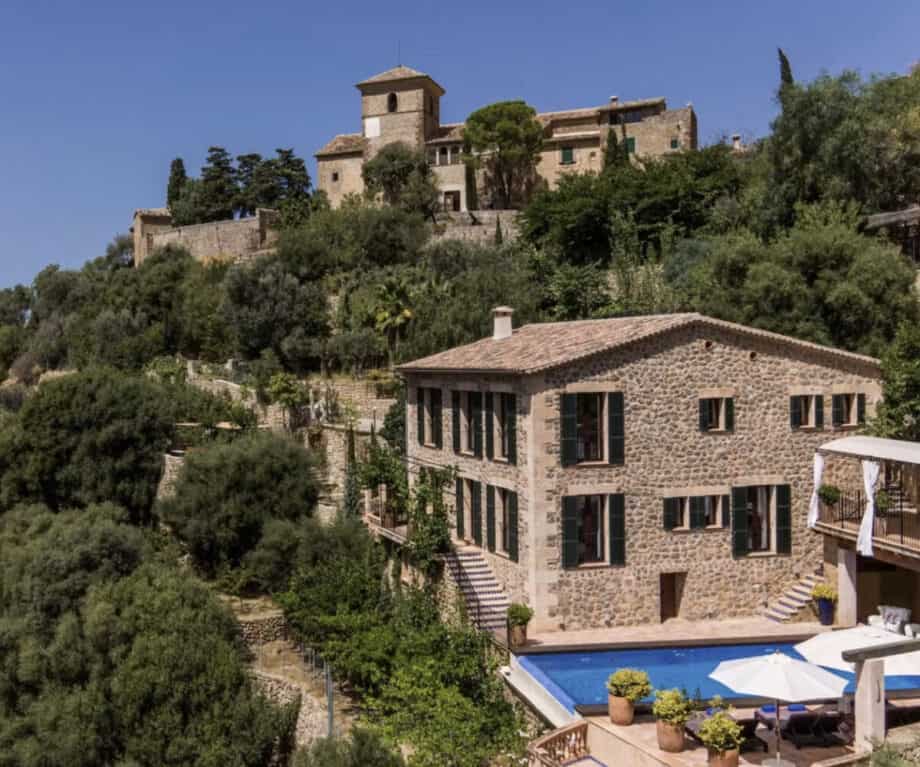
The main road, often the first point of contact for visitors, belies the quality of the boutiques and galleries found there. Many are run by local artists who reside in the village year-round, offering a curated selection of art and crafts that far surpasses the standard tourist offerings found in more commercialized areas. This provides an excellent opportunity to acquire unique pieces and support the local artistic community.
For culinary enthusiasts, Deià offers exceptional dining experiences. Es Racó d’Es Teix, a Michelin-starred restaurant, demands advance reservations and is well worth the effort for its innovative cuisine and stunning setting. Another highly regarded establishment, Ca’s Patró March at Cala Deià, is celebrated for its fresh seafood served directly by the water’s edge. This rustic eatery gained international recognition after featuring in the acclaimed television series "The Night Manager," making securing a table a competitive endeavor. The journey to Ca’s Patró March can be made by car in approximately 10 minutes or on foot in about 30 minutes, offering different perspectives of the coastal landscape. It is important to note that this establishment operates on a cash-only basis. For a more casual evening atmosphere, Sa Fonda on the main street is the place to be, often hosting live music and attracting a diverse crowd.
The Deià International Music Festival, held throughout the summer months in various outdoor venues around the village, adds another layer of cultural richness to the visitor experience. Checking the festival program in advance can enhance travel plans, potentially aligning them with captivating musical performances.
Valldemossa: Royal History and Sweet Delights
Valldemossa, another jewel in the Tramuntana crown, is renowned for its Royal Carthusian Monastery, a significant historical site that draws a substantial number of visitors. The monastery gained international fame when composer Frédéric Chopin and writer George Sand spent the winter of 1838 in a rented cell within its walls. It was here that Chopin composed several of his iconic Preludes. Sand’s account of their stay, published as "A Winter in Majorca," was a critical reflection on the island and its inhabitants, and the locals reportedly disapproved of their unconventional arrangement. The harsh winter conditions exacerbated Chopin’s tuberculosis, and neither left with fond memories. The cell, preserved as it was, remains open to visitors, with Chopin’s piano still present, offering a tangible link to this historical episode.
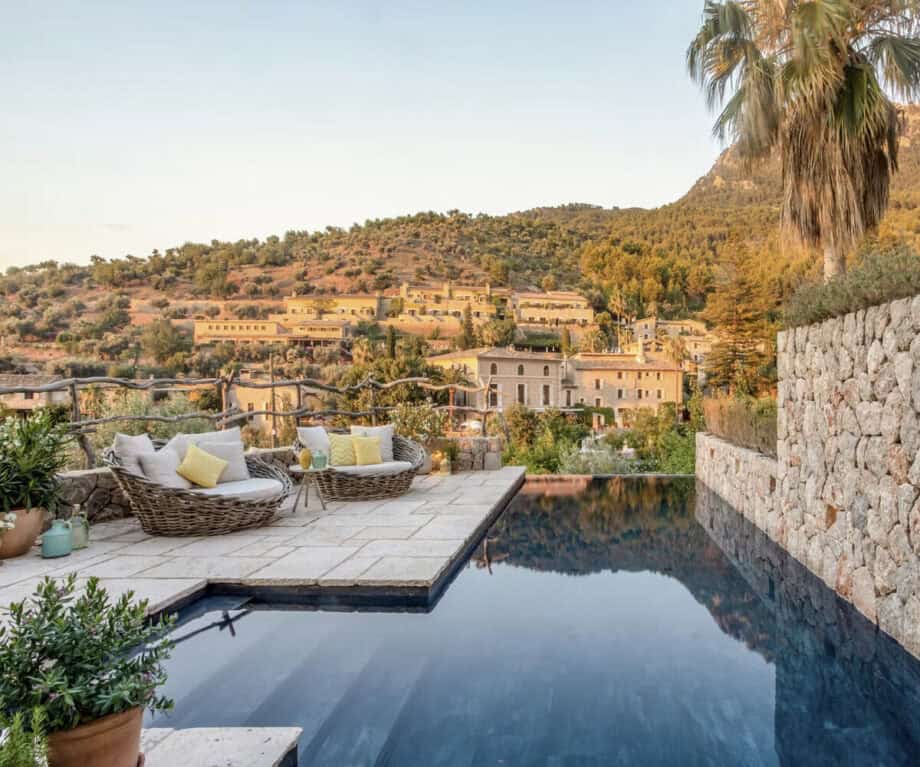
The monastery itself, having served various roles over centuries including royal residence, monastic institution, and municipal building, presents a fascinating architectural tapestry. A dedicated hour is recommended to fully appreciate its historical depth and multifaceted past.
A quintessential Valldemossa experience is savoring the local specialty, coca de patata. The bakery Ca’n Molinas, a fixture on the main square since 1888, continues to craft these delicate sweet potato buns. Enjoying a coffee alongside a warm coca de patata at an outdoor table before the daytime crowds arrive is one of the simple, yet profound, pleasures offered by this region.
Shopping in Valldemossa offers a more curated selection than in Deià or Fornalutx. The village is an ideal place to find local ceramics, intricately carved olive wood items, and the distinctive decorative tiles depicting Santa Catalina Thomàs, a motif that adorns many of the village’s homes. These souvenirs are typically larger and more substantial, requiring more than just pocket space.
For an evening meal, Es Taller is a highly recommended choice. This restaurant, ingeniously converted from a former car repair garage, offers a unique ambiance and skillfully prepared cuisine.
For the more adventurous, the Camí de s’Arxiduc hiking trail offers an unparalleled trekking experience. This approximately 14-kilometer round trip path winds through the mountains between Valldemossa and Deià, featuring significant elevation gains and providing some of the most breathtaking panoramic views in the entire Tramuntana range. While not a casual undertaking, the rewards for those who complete this hike are immense, offering a perspective of the landscape that is truly unforgettable.
Fornalutx: The Golden Village of Citrus and Stone
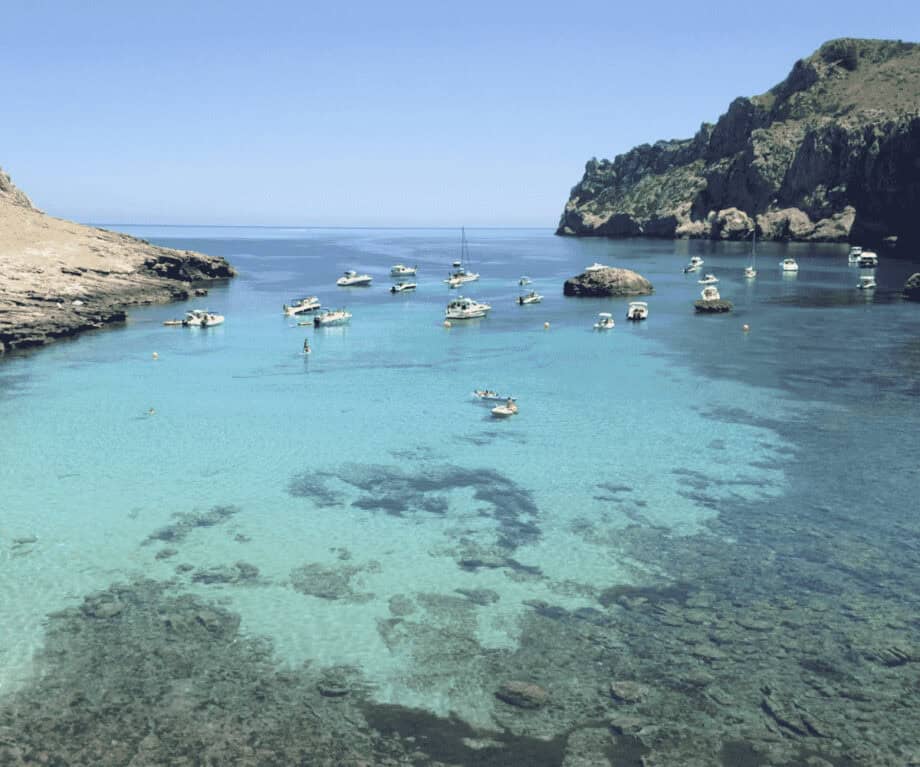
Nestled in a verdant valley just above Sóller, approximately forty-five minutes north of Palma, lies Fornalutx. Consistently recognized among Spain’s most beautiful villages, Fornalutx captivates with its golden-brown stone architecture, a warm contrast to the whitewashed facades common elsewhere. The surrounding valley is carpeted with citrus groves, and during the spring months, the air is perfumed with the sweet, invigorating scent of blossoms, which drifts up to the village square. A leisurely stroll through the entire village can be accomplished in about twenty minutes, allowing ample time to absorb its tranquil atmosphere.
At the heart of the village stands a 13th-century Gothic church, a silent sentinel to centuries of history. The square in front of the church serves as the village’s social hub, where local life continues, largely uninfluenced by the tourist gaze.
Culinary Delights and Hiking Hub in Fornalutx
The restaurant Es Turó is a standout culinary destination in Fornalutx, offering a delightful terrace with sweeping valley views. The seasonal menu features locally sourced ingredients, with the roasted lamb being a particular highlight. Reservations are advisable during the peak summer months, from June to September.
Fornalutx serves as an ideal base for hikers, with an extensive network of trails traversing the surrounding Tramuntana mountains. Several of the region’s most rewarding mountain routes originate here, allowing serious walkers to spend three days exploring diverse terrains without retracing their steps.
Optimizing the Tramuntana Experience: Strategic Accommodation
To truly immerse oneself in the essence of Deià, Valldemossa, and Fornalutx, sufficient time in each is essential. Attempting to experience these distinct villages from a hotel in Palma or a coastal villa presents logistical challenges that detract from the experience.
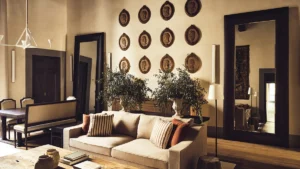
The solution lies in embracing the traditional Mallorcan finca. These stone-built properties, many centuries old, offer thick-walled interiors and expansive outdoor terraces perfectly suited for groups who wish to maximize their time outdoors. Staying in a finca within the Tramuntana drastically reduces travel times to the villages, often making them a mere 15 to 20-minute drive away, as opposed to a lengthy commute.
Privadia’s curated collection of exclusive vacation rentals in Mallorca, specifically within the Tramuntana area, provides discerning travelers with access to these authentic and luxurious accommodations. Their concierge services can assist with securing reservations at sought-after restaurants such as Es Racó d’Es Teix, Ca’s Patró March, and Es Taller, where advance booking is crucial. For those who prefer not to navigate the winding mountain roads themselves, arrangements for private drivers can also be facilitated, ensuring seamless and stress-free exploration of the villages.
The three villages – Deià, Valldemossa, and Fornalutx – are situated approximately 20 minutes apart by car. Their distinct characters and offerings mean that experiencing all three within a week provides a more comprehensive and nuanced understanding of the Tramuntana region than dedicating an entire week to any single village. This curated approach allows for a rich tapestry of experiences, from artistic inspiration and historical reflection to culinary indulgence and challenging hikes, all within the breathtaking embrace of Mallorca’s most iconic mountain landscape.
Related posts: