Beyond the Monuments: A Deep Dive into India’s Cultural Landscape through Immersive Local Travel

The traditional narrative of Indian tourism has long been dominated by its architectural wonders, from the marble symmetry of the Taj Mahal to the royal forts of Rajasthan. However, a significant shift in the global travel industry is redirecting focus toward "experiential travel," where the value of a journey is measured by local interactions rather than landmark sightings. According to recent data from the Ministry of Tourism in India, while foreign tourist arrivals have seen a steady post-pandemic recovery, there is a growing trend toward regional exploration and "slow travel," with visitors spending more time in specific locales to understand the nuanced cultural layers of the country. This evolution in travel preference highlights a deeper truth often voiced by local experts: the most authentic version of India exists in the "pauses" between the famous sites—in the rituals of daily life, the regionality of the cuisine, and the preservation of ancient crafts.
The Spiritual Pulse: Varanasi and the Rituals of the Ganges
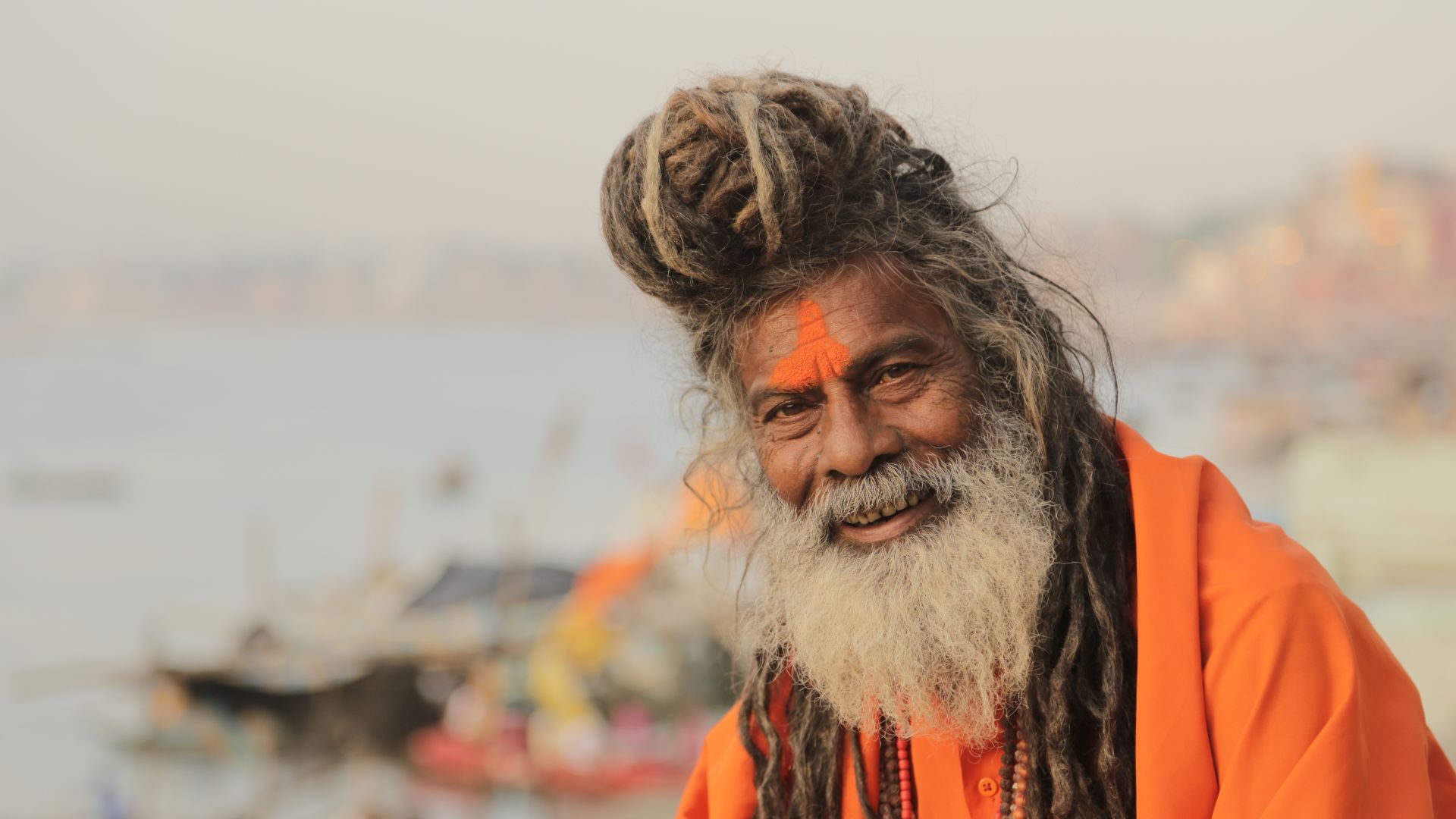
Varanasi, often cited as one of the oldest continuously inhabited cities in the world, serves as the spiritual heart of Hinduism. While the Ganga Aarti—a synchronized prayer ritual involving fire and incense at the Dashashwamedh Ghat—remains a primary draw for international photographers, the city’s true essence is found in its slower, more observational moments. Local guides, such as Ankita Jaiswal, emphasize that the city is best understood through leader-led walking tours that navigate the labyrinthine alleys behind the ghats.
The daily rhythm of Varanasi is defined by the transition from light to dark. As dusk approaches, the ringing of temple bells and the scent of incense mark a collective pause in the city’s frenetic energy. This ritualistic slowing of pace is not merely for show; it is a lived experience for the city’s residents. For travelers, participating in these walks provides a perspective on how spirituality is integrated into the mundane—from shopkeepers blessing their thresholds to the communal silence that falls over the markets during prayer times. This shift toward "pedestrian-centric" tourism in Varanasi aligns with broader efforts to preserve the heritage of the Old City while managing the high density of pilgrims and tourists.
Socio-Economic Empowerment through Local Transit: The Jaipur Model
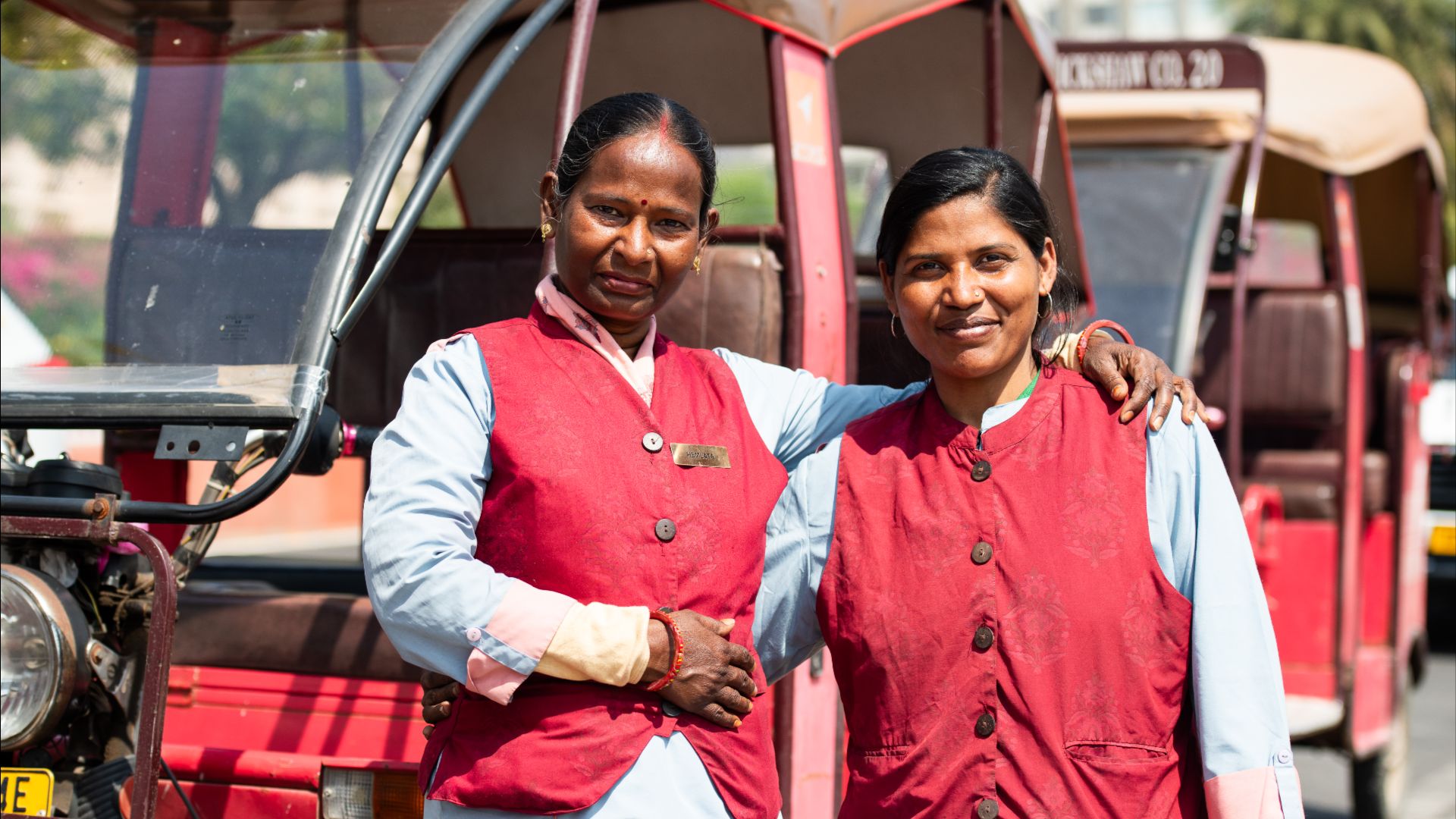
In the "Pink City" of Jaipur, the auto-rickshaw is more than a mode of transportation; it is a cultural icon. However, the rise of social enterprises like The Pink City Rickshaw Company has transformed this everyday vehicle into a tool for social change. This non-profit organization provides employment opportunities for women from low-income households, training them as professional drivers and guides.
This initiative addresses a critical gap in India’s labor market. According to the Periodic Labour Force Survey (PLFS) 2022-23, while female labor force participation in India has improved, reaching approximately 37%, urban women still face significant barriers to entering non-traditional sectors. By putting women in the driver’s seat of a traditionally male-dominated industry, the program provides travelers with a unique, safe, and authentic narrative of the city. These interactions allow visitors to hear firsthand accounts of the drivers’ lives and challenges, fostering a deeper connection that goes beyond a standard taxi transaction.

The Cinematic Experience: Bollywood and the Raj Mandir Legacy
The Indian film industry, popularly known as Bollywood, is one of the largest global producers of cinema, churning out over 1,500 films annually. For many travelers, the cinematic experience is confined to digital screens, but in Jaipur, the Raj Mandir Cinema offers a visceral look at the cultural importance of film. Opened in 1976 and designed in an Art-Deco style with intricate pastel carvings, the Raj Mandir is often referred to as the "Pride of Asia."
The experience of watching a film here is a communal event that mirrors the intensity of the films themselves. Audiences are known to participate actively—clapping, whistling, and cheering when heroes appear. This collective enthusiasm provides a snapshot of Indian social life, where cinema serves as a primary form of escapism and a unifying cultural force. Analyzing the impact of Bollywood on tourism, the "film tourism" sector has been identified as a key growth area by the Indian government, as movies often dictate travel trends to specific domestic and international locations.

Agricultural Heritage: The Journey of Tea in Kerala
India is the world’s second-largest producer of tea, and the beverage—locally known as chai—is inextricably linked to the country’s social fabric. While the metropolitan consumption of chai is well-documented, the "origin story" of the leaf is found in the high-altitude plantations of Kerala, particularly in Munnar. The tea industry in India dates back to the British colonial era of the 19th century, but it has since evolved into a massive domestic enterprise employing millions.
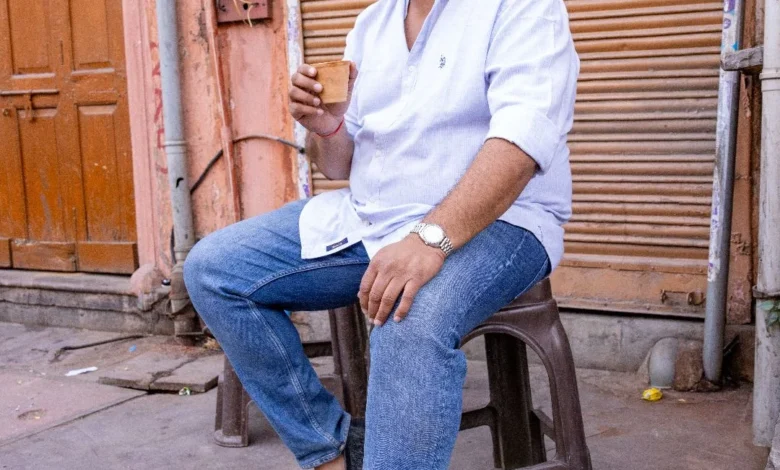
Immersive travel experiences now allow visitors to participate in the harvest, working alongside local pickers to understand the labor-intensive process of tea production. Kuldeep Pujari, a local expert in South Indian tourism, notes that hands-on participation in farming activities creates a rare glimpse into India’s agricultural backbone. This "agri-tourism" sector is gaining traction as it provides supplemental income to farming communities and educates travelers on the complexities of the supply chain, from the terraced hillsides to the terracotta cups sold on street corners.
Gastronomy and Tradition: The Ethics of Street Food
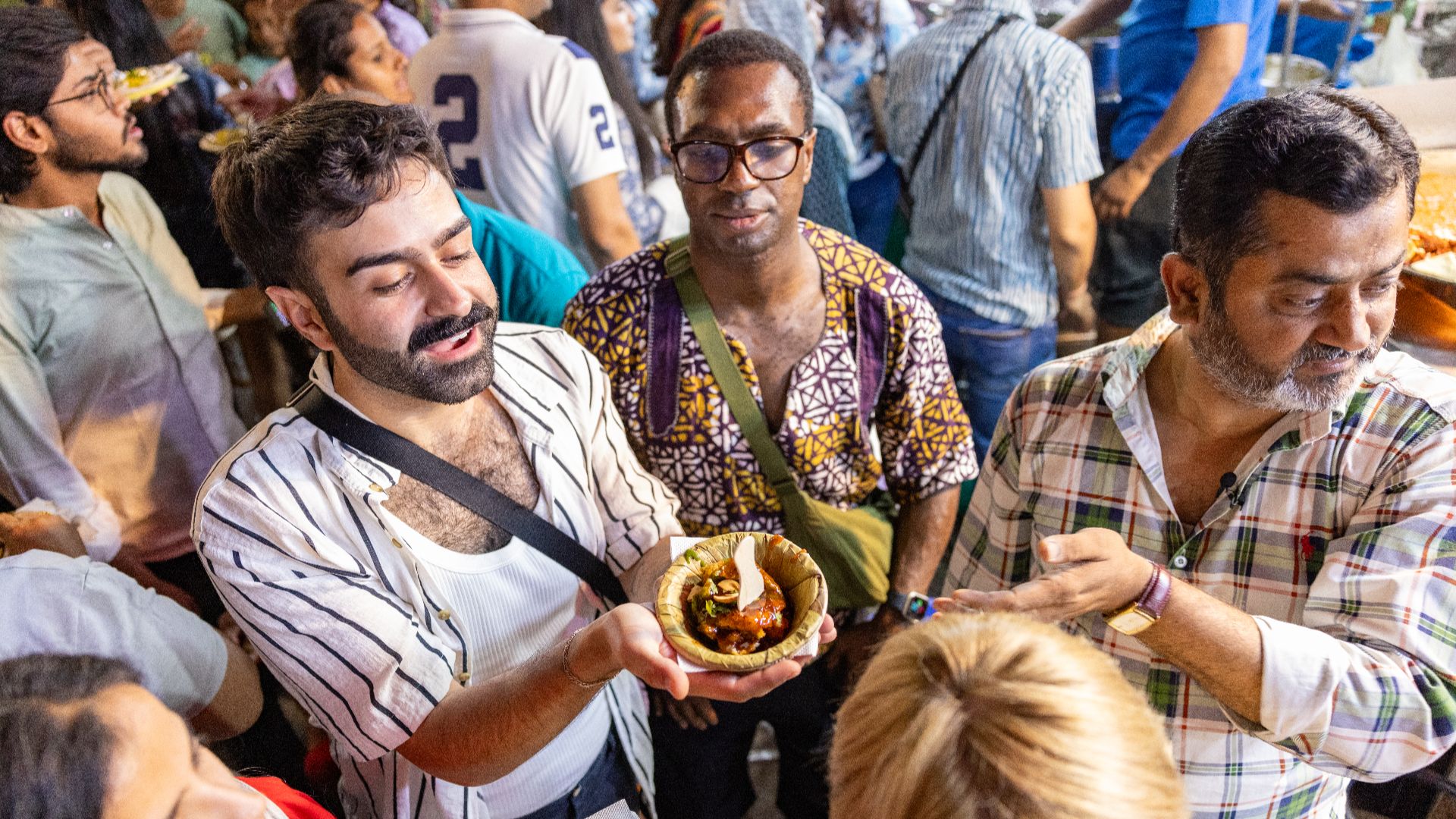
The street food culture of India is a multi-billion dollar informal economy that provides sustenance to millions daily. Beyond the flavors of chaat, samosas, and lassi, the act of buying food is governed by traditional beliefs. In many parts of India, the "Bohni" or the first transaction of the day is considered highly auspicious. Shopkeepers often bless the currency received from the first customer, believing it sets the tone for the day’s prosperity.
For travelers, engaging with street food under the guidance of local experts ensures both safety and cultural literacy. The Food Safety and Standards Authority of India (FSSAI) has recently launched "Clean Street Food Hub" initiatives in various cities to standardize hygiene while preserving the authentic taste of local delicacies. Understanding these transactions—and the stories behind the stallholders—allows travelers to appreciate the social hierarchies and traditions that govern India’s culinary landscape.
Holistic Wellness: Rishikesh and the Roots of Yoga
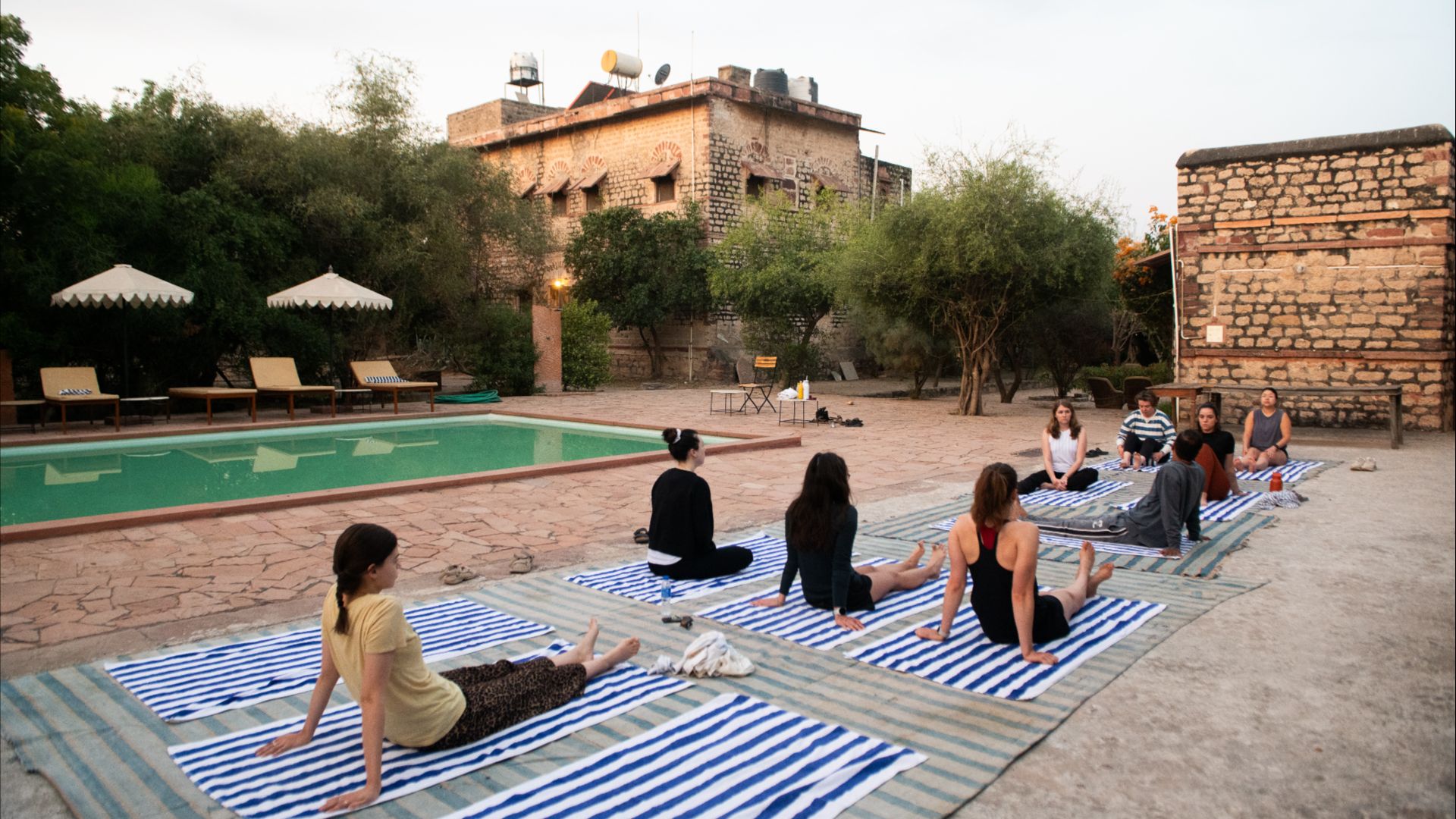
While yoga has become a global multi-billion dollar industry focused on physical fitness, its roots in Rishikesh, the "Yoga Capital of the World," are centered on a holistic way of life. Located in the Himalayan foothills where the Ganges flows with clarity, Rishikesh attracts thousands of seekers annually.
In India, yoga is viewed as a daily ritual for inner strength and self-discovery rather than a purely physical exercise. The rise of wellness tourism in India—projected to grow at an annual rate of 10%—is driven by travelers seeking these authentic, spiritually grounded experiences. By learning from local teachers in ashrams, visitors gain an understanding of how ancient Vedic traditions continue to influence modern Indian thought and health practices.
Preserving Craftsmanship: The Handloom and Textile Sector
The textile industry is the second-largest employer in India after agriculture. Every region boasts a distinct weaving style, from the Chikankari of Lucknow to the Patola of Gujarat. In rural Rajasthan, projects like Sunder Rang in Chandelao serve as hubs for preserving these traditional skills. These centers provide a platform for village women to create handmade textiles, ensuring that ancient techniques are not lost to industrialization.
For the traveler, meeting these artisans provides context to the garments seen in markets. A sari is no longer just a piece of fabric; it is a repository of generational history. This connection to the "slow fashion" movement is crucial for the survival of rural economies, as it encourages direct-to-consumer sales and fair-trade practices that bypass exploitative middlemen.
Slow Travel on the Kerala Backwaters
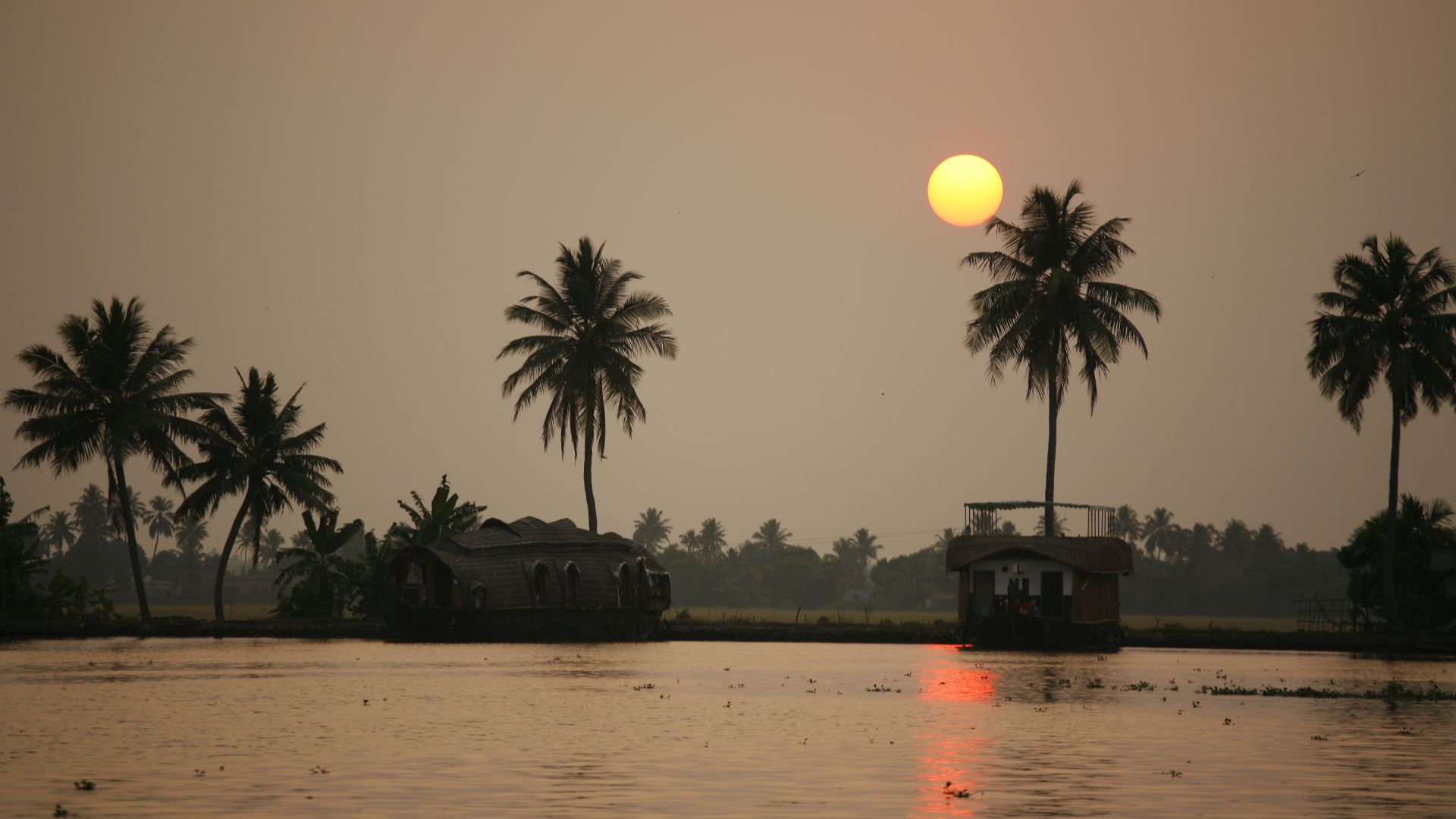
The backwaters of Kerala, a network of 900 kilometers of interconnected canals, rivers, and lakes, offer a stark contrast to the high-speed urbanization of northern India. The traditional Keralan houseboat, or "Kettuvallam," was originally used to transport rice and spices. Today, they serve as mobile homestays that encourage a "digital detox."
The ecosystem of the backwaters is delicate. Recent environmental initiatives have focused on sustainable tourism to protect the region from pollution and over-tourism. By gliding through these waters at a slow pace, travelers observe a unique way of life where the water serves as the main highway for school children, fishermen, and vendors. This form of "slow travel" is essential for minimizing the carbon footprint of tourism while maximizing the economic benefits for the local Keralan communities.

The Economic and Social Impact of Locally Led Tourism
The transition toward locally led, small-group adventures has profound implications for India’s tourism economy. By prioritizing local leaders and community-owned businesses, the "leakage" of tourism revenue—where money spent by tourists leaves the host country—is significantly reduced. According to the United Nations World Tourism Organization (UNWTO), for every $100 spent on a tour in a developing country, often only $5 stays in the local economy. Locally led models aim to invert this statistic.
Furthermore, these interactions foster a "human-centric" approach to travel. As Intrepid leader Bhupesh Tamang observes, the friendliness and hospitality of the local people often become the most enduring memory of a trip. By moving beyond the monuments and engaging with the people who call India home, travelers contribute to a more sustainable, respectful, and mutually beneficial form of global exchange. This evolution in tourism ensures that the "real India"—found in the pauses, the rituals, and the everyday conversations—remains vibrant and accessible for generations to come.