Chainsaw Controversy Ignites National Debate Over Wilderness Preservation and Access in Idaho’s Frank Church-River of No Return

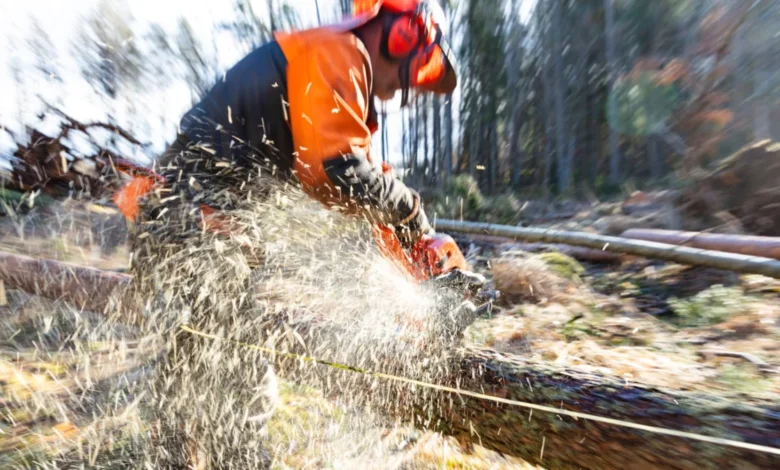
A contentious decision by the United States Forest Service (USFS) to permit the use of chainsaws in Idaho’s vast Frank Church-River of No Return Wilderness, a move widely seen as unprecedented under the 1964 Wilderness Act, has sparked a vigorous national debate. The controversy centers on the fundamental tension between maintaining the pristine, "untrammeled" character of federally designated wilderness and ensuring public access to these remote landscapes, particularly in the face of escalating environmental challenges and persistent maintenance backlogs. Following an opinion piece published earlier this month by Idahoan and former trailworker Nathan Pipenberg, public discourse has intensified, drawing strong reactions from conservationists, recreational users, trail maintenance crews, and policy experts alike.
The heart of the matter lies in the interpretation and enforcement of the Wilderness Act, a landmark piece of legislation that prohibits motorized vehicles and tools within designated wilderness areas. Critics argue that the USFS’s approval for chainsaw use directly contravenes this foundational principle, potentially setting a dangerous precedent for wilderness management nationwide. Conversely, proponents contend that exceptional circumstances, such as severe blowdowns caused by wildfires and bark beetle infestations, necessitate more efficient tools to restore critical access for recreation, safety, and even ecological management.
A Chronology of Contention: The Idaho Decision
The unfolding situation in Idaho began to escalate in May 2026, when the USFS announced its initial approval for the use of chainsaws to clear trails within a significant portion of the Frank Church-River of No Return Wilderness. This initial authorization targeted 542 miles of trail located within the Salmon-Challis National Forest, with the allowance slated for seven months out of each of the next three years. The decision was prompted by a proposal from the Idaho Outfitters and Guides Association (IOGA), which highlighted the critical state of trails due to extensive blowdowns and a substantial maintenance backlog.
Just two months later, in early July 2026, the USFS expanded its approval, extending chainsaw use to an additional 542 miles of trail within the Payette National Forest, also encompassing areas within the Frank Church-River of No Return Wilderness. This expansion effectively doubled the scope of motorized clearing operations within the largest wilderness area in the Lower 48, further fueling the debate and raising alarm among conservation groups.
The USFS justified its decision by citing "emergency allowance" conditions, emphasizing the severe impact of years of wildfire, bark beetle outbreaks, and deferred maintenance on trail accessibility. The agency underscored the importance of maintaining recreational opportunities in an area famed for its exceptional whitewater boating and backcountry hiking. However, this rationale has been met with staunch opposition, particularly from organizations like Wilderness Watch, which has publicly stated that the move ignores federal laws and is "possibly illegal."
The Frank Church-River of No Return: A Case Study in Wilderness Challenges
The Frank Church-River of No Return Wilderness, spanning over 2.3 million acres across central Idaho, is not merely a vast expanse of land; it is a critical ecological refuge and a cornerstone of America’s wilderness system. Established in 1980, it is known for its rugged mountains, deep canyons carved by the Salmon River (the "River of No Return"), and its diverse ecosystems supporting iconic wildlife such, as elk, bighorn sheep, wolves, and grizzly bears. Its designation as wilderness was intended to preserve its primeval character, offering opportunities for solitude and unconfined recreation.
However, even a "crown jewel" of the wilderness system is not immune to modern environmental pressures. The Frank Church has faced unprecedented challenges in recent decades. Large-scale wildfires, increasingly frequent and intense due to climate change and historical fire suppression policies, have swept through vast tracts of the forest, felling countless trees and creating massive "blowdowns" – tangled masses of timber that render trails impassable. Concurrently, bark beetle outbreaks, exacerbated by drought-stressed trees and warming temperatures, have weakened and killed millions of trees, making them highly susceptible to windthrow.
These natural disturbances, combined with a persistent and growing backlog in trail maintenance across national forests and wilderness areas nationwide, have created a formidable barrier to access. Estimates for the total deferred maintenance backlog on public lands trails across the U.S. often run into the hundreds of millions of dollars, with annual funding falling far short of needs. In the Frank Church, hundreds of miles of trails, once vital arteries for hikers, backpackers, and outfitters, have become choked with fallen timber, effectively closing off large sections of the wilderness to human passage.
The Wilderness Act: Cornerstone of Conservation
Central to this debate is the Wilderness Act of 1964, a landmark piece of legislation signed into law by President Lyndon B. Johnson. Its profound purpose was "to secure for the American people of present and future generations the benefits of an enduring resource of wilderness." The Act legally defines wilderness as "an area where the earth and its community of life are untrammeled by man, where man himself is a visitor who does not remain."
Key provisions of the Act explicitly prohibit certain activities within designated wilderness areas to preserve their primitive character. These prohibitions include, but are not limited to, the use of motorized vehicles, motorized equipment, mechanical transport (such as bicycles and carts in some interpretations), landing of aircraft, and the construction of permanent roads. The intent was to ensure that human influence remained minimal, allowing natural processes to dominate and offering an experience of solitude and challenge without the intrusion of modern technology.
The USFS decision regarding chainsaws in the Frank Church is viewed by many as a direct challenge to the spirit and letter of this Act. While the Act does allow for certain exceptions in emergencies (e.g., fire suppression, search and rescue), the clearing of trails for recreational access through a multi-year plan is seen by critics as a fundamental reinterpretation of what constitutes an "emergency" and a permissible deviation from the Act’s core tenets.
Arguments for Motorized Clearing: Efficiency and Access
Supporters of the chainsaw allowance, primarily driven by outfitters, guides, and many recreational users, emphasize the practical necessity and efficiency of power tools in addressing the monumental task of trail clearing. Michael Jurasius, a Facebook commenter, articulated a common sentiment: "I’ve seen blow downs stacked three layers high that would take years to clear with a hand saw. The sooner the trail is cleared the less damage occurs from hikers forced off route through the woods."
The sheer scale of the blowdowns, particularly in areas impacted by intense wildfires, often presents obstacles that manual tools struggle to overcome efficiently. A single large log, requiring multiple cuts, can take a skilled crosscut sawyer crew hours or even days to clear, depending on its size and entanglement. A chainsaw, in contrast, can accomplish the same task in a fraction of the time, dramatically accelerating the pace of clearing operations. This efficiency is critical when faced with hundreds of miles of impassable trails and limited budgets for trail maintenance.
Furthermore, proponents argue that maintaining access to wilderness areas is essential for their appreciation and stewardship. If trails become impassable, fewer people can experience these landscapes, potentially diminishing public support for their preservation. The Idaho Outfitters and Guides Association, whose proposal initiated the USFS decision, underscored the economic impact of inaccessible trails on local economies that rely on wilderness tourism. Beyond recreation, maintaining clear trails can also be vital for emergency access for search and rescue operations or for forest service personnel to monitor ecological health and respond to potential threats like rapidly spreading wildfires. Some also argue that forcing hikers off-trail through dense blowdowns can lead to increased erosion, habitat disturbance, and safety hazards, making quick clearing a more responsible management approach.
Arguments Against: Upholding Wilderness Ethos
On the opposing side, conservation groups and many wilderness purists vehemently argue against the use of chainsaws, viewing it as a direct assault on the fundamental principles of wilderness preservation. Wilderness Watch, a prominent critic, explicitly states that the approval is a "violation of the Wilderness Act." Their core argument is that recreation and trail access, while important, should not supersede the primary purpose of wilderness: to remain untrammeled and wild. "Many Wildernesses have minimal to non-existent trail systems; wilderness character, and the wildlife that rely on it, will not suffer with the natural blockage of trails," Wilderness Watch noted in a blog post, suggesting that nature should be allowed to run its course.
The introduction of chainsaws brings with it noise pollution, disrupting the solitude and quiet that are hallmarks of the wilderness experience. The mechanical roar of an engine replaces the natural sounds of the forest, altering the very essence of what wilderness is meant to offer. There are also concerns about air pollution from exhaust fumes and the potential for fuel spills, even if minor, impacting sensitive ecosystems.
Many opponents also emphasize the efficacy and tradition of manual methods. Brenda-David Morrow reminded readers, "There was a time when the entire lumber industry operated with hand saws." Experienced trailworkers, like Autumn Lear, echo this sentiment: "I’ve spent almost 20 years clearing large trees, and doing trail work. I’m certified in both crosscut and chainsaw for bucking and felling… Crosscuts are efficient in terms of the human body… Muscles and lungs are utilized without the noise and pollution of a chainsaw. Ask a trail crew worker what they prefer. I’ve used both and prefer the crosscut 100%." Lear detailed the practical drawbacks of chainsaws in wilderness settings, including their weight, need for fuel and oil, sharpening requirements, increased hazard, and restrictions on use (e.g., "must be shut off after 3 pm to prevent wildfire").
The "slippery slope" argument is another significant concern. Critics fear that once an exception is made for chainsaws in a wilderness area of the Frank Church’s stature, it could pave the way for similar approvals in other wilderness areas across the country, gradually eroding the protective measures of the Wilderness Act. This could lead to a creeping industrialization of wilderness management, undermining the very concept of "untrammeled" land.
Voices from the Front Lines: Trail Workers and Advocates
The debate is not merely theoretical; it profoundly impacts the dedicated individuals who maintain these remote trails. Trailworkers offer nuanced perspectives, often acknowledging the challenges of both approaches. Pat Hawkins, a former crew leader, commented, "I have run hand crews in the Bob Marshall Wilderness carrying a 2-man crosscut on my pack for miles and miles. I think a balance can be struck." Hawkins recognized the immense scale of blowdowns, particularly after events like "heavy rains followed by extreme winds," and the reality that "The USFS just doesn’t have the budget to get the crews necessary to open the trails." He suggested that "Having exceptions or situational waivers to get the work done under the extreme circumstances seems reasonable. But to just unequivocally open it up could be a slippery slope."
This perspective highlights the practical realities of underfunded public lands management. Volunteer efforts, while invaluable, often cannot keep pace with the scale of damage, and professional hand crews are expensive and slow compared to their motorized counterparts when facing massive timber obstructions. The question then becomes: what is the acceptable trade-off when resources are limited and damage is extensive?
Beyond the practicalities, there’s a philosophical stance represented by former Backpacker editor Casey Lyons: "Let nature have ’em back. Trails in Wilderness aren’t supposed to be permanent." This view posits that the occasional rewilding of trails is a natural process within a wilderness area, reinforcing its untamed character rather than being an issue that demands technological intervention. It challenges the notion that human access must always be prioritized over natural ecological processes.
Broader Implications and the National Landscape
The decision concerning the Frank Church-River of No Return Wilderness carries significant implications far beyond Idaho’s borders. As Nathan Pipenberg noted, "decisions made concerning the Frank might soon be the status quo in Wilderness nationwide." This case is being closely watched by wilderness advocates, land managers, and outdoor enthusiasts across the United States.
Should the USFS’s decision withstand potential legal challenges, it could set a powerful precedent for other wilderness areas grappling with similar issues of extensive blowdowns, wildfire impacts, and maintenance backlogs. This could lead to a re-evaluation of how the Wilderness Act is interpreted, potentially opening the door for more widespread use of motorized equipment under "emergency" or "exceptional circumstance" clauses. Such a shift could fundamentally alter the character and management philosophy of America’s wilderness system.
Conversely, if the decision is overturned or challenged successfully, it would reinforce the strict interpretation of the Wilderness Act, perhaps forcing land management agencies to seek alternative solutions, such as increased funding for manual trail crews, more strategic trail planning, or even accepting a reduced level of trail access in some areas as part of the wilderness experience.
The debate also highlights a broader challenge facing public land management agencies: balancing the increasing demands for recreation with the imperative of conservation, all within a context of often insufficient funding and staffing. The sheer scale of the national forest and wilderness trail system, estimated to be over 150,000 miles, coupled with the increasing frequency and intensity of natural disturbances, presents a formidable management puzzle.
The Path Forward: Balancing Competing Interests
The chainsaw controversy in the Frank Church-River of No Return Wilderness encapsulates the complex and often conflicting values inherent in wilderness management. There are no easy answers when balancing the desire for public access and recreational opportunities with the core mission of preserving wild, untrammeled landscapes.
The immediate future will likely involve continued public discourse, potential legal challenges from environmental groups, and close monitoring of the chainsaw operations themselves. The long-term implications will depend on whether this decision remains an isolated exception for an extreme situation or becomes a template for future wilderness management.
Ultimately, the debate calls for a renewed national conversation about what wilderness means in the 21st century, how it should be managed in the face of evolving environmental threats, and what level of human intervention is acceptable without compromising the very essence of its wild character. The outcome in Idaho’s vast wilderness could well shape the future of protected landscapes across the entire nation.