The Role of the Global Tourism Sector in Advancing Gender Equity and Inspiring Inclusion for International Women’s Day 2024

The global tourism industry stands at a critical juncture as it aligns with the 2024 International Women’s Day theme, "Inspire Inclusion." This year’s mandate serves as a rigorous call to action for governments, multinational corporations, and local communities to dismantle systemic barriers, challenge long-standing gender stereotypes, and foster professional environments where women from all backgrounds are afforded equal value and respect. While the travel sector has historically been a significant employer of women, industry analysts and international bodies emphasize that true inclusion requires moving beyond mere participation toward equitable representation in leadership, ownership, and decision-making roles.
The 2024 theme highlights the necessity of providing marginalized groups with the resources and opportunities essential for sustained success. In the context of global travel—an industry predicated on the celebration of diversity and the bridging of cultures—the drive for inclusion is not merely a social imperative but a fundamental requirement for the sector’s long-term resilience and authenticity.
Historical Context and the Evolution of Gender Roles in Tourism
The relationship between gender and the tourism industry has evolved significantly over the past century. Historically, women’s roles in travel were often relegated to the domestic sphere of hospitality—cleaning, cooking, and service-level engagement—while management and expeditionary roles were predominantly held by men. The formalization of International Women’s Day by the United Nations in 1977 began to shift the global focus toward labor rights and economic participation, but it was not until the early 21st century that the tourism sector began to undergo a structured analysis of its gender dynamics.
The decade leading up to 2020 saw a surge in "women-only" travel initiatives and the rise of female-led social enterprises. However, the COVID-19 pandemic represented a significant setback, often referred to by economists as a "she-cession." Because women are disproportionately represented in the informal tourism economy and in front-line service roles, they were the first to lose their livelihoods when borders closed. The 2024 focus on inclusion is, in many ways, a restorative effort to ensure that the post-pandemic recovery does not leave women behind or trap them in low-wage, precarious positions.
Statistical Analysis of the Current Landscape
Data from the World Travel & Tourism Council (WTTC) and the United Nations World Tourism Organization (UNWTO) provide a sobering look at the current state of the industry. Prior to the global health crisis, women accounted for approximately 54% of the tourism workforce worldwide. On the surface, this suggests a high level of female participation. However, a deeper dive into the metrics reveals a "glass ceiling" that remains largely intact.
Research indicates that while women make up more than half of the workforce, they occupy only 19% to 25% of leadership and C-suite positions. The majority of female employees are concentrated in lower-skilled, lower-paid sectors of the industry, often with limited job security. Furthermore, women in tourism earn, on average, 14.7% less than their male counterparts. This disparity is particularly pronounced in the informal economy—such as street vending or artisanal craft sales—where women lack legal protections and social safety nets.
The 2024 "Inspire Inclusion" campaign argues that the industry’s challenge is to transition from being a "majority female" workforce to becoming a "female-led" industry. This involves a deliberate shift in how human resources are managed, how supply chains are structured, and how entrepreneurship is funded.
The Economic and Social Rationale for Investing in Women
The business case for gender inclusion in tourism is backed by robust economic data. According to research from the United Nations and microfinance institutions like Kiva, women reinvest approximately 80% to 90% of their earned income back into their families and communities, specifically targeting education, healthcare, and nutrition. In contrast, male counterparts are statistically likely to reinvest a lower percentage of their earnings into domestic welfare.
This "multiplier effect" means that an investment in a female tourism entrepreneur is, by extension, an investment in the socio-economic development of an entire region. When women are economically empowered, community indicators of well-being—such as literacy rates and infant mortality—show marked improvement.
From a corporate performance perspective, diversity is equally lucrative. A multi-year study by McKinsey & Company found that firms in the top quartile for gender diversity on executive teams were 25% more likely to have above-average profitability than companies in the bottom quartile. In the travel sector, this is reinforced by consumer behavior: women are estimated to make between 70% and 80% of all travel-related decisions. Companies that lack female perspectives at the executive level are essentially operating with a blind spot regarding their primary customer base.
Strategic Mechanisms for Institutional Change
To achieve the goals set forth by the 2024 theme, industry experts suggest several practical mechanisms that tourism businesses can adopt to foster genuine inclusion:

1. Diversifying the Supply Chain
Tourism operators can "Inspire Inclusion" by auditing their procurement processes. This involves actively seeking out and contracting with women-owned businesses, from boutique hotels and local transport providers to handicraft cooperatives and catering services. By integrating these businesses into the formal global supply chain, larger corporations provide the stability and market access necessary for local female entrepreneurs to scale their operations.
2. Breaking Occupational Segregation
Certain roles within tourism have remained traditionally male-dominated, such as safari guiding, technical flight operations, and high-level mountain trekking. Progressive organizations are now implementing scholarship and training programs to break these stereotypes. For example, the Chobe Game Lodge in Botswana gained international recognition for its all-female guiding team, demonstrating that women can excel in roles traditionally reserved for men while providing a unique and highly sought-after perspective for travelers.
3. Mentorship and Leadership Pipelines
Inclusion requires a pathway to the top. Formal mentorship programs that pair junior female staff with executive-level mentors help bridge the "confidence gap" and provide the networking opportunities necessary for career advancement. Furthermore, implementing flexible working arrangements and childcare support is essential for retaining female talent in an industry known for its irregular hours and high demands.
Case Studies in Global Empowerment
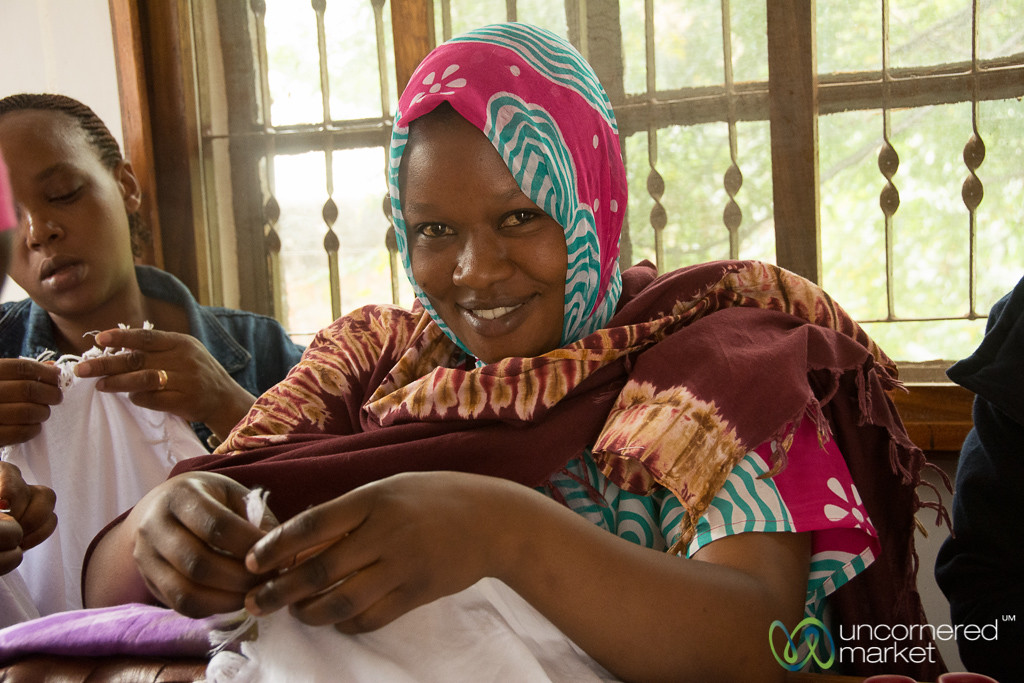
The impact of inclusive tourism is best illustrated through successful social enterprises. In Moshi, Tanzania, organizations like "Moshi Mamas" provide business and vocational training to local women, enabling them to transition from subsistence labor to running profitable enterprises that cater to international tourists. These women report not only increased income but a profound shift in their social status within their communities.
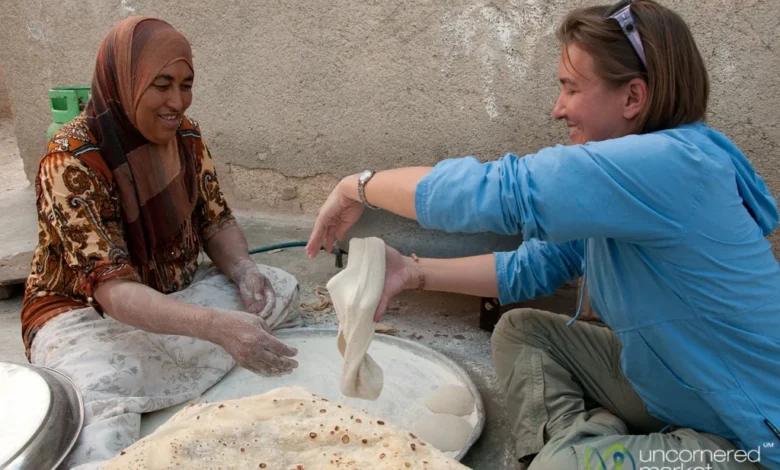
Similarly, in Jordan, the Zikra Initiative has empowered women in the Ghor Mazra’a region to share their traditional skills—such as weaving and bread-making—with travelers. This model moves away from voyeuristic tourism toward a collaborative exchange, where the local woman is the "expert" and the traveler is the "student." This reversal of power dynamics is a core component of the "Inspire Inclusion" philosophy.
Official Responses and Industry Outlook
International bodies have reiterated their commitment to these goals. The UNWTO has called on its member states to integrate gender-responsive policies into their national tourism strategies. "Gender equality is a prerequisite for a sustainable and resilient tourism sector," stated a recent UNWTO briefing. "We must move beyond tokenism and ensure that women have the digital literacy, financial access, and legal rights to lead the industry into the next decade."

Industry leaders, such as G Adventures and its non-profit partner Planeterra, have also championed the "Retravel" movement, which prioritizes social impact as a core metric of business success. By focusing on "community-wealth building," these organizations ensure that tourism dollars stay within the local economy and specifically benefit marginalized groups.
Conclusion: A Future Defined by Equity
As the tourism sector continues its post-pandemic trajectory, the focus on "Inspiring Inclusion" serves as a roadmap for a more ethical and profitable future. The transition from words to action requires a sustained effort to reform institutional structures that have historically marginalized women.
When the tourism sector rises to meet this challenge, it does more than just fill quotas; it creates a more transformative experience for the traveler and a more stable, prosperous life for the host. By providing women with the resources, support, and authority to take the driver’s seat, the travel industry can lead the way in creating an equitable world where success is accessible to everyone, regardless of gender or background. The goal for 2024 and beyond is clear: an inclusive world is not just an ideal—it is the only sustainable path forward for global travel.