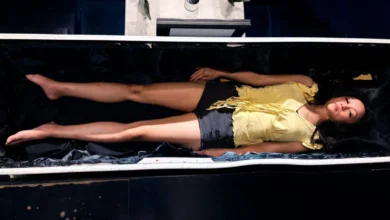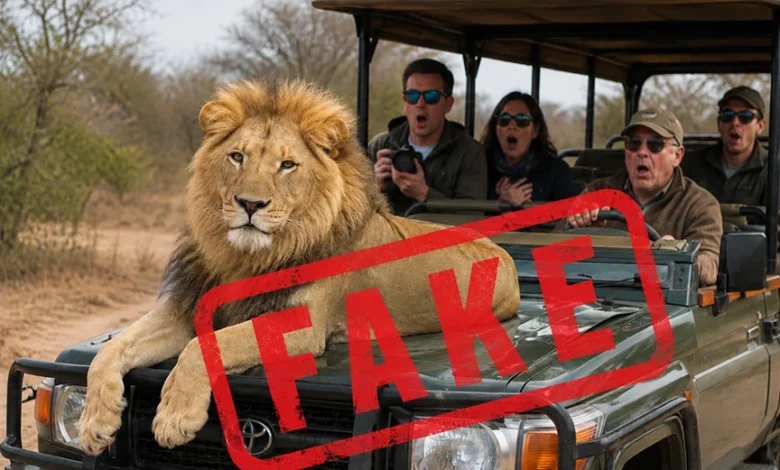
The proliferation of fabricated animal footage on social media platforms is garnering millions of views globally, significantly altering public perception of wildlife and presenting new challenges for conservation efforts and citizen science, according to a recent study. Artificial intelligence, now capable of generating emotionally resonant clips featuring scenarios such as grateful polar bear cubs, distressed puppies in animal shelters, or vibrantly colored tropical birds that exist only in digital form, has created a compelling, albeit deceptive, narrative. These deeply affecting, often heartwarming, fakes captivate a vast audience drawn to the idealized notion of animals exhibiting human-like emotions and behaviors. The sophistication of these creations is such that even individuals intimately familiar with specific species can find themselves questioning their authenticity.
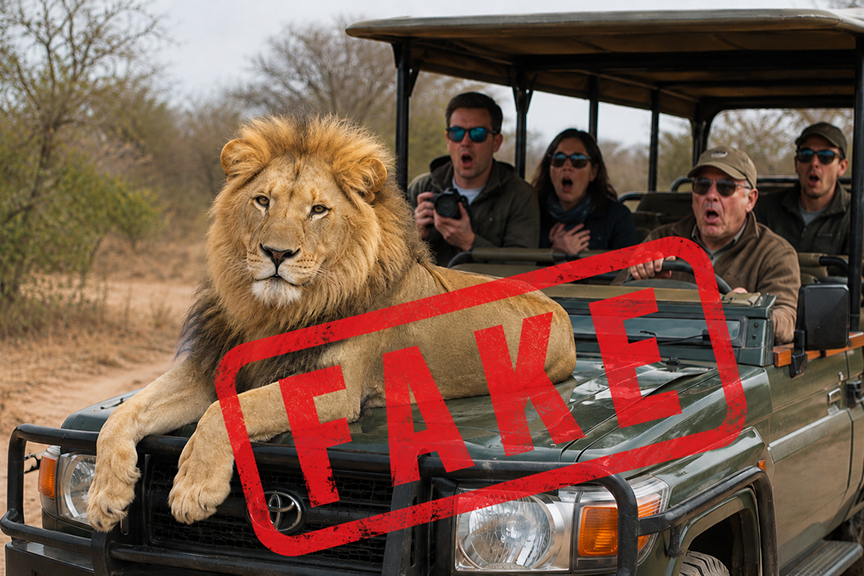
A pivotal paper, published in Conservation Biology by researchers at the University of Cordoba in Spain, meticulously details the rise of videos depicting manufactured bonds between humans and animals. The authors issue a stark warning: such content risks instilling a false sense of security in viewers regarding interactions with wild animals, potentially leading to dangerous real-world encounters. This phenomenon, which the researchers aptly term "digital Disneyfication," extends a long-standing cultural trend of anthropomorphizing the natural world. Historically, instances range from 1950s tourists in Banff National Park attempting to pose black bears behind the steering wheels of their cars for photographs, to contemporary parents trying to place toddlers on the backs of deer, inspired by fictional portrayals like Bambi. However, the advent of AI-generated content elevates this anthropomorphism to an entirely new and unprecedented level of realism and widespread dissemination.
The Rise of Generative AI and its Impact on Wildlife Imagery
The rapid evolution of generative artificial intelligence, particularly in the realm of image and video synthesis, has fundamentally reshaped the digital landscape. Tools like DALL-E 2, Midjourney, and Stable Diffusion, which became widely accessible to the public around 2022-2023, democratized the creation of highly realistic, often photorealistic, images from simple text prompts. These models, primarily based on diffusion architectures, learn to generate images by understanding patterns in vast datasets of existing visual content. This technological leap enabled users, often without malicious intent, to produce captivating visuals that blur the lines between reality and fiction.
The core of the issue lies in AI’s ability to tap into human emotional responses. By generating images and videos that evoke empathy, joy, or sorrow, these fake narratives gain significant traction on platforms driven by engagement algorithms. The example of an AI-generated image depicting a baby sloth, which amassed over 265,000 views and was shared more than 3,000 times on X (formerly Twitter), underscores the viral potential of such content. The emotional appeal of a vulnerable, endearing animal, even if digitally constructed, proves irresistible to millions, contributing to a collective misunderstanding of wildlife behavior and ecology.
Digital Disneyfication: A Deeper Dive
The concept of "Disneyfication" in the context of wildlife refers to the sanitization, simplification, and anthropomorphism of animals and natural environments, often presenting them in a way that is palatable, entertaining, and emotionally resonant for human audiences. While traditional media like animated films and documentaries have long engaged in this to varying degrees, AI takes it further by creating entirely fictitious scenarios with hyper-realism. This is not merely an artistic interpretation; it is the fabrication of visual evidence that can be mistaken for genuine occurrences.
The University of Cordoba study highlights how these AI-generated narratives, often depicting harmonious or exaggeratedly emotional human-animal interactions, can erode public understanding of the inherent wildness and unpredictability of non-domesticated species. For instance, a video showing a "grateful" polar bear cub might lead viewers to believe that such an animal is approachable or capable of human-like reciprocity, ignoring the reality of its predatory nature and the dangers of close contact. This creates a cognitive dissonance that could, in extreme cases, lead to risky behavior by individuals attempting to replicate these fictional interactions in real wildlife settings. Conservationists have long struggled to convey the message of respecting wildlife’s boundaries, and AI fakes significantly undermine these educational efforts.
Threats to Citizen Science and Data Integrity
Beyond impacting public perception, AI-enhanced imagery poses a tangible threat to critical scientific endeavors, particularly citizen science initiatives. A second, equally concerning paper, published concurrently this week in Nature Ecology and Evolution, raises alarms about the potential for AI-modified images to contaminate data gathered on platforms like iNaturalist. These platforms rely on public contributions to track the distribution, behavior, and phenology of various species, providing invaluable data for ecological research and conservation.
The Nature Ecology and Evolution study cites a specific case where an image submitted to iNaturalist, purportedly showing a red-winged blackbird – a species not typically found in Brazil – was later identified as an epaulet oriole, common to the region, that had been "improved" using an AI algorithm. The submitter, likely without malicious intent, sought to enhance the visual quality of their photograph, inadvertently altering key diagnostic features. The research team was able to replicate this transformation using commercially available AI editing tools, demonstrating the ease with which such alterations can occur.
The implications for biodiversity monitoring are profound. If a significant proportion of citizen science submissions are enhanced or outright generated by AI, the integrity of the data becomes compromised. Researchers rely on these visual records to establish species ranges, identify new populations, track migrations, and monitor the impacts of climate change or habitat loss. False positives or misidentifications, especially for rare or invasive species, could lead to misallocated conservation resources, erroneous scientific conclusions, and a general erosion of trust in citizen-contributed data. The authors of the Nature Ecology and Evolution paper caution that if too many contributors enhance their images beyond recognition, these invaluable platforms risk becoming unreliable or even useless for scientific purposes.
Chronology of a Digital Dilemma
The timeline of this emerging challenge is relatively compressed, mirroring the rapid advancements in AI:
- Early 2010s: Development of Generative Adversarial Networks (GANs) lays foundational groundwork for realistic image synthesis.
- Late 2010s: Increased research and development in deep learning, leading to more sophisticated image manipulation (e.g., deepfakes for human faces).
- 2022: Public release and widespread accessibility of powerful text-to-image generative AI models (DALL-E 2, Midjourney, Stable Diffusion), democratizing the creation of synthetic visuals. This marks a critical inflection point for the volume and realism of AI-generated animal content.
- 2023-Present: Exponential growth in AI-generated animal content on social media, driven by ease of creation and viral potential. Increased public awareness, though often without critical discernment, of AI’s capabilities.
- Mid-2020s (Specific to studies): Publication of the University of Cordoba study in Conservation Biology and the Nature Ecology and Evolution paper, formally identifying and analyzing the detrimental impacts of this trend on wildlife perception and scientific data. These studies represent a formal acknowledgment by the scientific community of a rapidly escalating problem.
Official Responses and Inferred Reactions
While direct official statements from all parties are still evolving, logical inferences can be drawn regarding their perspectives and potential actions:
- Researchers (University of Cordoba, Nature Ecology and Evolution authors): Their published papers serve as urgent warnings, calling for greater media literacy, ethical AI development, and robust verification mechanisms. They implicitly advocate for clearer labeling of AI-generated content and educational campaigns to inform the public about the risks.
- Conservation Organizations: Groups like the World Wildlife Fund (WWF), National Geographic Society, and local wildlife trusts are likely to express deep concern. They would emphasize the importance of authentic representation of wildlife for conservation messaging, fundraising, and inspiring genuine respect for nature. They might advocate for policies that combat misinformation and potentially explore partnerships with tech companies to develop tools for detecting AI fakes.
- Citizen Science Platforms (e.g., iNaturalist): These platforms are likely to be actively exploring or implementing technical solutions to detect AI-enhanced or generated images. This could involve integrating AI detection algorithms, enhancing human moderation processes, and issuing clearer guidelines to users about the unacceptability of submitting altered content. They might also emphasize the importance of raw, unedited photographic evidence for scientific validity.
- Social Media Platforms: Under increasing scrutiny for content moderation and the spread of misinformation, platforms like X, Facebook, and Instagram are facing pressure to develop and implement policies for labeling AI-generated content. While some platforms have begun to roll out watermarking initiatives or disclosure requirements, the scale of AI content creation presents a formidable challenge. There’s an inferred push towards greater transparency and accountability for content shared.
- AI Developers and Ethics Boards: Companies developing generative AI tools are likely to be grappling with the ethical implications of their technology. This could lead to the development of built-in watermarking features for AI-generated images, stricter usage policies, and investment in AI models designed to detect synthetic media. The inferred goal is to promote responsible AI use and mitigate potential harms.
Broader Impact and Implications
The implications of AI-generated animal content extend far beyond individual perceptions and scientific data integrity, touching upon fundamental aspects of media literacy, trust, and the future of human-nature relationships.
- Erosion of Trust and Media Literacy: The pervasive presence of highly realistic fake content risks eroding public trust in all visual media, including legitimate news reports, scientific documentation, and educational materials. This necessitates a significant increase in media literacy education, equipping individuals with the critical thinking skills to question, verify, and discern authentic content from fabricated visuals. Without such skills, the line between reality and simulation becomes dangerously blurred.
- Misdirection of Conservation Efforts: If public sentiment is increasingly shaped by emotionally manipulative AI fakes, there’s a risk that conservation efforts and funding could be misdirected towards non-existent problems or species, or away from critical, less "photogenic" real-world issues. The emotional resonance of a "sad" AI puppy might overshadow the plight of genuinely endangered species facing habitat destruction.
- Human-Wildlife Conflict: The false sense of security fostered by anthropomorphic AI content could exacerbate human-wildlife conflicts. If individuals believe wild animals are inherently benign or capable of human-like affection, they may approach dangerous animals, leading to injury or the necessity of animal culling. This undermines decades of public education on safe wildlife viewing and interaction.
- Desensitization and "Digital Naturalism": Constant exposure to idealized, often fantastical, versions of wildlife could lead to a desensitization to the genuine struggles and complexities of the natural world. It might foster a "digital naturalism" where virtual interactions replace or diminish the value of real-world engagement with nature, potentially reducing support for actual conservation efforts and outdoor experiences.
- Regulatory and Ethical Frameworks: The rapid pace of AI development has outstripped regulatory frameworks. The challenges posed by AI-generated wildlife content highlight an urgent need for international collaboration to establish ethical guidelines, content labeling standards, and potentially legal frameworks to address the spread of synthetic media that misrepresents reality.
In conclusion, the rise of AI-generated animal videos and images represents a multifaceted challenge for conservation, science, and society at large. While the technology itself holds immense potential for good, its current unbridled application in creating compelling but false narratives demands immediate attention. Addressing this issue will require a concerted effort from AI developers, social media platforms, scientific communities, conservation organizations, and an increasingly media-literate public to ensure that our perception of wildlife remains grounded in reality, fostering genuine appreciation and effective action for the natural world.