Beyond Sustainability: How the Regenerative Travel Asia Symposium is Redefining the Future of Global Tourism

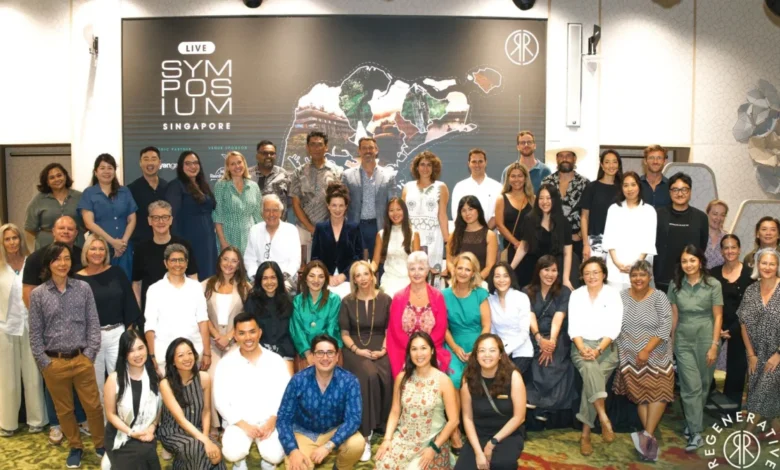
The global travel industry stands at a critical crossroads where the traditional models of sustainability, once considered the gold standard for responsible tourism, are being re-evaluated in favor of a more ambitious framework known as regenerative travel. For decades, the primary objective of sustainable travel was to minimize harm—encouraging travelers to use less plastic, reduce carbon emissions, and respect local customs. However, as the climate crisis intensifies and biodiversity loss accelerates, a new consensus is emerging among industry leaders: simply "doing less harm" is no longer sufficient. This shift in perspective was the focal point of the Regenerative Travel Asia Symposium recently held in Singapore, where experts gathered to explore how the tourism sector can transition from a model of consumption to one of active restoration.
The symposium, attended by Ethical Traveler and various international stakeholders, addressed a fundamental question: What if the travel and tourism industry could actively restore ecosystems, strengthen local communities, and rebuild the human relationship with the natural world? This inquiry marks a departure from the "leave no trace" philosophy, moving toward a "leave it better" mandate. The event highlighted that while sustainability focuses on maintaining the status quo, regeneration seeks to improve the health and vitality of a destination’s social and environmental systems.
The Evolution of Travel: From Scarcity to Abundance
The concept of regenerative tourism challenges the long-standing industry reliance on extractive practices, where destinations are often treated as commodities to be consumed. Amanda Ho, co-founder and CEO of Regenerative Travel, provided a philosophical anchor for the symposium by describing this movement as a shift from "head to heart," "scarcity to abundance," and "individual to collective." This paradigm shift views tourism not merely as a commercial sector but as a complex web of relationships between people, places, and nature.
Keynote speaker Juliet Kinsman reinforced this systemic view, emphasizing that humanity is an intrinsic part of global biodiversity rather than a separate entity. In an era increasingly dominated by digital interfaces and artificial intelligence, Kinsman argued for the necessity of "regenerating humanity" by fostering deep, physical connections with the planet. This perspective suggests that the healing of the environment and the healing of the traveler are inextricably linked, providing a new layer of meaning to the travel experience.
Consumer Trends and the "Say-Do" Gap
The demand for more responsible travel options is supported by recent data, yet a significant gap remains between traveler intentions and their actual behaviors. Jeremy Tran of Sustainable Travel Asia presented research from Booking.com indicating that 85% of travelers express a desire for more sustainable travel options, while 69% state they wish to leave the places they visit better than they found them. Despite these high percentages, the industry faces the challenge of translating this sentiment into practice.
A major obstacle identified during the symposium is the influence of social media in shaping modern travel. In a digital landscape where destinations can become viral "trends" overnight, travel often becomes an act of imitation rather than intention. This "trend-following" behavior frequently leads to overtourism, putting immense pressure on local infrastructure and ecosystems. To combat this, the symposium urged travelers to move beyond aesthetic-driven choices and instead consider the underlying purpose of their journeys and the long-term impact of their presence.
The Interconnection of Wellness and Ecosystem Health
A significant theme of the Singapore symposium was the intersection of wellness tourism and regeneration. Traditionally, wellness travel has been inward-looking, focusing on the restoration of the individual through spa treatments, yoga, or traditional healing practices. Regenerative travel expands this scope, asking whether the wellbeing of the individual can be achieved if the surrounding community and ecosystem are in decline.
This relational approach suggests that true wellness is impossible in a vacuum. If a luxury wellness retreat utilizes local traditions and knowledge but does not invest in the health of the community or the preservation of the local environment, it remains an extractive model. Regeneration requires that the benefits of wellness are shared, ensuring that the ecosystems and cultures providing the experience are also being revitalized.
Case Studies in Active Restoration
The symposium highlighted several industry leaders who are already implementing regenerative practices. These examples serve as a blueprint for how hotels and operators can move beyond surface-level sustainability.
-
Song Saa Private Island, Cambodia: Built on what was once degraded land, Song Saa was designed with a vision of restoration. The resort led the establishment of Cambodia’s first Marine Protected Area and employs approximately 75% of its staff from local communities. Its operations include rainwater harvesting and comprehensive waste management, but more importantly, it invites guests to participate in conservation efforts, turning them into active contributors to the local environment.
-
Banyan Group: Nick Hardman, a marine biologist and Head of Sustainability at Banyan Group, emphasized that tourism possesses a unique power to aid in the healing process of the planet. By making conservation personal—such as involving guests in coral restoration dives—the group fosters a sense of stewardship. This emotional connection is viewed as a prerequisite for long-term environmental protection.
-
The Datai Langkawi and Potato Head Bali: These properties were cited for their commitment to circular economy principles and community integration. By focusing on zero-waste initiatives and supporting local artisans, these organizations demonstrate that high-end hospitality can coexist with, and even enhance, the local socio-economic fabric.
The Risks of Growth: The Bali Example
The symposium did not shy away from the negative impacts of traditional tourism growth. Maitri Fischer of Eco-Mantra, a leader in environmentally sustainable design, pointed to Bali as a cautionary tale of rapid, unbalanced development. The island has faced severe pressures on its resources, including critical water shortages, inadequate waste management systems, and the erosion of local infrastructure.
Fischer’s analysis underscored that for tourism to be regenerative, local communities must be more than just "hosts" or "beneficiaries"; they must be active decision-makers. When tourism development outpaces the needs and capacities of the local population, the result is a net loss for the destination, regardless of the economic revenue generated.
Addressing Greenwashing and the Luxury Barrier
As "regenerative" becomes a new buzzword in the travel industry, experts warned of the significant risk of greenwashing. Much like "sustainable" and "eco-friendly" before it, the term "regenerative" could be co-opted as a marketing label without the substantive changes required to justify it. To be authentic, regeneration must be backed by transparency, genuine community participation, and measurable long-term impacts.
Furthermore, a critical challenge for the movement is accessibility. Currently, many regenerative travel experiences are positioned within the luxury sector. For regeneration to achieve its potential as a global solution, it must be integrated into all levels of the travel industry, from budget accommodations to mass-market tour operators. The symposium concluded that if the movement remains an exclusive domain for the wealthy, it will fail to address the systemic issues facing the planet.
Analysis of Implications and Future Outlook
The shift toward regenerative travel represents a fundamental restructuring of the tourism economy. From a policy perspective, this may lead to new regulations regarding land use, waste management, and community equity in tourism-heavy regions. Governments may increasingly look toward "quality over quantity," prioritizing lower-volume, higher-impact tourism that contributes to the national and local well-being rather than just the GDP.
For the traveler, this movement necessitates a higher degree of literacy and research. Choosing a regenerative experience requires asking difficult questions: Who owns this business? Where does the waste go? How are the staff treated? Does this business support local conservation?
As the climate crisis continues to reshape the geography of the planet, the tourism industry’s role will inevitably change. The Singapore symposium made it clear that the era of passive consumption is ending. Whether through coral restoration in the Maldives or supporting Indigenous-led tourism in the Amazon, the future of travel lies in its ability to heal. Regenerative travel is not about achieving perfection; it is about the intentional transition from being a visitor to being a stakeholder in the places we love. The success of this movement will ultimately depend on whether the industry can move beyond marketing slogans to embrace a deep, lasting commitment to the earth and its people.