Navigating European Style: A Guide for American Tourists Seeking to Blend In and Enhance Travel Safety

For American travelers venturing across the Atlantic, the desire to experience Europe authentically often extends beyond sightseeing to subtle cultural integration, particularly concerning personal style. While the notion of a singular "European look" is largely a misconception, reflecting the continent’s vast diversity in fashion, certain sartorial tendencies can distinguish a seasoned traveler from a conspicuous tourist. This guide aims to demystify these distinctions, offering insights into how American visitors can blend in more seamlessly, fostering not only a deeper cultural experience but also enhancing personal security.
The Evolving Landscape of European Fashion and American Perceptions
The concept of a distinct "European style" is a complex tapestry woven from national traditions, regional climates, and the pervasive influence of global fashion trends. From the avant-garde streets of Paris to the classic elegance of Rome, the minimalist aesthetic of Scandinavia, or the vibrant casualness of Barcelona, Europe showcases an immense spectrum of dress. However, a common thread often observed, particularly in urban settings, is a general preference for well-fitted garments, understated sophistication, and an emphasis on quality over overt branding.
Historically, American tourists have sometimes been characterized by a more overtly casual approach to dressing, often prioritizing comfort above all else, which can inadvertently create a visible demarcation. While comfort remains paramount for any traveler navigating Europe’s walkable cities, contemporary travel advice suggests that comfort and style are not mutually exclusive. The advent of globalization, with international retailers like Zara, H&M, and Uniqlo establishing a strong presence across both continents, has undoubtedly blurred many fashion lines. Younger generations, in particular, often gravitate towards similar global trends, making the gap in everyday wear between a 25-year-old American and their European counterpart less pronounced than in previous decades. Yet, subtle differences persist, largely in the context and execution of these trends.
Identifying and Avoiding the "Conspicuous Tourist" Aesthetic

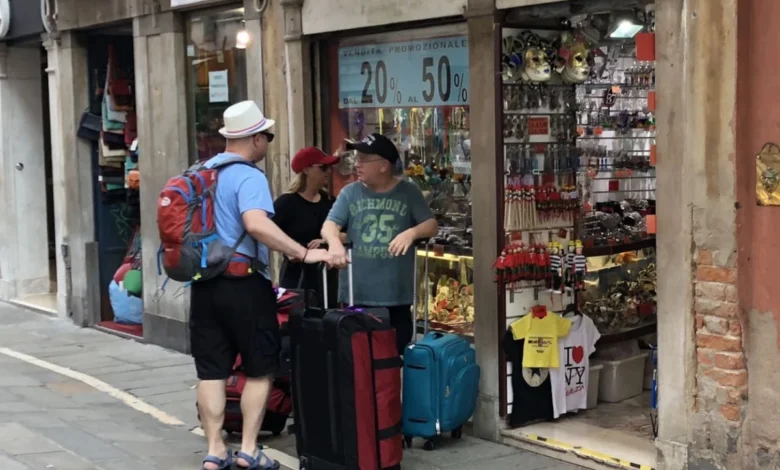
A primary objective for many travelers is to avoid being immediately identified as a tourist from a distance, a strategy that can reduce exposure to petty crime such as pickpocketing and scams. While a tourist is never to blame for being targeted, presenting oneself as less overtly "foreign" can contribute to a sense of anonymity in crowded environments. Several common American fashion choices often serve as immediate identifiers:
-
Excessive Athletic Wear: Perhaps the most significant "tell" is the pervasive use of athletic clothing as everyday wear. While Europeans certainly engage in sports and wear athletic gear for its intended purpose, dressing head-to-toe in activewear (e.g., athletic shorts, branded performance tops, full-on running shoes) for casual sightseeing or dining is less common. In Europe, athletic apparel is generally reserved for gyms, specific outdoor activities, or extremely casual errands, not as a default daily ensemble for urban exploration.
-
Overtly Athletic Footwear: While sneakers are universally popular and essential for comfort during extensive walking, the type of sneaker matters. Fashionable Europeans often opt for "lifestyle" sneakers from brands like New Balance, Adidas, or Nike that prioritize style and clean lines, or minimalist leather sneakers. Heavy-duty running shoes, designed for performance, tend to stand out when paired with non-athletic clothing. The key is to select footwear that offers cushioning and support without screaming "I just finished a marathon."

-
Flip-Flop Sandals: Beyond beach resorts or poolside settings, flip-flops are rarely seen in European cities. They are generally considered too casual for public spaces, including cafes, shops, and historical sites. Opting for more substantial sandals, espadrilles, or fashionable loafers is a more appropriate choice for warmer weather.
-
Cargo Shorts and Sweatpants: Khaki cargo shorts, once a staple for many American travelers, are widely recognized as a stereotypical tourist item and are less common in European wardrobes for general wear. Similarly, sweatpants or track pants are almost exclusively worn in private, for exercise, or for very brief, local errands. Their appearance in public, especially at historical sites or restaurants, immediately flags an individual as a tourist.
-
Branded Fan Gear: Baseball caps, t-shirts, or jackets emblazoned with American sports team logos, university emblems, or overt national symbols are instant indicators of an American tourist. While baseball caps themselves are not uncommon, pairing them with team branding draws specific attention. The aim is to blend into the local visual landscape, which generally features less overt branding, particularly from foreign cultural entities.
Strategic Wardrobe Choices for a More Integrated Look
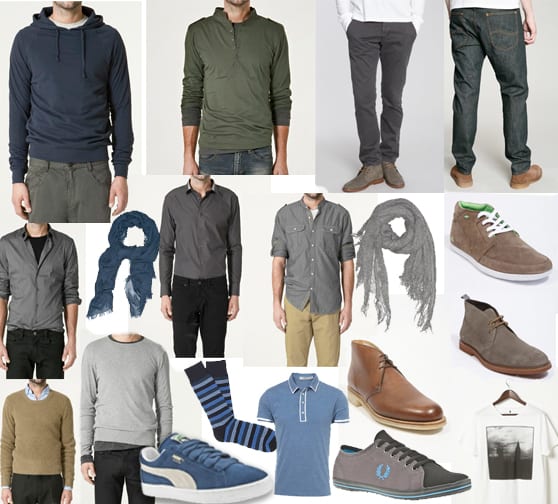
Achieving a more integrated look doesn’t require a complete overhaul of one’s wardrobe or an extensive shopping spree. Instead, it focuses on thoughtful selections that prioritize fit, versatility, and a slightly more polished aesthetic without sacrificing comfort.
-
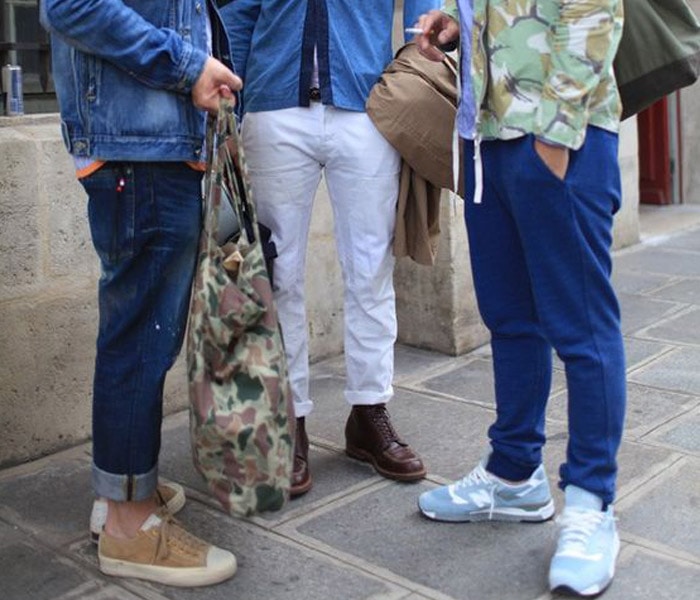
Smart, Comfortable Footwear: As previously noted, comfortable sneakers are indispensable. Brands like Veja, Common Projects, or classic styles from Adidas (e.g., Stan Smiths) and New Balance offer excellent options that are both stylish and suitable for miles of walking. For more formal occasions or evenings, a pair of dark leather loafers or chukka boots can elevate an outfit. The key is to choose shoes that are clean, in good condition, and complement rather than dominate the overall look.
-
Well-Fitting Clothing: European fashion often emphasizes tailoring and fit. Clothes that are neither too baggy nor too tight convey a sense of intentionality. Even a simple combination of jeans and a t-shirt looks significantly more put-together when both items fit properly. Investing in a few well-fitting pieces can make a substantial difference.
-
Neutral Color Palettes: While color is certainly present in European fashion, a base wardrobe of neutral tones (blacks, grays, navy blues, olive greens, and earthy browns) offers immense versatility. These colors are easy to mix and match, conceal minor stains and wrinkles more effectively than brighter hues, and inherently project a more understated elegance. This approach simplifies packing and allows for a cohesive wardrobe with fewer items.
-
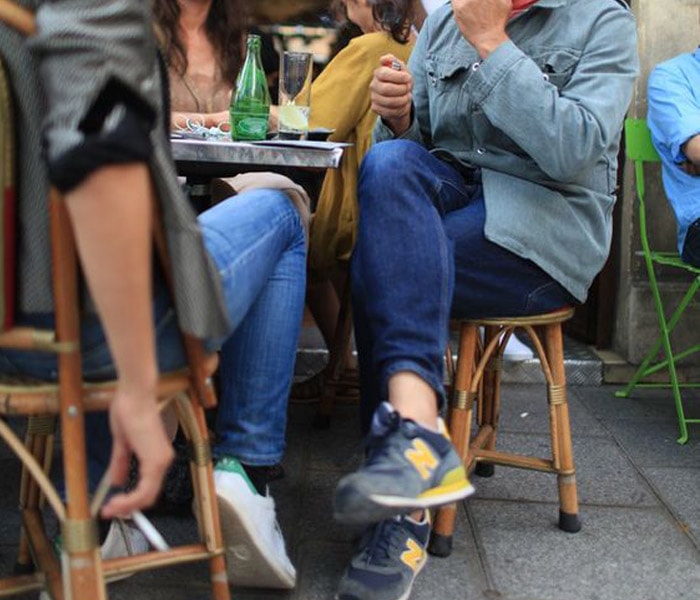
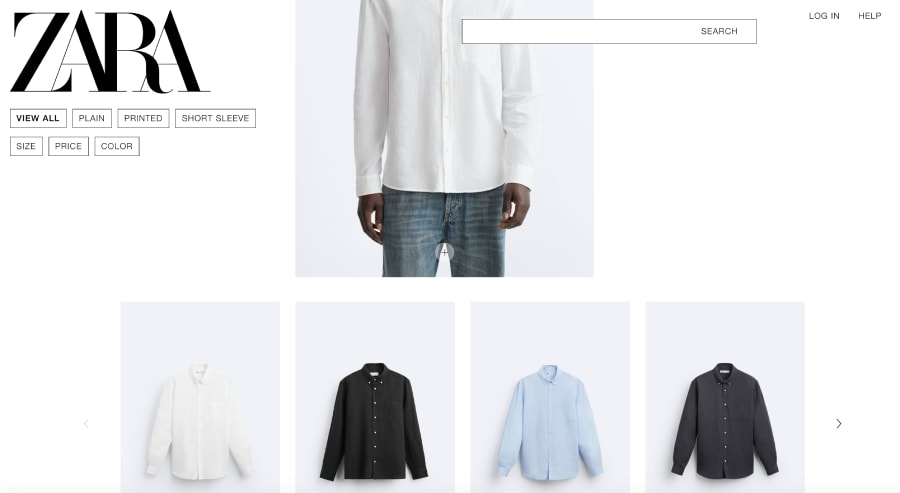
Versatile Button-Up Shirts: A well-chosen button-up shirt can be as comfortable as a t-shirt but offers greater versatility. Linen or lightweight cotton shirts can be worn casually with sleeves rolled up during the day, or dressed up for evening outings. They provide a quick and easy way to elevate an outfit beyond a basic tee.
-
Layering for Adaptability: European weather can be unpredictable, making layering a practical and stylish strategy. A lightweight jacket (denim, chore coat, or a minimalist bomber) over a t-shirt or button-up not only adds warmth but also introduces texture and depth to an outfit. Sweaters or cardigans in neutral tones are also excellent layering pieces for cooler weather. This approach allows travelers to adapt to changing temperatures throughout the day without needing to carry excessive outerwear.
-
Thoughtful Accessories: While baseball caps with team logos are generally advised against, a simple, unbranded cap can offer sun protection. A classic watch can serve as both a functional timepiece and a subtle accessory, and many Europeans use 24-hour time, which can be a useful feature for train schedules and appointments. Avoiding overtly branded backpacks or camera bags in favor of more discreet, anti-theft designs can further contribute to blending in and deterring potential criminals.
Daytime vs. Nighttime Attire: A Practical Approach
The approach to dressing should ideally differentiate between daytime sightseeing and evening activities.
-
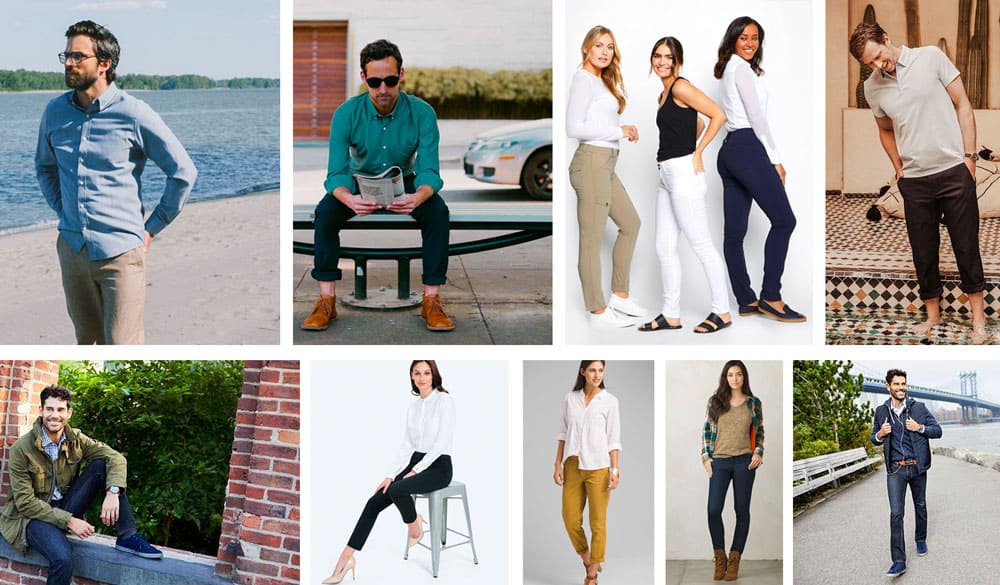
Daytime and Sightseeing: Comfort and practicality are paramount. Travelers will walk miles, navigate public transport, and spend hours exploring historical sites. The focus should be on breathable, comfortable fabrics and sturdy, supportive shoes. The aim is to be "put together enough" that one doesn’t stand out for being underdressed or conspicuously American, but not to overdress to the point of discomfort or appearing out of place. Dark jeans or chinos paired with a quality t-shirt or a casual button-up, and stylish sneakers, form a reliable base.
-
Nighttime Clothing: For evening meals, cultural events, or simply enjoying a drink at a local bar, a slightly elevated effort is appropriate. This doesn’t necessitate formal wear for most establishments. A clean, well-fitted button-up shirt, dark jeans or tailored trousers, and minimalist leather sneakers or dressier shoes will suffice for 99% of European venues. The idea is to appear polished and respectful of the evening ambiance, which often involves a slightly more refined dress code than daytime casual. Overdressing can sometimes be as conspicuous as underdressing, particularly if it signals an individual as a wealthy or naive tourist.
Beyond Fashion: Broader Implications for the Traveler
The decision to adapt one’s wardrobe in Europe extends beyond mere aesthetics. It touches upon several key aspects of the travel experience:
- Enhanced Personal Safety: As noted by travel safety experts, individuals who conspicuously stand out as tourists can be perceived as easier targets for petty theft and scams. Blending in, even superficially, can offer a small but significant layer of protection by making one less visible to opportunistic criminals.
- Cultural Respect and Immersion: Making an effort to align with local sartorial norms can be seen as a sign of respect for the host culture. It also allows for a more immersive experience, as locals may be more inclined to engage with someone who appears to be part of the local fabric rather than an obvious outsider.
- Improved Travel Experience: The psychological benefit of feeling less like an outsider can lead to greater confidence and enjoyment. Navigating daily life, from ordering coffee to riding public transport, feels more natural when one doesn’t constantly feel observed or identified by their attire.
- Practicality and Pack Efficiency: A wardrobe built around versatile, well-fitting, and neutral pieces naturally leads to more efficient packing. Fewer items are needed, reducing luggage weight and simplifying daily outfit decisions. The emergence of high-tech travel clothing, designed to be wrinkle-resistant, quick-drying, and odor-resistant, further supports this trend, allowing travelers to pack light without compromising on style or functionality.
In conclusion, while there is no singular "European style" to emulate, thoughtful consideration of local fashion sensibilities can significantly enhance the American traveler’s experience. By prioritizing well-fitted clothing, versatile neutral colors, appropriate footwear, and strategic layering, visitors can achieve a comfortable yet sophisticated look that fosters greater cultural immersion and contributes to a safer, more enjoyable journey across Europe. The objective is not to erase one’s identity but to navigate foreign environments with a respectful and informed approach to personal presentation.