Three Million Hikers Challenge the Appalachian Trail: Urgent Call for Stewardship Amidst Surging Popularity


The Appalachian Trail (A.T.), a monumental 2,190-mile footpath traversing 14 states from Georgia to Maine, serves as a revered wilderness experience for millions. Each year, an estimated three million individuals embark upon sections of this historic pathway, leaving their footprints – and increasingly, their waste – along its rugged terrain. This dramatic surge in popularity, particularly exacerbated during the recent global pandemic, has brought unprecedented challenges to the trail’s delicate ecosystem and infrastructure, prompting an urgent call for enhanced stewardship and adherence to established outdoor ethics.
For nearly a century, the A.T. has been a profound source of inspiration, drawing adventurers with its promise of pristine forests, wild landscapes, personal fulfillment, camaraderie, and solitude. However, the escalating visitor numbers have begun to compromise the very essence of this wilderness experience. Reports from long-time trail users, guides, and conservation organizations indicate a concerning rise in litter, degradation of natural habitats, and the deterioration of essential trail facilities like huts and shelters. This erosion of natural beauty and functional integrity directly contradicts the ideals for which the A.T. was established and meticulously maintained.
A Legacy Under Strain: The Appalachian Trail’s Enduring Appeal

Conceived in 1921 by forester Benton MacKaye, the Appalachian Trail was envisioned as a "project in regional planning" – a continuous wilderness path connecting major population centers along the Appalachian Mountains. It was completed in 1937, largely through the efforts of private citizens and volunteer organizations, and later designated as one of the nation’s first National Scenic Trails under the National Trails System Act of 1968. This designation underscored its significance as a national treasure, offering unparalleled opportunities for recreation, education, and conservation.
The trail’s diverse ecosystems support a rich array of wildlife, from black bears and deer to countless bird species and unique plant life. Its historical shelters, often built by early trail maintainers, provide vital rest points for thru-hikers and section hikers alike. The A.T. is not merely a path; it is a complex, living landscape that relies on a delicate balance between human access and ecological preservation.
The Pandemic’s Echo: Unprecedented Usage and Its Environmental Cost
The global pandemic, with its restrictions on indoor activities and a renewed societal emphasis on outdoor recreation, channeled an unprecedented volume of visitors onto trails across the nation, and the Appalachian Trail was no exception. What began as a welcome embrace of nature quickly spiraled into a critical environmental issue. The sheer number of people, many of whom were new to backcountry hiking, resulted in a significant increase in improper waste disposal, trail widening, and damage to campsites.
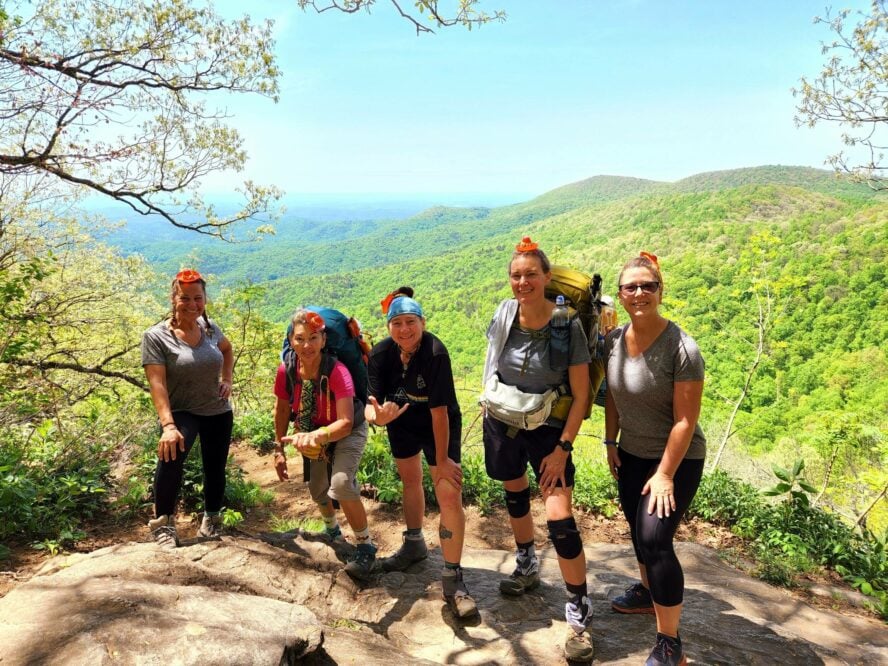
Michelle Michaud, a seasoned Appalachian Trail guide and owner of Wandering Boots Adventure Tours, who has completed three thru-hikes over 25 years, notes the dramatic shift. "I’ve never experienced anything like the onslaught of hikers as the pandemic rolled on," Michaud states. "Suddenly we’ve got abandoned coolers, tents, cans and bottles, and a worn path double the size it was a few years ago." Such impacts necessitate trail closures, allowing damaged areas to heal, as exemplified by the two-year camping closure at Max Patch in North Carolina, a once-beloved destination that succumbed to excessive litter and overuse. These closures, while essential for recovery, restrict public access and highlight the tangible consequences of inadequate stewardship.
A Community-Driven Conservation Imperative
The maintenance and preservation of the A.T. have always been a collaborative effort. From its inception, the trail has been built and sustained by a unique partnership involving volunteer clubs, non-profit organizations like the Appalachian Trail Conservancy (ATC), and federal agencies such as the National Park Service (NPS) and the United States Forest Service (USFS). This "for the people, by the people" model is critical, but it faces immense pressure from the current usage levels.
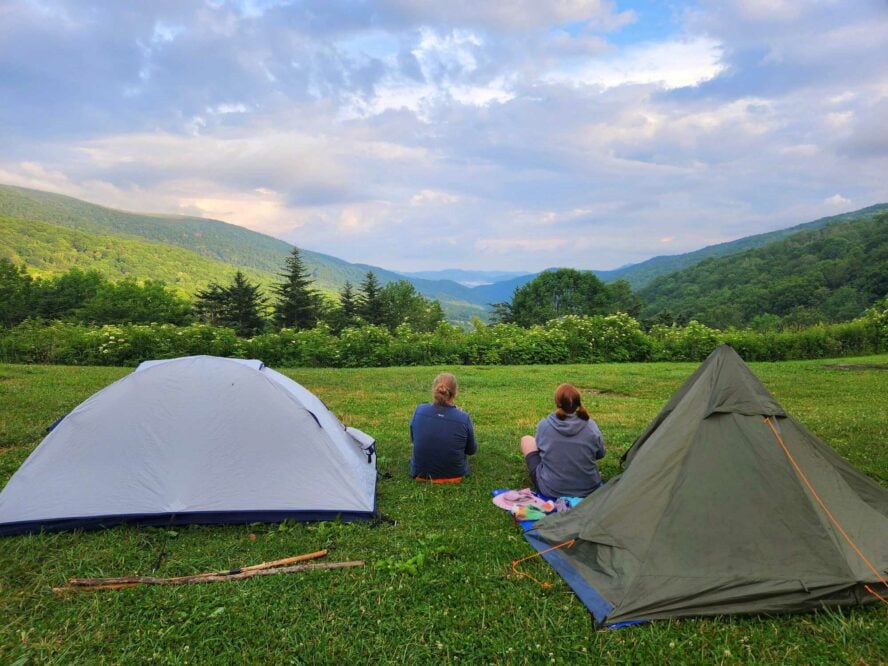
The Appalachian Trail Conservancy, the lead organization in charge of managing the A.T., consistently advocates for the Leave No Trace (LNT) principles as the cornerstone of responsible outdoor recreation. These seven principles provide a universal framework for minimizing human impact on natural environments:
- Plan Ahead and Prepare
- Travel and Camp on Durable Surfaces
- Dispose of Waste Properly
- Leave What You Find
- Minimize Campfire Impacts (though less emphasized in the original context, it’s a core LNT principle)
- Respect Wildlife
- Be Considerate of Other Visitors
Adherence to these guidelines is no longer optional; it is imperative for the long-term health and accessibility of the A.T.
Implementing Responsible Trail Etiquette: Practical Guidelines
Plan Ahead and Prepare
Effective preparation is the first line of defense against negative environmental impact and ensures a safer, more enjoyable hike. This involves thorough research on trail conditions, weather forecasts, route planning (including shelters, water sources, and resupply points), and understanding one’s own physical limitations. Hikers should consult resources like the Far Out app for offline navigation and crowd-sourced updates, alongside physical guidebooks such as The A.T. Guide. Carrying adequate emergency funds is also crucial.
"Being prepared makes way for a more relaxed journey ahead," advises Michaud. This includes selecting appropriate lightweight gear, having a comprehensive food plan, and undertaking physical training. Awareness of personal limits is vital; older hikers, for instance, should moderate their pace and carry necessary medications, as the A.T. is an endurance challenge, not a race.
Travel and Camp on Durable Surfaces
To prevent trail erosion and habitat damage, hikers must remain on marked trails and utilize designated campsites. Shortcuts, especially on switchbacks, widen paths and compact soil, harming vegetation and increasing erosion. When camping, existing sites should be prioritized over creating new ones. Dispersed camping, where permitted, should still adhere to a 200-foot distance from water sources and trails.

Dispose of Waste Properly
This principle, often summarized as "Pack It In, Pack It Out," is fundamental. All trash, including food scraps, wrappers, and hygiene products (like wet wipes and tampons), must be carried out. Burning trash is ineffective and often leaves harmful residues. Food storage is equally important; leftovers and packaging attract wildlife, leading to human-wildlife conflicts. Hikers should use bear canisters or food lockers where available, or hang food properly in bear bags.
Human waste requires careful management. While many shelters offer privies, hikers must be prepared to dig a "cathole" at least 200 feet from water sources, campsites, and trails, ensuring it is 6-8 inches deep and covered thoroughly. WAG bags offer an even more responsible solution for packing out human waste, particularly in sensitive areas. Pet waste must also be collected and packed out, and dogs should always be leashed to prevent disturbance to wildlife and other hikers.
Leave What You Find
The natural beauty of the A.T. is its primary draw. This principle dictates that hikers should leave natural objects undisturbed. Carving into trees, picking wildflowers, or removing rocks are acts of vandalism that degrade the experience for others and harm the ecosystem. Historic artifacts and natural features should be observed and left in place for future generations.
Respect Wildlife
Hikers are guests in the animals’ home. Maintaining a safe distance from all wildlife is paramount. Feeding animals, even seemingly harmless birds or squirrels, can alter their natural behaviors, make them dependent on human food, and lead to aggressive encounters. Flash photography can stress nocturnal animals. Proper food storage is essential to prevent attracting larger animals like bears or smaller pests like mice, which can damage gear and transmit diseases. In the rare event of a dangerous encounter, such as a snake bite, immediate emergency services (911) should be contacted. Hikers with severe allergies should carry an EpiPen.
Be Considerate of Other Visitors
Shared spaces and the desire for tranquility are central to the A.T. experience. Hikers should minimize noise, avoiding loud music (using earbuds with one ear open for safety is recommended), and refrain from disruptive activities in shelters, particularly during early morning or late evening hours. Privacy is also a key aspect; obtaining explicit permission before filming or photographing other individuals ensures their comfort and respect. Offering non-condescending advice to less experienced hikers, such as those with unsuitable gear, fosters a supportive trail community.

Broader Implications and Future Stewardship
The implications of widespread trail degradation extend beyond mere aesthetics. Environmentally, habitat fragmentation, soil compaction, and water contamination threaten biodiversity and ecosystem health. Socially, the diminished quality of the trail experience can lead to conflict among users and a loss of the communal spirit often associated with the A.T. Economically, closures and extensive restoration efforts place a significant financial burden on the organizations and agencies responsible for the trail, potentially diverting resources from other essential conservation programs.
The future of the Appalachian Trail hinges on the collective commitment of its visitors to act as responsible stewards. Redefining "trail magic" to include leaving no trace, volunteering time for trail maintenance, or supporting organizations like the Appalachian Trail Conservancy are tangible ways to contribute. As Michaud aptly puts it, hikers are "just a guest" in this wilderness. Being a courteous guest means going above and beyond expectations: not littering, not disturbing the peace, and actively contributing to the preservation of this irreplaceable national treasure.
For those contemplating the challenge of thru-hiking, starting with shorter, guided section hikes can provide invaluable experience and instill the critical principles of sustainable outdoor recreation, ensuring that the A.T. remains a source of inspiration and natural wonder for centuries to come.