The global travel industry has witnessed a seismic shift in consumer behavior over the last decade, characterized by a significant surge in solo expeditions. However, the romanticized narrative of the independent traveler—often depicted in social media as a seamless journey of self-discovery—frequently omits the psychological and logistical hurdles that can lead to a profound sense of dissatisfaction. For many, the initial foray into solo travel is not met with a sense of liberation, but rather with feelings of isolation, decision fatigue, and disappointment. Industry analysts and travel psychologists suggest that "hating" solo travel is a common, yet often temporary, phase that can be rectified through strategic adjustments and a deeper understanding of the root causes of traveler distress.
The Rise and Reality of the Solo Travel Sector
Data from the 2023 Solo Travel Report indicates that approximately 25% of travelers across all age demographics are considering or have already booked a solo trip. This trend is driven by a desire for total autonomy, the difficulty of aligning schedules with peers, and a post-pandemic "carpe diem" mentality. Despite this growth, the "solo travel blues" remain a documented phenomenon. Psychological studies on tourist behavior highlight that the absence of a shared social reality can intensify negative experiences. When a destination fails to meet expectations or a logistical hurdle arises, the lack of a companion to "buffer" the stress can lead to a rapid decline in morale.
Experts categorize the dissatisfaction into two primary areas: external factors, such as the destination or accommodation, and internal factors, such as social anxiety or the burden of constant decision-making. Recognizing the difference is the first step in salvaging a trip that feels like a failure.
Chronology of a Solo Travel Crisis: From Departure to Disillusionment
The trajectory of a negative solo travel experience often follows a predictable timeline. Understanding this chronology allows travelers to anticipate and mitigate low points.

- The Anticipation Phase: Prior to departure, the traveler experiences high dopamine levels fueled by planning and idealized expectations.
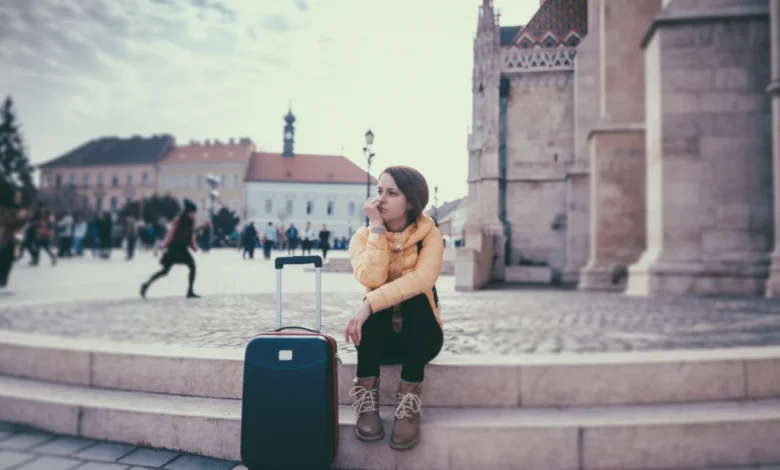
- The Arrival Shock (Hours 1–24): Upon reaching the destination, the reality of navigating a foreign environment alone sets in. This is when "Paris Syndrome"—a state of disappointment when a destination does not live up to its reputation—most frequently occurs.
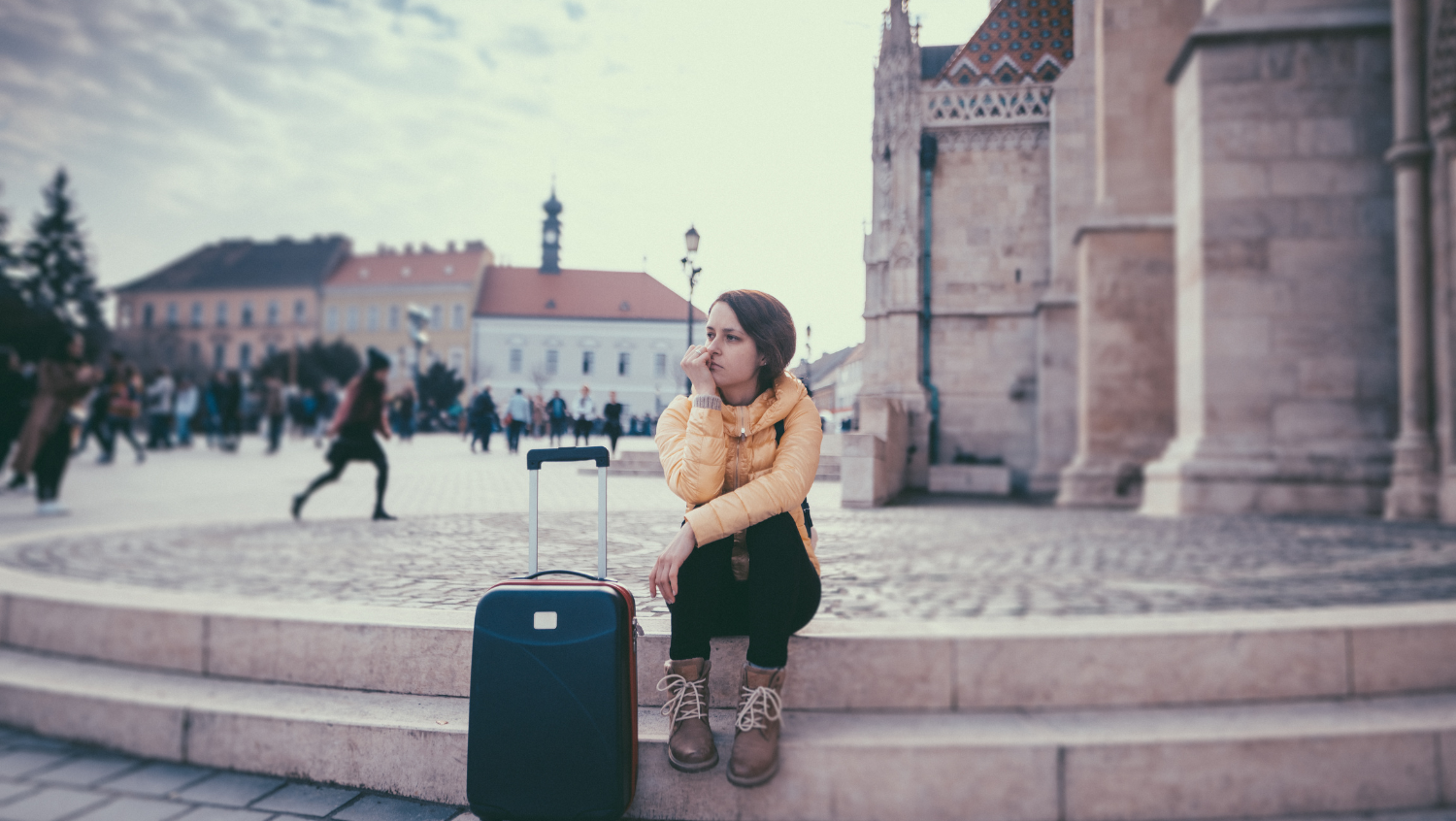
- The "Third-Day Blues" (Days 3–4): This is statistically the lowest point for many solo travelers. The novelty of the new environment has worn off, and the lack of meaningful conversation begins to weigh heavily.
- The Decision Point: At this stage, the traveler either leans into the discomfort and adapts or begins to contemplate cutting the trip short.
Analyzing the Root Causes of Solo Travel Dissatisfaction
To turn a negative experience around, one must conduct a fact-based analysis of what is causing the friction. Journalistic investigations into traveler sentiment reveal that "hating" solo travel is rarely about the solitude itself, but rather about how that solitude interacts with specific stressors.
Destination Mismatch
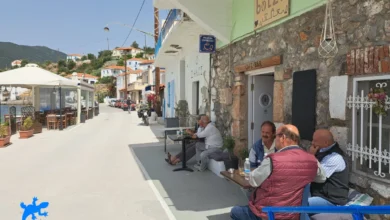
Not every location is conducive to solo exploration. High-density, romance-centric destinations (such as certain islands in Greece or the Maldives) can exacerbate feelings of loneliness. Conversely, ultra-modern cities with high levels of social atomization can feel cold and uninviting. If the destination is the problem, travel advisors suggest a "pivot" strategy: moving to a neighboring town or a city known for its social infrastructure, such as those with a high density of hostels or "digital nomad" hubs.
Decision Fatigue and Mental Load
A solo traveler is the CEO, navigator, translator, and security officer of their own trip. The mental load of managing every meal, transport link, and safety check can lead to burnout. According to data from travel management platforms, solo travelers who do not pre-plan at least 40% of their itinerary are 30% more likely to report high stress levels during their journey.
Strategic Remediation: Expert-Backed Solutions
When a trip begins to feel unbearable, there are several evidence-based interventions that can shift the narrative.
1. The Integration of "Micro-Group" Activities
The travel industry has responded to the solo travel boom by creating "bridge" experiences. Day tours, cooking classes, and walking tours allow for social interaction without the commitment of a full group tour. Data from GetYourGuide suggests that solo travelers who book at least one social activity every three days report a 50% higher satisfaction rate than those who remain entirely isolated.
2. Leveraging the "Poshtel" and Co-living Trend
The traditional hostel model has evolved into the "poshtel"—premium hostels that offer private rooms alongside vibrant communal spaces. This hybrid model addresses the need for privacy while providing a low-pressure environment for social interaction. For older demographics, co-living spaces offer a similar benefit, providing a built-in community of professionals.
3. The "Slow Travel" Adjustment
Many solo travelers make the mistake of over-scheduling to avoid being alone with their thoughts. This often leads to exhaustion. Slowing down—staying in one neighborhood for a week rather than three cities in six days—allows the traveler to build a "temporary routine," which psychologists say provides a sense of security and belonging.
Market Response and Economic Implications
The dissatisfaction of solo travelers is not just a personal issue; it has significant economic implications for the global tourism market. Historically, the "single supplement"—a premium charged to solo travelers for hotel rooms and cruise cabins—has been a major deterrent and source of resentment.
In response to feedback and market demand, several major cruise lines, including Norwegian Cruise Line and Royal Caribbean, have begun doubling their inventory of solo-occupancy cabins. Furthermore, luxury hotel brands are increasingly offering "solo-friendly" packages that include communal dining tables and waived supplements. The industry’s shift toward accommodating the solo demographic suggests that the "hate" phase of solo travel is being recognized as a hurdle that can be overcome with better infrastructure and inclusivity.
Broader Impact: The Psychological Benefits of Persistence
While the immediate goal is to salvage a specific trip, the long-term implications of overcoming a difficult solo journey are profound. Behavioral scientists note that "resilience-building" is a primary byproduct of solo travel. Navigating a crisis alone—be it a lost passport or a bout of loneliness—contributes to an increased sense of self-efficacy.
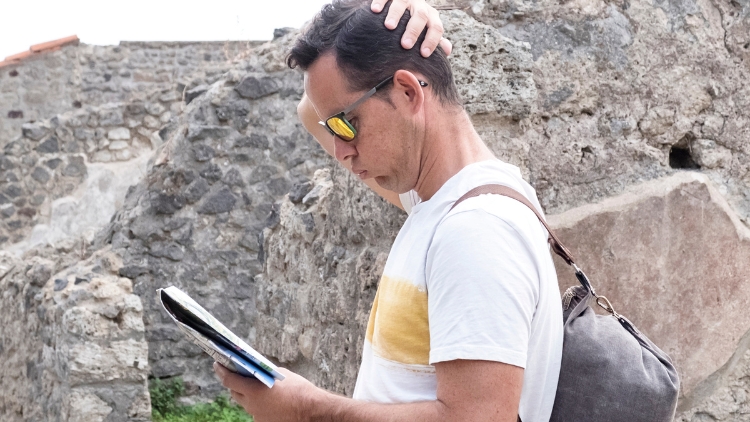
Statements from travel psychologists emphasize that the discomfort of solo travel is often a form of "productive friction." It forces an individual to confront their own company, leading to improved emotional regulation. Therefore, turning a trip around is not just about finding a better hotel or a more social cafe; it is about the internal transition from being a "tourist" who consumes experiences to a "traveler" who manages them.
Final Analysis of Implications
The phenomenon of hating solo travel is a natural byproduct of the gap between marketing and reality. As the "loneliness epidemic" continues to be a point of global concern, the ability to travel alone and enjoy it is increasingly seen as a vital life skill. However, the burden should not rest solely on the traveler.
The future of the travel industry likely lies in "curated independence"—providing the tools for solitude without the cost of isolation. For the individual currently sitting in a hotel room wondering why they ever left home, the data suggests that the feeling is both common and temporary. By identifying whether the issue is the place, the pace, or the lack of people, a traveler can transform a failed vacation into a successful expedition.
The chronology of travel shows that the most difficult days are often followed by the most rewarding breakthroughs. As the global travel landscape continues to evolve, the focus is shifting from where we go to how we experience it—and for the solo traveler, the ability to turn things around is the ultimate souvenir.