18 Unusual Things to Do in St. Maarten and St. Martin Beyond the Beaches

The Caribbean island of St. Maarten and St. Martin represents one of the most unique geopolitical anomalies in the world, serving as the smallest landmass shared by two sovereign nations. Divided between the Dutch territory of Sint Maarten in the south and the French Overseas Collectivity of Saint-Martin in the north, the island offers a dual-cultural experience that attracts millions of visitors annually. While the destination is globally renowned for its white-sand shorelines and turquoise waters, a deeper exploration reveals a wealth of unconventional activities ranging from professional-grade yacht racing to secluded volcanic hiking trails.

With a total land area of approximately 37 square miles and a resident population of roughly 80,000, the island’s infrastructure is heavily geared toward the tourism sector. Statistical data indicates that the island welcomes an estimated 3.7 million travelers per year, a figure that includes both stay-over tourists and cruise ship excursionists. This high volume of traffic often centers on the major ports of Philipsburg and the beaches of the west coast, yet the interior and northern coastlines offer a different perspective on Caribbean life, characterized by rugged natural beauty and historical depth.
A Legacy of Shared Governance and Resilience
The history of the island’s division dates back to the Treaty of Concordia in 1648, which established the peaceful coexistence of French and Dutch settlers. This 376-year-old agreement remains one of the oldest active treaties in existence, allowing for the free movement of people and goods across an invisible border. Despite this unity, the two sides have developed distinct identities: the Dutch side is known for its vibrant nightlife, duty-free shopping, and bustling cruise terminal, while the French side emphasizes high-end gastronomy, boutique hospitality, and a more relaxed, European atmosphere.

The island’s resilience has been tested frequently by natural disasters, most notably Hurricane Luis in 1995 and the catastrophic Hurricane Irma in 2017. The latter caused damage to an estimated 90% of the island’s structures. The subsequent years have been defined by a massive reconstruction effort, leading to modernized infrastructure and a renewed focus on sustainable tourism. This recovery has enabled the return of "off-the-beaten-path" experiences that allow visitors to engage with the island’s ecology and history beyond the resort perimeters.

High-Stakes Maritime Adventure: The America’s Cup Challenge
One of the most technically demanding activities available to visitors is the 12-Metre Challenge. This experience provides a rare opportunity for civilians to board and operate genuine America’s Cup racing yachts, including the Stars & Stripes, the vessel that famously won the cup back for the United States in 1987.
Participants are assigned specific crew roles—such as grinders or trimmers—and engage in a regulated regatta against other historical racing boats. This activity goes beyond standard leisure sailing, requiring synchronized teamwork and offering insight into the physics of competitive maritime racing. Experts note that the waters surrounding Philipsburg provide ideal wind conditions for these deep-keel vessels, often resulting in high-speed maneuvers that simulate the intensity of professional international competitions.
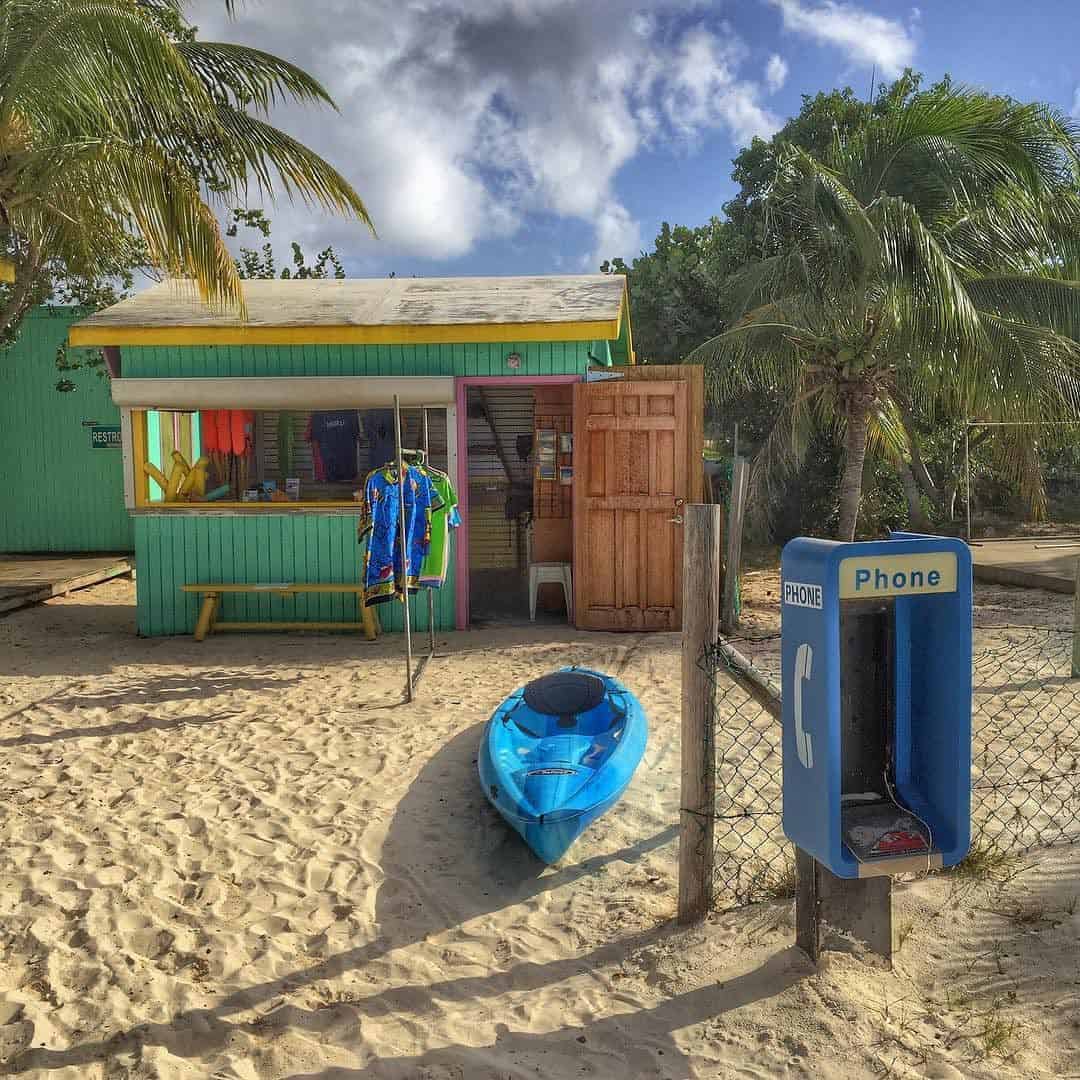
Ecological Exploration and Active Tourism
For those seeking to distance themselves from the commercial centers, the island’s topography offers diverse hiking and kayaking opportunities.
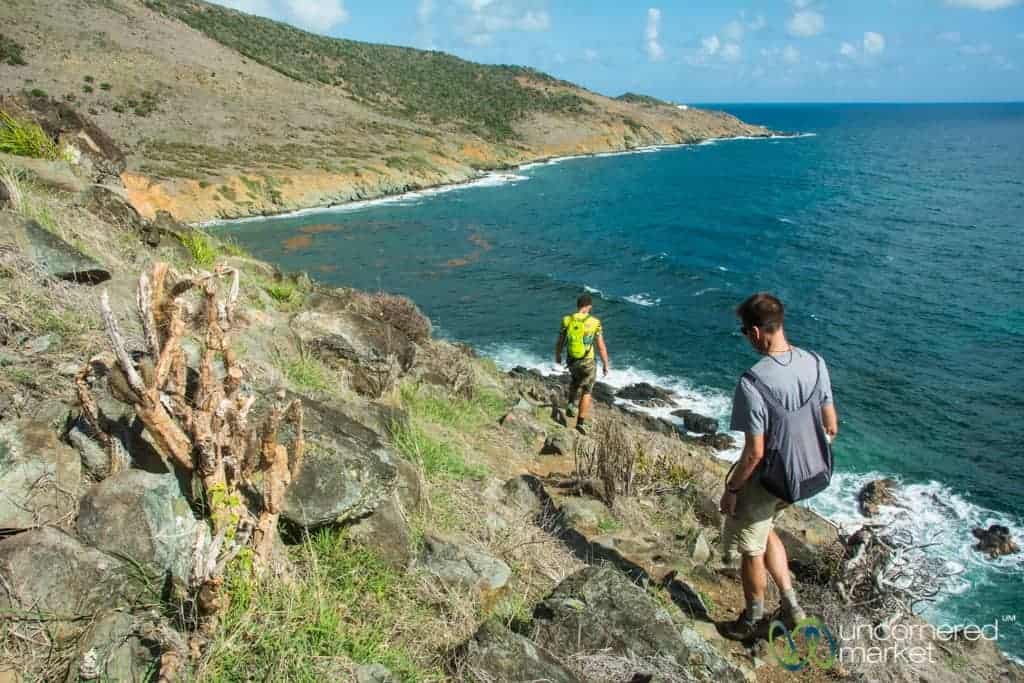
The Sentier des Froussards Trail
Located on the northern tip of the French side, the Sentier des Froussards is the island’s last remaining large-scale coastal forest. The 3-mile trek from Anse Marcel to Cul-de-Sac traverses a windswept landscape of cacti, volcanic rock, and dry forest. This area is managed as part of the Réserve Naturelle de Saint-Martin, a protected zone that ensures the preservation of local flora and fauna. The trail provides access to secluded beaches like Petites Cayes, which remain largely untouched by development.

Guana Bay to Pointe Blanche
On the Dutch side, the southeastern coastline offers a rugged contrast to the calm western beaches. The hike from Guana Bay to Pointe Blanche follows a cliffside path overlooking the Atlantic Ocean. This route is characterized by its exposure to the elements and provides views of neighboring St. Barts. The area is also a notable site for birdwatching and observing the island’s feral goat populations, which roam the rocky outcrops.

Mangrove Conservation in Simpson Bay Lagoon
Simpson Bay Lagoon is one of the largest inland lagoons in the West Indies. While it serves as a primary hub for "mega-yachts"—vessels often exceeding 200 feet in length—it also contains vital mangrove ecosystems. Guided kayak tours through these mangroves allow visitors to observe the nursery grounds for the island’s marine life, including various species of juvenile fish, jellyfish, and sea cucumbers. Environmentalists emphasize that these mangroves are crucial for coastal protection and water filtration, especially in the wake of increased maritime traffic.

Aviation Tourism: The Maho Bay Phenomenon
St. Maarten is home to one of the most famous aviation spectating spots in the world. Maho Bay beach is situated immediately adjacent to the threshold of Runway 10 at Princess Juliana International Airport (SXM). Due to the short runway length, large commercial aircraft—including Boeing 747s in previous years and Airbus A330s today—must maintain a low altitude during their final approach, passing directly over the heads of beachgoers.

While this has become a primary tourist attraction, local authorities and aviation experts maintain strict safety warnings regarding "jet blast." The force from departing aircraft engines can reach speeds sufficient to cause physical injury or propel sand and debris at high velocities. Despite these risks, the site remains a global bucket-list destination for aviation enthusiasts, with local establishments providing real-time flight schedules for spectators.
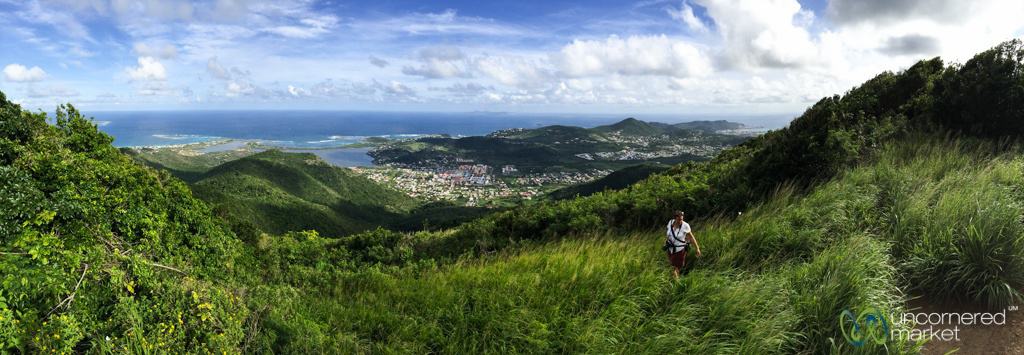
Regional Connectivity: Day Trips to Anguilla and Saba
The island’s central location in the Leeward Islands makes it a strategic base for regional exploration.

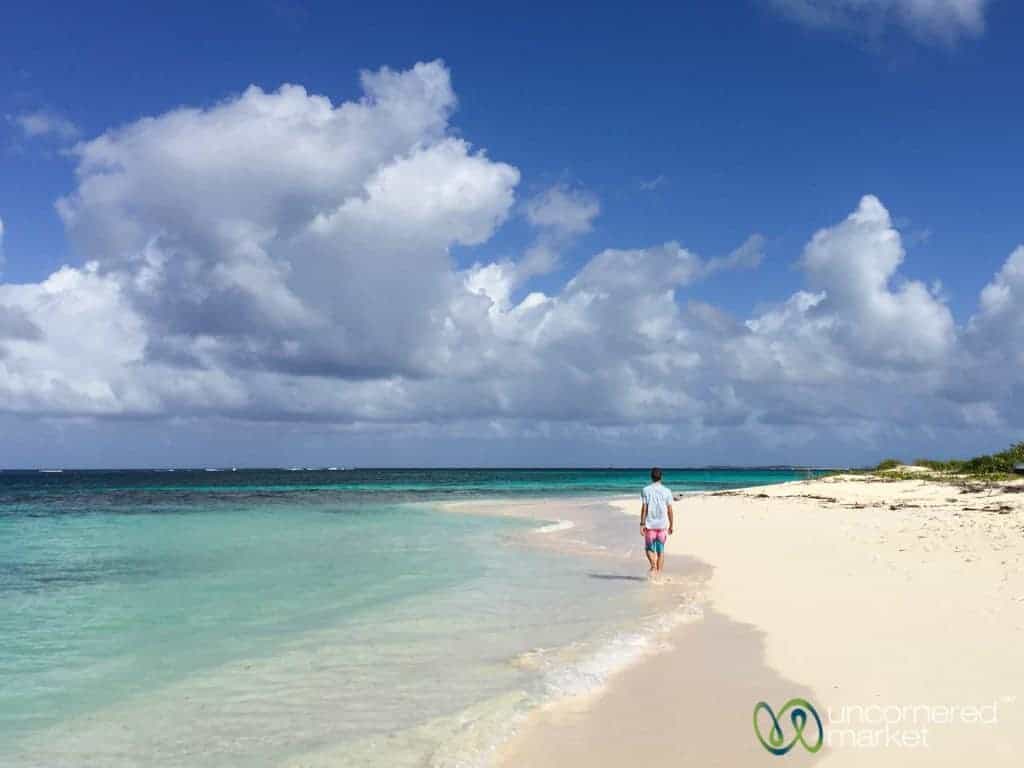
- Anguilla: A 20-minute speedboat ride from the Dutch side leads to the British Overseas Territory of Anguilla. Known for its low-lying limestone terrain and coral sand, Anguilla’s Shoal Bay is frequently ranked among the top beaches globally. This trip involves international customs clearance, highlighting the complex political geography of the Caribbean.
- Saba: Known as the "Unspoiled Queen," Saba is a dormant volcano rising abruptly from the sea. Located 28 miles south of St. Maarten, it offers some of the most advanced scuba diving in the Caribbean within the Saba Marine Park. The island lacks traditional beaches, focusing instead on vertical hiking trails and high-altitude rainforests, providing a stark environmental contrast to the sandy plains of St. Martin.
Cultural and Gastronomic Identity
The culinary scene on the island is a reflection of its colonial history and modern diversity. Grand Case, a small fishing village on the French side, is widely regarded as the "Gastronomy Capital of the Caribbean." The village features a dense concentration of high-end French restaurants and traditional "lolos"—open-air local grills.
Traditional Fare and Local Industry
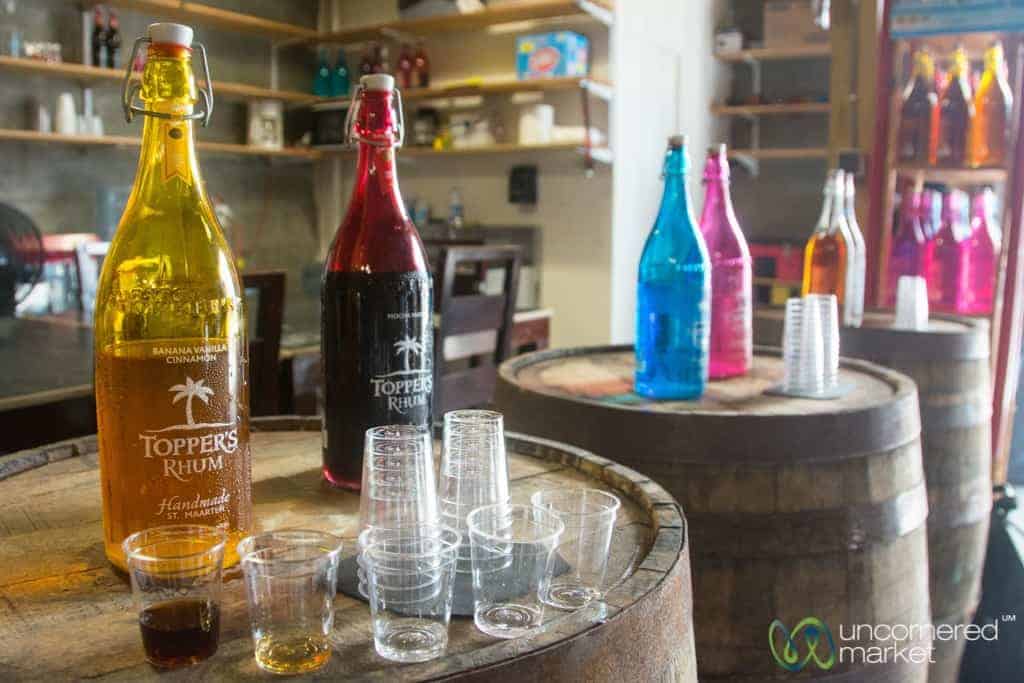
The "Johnny Cake," a deep-fried cornmeal flatbread, remains a staple of the island’s diet, with historical roots in the "journey cakes" carried by workers. In terms of local industry, the production of flavored rums has seen a resurgence. Topper’s Rhum, a locally operated distillery, has gained international recognition for its artisanal approach, utilizing natural ingredients and offering tours that detail the fermentation and bottling process. This represents a shift toward diversifying the island’s economic output beyond pure service-based tourism.

Historical Preservation: Fort Amsterdam
The ruins of Fort Amsterdam, situated on a peninsula between Great Bay and Little Bay, serve as a monument to the island’s strategic importance in the 17th century. Built by the Dutch in 1631, it was the first Dutch military outpost in the Caribbean. The site was later captured by the Spanish and defended against a famous 1644 attack led by Peter Stuyvesant, who lost his leg during the battle before later becoming the Director-General of New Netherland (modern-day New York). Today, the site is recognized by BirdLife International as an Important Bird Area (IBA) due to its colony of brown pelicans, the national bird of Sint Maarten.

Infrastructure and Travel Logistics
Travel to the island has evolved significantly in the post-Irma era. Princess Juliana International Airport has undergone extensive renovations to increase its capacity and improve its storm resilience. For internal transit, car rentals are the primary mode of transportation, though the island faces significant challenges with traffic congestion due to its limited road network and high vehicle density.

Economically, the island operates on a multi-currency system. While the Euro is the official currency of the French side and the Netherlands Antillean Florin (NAF) is the official currency of the Dutch side, the U.S. Dollar is universally accepted. This financial flexibility is a key driver of the island’s status as a premier duty-free shopping destination.
Implications for Future Tourism
The shift toward "unusual" and "off-the-beaten-path" activities suggests a maturing tourism market. As travelers increasingly seek authentic and sustainable experiences, the preservation of sites like Pic Paradis—the island’s highest point—and the Sentier des Froussards becomes a matter of both environmental and economic importance.

Industry analysts suggest that the island’s ability to offer two distinct European cultures alongside a rugged Caribbean landscape provides a competitive edge in a crowded regional market. However, the ongoing challenge remains balancing the high-density requirements of the cruise industry with the conservation needs of the island’s fragile ecosystems. The continued success of St. Maarten and St. Martin will likely depend on its ability to market itself not just as a sun-and-sand destination, but as a multifaceted hub of history, adventure, and maritime excellence.