Bhutan, the mystical Himalayan kingdom renowned for its Gross National Happiness philosophy and commitment to environmental preservation, offers a unique trekking experience that blends breathtaking natural beauty with rich cultural immersion. The Druk Path Trek, one of the country’s most popular routes, provides a compelling introduction to the kingdom’s mountainous landscapes, ancient spiritual sites, and the serene allure of high-altitude trekking. This article delves into the intricacies of this remarkable journey, offering a day-by-day account, insights into its difficulty, essential packing advice, and considerations for organizing a trek in this extraordinary nation. Furthermore, it touches upon the burgeoning Trans Bhutan Trail, a newly revitalized ancient route poised to redefine trekking in Bhutan.
The allure of Bhutan for trekkers lies not only in its dramatic Himalayan setting but also in its deliberate policy of low-impact tourism. With a focus on sustainability and cultural preservation, Bhutan ensures that its natural wonders and traditional way of life remain largely undisturbed. This exclusivity, coupled with the country’s commitment to conservation, makes a trek in Bhutan a truly special and exclusive experience, attracting those who seek an authentic connection with nature and culture.
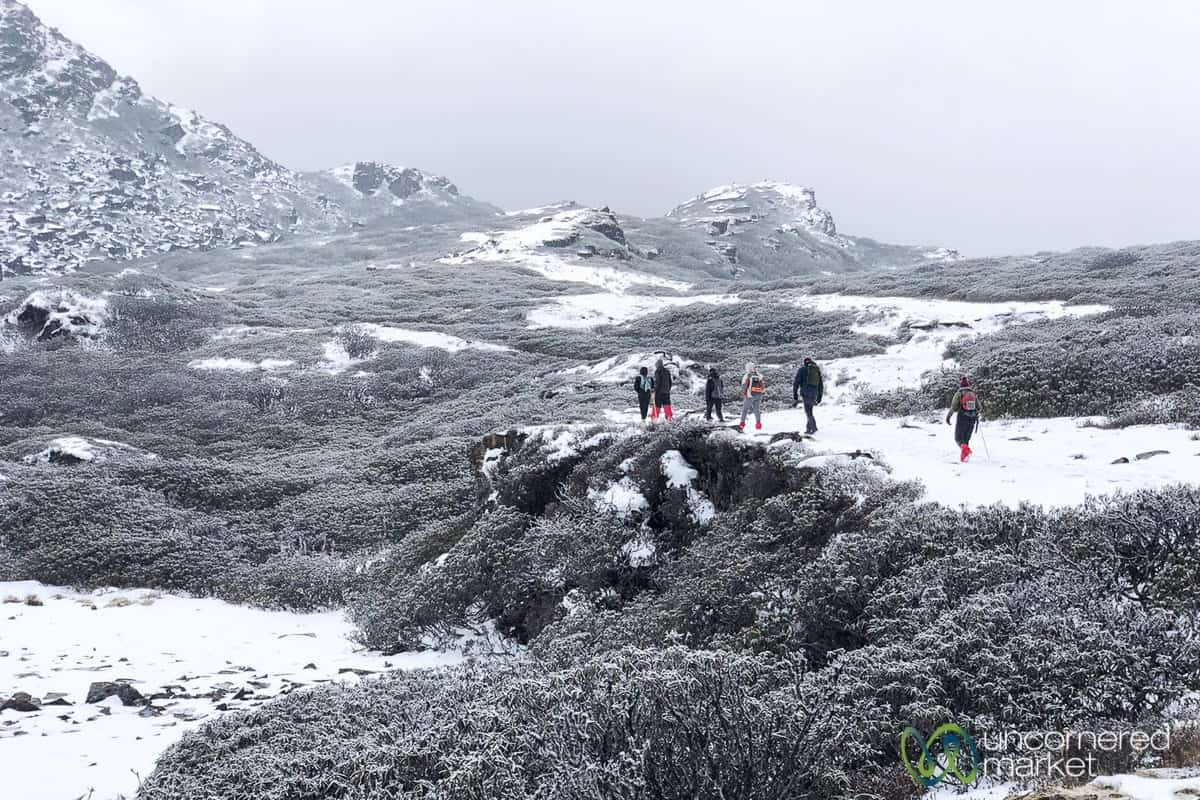
Our journey on the Druk Path Trek, undertaken in the crisp air of late January and early February, offered a unique perspective on this Himalayan trail. While many opt for spring or autumn treks, a winter excursion presents its own set of challenges and rewards, revealing a different facet of Bhutan’s natural splendor. The snow-dusted peaks, the profound stillness, and the crisp, cold air contributed to an experience that was both exhilarating and deeply contemplative.
The Druk Path Trek, translating to "Thunder Dragon Path," spans approximately 36 to 45 kilometers (22 to 28 miles) and winds through fragrant pine forests, vibrant rhododendron thickets, along exposed mountain ridges, and past serene alpine lakes. This ancient mule route, connecting the western districts of Paro and Thimphu, reaches its zenith at Labana Pass, soaring to an altitude of 4,200 meters (13,800 feet). The consistent high altitude of much of the trail and its campsites classifies the Druk Path Trek as a trek of medium difficulty, suitable for those with a reasonable level of fitness and some experience with altitude.

The Trans Bhutan Trail: A Historic Route Reimagined
Bhutan’s commitment to preserving its heritage and promoting sustainable tourism has led to the remarkable restoration and reopening of the Trans Bhutan Trail. This ancient route, stretching over 403 kilometers (250 miles) from Haa in the west to Trashigang in the east, served for centuries as a vital artery for trade, pilgrimage, and communication across the kingdom. Falling into disuse in the 1960s, its restoration began in 2018 and was significantly accelerated during the COVID-19 pandemic, with over 900 workers contributing to its revitalization.
Opening to the public in April 2022 after a 60-year hiatus, the Trans Bhutan Trail offers a profound way to connect with Bhutan’s soul. It is not merely a trekking path but a cultural corridor designed to foster community-based tourism. The trail’s ethos emphasizes connecting with local communities through homestays, sourcing food from local farms, and supporting rural economies. This approach ensures that the benefits of tourism are distributed equitably, empowering the very communities that grace the trail.
Sustainability is a cornerstone of the Trans Bhutan Trail’s vision. Initiatives such as a zero-plastic policy, the provision of refillable water bottles, and the planting of a tree for every international visitor underscore the trail’s dedication to environmental stewardship. G Adventures, a long-standing partner in responsible travel, has been selected as the first group adventure tour operator to offer excursions along the Trans Bhutan Trail, aligning perfectly with the trail’s values of community and ecological consciousness. They currently offer two distinct tours: "Camp the Trans Bhutan Trail" (11 days), which includes camping similar to the Druk Path experience, and "Highlights of the Trans Bhutan Trail" (12 days), which offers a blend of trekking with more emphasis on homestays and guesthouses. Both tours provide an immersive experience of Bhutan’s natural beauty, rich culture, and historical sites.
Bhutan COVID-19 Travel Requirements and Reopening
Bhutan’s proactive approach to public health was evident throughout the COVID-19 pandemic. The nation achieved remarkable success in vaccinating a significant portion of its adult population rapidly, demonstrating a strong commitment to the well-being of its citizens and visitors. As of September 23, 2022, Bhutan reopened its borders to all tourists without quarantine requirements, signaling a return to more accessible travel. Travelers are advised to consult official sources for the latest updates on entry protocols and health advisories.
The Druk Path Trek: A Day-by-Day Exploration
The Druk Path Trek offers a captivating journey through diverse terrains and altitudes. While tour itineraries often detail daily distances and elevation gains, the lived experience of the trail—the changing landscapes, the weather, and the subtle nuances of each day—is best conveyed through a detailed account.
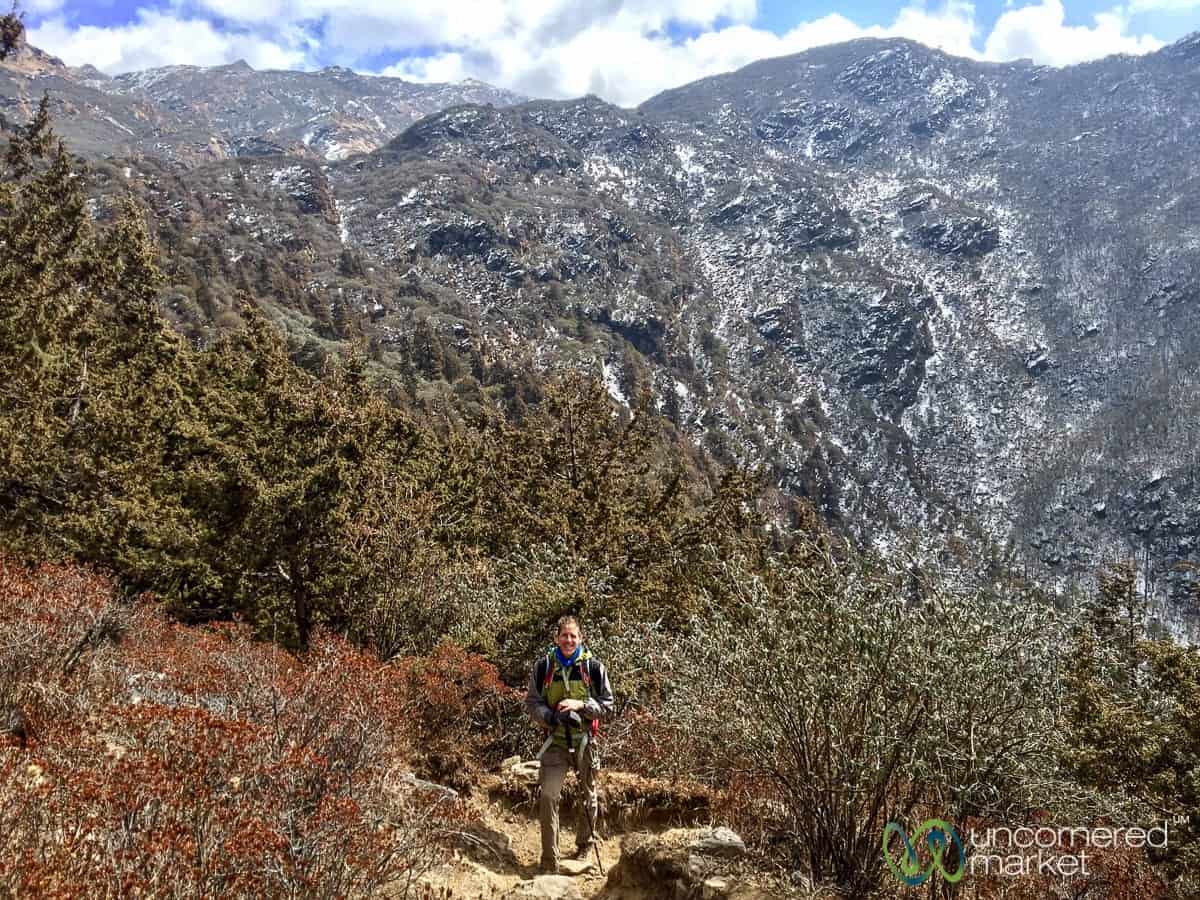
Day 1: Ta Dzong to Jele Dzong Temple to Tshokam
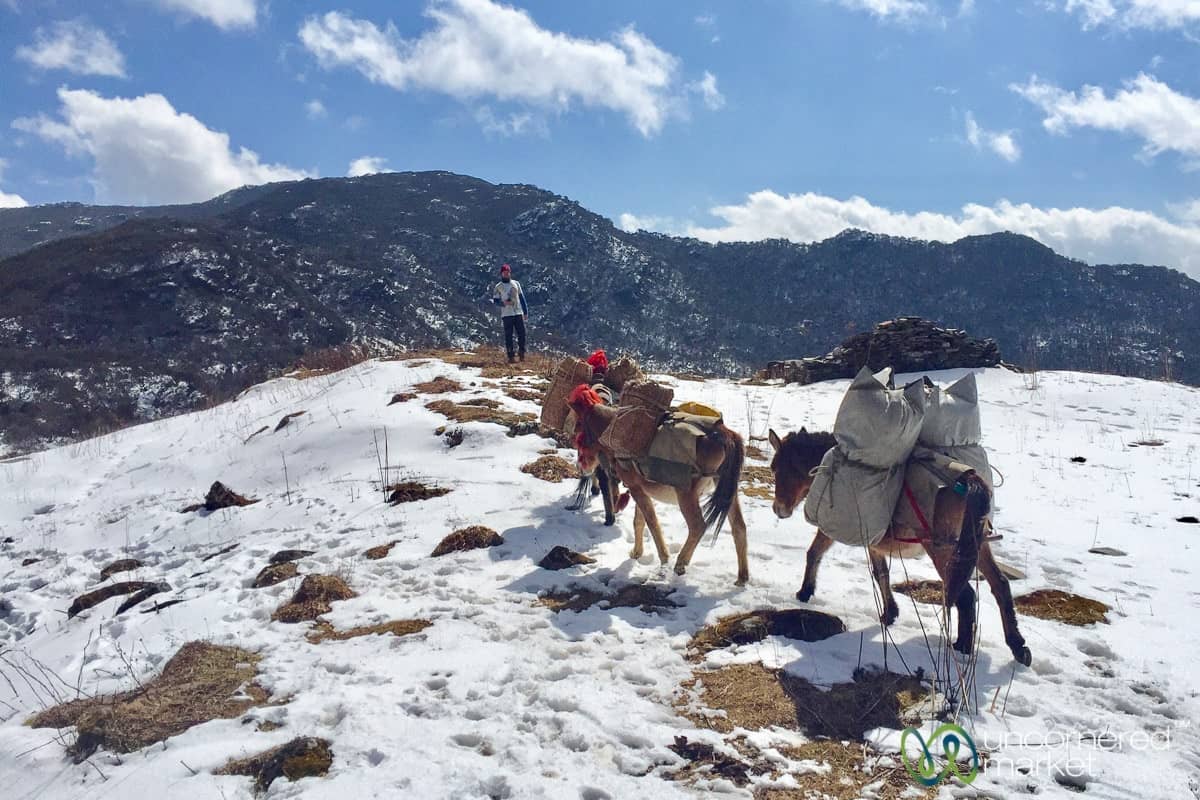
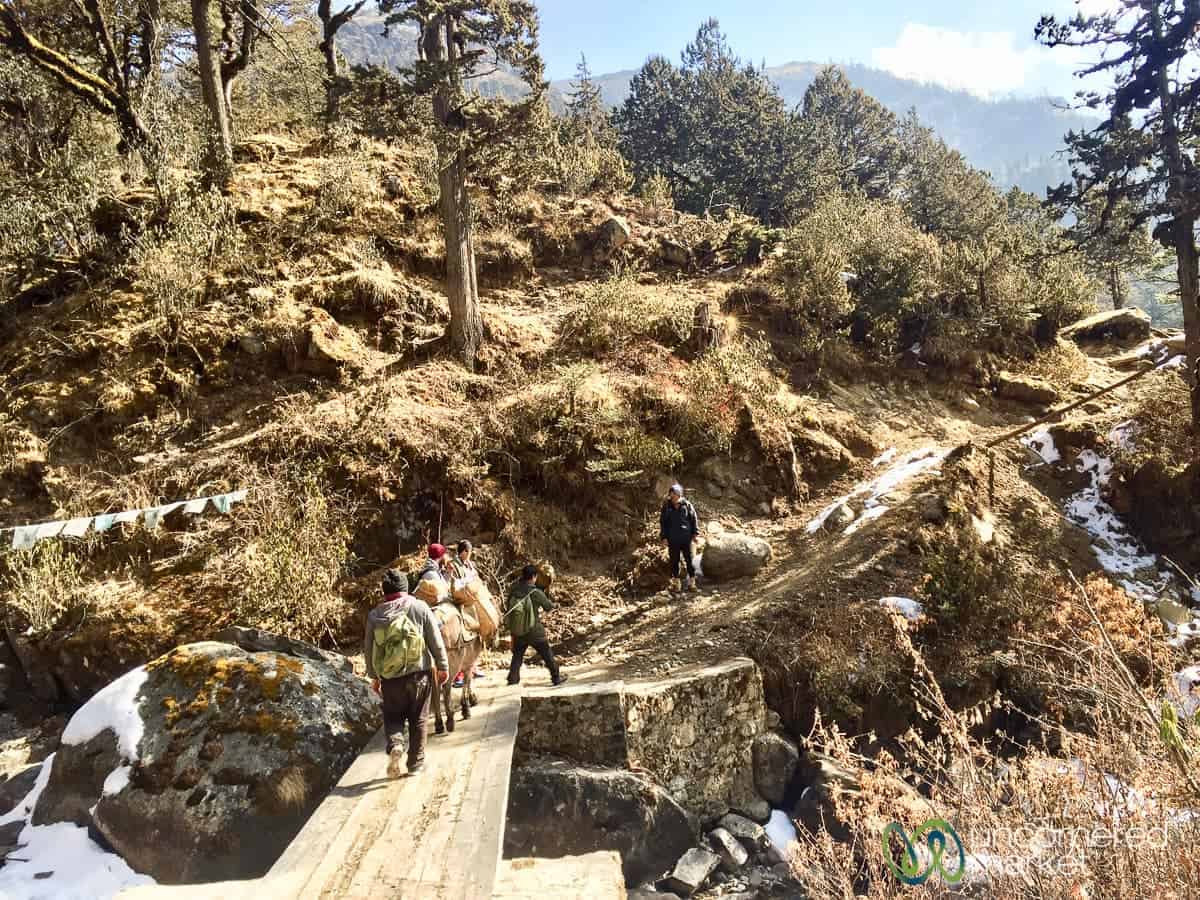
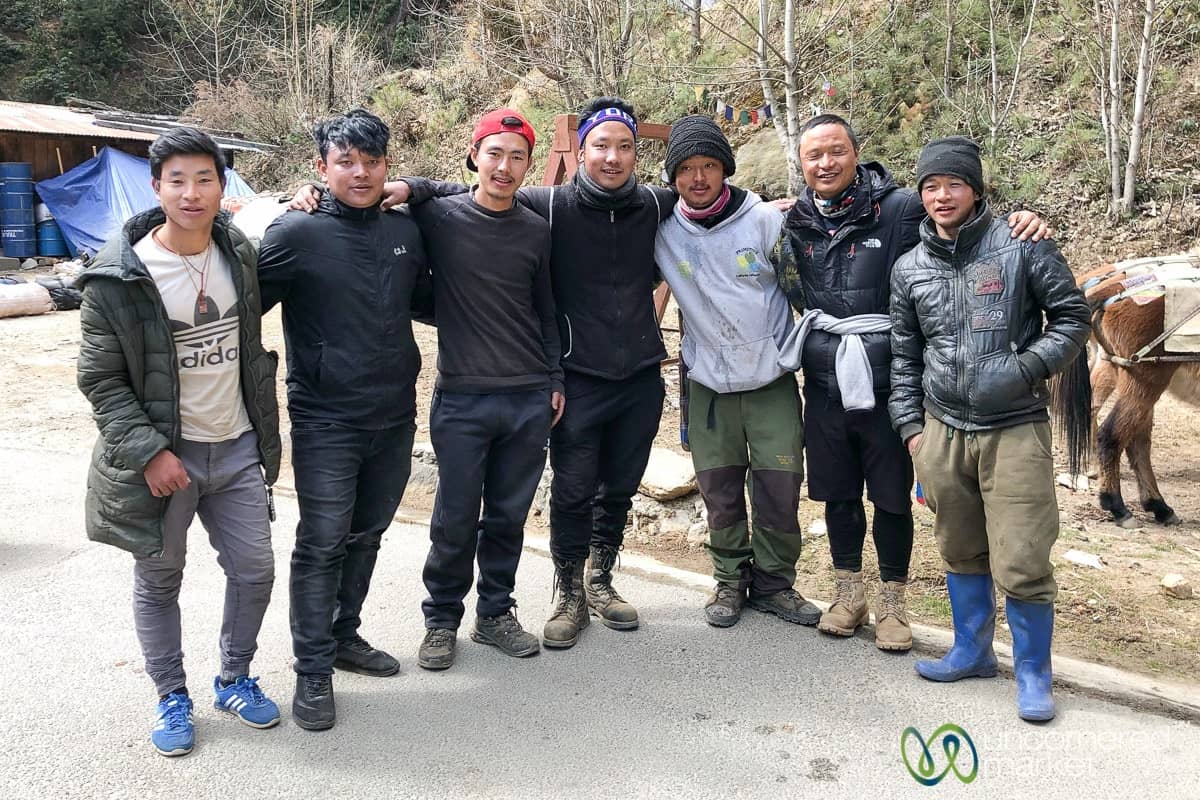
The trek typically commences from a point near Paro, after a short van transfer up a newly constructed dirt road that has replaced a section of the original trail. Here, trekkers meet their support team: a dedicated cook, assistants, mule handlers, and a team of mules tasked with transporting tents, gear, food, and kitchen equipment.
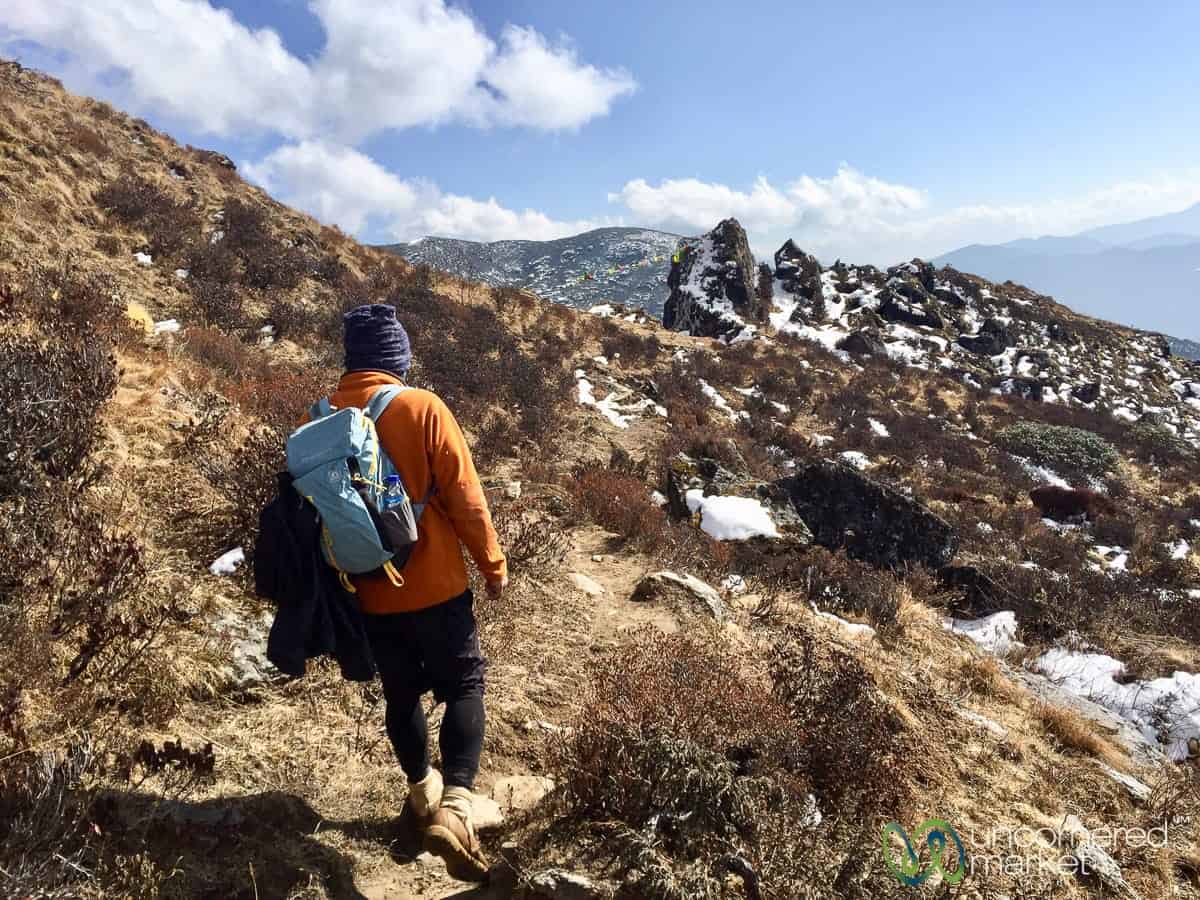
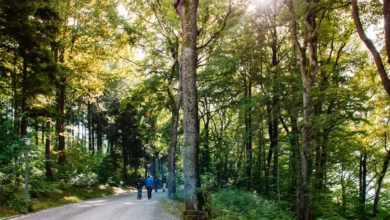
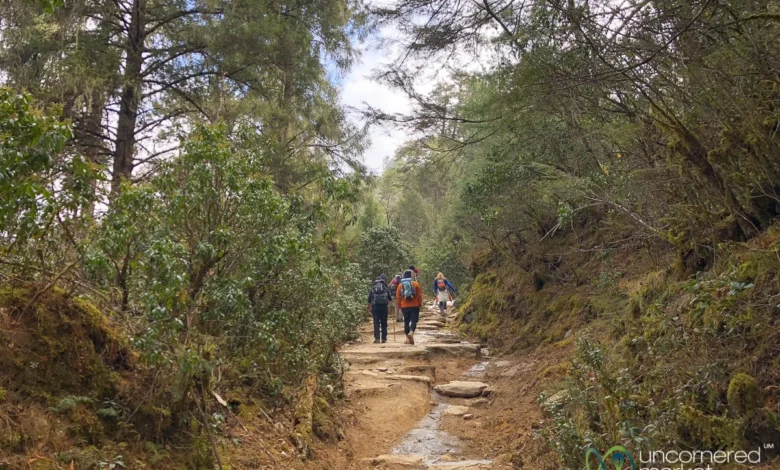
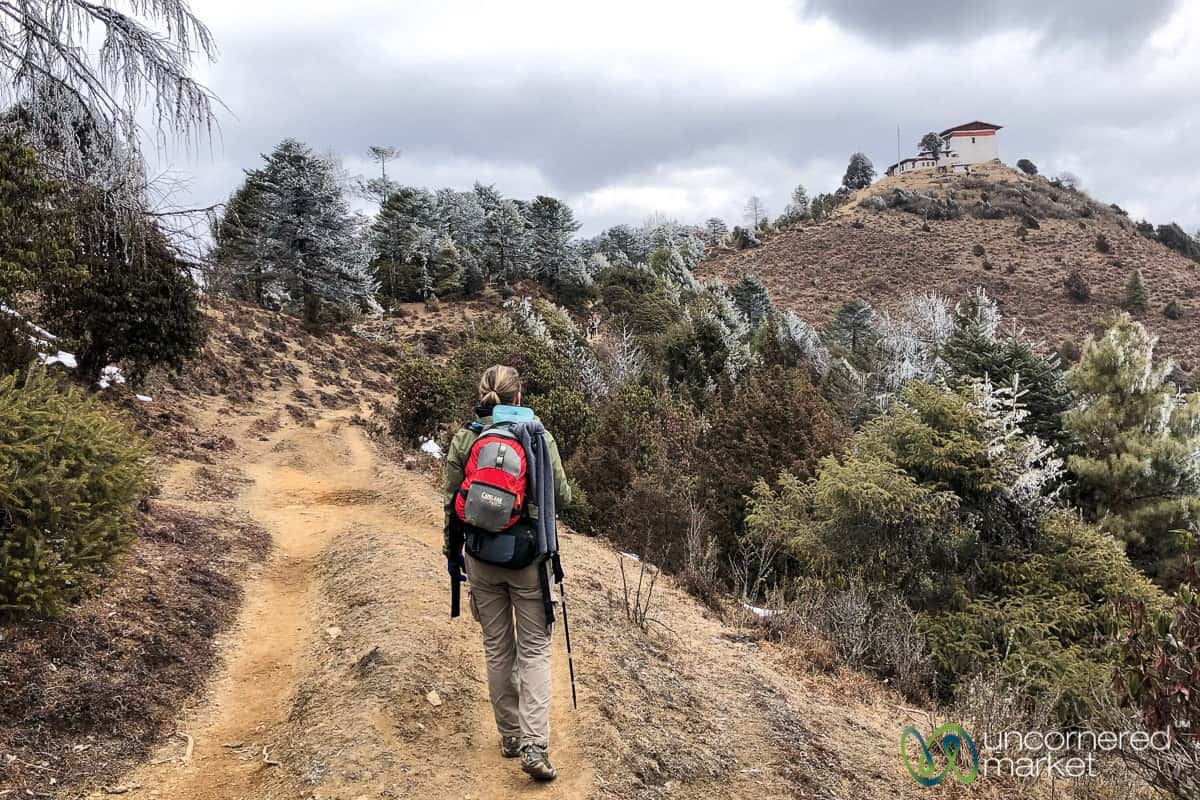
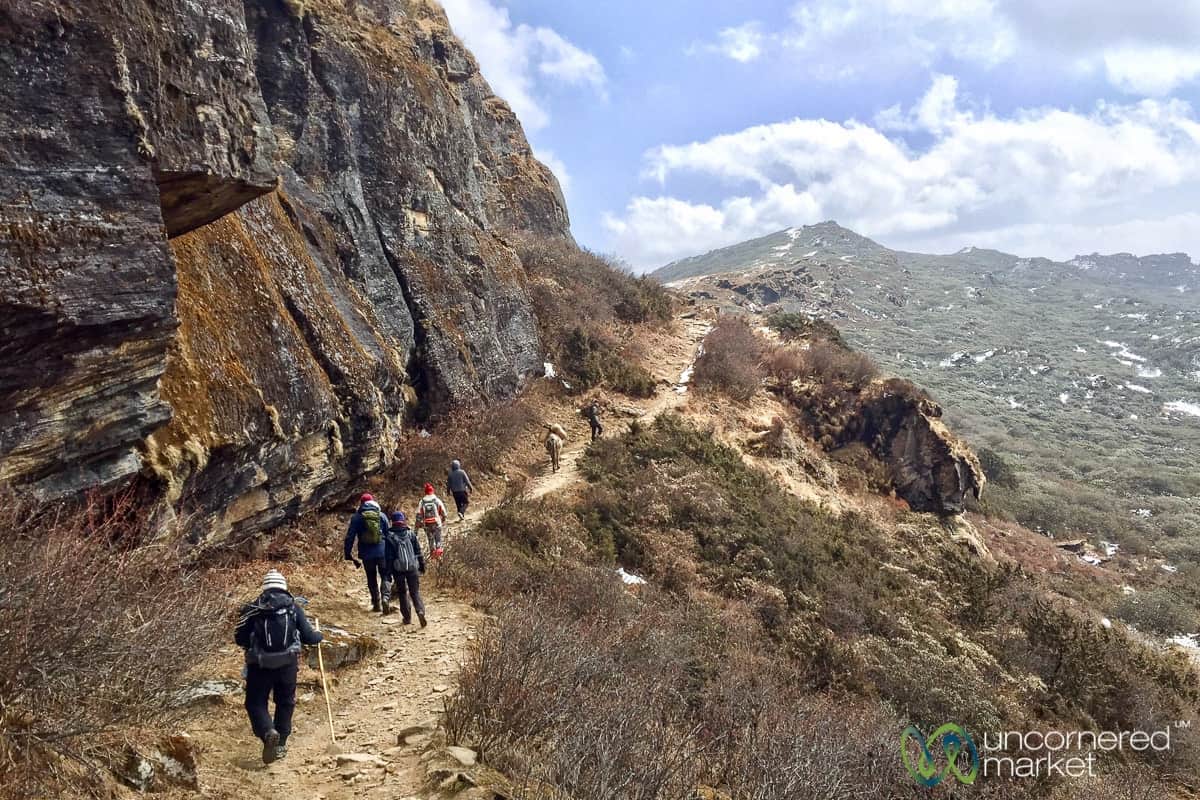
The initial part of the walk is a gentle ascent through mid-alpine forests, gradually leading to a steeper climb of approximately 45 minutes through picturesque woodlands. Emerging from the trees, the trail opens up to panoramic views of the valley below. The first significant landmark is the 15th-century Jele Dzong temple. If the temple guardian is present, visitors may have the opportunity to explore its interiors.
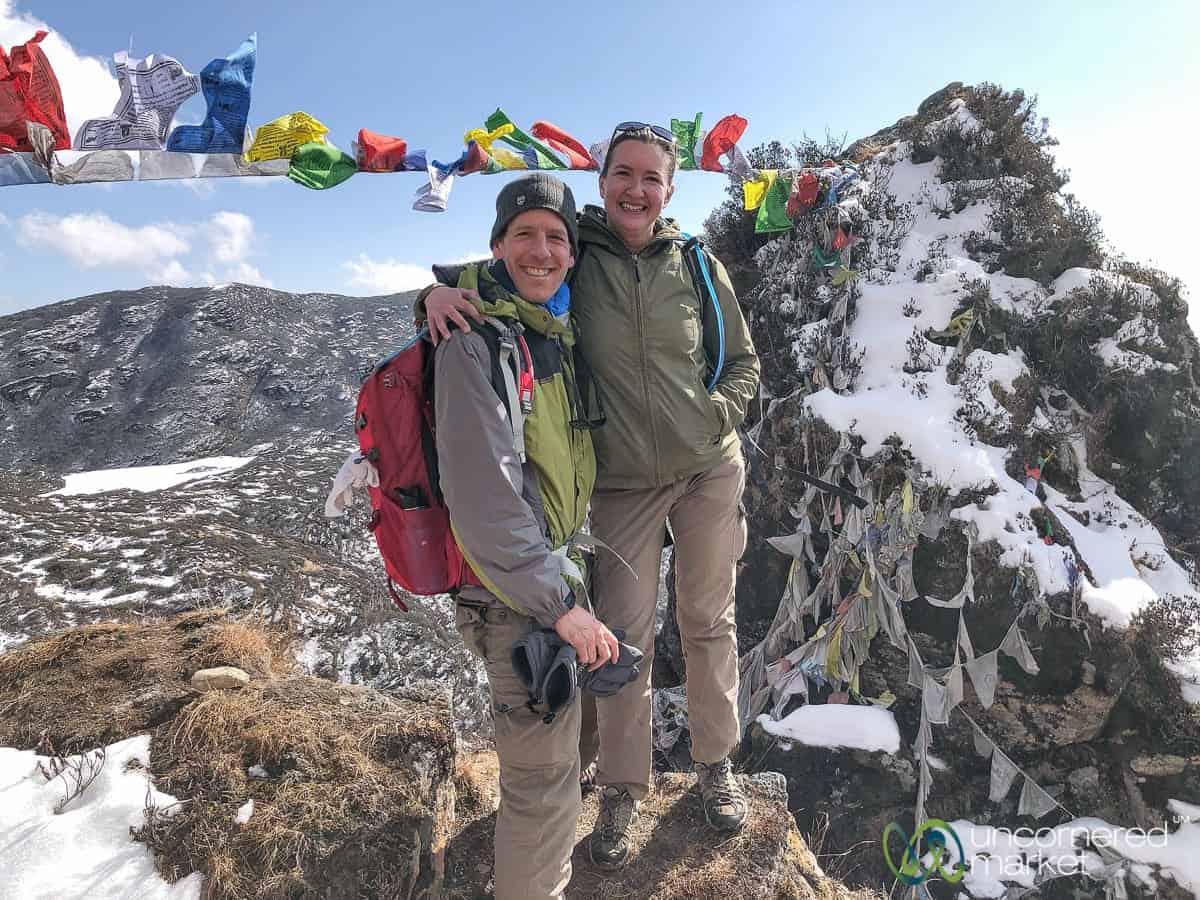
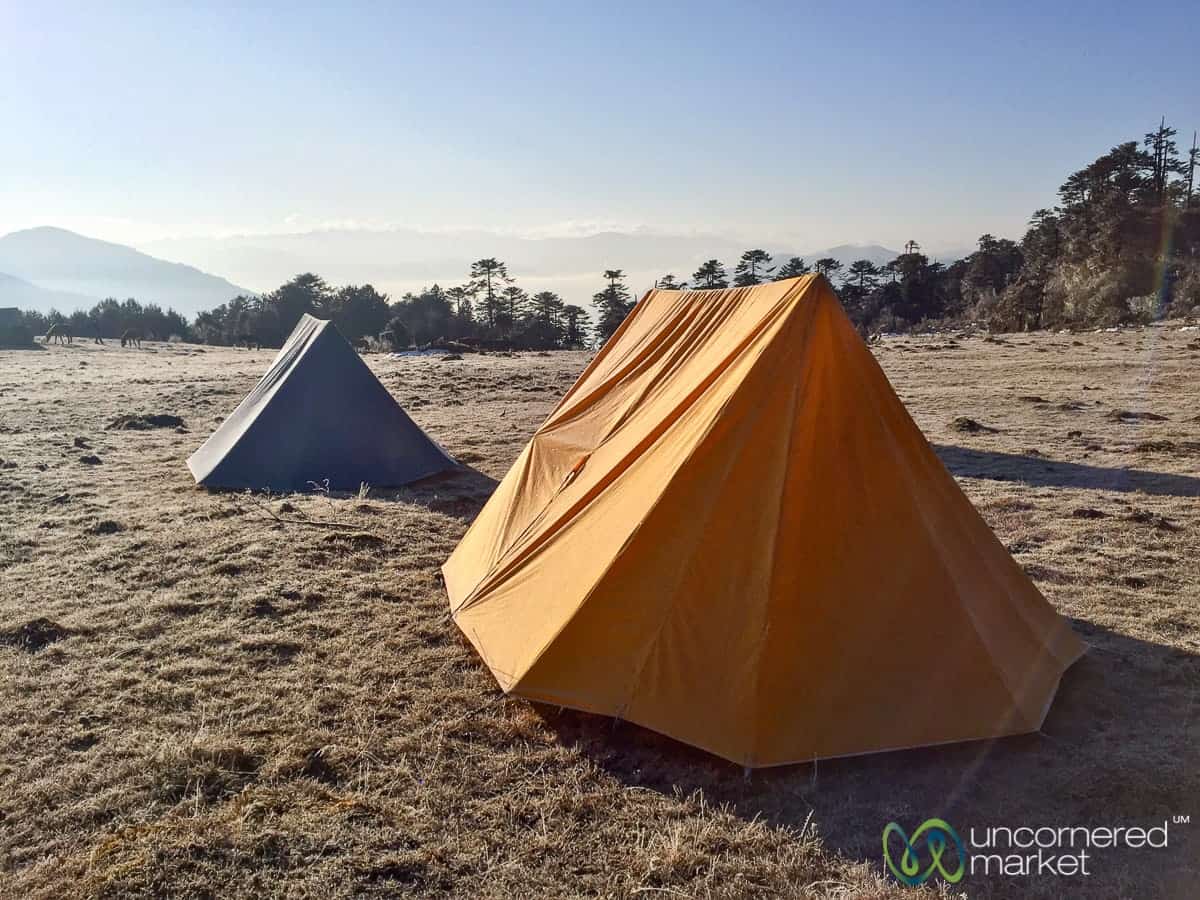
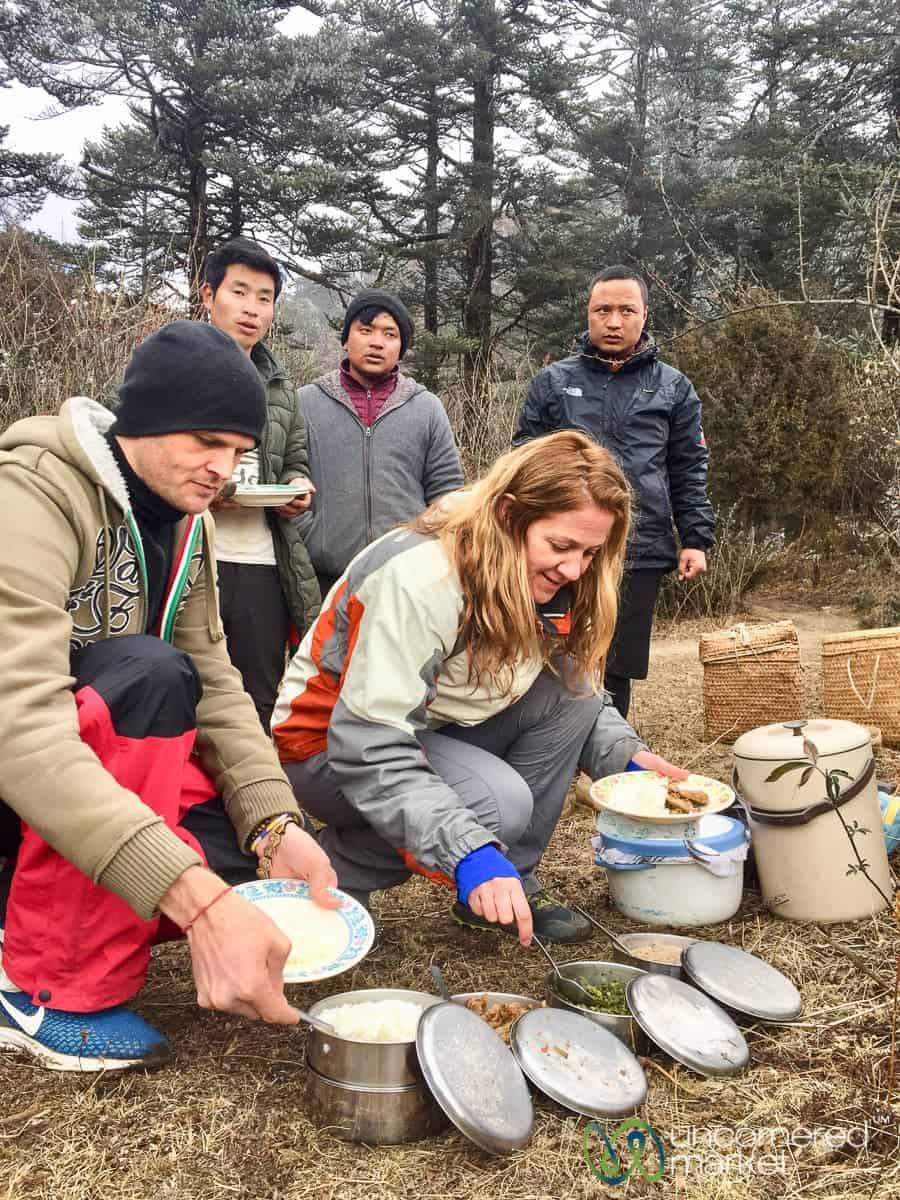
Following a restorative tea break, the path alternates between forest trails and ridge walks, offering intermittent vistas of the surrounding valleys and distant mountain ranges. Lunch, a hearty affair of rice and various hot dishes, is typically served at a scenic clearing. The final push of the day leads to the Tshokam (Dry Lake) campsite, situated at 3,800 meters (12,500 feet). Upon arrival, tents are already pitched, providing a welcome comfort after a day of trekking. Evenings are often spent around a bonfire, savoring the stillness before dinner.
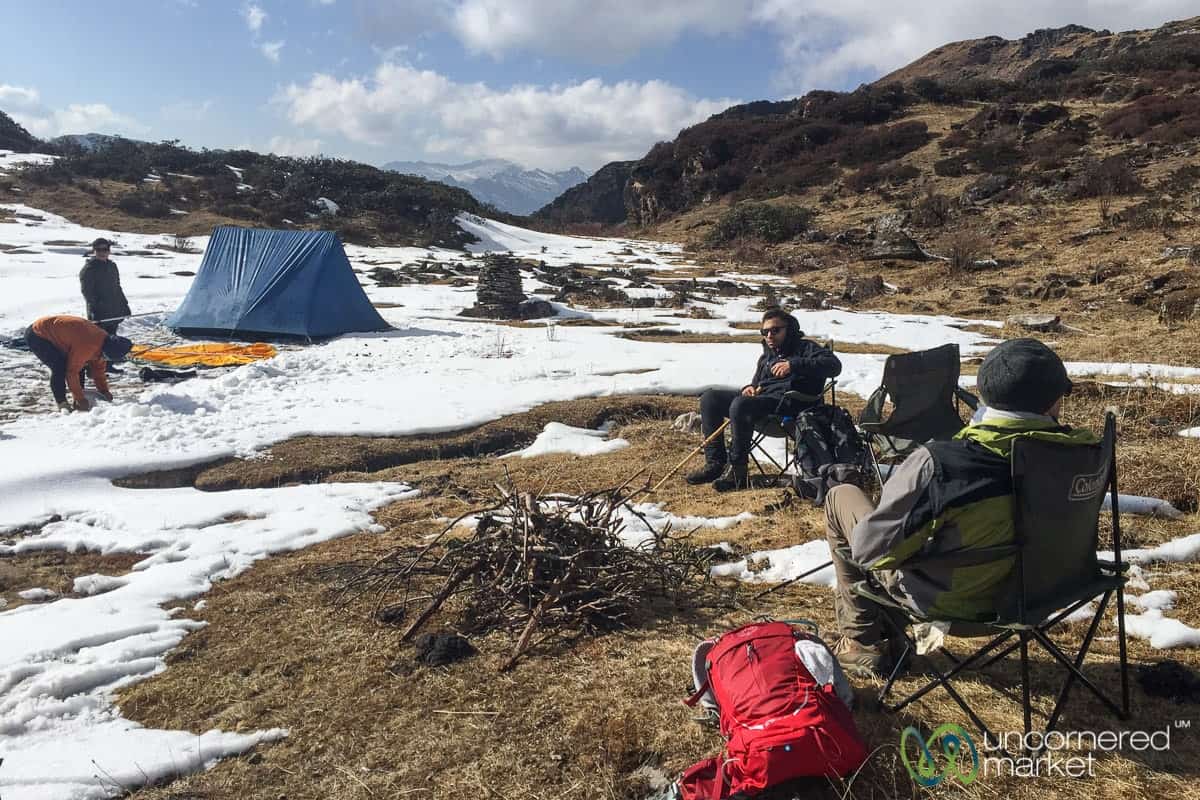
Day 2: Tshokam to Janytscho to Simkotra Lake
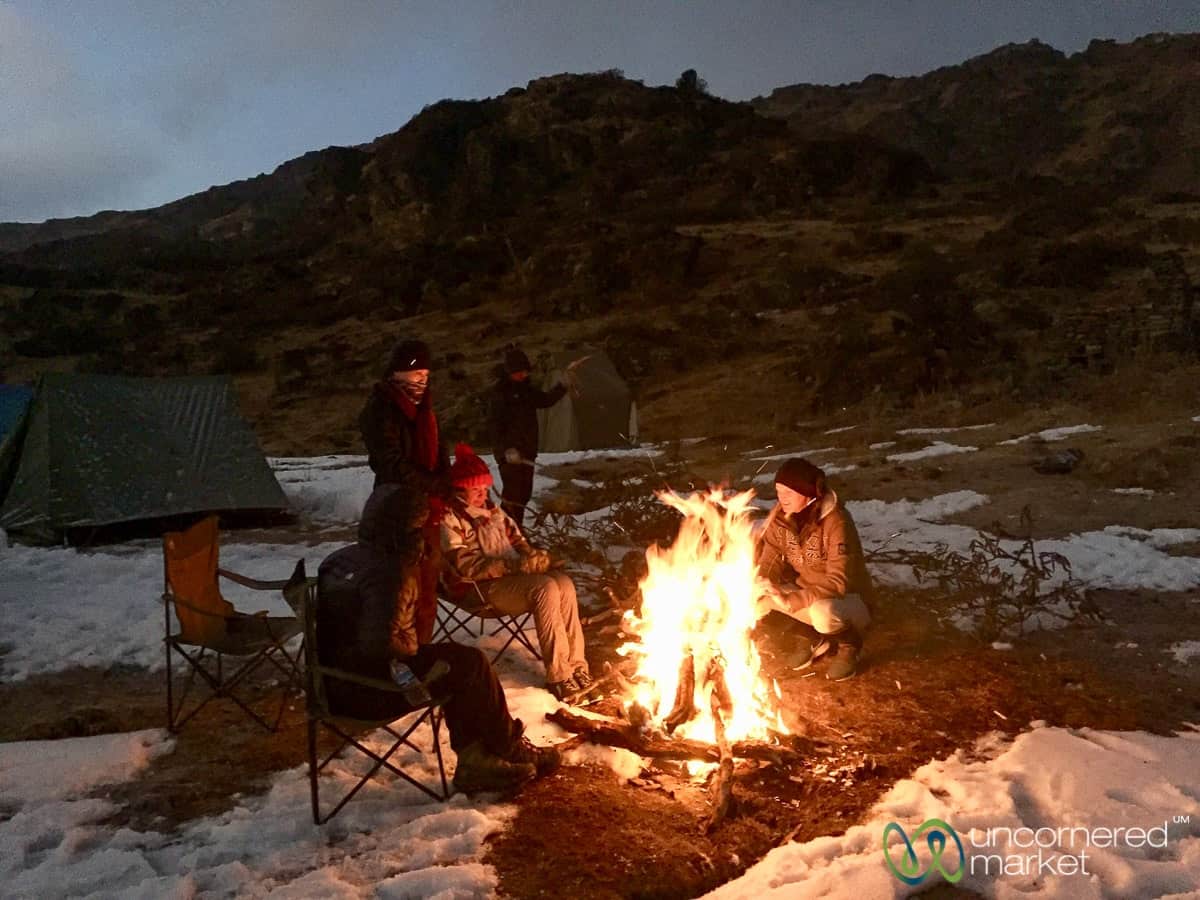
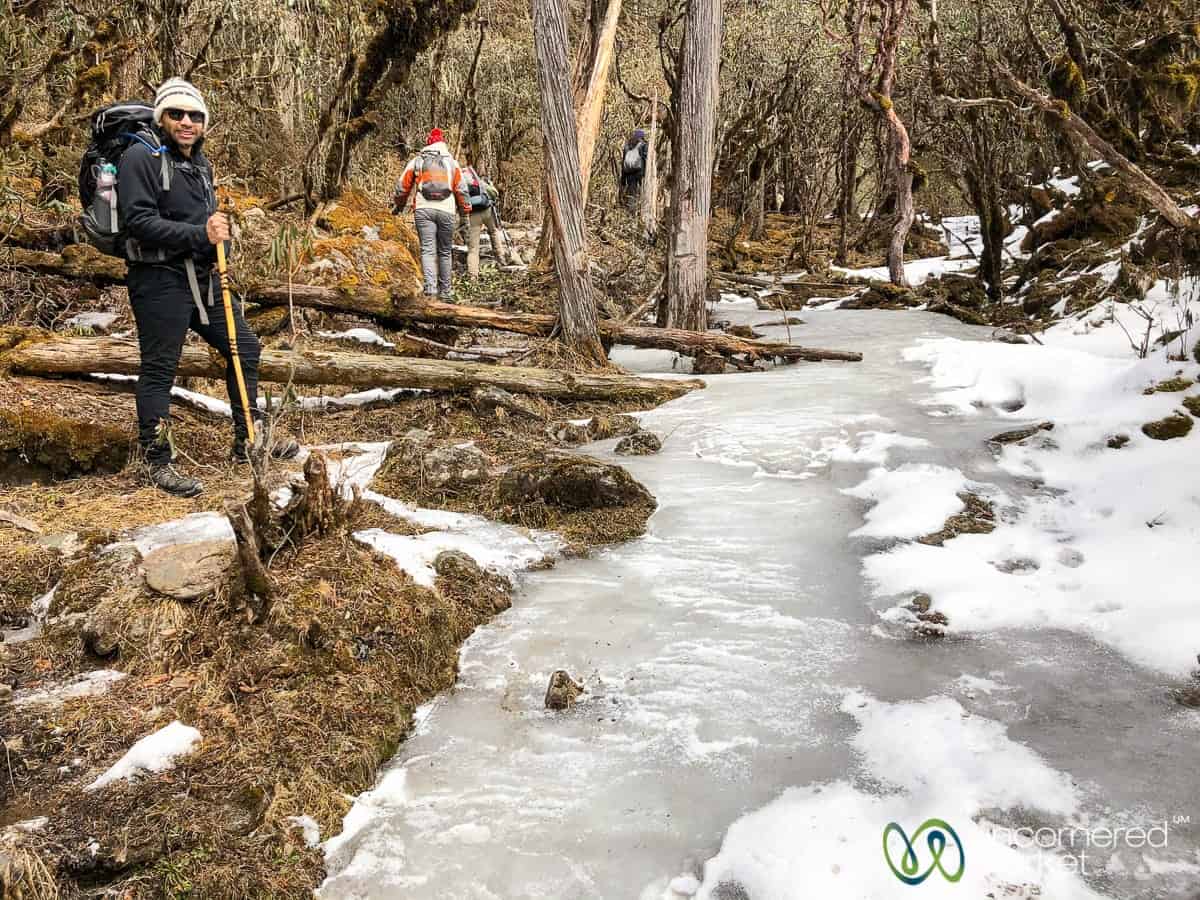
This day, while shorter in distance, presents a series of challenging, steep ascents. Due to winter conditions, our route was slightly modified to ensure the safety of the mules on snow and ice. Typically, this segment would include a visit to the higher and longer trail leading to Jimilang Tsho lake, but winter conditions made this inadvisable.
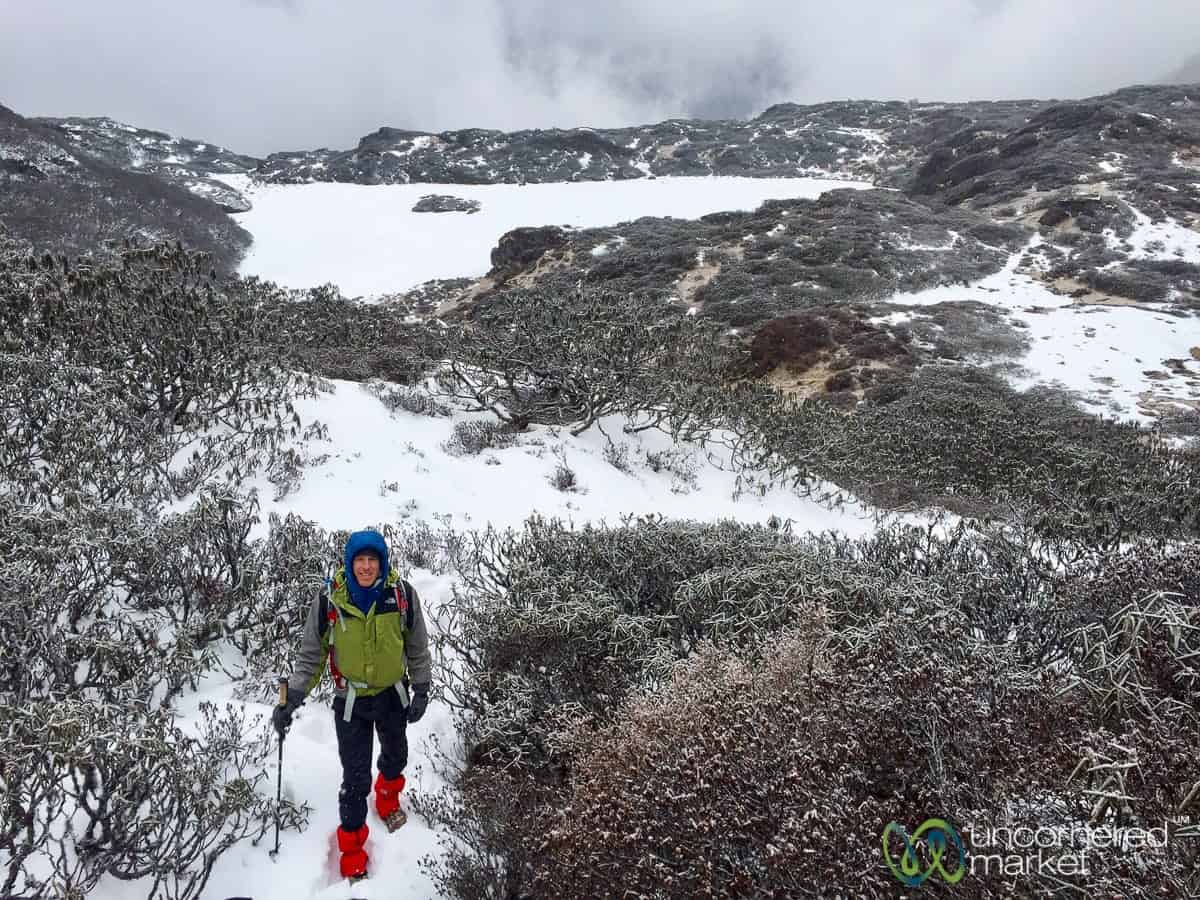
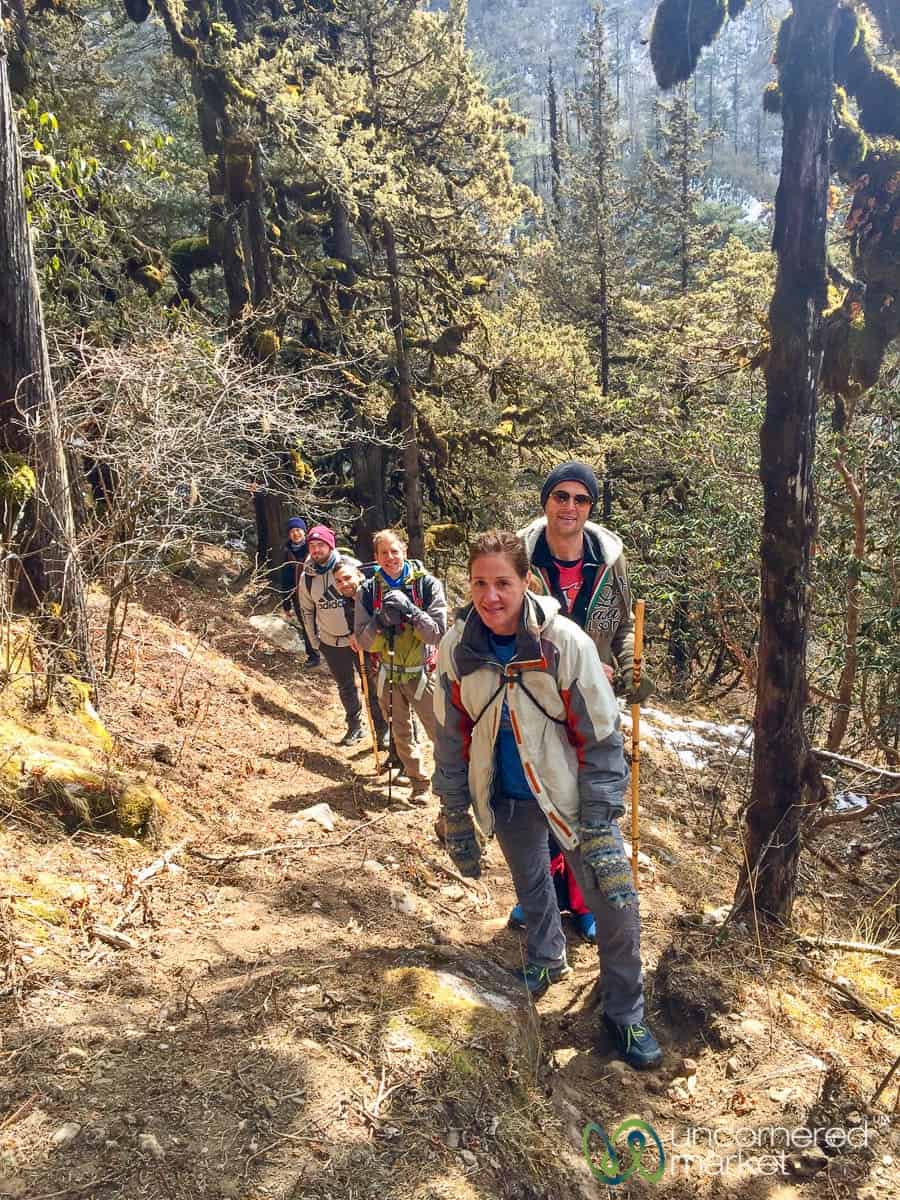
The morning begins with a relatively flat section along a stream, leading to a mid-morning tea break at Narithang. The real challenge begins with a sustained, two-hour climb through the forest, emphasizing a slow and steady pace to manage the altitude gain. The trail then ascends to Janytscho, a viewpoint overlooking a lake, which often serves as a lunch stop.
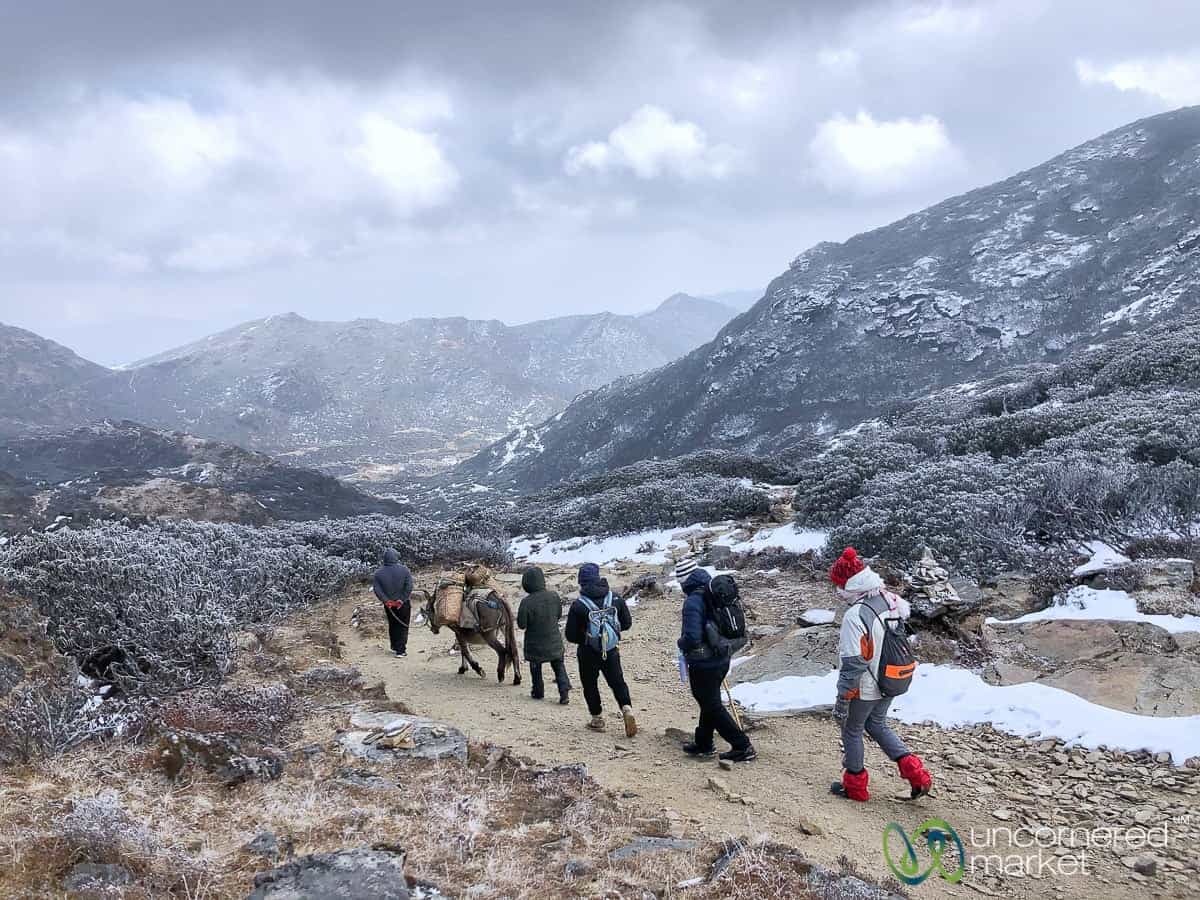
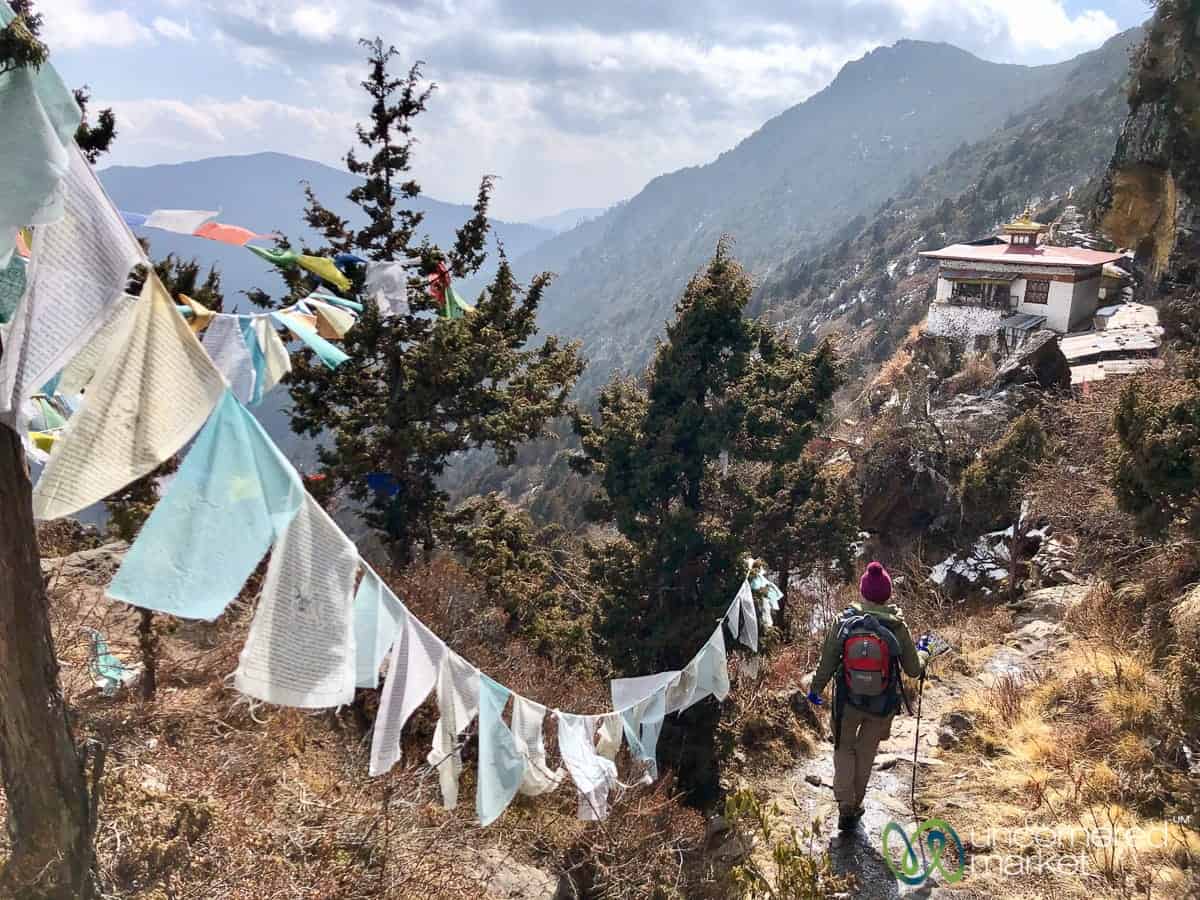
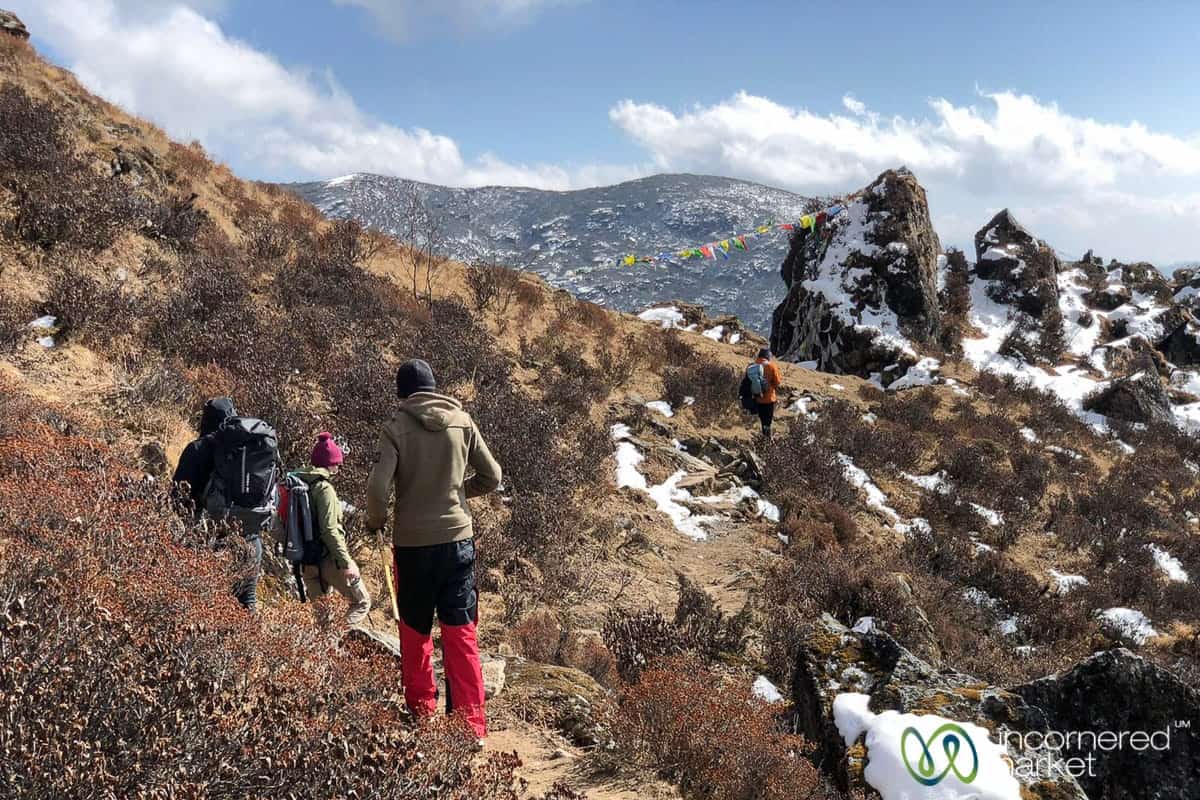
From Janytscho, the path transitions to a rocky ridge, adorned with prayer flags and offering breathtaking views of snow-capped Himalayan peaks in the distance. This segment requires careful footing, especially during winter. The campsite for the night is located near Simkotra Lake, at an elevation of 4,000 meters (13,100 feet). This is the highest campsite on the Druk Path Trek and consequently the coldest, necessitating warm sleeping gear and layers.
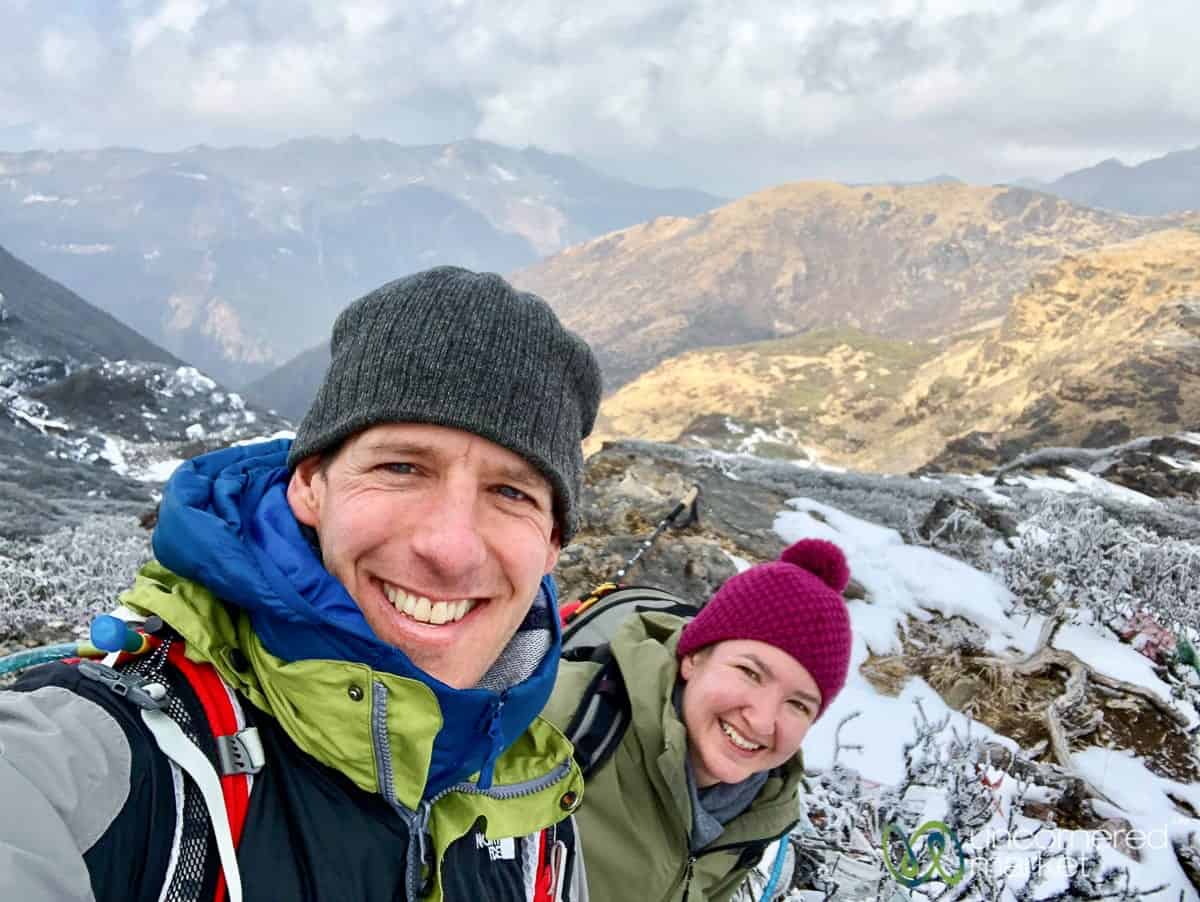
Day 3: Simkotra Lake to Labana Pass to Phajoding Monastery
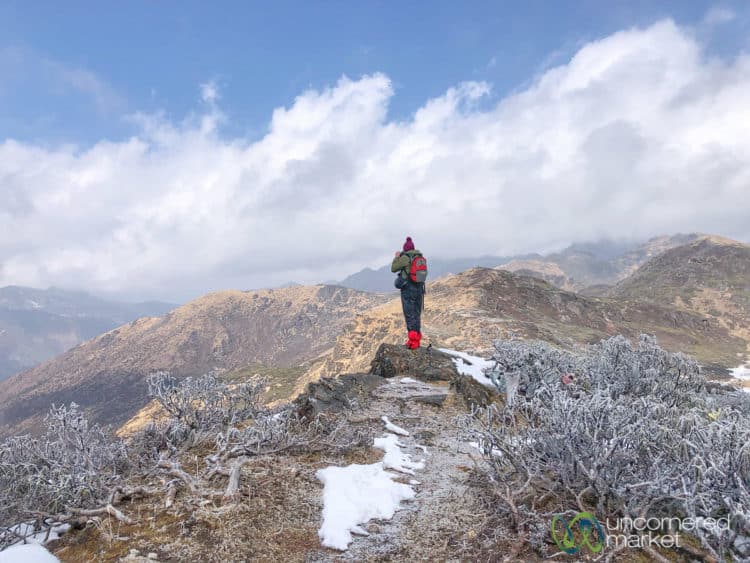
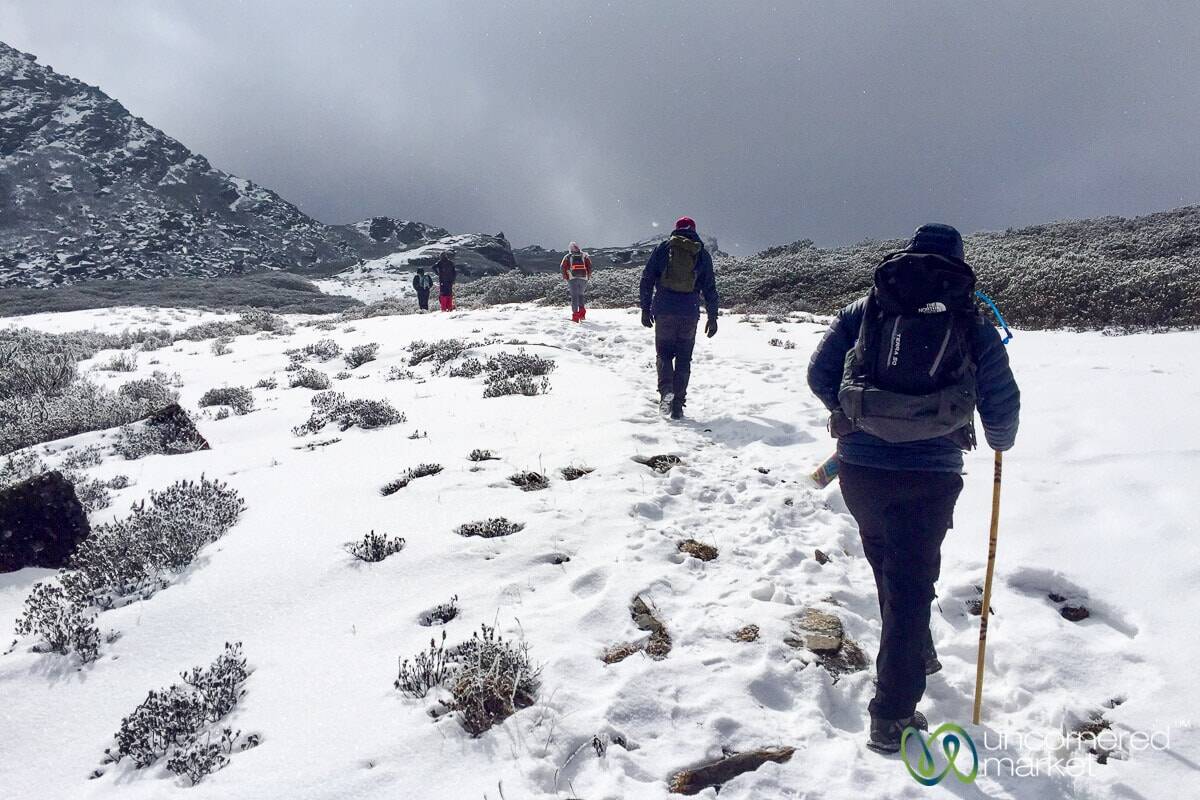
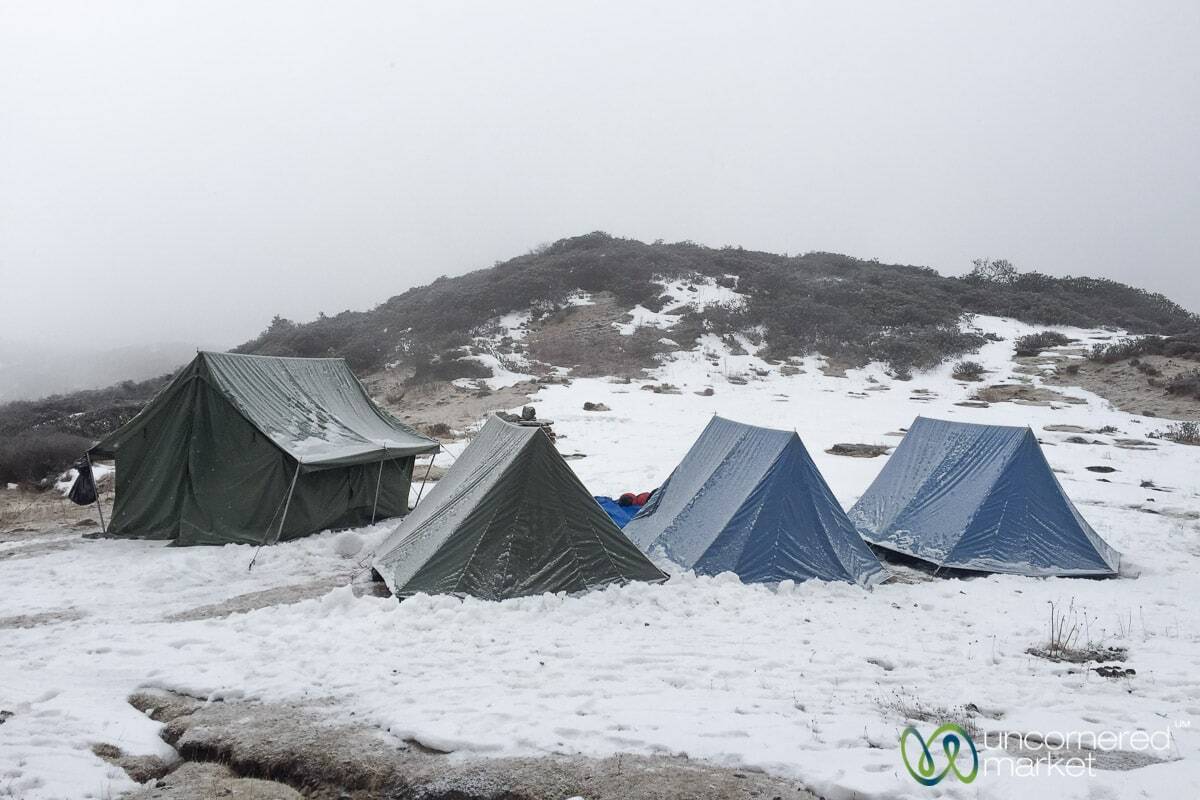
This day is often considered a highlight of the trek, culminating at Labana Pass, the highest point of the Druk Path at 4,200 meters (13,800 feet). The morning may begin with a serene snow-covered landscape, with clouds potentially obscuring distant views but enhancing the quiet beauty of the immediate surroundings. The trail meanders through rhododendron forests, gradually leading to the final steep ascent to the pass.
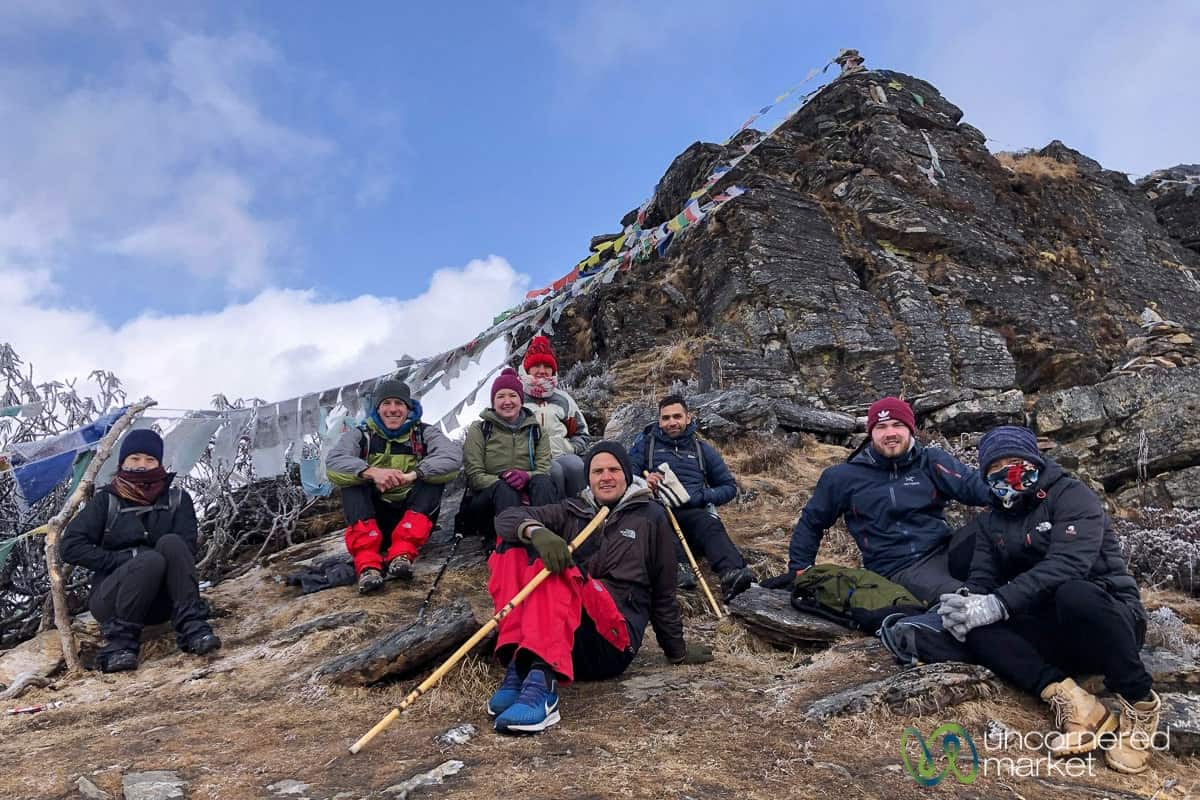
At Labana Pass, prayer flags flutter in the wind, and the panoramic vistas are truly awe-inspiring, offering views of the Dochu La and Jhomolhari mountains on clear days. After descending from the pass, the trail continues along a rocky ridge before reaching a lunch spot. The final segment of the day involves a climb to a chorten overlooking Thimphu, the capital city, providing a glimpse of the urban landscape far below.
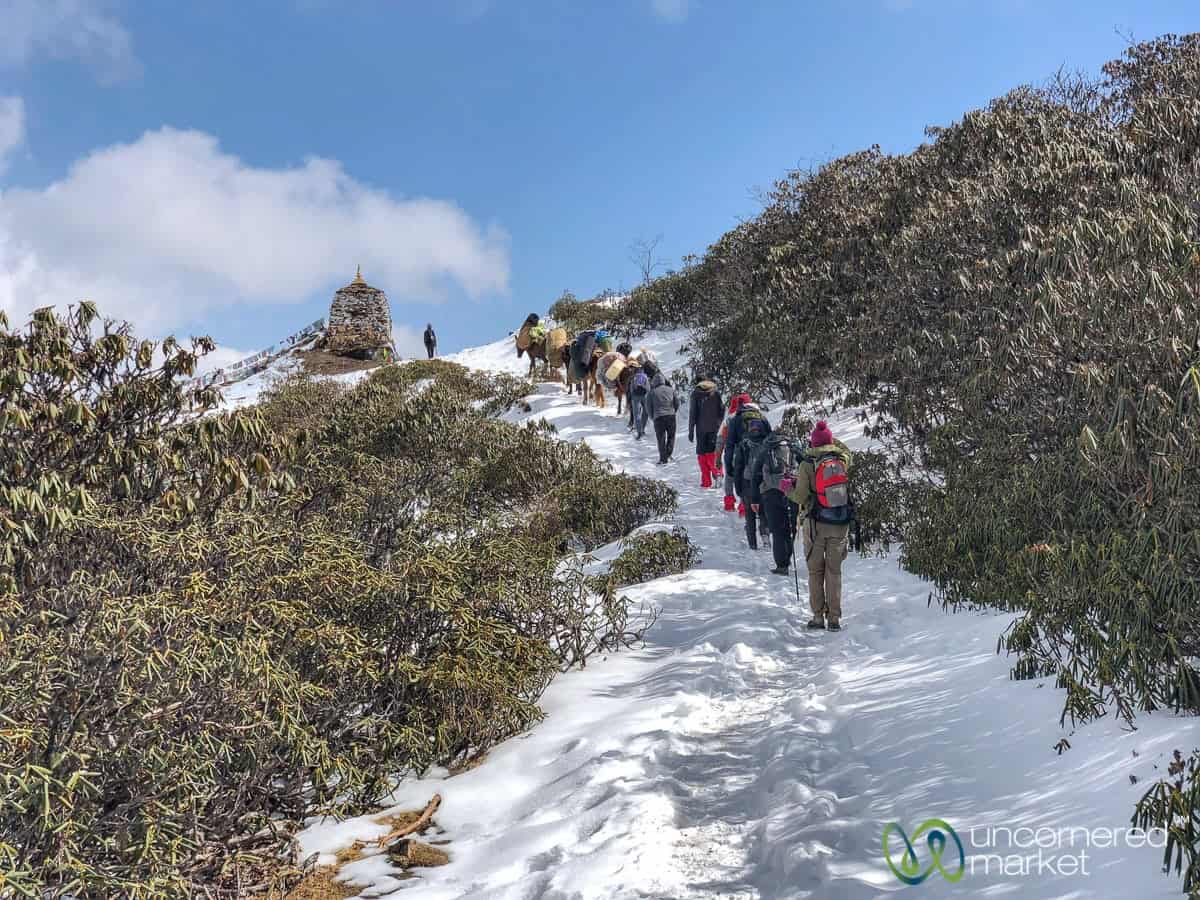
The descent into Thimphu Valley is a rocky trail leading to Thujidrak Goemba, a 14th-century Buddhist temple and meditation center built into the mountainside at 3,950 meters (13,000 feet). The trekkers were fortunate to be permitted inside by a resident monk. The trail then leads downhill through fields to Phajoding Monastery. Historically, camping was permitted on the monastery’s edge, but with a new campsite being established, future trekkers may experience different arrangements.
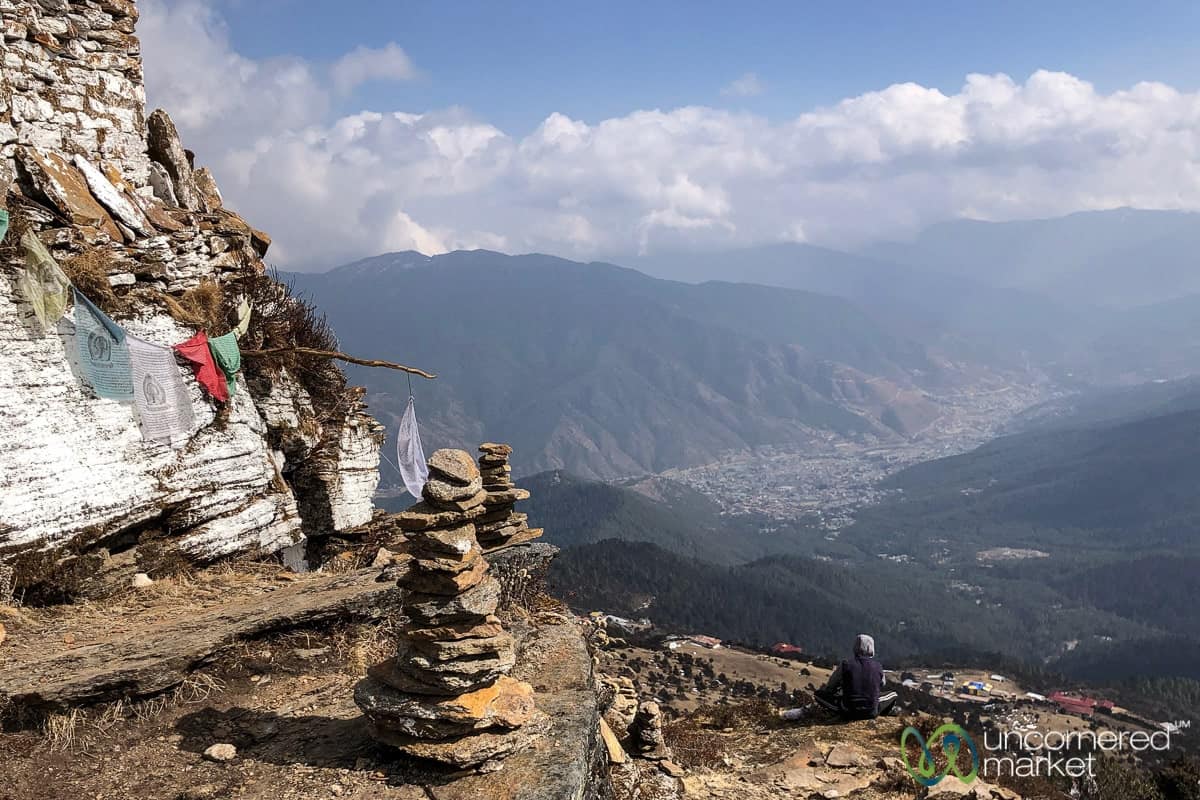
Day 4: Phajoding Monastery to Thimphu
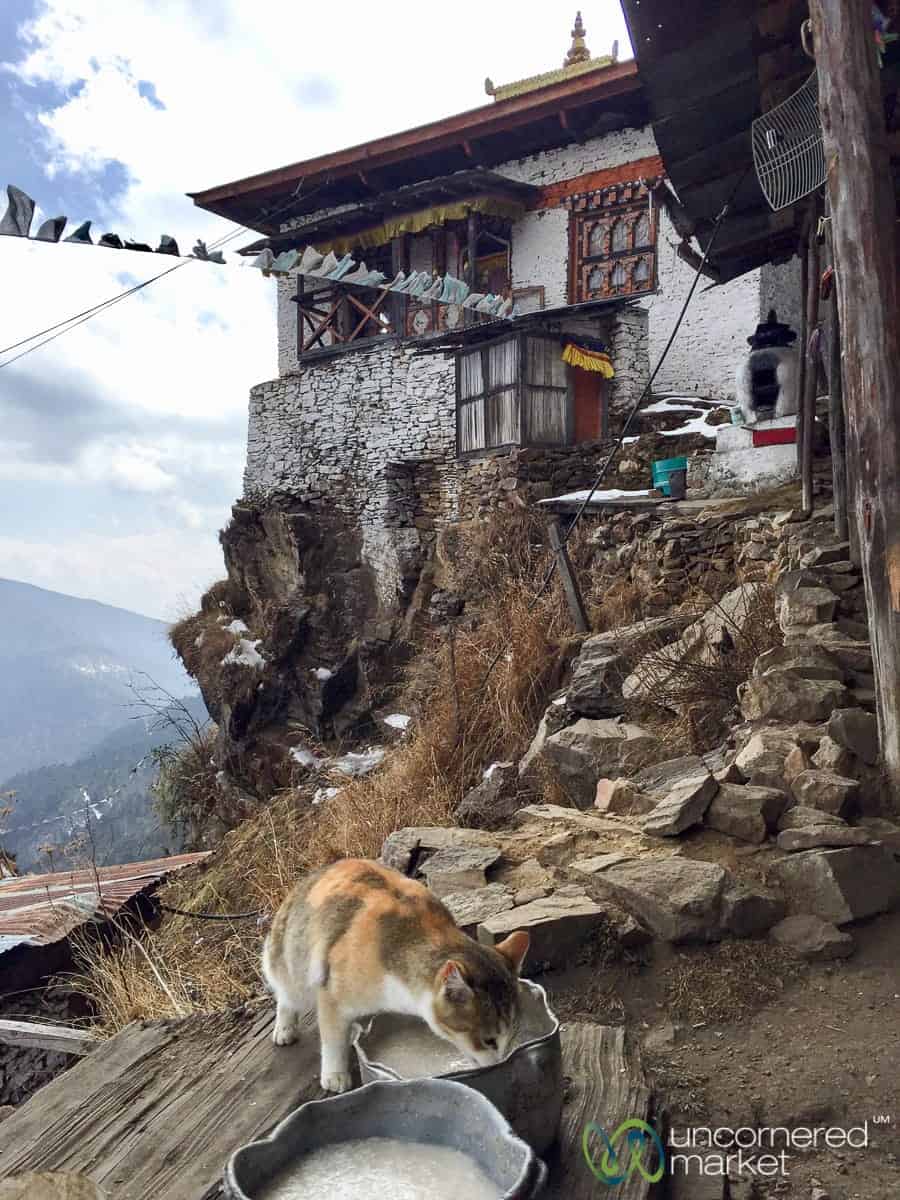
The final day of the trek is predominantly a downhill hike, offering an easy conclusion to the journey. The trail descends through forests, becoming steeper in sections, requiring caution. As the elevation decreases, the flora changes, and the sounds of civilization gradually emerge. The trail concludes at the edge of the forest, near a royal residence, where the tour driver awaits with celebratory refreshments. This marks the farewell to the trekking support team and the mules.

Bhutan Trekking Difficulty, Conditions, and Altitude Management
The Druk Path Trek is classified as medium difficulty due to its sustained ascents and high altitudes. Trekkers should be prepared for slow, steep climbs at elevations up to 4,200 meters. While challenging, the trek is not technical, meaning no specialized climbing equipment is required.
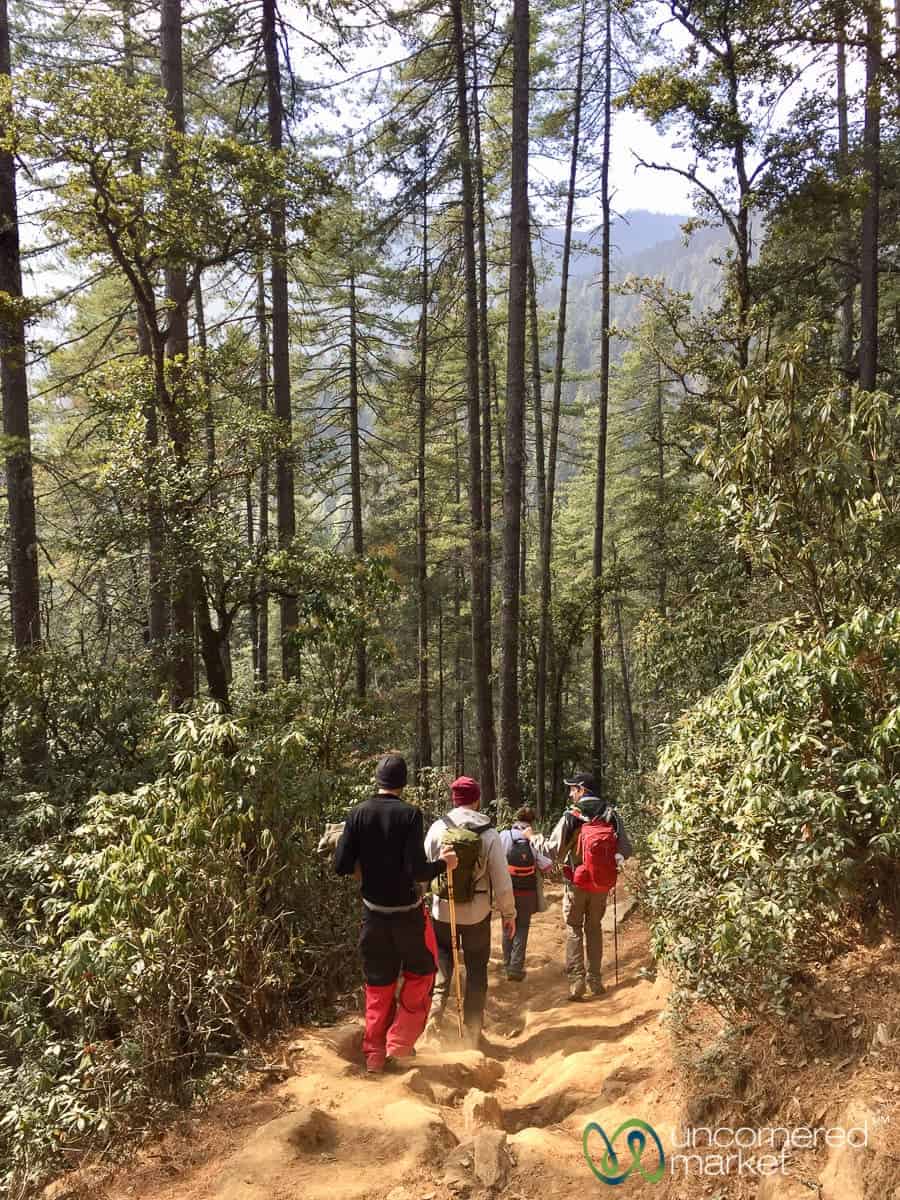
Altitude Sickness: Given the significant altitude, acclimatization is crucial. Many tours, including the one undertaken, incorporate an acclimatization hike, such as to Kila Goempa near Paro. This initial hike helps the body adjust to the thinner air and provides an opportunity to gauge individual responses to altitude. Staying hydrated by drinking several liters of water daily is paramount. Slow and steady pacing on ascents is also vital for allowing the body to adapt.
Weather Conditions: The Druk Path experiences variable weather. While spring and autumn offer drier conditions, summer can bring rain and mud, and winter, as experienced, brings snow and ice. Proper layering of clothing, including waterproof and windproof outer shells, is essential year-round. Winter treks necessitate warm sleeping bags rated to at least -10°C (15°F) and multiple layers of thermal clothing.
Food, Campsites, and Amenities
Bhutanese trekking cuisine is hearty and varied. Cooks and their teams provide three hot meals daily, supplemented by snacks and tea breaks. Meals typically include a mix of Bhutanese vegetarian dishes and meat options, served with rice or noodles. Dietary restrictions such as vegetarianism or veganism should be communicated in advance.
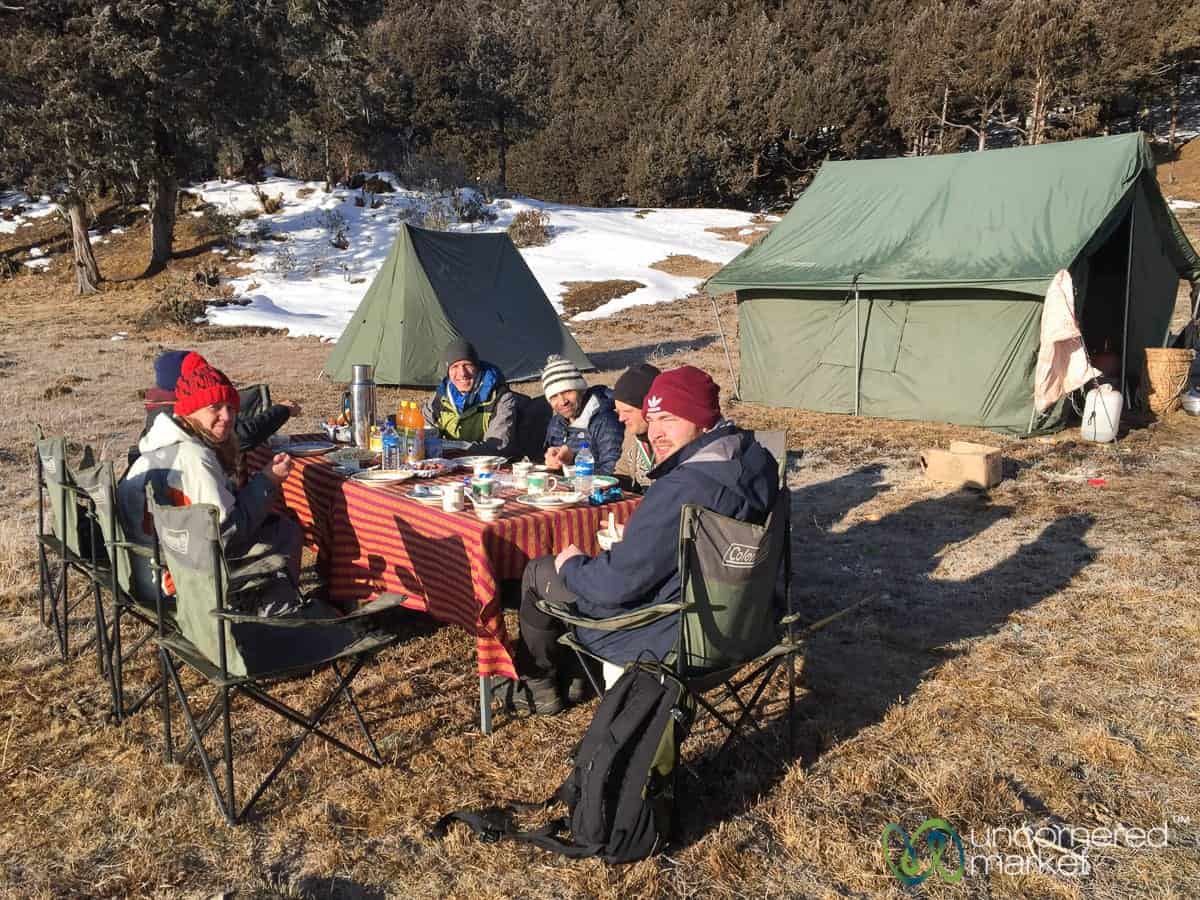
Campsites are usually situated on flat ground with access to water. While permanent facilities are absent, portable toilets are provided to ensure waste management. Evenings are often spent around a bonfire, and hot water bottles are a welcome amenity for keeping warm in sleeping bags.
Organizing a Trek in Bhutan
Independent trekking is not permitted in Bhutan; all treks must be organized through authorized tour operators. This ensures a fully supported experience with guides, cooks, and porters. The country operates on a minimum daily package fee, which covers accommodation, meals, transportation, and guide services.
For those interested in experiencing Bhutan’s trekking culture, G Adventures offers tours that combine trekking with cultural immersion. While the specific Druk Path Trek itinerary mentioned in the source article is no longer offered, their "Camp the Trans Bhutan Trail" and "Highlights of the Trans Bhutan Trail" tours provide excellent alternatives, blending hiking with exploration of Bhutan’s iconic monasteries, fortresses, and villages.
Packing for a Bhutan Trek
Packing efficiently is key, especially considering the weight restrictions for mule transport. A maximum of 7.5 kilograms per person is typically allocated for gear carried by mules, encompassing sleeping bags, clothing, and toiletries. A daypack should carry essentials needed during the day, such as water, snacks, camera, and extra layers.
Essential Items:
- Trekking Poles: Highly recommended for stability, especially on descents and in snowy conditions.
- Warm Sleeping Bag: A comfort rating of -10°C (15°F) or lower is advised, particularly for winter treks.
- Layered Clothing: Including thermal base layers, fleece mid-layers, and waterproof/windproof outer shells.
- Sturdy Hiking Boots: Broken in and waterproof.
- Gaiters: Useful for preventing snow or mud from entering boots.
- Water Purification: While boiled water is provided, a SteriPEN, purification drops, or a filtered water bottle offer additional security.
- Sun Protection: Hat, sunglasses, and high-SPF sunscreen are necessary, even in cooler weather, due to high altitude exposure.
- Headlamp or Flashlight: Essential for navigating campsites at night.
- Personal First-Aid Kit: Including any personal medications.
The Druk Path Trek, with its blend of natural grandeur and cultural significance, offers an unparalleled trekking experience in the heart of the Himalayas. The introduction of the Trans Bhutan Trail further enhances Bhutan’s appeal as a premier trekking destination, promising journeys that are not only physically rewarding but also deeply enriching for the soul.