American Goes Premium, Announcing New ‘Flagship’ Check-In and Massive Lounge in Dallas

American Airlines has officially launched a multi-year initiative to redefine the premium travel experience at its primary global hub, Dallas-Fort Worth International Airport (DFW). The comprehensive plan, announced on Monday, includes the introduction of the carrier’s first-ever Flagship Suite check-in experience, the construction of the largest Admirals Club in the airline’s global network, and the rollout of a new "Provisions" grab-and-go lounge concept. This strategic investment represents the most significant infusion of premium ground infrastructure American Airlines has ever committed to a single airport, signaling a pivot toward higher-margin revenue streams and an aggressive attempt to narrow the service gap between itself and its primary domestic competitors, Delta Air Lines and United Airlines.
The centerpiece of the announcement is a trio of facilities designed to cater to different segments of the premium market, ranging from long-haul international first-class passengers to domestic business travelers seeking efficiency. While the timeline for the completion of these projects varies, the moves underscore American’s reliance on its North Texas stronghold to drive its long-term financial recovery and brand prestige.
The Evolution of the Ground Experience: Flagship Check-In
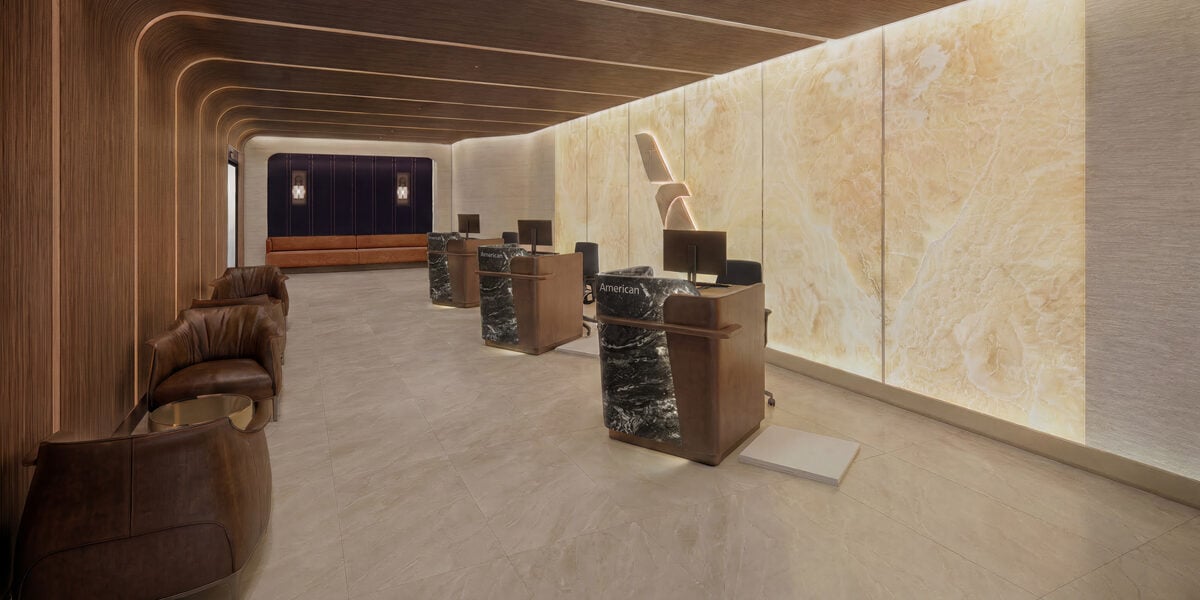
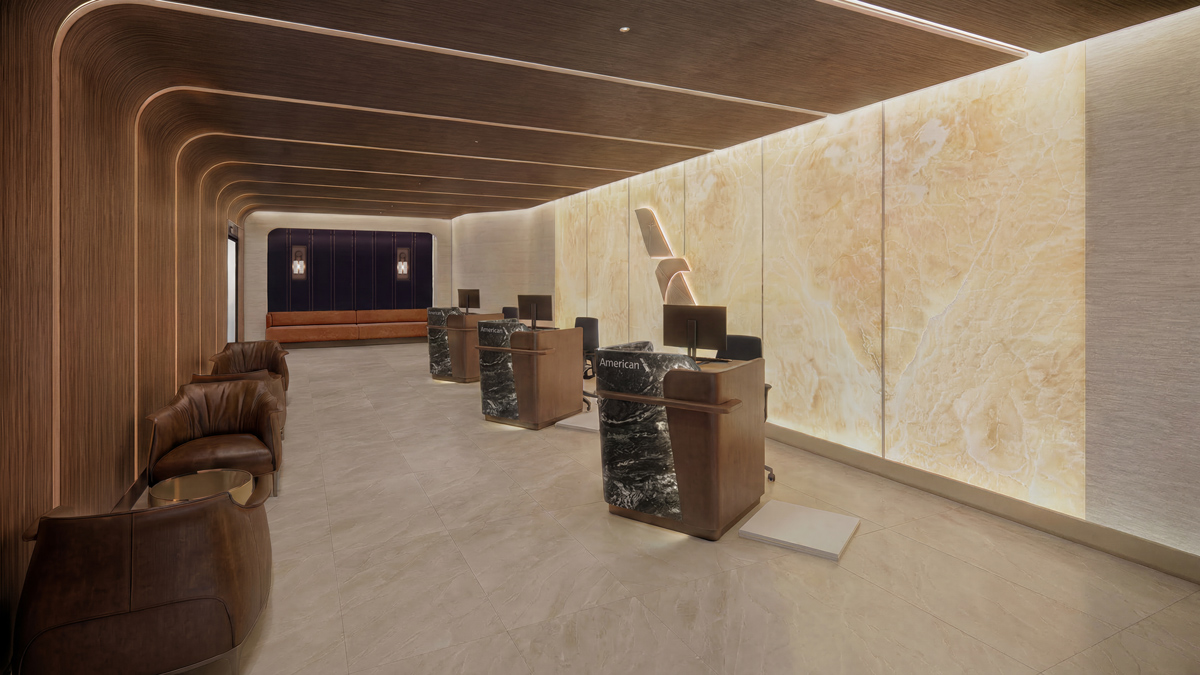
For the first time in its history at DFW, American Airlines will introduce a dedicated Flagship check-in area. Scheduled to open later this year, the facility will be located in Terminal D, the airport’s primary international gateway, specifically positioned near the D30 security checkpoint. This exclusive environment is reserved for the airline’s highest-tier customers, including those traveling in Flagship First and Flagship Business on qualifying international and transcontinental flights, as well as top-tier AAdvantage status holders.
The Flagship check-in experience is designed to provide a "curb-to-gate" transition that bypasses the traditional terminal congestion. Passengers will be greeted in a private, high-design environment featuring personalized assistance from dedicated premium service agents. This one-on-one service model aims to streamline the document verification and baggage drop-off process. While the airline has not explicitly confirmed the inclusion of a private security lane—a feature found in Delta’s premier check-in facilities at New York-JFK and Los Angeles (LAX)—the positioning near the D30 checkpoint suggests a highly optimized path to the secure area.
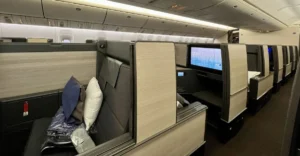
This development follows a broader industry trend where airlines are increasingly focusing on the "pre-flight" experience to justify premium ticket pricing. Delta Air Lines currently operates similar dedicated check-in areas across its eight domestic hubs. By establishing a permanent Flagship footprint in Dallas, American is finally aligning its ground services with the premium cabin upgrades currently being rolled out across its long-haul Boeing 787-9 and 777-300ER fleets.
Terminal C to Host Network’s Largest Admirals Club
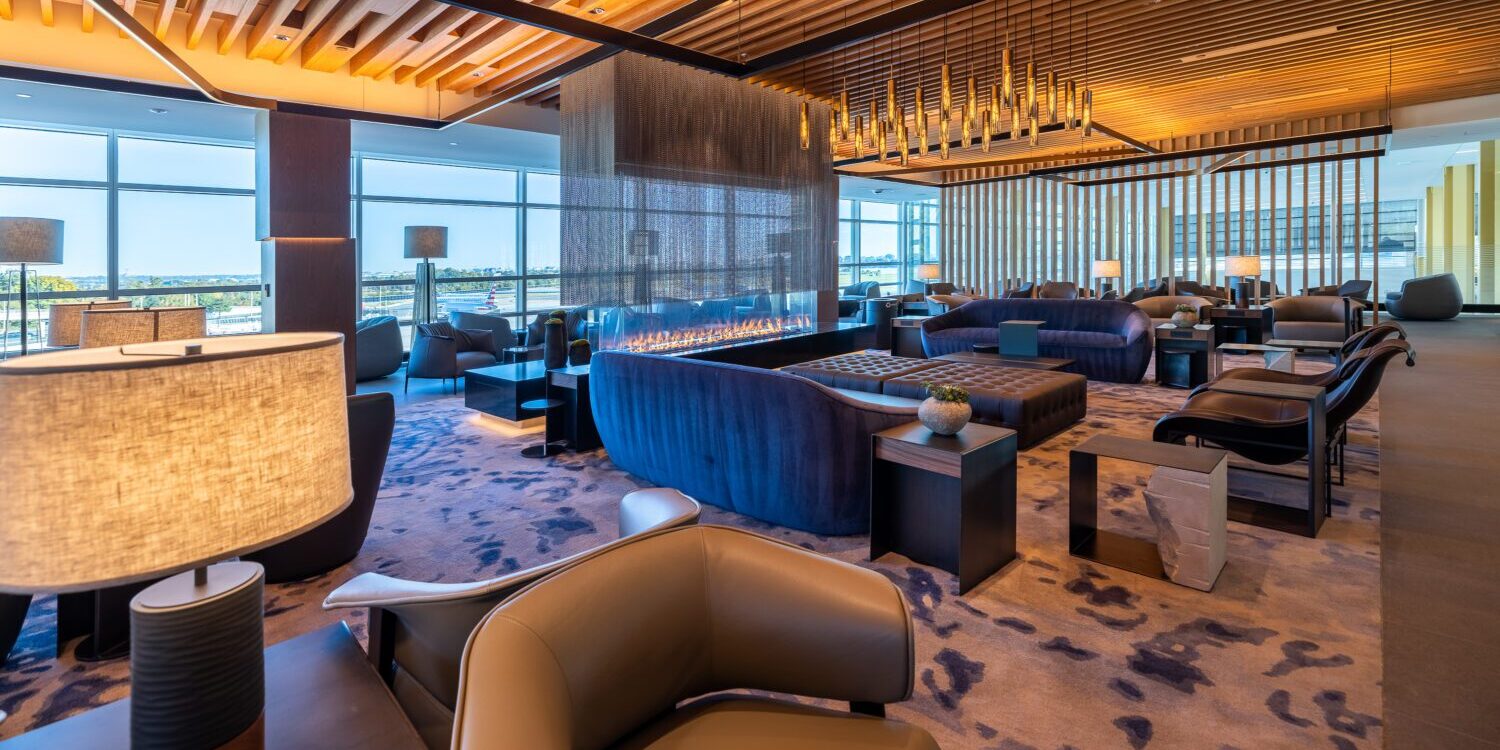
In a move that leverages the sheer scale of its operations in North Texas, American Airlines confirmed plans to build a 37,000-square-foot Admirals Club in Terminal C. Once completed, this facility will be the largest lounge in the carrier’s entire global system. Terminal C is currently the busiest terminal at DFW, serving as a critical artery for domestic connections.
The new lounge will be situated near the Terminal C Skylink station, ensuring that connecting passengers from other terminals can easily access the space via the airport’s high-speed automated people mover. The sheer size of the facility—more than triple the size of many standard lounges—is a direct response to the persistent issue of overcrowding that has plagued airport lounges across the United States in the post-pandemic era.
Architecturally, the new Admirals Club is expected to follow the "Next-Gen" design language first introduced at Washington Reagan National Airport (DCA) and Newark Liberty International Airport (EWR). This aesthetic departs from the sterile, corporate look of older lounges, instead utilizing natural wood tones, localized artwork, and residential-style lighting. Key features of this new flagship lounge will include:
- Expanded Culinary Offerings: A move toward more robust, hot food selections and premium buffet options.
- Enhanced Beverage Program: Inclusion of high-end partnerships, such as Champagne Bollinger and Lavazza coffee.
- Diverse Seating Zones: Dedicated areas for focused work, communal dining, and quiet relaxation.
- Infrastructure for Productivity: Increased density of power outlets and high-speed Wi-Fi optimized for business travelers.
Terminal F and the Rise of "Provisions by Admirals Club"
Looking further into the future, American Airlines is preparing for the expansion of DFW with the development of Terminal F. As part of the "first phase" of this new terminal, which is expected to begin partial operations in 2027, the airline will introduce "Provisions by Admirals Club."
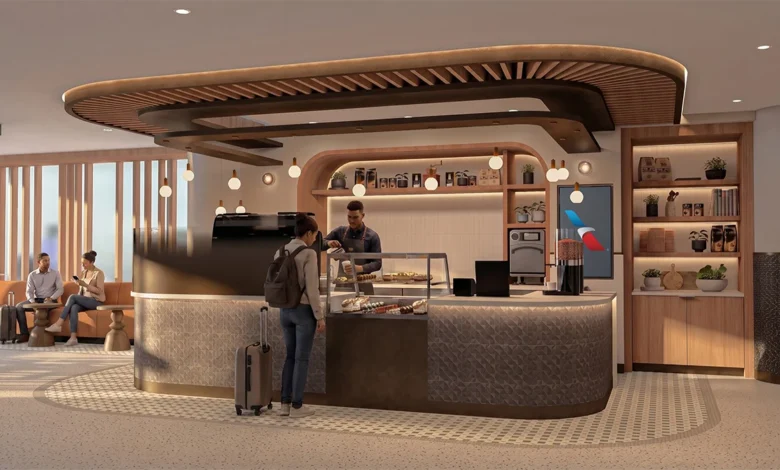
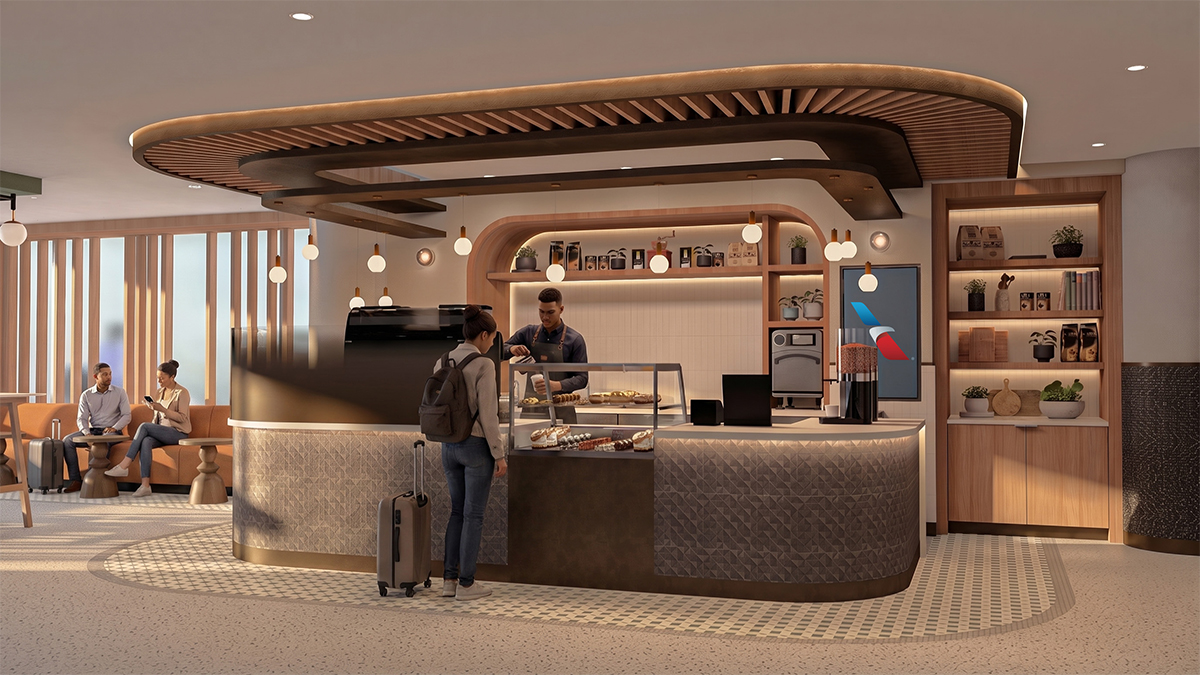
Provisions is a relatively new concept for American, designed to bridge the gap between a full-service lounge and the needs of travelers on tight connection schedules. This grab-and-go concept offers high-quality pre-packaged meals, artisanal snacks, fresh fruit, and premium coffee. The concept has already seen a successful pilot in Charlotte (CLT) and is slated for an upcoming debut at New York-JFK.
The decision to place a Provisions outlet in Terminal F suggests a two-tiered lounge strategy. While Terminal C and D will house expansive, sit-down luxury environments, the Terminal F facility will focus on speed and convenience. This mirrors the "Delta One Market" and "United Club Fly" concepts, acknowledging that a significant portion of premium travelers prioritize time-savings over traditional lounge amenities.
Strategic Context: Closing the Profitability Gap
The timing of these investments is inextricably linked to American Airlines’ financial performance relative to its peers. Despite operating more daily flights than any other airline in the world, American has consistently trailed Delta and United in terms of total profitability. In 2023, United Airlines out-earned American by approximately $3 billion, while Delta’s profit advantage was nearly $5 billion.
CEO Robert Isom has been vocal about the airline’s mission to close this "margin gap." In a recent address to investors and a subsequent interview with CNBC, Isom highlighted that the path to parity lies in capturing a larger share of the premium travel market. Historically, American focused heavily on operational volume and domestic connectivity. However, the current strategy involves a pivot toward high-yield premium seats and the associated loyalty revenue.
"We have to ensure that our product matches the expectations of the customers who are willing to pay for it," Isom noted. This shift is visible not just on the ground, but in the air; American is in the process of retrofitting its narrowbody and widebody aircraft to increase premium seat density by 45% through 2026.
The Role of Dallas-Fort Worth as a Fortress Hub
DFW is the logical epicenter for this transformation. As American’s primary hub, the airport handles over 930 peak daily departures and accounts for more than 30% of the airline’s total connecting traffic. It is the second busiest airport in the world by passenger volume, and American controls the vast majority of the gate space.
The relationship between the airline and the airport authority was recently solidified through a new 10-year Use and Lease Agreement, which includes an estimated $4.8 billion in capital investments. This agreement paved the way for the renovation of Terminal C and the construction of Terminal F. By anchoring its premium strategy at DFW, American is betting that its most loyal customer base—those in the "Sun Belt" and the central United States—will respond to an upgraded experience that rivals the coastal hubs of its competitors.
Industry Reaction and Future Implications
Industry analysts view these moves as a necessary, if somewhat delayed, response to the changing landscape of American aviation. For over a decade, Delta Air Lines has set the industry standard for domestic premium service, followed closely by United’s investment in its "Polaris" and "United Club" brands.
"American is playing catch-up, but they are doing so with significant scale," says airline industry consultant Mark Segraves. "By building the largest lounge in their system at their largest hub, they are making a statement to the corporate travel departments that they are serious about the high-end market. The challenge will be maintaining the service consistency across the rest of their network."
The broader implications for travelers are twofold. First, the increase in lounge capacity at DFW should alleviate the chronic overcrowding that has diminished the value of lounge memberships and high-end credit card perks. Second, the introduction of Flagship check-in creates a clearer distinction between "business class" as a seat and "business class" as a comprehensive service tier.
Summary of Planned Timeline
Based on current project trajectories and official statements, the rollout of these premium features at DFW is expected to follow this chronology:
- Late 2024: Opening of the Flagship Check-In facility in Terminal D (near D30).
- 2025–2026: Phased construction and opening of the 37,000-square-foot Admirals Club in Terminal C.
- 2026: Continued integration of new "Next-Gen" design elements into existing DFW Admirals Clubs.
- 2027: Debut of "Provisions by Admirals Club" in the first phase of the new Terminal F.
As American Airlines navigates its path toward higher profitability, the success of these DFW projects will serve as a litmus test for its broader corporate strategy. By investing in the ground experience at its most important hub, the airline is attempting to prove that it can offer more than just the most flights—it can offer the best ones. For the premium traveler in North Texas, the coming years promise a significant departure from the "sterile waiting room" experience of the past, replaced by a sophisticated, tiered service model designed for the modern era of travel.
Related posts: