Moab’s Mountain Biking Mecca: Mastering Desert Trails Through Responsible Recreation and Local Expertise

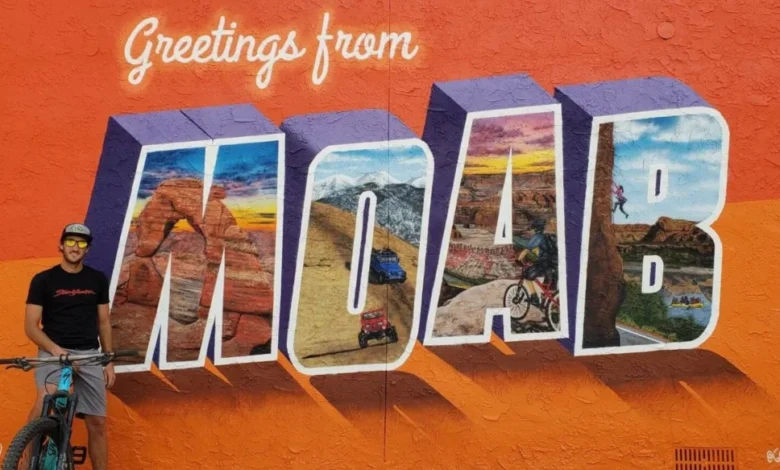
The familiar subtropical forests near Tampa, Florida, gave way to a dramatically different landscape for Kenny Gorham in 2017: towering orange mesas, sprawling sagebrush lowlands, and ancient sandstone arches of Moab, Utah. This stark environmental shift necessitated a complete re-evaluation of mountain biking practices. Gone were the forgiving, lush glades of the Gulf Coast, replaced by slickrock trails that transform into impassable "peanut butter" mud after rain and a delicate cryptobiotic soil crust highly susceptible to trampling. Adapting to Moab’s unique challenges and preserving its fragile beauty requires a specific set of guidelines, which local experts like Gorham, owner of Bighorn Mountain Biking, are keen to share.
Moab’s Ascent as a Mountain Biking Capital
Moab’s journey to becoming the "Adventure Capital of the West" is rooted in a fascinating transformation from a uranium boom-and-bust town to a world-renowned outdoor recreation hub. While mountain biking’s origins are often traced to California in the 1970s, it wasn’t long before high-level riders began venturing to the rugged Colorado Plateau in search of demanding terrain. This early exploration led to the "discovery" of premier mountain biking spots across Utah and Colorado, with Moab quickly emerging as a standout destination.
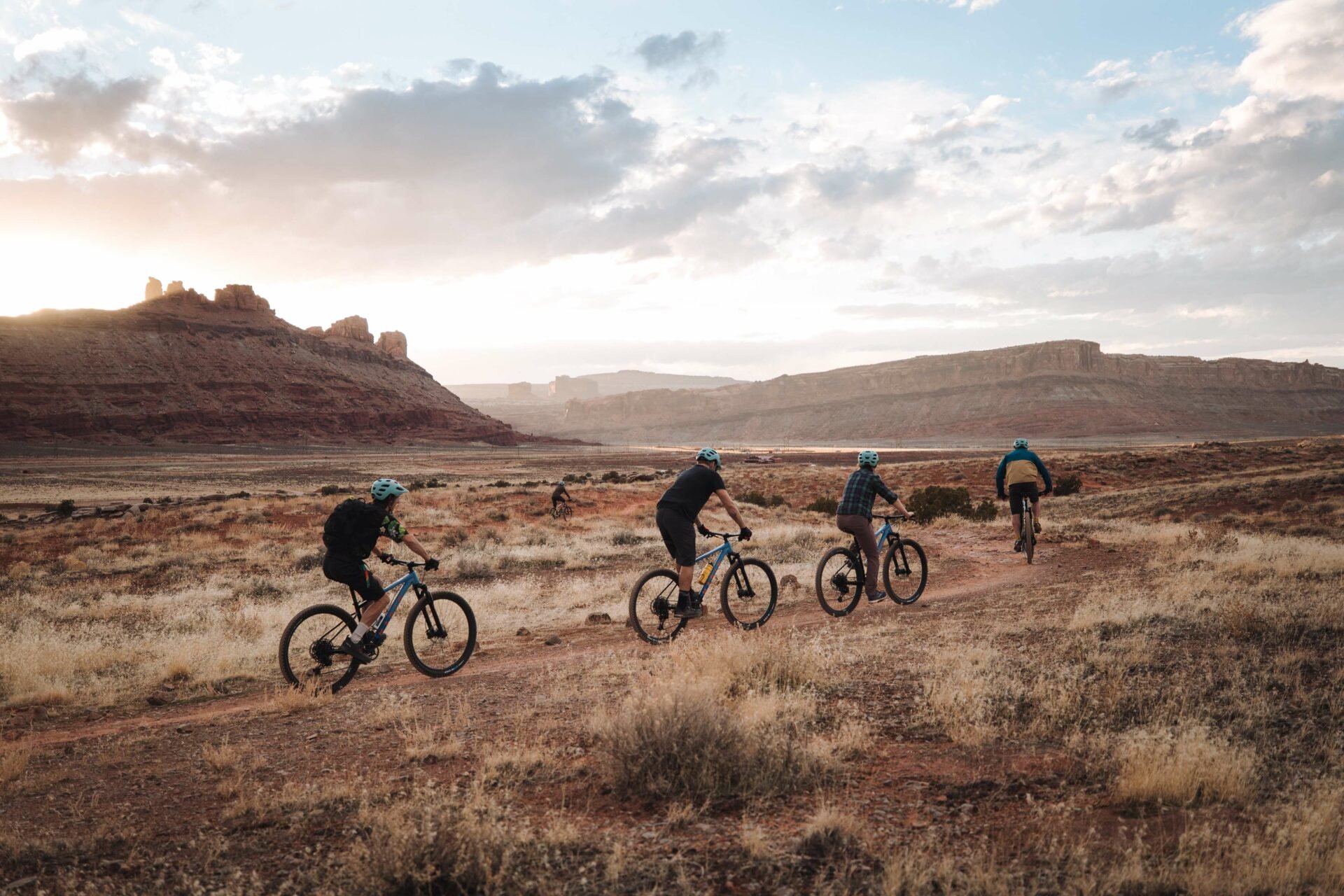
A pivotal moment occurred in 1983 when a father-sons trio established Rim Cyclery, Moab’s first dedicated bike shop. This marked a significant turning point, signaling a shift in the local economy. The burgeoning sport gained national attention in 1985 with the launch of "Mountain Bike Magazine," which prominently featured Moab’s unparalleled landscapes and trails. This exposure ignited a surge in popularity, drawing enthusiasts from across the globe. Today, Moab boasts over 900 rideable miles of trails and a half-dozen bike shops, underscoring its enduring appeal.
Kenny Gorham’s personal trajectory mirrors this broader narrative. After several rides, he recognized Moab as a mountain biking jackpot. The panoramic vistas, a tight-knit riding community, and an inexhaustible network of trails captivated him, leading him to establish Bighorn Mountain Biking in 2020. His venture, offering guided group tours for all skill levels, reflects the area’s continued growth and the community’s dedication to sharing its impressive offerings. As a former visitor who successfully acclimated to the unique terrain, Gorham now emphasizes that responsible recreation is paramount for those making their own pilgrimage to this desert paradise.
Preserving the Delicate Desert Ecosystem: Stay on Trail and Protect the Cryptobiotic Crust
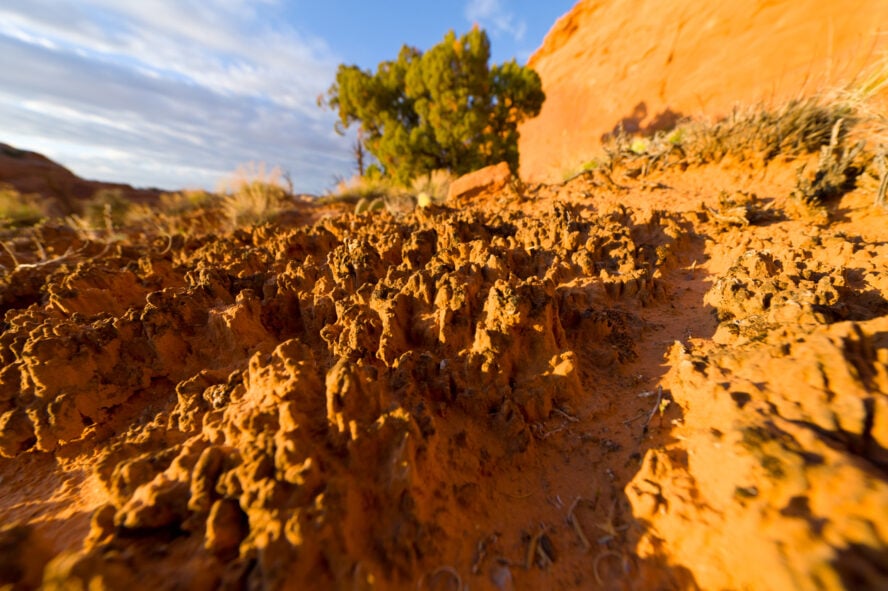
The desert ecosystem in Moab is exceptionally fragile, making adherence to designated trails a critical imperative for its protection. Unlike the robust, dense forests found in the Southeast, Pacific Northwest, or New England, the arid desert environment is significantly more vulnerable to erosion and soil degradation. This vulnerability is amplified by the presence of cryptobiotic soil crust, a living layer composed of lichens, fungi, and cyanobacteria. This vital crust plays a foundational role in the desert’s health, promoting carbon fixation, enhancing water retention, and stabilizing the soil, thereby allowing nutrients to remain accessible to plant root systems.
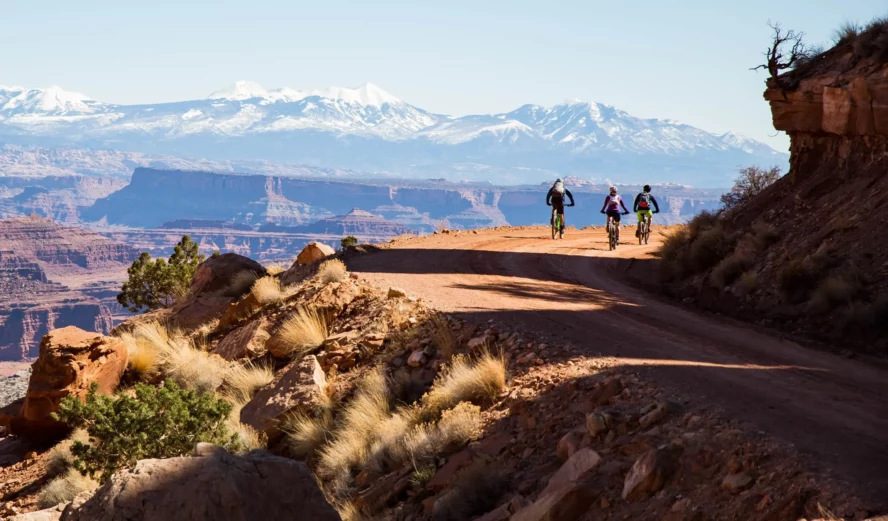
"As locals, we love our cryptobiotic soil. It plays a foundational role to how the desert operates," states Kenny Gorham. Without this essential biological layer, the iconic desert landscape, adorned with cacti, sagebrush, yuccas, and wildflowers, would rapidly devolve into barren sand dunes. Studies have shown that once the cryptobiotic crust is disturbed by recreational activities, its recovery can take decades, if not centuries, to fully restore its ecological functions. For instance, a single mountain bike track off-trail can destroy a patch of crust that took 50-100 years to form, with full recovery potentially extending beyond 250 years in some cases.
To mitigate this damage, local land managers and volunteers in Moab often delineate trails with "bordering" rocks, clearly indicating the permissible riding paths. Despite these efforts, some riders unfortunately deviate from marked routes, creating unauthorized "social trails" in pursuit of shortcuts or scenic overlooks. This proliferation of informal paths weaves a destructive web across the landscape, severely damaging the soil and plant life. With increased visitation, these social trails have become more prevalent, underscoring the critical importance of reading trail signs and understanding the ecosystem’s fragility. Even seemingly minor deviations, such as bypassing a small obstacle or seeking a quicker route to a parking lot, can lead to significant environmental harm, not to mention potential hazards like mud puddles, flat tires from cacti, or getting stuck in soft sand. The recommended practice is to always follow trail markers, and if an accidental deviation occurs, riders should immediately stop, identify signs or cairns, and retrace their steps to avoid further damage.
Navigating Wet Trails: The "Peanut Butter" Dilemma
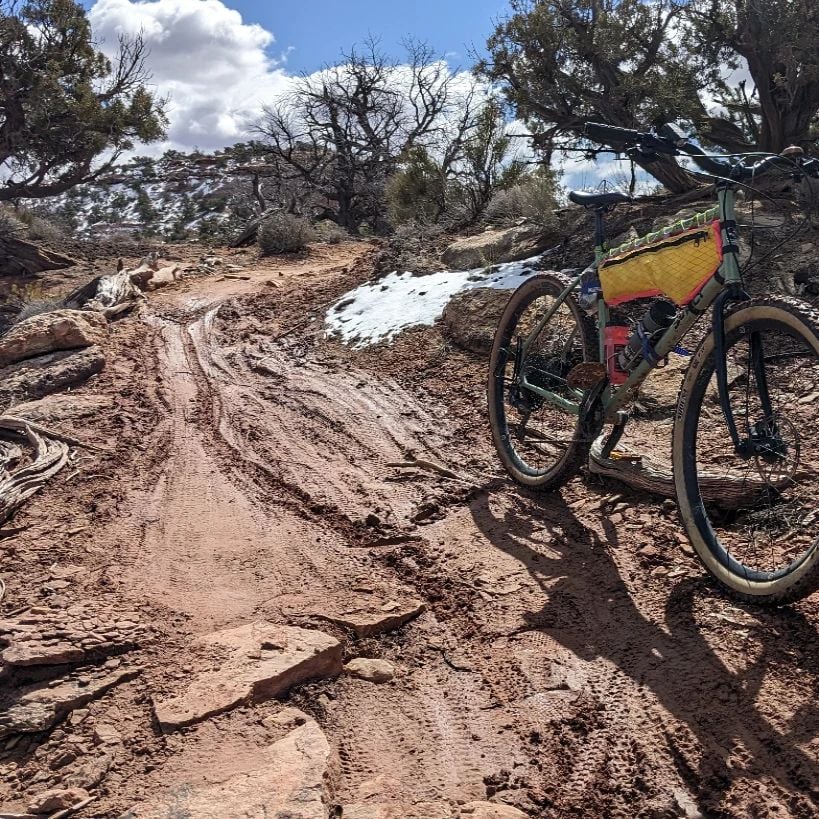
While the sight of snow-capped La Sal Mountains or a dramatic thunderstorm over Dead Horse Point State Park offers breathtaking beauty, these weather events signal conditions unsuitable for mountain biking. Moab’s trails, primarily composed of clay, become heavily saturated after even modest precipitation, transforming into a treacherous, sticky substance often dubbed "peanut butter mud." Riding in these conditions can lead to accelerated erosion, deep ruts, and significant trail damage that requires extensive repair.
During winter, there’s a substantial likelihood (estimated at 60% by local guides) that trails will be unrideable due to snow or mud. Many local bike shops will even refuse rentals if recent weather has rendered trails unsafe. In spring, higher-elevation trails may remain closed due to slush and water runoff, while lower segments might be accessible. The desert, however, dries relatively quickly. Therefore, it is strongly advised that riders contact local bike shops for current weather and trail reports, as conditions are highly variable depending on precipitation levels, wind, and sun exposure.
"Once clay trails get saturated, it’s like riding through peanut butter. You end up creating bigger tracks and divots, and it won’t be a fun experience," explains Kenny Gorham. This not only harms the trails but also detracts from the riding experience. The proactive approach of calling bike shops for updates is highly valued by the local community, demonstrating a commitment to responsible recreation. For those keen on high-elevation rides, late September to early November is typically the optimal window, ensuring dry trailheads up to 10,000 feet. For lower elevations, both spring and fall generally offer excellent riding conditions.
Fostering Harmony on Shared Trails: Respecting All User Groups
Moab is a diverse outdoor playground, attracting not only mountain bikers but also hikers, horseback riders, and rock climbers. Consequently, many Bureau of Land Management (BLM) trails are designated for mixed-use by all non-motorized users. While most hikers tend to gravitate towards hiker-only trails within Arches or Canyonlands National Parks, mountain bikers will frequently encounter other user groups. Dead Horse Point State Park, however, does offer designated single-track trails exclusively for bikers, providing an option for those seeking an MTB-only experience.
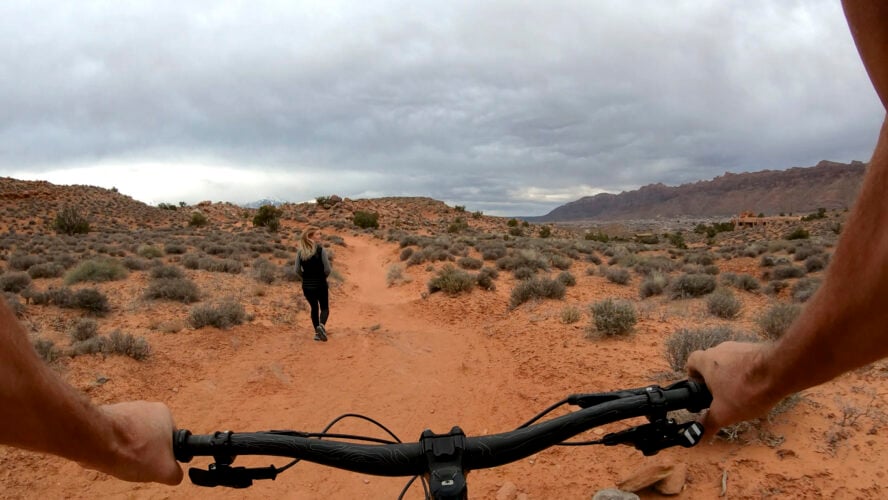
Given the quiet nature of mountain bikes, clear communication is essential when approaching other trail users. Riders should announce their presence with a soft but audible voice and specify which side they intend to pass on. Fundamental trail etiquette dictates yielding to uphill riders and hikers. A particularly important rule is always to yield to horseback riders, whose animals can be easily startled. The rider will typically communicate the safest way to proceed based on the horse’s demeanor.
"It’s easy to scare people when passing, and it leads to other trail users not liking mountain bikers. That causes trail advocacy groups and organizations to be less prone to support mountain bikers in Moab," emphasizes Gorham. This highlights the broader impact of individual actions on the collective reputation of mountain bikers and their ability to gain support for trail access and development. Beyond formal rules, common courtesy and politeness—such as refraining from excessive shouting at summits or blasting music on descents—contribute significantly to a positive shared outdoor experience, allowing everyone to enjoy the tranquility of nature.
Active Stewardship: Engaging with Trail Organizations
With Moab’s growing popularity across various outdoor sports, the demand for well-maintained trails continues to rise. This necessitates consistent management and dedicated efforts to sustain the trail network for all user groups. Active involvement in trail organizations is a crucial way for recreationists to contribute to the health and longevity of the trails they enjoy.
One of the most impactful organizations in Moab is Moab Trail Mix (MTM), a committee dedicated to enhancing non-motorized recreation opportunities. Their mission statement succinctly captures their purpose: "Our mission, to care for over 200 miles of non-motorized trails, relies on support from people like you – people who love to ride, hike, climb, and run!" MTM regularly announces trail days, stewardship projects, and educational events via their social media channels. Participating in these events provides a direct means to contribute to trail maintenance, learn about trail ethics, and receive updates on conditions. For those unable to volunteer their time, financial donations to MTM are equally vital, directly supporting their operational costs and projects. Such community involvement demonstrates a profound care for both the mountain biking community and the wider outdoor environment.
Essential Preparation: Gear, Supplies, and Safety in the Desert
The breathtaking panoramas of the snow-capped La Sal Mountains and the endless, layered russet buttes come with an inherent challenge: complete exposure to the elements. The dry climate and intense sun in Moab demand meticulous preparation to ensure safety and enjoyment. As Kenny Gorham warns, "Within 15 minutes, you can go from having a great ride to getting a flat tire and having to hike back without adequate water." Many first-time visitors underestimate the desert’s harshness.
A general rule of thumb for water consumption is at least one liter per hour of riding, with additional reserves. Electrolyte tablets are also highly recommended to combat dehydration. Beyond hydration, comprehensive sun protection (sunscreen, wide-brimmed hats, protective clothing) is crucial. Given the frequent lack of cell service in many BLM areas, national parks, and canyons, carrying a map, informing someone of your itinerary, and ideally riding with a partner are non-negotiable safety measures.
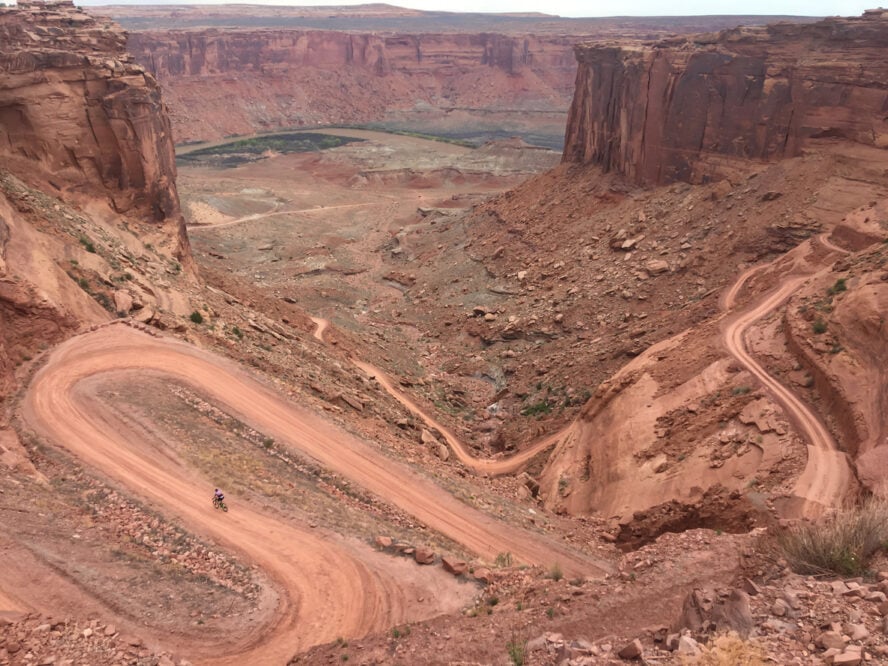
Regarding bike maintenance, a standard tool kit is essential for any rider venturing into Moab’s backcountry. This should include a chain breaker, torx and hex suite, tire levers, a mini pump, a spare tube, a chain link, CO2 canisters, an inflator, and a multi-tool. Knowing how to use these items for basic repairs, particularly fixing a flat tire, is critical for self-sufficiency. "There’s nothing worse than seeing someone dehydrated or experiencing signs of exhaustion. This can be very dangerous in the desert," states Gorham, underscoring the severe risks. For longer, more technical, or unfamiliar trails, or for those unsure of their bike repair skills, hiring a guide is highly recommended.
Adhering to Leave No Trace Principles in a Sensitive Environment
The sensitive desert ecosystem of Moab demands an elevated commitment to the Leave No Trace (LNT) principles. These seven guidelines are designed to minimize human impact on natural environments. The core principle for riders is to leave the trail exactly as it was found, which entails packing out everything brought in.
This means absolutely no litter should be left behind, including seemingly biodegradable items like banana or orange peels, which decompose slowly in arid environments. Snack wrappers, toilet paper, and human waste must also be properly disposed of. Riders should carry a small trash bag or Ziploc for personal waste and dog poop. For longer trails requiring human waste disposal, "WAG Bags" are readily available at local shops and are designed for hygienic, contained removal of solid waste. As the Moab Trail Mix Instagram page explains, "What happens if we leave our toilet paper? It takes longer for things to decompose. It has our waste on it, so it’s tempting for animals. And it visually impairs the hiking experience for others."
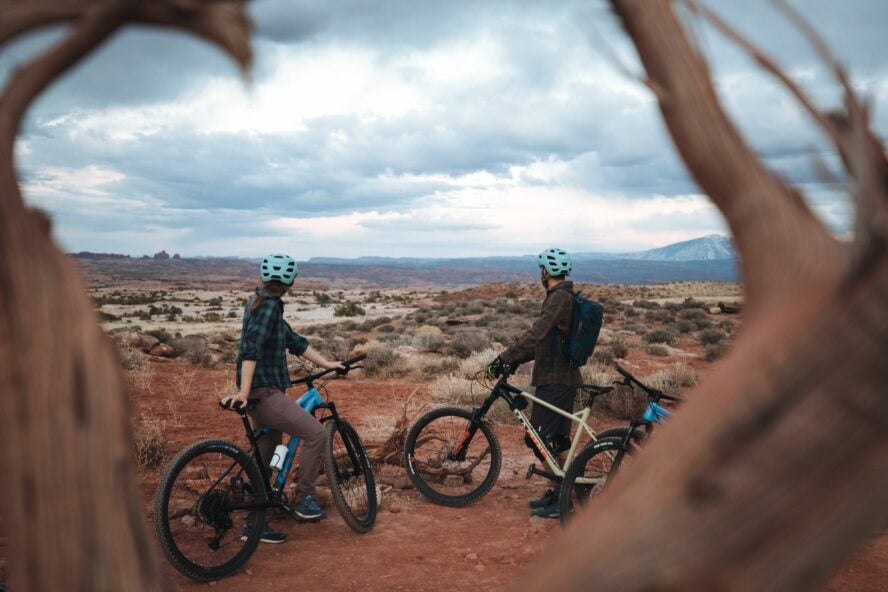
Kenny Gorham advises his clients to strive to leave no footprints off unmarked trails, highlighting the extreme fragility of the cryptobiotic soil. This seemingly minor action can cause lasting damage. By consistently adhering to LNT principles, riders ensure the preservation of Moab’s natural beauty and ecological integrity for future generations.
The Invaluable Role of a Guided Experience
While perhaps not a direct etiquette tip, hiring a guide in a new and challenging environment like Moab significantly increases the likelihood of adhering to all responsible recreation principles. Private mountain biking tours offer immense benefits, particularly in the high desert. Guides, often medically trained, provide crucial knowledge about the desert ecosystem, ecological facts, and specialized tips for riding Moab’s iconic slickrock.
"It’s nice to not have to worry about where you’re going, Moab has well marked trails, but people still get nervous about getting lost and spend a lot of time navigating," notes Kenny Gorham. Guides alleviate the stress of navigation, allowing riders to fully immerse themselves in the experience and focus on improving their skills. This eliminates wasted time poring over maps, maximizing actual riding time. The added safety net of a knowledgeable, medically-trained guide is especially valuable in the harsh desert environment, offering peace of mind for individuals, families, and groups with young riders. Ultimately, a guided tour enhances safety, enriches the learning experience, and ensures that visitors interact with Moab’s unique landscape in the most respectful and sustainable way possible.
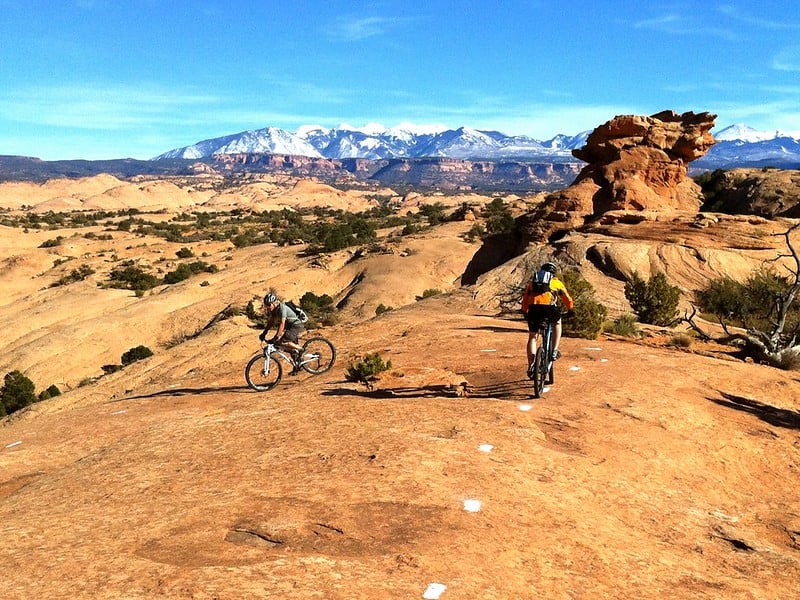
Conclusion: Embracing Moab’s Trails Safely and Responsibly
Moab offers an unparalleled mountain biking experience, from the classic slickrock trails to the legendary Whole Enchilada. However, the unique demands of this high desert environment require more than just riding skill; they demand a profound respect for the fragile ecosystem and a commitment to responsible recreation. By understanding and adhering to guidelines such as staying on marked trails to protect cryptobiotic soil, avoiding wet conditions, respecting all user groups, actively supporting trail stewardship, being meticulously prepared with the right gear, and strictly following Leave No Trace principles, riders can ensure a safe, enjoyable, and sustainable adventure. For those new to Moab or seeking to deepen their understanding, engaging with local experts like Kenny Gorham and his team at Bighorn Mountain Biking offers an invaluable gateway to mastering these iconic trails. As the prime season kicks into gear, typically starting in March, Moab eagerly awaits riders ready to embrace its challenges and contribute to its preservation.