Ingenuity on the Trail: Backpackers Embrace Resourceful Hacks to Enhance Outdoor Experience and Minimize Costs.

Backpacking, a pursuit often celebrated for its physical demands and immersion in nature, is equally a rigorous exercise in creative problem-solving and out-of-the-box thinking. From meticulously planning routes and packing essentials to navigating unforeseen logistical challenges, the wilderness continuously calls for adaptability. While the market offers an expansive array of high-end equipment—lighter, more durable, and expertly streamlined for the trail, often at significant cost—a growing contingent of outdoor enthusiasts is rediscovering the profound utility of ingenuity. Many of the most effective and widely available pieces of kit are surprisingly inexpensive, readily accessible, and, in many cases, were never originally designed with backpacking in mind. This trend, highlighted by seasoned outdoor publications like Backpacker magazine, underscores a foundational principle of wilderness travel: resourcefulness often triumphs over expenditure.
Published on July 20, 2026, Backpacker magazine recently showcased a collection of such ingenious adaptations, echoing years of observing trail-side innovation. Previous examples have ranged from ultralight shelters crafted from Tyvek, a material commonly used in construction, to improvised first-aid kits assembled from everyday items, and frisbees repurposed as everything from plates to emergency paddles. Even tent stakes have found new life as compact trowels. The magazine’s latest compilation introduces seven additional gear hacks, costing next to nothing, yet promising to significantly elevate the backpacking experience. These solutions, while lacking the advanced technology and engineering of specialized gear, compensate with an undeniable spirit of resourcefulness and practicality.
The Evolution of Backpacking Gear and the Rise of DIY Culture
The history of outdoor recreation gear is a testament to continuous innovation, driven by a desire for greater comfort, efficiency, and safety in challenging environments. Early backpackers relied on canvas and leather, heavy and cumbersome materials that necessitated a strong emphasis on minimalism. The mid-20th century saw the introduction of synthetic fabrics like nylon, revolutionizing gear by making it lighter and more weather-resistant. Today, the market is saturated with hyper-specialized equipment, from ultralight tents weighing mere ounces to advanced GPS devices and ergonomic packs. A full, high-end backpacking setup can easily cost upwards of $1,500 to $3,000, placing a significant barrier for many aspiring adventurers.
This escalating cost and the increasing sophistication of gear have, paradoxically, fueled a counter-movement: the rise of DIY (Do-It-Yourself) and gear-hacking culture. This philosophy aligns with the "ultralight" backpacking movement, which prioritizes shedding every unnecessary ounce. However, instead of simply buying the lightest commercial gear, the DIY approach encourages adapting common items or creating solutions from scratch. This fosters a deeper connection to the principles of self-reliance and problem-solving, core tenets of wilderness ethics. It challenges the notion that optimal performance is solely dependent on proprietary technology, demonstrating that clever application of simple materials can achieve comparable, if not superior, results in specific contexts. This cultural shift not only democratizes access to outdoor activities by reducing financial burdens but also cultivates a community of creative, adaptable, and self-sufficient adventurers.
Practical Innovations: Deconstructing Essential Gear Hacks
The recent insights from Backpacker magazine highlight several straightforward yet profoundly effective gear modifications that exemplify this resourceful ethos. Each hack leverages the inherent properties of common items to solve persistent trail challenges, often with added benefits of weight savings and multi-functionality.
Self-Myofascial Release on the Trail: Tennis Balls and PVC Pipe
Post-hike muscle soreness is a universal complaint among backpackers. The accumulation of lactic acid and the formation of myofascial trigger points can significantly impede recovery and subsequent performance. While professional massage is an impossibility on the trail, self-myofascial release (SMR) offers a highly effective alternative. Backpacker magazine suggests an ingenious, low-cost solution: using tennis balls and sections of PVC pipe.
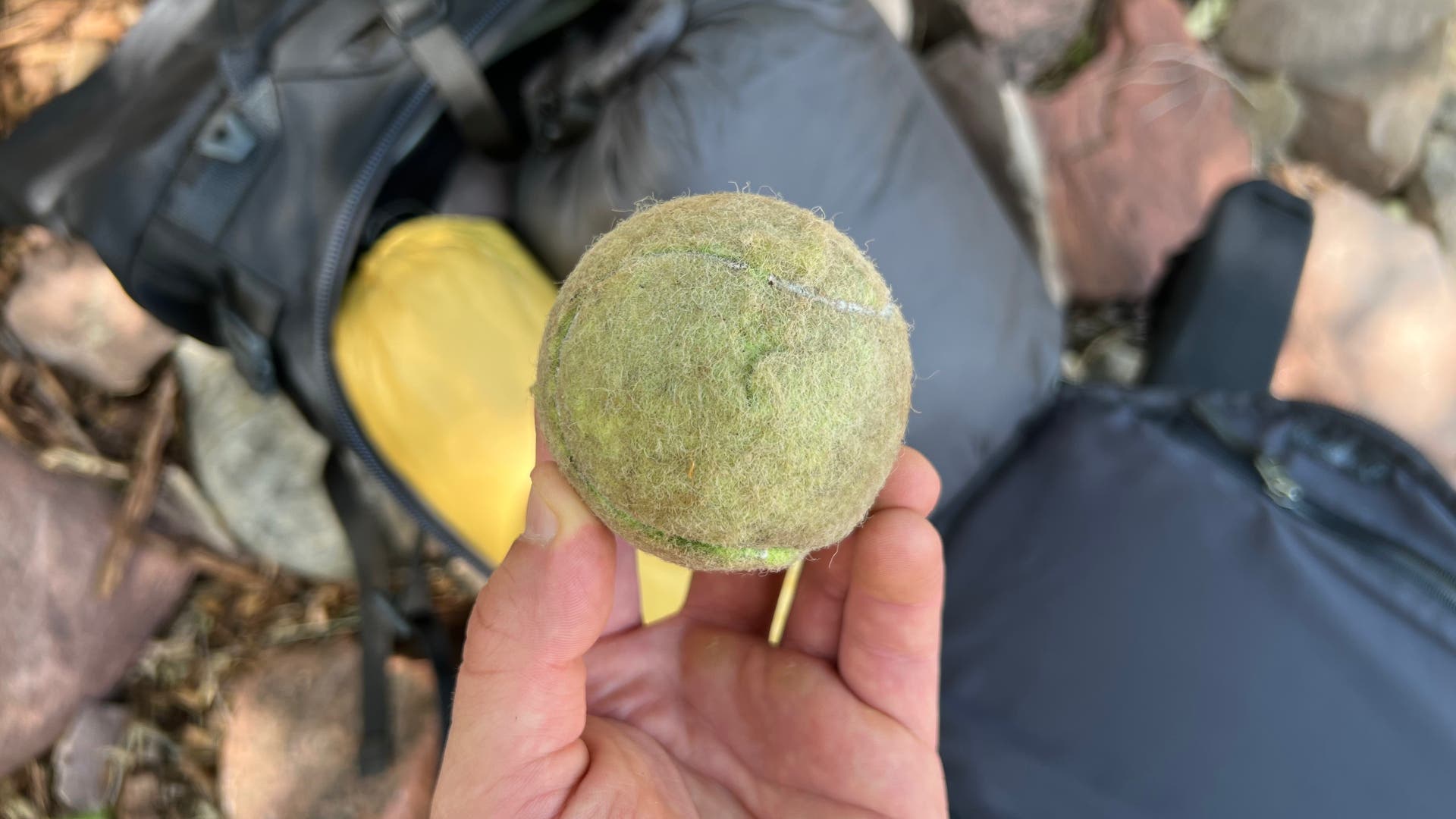
Tennis balls, readily available and inexpensive, are ideal for targeted pressure on muscle knots, particularly in the shoulders, back, and glutes. By lying on one’s back and strategically positioning a tennis ball under a tense area, precise pressure can be applied through body weight, mimicking the effects of deep tissue massage. This technique aids in breaking down adhesions, increasing blood flow, and improving muscle elasticity. For broader muscle groups, such as the thighs, calves, hips, and along the spine, a 3- to 4-inch diameter section of PVC pipe, approximately three inches long, serves as an excellent muscle roller. Hardware stores can cut these sections to size for minimal cost. The firm surface of the PVC allows for deeper tissue manipulation, effectively releasing tension in large muscle groups. The sensation, often described as "hurts so good," is indicative of its therapeutic effect.
Beyond their primary function, these SMR tools can be further integrated into a minimalist kit. Wrapping the PVC pipe in duct tape transforms it into a multi-purpose item, providing both a muscle roller and a readily accessible supply of repair tape. Furthermore, ski straps can be used to securely lash the PVC roller to the exterior of a pack, keeping it accessible without consuming valuable internal space. This solution offers comparable benefits to specialized SMR equipment, which can cost anywhere from $20 to $100 and often adds considerable bulk and weight, thus providing significant economic and logistical advantages for the trail-conscious backpacker.
The Improvised Solar Shower: A Sustainable Quandary
Maintaining hygiene on extended trips can be a challenge, and the luxury of a hot shower is often the most missed comfort. While commercial portable showers exist, their cost and weight can be prohibitive. Backpacker magazine’s ingenuity-driven hack for a hot shower involves a simple black plastic trash bag. This method, while remarkably clever, does present environmental considerations that warrant careful thought.
The principle behind this hack is straightforward thermodynamics: a black plastic bag filled with a few gallons of water, when left in direct sunlight for several hours, acts as a solar collector. The black material efficiently absorbs solar radiation, heating the water within. Once the water reaches a comfortable temperature, the bag can be hung from a tree, and a few small holes poked in one corner will create a rudimentary shower stream. The resulting cascade of warm water can provide a much-needed respite and cleanse.
However, the environmental implications are notable. The use of single-use plastic bags for this purpose can be problematic, especially if not disposed of properly. Environmentally conscious backpackers, adhering to "Leave No Trace" principles, prioritize minimizing waste. While the bag might be reusable once or twice by tying off the punctured corner, repeated use of new bags contributes to plastic waste. Furthermore, the source of water and the type of soap used are crucial. If drawing water from natural sources, it’s essential to ensure its purity. Any soap used should be biodegradable and applied away from water sources to prevent contamination.
For those determined to integrate regular showering into their wilderness routine while minimizing environmental impact, reusable alternatives like Sea to Summit’s Pocket Shower, though not as cheap or light, offer a more sustainable solution. This hack is best reserved as an occasional treat or an emergency solution rather than a daily ritual, balancing ingenuity with environmental stewardship.
The Ubiquitous Utility of Ski Straps: Beyond the Slopes
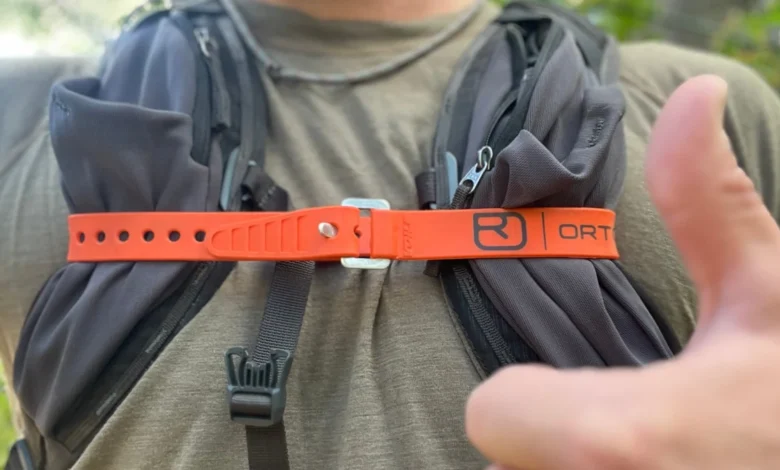
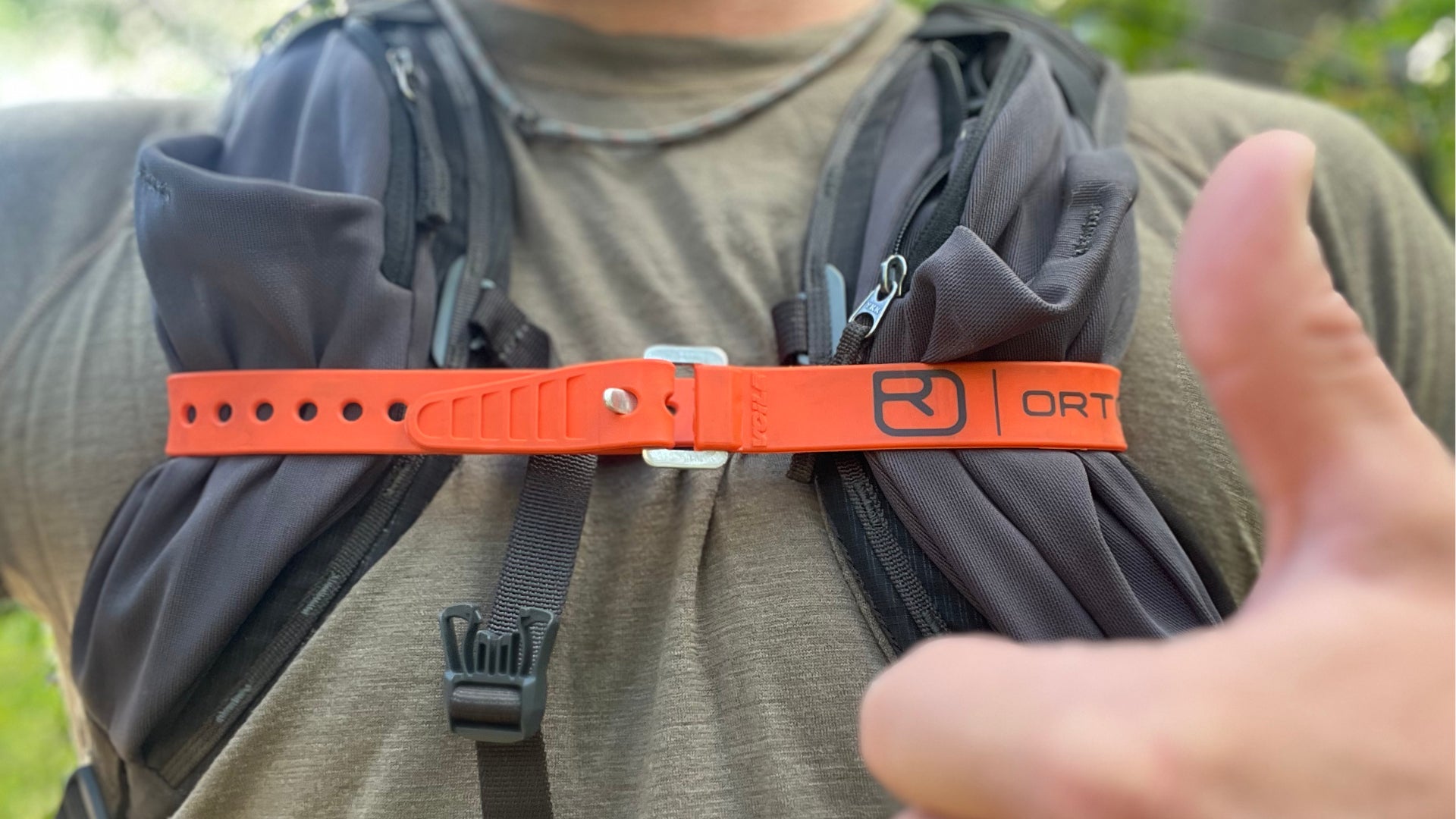
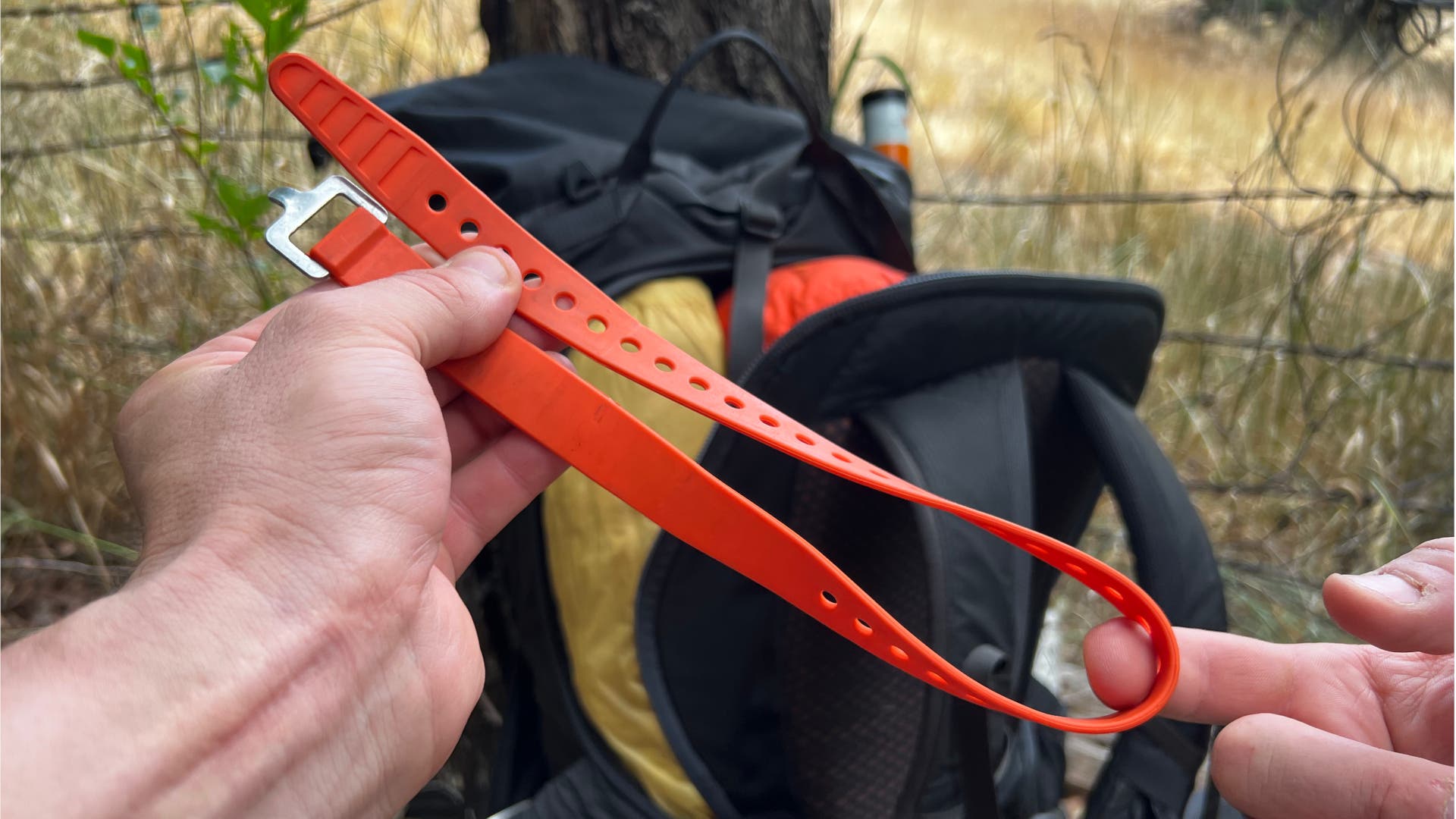
Ski straps, originally designed to secure skis together, have transcended their primary purpose to become one of the most versatile and indispensable items in a backpacker’s kit. These robust, rubbery straps, often equipped with durable nylon buckles, offer an unparalleled combination of strength, flexibility, and ease of use. A standard 12-inch Voile strap, costing around $8, can perform an astonishing array of functions on the trail.
Their rubberized grip and secure buckle make them ideal for quick field repairs. They can temporarily mend a snapped hiking pole, replace a broken sternum or compression strap on a pack, or even secure a makeshift splint in an emergency. Beyond repairs, ski straps excel at attaching odd-shaped items to the outside of a pack, consolidating gear, or compressing sleeping bags and pads. Their robust construction allows them to withstand significant tension, making them reliable for securing loads to vehicle roof racks or even lashing small boats.
The ease of packing ski straps further enhances their appeal. Many backpackers loop them around a shoulder strap or hiking pole for immediate access, akin to a roll of tape. Their durability ensures they can be reused hundreds of times, offering exceptional value. The inherent design of ski straps—high tensile strength, weather resistance, and simple yet effective fastening mechanism—makes them a superior alternative to bungee cords or traditional webbing straps for many outdoor applications, embodying the multi-functional spirit of resourceful packing.
Dual-Purpose Preparedness: Fishing Hook and Line as an Emergency Sewing Kit
Preparedness is a cornerstone of safe backpacking, and an emergency sewing kit is often overlooked until a critical gear failure occurs. Backpacker magazine highlights how a fishing hook and line can ingeniously double as a compact and potent field repair solution, alongside their obvious survival utility.
For those who fish, this hack is a natural extension of their existing gear. Even for non-anglers, a small cork carrying a couple of hooks and wrapped with braided fishing line becomes an incredibly efficient, dual-purpose item. The hook serves as a robust "needle," capable of piercing tougher fabrics like pack material or heavy-duty tent canvas, while the braided fishing line acts as an exceptionally strong thread. Unlike monofilament line, which can kink easily and struggles to hold knots securely, braided line mimics heavy-duty nylon thread, offering superior knot strength and lying flatter for more secure repairs. Brands like Reaction Tackle offer braided lines that are ideal for this purpose.
This simple kit can be a lifesaver when hiking pants rip, a backpack tears wide open, or essential gear needs immediate mending. While carrying an actual sewing needle and dedicated thread alongside the fishing kit offers maximum versatility, the fishing line’s dual function makes it a compelling choice for minimalist packers. Basic sewing knowledge, such as various stitch types and knot-tying, is essential to maximize the effectiveness of this field repair trick, reinforcing the importance of fundamental outdoor skills. Historically, wilderness travelers relied heavily on their ability to mend and repair, a skill that remains invaluable today for extending gear life and ensuring safety.
The Humble Zip-Top Bag: An Ultralight Pet Bowl Solution
Backpacking with canine companions is a growing trend, and ensuring pets are well-hydrated and fed on the trail is paramount. While dedicated compressible dog bowls are widely available, Backpacker magazine points to the humble zip-top bag as the ultimate ultralight and ultra-affordable alternative.
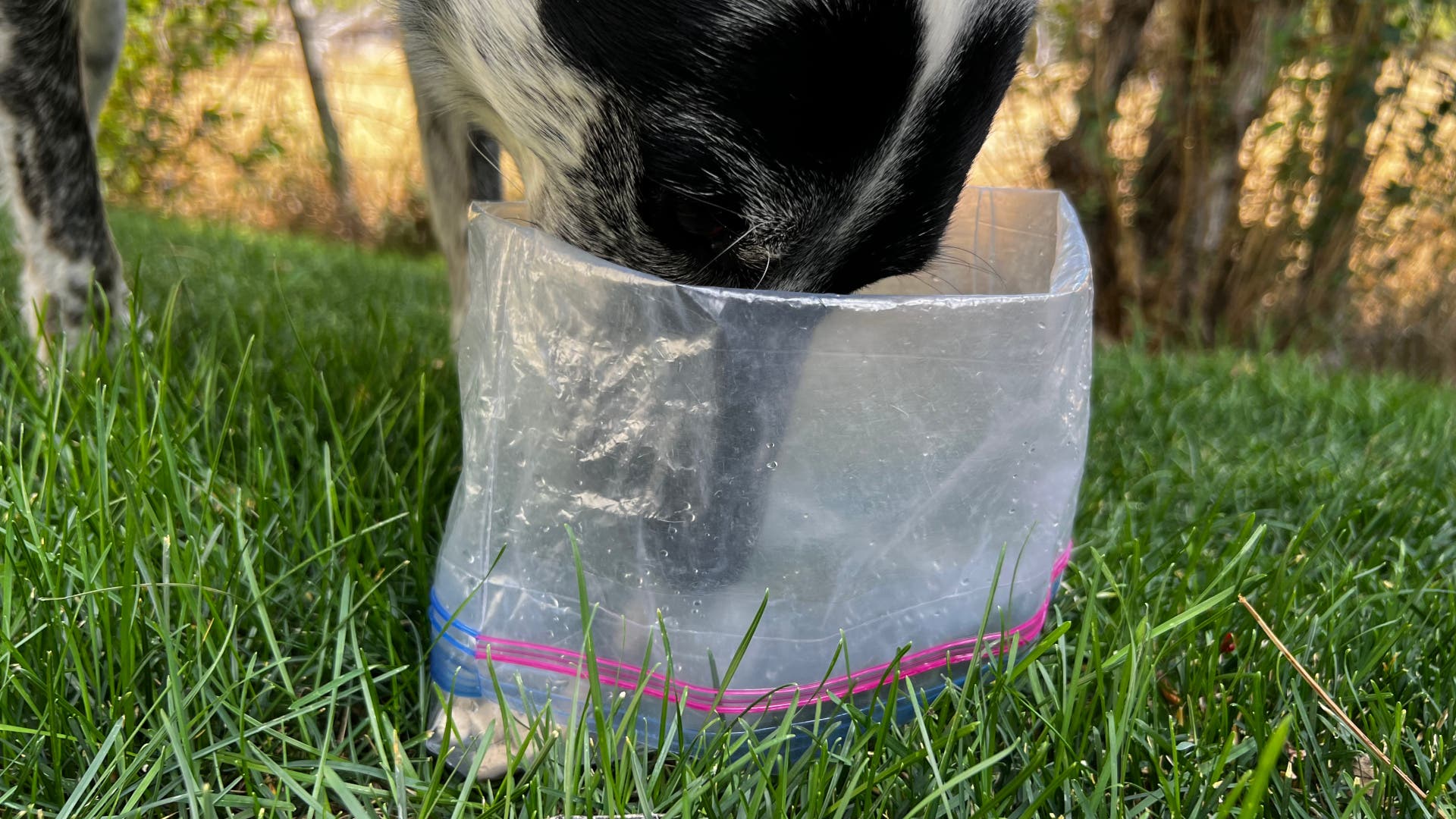
A standard gallon-sized zip-top bag, when opened and its top half rolled down, forms a surprisingly stable and functional bowl. Its flexible plastic construction allows it to hold water or food effectively. Once the dog has finished, the bag can be emptied, rolled back up, and tucked away into a pack brain or pocket, where it virtually disappears due to its minimal bulk and weight.
The advantages of this hack are manifold:
- Cost: Zip-top bags are extraordinarily inexpensive, often costing pennies per unit.
- Weight: They weigh mere grams, significantly lighter than even the most ultralight silicone collapsible bowls.
- Compressibility: Their ability to flatten completely makes them ideal for tight packing spaces.
- Reusability: With a quick rinse at home, they can be cleaned and saved for countless future trips, reducing waste.
This solution perfectly illustrates how common household items can outperform specialized gear in specific contexts, offering a practical, hygienic, and economically sound method for feeding and hydrating pets on the go. The increasing number of dogs on trails underscores the relevance of such simple, effective solutions for pet owners.
Plastic Shower Caps Make Great Boot Covers
Maintaining a clean and organized campsite, particularly inside a tent, can be challenging, especially after a muddy or dusty day on the trail. The Backpacker article highlights an often-overlooked item—the ubiquitous plastic shower cap—as an excellent solution for containing dirt and grime from footwear.
These inexpensive, often free (from hotels), and highly portable items possess ideal properties for boot covers. Their elasticized edges stretch easily over the toe and heel of hiking boots, securely enclosing the entire dirty sole. The thin plastic material effectively contains mud, dirt, sand, and moisture, preventing it from transferring to other gear or the interior of a tent.
This hack proves invaluable in several scenarios:
- Tent Hygiene: If conditions necessitate bringing boots inside the tent (e.g., to prevent freezing in cold weather, or simply to keep them close), shower caps ensure the tent floor remains clean.
- Gear Protection: They protect other items in a pack or duffel from dirty footwear during transport.
- Vehicle Cleanliness: After a hike, changing out of dirty boots and placing them in shower caps keeps car interiors spotless.
Available in bulk for minimal cost online, plastic shower caps represent a tiny investment for a significant improvement in trail hygiene and gear maintenance. They prevent the ingress of foreign material into sleeping areas, contributing to a more comfortable and sanitary wilderness experience, ultimately enhancing gear longevity by keeping it cleaner.
T-Shirts and Seam Grip Can Prevent Pillow Slip
A common frustration for many backpackers is the incessant slipping of their inflatable pillow from their sleeping pad during the night, leading to disturbed sleep. Backpacker magazine offers two simple yet effective methods to combat this issue, demonstrating how common items can enhance comfort.
The first method involves using a T-shirt. By fitting a T-shirt over both the inflatable pillow and the end of the sleeping pad, the fabric creates friction and a physical barrier that helps secure the pillow in place. The shirt essentially "hugs" both items together, preventing independent movement. Backpackers can dedicate a clean T-shirt for this purpose, or, for those less bothered by trail funk, a worn shirt can pull double duty. The slight friction of the fabric against the sleeping pad’s surface significantly reduces slippage, leading to a more stable and restful night’s sleep. The importance of quality sleep for performance, mood, and safety on multi-day treks cannot be overstated.
The second, more permanent solution involves using a few small dots of seam grip or a similar flexible adhesive directly on the sleeping pad. Seam grip, typically used for waterproofing seams on tents and rain gear, dries to a slightly tacky, rubbery texture. Applying small, strategically placed dots to the area where the pillow rests creates a non-slip surface. This provides added friction without significantly altering the pad’s feel or adding substantial weight. When combined with the T-shirt method, these two hacks offer maximum pillow security, transforming a restless night into a more comfortable slumber. This exemplifies how understanding material properties and simple mechanics can lead to significant improvements in trail comfort.
Broader Implications: Fostering Self-Reliance and Sustainable Practices
The widespread adoption and sharing of these "gear hacks" carry significant implications that extend beyond individual convenience and cost savings. This culture of improvisation and resourcefulness fosters several positive trends within the outdoor community and beyond.
Economic Impact: The most immediate and tangible benefit is the substantial cost savings. By repurposing common household items or utilizing inexpensive materials, backpackers can drastically reduce their initial investment in gear. This democratizes access to outdoor activities, making them more attainable for individuals and families who might otherwise be deterred by the high price of specialized equipment. It shifts focus from consumerism to ingenuity, challenging the notion that one needs the latest and most expensive gear to enjoy the wilderness. This economic accessibility is crucial for expanding participation in outdoor recreation, a sector that contributes significantly to local economies.
Environmental Impact: While some hacks, like the single-use shower bag, present a potential environmental trade-off, the overall ethos of gear hacking promotes sustainability. By extending the life of existing gear through repair (e.g., sewing kit) or repurposing items that would otherwise be discarded (e.g., old T-shirts), backpackers reduce their consumption of new products. This aligns with "reduce, reuse, recycle" principles, minimizing the ecological footprint associated with manufacturing and transporting new goods. When reusable alternatives are chosen, such as cleaning and reusing zip-top bags, the environmental benefit is clear, reinforcing a mindful approach to resource consumption in the outdoors. This aligns perfectly with the overarching "Leave No Trace" principles, encouraging minimal impact on natural environments.
Skill Development and Self-Reliance: Embracing gear hacks inherently cultivates essential wilderness skills: problem-solving, adaptability, and self-sufficiency. When a piece of gear fails, or an unexpected need arises, the ability to improvise a solution using available resources is invaluable. This hands-on approach builds confidence and resilience, empowering individuals to navigate challenges independently rather than relying solely on store-bought solutions. These skills are not only beneficial on the trail but translate into everyday life, fostering a more resourceful and capable individual.
Community and Innovation: The sharing of these ingenious ideas, often facilitated by platforms like Backpacker magazine and online forums, fosters a vibrant community of outdoor enthusiasts. This collaborative environment encourages further innovation, as individuals build upon existing hacks or devise entirely new solutions. It creates a feedback loop where practical experience informs new designs and adaptations, ensuring that the spirit of ingenuity continues to thrive within the backpacking world. This collective intelligence ensures that the best, most practical ideas gain traction and benefit the broader community.
In conclusion, the movement towards resourceful gear hacks in backpacking is more than just a collection of clever tricks; it represents a return to the foundational values of outdoor adventure. It is a testament to the power of human ingenuity, demonstrating that with a creative mind and a willingness to adapt, exceptional experiences can be forged without breaking the bank or compromising functionality. As the outdoor community continues to evolve, the spirit of the trail, it seems, is as much about what you make do with as what you buy. The editors at Backpacker magazine invite readers to share their own favorite gear hacks and tips, recognizing that the collective wisdom of the community is the ultimate source of innovation.