Camping in Cyprus by Campervan: Rules, Campsites, and Life on the Road – Travel Dudes


The Legal Landscape: Understanding Wild Camping Prohibitions
The primary concern for any traveler entering Cyprus with a motorhome or campervan is the distinction between "parking" and "camping." Following a series of environmental directives issued by the Cyprus Forestry Department in August 2025, the Republic has reinforced its zero-tolerance policy toward unauthorized camping in state-protected areas.

Strict Enforcement in State Forests
Under current Cypriot law, camping in state forests outside of officially designated sites is strictly prohibited. The 2025 restatement of these rules comes in response to increased human pressure on biodiversity hotspots like the Akamas Forest and the Paphos Forest. Violators face severe legal repercussions, including prison sentences of up to one year and administrative fines reaching €5,000. These penalties are among the highest in the Mediterranean, reflecting the government’s commitment to preserving its fragile ecosystems.
Fire Prevention and Public Safety
The most significant legal hazard for campervan travelers involves the use of fire. Given the island’s susceptibility to prolonged droughts and high temperatures, lighting a fire within a state forest or within a two-kilometer buffer zone of its boundary is a major criminal offense. Outside of designated permanent barbecue structures at official campsites or picnic areas, the penalties include up to 12 years of imprisonment, a fine of €100,000, or both. The Forestry Department operates a dedicated 24-hour emergency line (1407) to report smoke or unauthorized fires, and enforcement patrols are notably active during the "red alert" periods of July and August.
Jurisdictional Nuances: Cyprus vs. Greece
A common point of confusion for international travelers is the "Law 5170/2025" recently enacted in Greece, which imposes a blanket ban on overnight stays in motorhomes parked outside of campsites, carrying a €300 on-the-spot fine. It is a critical distinction that this Greek law does not apply in the Republic of Cyprus. While Cyprus regulates camping—defined as the act of setting up gear, extending awnings, or staying in forest land—it does not currently have an equivalent nationwide ban on the simple act of parking a vehicle overnight on municipal roads or near beaches, provided no "camping behavior" is exhibited and no local signage prohibits it. However, tolerance for this practice is seasonal; coastal municipalities often increase patrols during the peak summer months to prevent informal settlements.
Chronology of Infrastructure Development
The rise of campervan tourism in Cyprus has followed a specific timeline, moving from a niche local activity to a structured sector of the national tourism strategy.
- 1960–2010: Camping was largely restricted to basic tent sites used by locals during the August holidays.
- 2016: The legal framework for Autogas (LPG) was established, allowing for the first time a reliable fuel source for modern motorhome heating and cooking systems.
- 2020–2023: A post-pandemic surge in domestic "staycations" led to the upgrading of facilities at coastal sites like Polis Chrysochous and Governor’s Beach.
- 2025: The Forestry Department modernized the booking and oversight systems for mountain sites, introducing clearer capacity limits to prevent environmental degradation.
The Official Campsite Network
Cyprus maintains a curated network of six primary campsites capable of accommodating campervans and caravans. These sites are divided into coastal hubs and high-altitude mountain retreats, each offering different levels of infrastructure.
Coastal Hubs
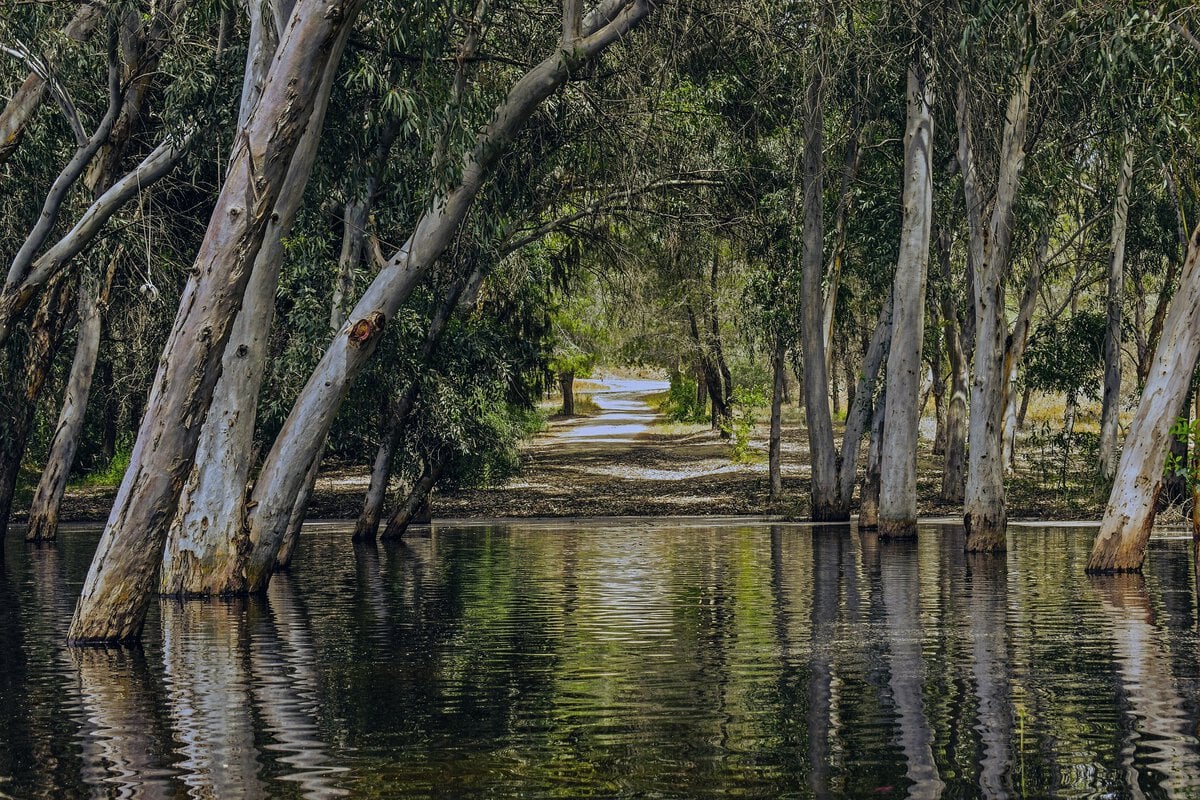
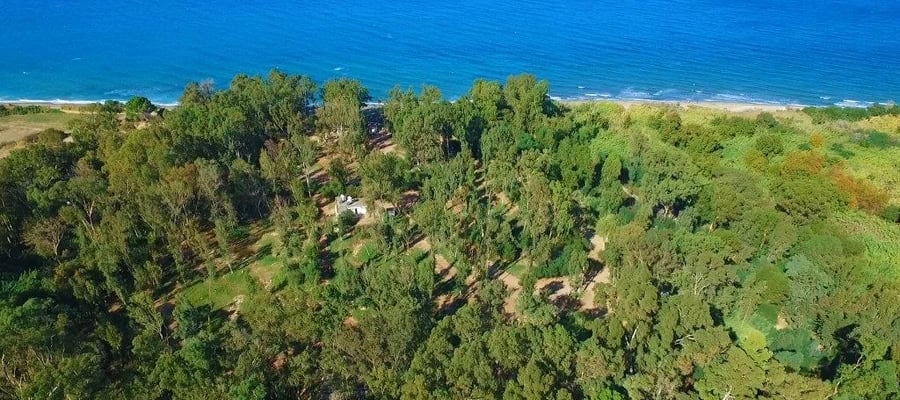
- Polis Chrysochous (Northwest): Located within a eucalyptus grove on the edge of the Chrysochous Bay, this site serves as the gateway to the Akamas Peninsula. Operating from March to October, it offers space for 200 units and features essential amenities, including showers, a mini-market, and lifeguard services. Its proximity to the town of Polis makes it a strategic base for long-term stays.
- Feggari Camping (Paphos): Situated in the Coral Bay area, this is one of the few privately-owned sites that remains operational year-round. It is highly regarded for its comprehensive utility hook-ups, including electricity and Wi-Fi, catering to the "digital nomad" demographic.
- Governor’s Beach Kalymnos (Limassol): As the island’s largest campsite with 360 pitches, this site is a critical piece of infrastructure located between the major urban centers of Limassol and Nicosia. Known for its volcanic sand and limestone cliffs, it offers full laundry facilities and a restaurant, remaining open throughout the winter.
Mountain Retreats (Troodos Region)
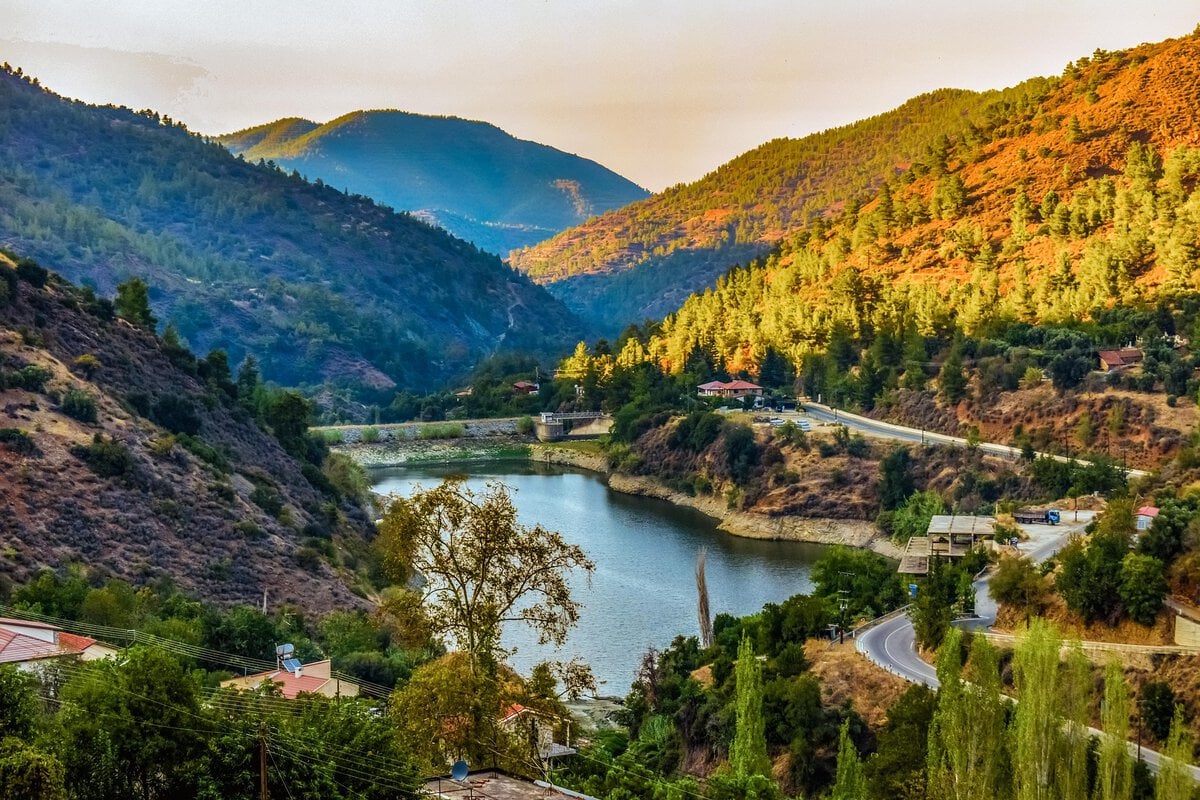
The Troodos mountain range provides a thermal refuge during the summer months, with campsites situated at altitudes where temperatures remain 10–15°C lower than the coast.
- Platania (1,100m): The most developed forest site, featuring 18 toilet blocks and disabled access. It is managed by the Forestry Department and is open from May to September.
- Kampi tou Kalogyrou (1,540m): The highest campsite on the island, offering a "back-to-basics" experience amidst dense pine forests. Facilities are limited to drinking water and toilets, with no shower infrastructure.
- Stavros tis Psokas (900m): Located in the remote Paphos Forest, this site is accessible via winding, often unpaved roads. It is a sanctuary for the endemic Cypriot mouflon and offers year-round access for smaller campervans.
Technical Realities and Driving Logistics
Driving a campervan in Cyprus presents unique challenges stemming from the island’s British colonial legacy and its rugged topography.
Left-Hand Traffic and Road Conditions
Cyprus is one of only two Mediterranean nations (alongside Malta) where vehicles drive on the left. Travelers arriving from continental Europe or North America must account for a period of adjustment. While the primary motorway network (A-roads) connecting Nicosia, Limassol, Larnaca, and Paphos is maintained to high European standards, secondary B-roads in the Troodos mountains are narrow, winding, and frequently lack safety barriers. In these areas, uphill traffic traditionally has priority, and drivers are encouraged to use horns on blind bends.
Fuel and Utilities
The availability of Autogas (LPG) remains limited compared to Northern Europe. Major providers like EKO and Petrolina operate a handful of licensed stations in Nicosia, Limassol, and Paphos. Travelers should ensure their vehicles are equipped with direct-fill cylinders (such as Gaslow) with 80% shut-off valves, as many stations are prohibited from filling standard portable gas bottles.
Electricity on the island uses the British Type G three-pin plug, operating at 230V. Most campsites provide hook-ups, but adapters are necessary for vehicles wired with the European Schuko system. Regarding water, while tap water is chemically safe and meets EU standards, the high mineral content leads most travelers to use bottled water for drinking, utilizing the van’s tanks primarily for washing and cooking.
Seasonal Analysis and Tourism Impact
The economic and environmental impact of campervan tourism in Cyprus varies significantly by season.
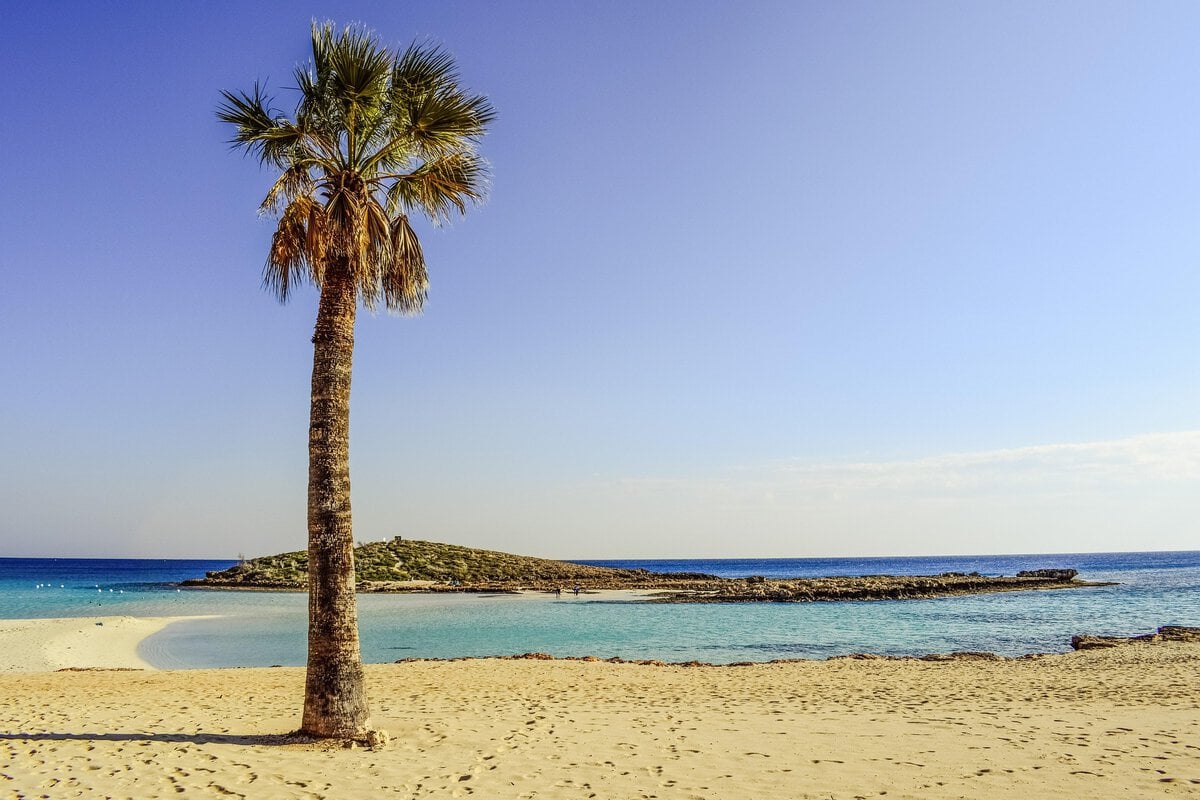
- The Shoulder Seasons (April–June & September–October): These are identified by tourism analysts as the most sustainable periods for campervan travel. The weather is temperate (20–27°C), and the pressure on campsite infrastructure is manageable.
- The Summer Peak (July–August): This period presents logistical difficulties. Coastal heat can become hazardous for those in unventilated vehicles, and the risk of forest fires leads to heightened surveillance.
- The Winter (November–March): Cyprus is increasingly marketed as a winter destination for "van-lifers" escaping the Northern European cold. With coastal temperatures averaging 17°C, the island offers a viable winter circuit, though mountain roads can be closed due to snow in January and February.
Official Responses and Future Outlook
The Cyprus Department of Tourism and the Forestry Department have signaled a cautious but supportive stance toward the growth of the campervan sector. In a statement regarding the 2025 regulations, officials emphasized that the goal is not to discourage nomadic travel but to channel it into a "managed ecosystem."
The government’s "National Tourism Strategy 2030" includes provisions for diversifying the accommodation portfolio, which may lead to the development of more dedicated motorhome service points (similar to the French aires) in the coming years. However, for the immediate future, the emphasis remains on protecting the "Green Heart" of Cyprus from unregulated camping.
Broader Implications for Travelers
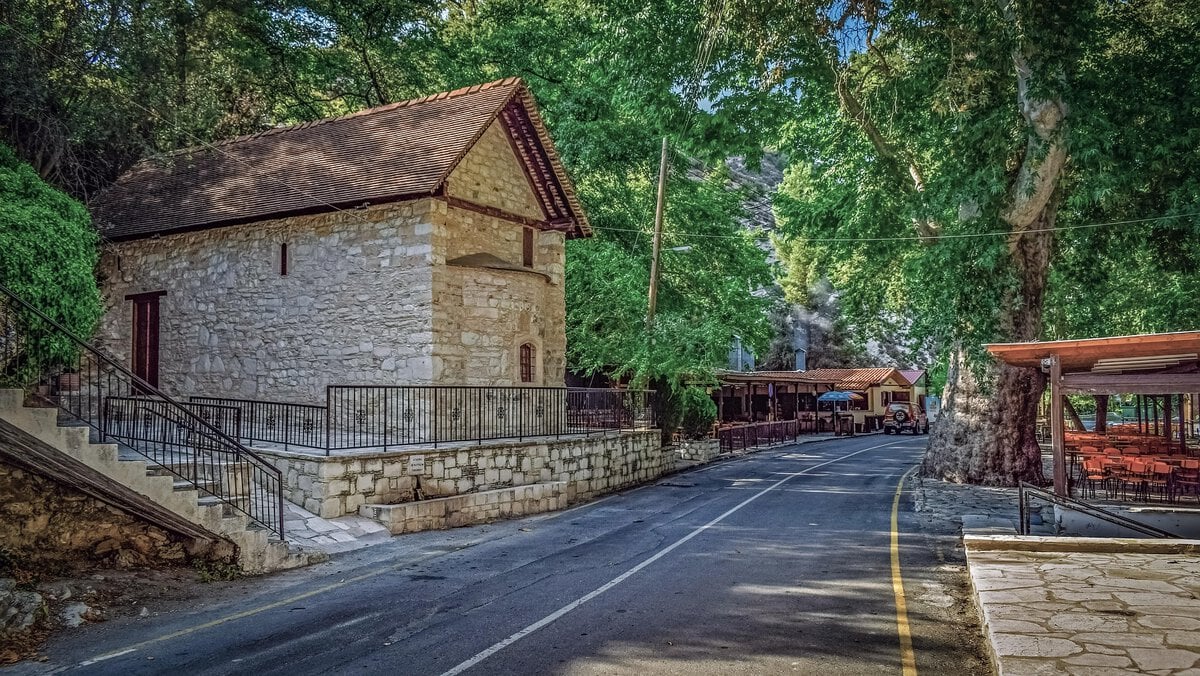
For the modern traveler, Cyprus by campervan offers a level of access to Roman mosaics, Byzantine churches, and secluded coves that traditional tours cannot match. However, this freedom is contingent upon strict adherence to local laws. The "Green Line" remains a final consideration; most rental agreements for campervans based in the south prohibit crossing into the northern part of the island due to insurance complexities. Travelers wishing to visit the north are advised to do so on foot via the Ledra Street crossing in Nicosia, leaving their vehicles securely parked in the Republic.
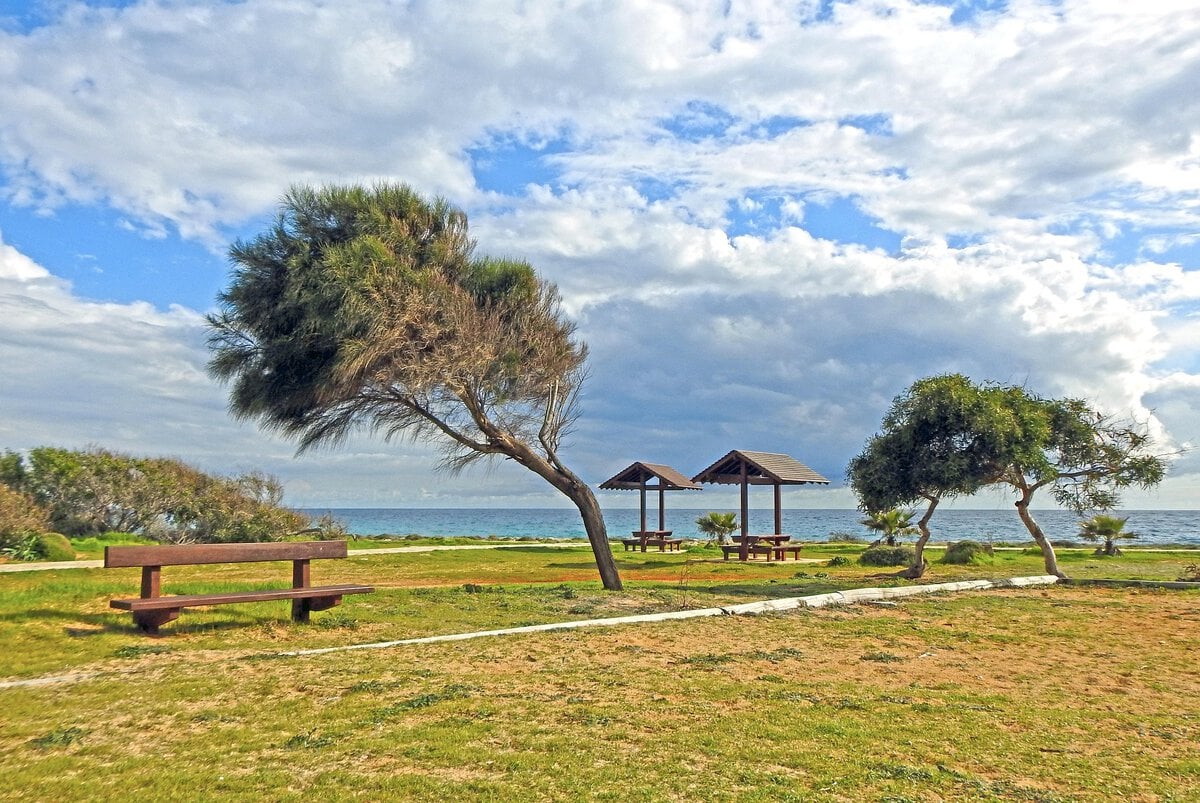
By adhering to the established campsite network and respecting the severe fire and forest regulations, visitors can enjoy one of the most diverse island landscapes in the Mediterranean while contributing to the sustainable preservation of the Cypriot environment.
Related posts: