From Dining Room to Product Showcase: A Culinary Brand’s Innovative Approach to Content Creation

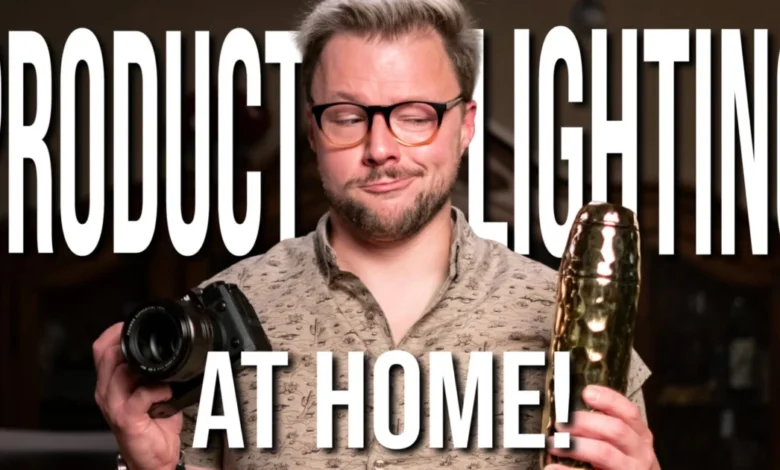
Recently, a prominent culinary brand tasked a content creator with providing feedback on an unreleased product: a sophisticated cocktail shaker. Rather than submitting a standard survey, the creator opted for a more dynamic and visually engaging approach, transforming their own dining room into a makeshift studio to produce a promotional video. This initiative highlights a growing trend in product marketing, emphasizing creativity and resourcefulness over extensive studio resources. The project, undertaken with a limited set of equipment, demonstrates the potential for high-quality product videography to be achieved outside of traditional professional settings, offering valuable insights for brands and creators alike.
The Genesis of a Creative Solution
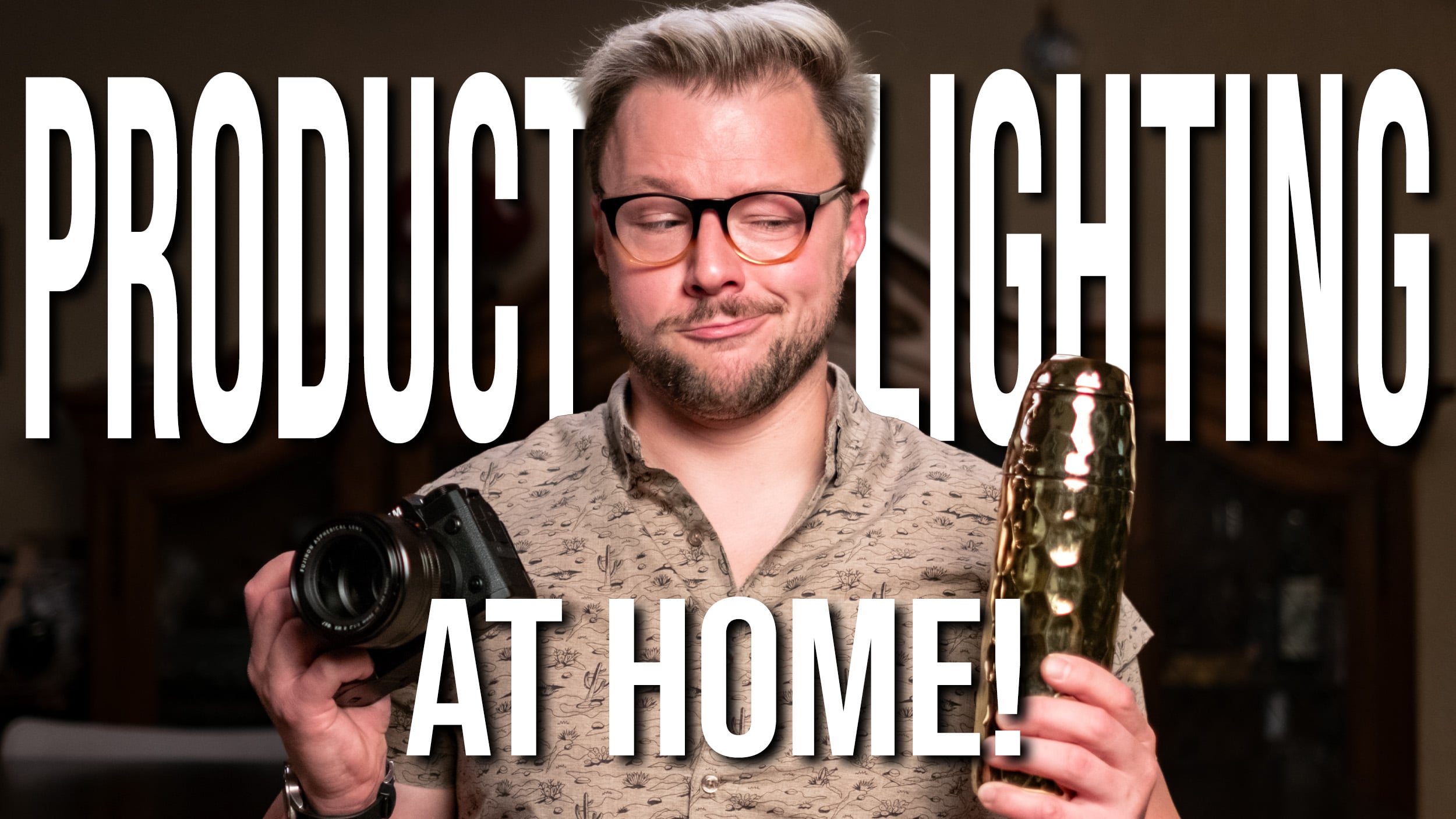
The initial request from the well-known culinary brand was straightforward: test a new cocktail shaker and provide feedback through a survey. However, the creator, who possesses a keen understanding of compelling product imagery but lacks a formal background in product photography, saw an opportunity to elevate the feedback process. Recognizing the potential for a more impactful presentation, they proposed producing a promotional video instead of a written report. This decision marked a pivot from a passive feedback mechanism to an active, creative demonstration of the product’s potential appeal. The objective was to showcase the shaker’s design and functionality through engaging visuals, a departure from the often dry and data-heavy nature of product surveys. The choice to undertake this project in a personal dining room underscored a commitment to demonstrating that professional-quality content can be achieved with ingenuity and readily available tools.
Mastering Light: The Foundation of Reflective Product Photography
The cocktail shaker in question was described as possessing a "gorgeous" and "sleek design with lots of gold facets." While aesthetically pleasing, these characteristics presented a significant technical challenge: high reflectivity. Effectively capturing such a product requires meticulous control over lighting to avoid harsh glare and to accentuate its form and finish.

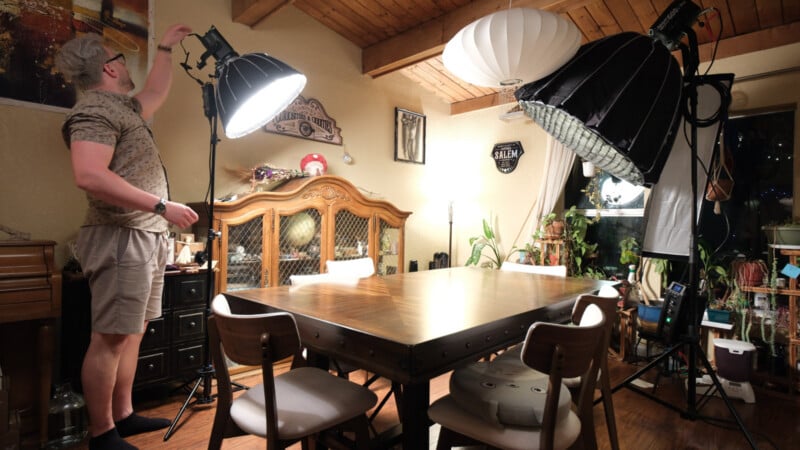
The creator’s first strategic decision was to control the ambient light. Recognizing that daylight could introduce unwanted reflections and color casts, they aimed for a "full blackout" environment. This was achieved by blacking out the main window and drawing curtains on another. While acknowledging this wasn’t a perfect blackout, the creator reasoned that their controlled artificial lighting would overpower any residual ambient light. This approach allowed for precise control over the color temperature of the lighting, which was set between 2,700 and 2,900 Kelvin to complement the warm tones of the dining room environment. This deliberate choice in color temperature is crucial for setting the mood and ensuring the product’s metallic finishes are rendered accurately and attractively.
The lighting setup itself involved a carefully orchestrated arrangement of professional-grade equipment. A key light, an Aputure 600 Bicolor LED, was fitted with a medium dome softbox and directed towards the cocktail preparation area. A grid was attached to this light to narrow its beam and minimize light spill, ensuring the light was focused precisely where needed. To add depth and dimension, two edge lights were employed. A Nanlite 150, equipped with a small circular dome softbox, was positioned on one side, while another Nanlite 150 with a narrow Godox softbox was used on the opposite side. Grids were also applied to these edge lights to further refine the light’s direction and prevent it from washing out the product. This layered lighting approach is a common technique in professional product photography and videography, designed to sculpt the subject, highlight its features, and create visual separation from the background.
Injecting Life: The Importance of Movement in Product Videography
Beyond static beauty shots, modern product videography thrives on dynamism and motion. While tripods provide stability for capturing intricate details, a truly compelling product video often incorporates camera movement to engage the viewer and showcase the product from multiple angles. The creator acknowledged this by stating, "product videography lives on motion: slow push-ins, dollies, and anything that moves around the product."
To achieve this, a motorized 30-inch slider was utilized for controlled push-in shots. However, for cylindrical products like a cocktail shaker and a glass, which benefit from being viewed from all sides, a small turntable was acquired. This device allowed the camera to remain focused on the product while the product itself rotated, offering a seamless 360-degree view and capturing the play of light on its reflective surfaces. This technique is particularly effective for showcasing the craftsmanship and design of objects like the gold-faceted shaker.
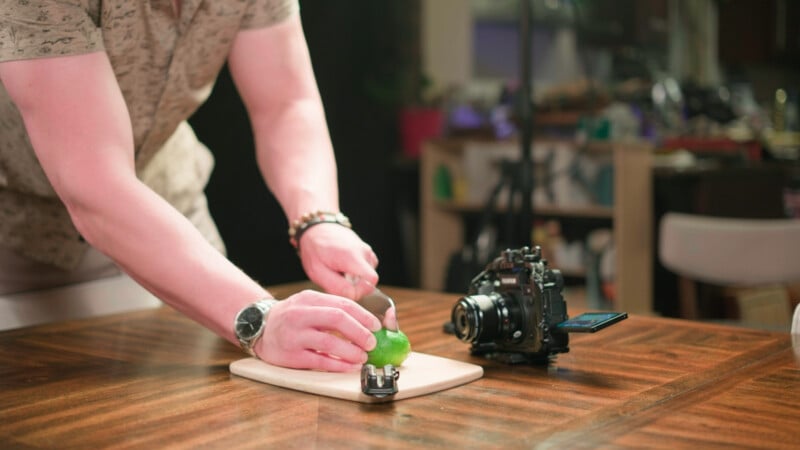
The use of tripods was still instrumental, particularly for capturing macro details such as the squeezing of citrus into a cocktail or close-ups of preparation techniques. The creator emphasized the importance of finding the right manual focus and orchestrating all action within that focal plane. Overhead shots were also incorporated by positioning the tripod on the table and angling it downwards, again relying on manual focus to ensure sharpness.
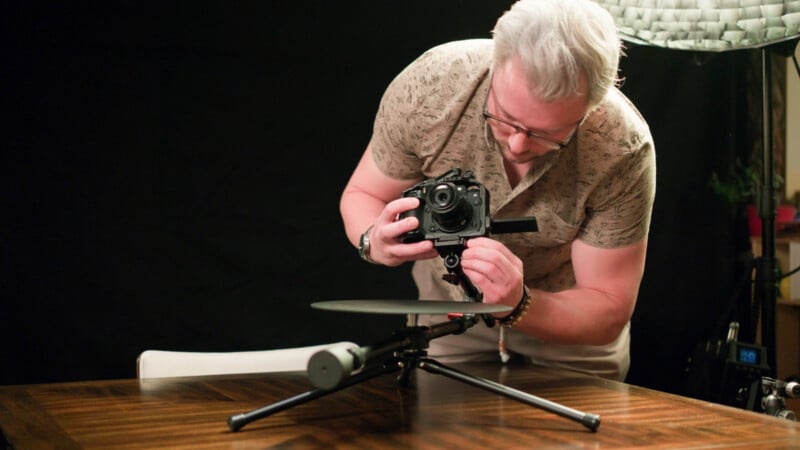
The turntable proved to be a pivotal tool. By setting the shaker on the turntable, locking focus, and executing multiple takes with various movements, the creator was able to capture smooth, rotating footage. Furthermore, shooting at 120 frames per second provided the flexibility to introduce slow-motion effects during editing, adding an extra layer of visual sophistication.
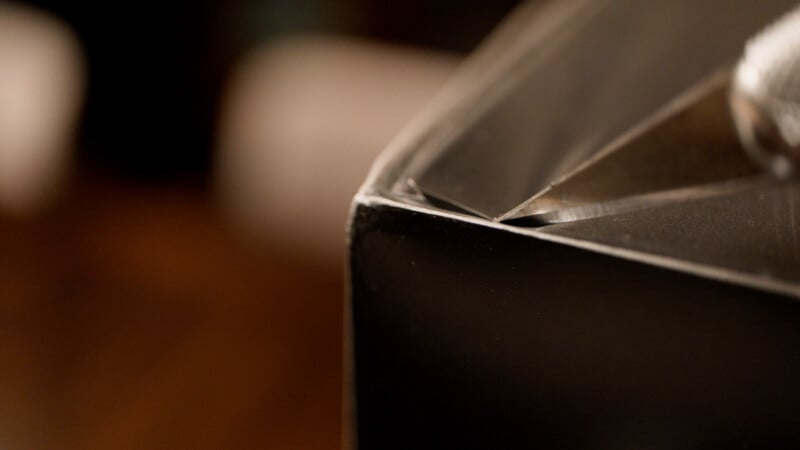
A particularly innovative technique involved the slider. Instead of moving the camera, the creator placed the product packaging on the slider and a razor blade stationary. This created the illusion of a blade smoothly gliding across the packaging, a visual effect that would typically require a complex camera rig. This ingenious setup highlights the creator’s ability to think outside the box and leverage available equipment in unconventional ways to achieve desired visual outcomes.
The Product and its Market Context
The unreleased cocktail shaker hails from a "well-known culinary brand," suggesting an established reputation for quality and design within the food and beverage industry. Such brands often invest significantly in product launches, aiming to capture market share and reinforce their brand identity. The decision to solicit feedback through a hands-on, creative approach like this suggests the brand is open to innovative marketing strategies and values authentic, user-generated content as part of its pre-launch campaign.
In the competitive market for barware, cocktail shakers are not merely functional tools but also statement pieces. Consumers often seek out shakers that reflect their personal style and elevate their home bar experience. Products with premium finishes, such as the gold facets mentioned, appeal to a demographic that appreciates both aesthetics and performance. The success of such a product hinges on its ability to not only mix drinks effectively but also to look impressive on display. Therefore, the visual representation in promotional materials is paramount.
Industry Trends and Implications

The creator’s resourceful approach aligns with broader trends in digital marketing and content creation. Brands are increasingly moving away from solely relying on large, expensive studio productions. Instead, there is a growing emphasis on:
- Authenticity: Content that feels genuine and relatable, often produced by individuals with a personal connection to the product or brand.
- Resourcefulness: Demonstrating that high-quality content can be achieved with limited budgets and equipment, making it accessible to a wider range of creators and brands.
- Storytelling: Using video to tell a narrative about the product, its use, and the experience it offers, rather than simply listing features.
- User-Generated Content (UGC) and Influencer Marketing: Brands are leveraging the creative talents of individuals who can authentically showcase their products to their audiences. This particular instance can be seen as a hybrid approach, where a brand directly commissions a creative individual to produce content that functions as both feedback and marketing material.
The implications of this project are significant for both brands and independent creators. For brands, it suggests that partnering with creators who can operate effectively outside traditional studio environments can yield innovative and cost-effective marketing assets. It also highlights the value of embracing feedback loops that are more dynamic than traditional surveys. For creators, it reinforces the message that skill, creativity, and resourcefulness can overcome limitations in equipment and location.
A Testament to Creative Ingenuity
The creator’s self-assigned challenge—to produce a promotional video for a high-end cocktail shaker using limited gear and personal space—yielded impressive results. The project underscores a fundamental principle in content creation: the power of controlled lighting and strategic camera movement. By meticulously managing light, the creator was able to tame the product’s reflective surfaces, bringing out its inherent beauty. The integration of various motion techniques, from smooth slider movements to the innovative use of a turntable and even unconventional slider applications, added a professional polish that belies the humble setting.
The final takeaway from this endeavor is a powerful affirmation for aspiring content creators and marketing professionals. It serves as a potent reminder that a professional-quality product showcase does not necessitate a multimillion-dollar studio. Instead, it requires a deep understanding of fundamental techniques, a willingness to experiment, and the creative drive to adapt to existing resources. As the creator aptly put it, "you don’t need a studio to shoot product work. Use the space that you have." This philosophy, coupled with the pursuit of continuous learning and self-challenge, is the bedrock of creating impactful visual content in any environment. The success of this project is a testament to the fact that ingenuity, rather than extravagance, is often the true catalyst for compelling creative output.
Related posts: