Dublin’s Vanishing Stages: The Urgent Fight to Preserve Its Cultural Heartbeat Amidst Redevelopment Pressures

In the vibrant heart of Dublin, a city renowned globally for its rich artistic heritage and a continuous wellspring of literary, musical, and dramatic talent, a silent crisis is unfolding. Over the past two decades, at least 52 arts venues have shuttered their doors, and countless other cultural spaces remain under existential threat. This alarming trend, driven by escalating rents, aggressive urban redevelopment, and a perceived lack of robust cultural infrastructure, is systematically eroding the very foundations of Dublin’s unique identity. Yet, amidst this struggle, a defiant spirit of activism persists, embodied by figures like musician and political advocate Eoghan Ó Ceannabháin, who asserts, "I don’t think there’s any option to give up." His unwavering commitment reflects a broader community resolve to safeguard the city’s irreplaceable cultural ecosystem.
The Echoes of Tradition: The Cobblestone’s Enduring Struggle
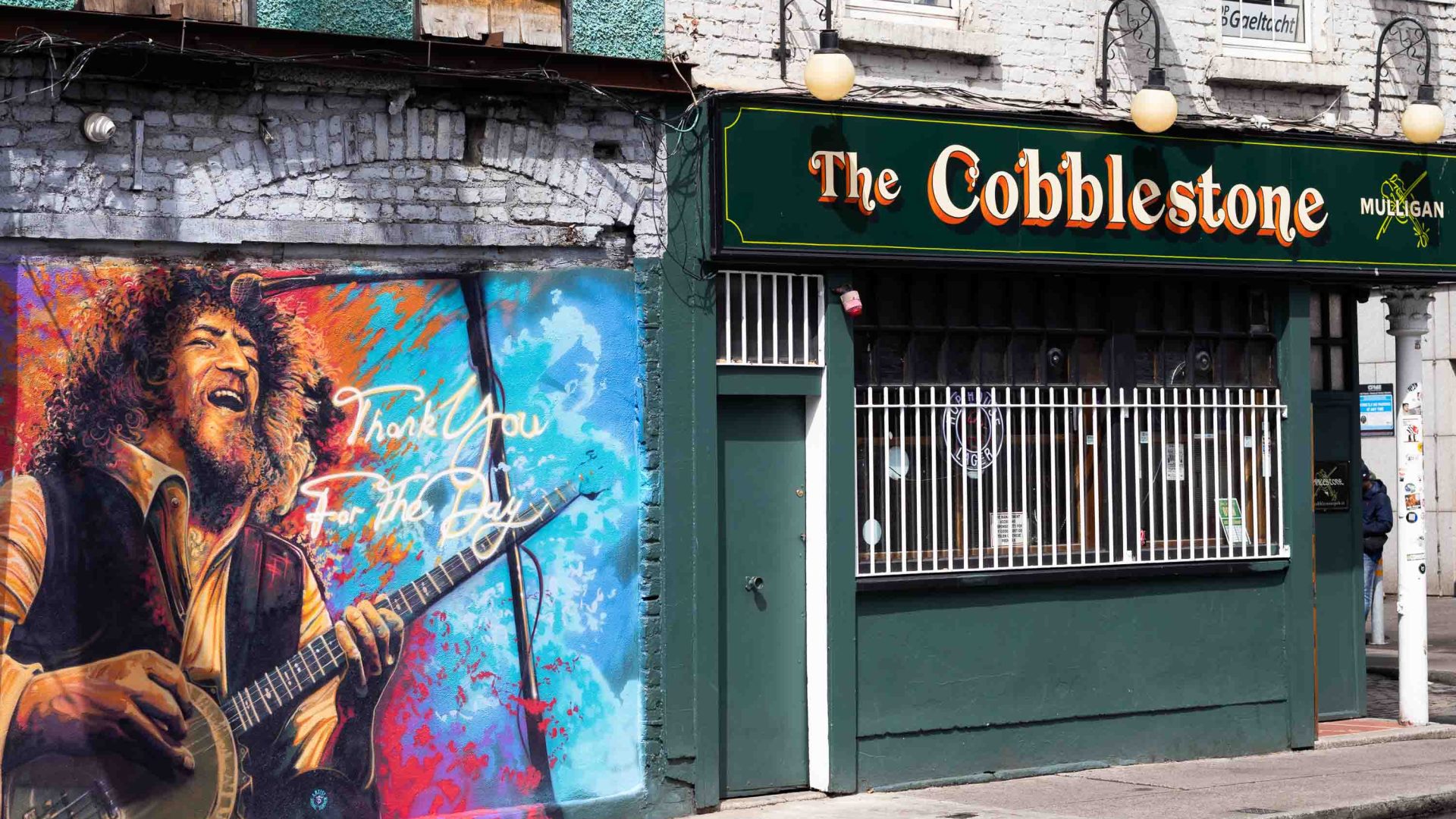
The narrative of Dublin’s cultural resilience is perhaps best encapsulated by The Cobblestone, a legendary pub in Smithfield that stands as a bastion of traditional Irish music. Here, amidst the clinking of Guinness pints and the warmth of shared camaraderie, musicians gather shoulder-to-shoulder, their melodies weaving through generations of framed faces on the walls. The scene is timeless: a young uilleann piper, his arms expertly working the bellows, fingers dancing across the chanter, tapping it against his thigh to reach the high, ethereal notes. Fiddles and flutes soon join, their harmonies resonating through the wooden floor, causing cold pints to tremble in rhythm. For many, including the author, The Cobblestone transcends its role as a mere pub; it is a familiar haven, a surrogate "local" in a transient world.
Tom Mulligan, who inherited The Cobblestone in the late 1980s, has dedicated his life to preserving his father’s legacy and keeping traditional Irish music vibrant. Eschewing modern distractions like televisions, pool tables, and extensive food menus, the pub proudly calls itself a "drinking pub with a music problem." It hosts multiple daily ‘trad’ sessions that attract musicians and visitors from across the globe, while its back room serves as a vital community hub for Irish language lessons, dance classes, and informal music meet-ups.
This cherished landmark, however, faced its own grave threat in October 2021. A development proposal sought to demolish the majority of the building to make way for a nine-story hotel. The community’s response was swift and overwhelming. A petition garnered over 35,000 signatures, and hundreds marched along the River Liffey, their collective voice demanding the preservation of this cultural cornerstone. Ultimately, Dublin City Council, swayed by public outcry and recognizing the proposed development’s detrimental impact on Irish culture, rejected the plan. The Cobblestone was saved, a testament to the power of grassroots activism, but its victory served as a stark reminder that many other venues have not been so fortunate.
A City in Flux: The Broader Landscape of Cultural Erosion
The peril faced by The Cobblestone is far from an isolated incident. According to a concerning report from Ireland’s Labour Party, the political wing of the Irish trade union movement, at least 52 arts venues in the capital have ceased operations over the past two decades. This dramatic decline is symptomatic of a global phenomenon, where rising urban property values, aggressive redevelopment projects, and an insufficient cultural infrastructure combine to displace undervalued grassroots spaces. Dublin, a rapidly modernizing capital, finds itself at the forefront of this struggle, grappling with a housing crisis and an insatiable demand for commercial and tourist-oriented developments.
The economic footprint of Ireland’s creative industries is substantial, accounting for 8.9 percent of national employment—the second highest in the European Union. This sector contributes significantly to the national economy, not just through direct employment but also by enhancing Ireland’s international reputation and attracting cultural tourism. However, this vibrant industry relies heavily on accessible, affordable spaces where artists can hone their craft, rehearse, perform, and connect with audiences. Many of these crucial venues operate on precarious short-term or ‘meanwhile’ leases, rendering them exceptionally vulnerable to market shifts and developer interests.
The Activist’s Clarion Call: Eoghan Ó Ceannabháin’s Advocacy
At the forefront of Dublin’s cultural defense is Eoghan Ó Ceannabháin, a 36-year-old musician and activist. His foray into politics around 2015 was motivated by a desire to foster a society that not only meets basic human needs but also empowers individuals to lead richer, more expressive lives. "Human beings are innately creative," he passionately explains, "and we don’t get a chance under capitalism to fulfill our full creative potential." His message resonates deeply within a city grappling with the commodification of its cultural spaces.
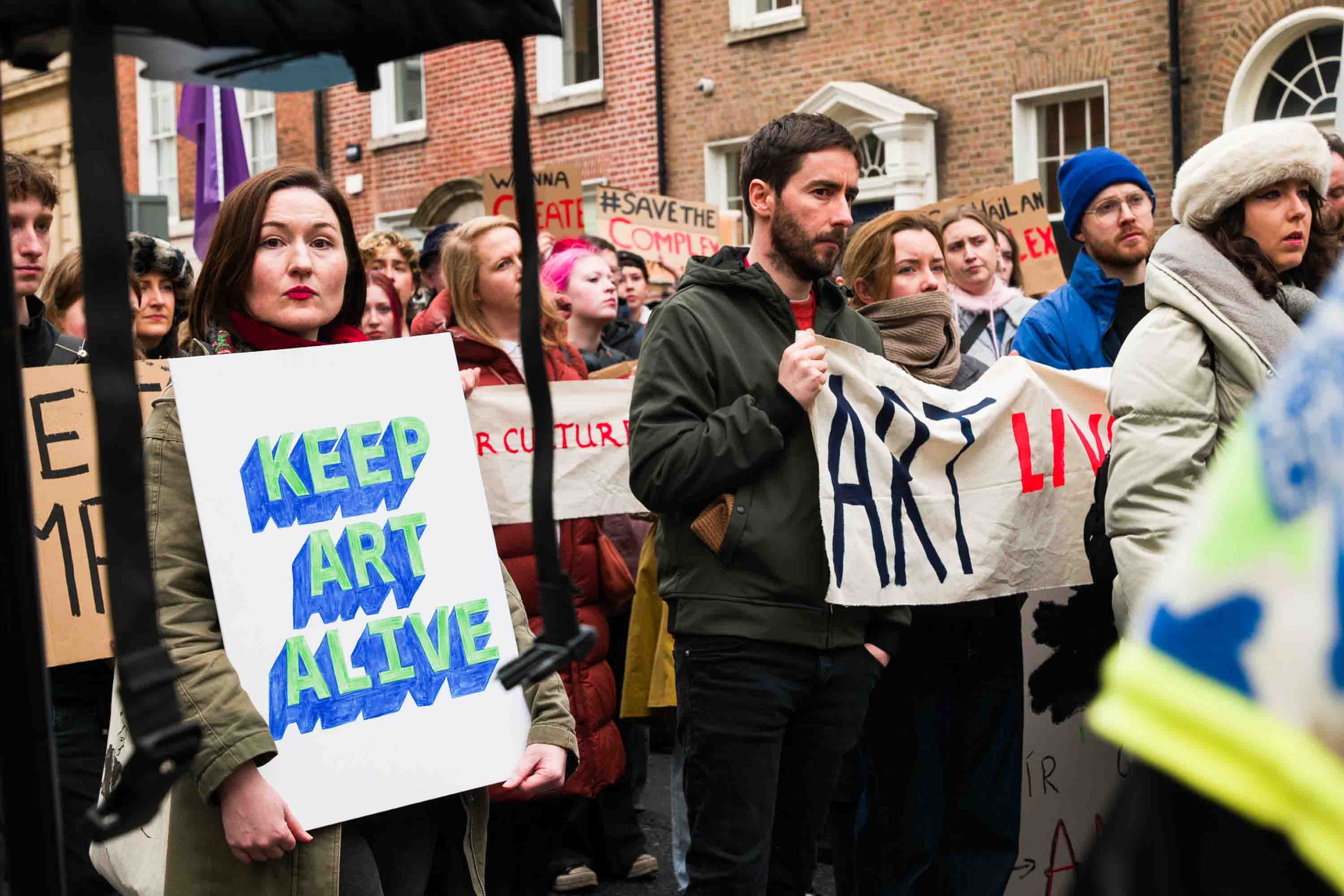
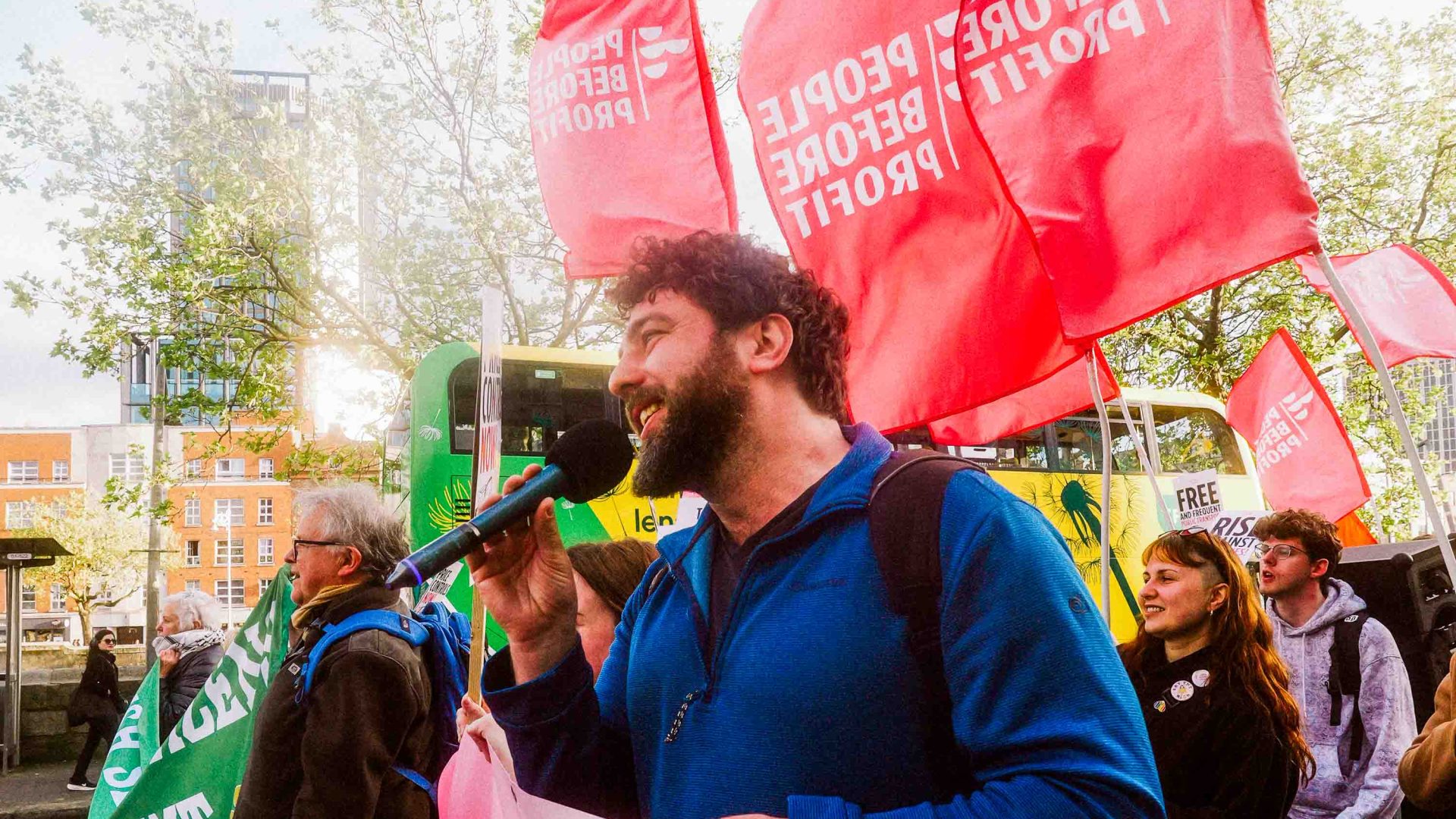
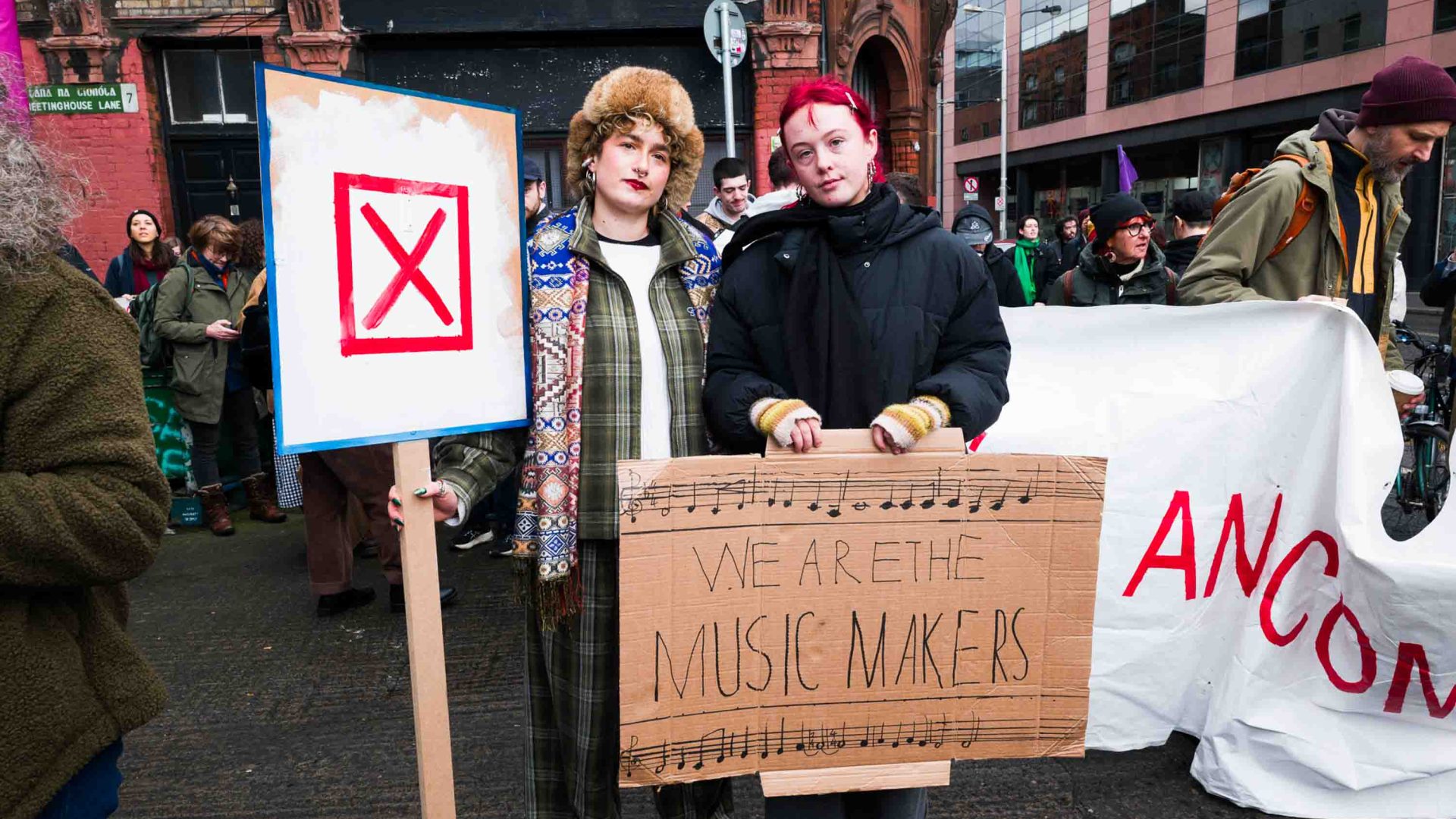
Ó Ceannabháin’s activism takes many forms, from organizing protests to running for local office. In May 2026, he stood as a candidate for the eco-socialist People Before Profit party in a Dublin Central by-election (which was ultimately won by the Social Democrats). His campaign trail frequently intersected with the city’s cultural battlegrounds. One chilly February evening, he addressed a packed demonstration on Dame Court, where protesters, bundled in winter coats, gathered beneath a drizzle-slicked gazebo. To his right, moving lights from The Hoxton hotel played across its wall, illuminating a guest who, possibly unaware of the protest’s target, swayed to the pumping bass. Spotting him, the crowd cheered, and Ó Ceannabháin seized the microphone, his voice ringing out: "We need a city we can live in! We need a city we can sing in! We need a city we can dance in!" The crowd’s thunderous response underscored the widespread yearning for a city that prioritizes its people and culture over profit.
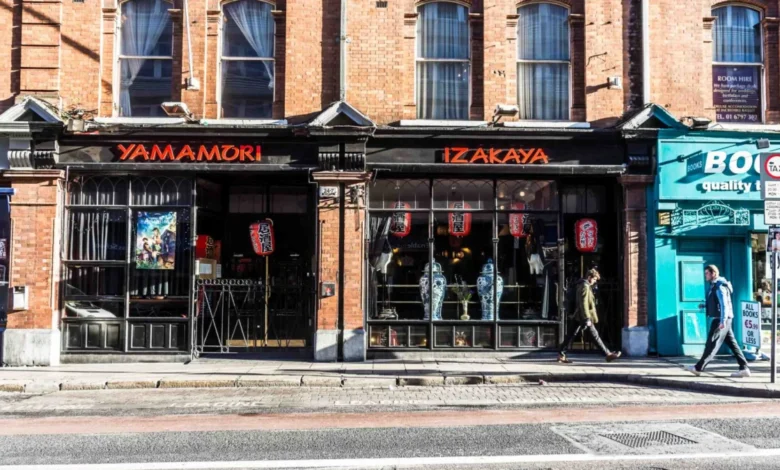
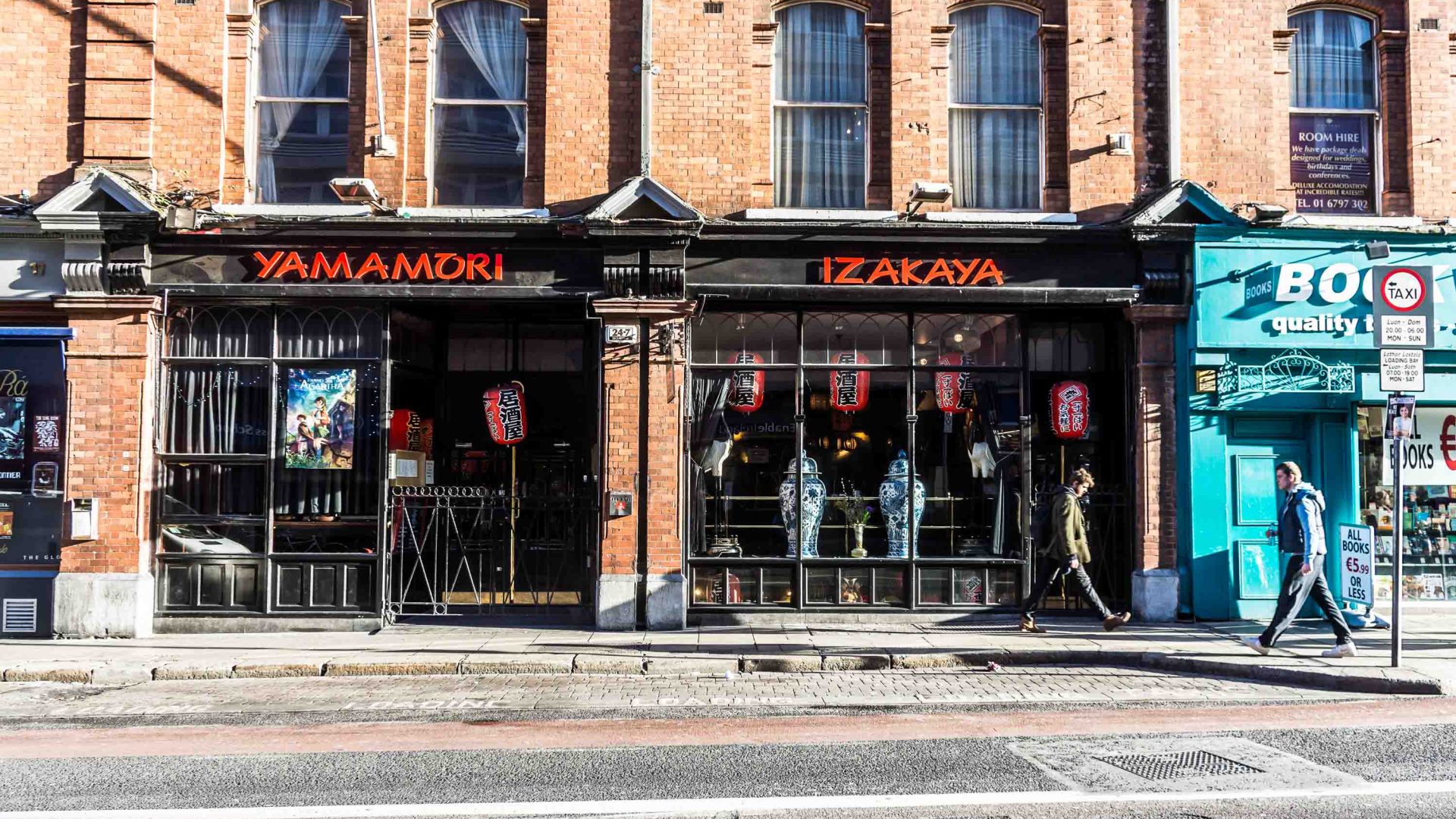
This particular demonstration was organized by Dublin’s grassroots DJ community, many of whom are regulars at Yamamori Izakaya, an independent restaurant and nightclub located in the lively Creative Quarter on South Great George’s Street. Yamamori Izakaya was facing a High Court injunction from its new neighbor, The Hoxton hotel, over a noise complaint – a stark illustration of how new developments can directly threaten existing cultural establishments. Ó Ceannabháin eloquently connected the dots for the crowd: "So many of us are paying exorbitant rents and are stuck at home while [the government] are prioritizing the profits of corporate landlords and big vulture funds. The same model for developing the city is impacting on our cultural space and the things we need to breathe."
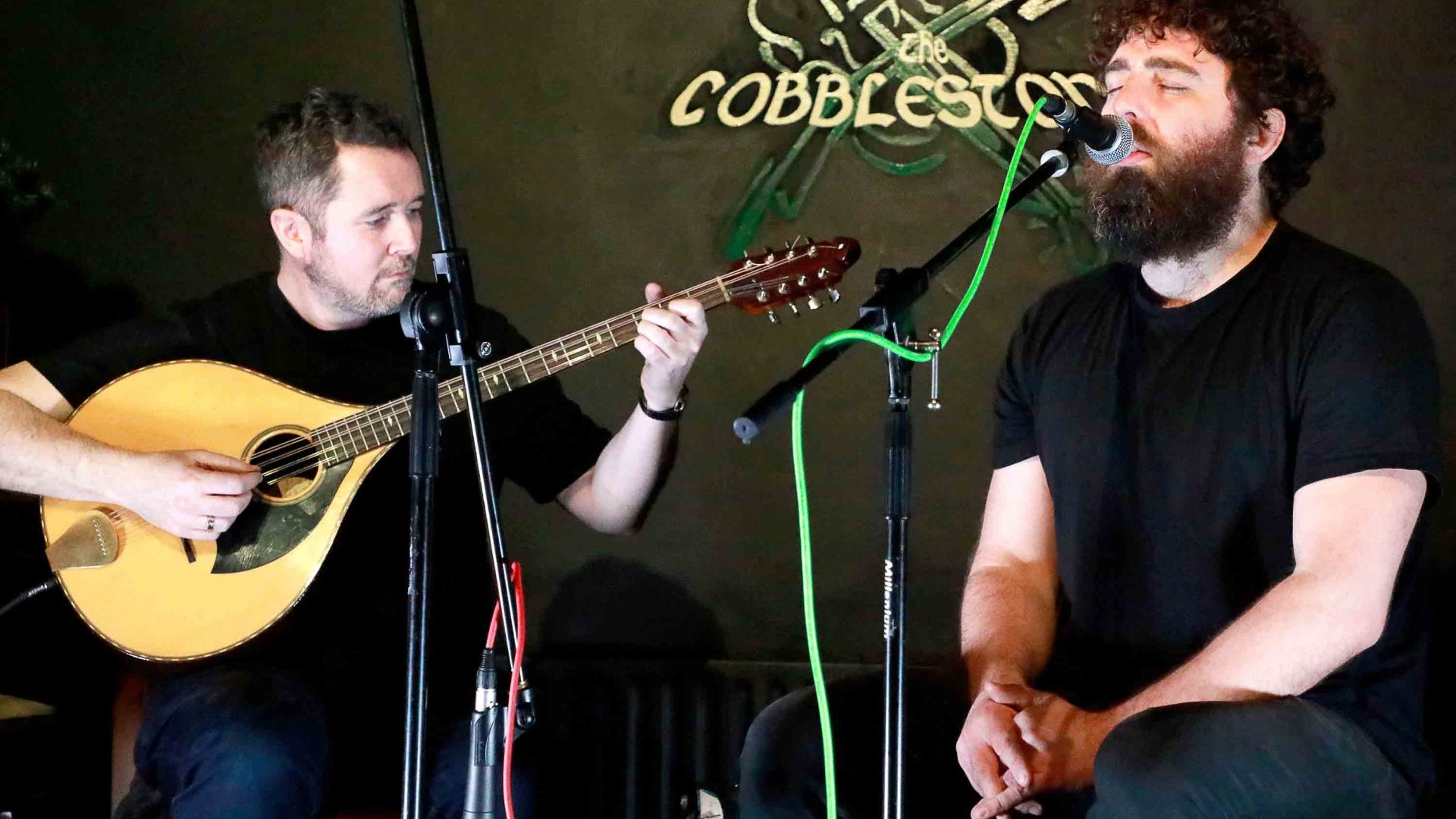
Months later, at a campaign céilí – a traditional Irish gathering of music, dancing, and singing – at The Cobblestone, Ó Ceannabháin demonstrated another facet of his advocacy. With eyes closed and a concertina resting in his upturned palms, he performed "Where Oh Where Is Our James Connolly?", a rebel ballad honouring the Dublin trade union leader who championed a fairer city for ordinary people. It was a poignant reminder that the fight for cultural spaces is intertwined with the broader struggle for social and economic justice.
The Loss of Creative Incubators: The Complex’s Closure
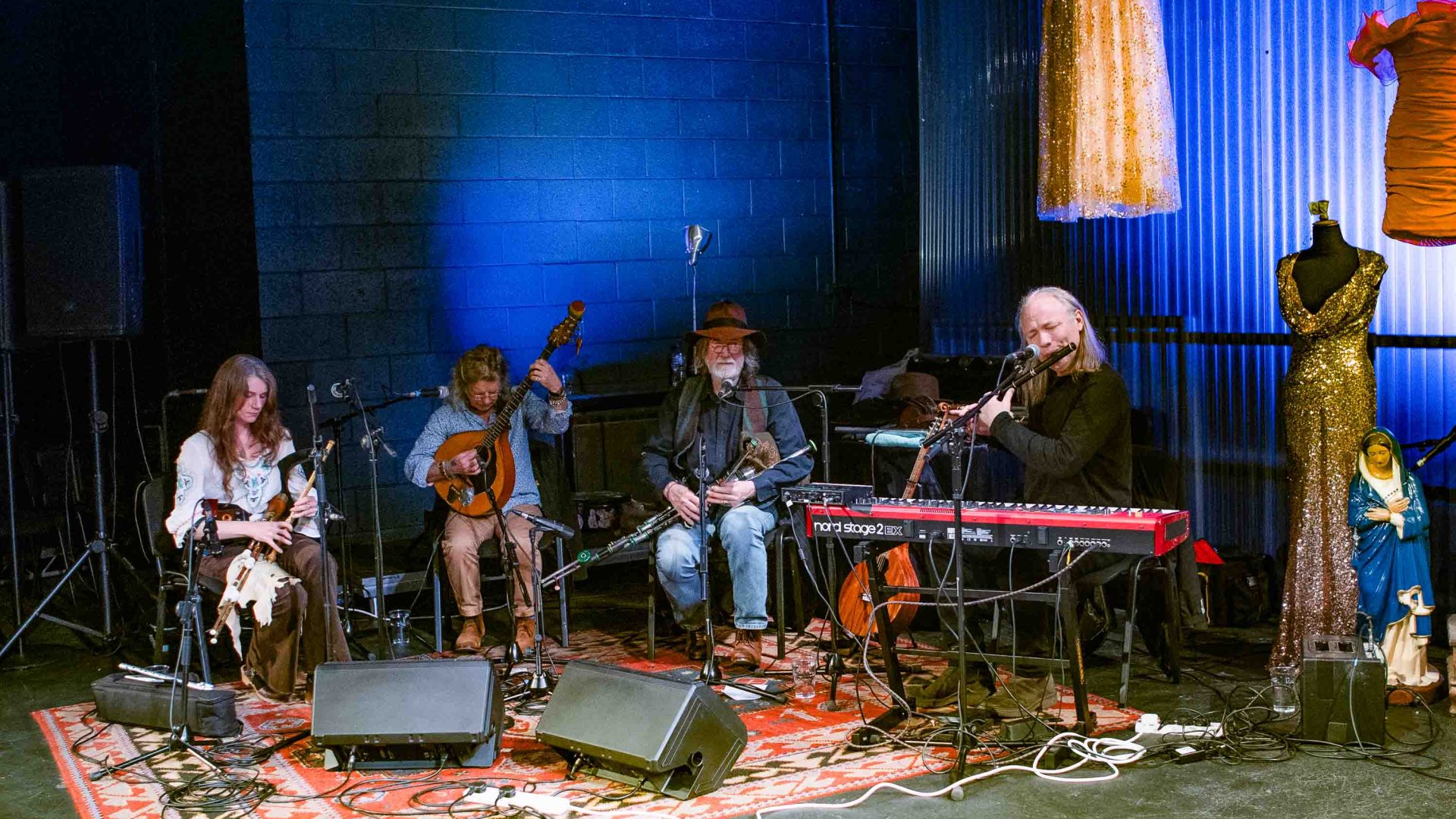
While The Cobblestone’s fight was won, the closure of The Complex in January 2026 served as a painful counterpoint, highlighting the systemic vulnerabilities facing Dublin’s arts scene. Repurposed from a former banana-ripening unit in Dublin’s north inner city, The Complex was a multidisciplinary arts center that boasted 18 studios, a performance space, a gallery, and a 50-seat jazz club. "It was a rare space in Dublin where you could conceive a project in a studio, rehearse and perform it all in one space," explained founder Vanessa Fielding.
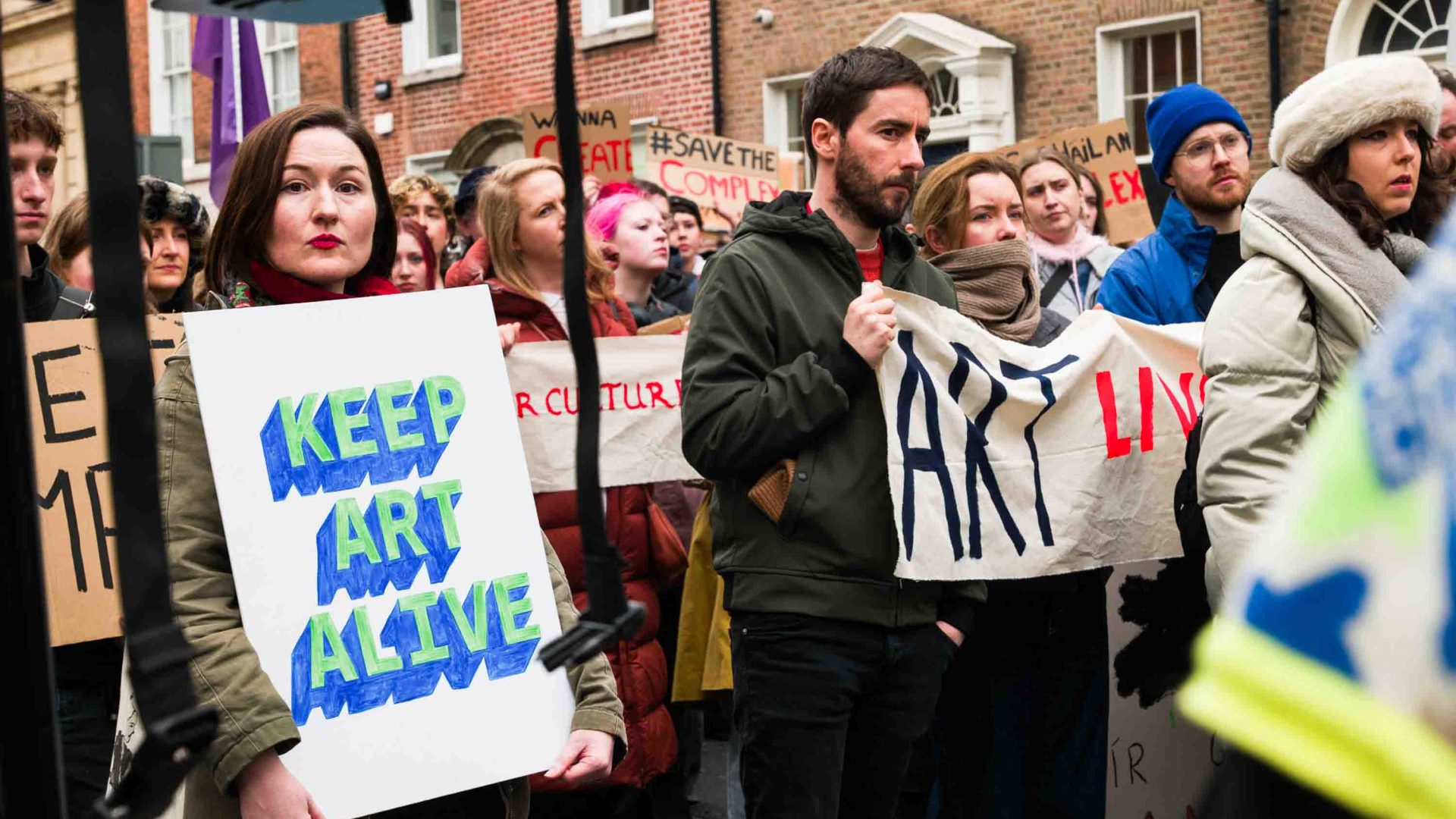
Despite robust community support, including a petition signed by over 16,500 people, Ó Ceannabháin leading a protest, and even backing from Dublin City Council for The Complex to be integrated into future redevelopment plans, the venue could not be saved. Its landlord decided to sell the property, and crucially, no legal mechanism existed for the State to acquire the building for cultural use unless it qualified as national heritage. Fielding’s frustration is palpable: "I suppose in the end, it will become a place of no destination." Her words paint a grim picture of a city stripped of its creative soul, transforming into a mere economic hub devoid of the cultural vibrancy that once defined it.
The implications of such closures extend far beyond the immediate loss of a physical space. These grassroots venues are the lifeblood of the creative pipeline. They are the incubators where raw talent is nurtured, experimental works are forged, and emerging artists find their voice before potentially gracing larger stages. Losing them means stifling the very source of talent that feeds bigger venues, hollows out the culture visitors come to experience, and deprives locals of essential community spaces that cannot be easily replicated. BAFTA-winning Irish actor Paul Mescal echoed this sentiment in an interview with lovedublin, recalling his anger at seeing institutions demolished during his drama school days. "We have such brilliant artists in this country," he lamented, "and I don’t feel like we can cultivate the kind of talent that’s here that’s beneficial to the industry."
Policy and Preservation: Official Responses and Future Outlook
In response to growing concerns, the Government of Ireland’s Department of Culture, Communications and Sport stated that "support for artists is at record levels" and announced a forthcoming "capital support scheme which will support wider participation in the arts." This commitment includes the Basic Income for the Arts (BIA) scheme, launched as a pilot in 2022 and made permanent in 2026. This groundbreaking initiative provides 2,000 eligible artists with €325 (approximately US$370) per week, making it the world’s first scheme of its kind. While Ó Ceannabháin acknowledges it as a significant victory, he advocates for its expansion to include all eligible artists, asserting that a successful pilot program should naturally broaden its reach.
Dublin City Council has also taken steps, including restoring some buildings for artist studios and mandating that multiple new developments allocate five percent of their space for cultural use. However, a report from the Arts Council of Ireland (An Chomhairle Ealaíon) indicates that despite recent increases, funding "is not in line with EU averages or able to keep pace with rising costs." This suggests a persistent gap between current provisions and the actual needs of the creative sector. The challenge lies not just in providing funding but in implementing robust planning policies and legal frameworks that can actively protect existing cultural spaces from the pressures of commercial development. Without these, even well-intentioned schemes may prove insufficient to stem the tide of closures.
Optimism and the Unyielding Fight
Back at The Cobblestone, the spirit of defiance and optimism remains undimmed. Amidst a lively céilí, where author Emma Truscott found herself playfully pulled into a line dance, musician Chris Marron’s words encapsulated the welcoming chaos: "No-one does!" when she admitted she didn’t know the steps. It has been nearly five years since the community rallied to save The Cobblestone’s back room from demolition. Yet, the venue’s future, as Mulligan admits, remains somewhat precarious, still reliant on a private landlord. "I don’t know where it’s going to end up," he confides, "but one thing that has always kept me going is optimism."
This shared optimism fuels the ongoing struggle. When asked if he would ever give up, Eoghan Ó Ceannabháin’s response is immediate and resolute: "I don’t think there’s any option to give up. The fact that people all over the world are making art and music and beautiful things under these difficult circumstances is a demonstration of what it is to be human. We have to fight for that, and fight for more space for it." His words underscore the profound belief that cultural expression is not a luxury but a fundamental human need, integral to the fabric of society.
For Dublin, the fight to preserve its grassroots arts venues is a battle for its very soul. It is a struggle to ensure that the city remains a place where creativity can flourish, where traditional melodies continue to echo, and where new artistic voices can emerge. It is a reminder that the true wealth of a city lies not just in its economic growth, but in the vibrant, irreplaceable culture it nurtures. The future of Dublin’s stages, whether grand theaters or humble pubs, will ultimately be determined by the collective will to protect these essential spaces from the relentless march of redevelopment. The community’s ongoing activism and the unwavering optimism of its cultural champions offer a beacon of hope in this vital, ongoing fight.
Adventure.com strives to be a low-emissions travel publication. We are powered by, but editorially independent of, Intrepid Travel, the world’s largest travel B Corp, who help ensure Adventure.com maintains high standards of sustainability in our work and activities. You can visit our sustainability page or read our Contributor Impact Guidelines for more information.
About the Author:
Emma Truscott is a freelance travel writer specializing in slow, solo, and sustainable adventures. She’s also a full-time pet-sitter with no interest in settling down. In fact, travel has become such a big part of her personality that it’s now a family catchphrase: “Where’s Ems?” Her bylines include BBC Travel, The i Paper, and Derbyshire Life magazine.
Dublin’s Vanishing Stages: The Urgent Fight to Preserve Its Cultural Heartbeat Amidst Redevelopment Pressures
In the vibrant heart of Dublin, a city renowned globally for its rich artistic heritage and a continuous wellspring of literary, musical, and dramatic talent, a silent crisis is unfolding. Over the past two decades, at least 52 arts venues have shuttered their doors, and countless other cultural spaces remain under existential threat. This alarming trend, driven by escalating rents, aggressive urban redevelopment, and a perceived lack of robust cultural infrastructure, is systematically eroding the very foundations of Dublin’s unique identity. Yet, amidst this struggle, a defiant spirit of activism persists, embodied by figures like musician and political advocate Eoghan Ó Ceannabháin, who asserts, "I don’t think there’s any option to give up." His unwavering commitment reflects a broader community resolve to safeguard the city’s irreplaceable cultural ecosystem.
The Echoes of Tradition: The Cobblestone’s Enduring Struggle
The narrative of Dublin’s cultural resilience is perhaps best encapsulated by The Cobblestone, a legendary pub in Smithfield that stands as a bastion of traditional Irish music. Here, amidst the clinking of Guinness pints and the warmth of shared camaraderie, musicians gather shoulder-to-shoulder, their melodies weaving through generations of framed faces on the walls. The scene is timeless: a young uilleann piper, his arms expertly working the bellows, fingers dancing across the chanter, tapping it against his thigh to reach the high, ethereal notes. Fiddles and flutes soon join, their harmonies resonating through the wooden floor, causing cold pints to tremble in rhythm. For many, including the author, The Cobblestone transcends its role as a mere pub; it is a familiar haven, a surrogate "local" in a transient world.
Tom Mulligan, who inherited The Cobblestone in the late 1980s, has dedicated his life to preserving his father’s legacy and keeping traditional Irish music vibrant. Eschewing modern distractions like televisions, pool tables, and extensive food menus, the pub proudly calls itself a "drinking pub with a music problem." It hosts multiple daily ‘trad’ sessions that attract musicians and visitors from across the globe, while its back room serves as a vital community hub for Irish language lessons, dance classes, and informal music meet-ups. This commitment to authentic Irish culture has made The Cobblestone a pilgrimage site for traditional music enthusiasts, contributing significantly to Dublin’s cultural tourism.
This cherished landmark, however, faced its own grave threat in October 2021. A development proposal sought to demolish the majority of the building to make way for a nine-story hotel. The community’s response was swift and overwhelming. A petition garnered over 35,000 signatures, and hundreds marched along the River Liffey, their collective voice demanding the preservation of this cultural cornerstone. Ultimately, Dublin City Council, swayed by public outcry and recognizing the proposed development’s detrimental impact on Irish culture, rejected the plan. The Cobblestone was saved, a testament to the power of grassroots activism, but its victory served as a stark reminder that many other venues have not been so fortunate.
A City in Flux: The Broader Landscape of Cultural Erosion
The peril faced by The Cobblestone is far from an isolated incident. According to a concerning report from Ireland’s Labour Party, the political wing of the Irish trade union movement, at least 52 arts venues in the capital have ceased operations over the past two decades. This dramatic decline is symptomatic of a global phenomenon, where rising urban property values, aggressive redevelopment projects, and an insufficient cultural infrastructure combine to displace undervalued grassroots spaces. Dublin, a rapidly modernizing capital, finds itself at the forefront of this struggle, grappling with a housing crisis and an insatiable demand for commercial and tourist-oriented developments, often at the expense of its unique cultural fabric. Average rental prices in Dublin have seen significant increases in recent years, making it increasingly difficult for artists and small cultural enterprises to afford space.
The economic footprint of Ireland’s creative industries is substantial, accounting for 8.9 percent of national employment—the second highest in the European Union. This sector contributes significantly to the national economy, not just through direct employment but also by enhancing Ireland’s international reputation and attracting cultural tourism. However, this vibrant industry relies heavily on accessible, affordable spaces where artists can hone their craft, rehearse, perform, and connect with audiences. Many of these crucial venues operate on precarious short-term or ‘meanwhile’ leases, rendering them exceptionally vulnerable to market shifts and developer interests. The commodification of urban spaces, prioritizing profit margins over cultural value, presents an ongoing challenge to the city’s artistic ecosystem.
The Activist’s Clarion Call: Eoghan Ó Ceannabháin’s Advocacy
At the forefront of Dublin’s cultural defense is Eoghan Ó Ceannabháin, a 36-year-old musician and activist. His foray into politics around 2015 was motivated by a desire to foster a society that not only meets basic human needs but also empowers individuals to lead richer, more expressive lives. "Human beings are innately creative," he passionately explains, "and we don’t get a chance under capitalism to fulfill our full creative potential." His message resonates deeply within a city grappling with the commodification of its cultural spaces.
Ó Ceannabháin’s activism takes many forms, from organizing protests to running for local office. In May 2026, he stood as a candidate for the eco-socialist People Before Profit party in a Dublin Central by-election (which was ultimately won by the Social Democrats). His campaign trail frequently intersected with the city’s cultural battlegrounds. One chilly February evening, he addressed a packed demonstration on Dame Court, where protesters, bundled in winter coats, gathered beneath a drizzle-slicked gazebo. To his right, moving lights from The Hoxton hotel played across its wall, illuminating a guest who, possibly unaware of the protest’s target, swayed to the pumping bass. Spotting him, the crowd cheered, and Ó Ceannabháin seized the microphone, his voice ringing out: "We need a city we can live in! We need a city we can sing in! We need a city we can dance in!" The crowd’s thunderous response underscored the widespread yearning for a city that prioritizes its people and culture over profit.
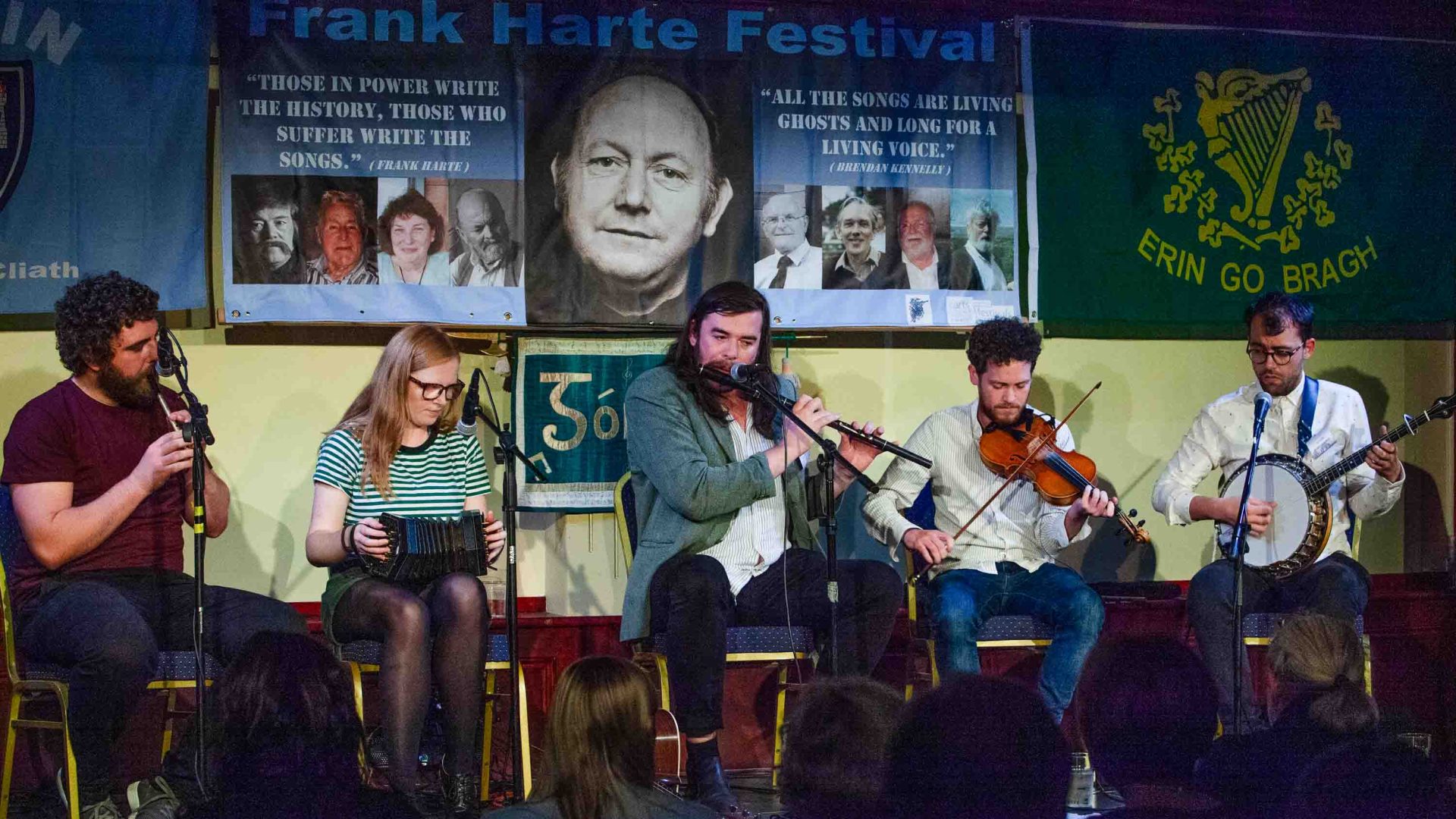
This particular demonstration was organized by Dublin’s grassroots DJ community, many of whom are regulars at Yamamori Izakaya, an independent restaurant and nightclub located in the lively Creative Quarter on South Great George’s Street. Yamamori Izakaya was facing a High Court injunction from its new neighbor, The Hoxton hotel, over a noise complaint – a stark illustration of how new developments can directly threaten existing cultural establishments. Ó Ceannabháin eloquently connected the dots for the crowd: "So many of us are paying exorbitant rents and are stuck at home while [the government] are prioritizing the profits of corporate landlords and big vulture funds. The same model for developing the city is impacting on our cultural space and the things we need to breathe."
Months later, at a campaign céilí – a traditional Irish gathering of music, dancing, and singing – at The Cobblestone, Ó Ceannabháin demonstrated another facet of his advocacy. With eyes closed and a concertina resting in his upturned palms, he performed "Where Oh Where Is Our James Connolly?", a rebel ballad honouring the Dublin trade union leader who championed a fairer city for ordinary people. It was a poignant reminder that the fight for cultural spaces is intertwined with the broader struggle for social and economic justice, echoing historical struggles for the rights of ordinary Dubliners.
The Loss of Creative Incubators: The Complex’s Closure
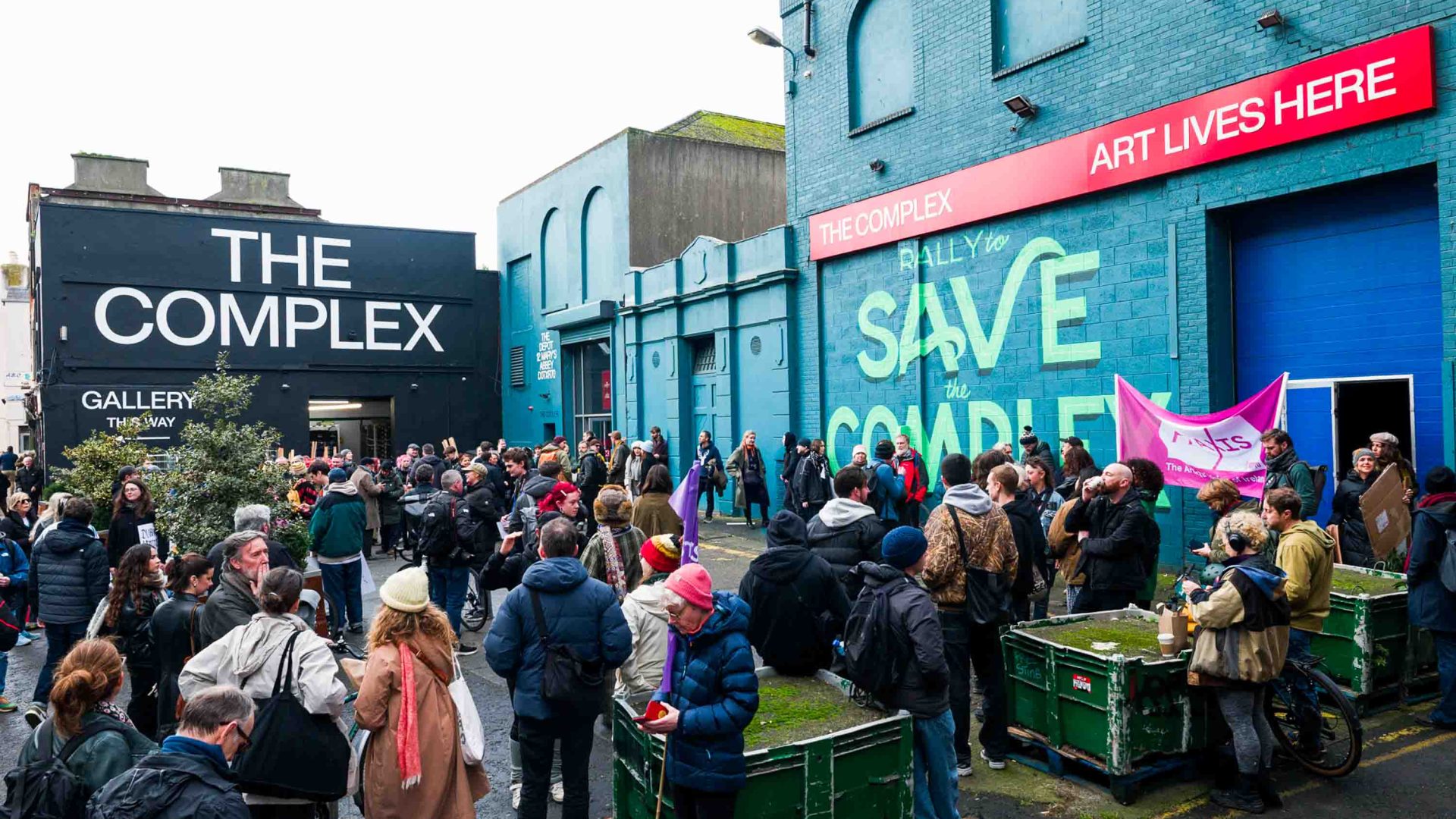
While The Cobblestone’s fight was won, the closure of The Complex in January 2026 served as a painful counterpoint, highlighting the systemic vulnerabilities facing Dublin’s arts scene. Repurposed from a former banana-ripening unit in Dublin’s north inner city, The Complex was a multidisciplinary arts center that boasted 18 studios, a performance space, a gallery, and a 50-seat jazz club. "It was a rare space in Dublin where you could conceive a project in a studio, rehearse and perform it all in one space," explained founder Vanessa Fielding. The unique integration of creative functions made it an invaluable hub for artists across various disciplines, fostering collaboration and innovation.
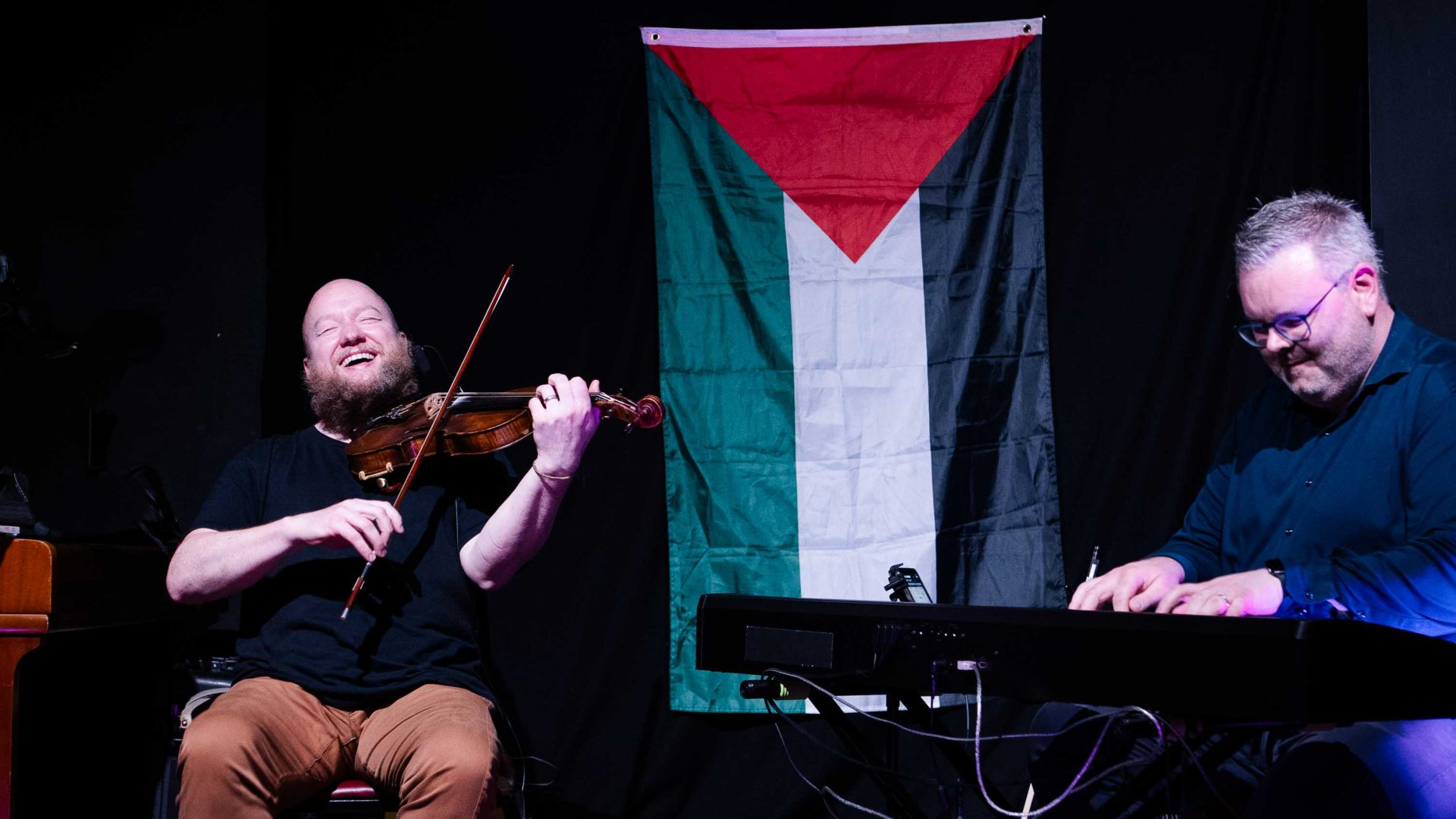
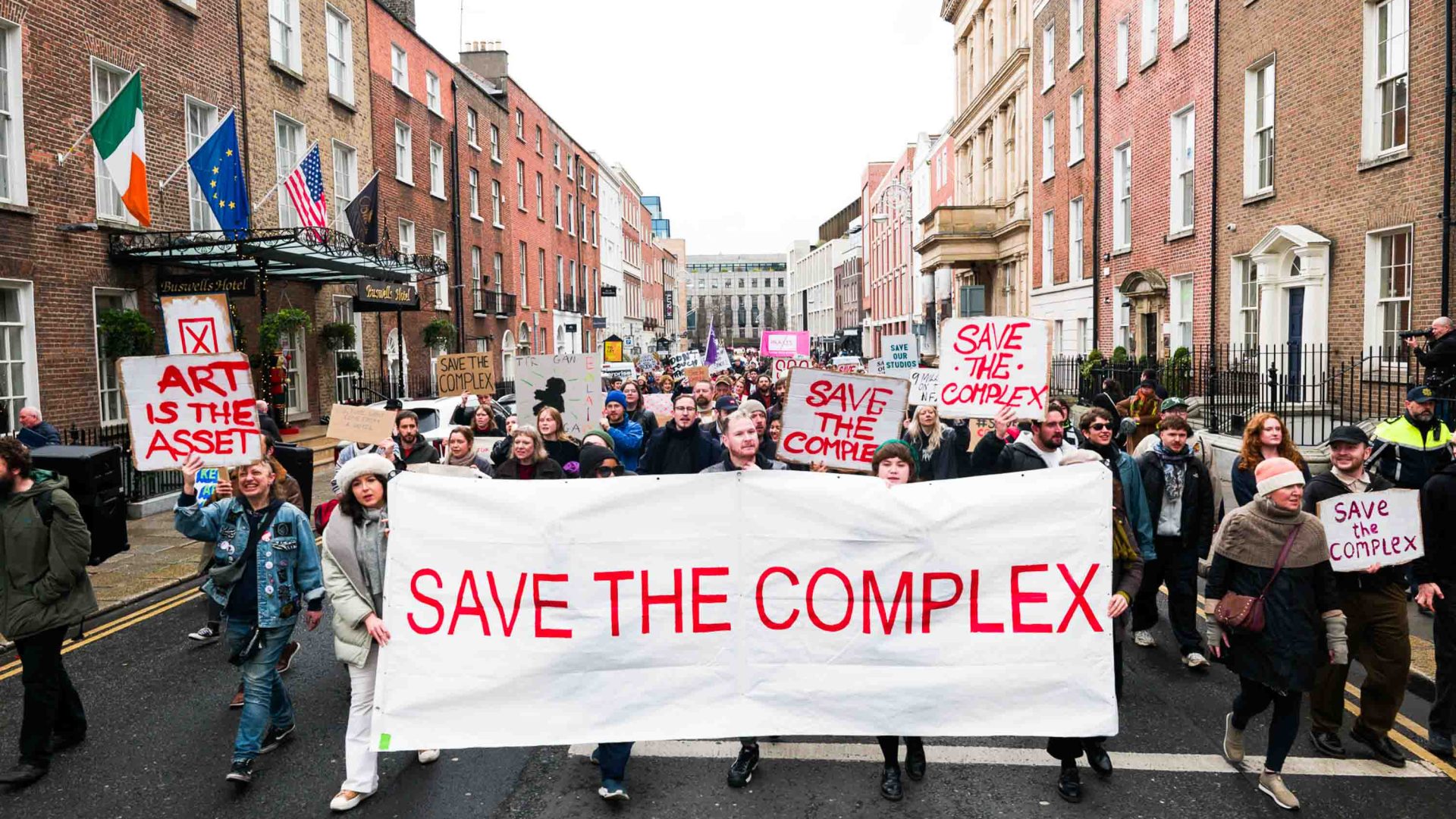
Despite robust community support, including a petition signed by over 16,500 people, Ó Ceannabháin leading a protest, and even backing from Dublin City Council for The Complex to be integrated into future redevelopment plans, the venue could not be saved. Its landlord decided to sell the property, and crucially, no legal mechanism existed for the State to acquire the building for cultural use unless it qualified as national heritage. Fielding’s frustration is palpable: "I suppose in the end, it will become a place of no destination." Her words paint a grim picture of a city stripped of its creative soul, transforming into a mere economic hub devoid of the cultural vibrancy that once defined it.
The implications of such closures extend far beyond the immediate loss of a physical space. These grassroots venues are the lifeblood of the creative pipeline. They are the incubators where raw talent is nurtured, experimental works are forged, and emerging artists find their voice before potentially gracing larger stages. Losing them means stifling the very source of talent that feeds bigger venues, hollows out the culture visitors come to experience, and deprives locals of essential community spaces that cannot be easily replicated. BAFTA-winning Irish actor Paul Mescal echoed this sentiment in an interview with lovedublin, recalling his anger at seeing institutions demolished during his drama school days. "We have such brilliant artists in this country," he lamented, "and I don’t feel like we can cultivate the kind of talent that’s here that’s beneficial to the industry." The absence of such foundational spaces threatens to diminish Dublin’s reputation as a global cultural capital.
Policy and Preservation: Official Responses and Future Outlook
In response to growing concerns, the Government of Ireland’s Department of Culture, Communications and Sport stated that "support for artists is at record levels" and announced a forthcoming "capital support scheme which will support wider participation in the arts." This commitment includes the Basic Income for the Arts (BIA) scheme, launched as a pilot in 2022 and made permanent in 2026. This groundbreaking initiative provides 2,000 eligible artists with €325 (approximately US$370) per week, making it the world’s first scheme of its kind. While Ó Ceannabháin acknowledges it as a significant victory, he advocates for its expansion to include all eligible artists, asserting that a successful pilot program should naturally broaden its reach.
Dublin City Council has also taken steps, including restoring some buildings for artist studios and mandating that multiple new developments allocate five percent of their space for cultural use. This "cultural quota" is intended to integrate arts spaces into the city’s evolving urban fabric. However, a report from the Arts Council of Ireland (An Chomhairle Ealaíon) indicates that despite recent increases, funding "is not in line with EU averages or able to keep pace with rising costs." This suggests a persistent gap between current provisions and the actual needs of the creative sector. The challenge lies not just in providing funding but in implementing robust planning policies and legal frameworks that can actively protect existing cultural spaces from the pressures of commercial development, ensuring that cultural needs are prioritized alongside economic growth.
Optimism and the Unyielding Fight
Back at The Cobblestone, the spirit of defiance and optimism remains undimmed. Amidst a lively céilí, where author Emma Truscott found herself playfully pulled into a line dance, musician Chris Marron’s words encapsulated the welcoming chaos: "No-one does!" when she admitted she didn’t know the steps. It has been nearly five years since the community rallied to save The Cobblestone’s back room from demolition. Yet, the venue’s future, as Mulligan admits, remains somewhat precarious, still reliant on a private landlord. "I don’t know where it’s going to end up," he confides, "but one thing that has always kept me going is optimism."
This shared optimism fuels the ongoing struggle. When asked if he would ever give up, Eoghan Ó Ceannabháin’s response is immediate and resolute: "I don’t think there’s any option to give up. The fact that people all over the world are making art and music and beautiful things under these difficult circumstances is a demonstration of what it is to be human. We have to fight for that, and fight for more space for it." His words underscore the profound belief that cultural expression is not a luxury but a fundamental human need, integral to the fabric of society.
For Dublin, the fight to preserve its grassroots arts venues is a battle for its very soul. It is a struggle to ensure that the city remains a place where creativity can flourish, where traditional melodies continue to echo, and where new artistic voices can emerge. It is a reminder that the true wealth of a city lies not just in its economic growth, but in the vibrant, irreplaceable culture it nurtures. The future of Dublin’s stages, whether grand theaters or humble pubs, will ultimately be determined by the collective will to protect these essential spaces from the relentless march of redevelopment. The community’s ongoing activism and the unwavering optimism of its cultural champions offer a beacon of hope in this vital, ongoing fight.
Adventure.com strives to be a low-emissions travel publication. We are powered by, but editorially independent of, Intrepid Travel, the world’s largest travel B Corp, who help ensure Adventure.com maintains high standards of sustainability in our work and activities. You can visit our sustainability page or read our Contributor Impact Guidelines for more information.
About the Author:
Emma Truscott is a freelance travel writer specializing in slow, solo, and sustainable adventures. She’s also a full-time pet-sitter with no interest in settling down. In fact, travel has become such a big part of her personality that it’s now a family catchphrase: “Where’s Ems?” Her bylines include BBC Travel, The i Paper, and Derbyshire Life magazine.