Europe’s Most Visited Cities Revealed as Continent Exceeds Pre-Pandemic Tourism Levels

In a significant milestone for the global travel industry, Europe recorded over 793 million international arrivals in 2025, decisively surpassing its pre-pandemic tourism levels. This robust recovery underscores the continent’s enduring appeal as a premier travel destination, driven by a rich tapestry of history, culture, and diverse experiences. The resurgence highlights a pivotal moment for European economies, with tourism once again serving as a vital engine of growth and employment. This comprehensive analysis, drawing primarily from a 2024 study by Euromonitor International, additional global city destination rankings, and data from local tourism offices, outlines the most popular urban centers that are spearheading this impressive comeback.
The Trajectory of European Tourism Recovery
The path to exceeding pre-pandemic visitor numbers has been a journey marked by resilience and strategic adaptation. Following the severe downturn of 2020 and 2021, when international travel was largely halted, Europe embarked on a gradual but steady recovery. In 2022, initial signs of pent-up demand began to emerge, with many countries experiencing a notable uptick in arrivals as travel restrictions eased. By 2023, the recovery gained significant momentum, propelled by robust vaccination campaigns and a renewed global appetite for international exploration. The year 2024 witnessed a full-fledged rebound, with Europe registering record tourism numbers, officially signifying its recovery from the pandemic-induced slump. The projected 793 million international arrivals for 2025 solidify this trend, demonstrating a sustained growth trajectory that positions the continent stronger than ever in the global tourism landscape. This remarkable turnaround is attributed to a combination of factors, including coordinated efforts by European governments and tourism boards to restore confidence, the seamless connectivity offered by extensive transportation networks, and the inherent allure of Europe’s iconic destinations.
Top Urban Magnets: A Detailed Overview
The following cities represent the vanguard of Europe’s tourism boom, each offering unique attractions and contributing significantly to the continent’s appeal.
-
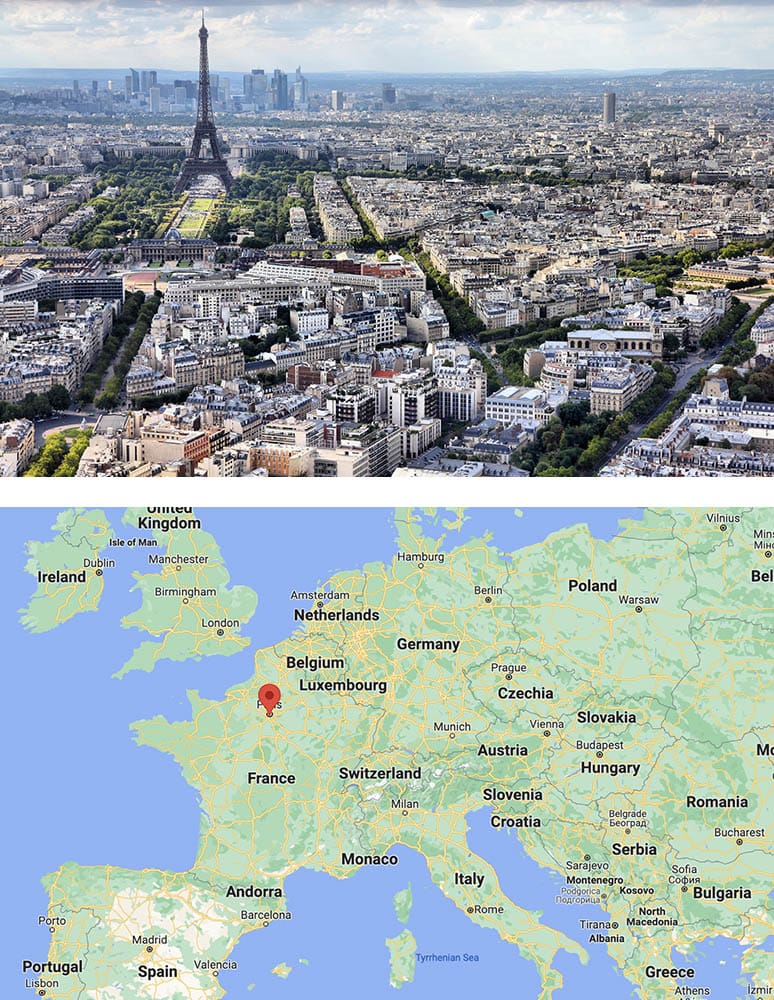
Paris, France – 50 Million Annual Visitors
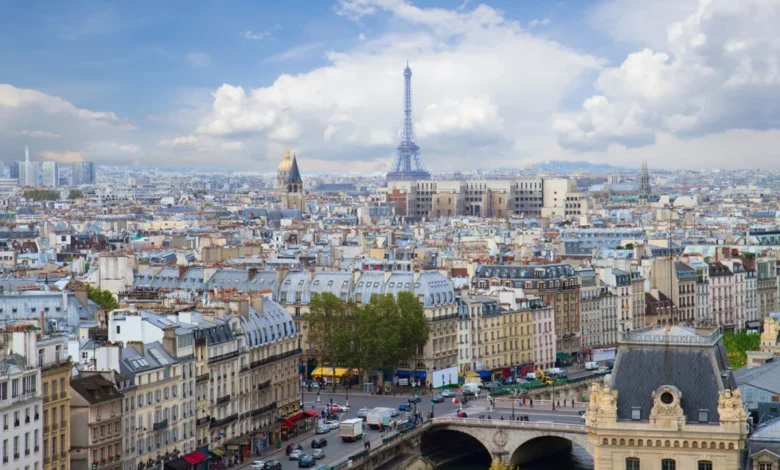
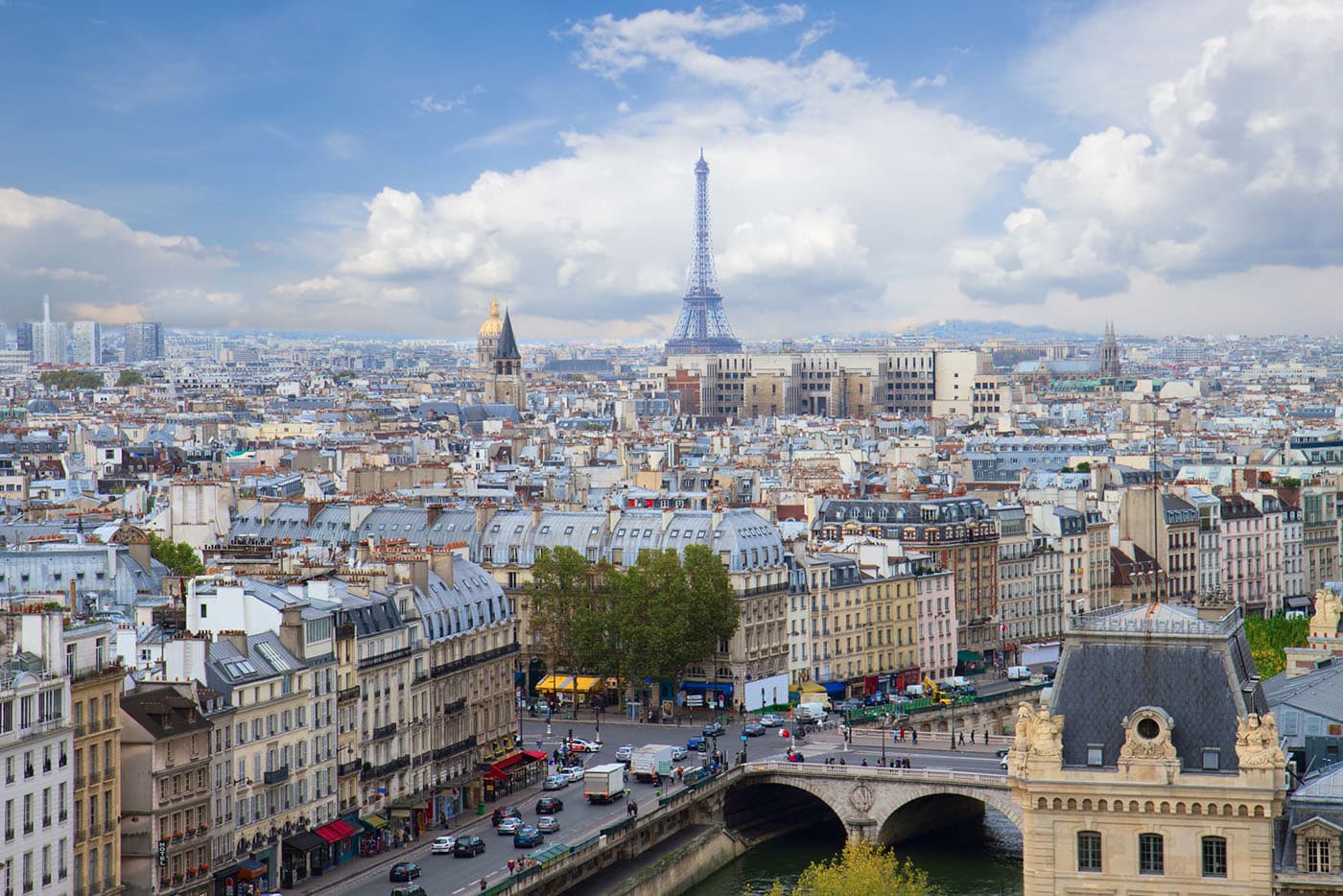
The French capital, often hailed as the "City of Love," has reclaimed its position as Europe’s most visited city, narrowly surpassing London in recent years. France, as a nation, also maintains its status as the most visited country in Europe. Paris’s enduring allure lies in its unparalleled concentration of world-famous landmarks, including the Eiffel Tower, the Louvre Museum, Notre-Dame Cathedral, and the charming streets of Montmartre. Its vibrant cultural scene, haute cuisine, and status as a global fashion capital contribute to its immense popularity. The city boasts an exceptionally efficient Metro system, facilitating easy navigation for its millions of visitors. Furthermore, Paris offers a vast array of accommodation options, from luxury hotels to budget-friendly hostels and a high number of vacation rental apartments, catering to diverse traveler needs. Local authorities continue to invest in infrastructure and sustainable tourism initiatives, especially in anticipation of major international events. -
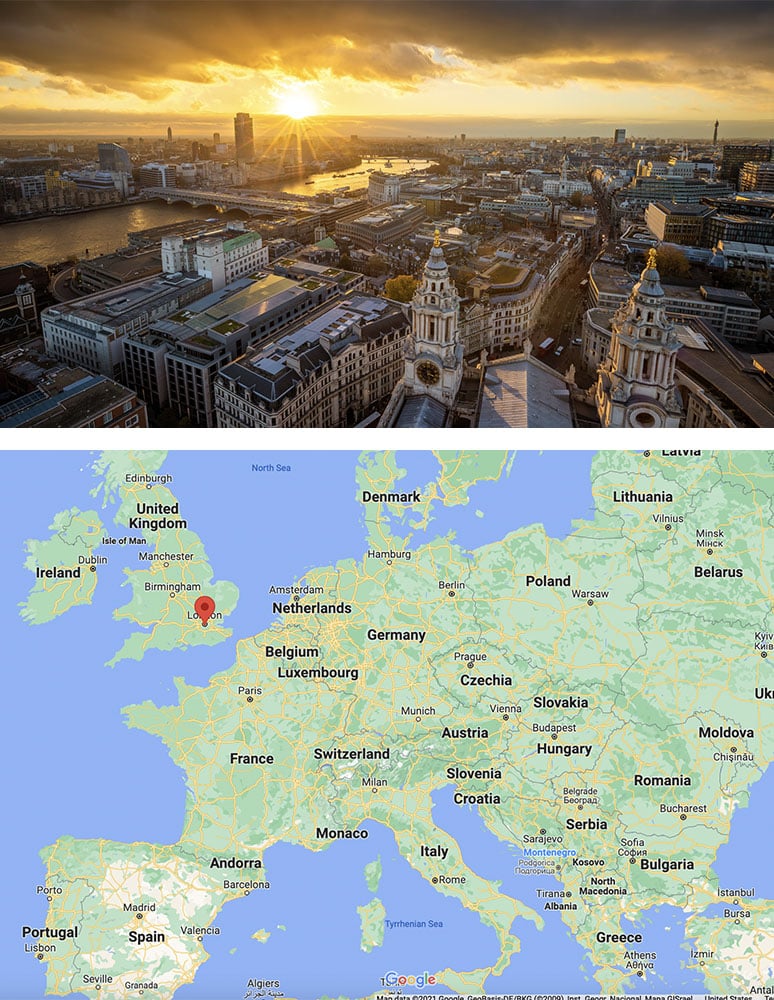
London, United Kingdom – 40 Million Annual Visitors
Historically a dominant force in European tourism, London remains a global powerhouse despite being recently overtaken by Paris. The city’s status as a major international aviation hub, with multiple large airports, ensures a continuous flow of visitors, often at competitive flight prices. London serves as an ideal gateway for many first-time international travelers due to the absence of a language barrier. Its rich history, evident in sites like the Tower of London, Buckingham Palace, and Westminster Abbey, combined with a dynamic contemporary culture encompassing world-class museums, theaters, and diverse culinary offerings, provides an inexhaustible list of experiences. The city’s extensive underground network, the Tube, efficiently connects its myriad attractions.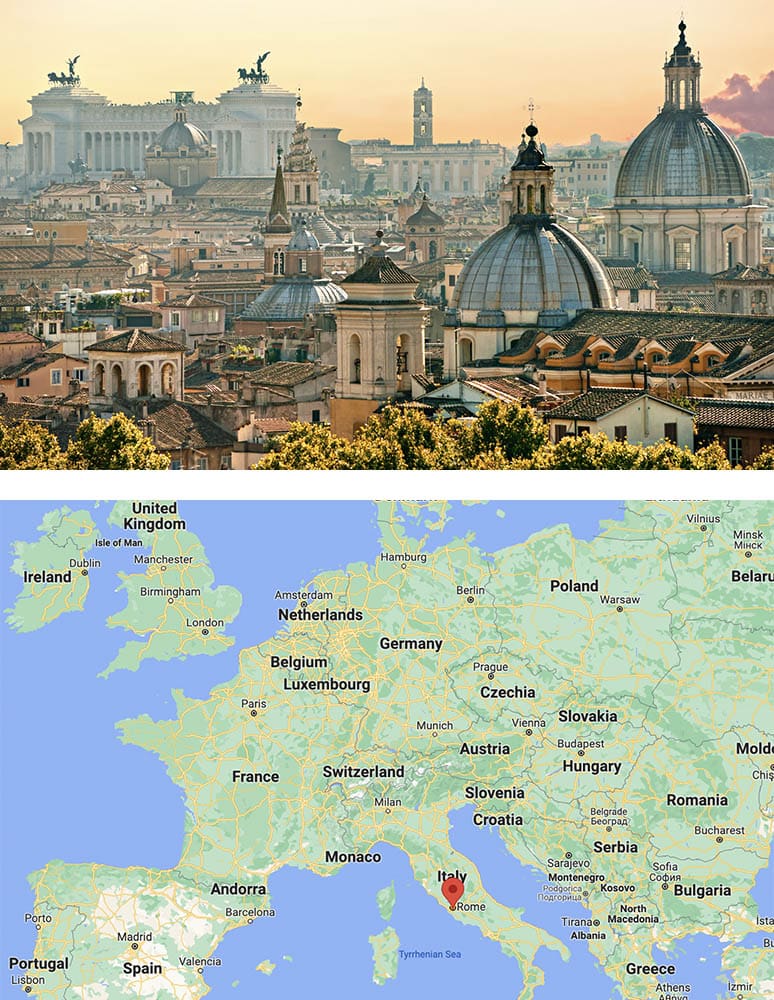
-
Rome, Italy – 35 Million Annual Visitors
The "Eternal City" consistently ranks among Europe’s most captivating destinations, celebrated for its profound historical, educational, and cultural significance. Rome’s ancient wonders, including the Colosseum, Roman Forum, Pantheon, and Vatican City, draw millions seeking to immerse themselves in millennia of civilization. Beyond its monumental heritage, Rome offers vibrant street life, exquisite Italian cuisine, and a unique atmosphere that blends ancient grandeur with modern vitality. Its strategic location and excellent rail connections also make it a popular starting point for exploring other regions of Italy, such as Florence and Naples. -
Istanbul, Turkey – 20 Million Annual Visitors
Istanbul’s resurgence as a top European destination is a testament to its unique geopolitical and cultural identity. Straddling two continents, the city offers an intoxicating blend of East and West, manifest in its stunning architecture, bustling bazaars, and diverse culinary traditions. Iconic sites like the Hagia Sophia, Blue Mosque, Topkapi Palace, and the Grand Bazaar attract a growing number of visitors. Following periods of political instability, a return to calm has significantly boosted tourism, particularly among Europeans eager to experience its distinctive charm. The city’s strategic position at the crossroads of trade routes continues to make it a vibrant cultural and economic hub.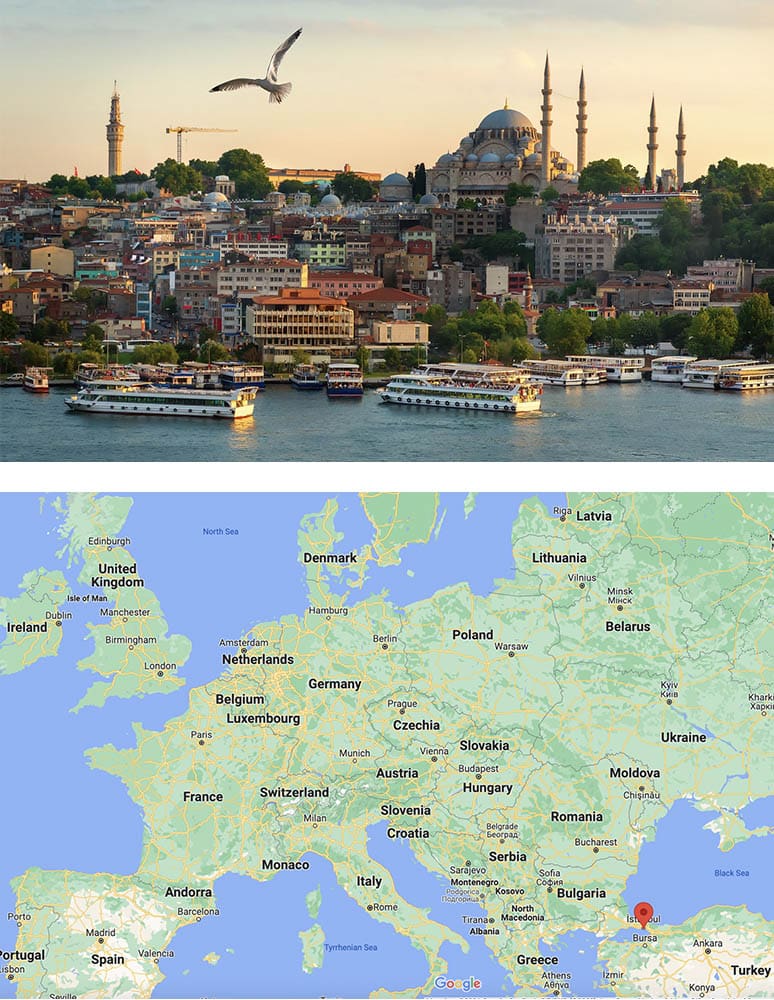
-
Barcelona, Spain – 16 Million Annual Visitors
Barcelona’s irresistible appeal stems from its distinctive architecture, particularly the works of Antoni Gaudí like the Sagrada Família and Park Güell, coupled with its vibrant Mediterranean lifestyle. The city boasts beautiful urban beaches, a world-renowned food scene (including Catalan specialties and tapas), and a legendary nightlife often cited as among the best globally. Its historic Gothic Quarter contrasts with modernist masterpieces, creating a visually stunning urban landscape. However, Barcelona also faces significant challenges related to over-tourism, prompting local authorities to implement measures aimed at managing visitor flow and preserving residential quality of life. -
Lisbon, Portugal – 14 Million Annual Visitors
Lisbon has rapidly ascended the ranks of Europe’s most sought-after cities, captivating visitors with its picturesque pastel buildings, historic neighborhoods like Alfama, and a laid-back coastal ambiance. Renowned for its Fado music, charming tram rides, and panoramic viewpoints, Lisbon offers a rich cultural experience. Notably, it remains a more budget-friendly option compared to many Western European capitals, making it attractive to a broad spectrum of travelers. The city’s burgeoning culinary scene and vibrant street art further enhance its appeal.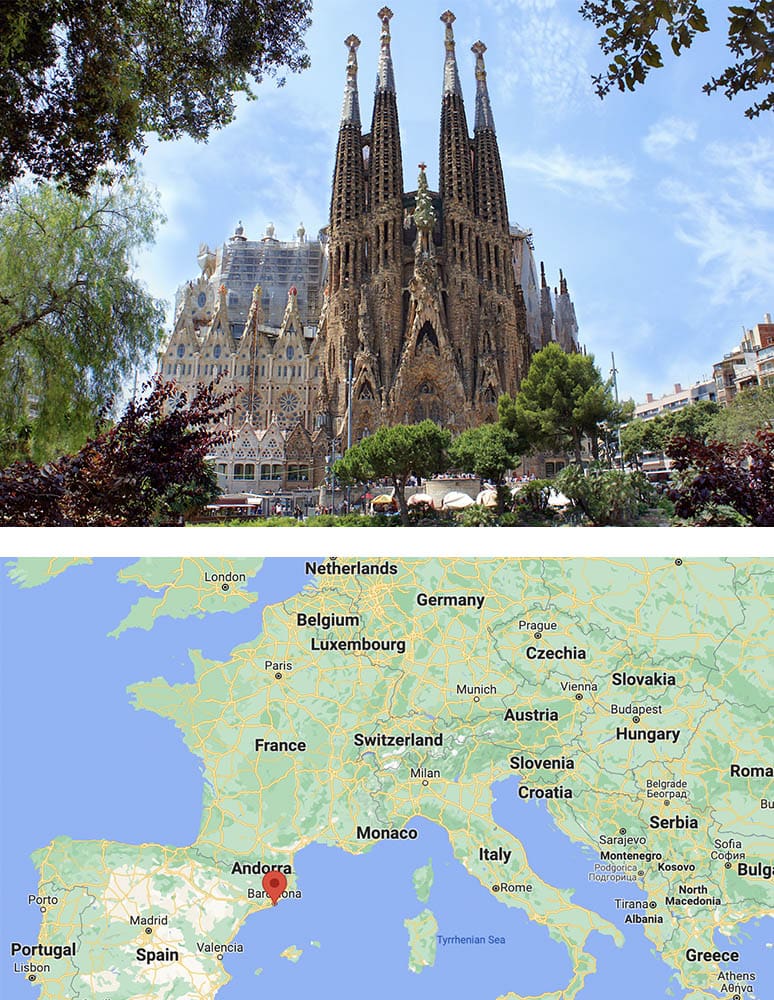
-
Amsterdam, Netherlands – 8.9 Million Annual Visitors
Despite its relatively compact size, Amsterdam is a major European tourism magnet, celebrated for its iconic canals, historic merchant houses, and world-class museums such as the Rijksmuseum and Anne Frank House. The city’s liberal social policies and high quality of life contribute to its unique character. However, Amsterdam is also one of Europe’s most expensive cities, particularly concerning accommodation, a direct consequence of its immense popularity and limited urban space. The issue of over-tourism is actively being addressed by municipal authorities, who are exploring strategies to manage visitor numbers and encourage more respectful tourism. -
Milan, Italy – 8.2 Million Annual Visitors
As Italy’s financial and fashion capital, Milan offers a distinct European experience. While it may not possess the ancient historical depth of Rome or Florence, its sophisticated urban environment, dominated by the magnificent Duomo di Milano and the Galleria Vittorio Emanuele II, attracts millions. Milan is a hub for design, luxury shopping, and opera (home to La Scala), catering to a clientele interested in contemporary culture and high-end experiences. It serves as a vital economic engine for Italy and offers excellent connections to the country’s northern regions and neighboring Switzerland.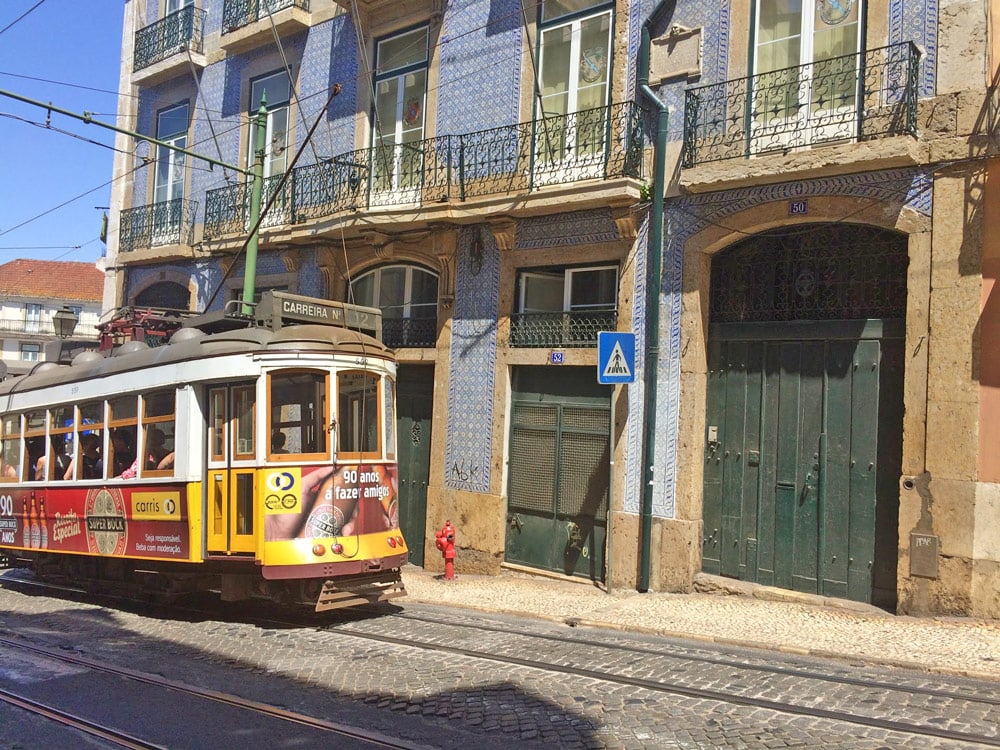
-
Vienna, Austria – 8.2 Million Annual Visitors
Consistently recognized as one of the world’s most livable cities, Vienna’s imperial grandeur and rich cultural heritage make it a prime tourist destination. Its architectural landscape is a breathtaking blend of Gothic, Baroque, and Art Nouveau styles, exemplified by Schönbrunn Palace, the Hofburg Imperial Palace, and St. Stephen’s Cathedral. Vienna’s legacy as the capital of classical music, home to luminaries like Mozart and Beethoven, permeates its numerous concert halls and opera houses. The city’s traditional coffee house culture, offering exquisite pastries and a refined atmosphere, is an essential Viennese experience. -
Prague, Czech Republic – 7.5 Million Annual Visitors
Prague, often described as a "fairy tale city," captivates visitors with its stunning medieval architecture, cobblestone streets, and the iconic Charles Bridge. The Old Town Square, with its astronomical clock, and the majestic Prague Castle complex are central to its charm. While its reputation for being exceptionally cheap has evolved, Prague still offers significant value compared to Western European capitals, particularly for food and beverages. The city’s vibrant cultural scene and dynamic nightlife, coupled with its historical depth, make it a highly desirable destination, though popular areas can become crowded during peak season.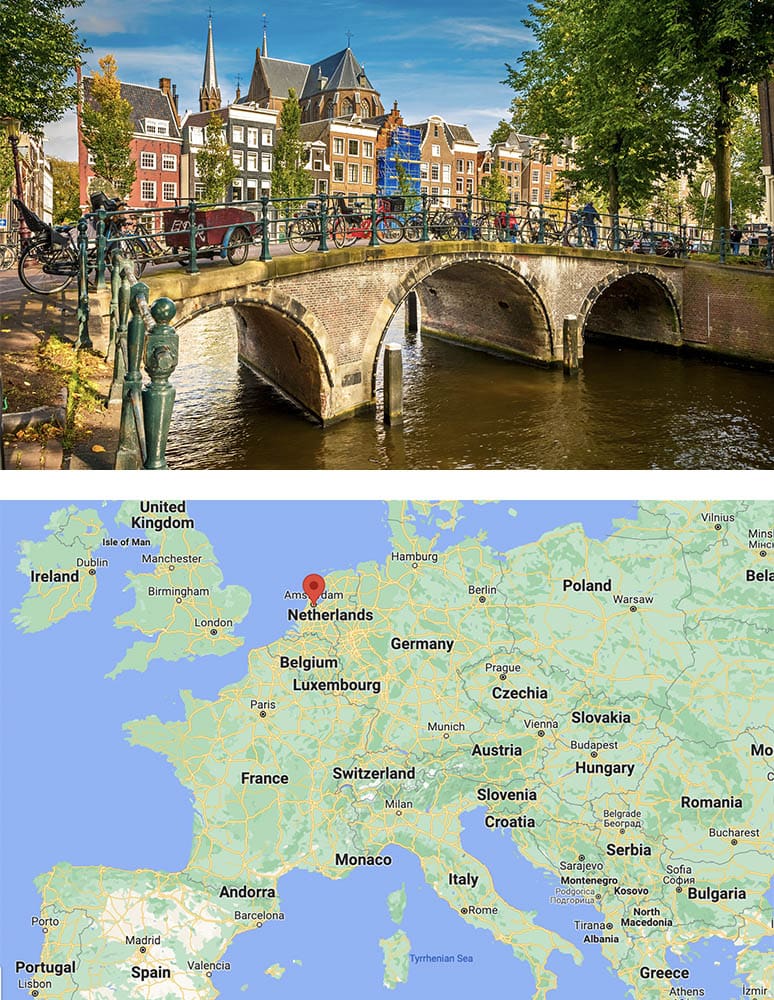
-
Athens, Greece – 6.5 Million Annual Visitors
The historical capital of Europe and the birthplace of democracy, Athens is an indispensable destination for understanding Western civilization. Dominated by the awe-inspiring Acropolis and Parthenon, the city is a living museum of ancient history. Beyond its archaeological wonders, Athens serves as the primary gateway to the renowned Greek Islands. While the city’s overall aesthetic can be perceived as less traditionally "beautiful" than some European counterparts, its historical significance and the warmth of its people offer a unique and profound travel experience. -
Berlin, Germany – 6.3 Million Annual Visitors
Berlin, a city famously dubbed "poor but sexy," has transformed into a global hub for art, culture, and nightlife. Its tumultuous 20th-century history is palpable at sites like the Brandenburg Gate, the Reichstag Building, the Berlin Wall Memorial, and numerous museums dedicated to the Cold War and World War II. Berlin’s vibrant alternative scene, diverse culinary landscape, and reputation as a clubbing capital attract a youthful and dynamic demographic. Despite rising costs, it remains one of the more affordable major European capitals, offering a blend of historical reflection and contemporary innovation.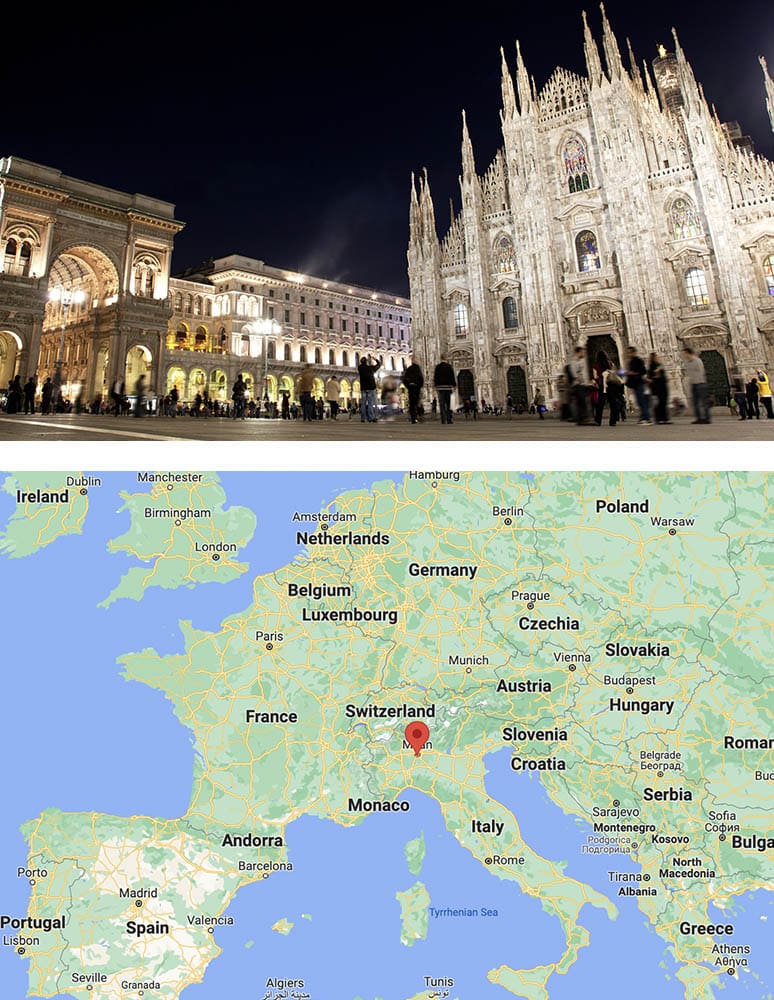
-
Venice, Italy – 5.6 Million Annual Visitors
The unparalleled beauty and unique geography of Venice, a city built on water, draw millions to its canals, gondolas, and architectural masterpieces like St. Mark’s Basilica and the Doge’s Palace. However, Venice faces extreme pressures from over-tourism, exacerbated by its small size and the influx of cruise ship passengers. This phenomenon has led to significant discussions about sustainability, with local authorities implementing measures such as day-tripper fees and restrictions on large groups to mitigate the impact on the city’s delicate infrastructure and resident quality of life. Staying overnight offers a more intimate experience once the day crowds disperse. -
Madrid, Spain – 5.6 Million Annual Visitors
Spain’s vibrant capital, Madrid, is a city brimming with energy, renowned for its world-class art museums (the Prado, Reina Sofía, Thyssen-Bornemisza), grand boulevards, and expansive parks like El Retiro. While much of its architecture dates from the 19th and 20th centuries, giving it a more modern feel than some other European capitals, Madrid exudes an undeniable old-world charm. Its lively plazas, late-night dining culture, and passionate flamenco scene contribute to its dynamic atmosphere. Madrid also offers good value for money compared to many Western European cities.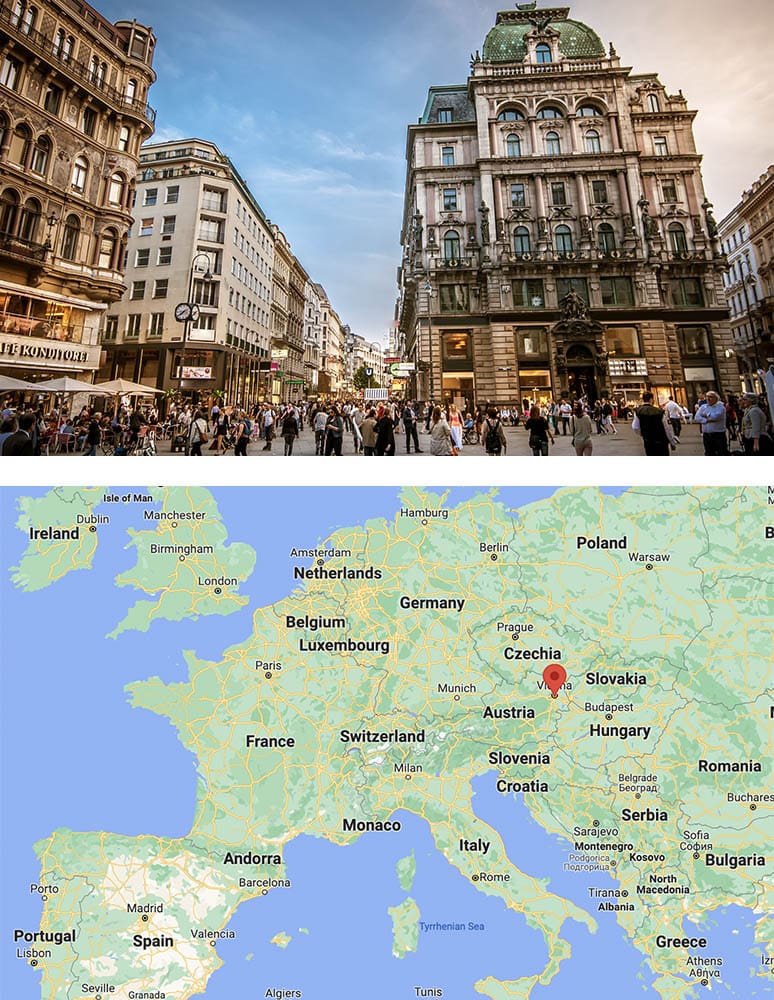
-
Dublin, Ireland – 5.5 Million Annual Visitors
Dublin, a compact yet spirited city, charms visitors with its friendly locals, rich literary heritage, and legendary pub culture. Attractions like the Guinness Storehouse, Dublin Castle, and Trinity College with its Book of Kells are popular draws. The city’s significant student population contributes to its youthful and energetic nightlife. Dublin is easily explored on foot, adding to its appeal. However, visitors should be prepared for higher costs, particularly for food and alcohol, as Dublin is one of the more expensive cities in Europe. -
Florence, Italy – 5.1 Million Annual Visitors
The heart of Tuscany and the cradle of the Renaissance, Florence is a mandatory stop for art and history enthusiasts. Home to masterpieces like Michelangelo’s David, Botticelli’s "The Birth of Venus" at the Uffizi Gallery, and Brunelleschi’s Duomo, Florence is an open-air museum. Its historical center is a UNESCO World Heritage site, best explored over several days to fully appreciate its beauty and world-renowned cuisine. While popular for day trips, the city reveals a different, more serene character in the evenings as crowds thin out.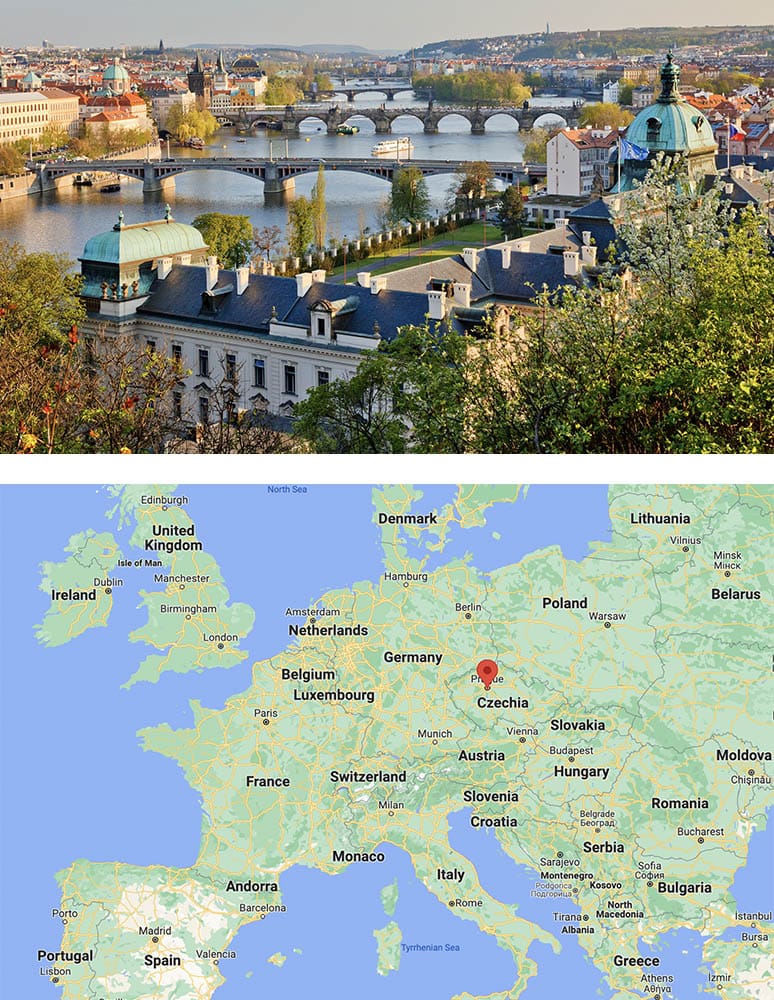
-
Brussels, Belgium – 4.3 Million Annual Visitors
As the de facto capital of the European Union, Brussels is a city of international significance. While it has traditionally been perceived as a business-centric destination, its Grand Place, a UNESCO World Heritage site, is one of Europe’s most stunning squares. The city is also celebrated for its exceptional culinary offerings: world-famous chocolates, waffles, fries, and an unparalleled variety of beers. Brussels is increasingly fostering a creative class and a more vibrant cultural scene, gradually shedding its somewhat staid image and offering a blend of historical charm and modern dynamism. -
Munich, Germany – 4.2 Million Annual Visitors
Munich, the capital of Bavaria, embodies traditional German charm and efficiency. Famous globally for its annual Oktoberfest beer festival, the city also boasts centuries-old architecture, extensive green spaces like the English Garden, and numerous world-class museums and art galleries. Bavarian culture, including its iconic beer gardens and hearty cuisine, is a significant draw. Munich offers a high quality of life and serves as a gateway to the scenic Bavarian Alps, combining urban sophistication with easy access to natural beauty.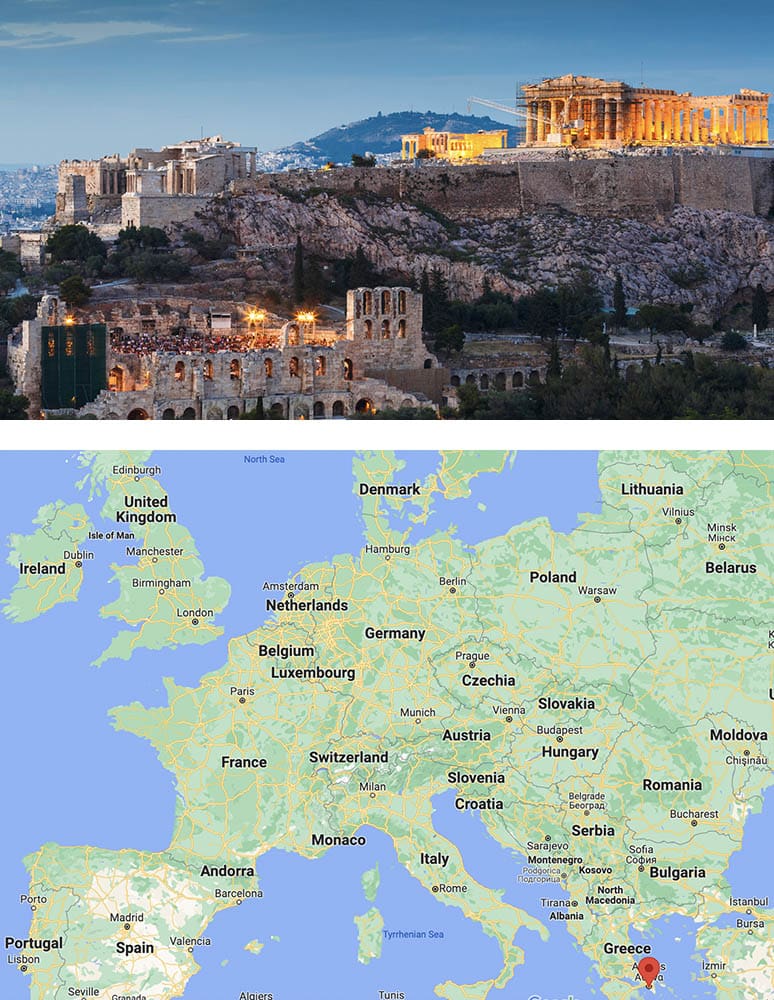
-
Hamburg, Germany – 4 Million Annual Visitors
Germany’s second-largest city and a major port, Hamburg has undergone a remarkable transformation in recent years. Once known for its industrial character, it has evolved into a vibrant cultural hub, often lauded as Germany’s "hippest city." The Speicherstadt, a historic warehouse district now a UNESCO site, and the striking Elbphilharmonie concert hall are architectural highlights. Hamburg’s dynamic nightlife, innovative culinary scene, and extensive waterways offer a unique urban experience that blends its maritime heritage with contemporary cool. -
Budapest, Hungary – 4 Million Annual Visitors
Often referred to as the "Paris of the East," Budapest is rapidly becoming one of Central Europe’s most visited cities. Divided by the Danube River, the city showcases stunning architecture, from the neo-Gothic Parliament building to the historic Buda Castle and the Chain Bridge. Its famous thermal baths, ruin bars, and vibrant cultural scene offer diverse attractions. Budapest’s relative affordability compared to Western European capitals makes it particularly attractive to travelers seeking rich experiences without excessive cost.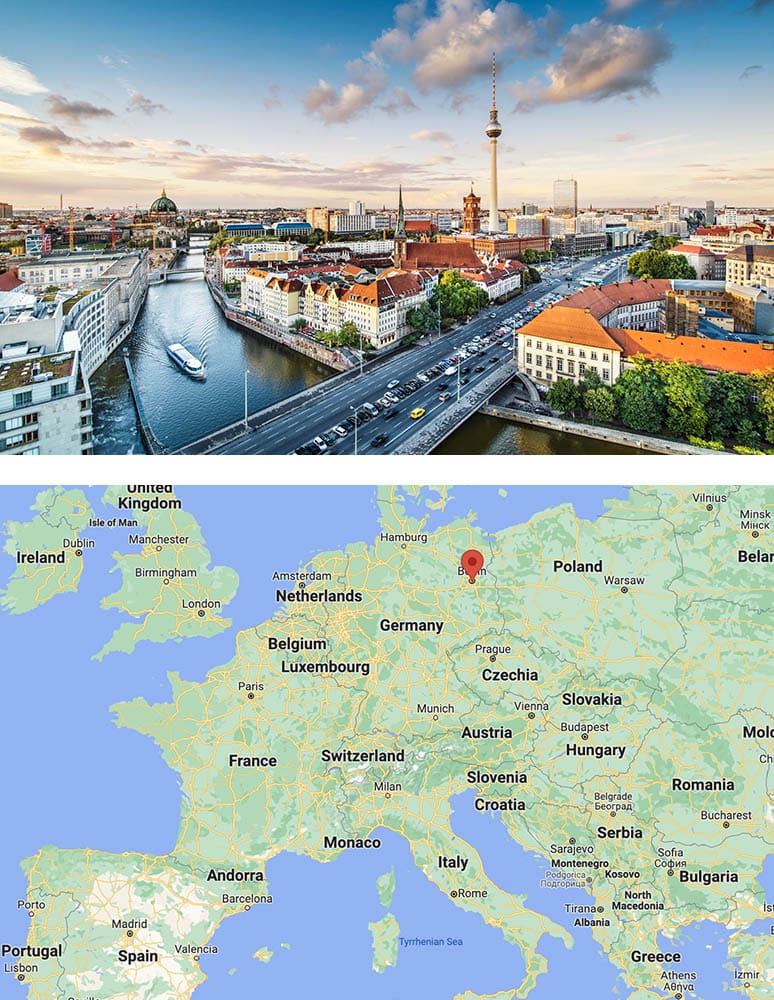
-
Tallinn, Estonia – 4 Million Annual Visitors
Nestled between Stockholm and St. Petersburg, Tallinn offers an enchanting blend of Nordic and Russian influences within one of Europe’s best-preserved medieval walled cities. Its Old Town, a UNESCO World Heritage site, is characterized by cobblestone streets, Gothic churches, and merchant houses. While popular as a day-trip destination, particularly from Helsinki via ferry, staying overnight allows visitors to experience its magical atmosphere away from the peak daytime crowds and explore its Soviet-era heritage and modern tech scene. -
Copenhagen, Denmark – 3.2 Million Annual Visitors
Copenhagen consistently ranks high in global liveability and happiness indices, and its appeal as a tourist destination is equally strong. The Danish capital captivates with its blend of historical architecture (Nyhavn, Amalienborg Palace) and cutting-edge design, a thriving culinary scene, and a pervasive cycling culture. Attractions like the Little Mermaid statue and Tivoli Gardens add to its charm. Despite being one of Europe’s more expensive cities, its commitment to sustainability, friendly locals, and concept of "hygge" offer a unique and high-quality visitor experience.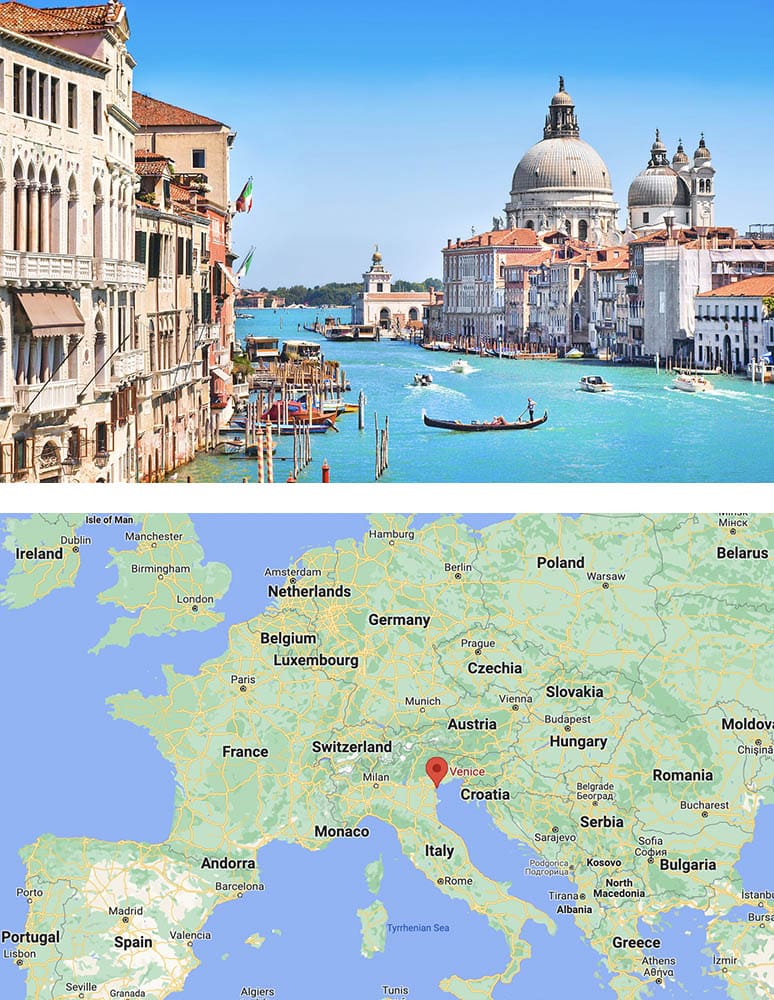
-
Edinburgh, Scotland – 3.1 Million Annual Visitors
Edinburgh, Scotland’s picturesque capital, is a city of dramatic beauty and rich history. Dominated by the imposing Edinburgh Castle, its medieval Old Town, with the Royal Mile, contrasts elegantly with the Georgian New Town. The city becomes a global cultural magnet during the Edinburgh Festival Fringe in August. Renowned for its friendly atmosphere, traditional Scottish pubs, and literary connections, Edinburgh offers a welcoming and deeply immersive cultural experience. -
Heraklion, Greece – 3 Million Annual Visitors
As the capital of Crete, Greece’s largest island, Heraklion serves as a crucial entry point for millions of visitors. While many travelers use it as a transit hub to explore the island’s famous beaches and historical sites like the Minoan Palace of Knossos, the city itself offers archaeological museums and a bustling port atmosphere. Its high visitor numbers reflect its strategic importance in regional tourism, connecting visitors to the broader wonders of Crete.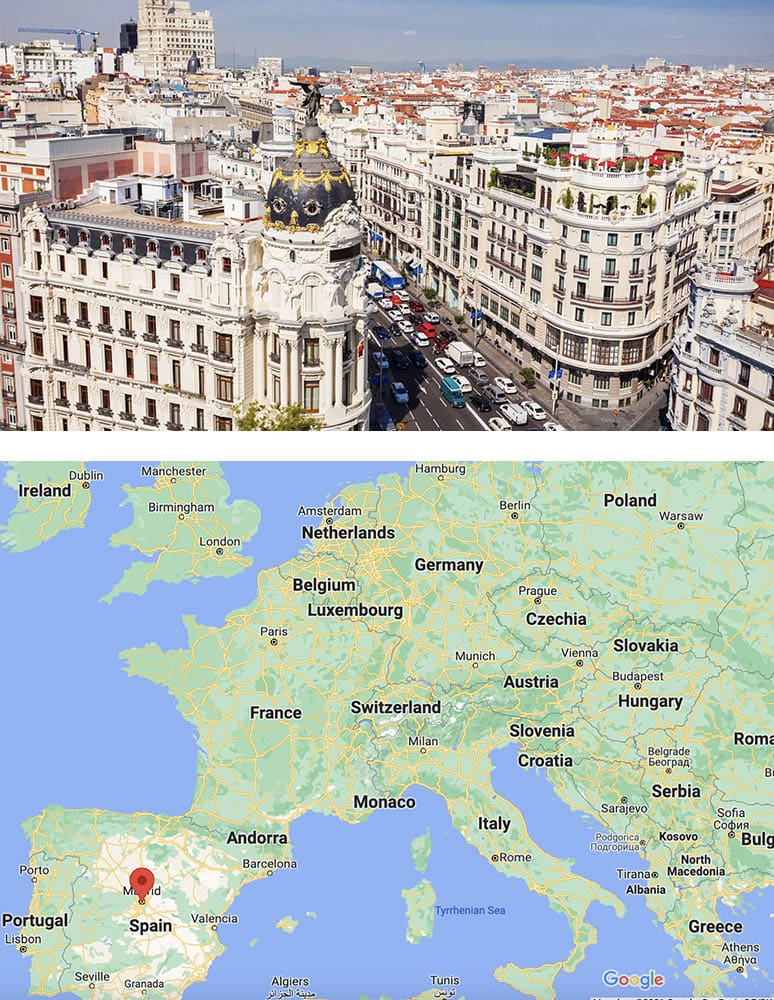
-
Kraków, Poland – 2.9 Million Annual Visitors
Kraków stands as Poland’s cultural and intellectual capital, a beautifully preserved city with a captivating Old Town, Wawel Castle, and a vibrant Market Square. Its historical depth is complemented by a lively student population and a reputation for affordability, making it a popular destination for both cultural exploration and energetic nightlife. Despite its increasing popularity, Kraków retains its authentic charm and offers a compelling Eastern European experience. -
Warsaw, Poland – 2.8 Million Annual Visitors
Warsaw, the resilient capital of Poland, largely rebuilt after the devastation of World War II, offers a compelling narrative of survival and renewal. Its meticulously reconstructed Old Town, a UNESCO World Heritage site, stands as a symbol of Polish determination. While it may lack the immediate "fairy tale" charm of Kraków, Warsaw boasts a dynamic cultural scene, significant historical memorials, and a burgeoning modern identity. Its tourism infrastructure is still developing, offering a more authentic, less commercialized experience for visitors willing to delve deeper.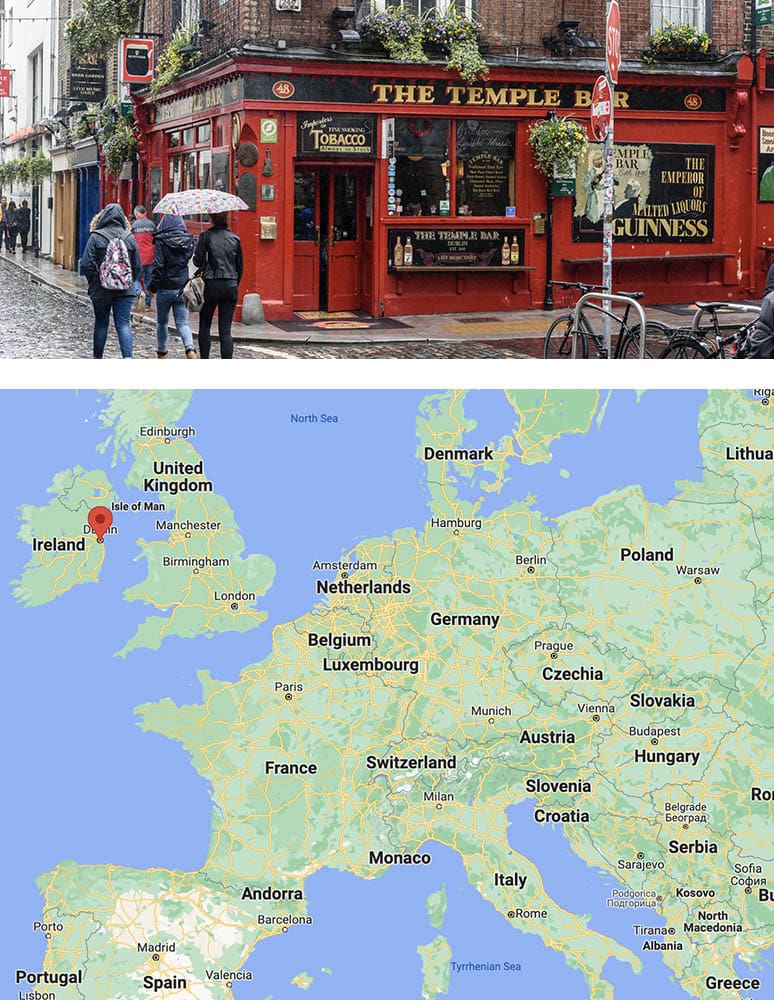
-
Frankfurt, Germany – 2.7 Million Annual Visitors
Frankfurt am Main, a major financial hub and the largest city in the German state of Hesse, is often perceived as more business-centric than tourist-oriented. Characterized by its modern skyline and role as a European financial capital, it also offers notable cultural attractions, including a diverse range of museums along the "Museum Embankment" and a charming reconstructed Old Town (Römerberg). While perhaps not a top leisure destination for all, its excellent transport links make it a convenient entry point to Germany. -
Stockholm, Sweden – 2.7 Million Annual Visitors
Stockholm, the elegant capital of Sweden, is uniquely spread across 14 islands, creating a stunning cityscape of waterways, historic buildings, and green spaces. Attractions like the Vasa Museum, the Royal Palace, and the charming Gamla Stan (Old Town) draw visitors. Despite its relatively remote Nordic location, its beautiful architecture and high quality of life make it a desirable destination. However, Stockholm is known for its high cost of living, which translates to a more expensive travel experience for visitors.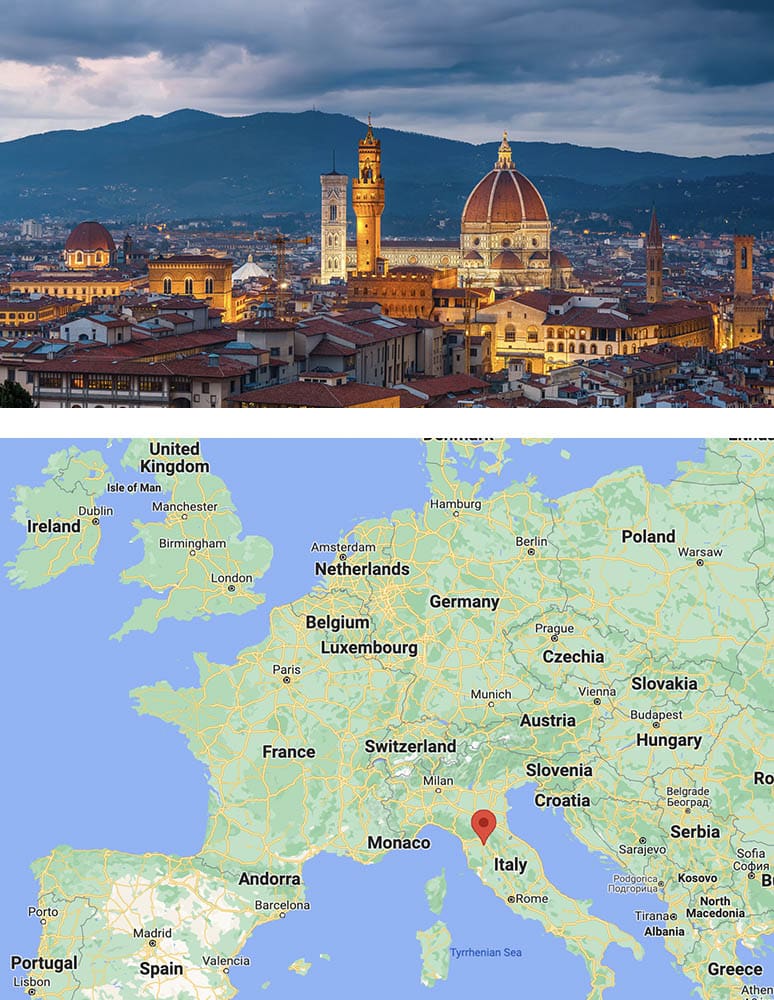
-
Nice, France – 2.6 Million Annual Visitors
Nice, the jewel of the French Riviera, has been a beloved summer destination for centuries. Its picturesque Promenade des Anglais, vibrant Old Town, and beautiful Mediterranean beaches offer classic Riviera charm. Despite the region’s reputation for exclusivity, Nice itself provides numerous budget-friendly options, including excellent free museums and easy train access to other stunning coastal towns. The city serves as an ideal base for exploring the diverse landscapes and glamorous towns of the Côte d’Azur. -
Porto, Portugal – 2.5 Million Annual Visitors
While Lisbon attracts the lion’s share of tourists in Portugal, Porto, with its distinctive charm and the Douro River winding through its historic center, is rapidly gaining prominence. Famed for its port wine cellars, the Ribeira district (a UNESCO World Heritage site), and stunning bridges, Porto offers a captivating blend of tradition and burgeoning modernity. Its affordability and an increasingly vibrant culinary scene have made it a magnet for young chefs and travelers seeking authentic Portuguese experiences at a reasonable cost.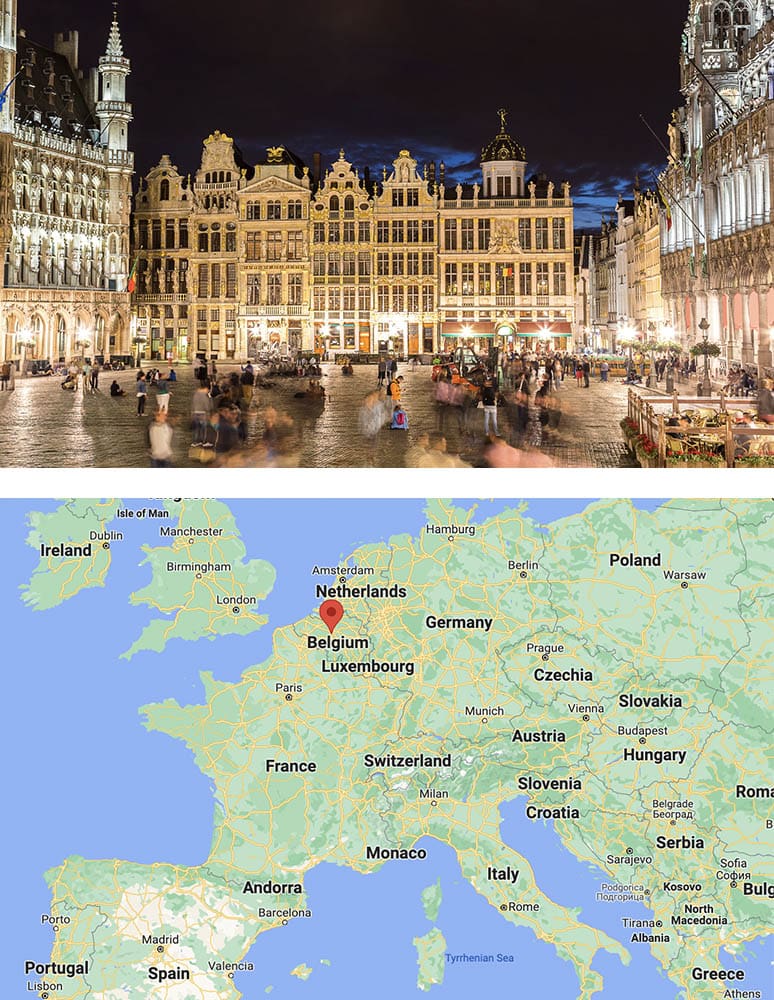
-
Bruges, Belgium – 2.5 Million Annual Visitors
The enchanting medieval town of Bruges, despite its small size, is one of Europe’s most popular destinations, often feeling like a step back in time. Its perfectly preserved canals, cobblestone streets, and historic