Navigating the Timeless Appeal of Cape Cod: A Comprehensive Guide to Family Tourism in Massachusetts


For over a century, Cape Cod has served as the quintessential summer retreat for families seeking a blend of historic charm, maritime heritage, and diverse coastal landscapes. Stretching 65 miles into the Atlantic Ocean, this hook-shaped peninsula in southeastern Massachusetts remains one of the most significant drivers of the state’s tourism economy. While the region is celebrated for its nostalgic atmosphere, modern family travel to the Cape requires a sophisticated understanding of its unique geography, seasonal logistics, and evolving recreational infrastructure.
The Regional Framework: A Geographic Overview
Cape Cod is traditionally divided into four distinct regions, encompassing 15 towns and numerous villages, each offering a specific cultural and environmental profile. Understanding this "lay of the land" is essential for families coordinating logistics across the peninsula’s 339 miles of coastline.

The Upper Cape, located closest to the mainland, includes towns such as Sandwich—the Cape’s oldest town—and Falmouth. This region is often favored for its accessibility, allowing visitors to bypass some of the more intensive traffic associated with the Mid-Cape Highway (Route 6). The Mid-Cape serves as the commercial and transportation hub, home to Hyannis and the bustling beaches of Yarmouth.
As travelers move further east, they enter the Lower Cape, which includes the affluent enclave of Chatham and the family-centric town of Brewster. Finally, the Outer Cape represents the most rugged and preserved portion of the peninsula. Here, the landscape is dominated by the Cape Cod National Seashore, a 40,000-acre federal preserve established by President John F. Kennedy in 1961. This region, encompassing Wellfleet, Truro, and Provincetown, is characterized by massive sand dunes and a more bohemian, artistic culture.
The Economic Impact of Cape Cod Tourism
The tourism industry on Cape Cod is a multi-billion dollar enterprise. According to data from the Cape Cod Chamber of Commerce and the Massachusetts Office of Travel and Tourism, the region attracts millions of visitors annually, with domestic travelers accounting for the vast majority of the influx. In 2023, tourism spending in Barnstable County (which encompasses the Cape) contributed significantly to the state’s $1.4 billion in annual local and state tax revenue generated by travel.

The industry supports approximately 10,000 jobs directly, ranging from hospitality and maritime services to retail and conservation. However, this economic reliance on seasonal travel creates a high-stakes environment during the peak months of July and August. During this window, the population of certain towns can quadruple, placing immense pressure on local infrastructure, particularly the Bourne and Sagamore bridges—the only two vehicular access points to the peninsula.
Coastal Dynamics: Choosing Between Bay and Ocean Beaches
For families, the primary draw of the Cape is its dual-coastline geography. The peninsula offers two fundamentally different aquatic environments: the Cape Cod Bay side and the Atlantic Ocean side.
The Bay Side: Safety and Exploration
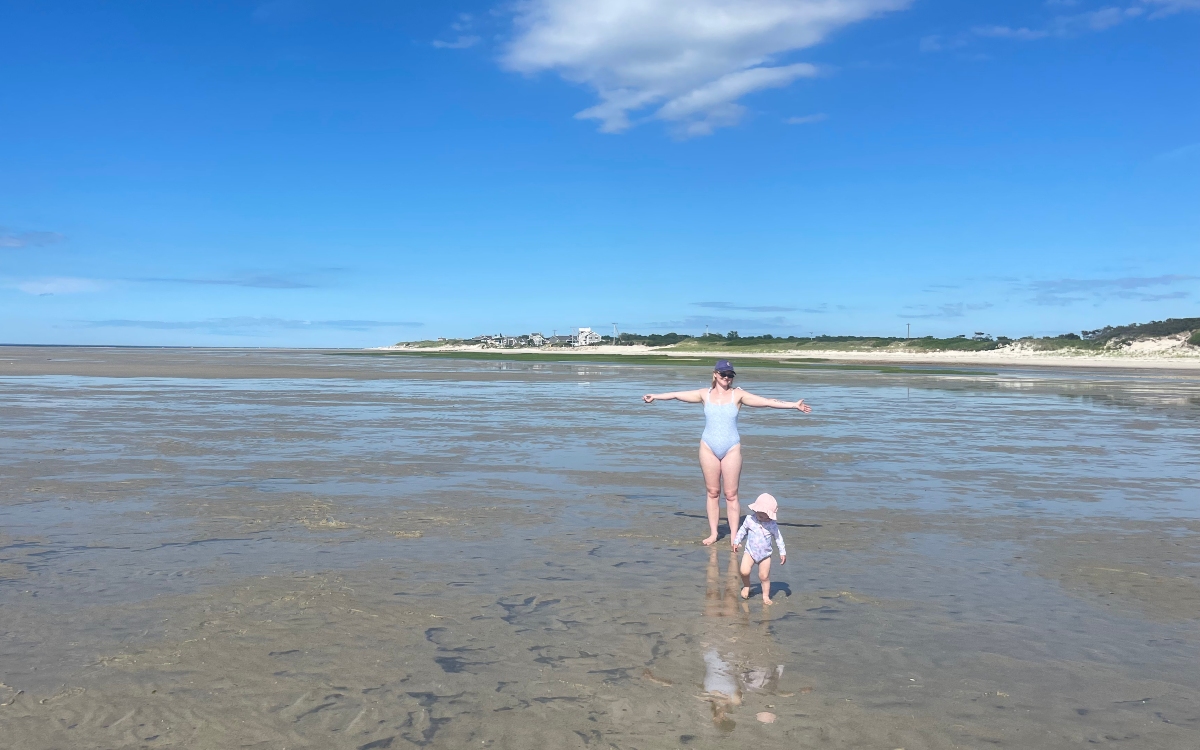
The western and northern shores of the Cape face Cape Cod Bay, characterized by calmer, warmer waters and a dramatic tidal range. At low tide, the "Brewster Flats" and similar areas like Chapin Beach in Dennis reveal miles of sandbars and shallow pools. This environment is highly conducive to families with toddlers and young children, as it eliminates the risks associated with heavy surf and allows for the safe exploration of marine life, such as hermit crabs and minnows. Notable locations include Cold Storage Beach, where the gentle incline and lack of significant waves make it a preferred destination for multi-generational groups.
The Atlantic Side: Natural Majesty and Adventure
Conversely, the eastern shore faces the open Atlantic. This coastline is defined by the high cliffs and sweeping dunes of the National Seashore. Beaches such as Nauset in Orleans or Coast Guard Beach in Eastham offer colder water and more powerful surf, making them ideal for teenagers and adults interested in bodyboarding or surfing. However, this side of the Cape also requires greater vigilance; the increase in the local gray seal population has led to a higher presence of apex predators, specifically Great White sharks. Local authorities have implemented rigorous "Shark Smart" protocols, including real-time tracking apps and specialized flags, to manage beach safety during peak season.
Infrastructure and Recreation: The Cape Cod Rail Trail
Beyond the shoreline, Cape Cod has invested heavily in recreational infrastructure that repurposes its industrial history. The Cape Cod Rail Trail (CCRT) is a premier example of this effort. Spanning approximately 25 miles from Yarmouth to Wellfleet, the trail follows the former right-of-way of the New Haven Railroad.
The CCRT is paved, largely flat, and separated from motor vehicle traffic, making it a critical asset for family tourism. It provides a corridor for cycling, walking, and stroller use, connecting various state parks, freshwater ponds, and town centers. For many families, the trail serves as a functional transportation alternative to the congested Route 6, allowing for a more scenic and relaxed pace of travel. The trail’s proximity to local businesses—such as bike rental shops and ice cream parlors—has created a micro-economy that thrives on the "slow travel" movement.

Maritime Heritage and Wildlife Conservation
The Cape’s identity is inextricably linked to the sea, and contemporary tourism has shifted toward educational and conservation-based experiences. The Chatham Fish Pier remains a focal point for this intersection of industry and tourism. As commercial fishing boats return with their daily catch, they are frequently shadowed by harbor seals. This provides a free, natural spectacle that serves as an informal lesson in marine biology and the local food chain for visiting children.
Furthermore, private charter tours have become a staple of the family itinerary. These excursions offer a more controlled and educational environment than public ferries, often focusing on seal watching, birding, or the history of the Cape’s many lighthouses. These activities reflect a broader trend in the travel industry toward "experiential learning," where families seek out vacations that offer both relaxation and intellectual engagement.
The Luxury Hospitality Sector: A Case Study in Family Amenities
The hospitality landscape on Cape Cod has evolved to meet the demands of a high-end family demographic. Two properties, in particular, exemplify the region’s approach to luxury family travel: Chatham Bars Inn and Wequassett Resort & Golf Club.

Chatham Bars Inn, originally built in 1914 as a hunting lodge for wealthy Bostonians, has transitioned into a full-service resort that balances historic preservation with modern amenities. Its inclusion of a private beach and a dedicated kids’ club allows for a bifurcated vacation experience, where children engage in supervised activities while parents utilize the spa or golf facilities.
Similarly, the Wequassett Resort & Golf Club in Harwich emphasizes flexible accommodations, offering multi-bedroom cottages and villas designed for larger family units. The resort’s "children’s center" and specialized concierge services for pets reflect the growing "multi-generational and pet-friendly" trend in the luxury sector. These establishments are more than just lodging; they are self-contained ecosystems that provide a buffer against the logistical stresses of the broader Cape during peak season.
Strategic Logistics for Peak Season
Travel experts and local officials emphasize that the quality of a Cape Cod vacation is often determined by strategic planning. The "insider knowledge" mentioned by frequent visitors typically involves three key pillars:

- Timing and Arrival: To mitigate the impact of traffic and limited parking, visitors are advised to arrive at popular beaches before 9:00 AM or after 4:00 PM. The latter, often referred to as the "golden hour," has become increasingly popular for families seeking to avoid the midday heat and the peak of the crowds.
- Dining and Reservations: The Cape’s culinary scene, famous for its lobster rolls and "flights" of locally made ice cream (notably at Cape Cod Creamery), experiences extreme demand. The shift toward mobile ordering and advanced booking has become a necessity rather than an option for families traveling with young children.
- Regional Diversification: While many visitors gravitate toward the well-known hubs of Hyannis or Provincetown, there is a growing movement toward exploring the "Lower Cape" towns like Harwich and Brewster, which offer a quieter, more residential feel while maintaining proximity to major attractions.
Broader Implications: Sustainability and the Future of the Cape
As Cape Cod continues to attract new generations of travelers, it faces significant environmental and infrastructural challenges. Coastal erosion, accelerated by climate change and rising sea levels, poses a direct threat to the very beaches that drive the economy. Organizations like the Association to Preserve Cape Cod (APCC) and the Cape Cod Commission are actively working on long-term sustainability projects, including wastewater management and dune restoration.
The future of family tourism on the Cape will likely depend on the balance between maintaining its "nostalgic charm" and implementing the modern technology and environmental protections necessary to preserve its fragile ecosystem. For families, the Cape remains a rare destination where the simplicity of a scoop of ice cream or a sunset walk is backed by a complex and robust tourism infrastructure. It is this timelessness—buttressed by careful management—that ensures Cape Cod’s position as a premier American destination for decades to come.