Airbnb Forges Car Rental Partnership with CarTrawler, Signaling Broader OTA Ambitions Amidst Expedia Acquisition Looming

Airbnb has announced a strategic partnership with CarTrawler to integrate car rental services directly onto its platform, marking a significant expansion of its offerings beyond its core accommodation business. The service is now live for users in the United States, France, Italy, Spain, and Australia, a move initially identified through the terms and conditions of a credit program by Skift and subsequently confirmed by Airbnb. This development represents Airbnb’s latest and most definitive step towards transforming into a comprehensive online travel agency (OTA), directly challenging established players like Expedia and Booking.com in their multi-product travel ecosystems. However, this expansion unfolds against a complex competitive backdrop, as CarTrawler, an Ireland-based B2B provider of car rental and ground transport solutions, is itself reportedly on track to be acquired by Expedia for approximately $350 million, a development that could introduce significant competitive dynamics and potential conflicts of interest.
Airbnb’s Strategic Pivot: From Peer-to-Peer Stays to Full-Service OTA
Since its inception in 2008, Airbnb has revolutionized the travel industry by pioneering the peer-to-peer accommodation model, enabling individuals to rent out spare rooms or entire homes to travelers. This innovative approach disrupted traditional hotel chains and carved out a unique niche in the global travel market. For over a decade, Airbnb meticulously cultivated its brand around unique stays and authentic local experiences, becoming synonymous with alternative lodging. However, in recent years, a strategic shift has become increasingly evident. The company has been systematically diversifying its portfolio, gradually expanding beyond its core offering to capture a larger share of the traveler’s wallet and enhance customer lifetime value.
This evolution began with the introduction of "Experiences," allowing users to book activities and tours curated by local hosts. While initially seen as an extension of its experiential travel ethos, it signaled Airbnb’s intent to move beyond mere accommodation booking. Rumors and limited tests of flight booking integrations have also surfaced periodically, suggesting a broader ambition to offer a more holistic travel planning solution. The partnership with CarTrawler for car rentals is perhaps the most concrete manifestation of this strategy to date, bringing a crucial third pillar—ground transportation—into its service array.
The motivation behind this pivot is multifaceted. In a fiercely competitive online travel market, traditional OTAs like Expedia Group and Booking Holdings have long dominated by offering a comprehensive suite of services: flights, hotels, car rentals, and activities, often bundled for convenience and cost savings. By integrating car rentals, Airbnb aims to reduce customer churn, increase engagement on its platform, and prevent users from having to navigate to competitor sites for other essential travel components. This move not only enhances the user experience by providing a one-stop shop but also positions Airbnb to compete more directly for the lucrative leisure and business travel segments that value integrated booking solutions. Data from industry reports consistently indicates that consumers prefer platforms that offer seamless, bundled travel options, often leading to higher conversion rates and greater customer loyalty.
The CarTrawler Partnership: Mechanism and Initial Rollout
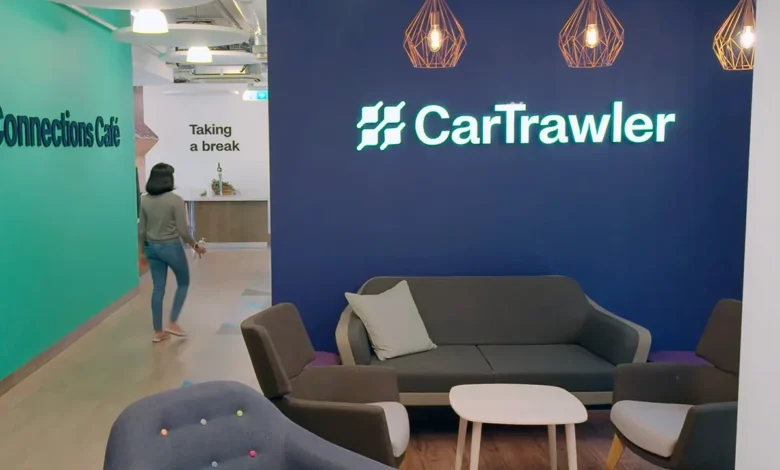
The collaboration with CarTrawler sees Airbnb leveraging an established global platform for car rental services. CarTrawler, headquartered in Dublin, Ireland, operates as a leading B2B technology provider, connecting travel companies with a vast network of car rental suppliers and ground transportation options worldwide. Its platform enables airlines, hotels, and other travel brands to offer car rentals to their customers through a white-label or integrated solution, without needing to build and manage their own extensive supplier relationships or booking infrastructure.
For Airbnb, this partnership means a relatively rapid deployment of car rental services across key markets. The initial rollout in the U.S., France, Italy, Spain, and Australia indicates a focus on high-demand travel corridors where both Airbnb’s accommodation services and car rentals are frequently sought after by travelers. The integration is designed to be seamless, allowing Airbnb users to book vehicles directly alongside their accommodation, likely through an intuitive interface on the Airbnb app and website. This convenience is expected to resonate with users planning trips that require personal mobility, such as rural getaways, road trips, or itineraries involving multiple destinations.
The details of the partnership, initially uncovered through a credit program’s terms and conditions, underscore the depth of the integration. While the exact commercial terms remain undisclosed, it is typical for such B2B partnerships to involve revenue-sharing agreements, where Airbnb earns a commission on car rentals booked through its platform, while CarTrawler provides the technology, supplier network, and customer service infrastructure. This model allows Airbnb to quickly add a complex service without incurring the significant operational overhead of developing it in-house, a pragmatic approach for rapid market entry.
CarTrawler: A Key B2B Player in Ground Transport
CarTrawler has carved out a significant niche in the travel technology sector as a specialist in car rental and ground transport aggregation. Its business model focuses on providing a comprehensive B2B solution, enabling partners to offer a wide array of vehicles from global brands and independent operators. This includes not only standard car rentals but often extends to airport transfers, ride-hailing services, and other forms of ground transportation. The company’s technology platform is renowned for its sophisticated search, booking, and fulfillment capabilities, making it an attractive partner for any travel company looking to expand its service offerings without direct investment in ground logistics.
Before the recent developments, CarTrawler boasted partnerships with over 100 airlines and 2,000 travel agents globally, underscoring its extensive reach and reliability within the industry. Its strength lies in its ability to consolidate inventory from thousands of car rental locations worldwide, offering competitive pricing and a broad selection to end-users. This extensive network and technological prowess make CarTrawler a valuable asset, capable of immediately bolstering the ground transport capabilities of any major travel platform.
The Expedia Factor: Acquisition and Competitive Overlap
The strategic landscape surrounding this partnership is significantly complicated by the impending acquisition of CarTrawler by Expedia Group. Skift reported in May that Expedia was on track to acquire CarTrawler for a reported sum of $350 million. If finalized, this acquisition would see CarTrawler becoming an integral part of the Expedia Group, a global travel giant that owns a diverse portfolio of brands including Expedia.com, Hotels.com, Vrbo, Travelocity, Orbitz, and a myriad of others.
Expedia’s motivation for acquiring CarTrawler is clear: to further consolidate its position in the ground transport sector, enhance its bundling capabilities, and potentially integrate CarTrawler’s robust B2B technology across its own extensive brand portfolio. For Expedia, securing CarTrawler would mean gaining control over a key technology provider that powers numerous competitors, potentially offering strategic leverage and deeper integration possibilities within its own ecosystem.
The immediate and most pressing implication of this acquisition is the direct competitive overlap it creates with Airbnb. If CarTrawler becomes an Expedia brand, then Airbnb’s car rental services, powered by CarTrawler, would effectively be running on technology owned by one of its primary competitors. This scenario introduces a host of strategic questions and potential challenges:
- Conflict of Interest: Will Expedia allow its newly acquired asset to continue powering a direct rival’s service? While B2B divisions often operate with a degree of independence, the strategic importance of car rentals in the broader OTA battle makes this a sensitive area.
- Data Sharing and Confidentiality: How will data generated from Airbnb’s car rental bookings through CarTrawler be handled? Ensuring data separation and confidentiality would be paramount, but the optics alone could be problematic.
- Terms and Conditions: The existing partnership agreement between Airbnb and CarTrawler would likely need to be reviewed or renegotiated under Expedia’s ownership. Expedia could potentially alter terms, pricing, or even discontinue the partnership, forcing Airbnb to seek alternative solutions.
- Technological Development: Future enhancements or integrations from CarTrawler might be prioritized for Expedia’s own brands, potentially leaving Airbnb with a less competitive or stagnant service.
From an industry perspective, the situation sets up a fascinating strategic chess match. Expedia, by acquiring CarTrawler, not only strengthens its own offerings but also gains a degree of influence over a competitor’s newly launched service. This move could be interpreted as both an offensive and defensive play: bolstering its own ground transport vertical while simultaneously complicating a rival’s expansion efforts.
Navigating the Conflict: Implications for Airbnb and Expedia
For Airbnb, the situation presents both an immediate opportunity and a long-term strategic dilemma. The partnership with CarTrawler provides an instant, robust car rental solution, accelerating its transition into a full-service OTA. This speed to market is critical in the fast-paced travel industry. However, relying on a technology provider that is owned by a direct competitor carries inherent risks.
In the short term, Airbnb may continue to leverage CarTrawler’s services, especially if the acquisition by Expedia has clauses ensuring continuity of existing contracts for a transitional period. However, strategic prudence would dictate that Airbnb explores alternative options. This could involve:
- Diversifying Partnerships: Seeking agreements with other B2B car rental providers or directly with major car rental companies (e.g., Hertz, Enterprise, Avis) to build a more resilient and independent ground transport offering.
- In-House Development: While costly and time-consuming, developing an in-house car rental aggregation platform could be a long-term goal to ensure full control over its services and data.
- Strategic Alliances: Exploring partnerships with companies that are not direct OTA competitors, possibly through joint ventures or exclusive agreements.
For Expedia, the acquisition of CarTrawler is a clear strategic victory, solidifying its dominant position in the comprehensive travel booking space. It allows Expedia to integrate a proven technology and a vast network, enhancing its own customer experience and operational efficiency. The dilemma for Expedia will be how to manage the CarTrawler brand and its existing partnerships post-acquisition. While it could choose to terminate CarTrawler’s agreement with Airbnb, such a move could be perceived negatively by the industry and might lead to legal complexities. Alternatively, allowing CarTrawler to operate with a degree of independence, at least for existing contracts, might be a more pragmatic approach initially, while gradually integrating CarTrawler’s capabilities more deeply into Expedia’s own brands over time.
Industry Reactions and Expert Analysis
While official statements from Airbnb and Expedia regarding the potential competitive implications of CarTrawler’s acquisition are likely to be carefully worded, industry analysts are already weighing in on the strategic implications.
A spokesperson for Airbnb, speaking generally about the company’s expansion, might state, "Our focus remains on delivering the most comprehensive and seamless travel experience for our guests. The introduction of car rentals is a natural extension of our commitment to making travel easier and more enjoyable, providing convenience at every step of the journey." They would likely emphasize the immediate benefits to users and refrain from commenting directly on CarTrawler’s future ownership.
Conversely, an Expedia representative, commenting on the CarTrawler acquisition, might say, "The proposed acquisition of CarTrawler significantly strengthens Expedia Group’s position in the global ground transport sector, enabling us to further enhance our diverse portfolio of brands and provide even greater value and choice to our customers worldwide. We continuously evaluate opportunities to expand our ecosystem and deliver best-in-class travel solutions." They would likely highlight the benefits for Expedia’s ecosystem without explicitly mentioning Airbnb.
Industry analysts, however, are less constrained. "This is a classic strategic play in the OTA arms race," notes Dr. Eleanor Vance, a travel industry expert. "Airbnb is clearly serious about becoming a full-service platform, but this move highlights the inherent challenges of competing with established giants. Relying on a competitor’s technology for a core service is a precarious position. Airbnb will need a robust Plan B if Expedia decides to fully integrate CarTrawler and limit its external partnerships." Vance further suggests that such a scenario could accelerate Airbnb’s internal development efforts or push it towards more exclusive, direct partnerships with car rental companies, ultimately benefiting the consumer through increased competition.
Broader Market Trends and the Future of Online Travel
The dynamic between Airbnb, CarTrawler, and Expedia is reflective of several broader trends shaping the online travel industry:
- Consolidation: The acquisition of specialized B2B providers by larger OTAs is a continuing trend, as companies seek to consolidate technology, expand market share, and reduce reliance on third-party services.
- The "Super App" Ambition: Many digital platforms, including travel OTAs, aspire to become "super apps" that cater to all aspects of a user’s needs within a single interface, from booking to in-trip services. Airbnb’s expansion into car rentals aligns with this ambition.
- Bundling and Personalization: The ability to offer tailored bundles of flights, accommodation, car rentals, and activities is a key differentiator. Advanced analytics and AI are increasingly used to personalize these offerings, driving higher conversion and customer satisfaction.
- Intensified Competition: As the lines between different travel segments blur, competition among traditional OTAs, metasearch engines, and new entrants like Airbnb intensifies. This often leads to more aggressive pricing strategies, innovative product development, and strategic partnerships or acquisitions.
- Technological Arms Race: Investment in robust, scalable technology platforms remains paramount. Companies that can efficiently aggregate inventory, manage bookings, and deliver seamless user experiences will maintain a competitive edge.
The global car rental market, valued at over $90 billion in 2023 and projected to grow steadily, represents a significant revenue stream that Airbnb is keen to tap into. By integrating this service, Airbnb aims to capture a slice of this market, further cementing its position as a major player in the overall travel economy. The convenience of booking accommodation and transport in one place is a powerful draw for modern travelers, particularly those accustomed to integrated digital experiences.
Conclusion: The Evolving Landscape of Digital Travel
Airbnb’s partnership with CarTrawler signifies a pivotal moment in its journey from a disruptive accommodation provider to a full-fledged online travel agency. It underscores the company’s ambition to offer a comprehensive travel ecosystem, competing head-on with established giants. However, the looming acquisition of CarTrawler by Expedia introduces a layer of complexity and potential conflict that Airbnb will need to navigate carefully. This situation highlights the intricate web of partnerships and rivalries that define the modern online travel industry, where strategic moves by one player can send ripple effects across the entire ecosystem. The coming months will reveal how these powerful entities adapt to this evolving landscape, ultimately shaping the future of how millions of people plan and experience their travels.