The Heaphy Track A Comprehensive Guide to New Zealands Longest Great Walk and Its Conservation Significance

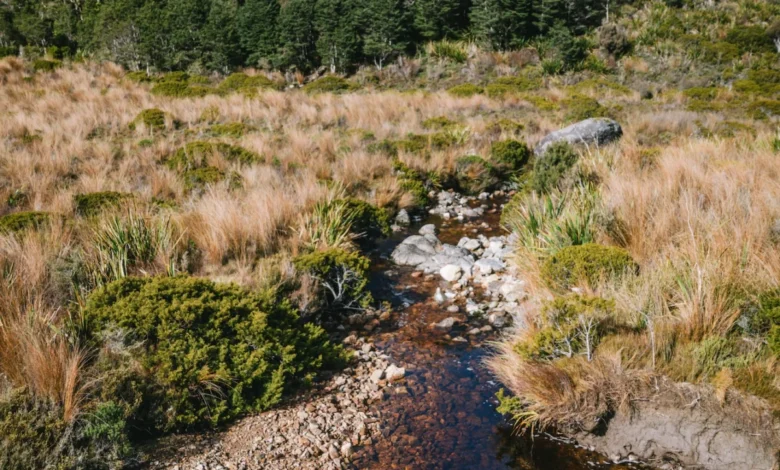
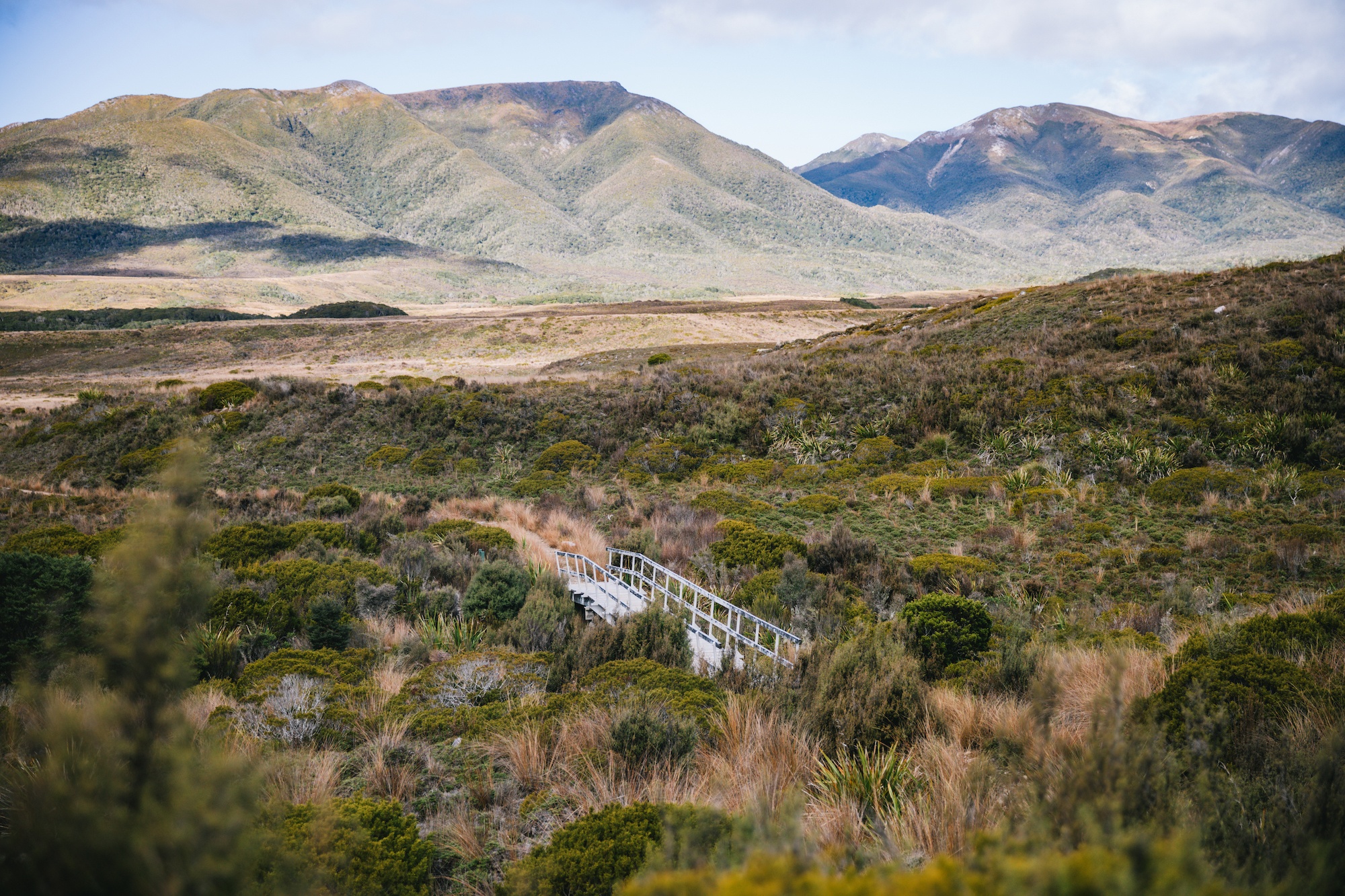
The Heaphy Track, situated within the expansive Kahurangi National Park in the South Island of New Zealand, remains one of the country’s most diverse and logistically complex "Great Walks." Spanning 84 kilometers, it holds the distinction of being the longest overland route in the Department of Conservation’s (DOC) premier walking network, surpassed in distance only by the Whanganui Journey, which is a river-based paddling expedition. Connecting the Aorere Valley in Golden Bay with the Kohaihai River mouth on the West Coast, the track serves as a vital corridor for both high-end eco-tourism and critical biodiversity conservation efforts. Unlike many of New Zealand’s more mountainous Great Walks, such as the Milford or Routeburn tracks, the Heaphy Track is characterized by its accessibility across multiple seasons and its unique geological transitions, ranging from sub-alpine tussock downs to lush, palm-fringed coastal forests.
Infrastructure and the Great Walk Standard
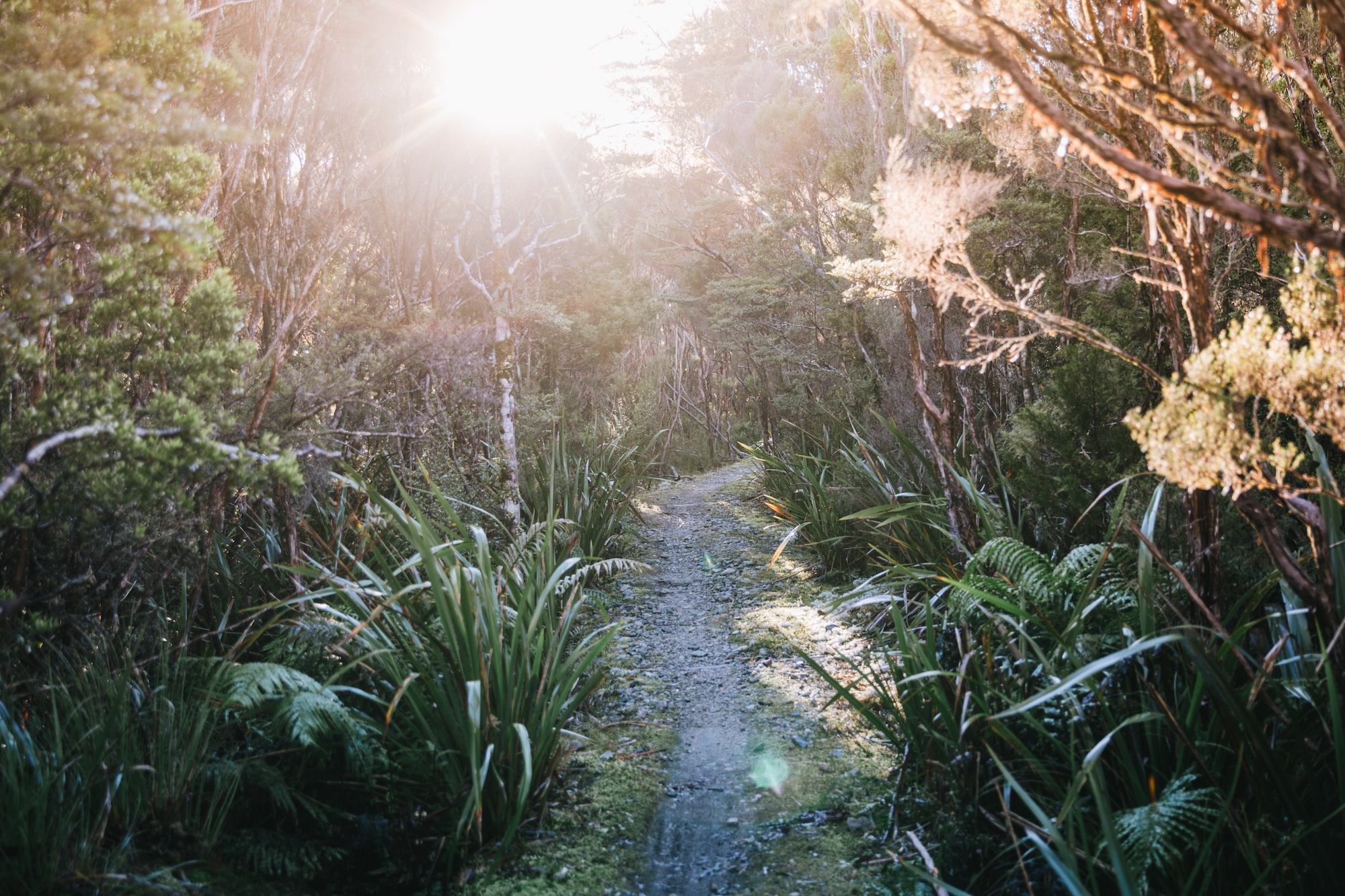
The Heaphy Track is part of a network of ten "Great Walks" managed by the DOC, a designation established in 1992 to highlight and preserve New Zealand’s most iconic landscapes while providing high-quality facilities for domestic and international visitors. The infrastructure on the Heaphy Track reflects this premium status. The trail is meticulously maintained, featuring wide, graded paths designed to minimize environmental impact while accommodating high foot traffic.
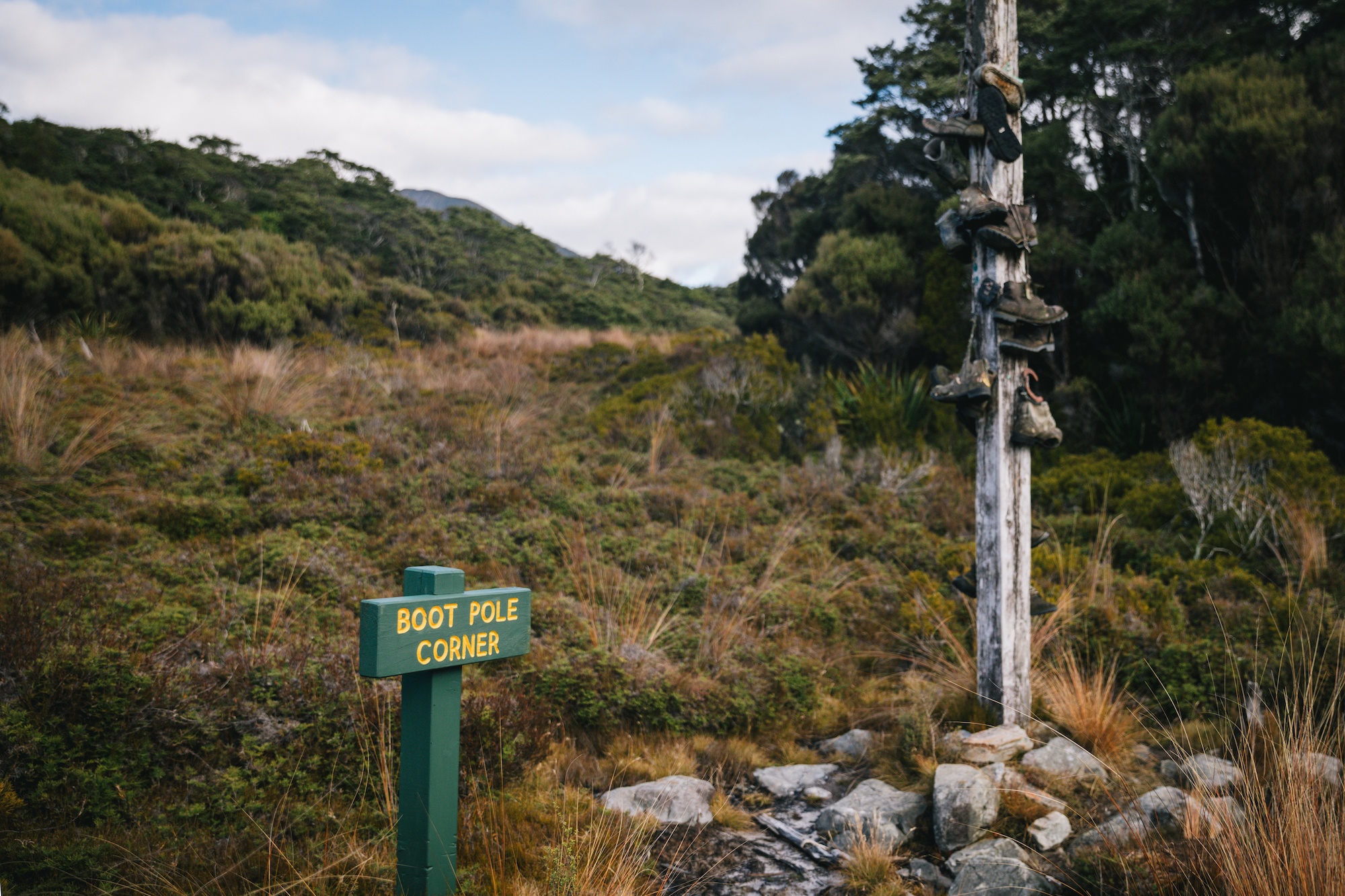
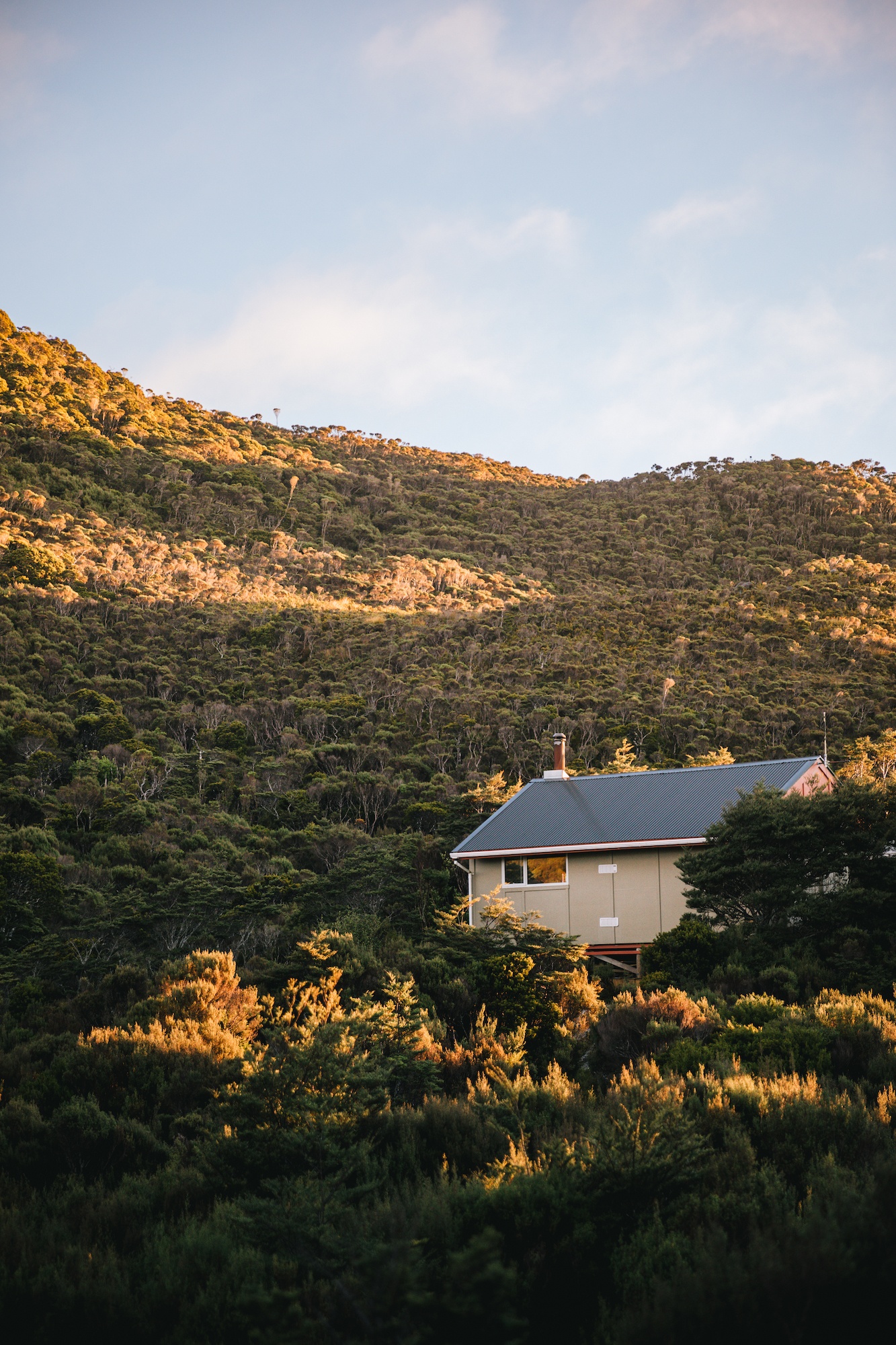
Accommodation along the route consists of several large, well-equipped huts, including the Perry Saddle, Saxon, James Mackay, and Heaphy huts. These facilities are staffed by DOC wardens during the peak season and offer amenities that far exceed those found in standard backcountry huts, such as gas cooking facilities, solar lighting, and, in some locations, flushing toilets. These enhancements are funded through a tiered pricing system where international visitors often pay a premium compared to New Zealand residents, reflecting the significant costs associated with maintaining infrastructure in remote wilderness areas.
Logistical Challenges and Regional Connectivity
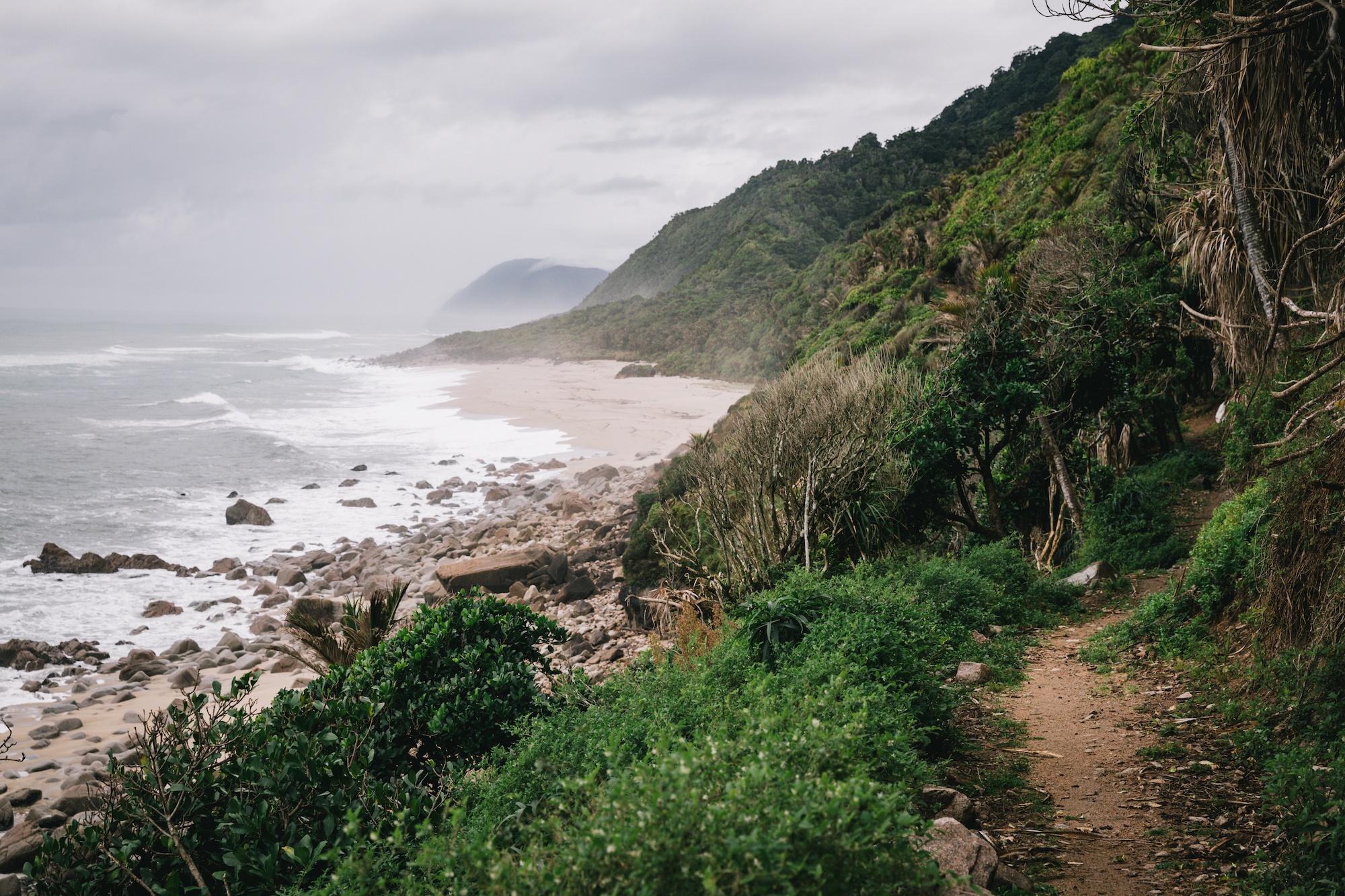
One of the most significant hurdles for trampers (hikers) tackling the Heaphy Track is the geographical separation between the start and end points. Although the walking distance is 84 kilometers, the driving distance between the Karamea trailhead on the West Coast and the Brown Hut trailhead in Golden Bay is approximately 450 kilometers, requiring a seven-to-ten-hour drive. This logistical gap creates a substantial barrier for solo travelers and groups without multiple vehicles.
To address this, regional aviation and shuttle services have become integral to the track’s ecosystem. Companies like Golden Bay Air provide a vital link, offering scheduled flights between Takaka and Karamea. These services allow trampers to fly back to their starting point in under an hour, bypassing the lengthy road journey. The cost of car relocation services—which can exceed $500 NZD—and the high price of fuel in remote regions have made these aerial "shuttles" an increasingly popular and economically viable alternative. This connectivity not only facilitates tourism but also supports the local economies of small towns like Karamea and Takaka, which rely heavily on the seasonal influx of hikers and mountain bikers.
Chronology of Seasonal Use and Activity Shifts
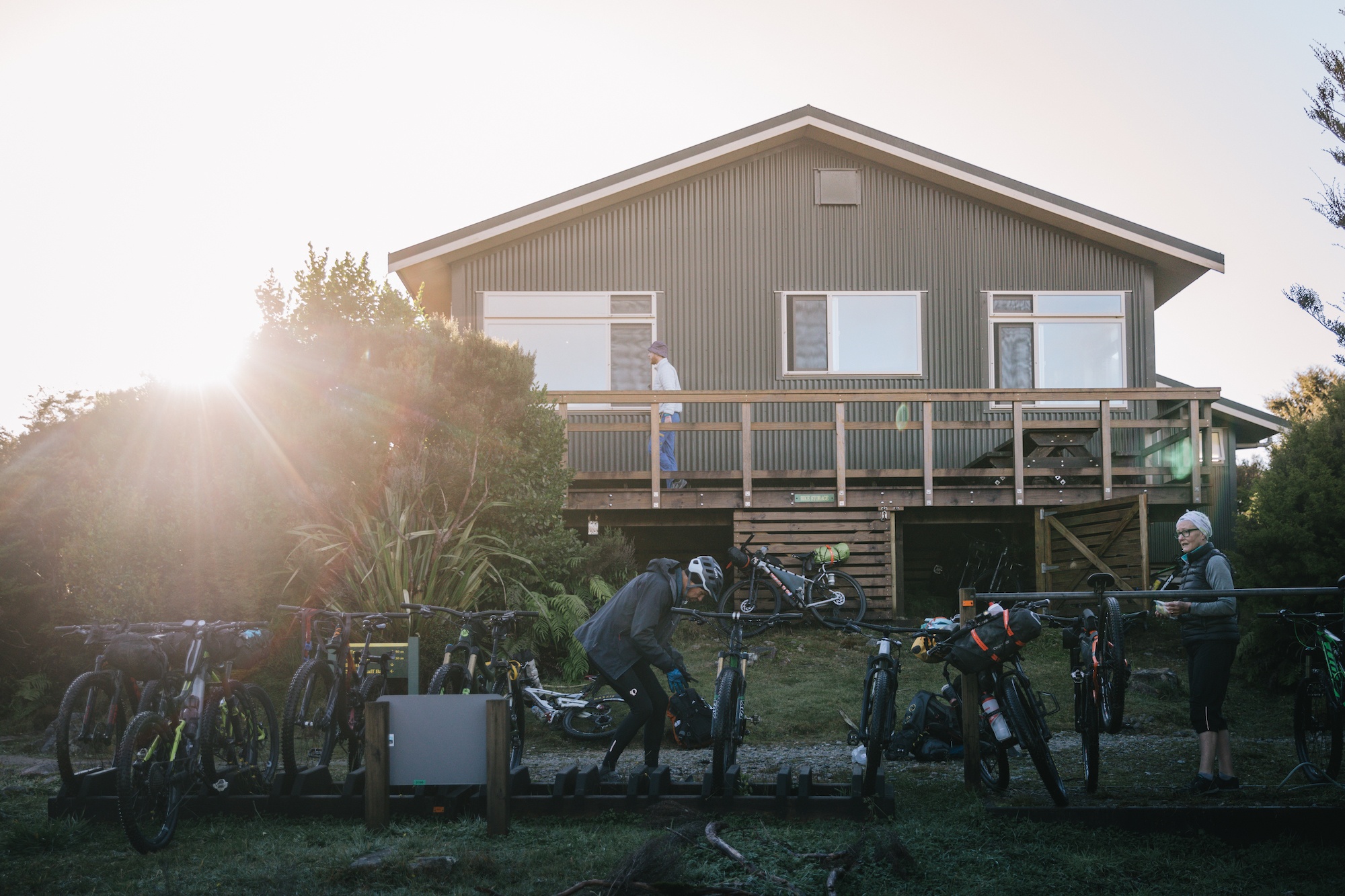
The Heaphy Track is unique among New Zealand’s Great Walks for its dual-use status. While it is primarily a walking track, it opens to mountain bikers annually from May 1 to September 30. This winter and shoulder-season window is strategically chosen to manage trail congestion and minimize conflict between different user groups.
- October to April (Peak Walking Season): During the southern hemisphere’s spring and summer, the track experiences its highest volume of walkers. Huts are frequently booked months in advance, and the weather is generally milder, though the West Coast remains prone to high rainfall.
- May 1 (Mountain Biking Commencement): The transition to mountain biking season marks a shift in the track’s demographic. The 84-kilometer route is typically completed by bikers in two to three days, compared to the four to five days required by walkers.
- Winter Months (June to August): Despite being the coldest period, the Heaphy Track remains accessible because it lacks the high-altitude avalanche risks found on the Kepler or Milford tracks. This makes it a critical year-round asset for New Zealand’s domestic tourism sector.
Biodiversity and Conservation Milestones
Kahurangi National Park, the second-largest national park in New Zealand, is a stronghold for endemic species. The Heaphy Track provides a cross-section of this biodiversity, featuring ecosystems that have benefited from intensive predator control programs. The DOC, alongside various community conservation groups, utilizes an extensive network of traps and aerial pest control to target invasive species such as stoats, rats, and possums.
The Takahē Recovery Program
A major milestone in the track’s history occurred in 2018 with the release of a wild population of takahē (Porphyrio hochstetteri) into the Gouland Downs area. The takahē is a large, flightless, blue-and-green bird that was famously thought to be extinct for fifty years until its rediscovery in 1948 by Dr. Geoffrey Orbell in the Murchison Mountains.
The release in Kahurangi National Park represented the second wild population established outside of the Murchison Mountains, a critical step in the national recovery strategy. As of 2024, the total population of takahē in New Zealand is estimated at approximately 500 individuals. The presence of these birds along the Heaphy Track serves as a living testament to the success of New Zealand’s "Predator Free 2050" initiative.
Endemic Flora and Fauna
Beyond the takahē, the track is home to several other notable species:
- Powelliphanta Snails: These are among the world’s largest carnivorous land snails. They are highly localized and vulnerable to predation by introduced thrushes and pigs.
- Great Spotted Kiwi (Roroa): The Gouland Downs section of the track is one of the best places in the country to hear, and occasionally see, these nocturnal birds in the wild.
- Whio (Blue Duck): These river-specialist ducks are often found in the fast-flowing streams along the track, indicating high water quality and successful predator trapping.
Safety Protocols and Environmental Risks
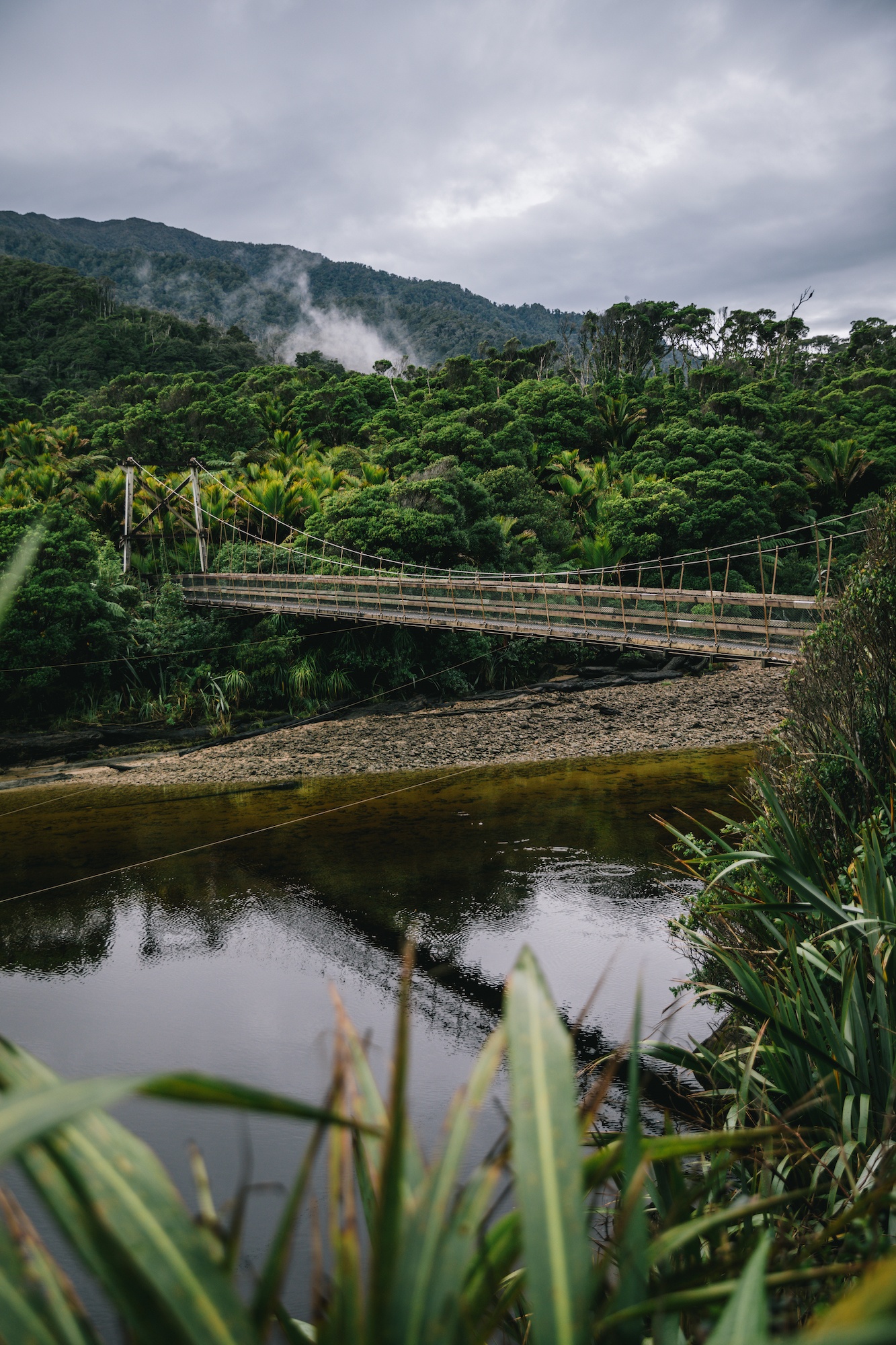
While the Heaphy Track is considered an "easier" Great Walk due to its gradual elevation profiles—rising to roughly 1,000 meters over 20 kilometers—it is not without risks. The West Coast section is particularly susceptible to rapid flooding. The region receives several meters of rainfall annually, which can cause rivers to swell and bridges to become essential for safe passage.
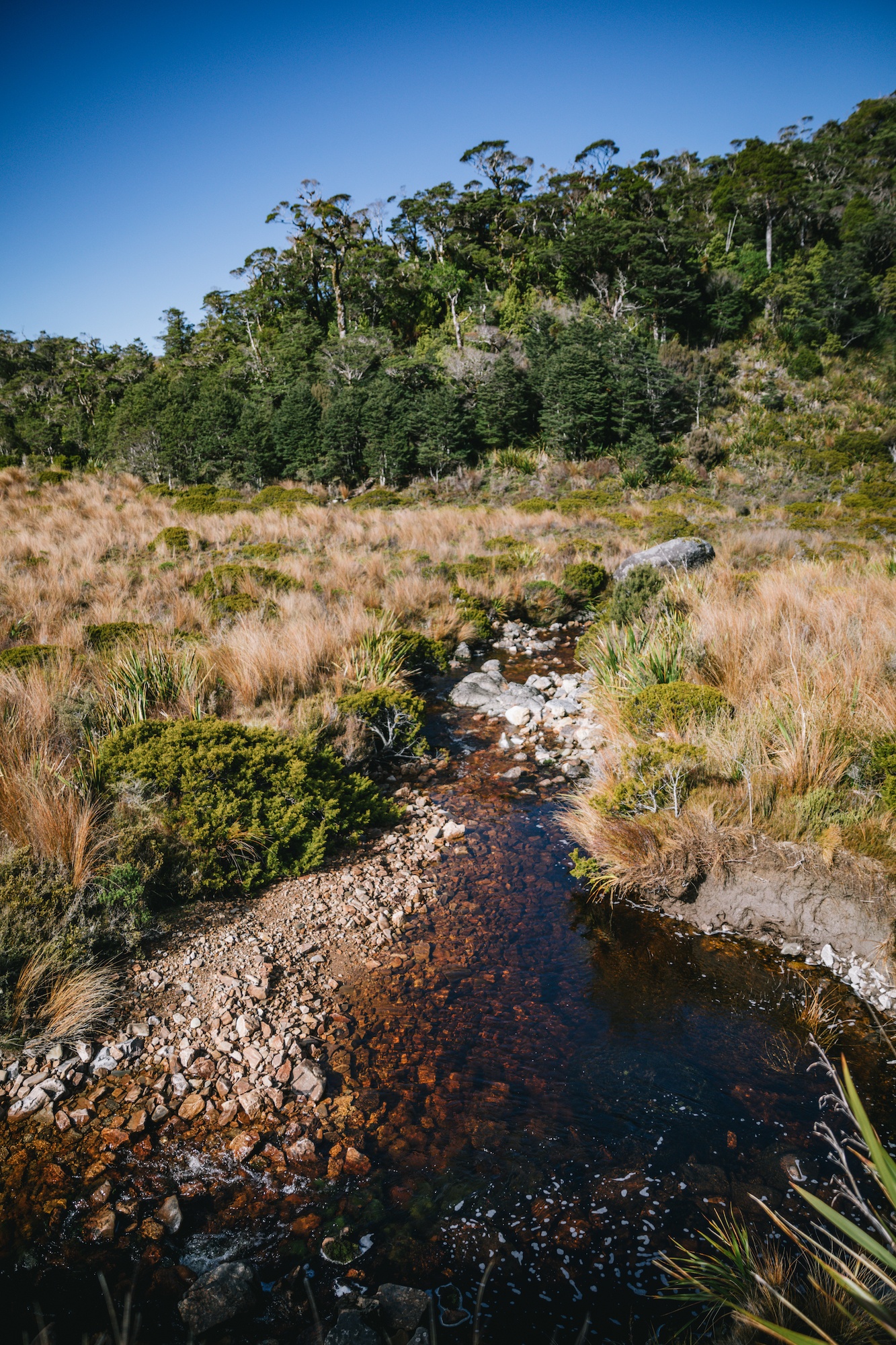
The DOC and the New Zealand Mountain Safety Council emphasize the importance of preparation. All trampers are encouraged to carry a Personal Locator Beacon (PLB), as mobile phone coverage is non-existent for the vast majority of the 84-kilometer journey. Furthermore, the "brown" water found in the park’s streams, stained by tannins from leaf matter, is generally safe for consumption, though the DOC recommends boiling or filtering water at huts during periods of high usage to prevent the spread of waterborne illnesses.

Economic and Broader Implications
The Heaphy Track serves as a micro-model for the challenges and successes of modern wilderness management. The tension between maintaining "hardcore" backcountry traditions and providing "easier" infrastructure reflects a broader shift in global eco-tourism. By providing a track that is accessible to a wider range of ages and fitness levels, New Zealand has successfully commodified its natural beauty to fund expensive conservation projects.
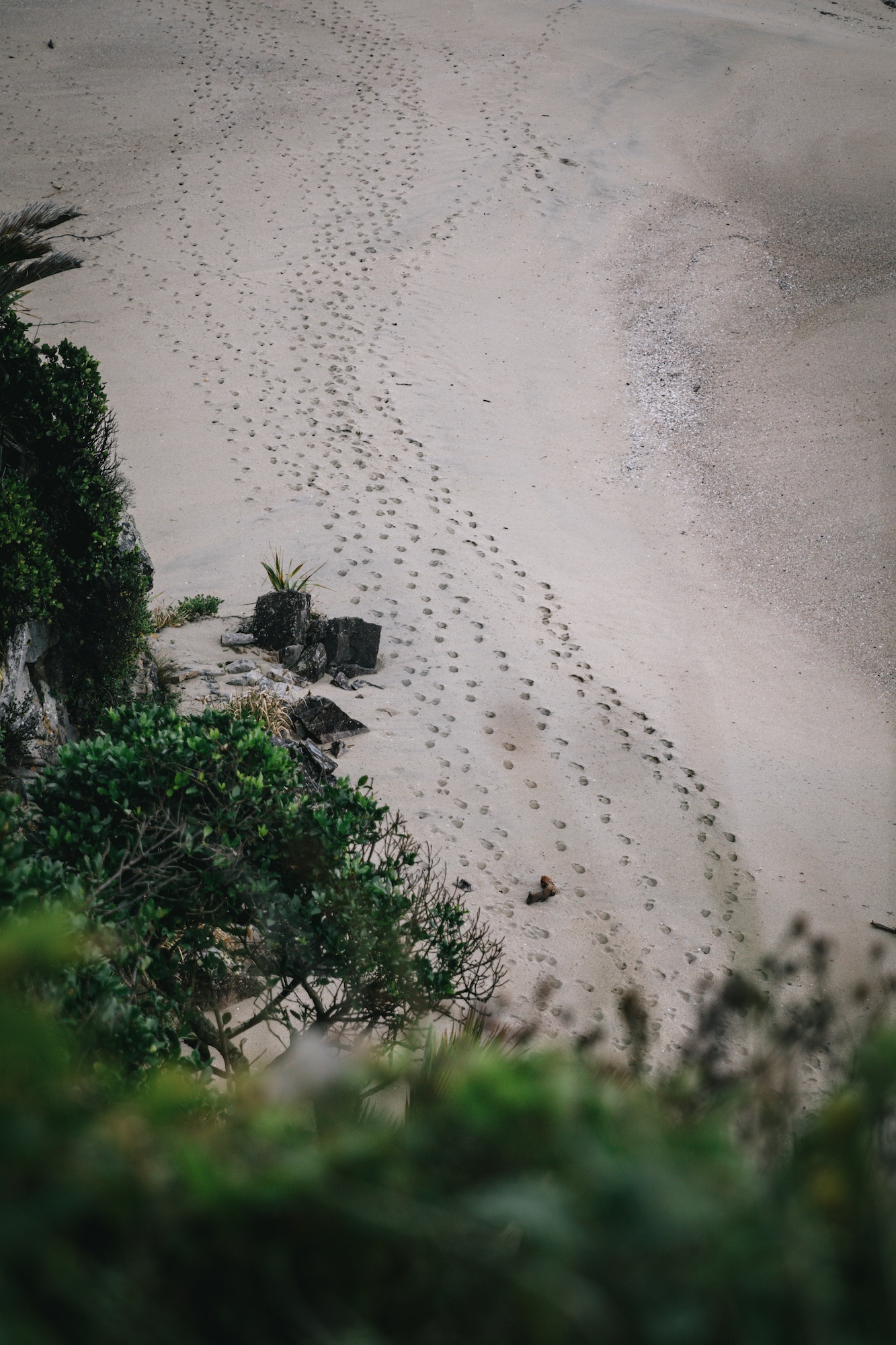
The economic impact on the West Coast and Tasman regions is substantial. Tourism operators, transport providers, and hospitality businesses in Karamea and Takaka are directly tied to the track’s operational status. When the track was partially closed due to significant storm damage in early 2022, the local economies suffered, highlighting the vulnerability of regions dependent on single-access infrastructure. The subsequent reopening of the full track in late 2023 was met with widespread relief from both the conservation community and the commercial sector.
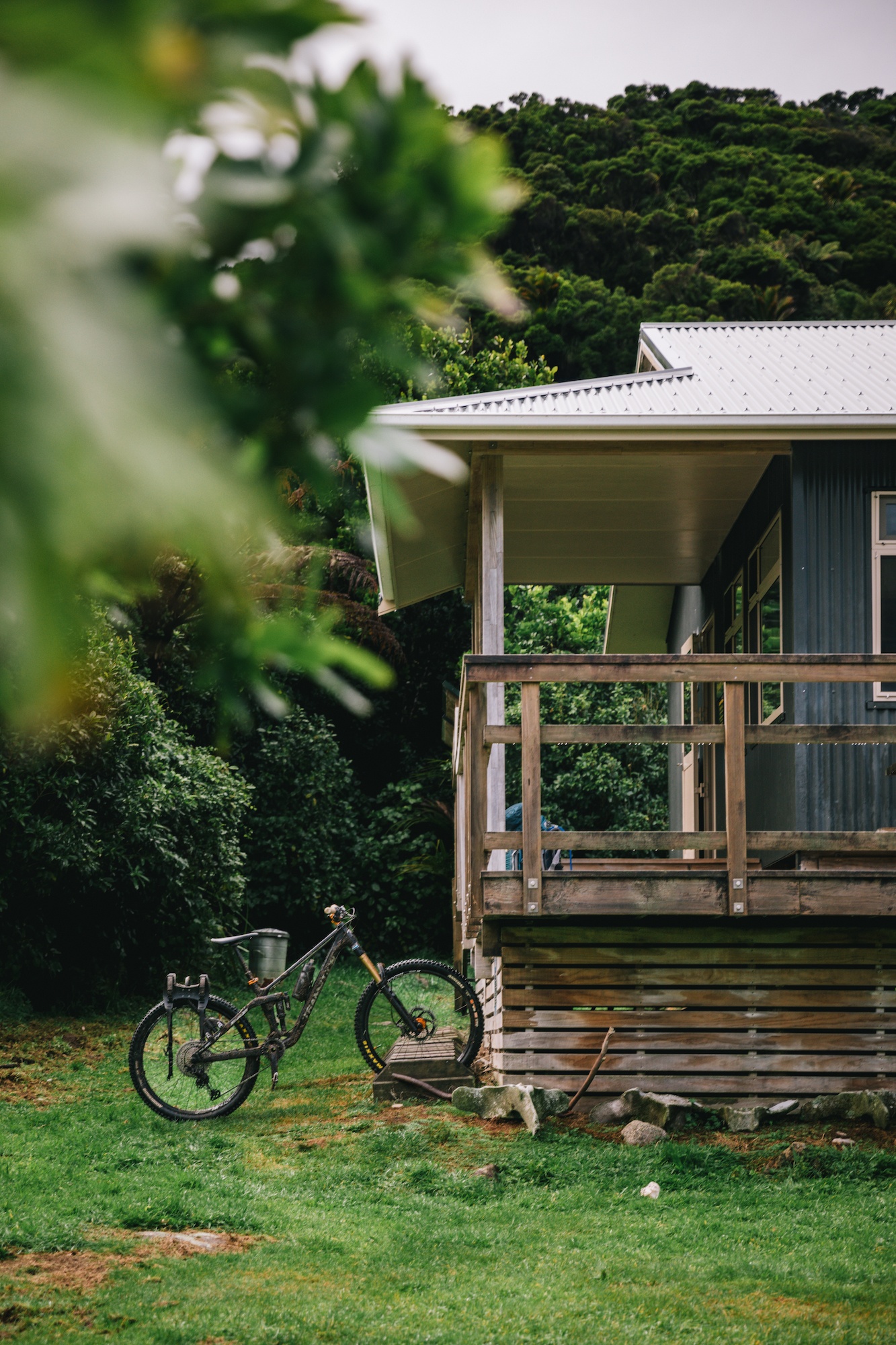
In conclusion, the Heaphy Track is more than just a recreational route; it is a critical corridor for species recovery and a cornerstone of New Zealand’s regional tourism strategy. Its combination of manageable physical challenge, high-end hut infrastructure, and unparalleled biodiversity makes it a benchmark for how national parks can balance public access with the rigorous demands of environmental protection. Whether viewed through the lens of a hiker, a mountain biker, or a conservationist, the track remains a vital piece of New Zealand’s natural heritage.