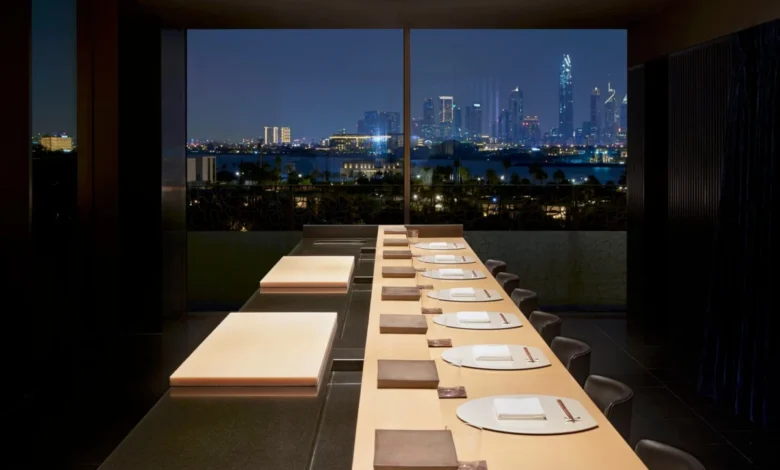
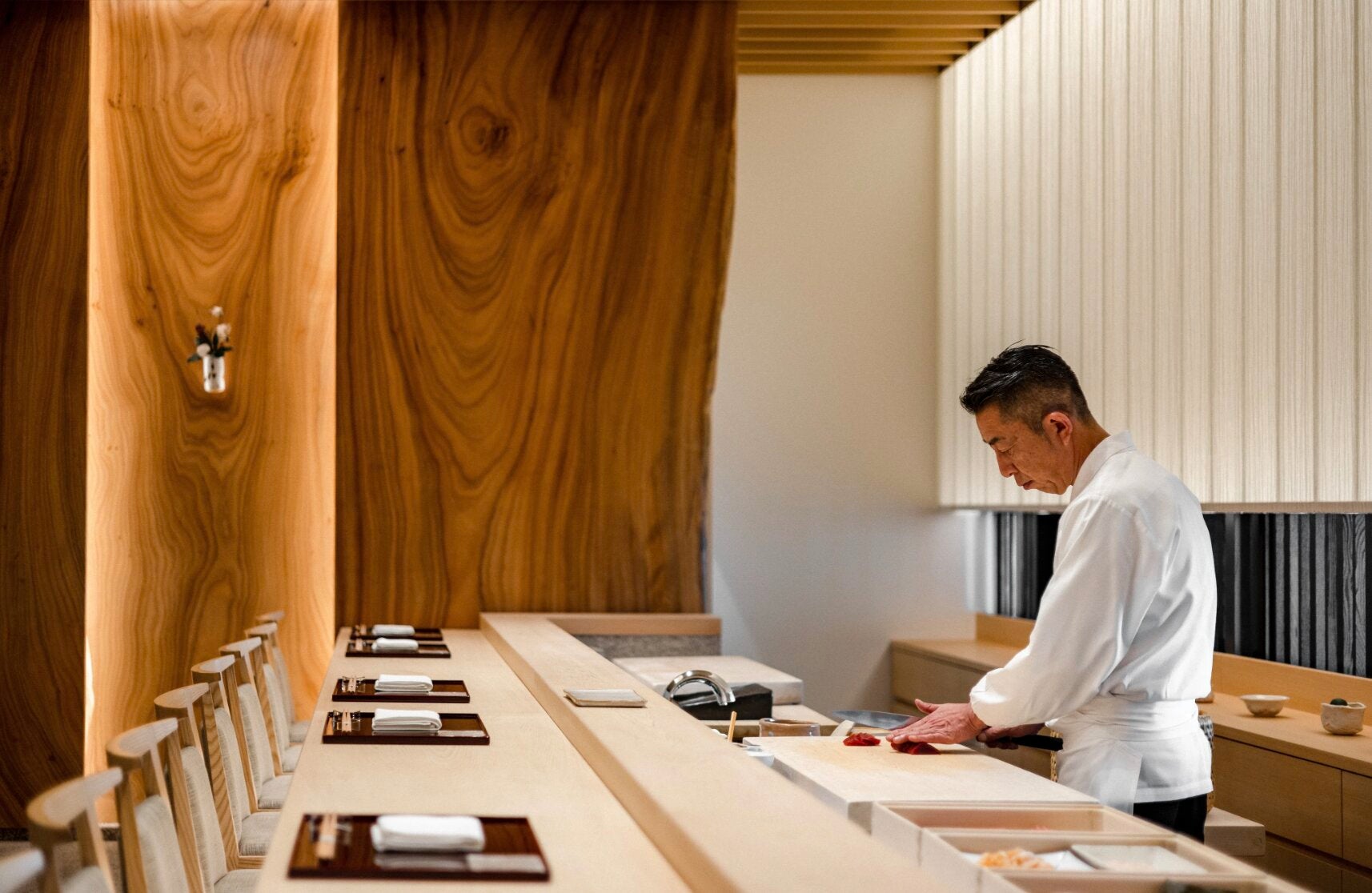
Omakase, a Japanese culinary concept rooted in the profound act of entrusting one’s dining experience entirely to the chef, has transcended its origins to become a global phenomenon. Derived from the verb "makaseru" (任せる), meaning "to entrust" or "to leave something in someone else’s hands," omakase liberates diners from the constraints of a traditional menu, placing their palates at the complete discretion of the culinary artist. This philosophy fosters a dynamic and deeply personal gastronomic journey, where the chef’s creativity, expertise, and the freshest available ingredients converge to craft an unforgettable meal.
At its core, omakase is an exercise in trust and anticipation. Diners surrender all decision-making power, allowing the chef to orchestrate a sequence of dishes tailored to the discerning palate of the guest and the seasonal bounty of the day. This adaptive approach means that no two omakase experiences are ever precisely the same. The chef, acting as both curator and performer, may adjust preparations in real-time, responding to subtle cues from guests or seizing an opportune moment to showcase a particularly exquisite ingredient. This improvisational dance between chef and diner is the hallmark of the omakase tradition, transforming a meal into an intimate and collaborative event.
The historical lineage of omakase traces back to the Edo period of Japan (1603-1868). In those bustling times, sushi vendors operated without printed menus, instead offering whatever fresh catch the day’s market provided. This practice, born out of necessity and a deep respect for seasonality, laid the groundwork for the omakase ethos. It was a time when the quality and freshness of ingredients dictated the culinary offerings. As Japan’s economic prosperity grew and its dining culture evolved, particularly in the latter half of the twentieth century, omakase began to crystallize into the more formalized and luxurious experience it is recognized as today. A burgeoning affluent class, eager to indulge in the finest culinary experiences but perhaps unsure of specific choices, increasingly placed their trust in the hands of skilled chefs, confident that they would be presented with the very best. This shift marked the transition from a pragmatic approach to one of elevated gastronomic artistry and exclusivity.
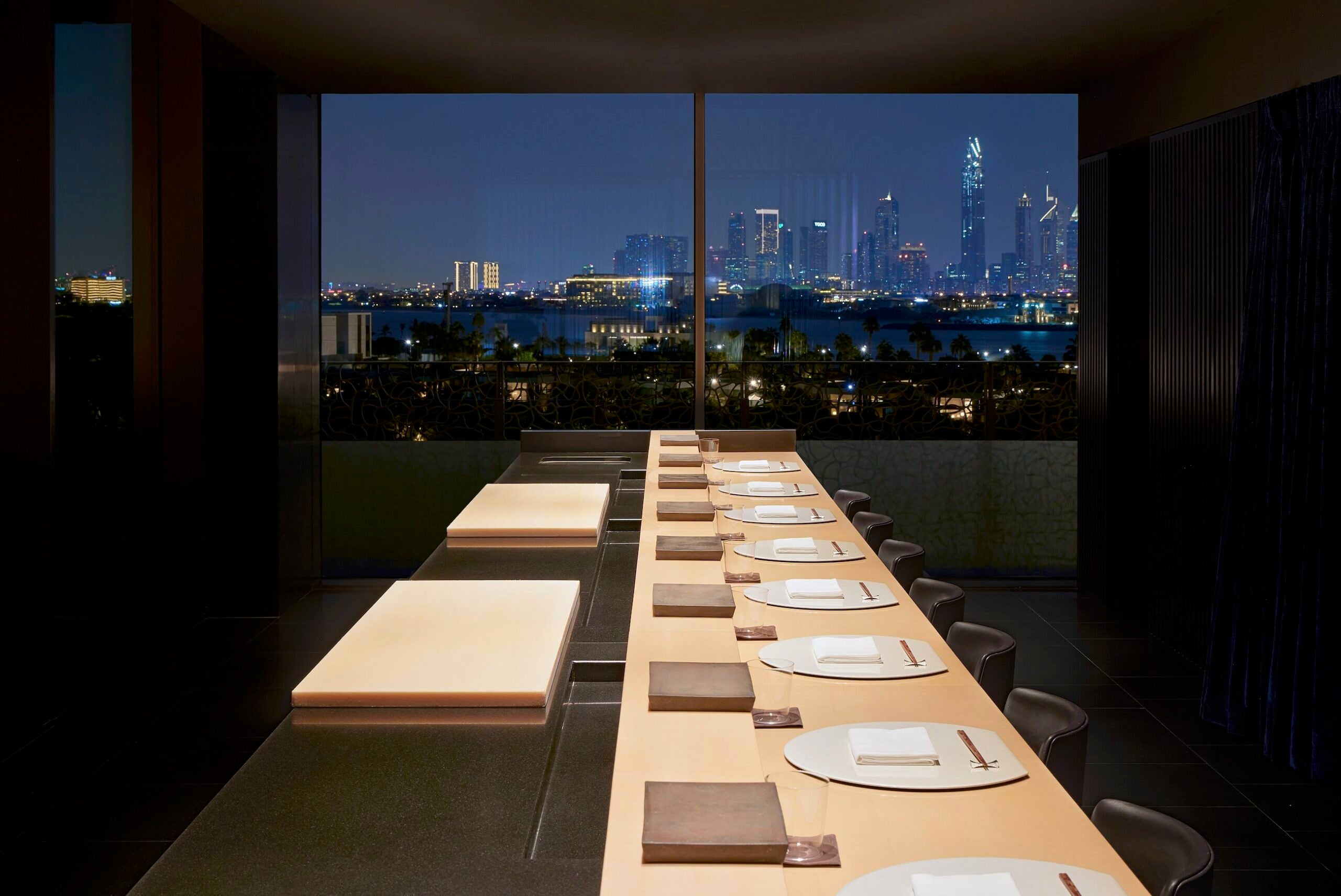
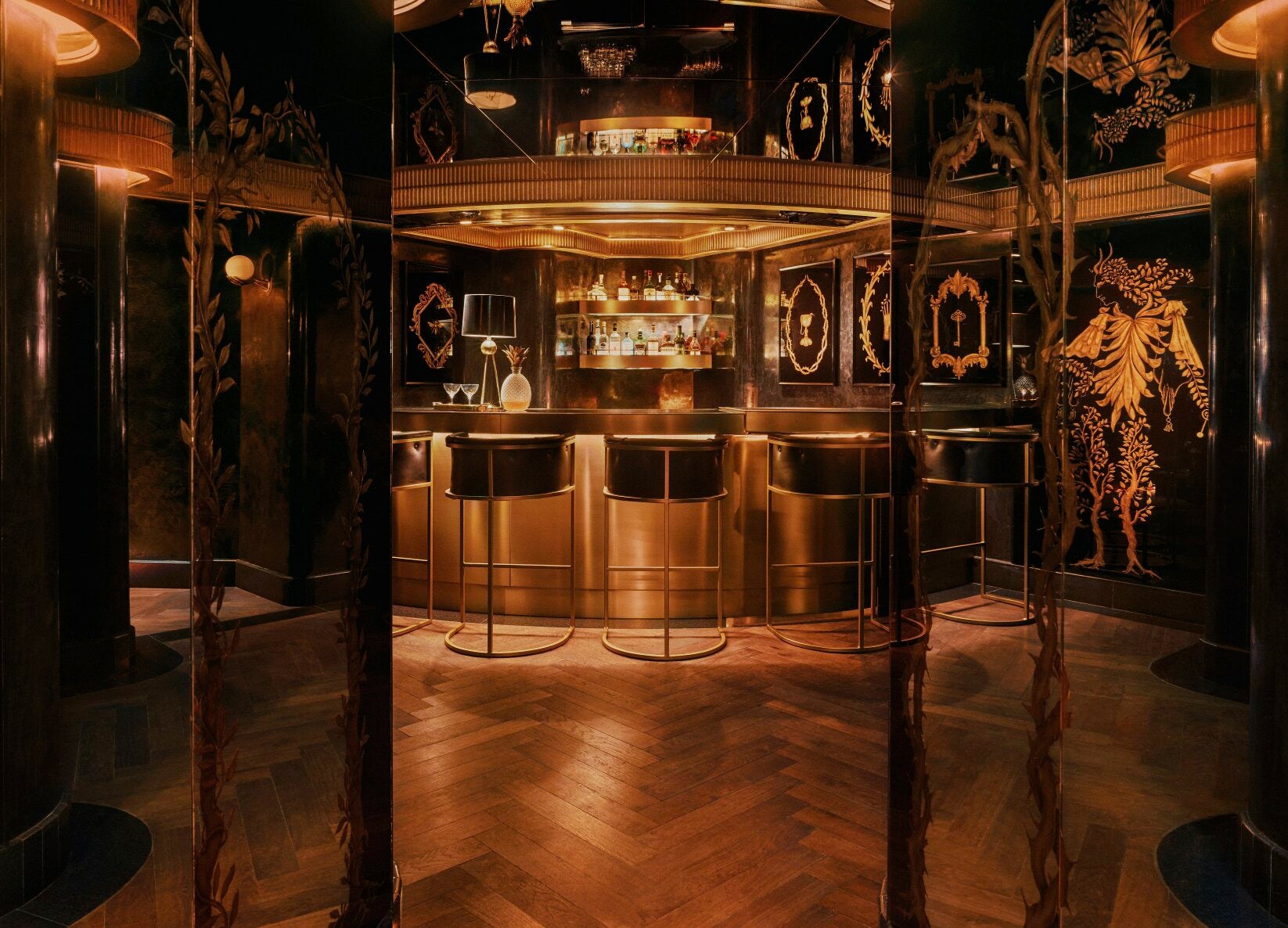
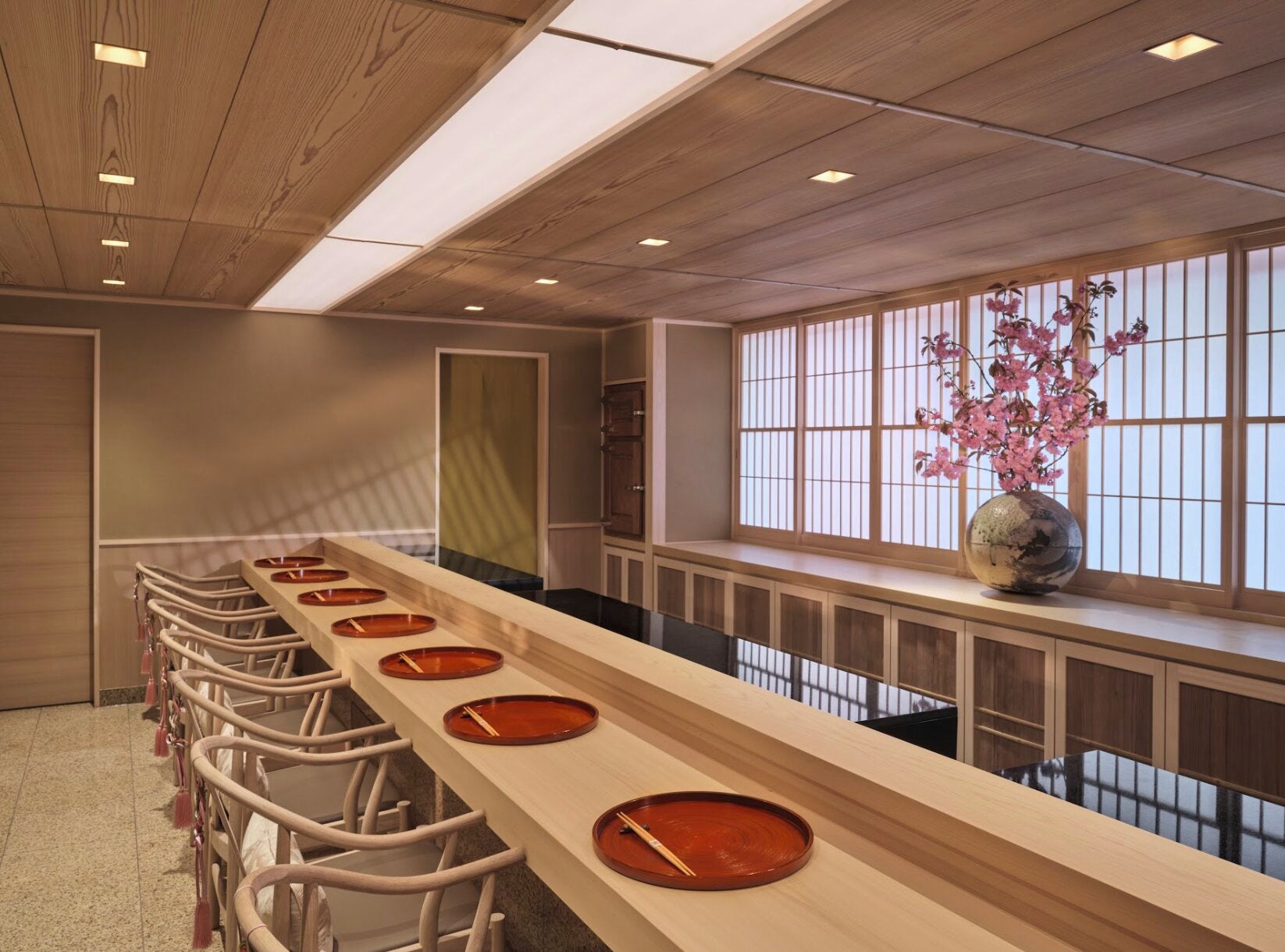
The allure of omakase has propelled its proliferation across the globe. Major metropolitan centers now boast a significant number of establishments offering this unique dining style. Many of the most coveted omakase experiences are discreetly situated within the opulent confines of luxury hotels. These hidden gems are often found not in plain sight, but behind unassuming doors, nestled within private dining rooms, adding an element of exclusivity and intrigue to the culinary adventure. This strategic placement within prestigious hotels underscores the high-end nature of the omakase experience, aligning it with an environment of luxury, refined service, and discerning clientele.
Curating Culinary Excellence: The Criteria for Omakase Selection
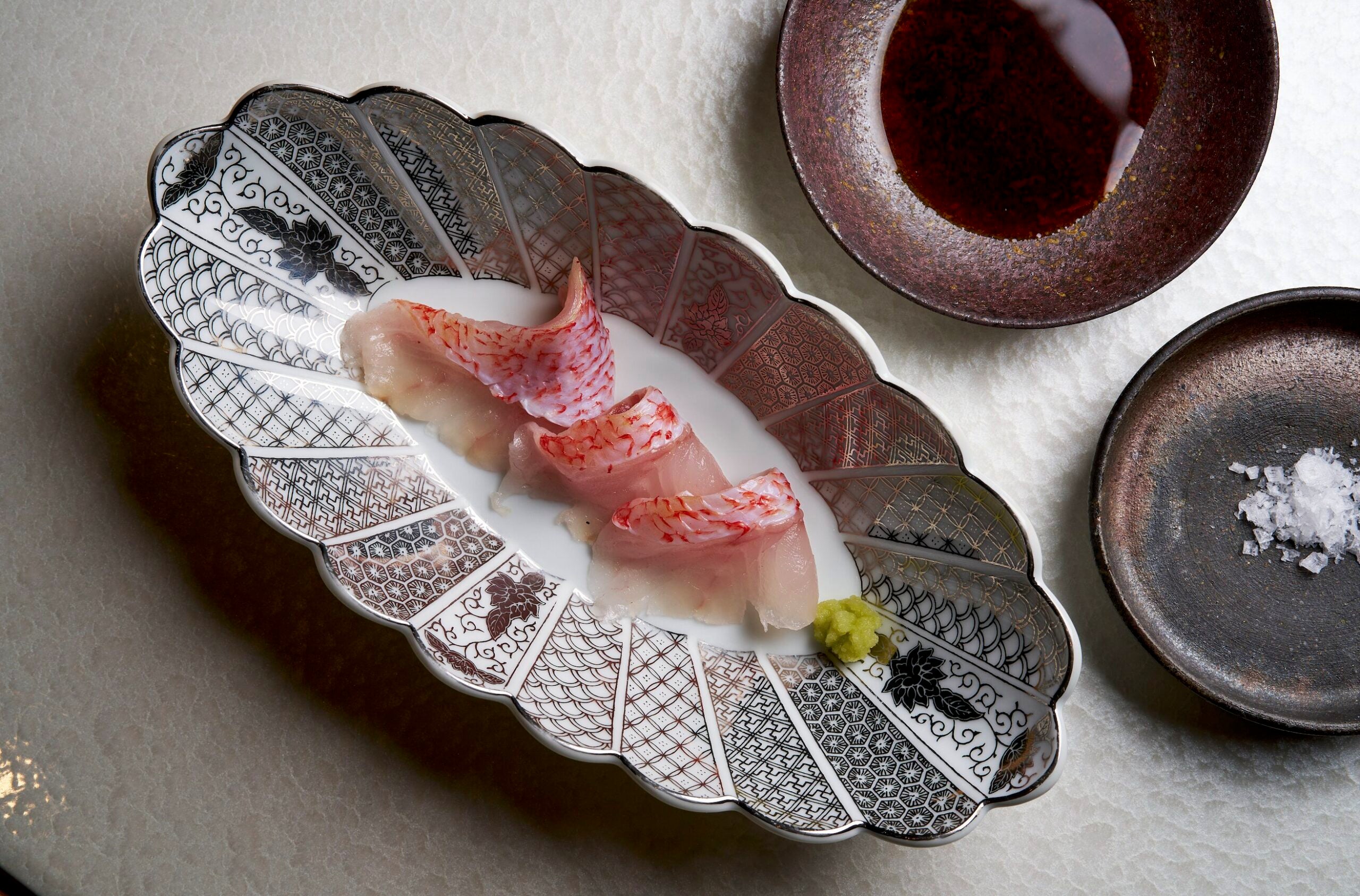
The selection of premier omakase establishments is a rigorous process, undertaken by discerning editorial teams who prioritize uncompromising quality, exceptional service, and unique access to unparalleled culinary moments. Each venue featured undergoes an independent evaluation, drawing upon direct, first-hand experiences where possible, supplemented by exhaustive and in-depth research. This meticulous approach ensures that the curated list represents the pinnacle of global omakase dining. The criteria for inclusion are stringent, encompassing not only the artistic execution of dishes but also the overall ambiance, the provenance of ingredients, the skill and intuition of the chef, and the seamless integration of service. Renowned luxury restaurants and discreet, "in-the-know" addresses alike are considered, provided they meet the exacting standards set forth. The goal is to identify spaces where the omakase experience is not merely a meal, but a transformative journey of taste and sensory discovery.
A Timeline of Omakase Evolution
The journey of omakase from its Edo-period roots to its contemporary global standing can be broadly delineated through several key phases:
-
Edo Period (1603-1868): The Genesis of Ingredient-Driven Cuisine. During this era, the absence of printed menus and the reliance on the freshest available ingredients from local markets established the fundamental principle of omakase: the chef’s prerogative based on what is best. Sushi stalls and informal eateries exemplified this approach, prioritizing seasonality and quality over pre-determined offerings. This period was characterized by a direct connection between the sea, the market, and the diner, with the chef acting as the intermediary who understood and respected the natural offerings.
-
Post-War Economic Boom and the Rise of Sophistication (Mid-20th Century onwards): As Japan experienced significant economic growth and a burgeoning middle class, dining culture became more sophisticated. This period saw the emergence of more formal sushi restaurants and the gradual formalization of the omakase concept. Diners, increasingly affluent and exposed to a wider array of culinary possibilities, began to seek out expert guidance. The desire for the "best" and the uncertainty of choice led to a greater reliance on the chef’s judgment. This was the era where omakase began to be recognized as a premium dining experience, often associated with skilled sushi masters who had honed their craft over decades.
-
Late 20th Century to Early 21st Century: Global Expansion and Diversification. The latter decades of the 20th century witnessed the increasing internationalization of Japanese cuisine. As Japanese chefs and their culinary philosophies traveled abroad, omakase began to gain traction in major global cities. This period saw the concept adapted and interpreted by chefs of various backgrounds, while still adhering to the core principle of chef’s choice. The rise of luxury travel and the increasing demand for unique and authentic experiences further fueled the spread of omakase. This era also saw the emergence of omakase within high-end hotels and exclusive private dining settings, cementing its status as a luxury offering.
-
Present Day: Omakase as a Global Culinary Benchmark. Today, omakase is a recognized and highly sought-after dining experience worldwide. From Tokyo to New York, London to Los Angeles, discerning diners actively seek out establishments that offer an authentic and exceptional omakase journey. The concept has also broadened, with some chefs applying the omakase philosophy to cuisines beyond sushi, though the term is most strongly associated with Japanese culinary arts. The emphasis remains on the chef’s artistry, the quality of ingredients, and the personalized nature of the dining experience.
Supporting Data and Market Trends
The global fine dining market, which omakase firmly inhabits, has demonstrated remarkable resilience and growth. While precise figures for the omakase segment alone are difficult to isolate, broader trends in the luxury restaurant industry provide indicative insights. According to industry reports, the global fine dining market is projected to continue its upward trajectory, driven by increasing disposable incomes in emerging economies and a growing consumer appetite for unique and experiential consumption.
-
Growth in Experiential Dining: Consumers are increasingly prioritizing experiences over material possessions. Omakase, with its inherent element of surprise, personalization, and interaction, perfectly aligns with this trend. This focus on the "experience" contributes significantly to the perceived value and willingness to pay a premium for omakase.
-
Demand for Authenticity and Craftsmanship: In an increasingly globalized world, there is a heightened appreciation for authentic culinary traditions and the mastery of skilled artisans. Omakase, with its deep roots in Japanese culinary heritage and its emphasis on the chef’s expertise, directly caters to this demand.
-
The Role of Social Media: Platforms like Instagram have played a crucial role in popularizing omakase. Visually appealing dishes and the inherent exclusivity of many omakase experiences make them highly shareable content, driving curiosity and demand. While not a direct data point, the visible impact on restaurant bookings and media coverage is undeniable.
-
Premium Ingredient Sourcing: The success of omakase is intrinsically linked to the availability of exceptional ingredients. The global supply chain for premium seafood, rare vegetables, and artisanal products has improved, allowing chefs to source high-quality components for their omakase menus, even in non-coastal cities. This logistical advancement supports the expansion of omakase worldwide.
Inferred Reactions and Industry Perspectives
While direct quotes from specific chefs or restaurateurs regarding the broader "best omakase rooms" list are not provided, it is logical to infer a general sentiment within the culinary community. Chefs who dedicate themselves to the omakase philosophy typically exhibit a profound passion for their craft and a deep commitment to sourcing the finest ingredients.
-
Chefs’ Perspective: For chefs, omakase represents the ultimate expression of their culinary artistry. It allows them to showcase their knowledge of ingredients, their technical skills, and their creative vision without the constraints of a fixed menu. They often view the opportunity to engage directly with diners and tailor their creations as a deeply rewarding aspect of their profession. The recognition of their establishments as premier omakase destinations would likely be met with pride and a reinforced commitment to maintaining the highest standards.
-
Industry Analysts: Experts in the culinary field often highlight the omakase experience as a benchmark for quality and innovation in Japanese cuisine. They would likely view the proliferation of high-caliber omakase restaurants as a positive development, indicative of a sophisticated and evolving global palate. The emphasis on seasonality and direct chef-to-diner interaction is often cited as a sustainable and valuable model for fine dining.
-
Diners’ Expectations: For diners seeking an omakase experience, the expectation is one of discovery, indulgence, and unparalleled quality. They anticipate a journey that stimulates their senses, educates them about ingredients, and leaves them with a lasting impression of culinary excellence. The "best omakase rooms" are those that consistently exceed these high expectations, offering a seamless blend of exquisite food, impeccable service, and an atmosphere of refined exclusivity.
Broader Impact and Implications
The enduring popularity and global reach of omakase have several significant implications for the culinary landscape and consumer behavior:
-
Elevation of Chef’s Role: Omakase firmly establishes the chef as the central figure in the dining experience, elevating their status from a mere cook to an artist and curator. This trend has contributed to a broader appreciation for culinary expertise and the dedication required to master a craft.
-
Emphasis on Seasonality and Sustainability: The inherent reliance on the freshest available ingredients in omakase promotes a deeper understanding and appreciation for seasonality. This, in turn, encourages more sustainable sourcing practices, as chefs prioritize ingredients that are at their peak and readily available, minimizing environmental impact.
-
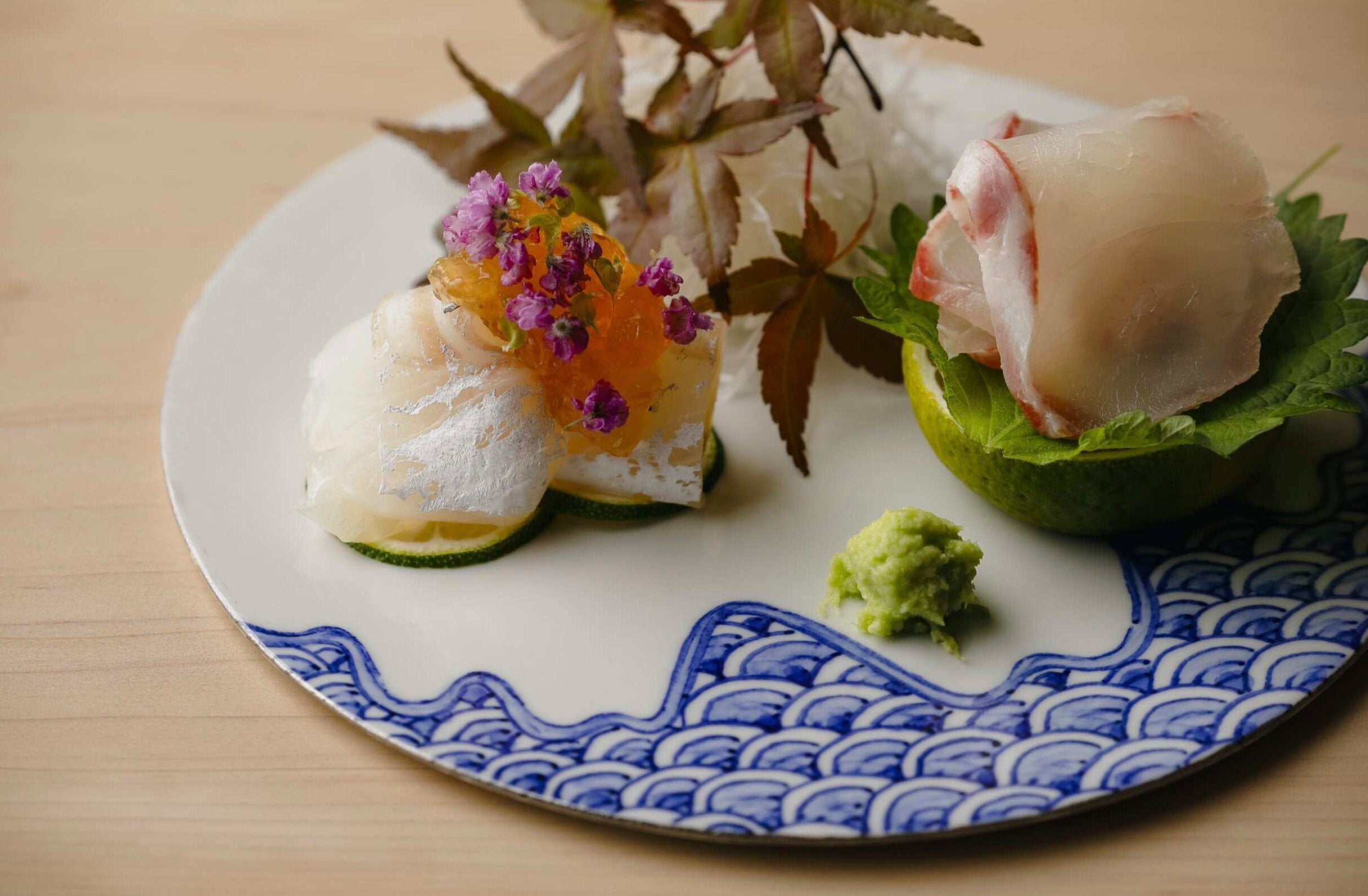
The Future of Personalized Dining: Omakase serves as a prime example of highly personalized dining. As technology advances and consumer expectations evolve, the principles of omakase – tailoring experiences to individual preferences and leveraging real-time data – may influence other sectors of the hospitality and service industries, leading to more customized and responsive offerings.
-
Cultural Exchange and Appreciation: The global spread of omakase has fostered greater international appreciation for Japanese cuisine and its underlying philosophy. It acts as a cultural ambassador, introducing diners to nuanced flavors, traditional techniques, and a unique approach to hospitality that emphasizes respect, trust, and meticulous attention to detail. The continued success of omakase suggests a growing global palate that values depth, authenticity, and the artistry of culinary creation.