The Enduring Ritual of Greek Coffee Culture A Synthesis of History Social Cohesion and Economic Impact

Coffee consumption in Greece represents far more than a simple dietary habit; it serves as a foundational pillar of the nation’s social infrastructure and a vital component of its economic landscape. While global coffee trends often prioritize speed and convenience, the Greek approach to coffee is defined by the concept of "slowing down," where the beverage acts as a catalyst for community engagement, political discourse, and familial bonding. This cultural phenomenon, rooted in centuries of history, has evolved from the traditional heated sands of the Ottoman era to the sophisticated iced preparations that dominate the modern Athenian skyline. Understanding Greek coffee culture requires an analysis of its historical trajectory, its technical preparation, and its role as a resilient social lubricant in a rapidly changing Mediterranean society.
The Historical Evolution of Coffee in the Hellenic World
The lineage of Greek coffee is inextricably linked to the Ottoman Empire, which introduced the beverage to the Balkans in the 15th and 16th centuries. The first coffee houses, known as kafeneia, appeared in Constantinople and eventually spread to Greek-populated regions under Ottoman rule. These establishments were initially the exclusive domain of men, serving as centers for news, trade, and local governance.
The 19th and 20th centuries marked a significant shift in the identity of the beverage. Following the Greek War of Independence and subsequent geopolitical tensions, the nomenclature of the coffee began to change. What was once universally referred to as "Turkish coffee" was gradually rebranded as "Greek coffee" (ellinikos kafes). This transition reached a definitive peak following the 1974 Cyprus crisis, after which the term "Turkish coffee" largely vanished from Greek menus and public discourse, replaced by a nationalized identity that emphasized local preparation methods and cultural ownership.
The mid-20th century introduced a technological and cultural pivot with the invention of the Frappé. In 1957, during the Thessaloniki International Fair, a Nestlé representative named Dimitris Vakondios, unable to find hot water for his instant coffee, utilized a shaker with cold water and ice. This accidental innovation birthed the Greek Frappé, a frothy, iced beverage that would become the quintessential symbol of Greek summer and youth culture for the next five decades. In the 1990s and early 2000s, the evolution continued with the introduction of the Freddo Espresso and Freddo Cappuccino, reflecting a growing preference for high-quality Arabica beans over instant varieties.
Technical Specifications and Preparation Methods
Traditional Greek coffee is defined by its unique preparation method, which utilizes a small, long-handled copper or brass pot known as a briki. The coffee beans are ground to an extremely fine, flour-like consistency—much finer than the grind used for Italian espresso. This allows the coffee to dissolve partially while leaving a thick layer of sediment at the bottom of the cup.
The preparation process often involves the hovoli, a traditional technique where the briki is placed in a bed of hot sand. The sand provides a uniform, indirect heat source that allows the coffee to foam slowly. The goal of the barista is to achieve the perfect kaimaki, a rich, thick froth that sits atop the coffee. If the froth is lost during the pour, the coffee is considered poorly made.
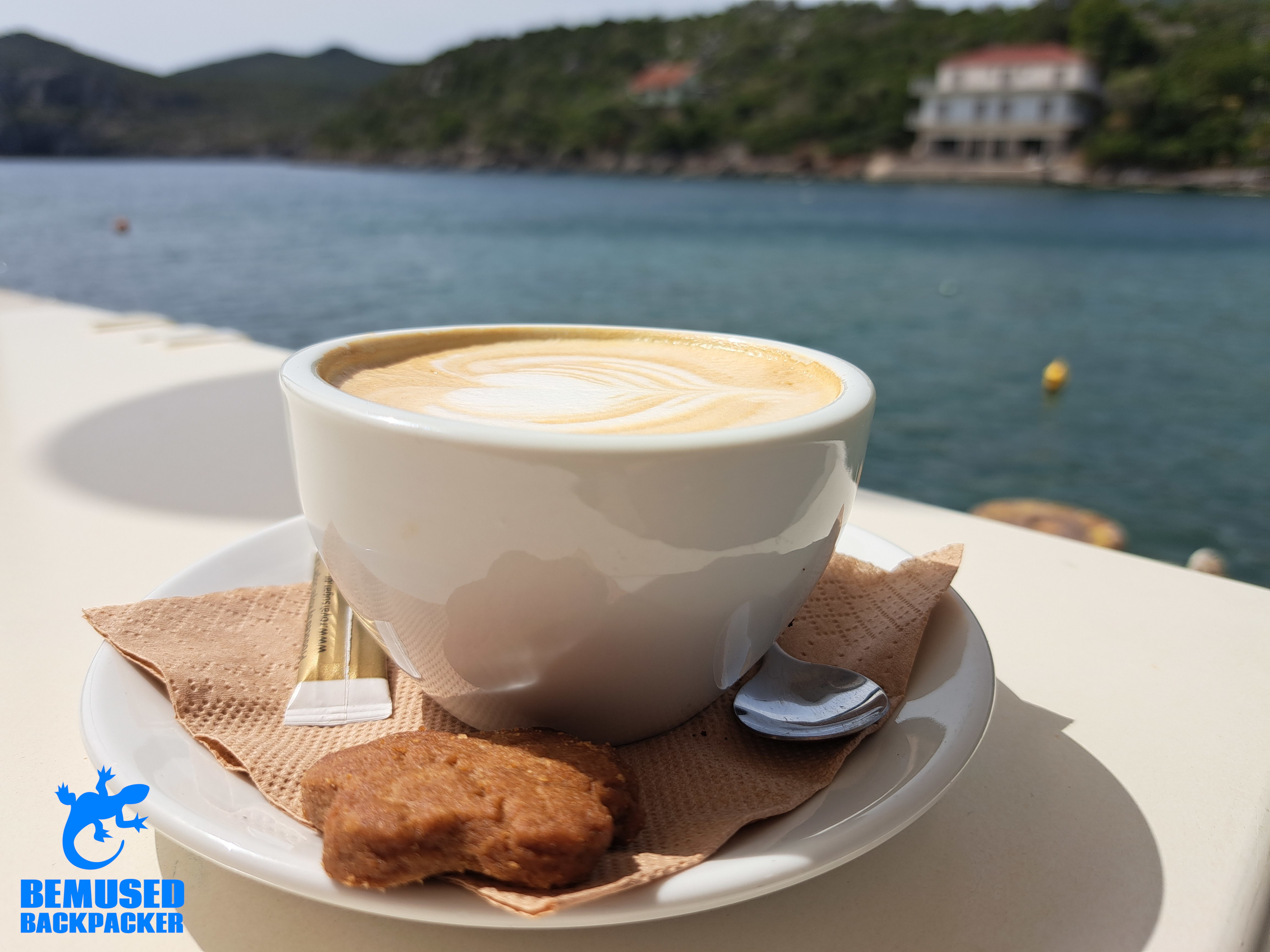
In the modern era, the Freddo Espresso has largely superseded the Frappé in urban centers. This drink involves whisking two shots of espresso with ice in a mixer until a cold, velvety foam is formed, then pouring it over fresh ice. The Freddo Cappuccino adds a layer of cold frothed milk (crema) on top, created by aerating non-fat milk until it reaches a meringue-like consistency.
Socio-Economic Impact and Consumption Data
The economic footprint of coffee in Greece is substantial. According to data from the Hellenic Coffee Association, Greece consistently ranks among the top fifteen countries globally for coffee consumption per capita. On average, a Greek citizen consumes approximately 5.5 kilograms of coffee annually. The industry supports over 30,000 specialized coffee shops and cafes across the country, providing employment for hundreds of thousands of workers, from roasters and importers to baristas and service staff.
Despite various economic challenges, including the decade-long debt crisis and the subsequent COVID-19 pandemic, the "coffee habit" has remained remarkably resilient. Market analysts observe that even during periods of reduced disposable income, Greeks are reluctant to sacrifice their daily coffee outing. This is attributed to the fact that a cup of coffee, which may cost between €2.50 and €4.50, provides several hours of social interaction and "rent" for a table at a cafe, making it a cost-effective form of entertainment.
Furthermore, the "Third Wave" coffee movement has taken a firm hold in Athens and Thessaloniki. This movement treats coffee as an artisanal product, similar to wine or craft beer, emphasizing direct trade with farmers, specific roast profiles, and precision brewing. This has led to a surge in boutique roasteries that contribute to the diversification of the Greek agricultural and retail sectors.
The Cultural Architecture of the Kafeneio and the Kafeteria
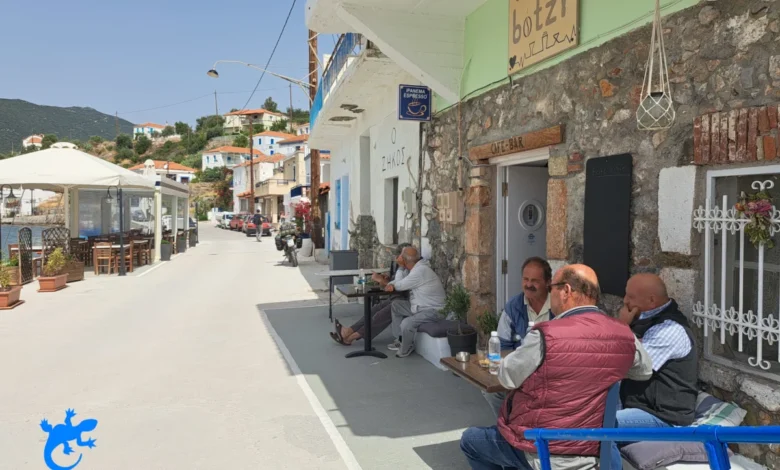
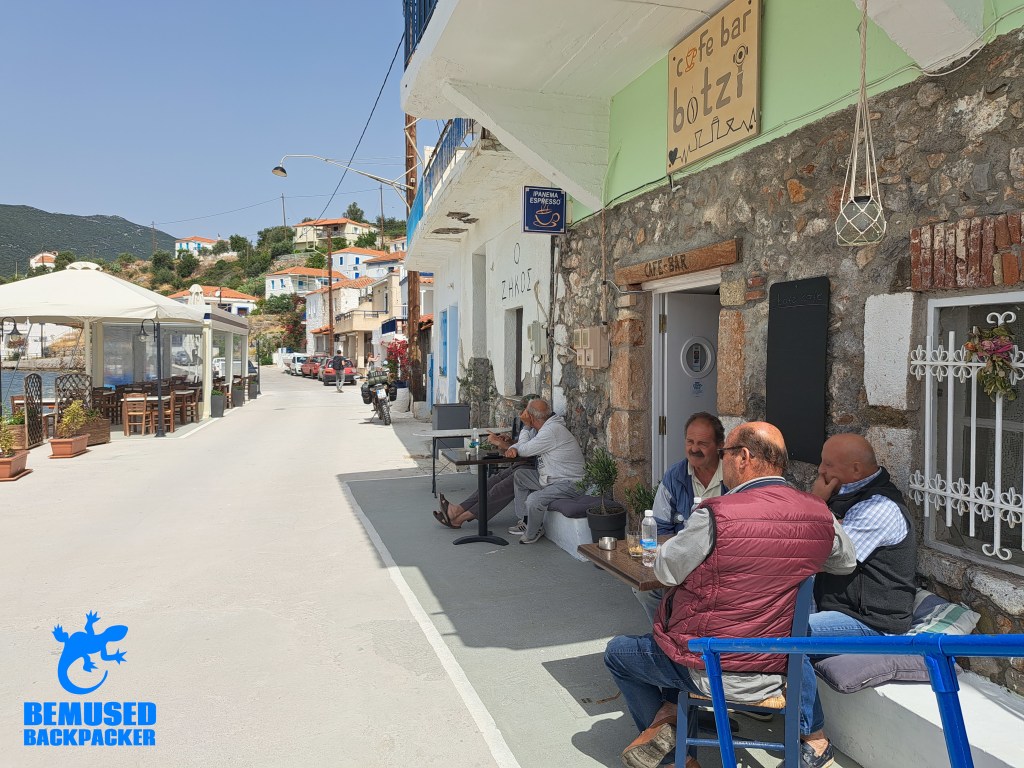
To understand the social implications of coffee in Greece, one must distinguish between the kafeneio and the kafeteria. The kafeneio is the traditional village hub, characterized by wooden chairs, marble-topped tables, and a clientele that is traditionally older. It is a place where backgammon (tavli) is played and where political debates are settled. The kafeneio represents the historical soul of the community, maintaining a slow pace that defies modern industrial timelines.
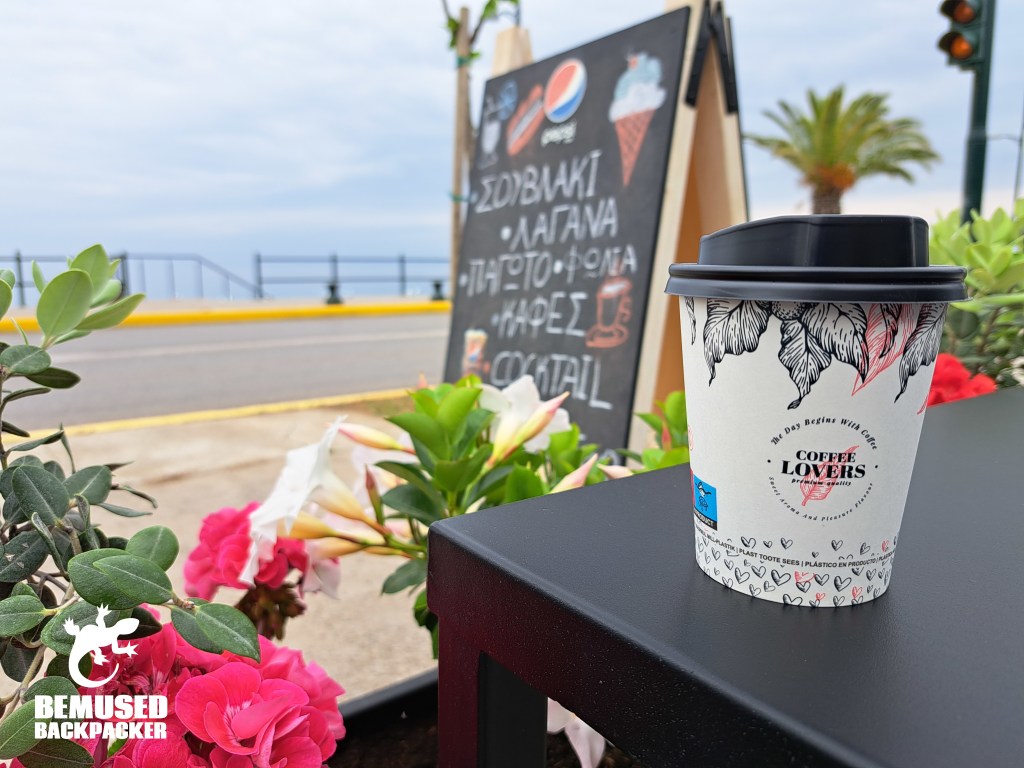
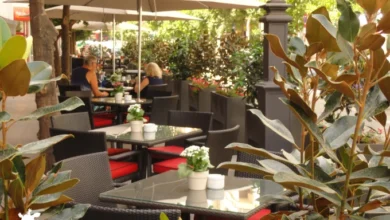
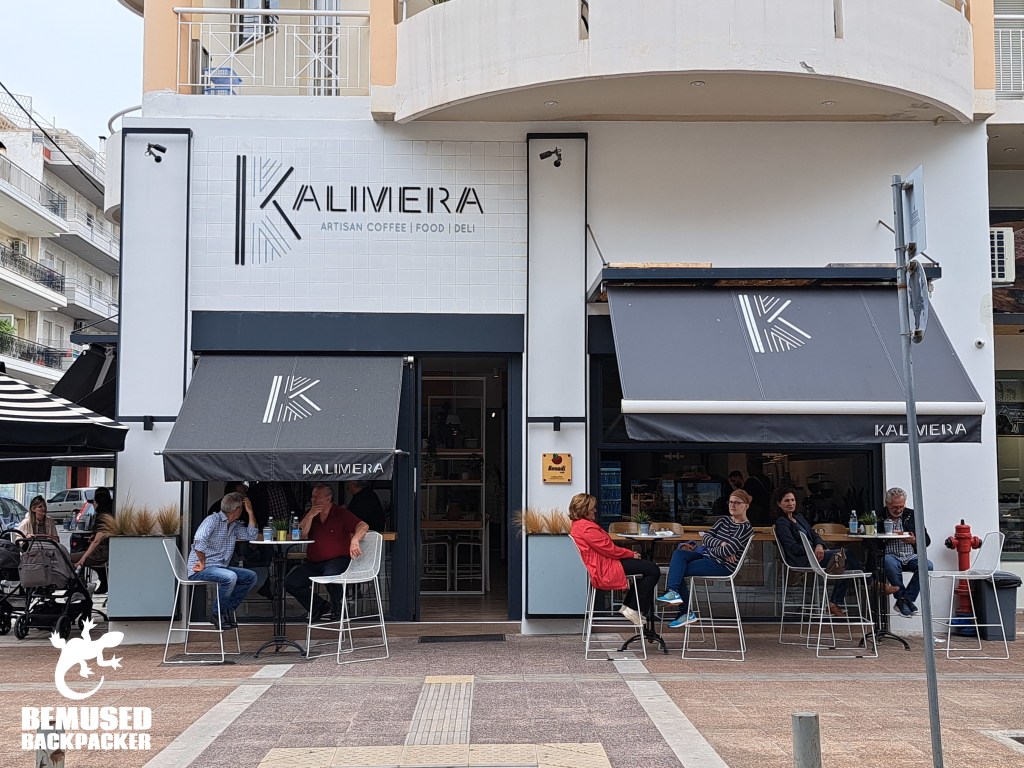
In contrast, the kafeteria represents the modern, urban evolution. These are stylish, often high-design spaces frequented by younger generations. However, the underlying cultural principle remains the same: the "long coffee." In many Western cultures, coffee is a transactional fuel consumed while commuting or working. In Greece, ordering a coffee is an unspoken agreement between the customer and the establishment that the table belongs to the customer for as long as they require it. It is common for a single Freddo Espresso to be savored over a two-hour conversation.
This practice is a manifestation of the Greek philosophy of parea—a group of friends who gather to share ideas and experiences. The coffee shop acts as a "third place," a social environment separate from the two usual social environments of home and the workplace.
Linguistic Nuances and Ordering Etiquette
The act of ordering coffee in Greece is a precise ritual involving specific terminology regarding sweetness and milk. Because Greek coffee is brewed with sugar rather than having it added afterward, the consumer must decide the sweetness level in advance:
- Sketos: Plain, without sugar. This is often preferred by purists who wish to taste the acidity and notes of the bean.
- Metrios: Medium sweetness, usually one teaspoon of sugar.
- Glykos: Sweet, usually two teaspoons of sugar.
- Vary Glykos: Extra sweet and strong, often featuring a double dose of coffee and multiple spoonfuls of sugar.
When ordering traditional coffee, it is customary for it to be served with a glass of cold water and sometimes a "spoon sweet" (fruit preserves) or a piece of Turkish delight (loukoumi). The water is used to cleanse the palate before and during the coffee-drinking process.
Implications for Tourism and Global Perception
As Greece continues to be a premier global tourism destination, the coffee culture has become a significant part of the "authentic" travel experience. Travelers are increasingly seeking out traditional kafeneia in the Cyclades or the Peloponnese to witness the hovoli method firsthand. This interest has encouraged local municipalities to preserve historic cafes as cultural heritage sites.
From a journalistic and sociological perspective, Greek coffee culture serves as a case study in how a simple commodity can be transformed into a tool for social cohesion. In an era of digital isolation, the physical space of the Greek cafe remains one of the few places where intergenerational dialogue occurs naturally. The resilience of this culture suggests that despite the pressures of globalization and the fast-paced nature of modern capitalism, the Greek "slow" model of socialization continues to offer a viable and healthy alternative for community life.
The enduring nature of this ritual ensures that coffee will remain at the heart of the Greek identity. Whether it is a grandfather sipping a hot ellinikos in a mountain village or a digital nomad drinking a Freddo Espresso in a chic Athens neighborhood, the beverage remains the primary medium through which the Greek people engage with one another and the world around them. Through economic shifts and historical upheavals, the simple act of sharing a coffee remains the most stable and significant social contract in Greece.