Guadalajara: An Affordable and Culturally Rich Host City for the 2026 FIFA World Cup

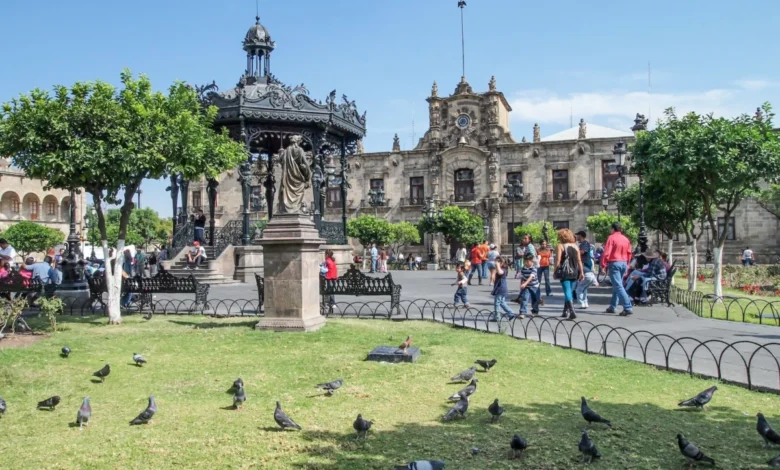
Guadalajara, Mexico, is emerging as a compelling and cost-effective destination for attendees of the 2026 FIFA World Cup, offering a unique blend of affordability, vibrant culture, and accessible amenities. While match tickets will undoubtedly represent a significant expenditure for most fans, Guadalajara presents a more budget-friendly overall travel experience compared to many other North American host cities. The city’s strategic positioning and inherent attractions promise a rich experience that extends far beyond the 90 minutes of a football match, transforming a sporting event into a comprehensive vacation.
Financial Advantages for World Cup Attendees
The most substantial expense for any World Cup attendee is typically the cost of match tickets. While specific pricing can fluctuate based on team matchups and resale market dynamics, Guadalajara’s ticket landscape offers a comparative advantage. For instance, the highly anticipated match featuring Mexico’s national team, "El Tri," on June 18th, is projected to command prices around $2,000 per seat on secondary markets like Stubhub. However, for those not prioritizing the home team’s games, ticket prices become considerably more accessible. Matches such as South Korea versus Czechia are expected to start in the high $200s, with many other fixtures falling within the $300 to $400 per-seat range. While not inexpensive by general travel standards, these figures represent a more palatable option within the context of a global tournament.
Beyond ticket prices, accommodation in Guadalajara offers significant savings. Data compiled by hotel booking platforms indicates that well-rated hotels (scoring at least eight out of ten) can be secured for approximately $100 to $200 per night. This pricing is particularly relevant for dates surrounding key matches, such as June 11th, the day of the South Korea/Czechia game. When compared to the average hotel rates in other host cities during the tournament’s early stages, Guadalajara presents a clear financial benefit for travelers seeking to manage their budgets. Furthermore, the city’s renowned culinary scene provides an affordable and delicious dining experience, further contributing to the overall cost-effectiveness of a visit.
Experiencing the Cultural Tapestry of Guadalajara
Guadalajara, a sprawling metropolis of approximately 5.6 million residents, offers a dynamic urban experience akin to cities like Phoenix or Miami. Its energetic atmosphere is characterized by bustling traffic, vibrant street food stalls, and the pervasive sounds of Spanish music emanating from local cafes. Unlike many other World Cup host cities, Guadalajara provides an opportunity for visitors to immerse themselves in a rich and distinct cultural environment that goes beyond typical tourist offerings. While cities in the United States and Canada offer their own attractions, many American travelers’ experiences in Mexico are often confined to coastal resort areas. Guadalajara, in contrast, offers a more profound cultural engagement, providing an experience that resonates more with the spirit of cities like Bogotá or Santiago, rather than solely beach destinations.
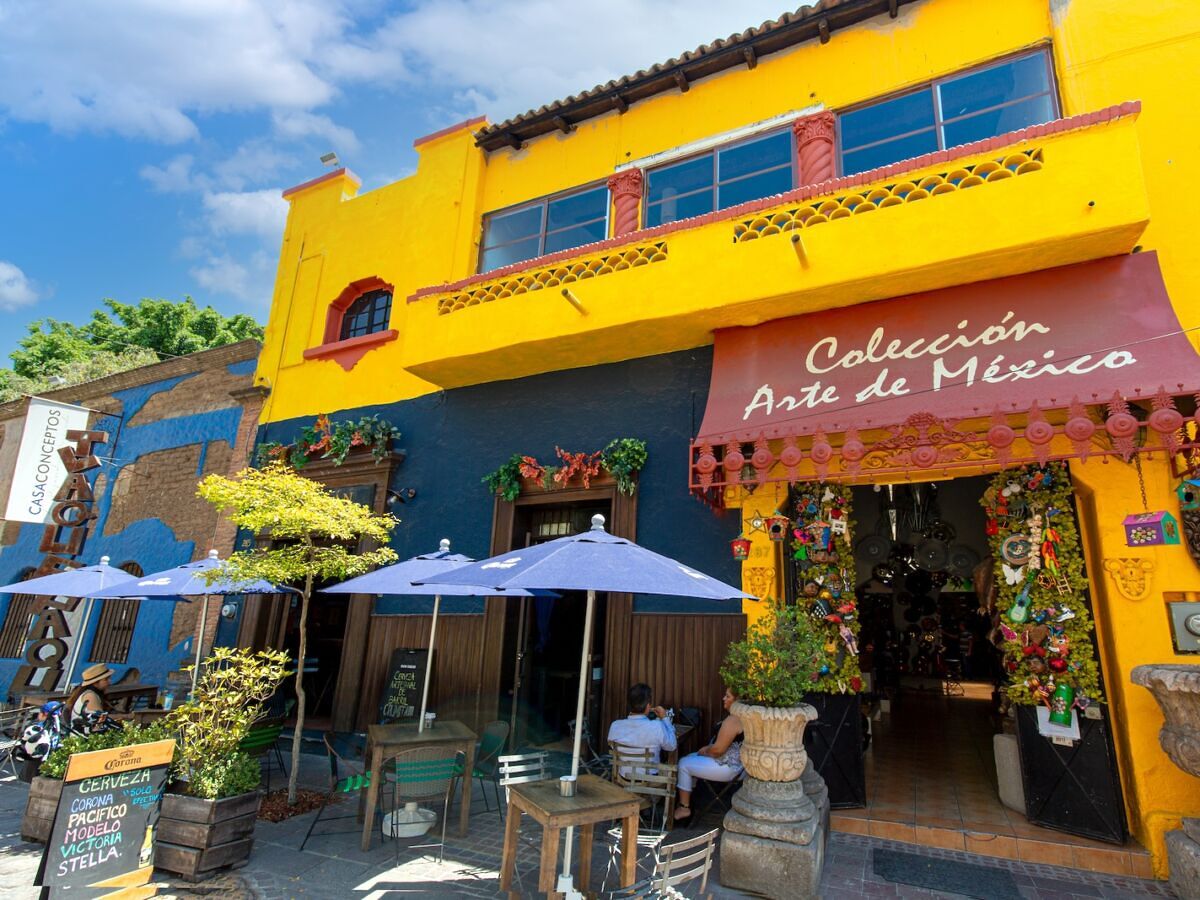
The city is celebrated as a culinary powerhouse, boasting some of the finest restaurants and cocktail bars in the Americas. It holds the distinction of being the birthplace of Mariachi music, a genre synonymous with Mexican culture, and is widely recognized as the unofficial capital of tequila country. Situated in the state of Jalisco, Guadalajara is strategically located near thirteen "Pueblos Mágicos" (Magical Towns). These towns, officially designated by the federal government, are recognized for their unique cultural significance, historical preservation, distinct architecture, and breathtaking natural beauty, offering a glimpse into the diverse fabric of Mexico. Many of these towns possess a cinematic quality, appearing as if they were lifted from movie sets, though often it is the reverse, with real-life landscapes inspiring cinematic artistry.
Jalisco is also the heart of Mexico’s tequila production. This proximity allows visitors to easily combine a stay in Guadalajara with excursions to renowned distilleries such as Jose Cuervo, La Fortaleza, Casa Sauza, and El Tequileno. Similar to wine regions in the United States, numerous tour operators offer guided bus tours from Guadalajara, ensuring a convenient and safe exploration of the tequila-producing areas. Companies like TQM Tours, along with platforms such as Viator and Airbnb Experiences, facilitate these immersive journeys.
Accessible Stadium and Efficient Transportation
Guadalajara’s Estadio Akron offers a notable advantage in terms of accessibility compared to stadiums in many other host cities. While venues in San Francisco, Kansas City, Dallas, New York, and Miami are often situated far from city centers, requiring lengthy commutes through heavy traffic, convoluted public transport, or expensive dedicated shuttle services (which can cost upwards of $100 per person), Estadio Akron is a mere half-hour drive from Guadalajara’s downtown core.
The city’s public transportation system, Mi Macro, a rapid transit bus service, provides a convenient and efficient way to reach the stadium. With frequent service and dedicated bus lanes, Mi Macro effectively bypasses traffic congestion. The journey from the Estadio Chivas stop involves a pleasant 20-minute walk, often accompanied by fellow enthusiastic fans on match days. Current reports indicate no surge pricing for this service, with fares remaining at approximately 9 pesos (around 50 cents). Travelers will need a Mi Movilidad card to utilize the system, which can be purchased at any station.
Estadio Akron itself is architecturally distinctive. Nestled in a valley surrounded by mountains popular for hiking and cycling, its design evokes its natural surroundings. The stadium’s form, resembling a volcano with grass-covered walls curving inward towards a white roof, is a striking visual. The roof’s interpretation varies, with some seeing it as representing clouds and others as volcanic smoke. Traditionally, the stadium is a hub for Chivas supporters, the local professional football club, who engage in pre-game tailgating. However, World Cup regulations are expected to place restrictions on such activities.
A World Cup Visit as a Comprehensive Vacation
Guadalajara’s status as a major metropolitan center ensures a diverse range of experiences for World Cup attendees. The city offers a cosmopolitan urban environment replete with art galleries, exceptional dining establishments, and inviting cocktail bars. Each neighborhood possesses its own unique character, providing an almost limitless array of possibilities for visitors to craft their ideal trip.
Colonia Americana: A Hub of Culinary and Nightlife Excellence
Colonia Americana, often referred to simply as "Americana," is Guadalajara’s vibrant and upscale district, attracting the lively crowds typical of affluent nightlife areas. Its reputation was solidified in 2022 when Time Out recognized it as the coolest neighborhood in the world, and its appeal has only grown since. Tree-lined streets are adorned with former mansions once owned by American diplomats, creating an atmosphere that blends old-world charm with contemporary vibrancy, reminiscent of neighborhoods like Boston’s Back Bay or Charleston’s historic Old City.
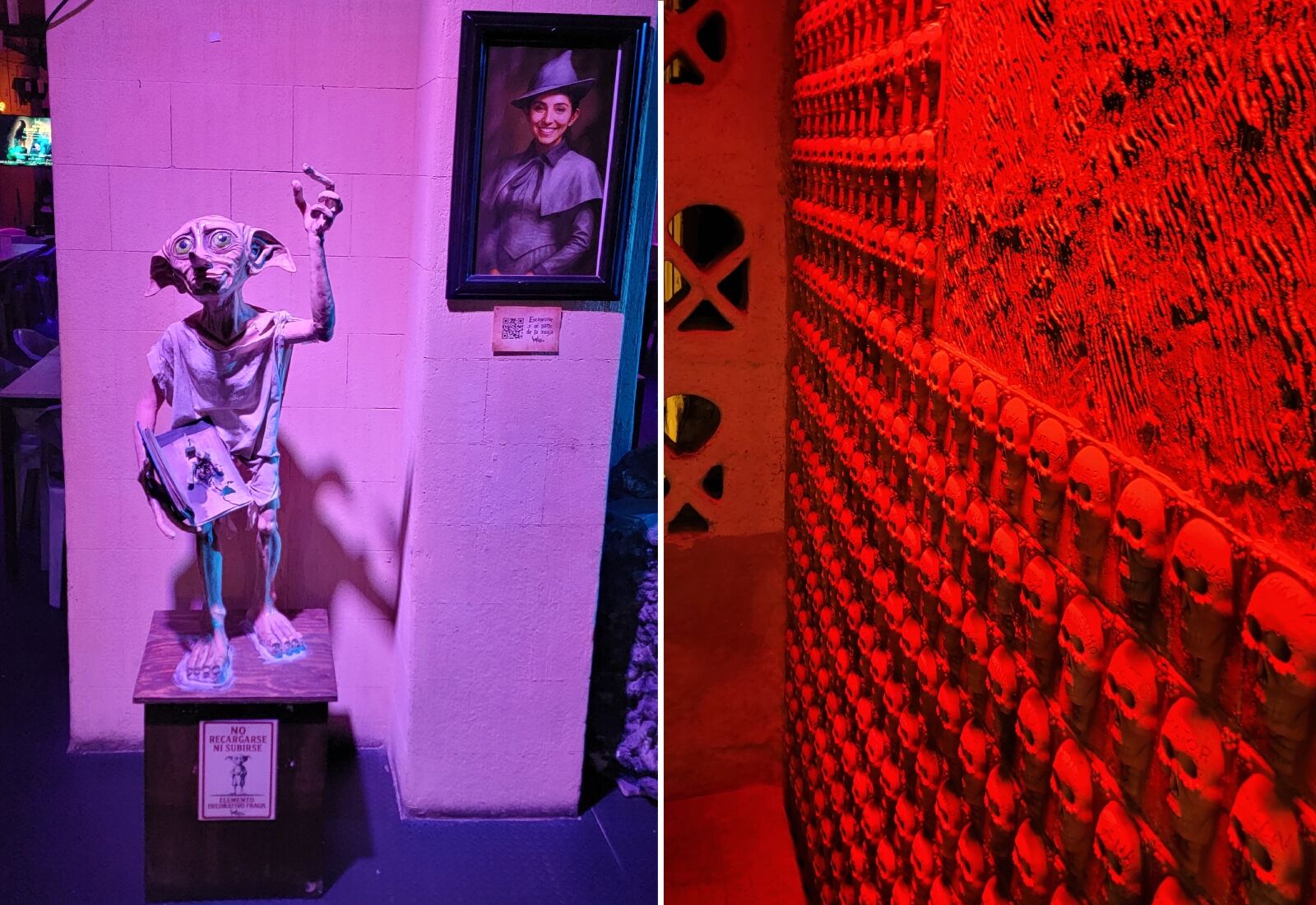
Americana is home to two of North America’s "50 Best Bars": El Gallo Altanero and Mecenas. El Gallo Altanero, a discreet speakeasy situated near an old church on a quiet street, offers an intimate setting. Mecenas, a dimly lit bar with striking backlighting, is noted for its in-house spirit infusions derived from herbs. For a unique themed experience, Punto Magico offers a Harry Potter-inspired restaurant, complete with a Spanish-speaking Sorting Hat, providing an entertaining diversion though not on the scale of major theme parks. For an extravagant dining experience, Santo Coyote stands out with its dramatic interior design, featuring a red skull room, cascading waterfalls, and an extensive tequila library.
Tlaquepaque: An Artistic Enclave
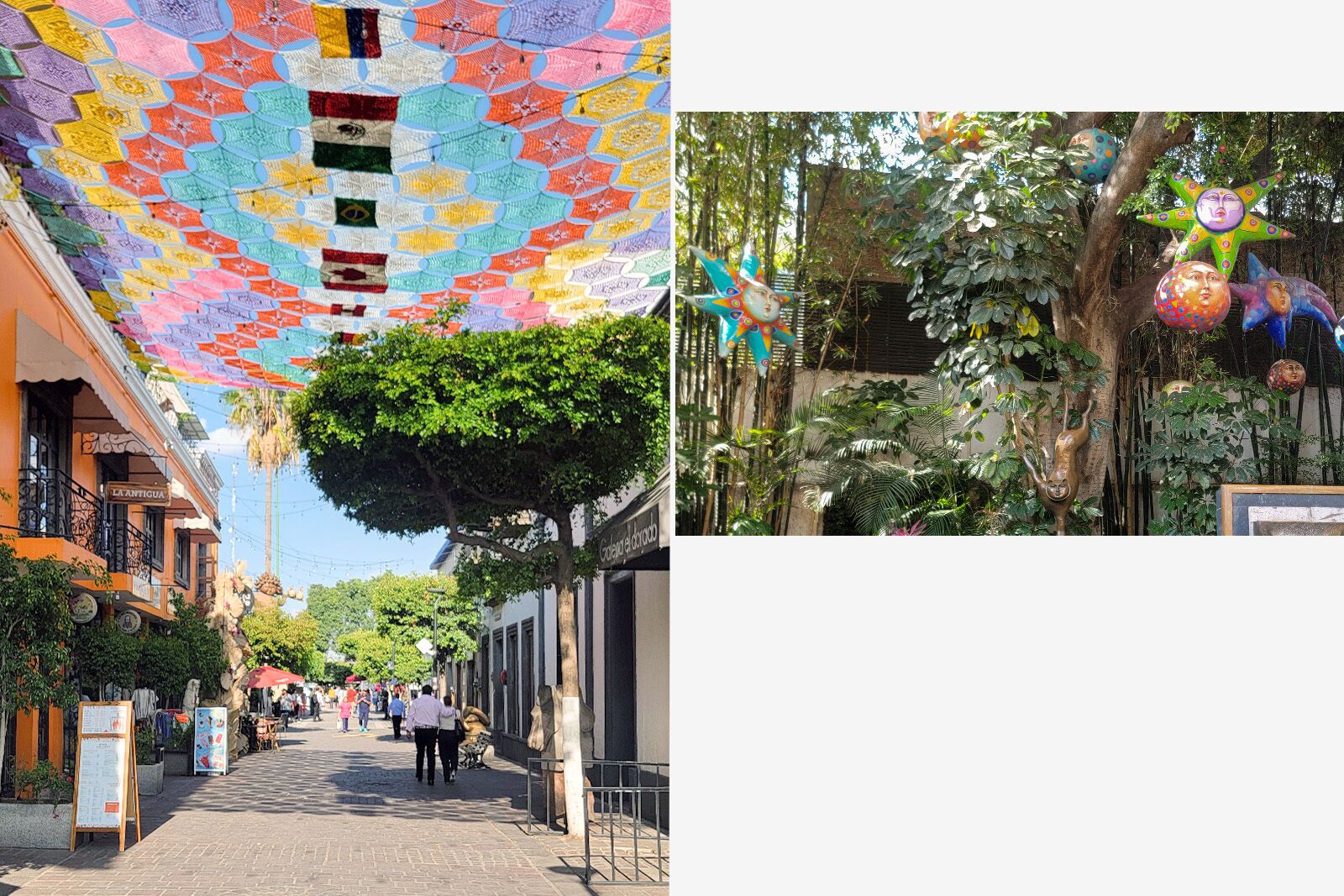
Tlaquepaque, a name that rolls off the tongue with delightful ease, is the undisputed creative heart of Guadalajara. Designated as one of Jalisco’s Pueblos Mágicos, it is essentially an extended street lined with colonial mansions that have been transformed into art galleries, sculpture gardens, restaurants, and confectioneries. A stroll down Calle Independencia, named in honor of the town’s role in Jalisco’s independence movement, reveals shops offering a wide array of artisan crafts, from pottery to locally made clothing. Abstract statues along the street narrate the region’s historical narrative of independence.
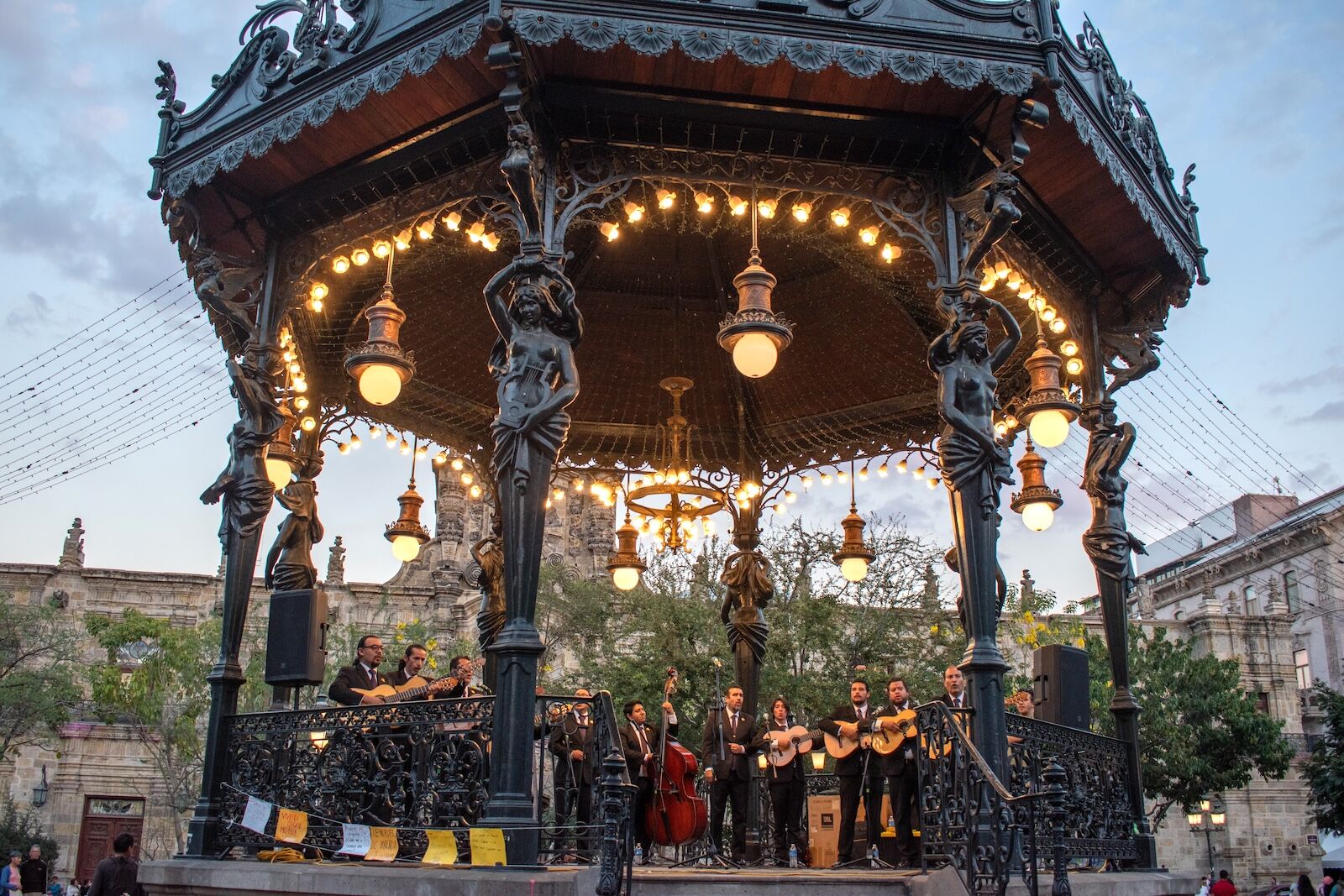
The Sergio Bustamante gallery offers a retreat from the midday sun, with its rear courtyard transformed into a captivating sculpture garden for leisurely exploration. Casa Luna is recognized as the neighborhood’s premier sit-down restaurant, offering a charming ambiance with fairy lights and a well-curated artisan gift shop. At the end of Calle Independencia lies El Parian, Guadalajara’s iconic cantina, renowned as the largest in the world. Here, visitors can spend an afternoon enjoying cazuelas (bowls of tequila mixed with fruit), accompanied by chips and salsa, while listening to live mariachi bands. Despite its international acclaim, El Parian retains a predominantly local clientele, making it an ideal spot to relax and absorb the city’s vibrant culture.
Zapopan: Historical Landmarks and Local Flavors
The neighborhood of Zapopan is home to Guadalajara’s most iconic religious landmark, the Basilica de Nuestra Señora de Zapopan. While the basilica serves as the district’s focal point, Zapopan offers numerous other attractions. Andador 20 de Noviembre is a pleasant street for a leisurely walk, with food stands offering local delicacies like elote (corn on the cob) and torta ahogada (drowned sandwich). For a cultural respite, the Museo del Arte Zapopan (MAZ) houses the city’s most extensive collection of modern art.
For an authentic local dining experience, venturing a block or two off the main thoroughfare reveals fondas – modest, unassuming restaurants serving generous portions of homestyle Mexican cuisine. Notable establishments include Salon Candela and Fonda Doña Gabina.
Centro Histórico: A Glimpse into History and Festive Gatherings
Guadalajara’s Centro Histórico, the city’s historic downtown, features a pedestrian street connecting its most significant buildings. During the World Cup, this area will host FIFA’s official fan zone, drawing considerable crowds. However, visitors can find respite within the cool interiors of culturally important buildings such as the 19th-century neoclassical Teatro Degollado and the Palacio de Gobierno, where Mexican revolutionary Miguel Hidalgo officially abolished slavery in 1810. Navigating traffic in this area can be challenging; therefore, utilizing the L3 light rail to Independencia and proceeding on foot is the recommended approach.
Mazamitla: Mountain Serenity and Adventure
For a different perspective on the Guadalajara region, a journey into the mountains to the magical town of Mazamitla offers a tranquil escape from the urban bustle. While the town square will host an official World Cup viewing zone, the primary allure lies in its natural beauty and serene atmosphere.
The town square is adjacent to the main church, characterized by its distinctive Chinese-influenced architecture. Before arriving, a self-guided birria taco crawl through Mazamitla’s main market is highly recommended, where visitors can also witness artisans crafting ice cream by hand. The landscape, with its tall pine trees and red soil, evokes the Sierra Nevada, though it is part of the Sierra del Tigre Mountains. This region is a favored weekend retreat for families from Jalisco and Michoacán. For an extended stay, Monte Verde Resort offers opportunities for mountain hiking, ziplining through the trees, and engaging in ropes courses with scenic sunset views.
Broader Implications and Future Outlook
Guadalajara’s positioning as an affordable and culturally rich host city for the 2026 FIFA World Cup is poised to have several significant implications. Firstly, it offers a more inclusive experience for a wider range of football fans who might be priced out of more expensive destinations. This demographic diversity can enrich the overall atmosphere of the tournament. Secondly, the emphasis on accessible public transportation and local culinary experiences highlights a commitment to sustainable tourism and community engagement, potentially setting a benchmark for future large-scale sporting events.
The success of Guadalajara in attracting visitors and providing a memorable experience will likely bolster its reputation as a premier tourist destination in Mexico, extending beyond the immediate timeframe of the World Cup. The city’s ability to seamlessly integrate the excitement of global football with its deep-rooted cultural heritage and natural beauty presents a compelling case for its selection, promising a World Cup experience that is both exhilarating and enriching.
Related posts: