The Enchanted Valley Chalet: A Century of Wilderness History Confronts River’s Fury and Park Service Indecision in Olympic National Park

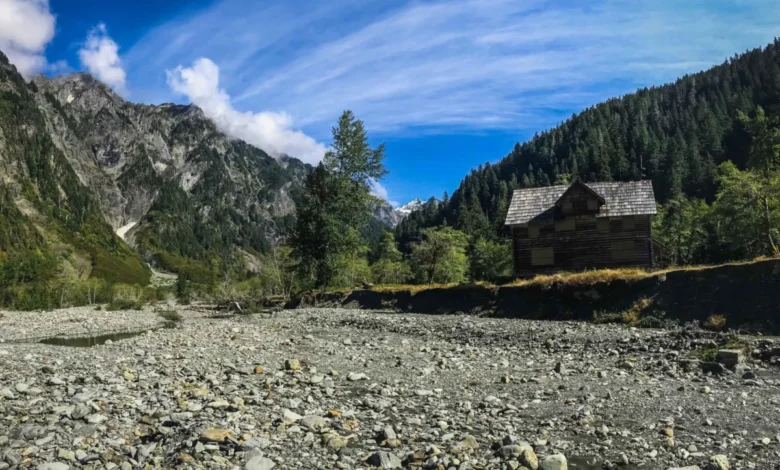
Deep within the pristine wilderness of Olympic National Park in Washington state stands the Enchanted Valley Chalet, a nearly century-old log-cabin-style structure that serves as the visual centerpiece of a breathtaking landscape defined by roaring rivers, cascading waterfalls, and jagged peaks. This iconic building, however, is more than just a picturesque landmark; it has become a potent symbol of the complex challenges facing the National Park Service (NPS) – a perfect storm of chronic underfunding, escalating visitor numbers, and what many observers describe as protracted planning and communication failures. Its precarious existence at the mercy of a dynamic river system and an uncertain administrative fate encapsulates a broader national debate on wilderness preservation, historical conservation, and the sustainable management of America’s cherished public lands.
A Legacy Forged in the Wilderness: The Chalet’s Storied Past
The story of the Enchanted Valley Chalet begins in 1931, a period when the concept of wilderness recreation was gaining traction, and private enterprise often played a role in providing access to remote natural areas. With permission from the U.S. Forest Service, a recreation company embarked on the ambitious project of constructing this 2.5-story lodge. Its remote location, accessible only by a demanding 13-mile one-way hike deep into the forest, underscored its unique appeal as a true wilderness retreat. The chalet’s design, a quintessential example of the rustic architectural style prevalent in national parks during the early 20th century, showcased skilled craftsmanship, with its sturdy log construction blending harmoniously with the rugged surroundings. For 11 years, it operated as a lodge, offering respite and adventure to intrepid travelers seeking an immersive experience in the Olympic Mountains.
The chalet’s utility extended beyond tourism during World War II, when it was repurposed as a lookout post for the U.S. military. Positioned strategically, it played a role in monitoring for enemy aircraft, particularly relevant given the Pacific theater of war. This period added another layer to its historical significance, marking its transition from a recreational haven to a guardian of national security.
In 1951, the National Park Service acquired the building, integrating it into the growing infrastructure of Olympic National Park, which had been established in 1938. For over six decades, the chalet served as a vital backcountry ranger station and a much-needed shelter for hikers navigating the park’s extensive trail network. Its presence provided a sense of security and a touch of historical charm in an otherwise wild and untamed environment.

Its profound significance was formally recognized in 2007 when the chalet was successfully added to the National Register of Historic Places. The nomination documents highlighted its exceptional character, stating, "It is unique in that it is one of only two public resort structures that was built and has remained distant from road access: this fact epitomizes the wilderness theme for which the chalet was promoted and operated." Furthermore, the proposal underscored its architectural merit: "The chalet is the only structure originally built as a public resort that remains standing in the interior of the Olympic range. Architecturally, the chalet is an excellent example of a log cabin building type, and it displays skilled craftsmanship and possesses high artistic value." This designation imposed certain preservation responsibilities, acknowledging its historical and cultural importance.
However, the chalet’s golden era as a functional backcountry asset began to wane. By 2013, a combination of disuse, limited maintenance resources, and a mounting backlog of repairs led the NPS to shutter the structure, restricting public access due to escalating vandalism and structural concerns. This closure marked the beginning of its current decade-long saga of uncertainty.
The Quinault River’s Advance: A Battle Against Nature
The primary threat to the Enchanted Valley Chalet has always been its intimate proximity to the Quinault River. This powerful waterway, a lifeblood of the valley, is also an agent of constant geological change. River erosion, a natural process exacerbated by factors such as intense rainfall, snowmelt, and potentially climate change-induced alterations in hydrology, relentlessly gnaws at the riverbanks. By 2013, the river’s advance had become critical, with its waters flowing perilously close – at one point, within just 18 inches – of the chalet’s foundation, threatening imminent collapse.
In response to this urgent threat, the NPS undertook a monumental, emergency operation in 2014, investing an estimated $300,000 to move the entire 2.5-story structure approximately 100 feet back from the encroaching river. This was a massive feat of engineering in a remote wilderness setting, requiring specialized equipment and skilled personnel, with all materials needing to be transported by hand or mule due to the chalet’s location within a designated wilderness area, where mechanized transport is severely restricted. Despite the significant investment and effort, the move was temporary in nature; the chalet still rests on the steel beams used for its relocation, lacking a permanent, stable foundation.
The respite proved short-lived. By 2019, the relentless erosion of the Quinault River had once again brought the water’s edge within a mere 5 feet of the chalet. This renewed threat triggered another comprehensive analysis by the NPS, examining the area’s environmental impact and proposing a range of alternatives for the structure’s future. The documents outlined three primary options:

- "No Action" (Do Nothing): Allow the chalet to eventually succumb to the river’s erosion and fall into the water.
- Dismantle and Remove: Systematically take apart the structure, removing all non-organic components by helicopter, while allowing natural elements like the timber logs to decompose in situ.
- Relocate Again: Move the chalet further back, an estimated 250 feet, to temporarily distance it from the river.
After careful consideration, the NPS recommended the second option in 2020: dismantle the chalet and remove its non-organic components. The report estimated the cost of this operation at $116,000. The rationale behind this recommendation was multifaceted. It aimed to "eliminate concerns for it to erode into the river and disrupt hydrology and natural streamflow processes, as well as for adverse impacts on bull trout critical habitat and tribal fisheries downstream." Furthermore, it would remove the need for "additional future flights to address maintenance needs or removal from the river," signaling a desire for a permanent, rather than temporary, solution. Proposals to move the chalet another 250 feet were explicitly rejected, with the NPS concluding that even such a significant relocation would only delay the inevitable, as the structure "would eventually erode into the river."
A Decade of Indecision: The Chalet’s Lingering Limbo
Despite the clear recommendation made in 2020, no action has been taken on the Enchanted Valley Chalet. It continues to sit precariously in its relocated spot, teetering on steel beams, a monument to administrative paralysis. When contacted for comment, the NPS provided a succinct, yet telling, response: "It has not made a final decision." This lack of a definitive resolution has stretched into its fourth year, leaving the historic structure in a perpetual state of limbo.
This prolonged inaction has drawn criticism and concern from various stakeholders. Chris Moore, Executive Director of the Washington Trust for Historic Preservation, has voiced his organization’s persistent attempts to engage with the NPS regarding the chalet’s fate, stating that his inquiries since 2020 have gone unanswered. The Trust advocates for the chalet’s preservation, ideally through another relocation further away from the river, enabling it to once again serve as a backcountry shelter. Moore attributes the delay to significant funding issues and budget cuts within the NPS, arguing that the chalet’s plight is emblematic of the "opportunity costs" incurred when the park service is under-resourced. He suggests that such "small things" – historically significant but less prominent structures – are often the first to "fall by the wayside" compared to more famous landmarks.
Conversely, other groups, such as Olympic Park Advocates, champion a different vision. They advocate for the complete removal of the chalet, aligning with a wilderness ethos that prioritizes the restoration of natural processes and the uninhibited wild character of the area. This divergence of opinion underscores a fundamental tension within the broader conservation movement: the balance between preserving human history and allowing nature to reclaim its domain.
The 2014 emergency relocation, while a testament to engineering ingenuity, is now viewed by many as a stopgap measure that bought minimal time. The question remains: why was it not moved further initially, especially given the 2020 analysis suggested a 250-foot relocation? Moore suggests the 2014 move was purely an "emergency placeholder" designed to defer a more difficult, long-term decision. A decade later, that decision remains elusive. The consequences of this inaction are clear: the river, time, and ongoing erosion will inevitably claim the structure. Furthermore, the NPS itself has acknowledged that if the chalet were simply allowed to fall into the Quinault River, it would disrupt critical fish habitats, including those of the threatened bull trout, and negatively impact tribal fisheries downstream, particularly those of the Quinault Indian Nation, who hold aboriginal rights and a deep cultural connection to these waters.

The Permitting Paradox: Overcrowding and Communication Failures
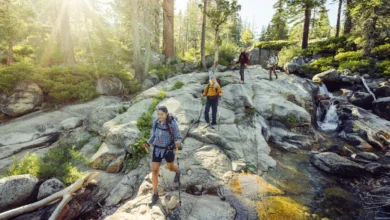
Beyond the structural dilemma of the chalet itself, Olympic National Park has grappled with the growing popularity of its backcountry areas, particularly the Enchanted Valley trail. As an intrinsically stunning destination, characterized by its "foggy, mountainous landscape with greenery and waterfalls" and the constant "atmospheric babbling" of the Quinault River, it’s no surprise that the trail has become an extremely popular backpacking trip. Its relatively flat and moderate terrain, coupled with strategically placed campsites, makes it accessible to a wide range of hikers.
However, this surging popularity has brought its own set of challenges, primarily overcrowding. To mitigate the ecological impact and preserve the wilderness experience, the NPS instituted a trial online permit quota system in 2024 for a period of three years. This system aimed to control visitor numbers, allowing access for a maximum of 208 users or 30 permits per night, whichever threshold was met first. Such systems are increasingly common across popular national park backcountry areas to manage human impact on fragile ecosystems.
Yet, the implementation of this new system quickly ran into significant logistical hurdles. On April 15, the customary date for permits to become available for the upcoming season, the online system failed to operate as planned. Without any prior public announcement or warning, the NPS had moved the permitting process offline. The reason: severe erosion damage on Graves Creek Road, the primary and often only vehicular access route to the Enchanted Valley trailhead. This closure rendered the trailhead inaccessible, prompting the NPS to make permits available exclusively via phone or in-person, and only up to three days in advance of a trip.
This sudden shift created a major accessibility barrier. A maximum lead time of just three days makes it logistically impossible for the vast majority of potential visitors, especially those traveling from out of state, to plan and execute a trip. It effectively precludes making necessary arrangements like booking flights or requesting time off work. While online permit systems like Recreation.gov can sometimes be clunky, they offer a universal accessibility that the new, restrictive system entirely lacks.
The lack of communication surrounding this critical change compounded the frustration. Many prospective hikers only discovered the change when they attempted to log into the online system on April 15. Although the NPS website for Olympic National Park did feature an alert about the Graves Creek Road damage, there was no wider public communication campaign to inform the thousands of eager hikers about the fundamental alteration to the permitting process. As reported by outlets like SFGate, this created widespread confusion and disappointment. There is currently no projected timeline for the reopening of Graves Creek Road, a route that has a history of closures due to washouts in 2019 and 2023, highlighting ongoing infrastructure vulnerability in the park.

Broader Implications: A Microcosm of National Park Challenges
The saga of the Enchanted Valley Chalet and the recent permit snafu are more than isolated incidents; they are symptomatic of larger, systemic issues confronting the National Park Service across the United States. The initial construction of the chalet in the 1930s, an era characterized by a different understanding of human interaction with wilderness, now serves as a historical reminder of the consequences of assuming human dominance over wild landscapes without fully appreciating nature’s dynamic and often relentless responses.
In the modern context, the chalet’s predicament highlights the pervasive challenges of deferred maintenance and underfunding that plague the NPS. The agency faces an estimated multi-billion dollar maintenance backlog across its 400+ units, despite initiatives like the Great American Outdoors Act aiming to address these deficiencies. Structures like the Enchanted Valley Chalet, while historically significant, often compete for scarce resources against more visible and popular attractions. This resource strain directly impacts the ability to make timely decisions, implement necessary repairs, and maintain essential infrastructure.
The lack of transparent and timely communication regarding the chalet’s fate and the permit system changes further underscores a critical administrative vulnerability. In an era of record-breaking visitor numbers – Olympic National Park alone saw approximately 2.9 million visitors in 2023, with hundreds of thousands expected monthly during peak summer season – effective communication is paramount for managing expectations, ensuring visitor safety, and maintaining public trust. The absence of clear messaging creates confusion, undermines visitor planning, and can foster resentment among a public eager to experience these natural treasures responsibly.
The debate over the chalet also brings into sharp relief the philosophical tension between historical preservation and wilderness protection. While the Washington Trust for Historic Preservation rightly champions the chalet’s architectural and historical value, groups like Olympic Park Advocates emphasize the intrinsic value of undisturbed wilderness and the restoration of natural processes, even if it means sacrificing a human-made landmark. The involvement of tribal nations, particularly the Quinault Indian Nation, adds another crucial layer, emphasizing ancestral connections to the land and the need to protect vital ecological resources like salmon and bull trout habitats.
As summer approaches, bringing with it the annual influx of tourists and backpackers, the fate of the Enchanted Valley Chalet remains unresolved, and access to its spectacular surroundings remains severely restricted. This pristine area of public land, once a symbol of accessible wilderness adventure, now stands as a stark illustration of the complex interplay between human history, natural forces, administrative capacity, and the enduring challenges of managing and preserving America’s national parks for future generations. Without decisive action and improved resource allocation and communication from the National Park Service, the legacy of the Enchanted Valley Chalet may ultimately be one of prolonged indecision, missed opportunities, and the quiet erosion of both history and access.