Curaçao, the largest of the ABC islands in the Dutch Caribbean, serves as a premier destination for travelers seeking a sophisticated blend of cultural heritage and gastronomic innovation. The island’s culinary identity is a complex tapestry woven from its diverse history, incorporating influences from Dutch, Caribbean, Latin American, and Sephardic Jewish traditions. This unique melting pot of flavors is not merely a byproduct of geography but a reflection of centuries of migration and trade. As the tourism sector in Curaçao continues to expand, the culinary scene has emerged as a primary driver of the local economy, offering everything from high-end oceanfront dining to authentic farm-to-table experiences. Understanding the island through its food requires an exploration of its historical roots, its innovative agricultural practices, and the vibrant neighborhoods that define its modern identity.
The Historical Evolution of Curaçaoan Cuisine
The culinary timeline of Curaçao begins with the indigenous Arawak people, whose reliance on local seafood and drought-resistant tubers laid the foundation for the island’s diet. However, the most significant shifts occurred following the arrival of the Dutch in 1634. The Dutch West India Company transformed the island into a central hub for the transatlantic trade, bringing with it European staples such as Gouda and Edam cheeses, which remain integral to the local diet today.
During the 17th and 18th centuries, the arrival of Sephardic Jews from Portugal and Spain introduced new spices and cooking techniques, contributing to the "sweet and savory" profiles often found in local stews. Simultaneously, the African diaspora, brought to the island through the slave trade, introduced ingredients like okra, cornmeal (funchi), and various tropical fruits. This historical convergence created a unique creole cuisine that is distinct from its neighbors in the Lesser Antilles. In the modern era, the influx of Latin American immigrants from Venezuela and Colombia has further enriched the landscape with the introduction of arepas and grilled meats, while North American tourism has spurred a demand for contemporary fusion and high-standard hospitality services.
Gastronomic Hubs: Pietermaai and Otrobanda
The revitalization of historic districts has played a crucial role in Curaçao’s culinary rise. Pietermaai, once a neglected residential area, has been transformed into the island’s "SoHo," characterized by pastel-colored colonial architecture and a dense concentration of boutique hotels and upscale eateries. Within this district, BijBlauw has established itself as a benchmark for oceanfront dining. Strategically located to provide unobstructed views of the Caribbean Sea, BijBlauw exemplifies the "blue economy" of tourism, where the natural environment is leveraged to enhance the service experience. Its menu, featuring items like the "Banana Oh Nana" pancakes and the comprehensive "BijBlauw Breakfast," caters to an international clientele while maintaining a commitment to high-quality, fresh ingredients.
Across the Sint Anna Bay lies Otrobanda, a district that has seen significant investment in recent years. Maira’s Kitchen represents the quintessential Otrobanda dining experience, blending Mediterranean influences with local charm. The restaurant’s success reflects a broader trend of "adaptive reuse," where historic buildings are repurposed into culinary landmarks. Maira’s Kitchen offers a sophisticated menu that includes house-made cheese platters featuring nut chutneys and fig bread, alongside more robust options like lamb burgers topped with tabbouleh and harissa. This fusion of Mediterranean and Caribbean sensibilities highlights the cosmopolitan nature of the island’s modern food scene.
The Rise of Sustainable Agriculture: Hofi Cas Cora
Curaçao’s arid climate and rocky terrain have historically made large-scale agriculture a challenge, leading to a heavy reliance on imported goods. However, a new movement toward food sovereignty and sustainability is being led by establishments like Hofi Cas Cora. As a pioneer in the island’s farm-to-table movement, Hofi Cas Cora operates as both a working farm and a weekend eatery. The restaurant emphasizes the use of garden-fresh vegetables and locally sourced proteins, challenging the notion that high-quality produce cannot be grown in the Caribbean’s dry conditions.
The menu at Hofi Cas Cora, featuring items such as French toast stuffed with house-made jam and the Lomita wrap—a tenderloin sandwich wrap with marinated papaya and peanuts—demonstrates the creative potential of local ingredients. The establishment also operates "The Marketplace," which serves as a vital resource for the community during the week, providing locally grown produce and bulk health foods. This model of sustainable consumption is increasingly important as the island seeks to reduce its carbon footprint and support local farmers. Economic analysts suggest that the success of such ventures could lead to a more resilient local economy, less susceptible to the fluctuations of global supply chains.
Keshi Yena: A Symbol of Cultural Resilience
No culinary guide to Curaçao is complete without an analysis of its signature dish, Keshi Yena. This dish is a profound example of how culinary traditions can emerge from periods of hardship. Historically, the rinds of Dutch cheeses like Edam or Gouda were discarded by the wealthy and collected by the enslaved population. These rinds were then stuffed with leftover scraps of meat, raisins, olives, and spices, and baked until the cheese softened into a savory vessel.
Today, Keshi Yena is celebrated as a gourmet delicacy and a symbol of Curaçaoan resilience. It represents the literal and figurative "stuffing" of European structures with Caribbean flavors. Restaurant & Café Gouverneur De Rouville, located in the heart of the UNESCO World Heritage site of Willemstad, is renowned for its rendition of this dish. By serving Keshi Yena on a balcony overlooking the iconic Handelskade waterfront, the restaurant connects the island’s culinary heritage with its architectural history. The dish’s composition—spiced meat, capers, onions, and tomatoes encased in melted cheese—remains a testament to the island’s ability to harmonize disparate influences.
Supporting Data and Tourism Trends
Data from the Curaçao Tourist Board (CTB) indicates a steady increase in "culinary tourism" as a specific niche. In recent years, exit surveys of international visitors have shown that the quality and variety of dining options rank among the top three reasons for choosing Curaçao as a destination. In 2023, the island saw a record-breaking number of stay-over arrivals, surpassing 500,000 visitors. This growth has direct implications for the restaurant industry, which accounts for a significant portion of the island’s employment.
Furthermore, the "Orange Economy"—a term used to describe the creative and cultural sectors—is becoming a pillar of Curaçao’s development strategy. The government and private stakeholders have increased investments in culinary festivals and training programs to ensure that the local workforce can meet the standards of a global market. The integration of technology, such as online reservation systems and digital marketing for small cafes, has also allowed local eateries to compete on an international stage.
Official Responses and Strategic Outlook
Local officials and industry leaders have expressed a commitment to maintaining this momentum. In statements regarding the island’s economic future, representatives from the Ministry of Economic Development have highlighted the importance of diversifying the tourism product. "Curaçao is more than just beaches; it is a sensory experience," one official noted during a recent tourism summit. "Our goal is to position the island as the culinary capital of the Caribbean by fostering innovation while preserving our traditional recipes."
Restaurateurs have also voiced their perspectives on the evolving market. Many emphasize the need for a balance between catering to tourists and remaining accessible to the local population. The success of "Marshe Bieu" (the Old Market) in Willemstad, where locals and tourists alike sit at communal tables to eat traditional stews like Kabritu Stobá (goat stew), serves as a model for this inclusive approach.
Broader Impact and Implications
The evolution of Curaçao’s food scene has broader implications for the region. As travelers increasingly seek "authentic" and "transformative" experiences, Curaçao’s ability to offer a multi-layered cultural narrative through its cuisine provides a competitive advantage. The island serves as a case study in how a small territory can leverage its complex history to create a modern, high-value tourism brand.
The focus on sustainability, as seen with Hofi Cas Cora, also aligns with global trends toward environmental responsibility. By reducing the "food miles" associated with the hospitality industry, Curaçao is taking steps toward a more sustainable future. Moreover, the preservation of dishes like Keshi Yena ensures that the island’s history is not forgotten but rather celebrated and shared with the world.
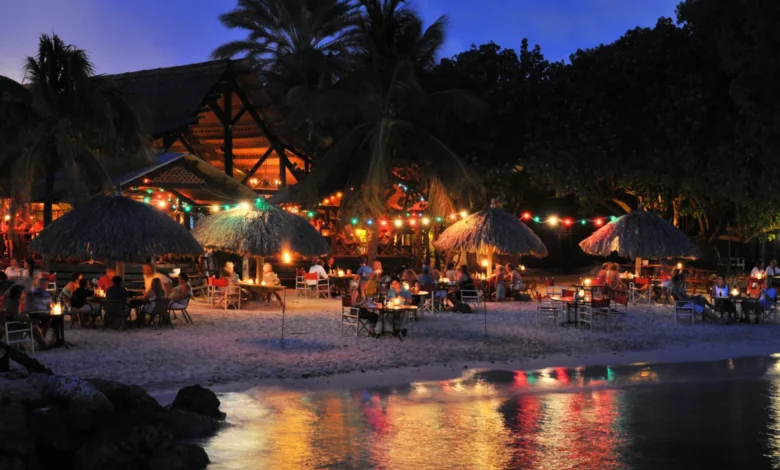
In conclusion, Curaçao’s culinary landscape is a dynamic and essential part of its national identity. From the sophisticated breakfast views at BijBlauw to the historical depth of a sunset dinner at Gouverneur De Rouville, the island offers a gastronomic journey that is as educational as it is delicious. As the island continues to navigate the complexities of modern tourism and economic development, its flavors will remain the most vibrant expression of its enduring spirit. For the food lover, Curaçao is not just a place to eat; it is a place to experience the intersection of history, culture, and innovation.